How to Interpret the Tire Pressure Warning Light in a RAV4
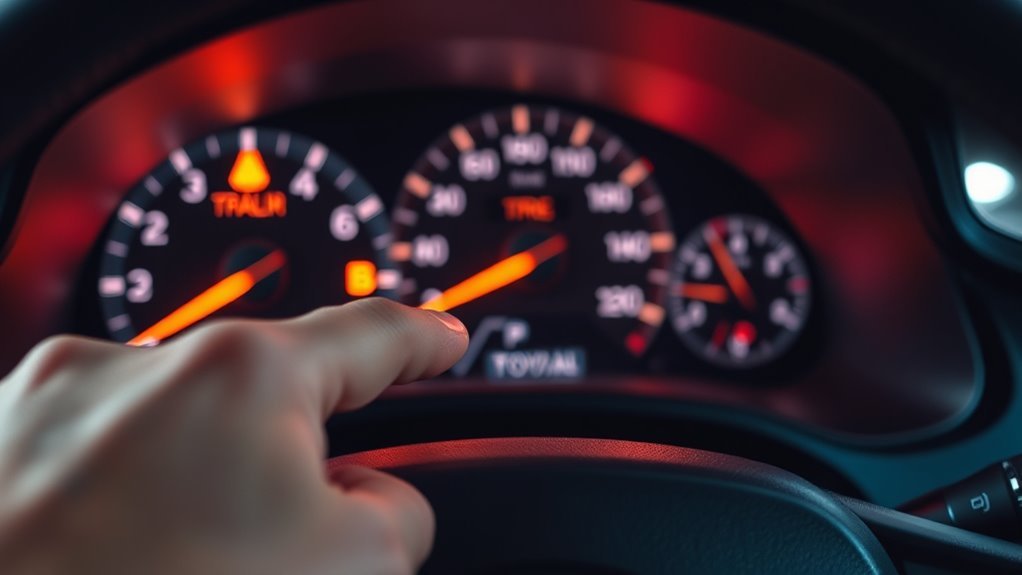
When you see the yellow exclamation mark light in your RAV4, it’s time to check your tire pressure. This warning indicates low pressure, often caused by temperature changes or leaks. Start by checking all tires, including the spare, and inflate them to about 35 psi. If the light stays on after adjustments, you might have a faulty TPMS sensor. Want to know more about maintaining proper tire pressure and troubleshooting?
What Does the Yellow Exclamation Mark Light Mean?
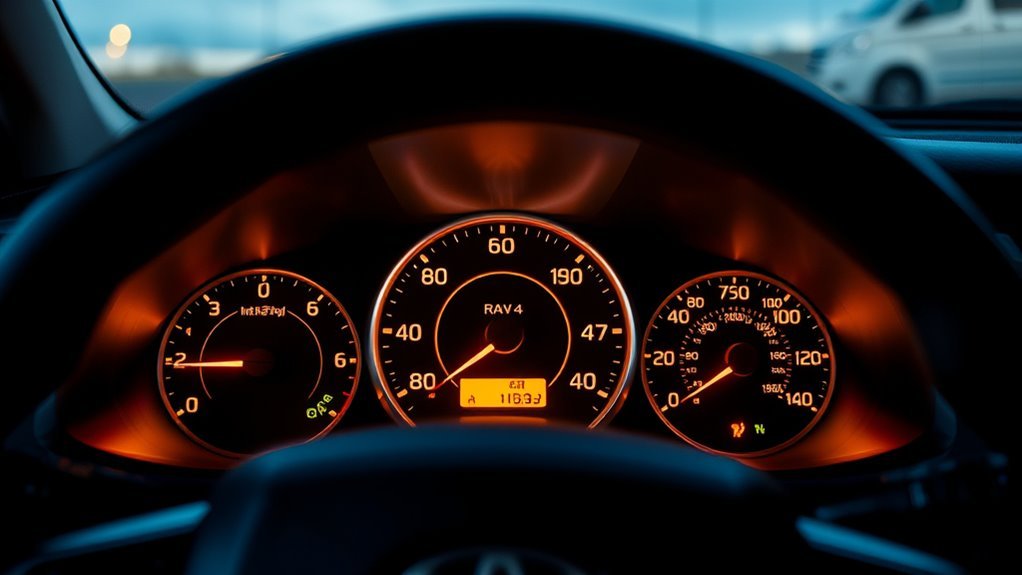
When you see the yellow exclamation mark light on your dashboard, it’s a signal that something needs your attention—typically, it indicates an alert from the Tire Pressure Monitoring System (TPMS). This warning light triggers primarily from low tire pressure, especially in cooler temperatures. It’s vital to check all your tires, including the spare if it has a sensor, to guarantee they’re properly inflated—aim for around 35 psi for peak performance.
However, don’t overlook the possibility of a faulty TPMS sensor contributing to this alert. If the light stays illuminated even after you’ve adjusted the tire pressure, you may need to reset the TPMS or investigate the sensor for low battery or other issues. Regularly monitoring your tire pressure not only enhances safety but also liberates you from unexpected breakdowns on the road. Stay proactive, and keep your vehicle in prime shape!
Why Is Your Tire Pressure Light On?
If your tire pressure light is on, it could be due to several common causes, like under-inflation or a malfunctioning sensor. You’ll need to take immediate action by checking tire pressures and ensuring they meet manufacturer recommendations. Additionally, implementing long-term maintenance tips can help prevent this issue from recurring and keep your vehicle running smoothly.
Common Causes Explained
Understanding why your tire pressure warning light is on can save you from potential hazards and costly repairs. Here are some common causes:
- Low Tire Inflation: A drop in temperature or punctures can lower your tire pressure, triggering the light.
- Seasonal Changes: Colder months often lead to fluctuations in tire pressure, causing the warning light to activate more frequently.
- Sensor Issues: A blinking light may indicate a malfunctioning tire pressure sensor that needs troubleshooting or replacement.
- Tire Pressure Myths: Many believe that the light is just a suggestion; ignoring it can lead to reduced fuel efficiency and compromised handling.
Stay informed about these causes to maintain peak performance and safety in your RAV4.
Immediate Actions Required
Take immediate action when your Tire Pressure Warning Light illuminates; it signals a potential issue that could compromise your safety. This yellow exclamation mark warns you of low tire pressure, which may arise from temperature changes or leaks. First, stop and check the tire pressure in all tires, including the spare if it has a sensor. If you find any tires under-inflated, inflate them to the recommended pressure—typically around 35 psi. Ignoring this warning light can lead to reduced fuel efficiency, compromised handling, and increased tire wear. If the light stays on after adjusting the pressure, further inspection is essential to check for faulty sensors or other underlying issues. Understanding this warning light’s significance is critical for safe driving.
Long-Term Maintenance Tips
Addressing the Tire Pressure Warning Light is just the beginning; maintaining proper tire pressure over time is essential for peak vehicle performance. Regular tire maintenance and seasonal checks can prevent issues before they arise. Here are some tips to keep your tires in top shape:
- Check Pressure Monthly: Regularly monitor tire pressure, especially during temperature changes.
- Inspect for Leaks: Look for signs of damage or leaks in your tires and fix them promptly.
- Rotate Tires: Rotate your tires every 5,000 to 7,500 miles to guarantee even wear.
- Reset Sensors: If the warning light stays on after inflating, reset the sensor via your vehicle’s menu.
How to Check and Adjust Your Tire Pressure
To guarantee your tires are properly inflated, you’ll need a reliable tire pressure gauge. It’s essential to check your tire pressure when they’re cold, typically before a trip, and adjust the pressure based on the recommended psi found in your owner’s manual. By following these steps, you’ll enhance your vehicle’s safety, handling, and fuel efficiency.
Tools Needed For Checking
Checking your tire pressure requires just a few essential tools to guarantee safety and performance on the road. Here’s what you need:
- Tire Pressure Gauge: Choose between digital or manual gauge types for accurate readings.
- Air Compressor: Use this to inflate tires to the recommended pressure standards.
- Valve Stem Tool: This helps maintain a secure fit while checking pressure.
- Notebook or App: Track your tire pressure readings and adjustments for future reference.
Remember to check your tire pressure when the tires are cold and refer to the driver’s side door jam for the manufacturer’s recommended psi, usually around 35. Regular checks will keep your vehicle performing at its best!
Proper Inflation Techniques
Maintaining proper tire inflation is essential for safety and performance. To check your tire pressure accurately, use a reliable pressure gauge when your tires are cold. Most vehicles, including the RAV4, recommend around 35 psi, but always consult your owner’s manual or the driver’s side door jam for specifics. Inflate your tires using an air compressor, and don’t forget to check the spare if it has a sensor.
| Step | Action | Notes |
|---|---|---|
| 1 | Check pressure | Use a reliable gauge |
| 2 | Inflate tires to recommended psi | 35 psi is typical |
| 3 | Inspect tire condition regularly | Temperature affects pressure |
| 4 | Reset TPMS after inflation | Follow the manual’s instructions |
| 5 | Enjoy the ride | Proper inflation guarantees safety |
When To Check Pressure
Proper tire inflation is just the beginning; knowing when to check your tire pressure is equally important for safe driving. Regular tire pressure monitoring can prevent accidents and improve fuel efficiency. Here’s when you should check:
- When the Tire Pressure Warning Light illuminates – Don’t ignore it; address potential low inflation or sensor issues.
- Seasonal adjustments – Check tire pressure during significant temperature changes, as colder weather can reduce pressure.
- Monthly checks – Regularly inspect all tires, including the spare, to maintain peak performance.
- Before long trips – Confirm your tires are properly inflated for safety and efficiency.
Stay proactive, and you’ll enjoy a safer, smoother ride.
Immediate Steps When the Tire Pressure Light Shows Up

When the tire pressure warning light illuminates on your RAV4’s dashboard, it’s essential to act quickly. First, pull over safely and check your tire pressure. You might find that under-inflation is the culprit, so inflate your tires to the recommended pressure, usually around 35 psi, as noted in your owner’s manual or on the driver’s side door jam.
Don’t fall for tire pressure myths; staying informed is key. If the light remains on after you’ve inflated the tires, it could indicate a faulty tire pressure sensor or low sensor battery. In that case, make sure you’re practicing good sensor battery care. To reset the Tire Pressure Monitoring System (TPMS), start your engine and hold the Reset button until the light blinks three times. Regularly monitoring your tire pressure, especially during temperature changes, will help prevent future warning light activations and maintain safe driving conditions.
How to Identify a Faulty TPMS Sensor
After addressing the tire pressure warning light, it’s important to take into account that a malfunctioning Tire Pressure Monitoring System (TPMS) sensor might be the underlying issue. Here’s how to identify a faulty sensor:
- Check for a Blinking Light: A blinking TPMS light often means the sensor is malfunctioning and may need replacement.
- Inspect Tire Pressure: If you’ve corrected the tire pressure but the light stays on, it’s likely a sensor issue.
- Consider Sensor Lifespan: Remember, TPMS sensors have a limited lifespan and can fail due to age or harsh conditions.
- Run Diagnostics: Regular diagnostics can pinpoint sensor faults. If issues persist, consult your vehicle’s manual for reset procedures or seek professional help.
Using genuine OEM parts for sensor replacement guarantees compatibility and reliability, freeing you from unnecessary tire pressure woes.
How TPMS Works to Monitor Tire Pressure
Understanding how the Tire Pressure Monitoring System (TPMS) works is essential for maintaining your vehicle’s safety and efficiency. This TPMS technology utilizes sensors in each tire to continuously monitor air pressure and alert you when it drops below about 35 psi. If you see that warning light on your dashboard, it’s a signal to check your tire pressure.
| Feature | Details |
|---|---|
| Sensors | Monitor tire pressure in real-time |
| Warning Activation | Light activates at low pressure |
| Sensor Lifespan | Limited; may need replacement over time |
| Safety Benefits | Prevents unsafe driving conditions |
Regular maintenance and checks guarantee that your TPMS functions effectively. If the warning light stays on even after inflation, consider the sensor lifespan—replacement may be necessary. Staying proactive enhances both safety and fuel efficiency.
How Temperature Changes Affect Tire Pressure
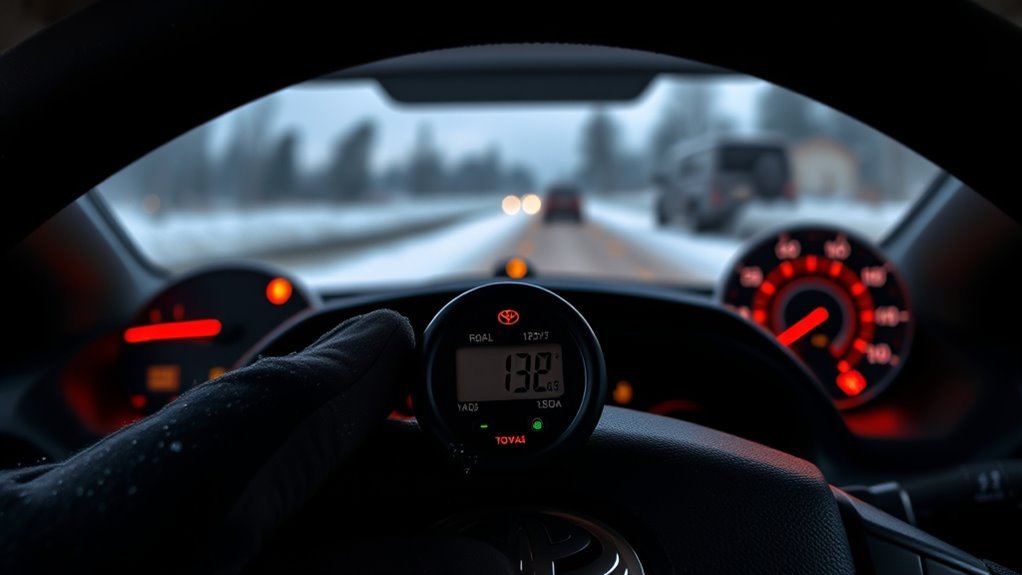
Temperature changes can greatly impact your tire pressure, so it’s crucial to stay vigilant. As the seasons shift, you’ll notice how temperature fluctuations can lead to significant variations in your tire pressure. Here’s what you should know:
- Cold Weather: Tire pressure decreases by about 1 psi for every 10°F drop. This means you may see low tire pressure warnings even without leaks.
- Warm Weather: Higher temperatures can inflate your tire pressure, potentially exceeding safe limits.
- Seasonal Checks: Regularly monitor your tires during shifts to guarantee safety and performance.
- Fuel Efficiency: Maintaining proper tire pressure enhances fuel efficiency and prolongs tire lifespan.
Maintenance Tips to Prevent Tire Pressure Issues
To keep your tires in top condition and prevent pressure issues, regular maintenance is essential. Start by checking your tire pressure at least once a month, making certain it aligns with the manufacturer’s specifications—typically around 35 psi for many RAV4 models. Inspect your tires for visible signs of wear or damage, as these can lead to slow leaks that trigger the warning light. Remember, temperature fluctuations can impact tire pressure, so adjust accordingly during significant weather changes.
Rotating your tires as recommended in your owner’s manual promotes even tire wear, enhancing performance and helping to prevent pressure issues. Finally, schedule routine maintenance, including oil changes and tire inspections, to catch potential problems early. By staying proactive with tire maintenance, you promote safer driving and a smoother ride.
When to Seek Professional Help for Tire Pressure Concerns?
While you can often resolve minor tire pressure issues on your own, knowing when to seek professional help is vital for maintaining safety on the road. Here are some key situations where expert assistance is important:
- If the tire pressure warning light stays on after inflating your tires to the recommended pressure, you may have a faulty TPMS sensor that needs diagnosis.
- A blinking tire pressure warning light signals a malfunctioning sensor, requiring immediate inspection by a qualified technician.
- If you notice a sudden drop in tire pressure due to a leak or puncture, consult a professional service center to guarantee safe driving conditions.
- After rotating or replacing tires, if the TPMS light doesn’t reset, it’s wise to visit a pro for proper sensor calibration.
Recognizing these signs can streamline your tire pressure troubleshooting, keeping you safe and liberated on your journeys.
Frequently Asked Questions
Does RAV4 Tell You Which Tire Is Low?
No, your RAV4 doesn’t specify which tire is low when the tire pressure warning light activates. You’ll need to check each tire manually or use a gauge to find the affected one.
What Is a Good PSI for RAV4 Tires?
A good psi for RAV4 tires ranges from 32 to 35. Regular tire maintenance and pressure monitoring guarantee safety, optimize fuel efficiency, and enhance performance, helping you enjoy a smoother, more liberated driving experience.
How Do I Know When to Replace RAV4 Tires?
You’ll know it’s time to replace your RAV4 tires when tread depth falls below 2/32 inches, you spot visible damage, or notice uneven wear. Regular maintenance tips can help guarantee your safety on the road.
Conclusion
To summarize, think of your tire pressure warning light as a guardian angel, alerting you to potential trouble before it escalates. By understanding what it means and taking proactive steps, you can guarantee a smoother, safer ride. Keep an eye on your tire pressure, adjust as needed, and don’t hesitate to seek professional help if something feels off. Staying vigilant not only protects your vehicle but also enhances your overall driving experience.

Related Articles
Upsizing Wheels on a Toyota RAV4: Pros, Cons, and Considerations
Boost your Toyota RAV4's performance with larger wheels, but discover the hidden trade-offs that could impact your ride before you decide.
Read More
Can I Change Tire Size on My Toyota RAV4? Rules and Recommendations
Are you considering changing the tire size on your Toyota RAV4? Discover the essential rules and recommendations before making a decision.
Read More
What to Do If the TPMS Light Comes On in Your RAV4
Understand the steps to take when the TPMS light illuminates in your RAV4, as overlooking it could lead to serious tire problems.
Read More