
How Often Should You Balance Hyundai Sonata Tires?

You should balance your Hyundai Sonata’s tires every 5,000 to 7,500 miles for ideal performance and safety. Regular balancing guarantees even weight distribution, minimizing vibrations and enhancing handling. If you notice vibrations in the steering wheel or uneven tire wear, it’s time to balance your tires immediately. Ignoring this can lead to costly repairs and decreased vehicle stability. Keep your tires in top shape, and you’ll find more insights on maintaining their health effectively.
Why Is Regular Tire Balancing Important for Your Sonata?
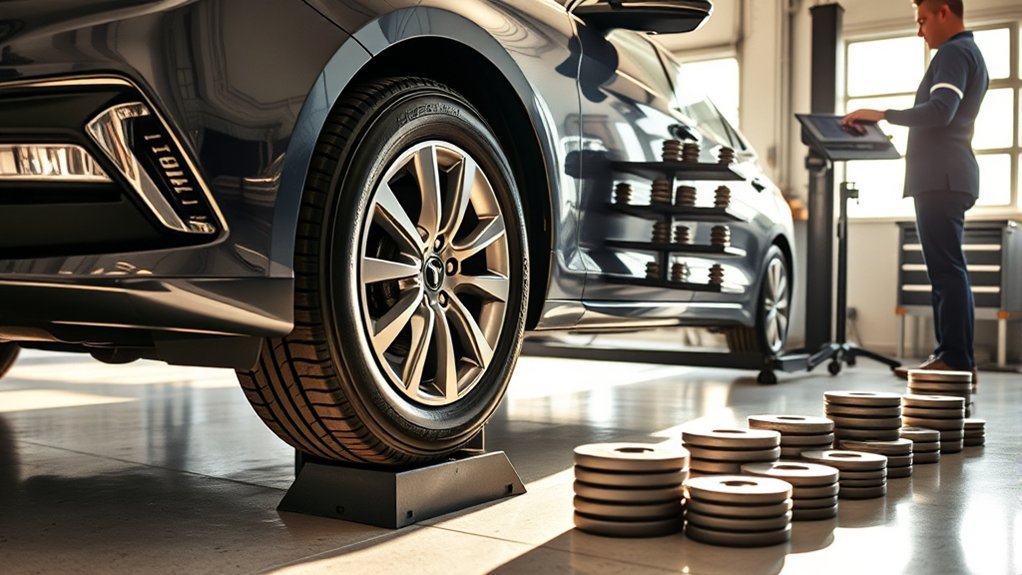
When you drive your Hyundai Sonata, regular tire balancing is crucial to assure top performance and safety. Proper tire maintenance guarantees even weight distribution, minimizing vibrations that can compromise your driving comfort. By balancing your tires every 5,000 to 7,500 miles, you not only enhance vehicle handling and stability but also improve traction and control, making your drive safer.
Ignoring tire balancing can lead to uneven wear patterns, increasing rolling resistance and diminishing fuel efficiency. This not only raises your operating costs but also accelerates the need for premature tire replacements, impacting your wallet.
Watch for signs like vibrations at higher speeds and uneven tire wear; these indicate that your tires need balancing. Addressing these issues promptly will help maintain peak performance, allowing you to enjoy the freedom of a smooth, efficient ride in your Sonata.
How Often Should You Balance Your Sonata’s Tires?
To maintain ideal performance in your Hyundai Sonata, balancing your tires every 5,000 to 7,500 miles is recommended. This routine is vital, especially if you frequently drive on rough roads, as it helps prevent uneven tire wear and enhances vehicle handling. A consistent maintenance schedule guarantees that your Sonata remains responsive and comfortable on the road.
In addition to the mileage guideline, pay attention to any vibrations while driving; these could indicate that your tires need balancing sooner. Regular balancing not only improves driving safety but also prolongs the lifespan of your tires. It’s important to pair tire balancing with proper tire alignment to achieve the best outcomes. By adhering to these practices, you empower yourself with a smoother driving experience and the freedom of reliable performance. Take charge of your Sonata’s upkeep and enjoy the liberation that comes with peak vehicle maintenance.
Signs That Indicate Your Tires Need Balancing
If you notice vibrations in the steering wheel or seat while driving, your tires might need balancing. Uneven wear patterns and your vehicle pulling to one side are also key indicators that something’s off. Keeping an eye on these signs can help you maintain peak tire performance and safety.
Steering Wheel Vibrations
- Increased vibrations at higher speeds: This indicates a notable imbalance that needs addressing.
- Difficulty maintaining a straight course: If your vehicle drifts, it’s time to check the tires.
- Unusual noise or discomfort: These symptoms often accompany tire imbalances.
- Uneven tire wear patterns: Signs like cupping or scalloping may reveal the need for balancing.
Regularly balancing your tires every 5,000 to 7,500 miles can prevent these issues and enhance your driving experience.
Uneven Tire Wear
Steering wheel vibrations often signal an underlying issue with tire balance, but uneven tire wear is another critical indicator that your Hyundai Sonata needs attention. Look for signs like cupping or scalloping, which suggest that balancing is necessary. If one side of your tires wears faster, it’s time to act. Increased noise or discomfort while driving also points to an imbalance. Regular inspections are essential for effective tire maintenance, promoting driving safety and extending tire life.
| Signs of Uneven Wear | Recommended Action |
|---|---|
| Cupping | Schedule balancing |
| Scalloping | Inspect and balance |
| Faster wear on one side | Perform balancing |
| Increased noise | Check and balance tires |
Pulling to One Side
When your Hyundai Sonata consistently pulls to one side, it often signals an imbalance in the tires that requires immediate attention. Ignoring this issue can compromise your driving safety and lead to further complications. Here are key signs to watch for:
- Uneven tire wear patterns like cupping or scalloping.
- Vibration felt through the steering wheel or seat at higher speeds.
- Difficulty maintaining a straight line, indicating poor handling.
- Frequent need for tire alignment, suggesting ongoing balance issues.
Addressing these symptoms promptly with regular tire balancing every 5,000 to 7,500 miles not only enhances performance but also guarantees your safety on the road.
Consequences of Ignoring Tire Balancing
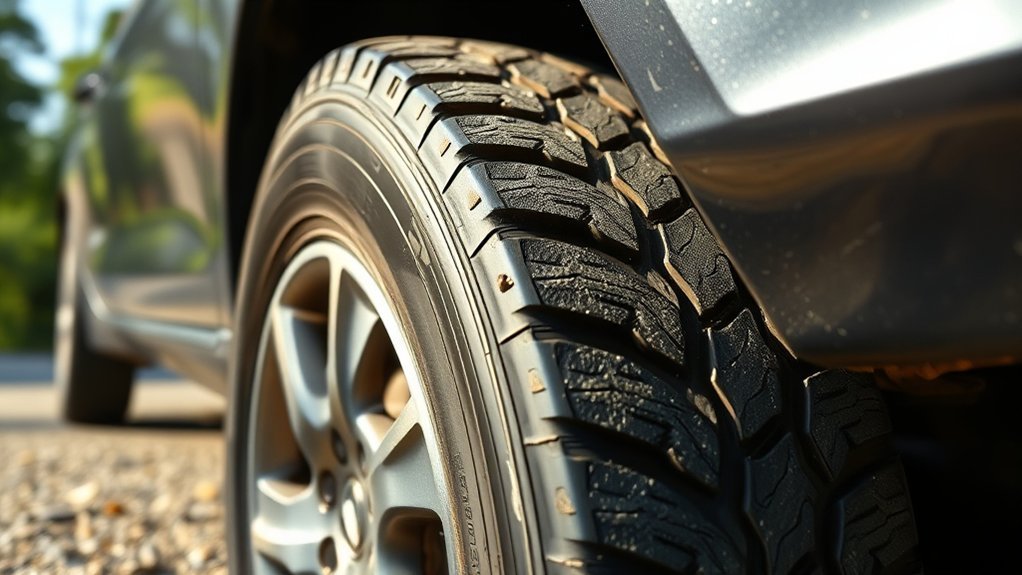
Ignoring tire balancing can lead to uneven tire wear, increasing your replacement costs sooner than expected. You’ll also experience handling issues, making your vehicle less stable and enjoyable to drive. Additionally, unbalanced tires can cause increased fuel consumption, putting a strain on your wallet over time.
Uneven Tire Wear
Neglecting tire balancing can lead to significant uneven tire wear, which ultimately shortens the lifespan of your tires and increases replacement costs. If you ignore proper tire maintenance, you may face several issues:
- Handling Issues: Uneven wear can make your vehicle harder to control, increasing accident risk.
- Vibrations: Unbalanced tires often cause vibrations, putting extra strain on your suspension components.
- Costly Repairs: Strain from vibrations can lead to expensive repairs down the line.
- Wear Patterns: Poor balance exacerbates wear patterns, compromising tire performance.
To maintain peak performance and safety, prioritize regular tire balancing. It’s essential for preventing uneven wear and ensuring a smooth driving experience.
Increased Fuel Consumption
Proper tire balancing is essential for maintaining fuel efficiency in your Hyundai Sonata. When you ignore tire balancing, uneven wear can increase rolling resistance, potentially causing a 10% drop in fuel economy. This means your engine has to work harder to maintain speed, leading to increased fuel consumption and higher operating costs. As tires wear unevenly, vibrations can also affect alignment, further compromising fuel efficiency. Regular tire balancing every 5,000 to 7,500 miles helps guarantee even tire wear and reduces the load on your engine, ultimately leading to significant cost savings. By prioritizing tire balance, you’re not just enhancing your Sonata’s performance; you’re also contributing to a more sustainable driving experience.
Handling Issues
Vibrations in your Hyundai Sonata can signal more than just an uncomfortable ride; they often indicate that tire balancing has been overlooked. Ignoring this can lead to significant handling issues, including:
- Vibrations in the steering wheel or floorboard, especially at higher speeds, compromising comfort.
- Uneven tire wear, like cupping or scalloping, necessitating premature replacements.
- Pulling to one side, which affects steering control and heightens safety risks.
- Increased rolling resistance, reducing fuel efficiency and costing you more at the pump.
Additionally, neglecting tire balance can exacerbate alignment issues and affect tire pressure, further leading to wear on suspension components. Regular balancing keeps your Sonata handling smoothly and safely, optimizing your driving experience.
Benefits of Keeping Your Tires Properly Balanced
Maintaining tire balance is essential for enhancing your Hyundai Sonata‘s performance and overall driving experience. Properly balanced tires improve vehicle handling, providing a smoother ride that greatly boosts your driving comfort. Regular balancing helps reduce uneven tire wear, promoting tire longevity and saving you money on replacements.
With balanced tires, you’ll notice minimized vibrations, which can lead to driver fatigue—especially during long drives. Additionally, balanced tires contribute to better fuel efficiency by reducing rolling resistance, potentially improving your mileage. This not only enhances your driving experience but also saves you at the pump.
Moreover, keeping your tires balanced prevents damage to suspension components, helping you avoid costly repairs down the line. By prioritizing tire balance, you’re investing in both the longevity of your tires and the overall health of your Hyundai Sonata, ensuring a liberating and enjoyable driving experience.
How Tire Balancing Differs From Tire Rotation
Tire balancing and tire rotation serve distinct purposes in your vehicle’s maintenance. Balancing guarantees even weight distribution to prevent vibrations, while rotation shifts tires to promote uniform tread wear. Both should be performed every 5,000 to 7,500 miles for peak performance and safety.
Purpose of Tire Balancing
A smooth driving experience hinges on the meticulous process of tire balancing, which adjusts the weight distribution of each tire and wheel assembly. This precision prevents vibrations and handling issues, enhancing your vehicle’s performance. Here are key benefits of proper tire balancing:
- Smoother Ride: Even weight distribution reduces vibrations felt in the steering wheel or seat.
- Extended Tire Life: Correct balancing minimizes uneven tire wear, prolonging tire lifespan.
- Improved Vehicle Handling: Balanced tires contribute to better steering response and stability.
- Enhanced Safety: Consistent tire pressure and weight distribution guarantee ideal contact with the road, reducing the risk of accidents.
Regular balancing, ideally every 5,000 to 7,500 miles, is essential for maintaining your Hyundai Sonata’s performance and safety.
Purpose of Tire Rotation
While proper tire balancing plays a significant role in your Hyundai Sonata’s performance and comfort, tire rotation serves a different purpose by promoting even tread wear across all tires. By moving tires between different positions, you prevent uneven wear patterns that can compromise grip and handling. This process is essential for extending tire life and ensuring peak vehicle performance. Typically, you should rotate your tires every 5,000 to 7,500 miles. Unlike balancing, which addresses weight distribution, rotation focuses specifically on tread wear. Regular tire rotation not only enhances safety but also contributes to a smoother ride. By integrating both practices into your maintenance routine, you maximize the lifespan and effectiveness of your tires.
Frequency of Each Service
Balancing your Hyundai Sonata’s tires is vital for ideal performance, and it should be done every 5,000 to 7,500 miles or whenever you notice vibrations. Unlike tire rotation, which prevents uneven tread wear by changing tire positions, balancing corrects weight discrepancies in the wheel assembly.
Here’s how these services differ:
- Tire Balancing: Guarantees even weight distribution, enhancing handling and comfort.
- Tire Rotation: Moves tires to different positions to promote uniform tread wear.
- Tire Pressure: Regular checks are essential for both balancing and rotation to maintain performance.
- Wheel Alignment: Often necessary after balancing, especially if suspension components are replaced.
Ignoring tire balancing can lead to vibrations and strain on your vehicle’s suspension and alignment systems.
When to Schedule Tire Balancing During Maintenance
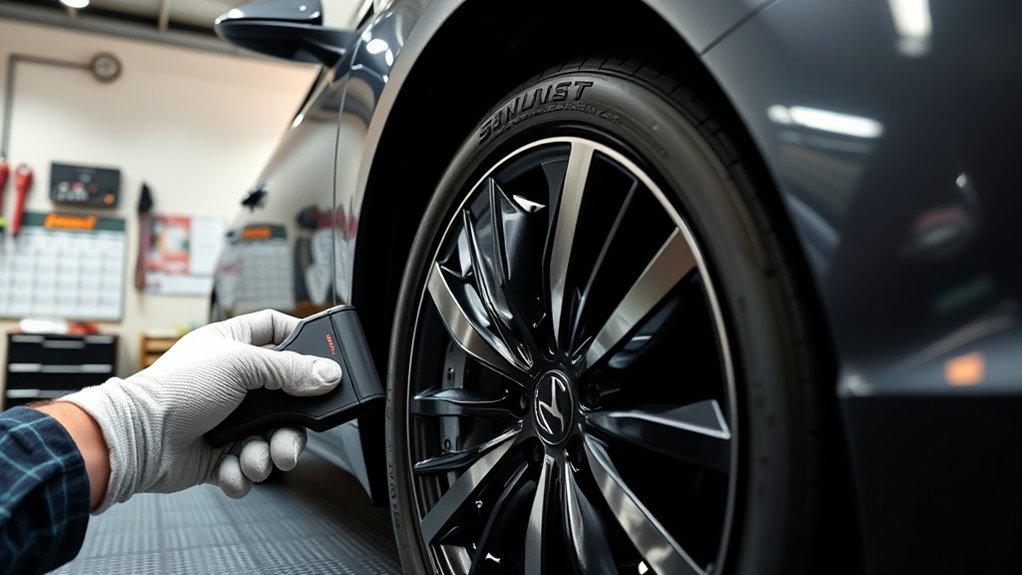
Tire maintenance is essential for your Hyundai Sonata’s performance and safety. To guarantee ideal handling and fuel efficiency, schedule tire balancing every 5,000 to 7,500 miles, ideally during oil changes. Be alert for signs that indicate a need for balancing, such as vibrations in the steering wheel or seat, especially at higher speeds, and uneven tire wear patterns. If you notice your vehicle pulling to one side, it’s time to address both tire balancing and alignment checks.
Rough road conditions can necessitate more frequent balancing, so monitor your tire performance closely if you drive on such surfaces. Implementing these tire maintenance tips and using proper balancing techniques not only prolongs tire life but also enhances your driving experience. Regular attention to tire balancing helps reduce rolling resistance, ultimately improving fuel efficiency and safety on the road.
Choosing the Right Service Center for Tire Balancing
Finding the right service center for tire balancing is vital to maintaining your Hyundai Sonata’s performance and safety. Here are some key tire maintenance tips to take into account:
Finding the right service center for tire balancing is essential for your Hyundai Sonata’s performance and safety.
- High-Tech Equipment: Verify the center uses advanced machinery for precise balancing, important for peak tire performance.
- Certified Technicians: Look for technicians knowledgeable about Hyundai’s specific tire and wheel assembly requirements.
- Regular Recommendations: Choose a service provider that suggests balancing every 5,000 to 7,500 miles or alongside oil changes to keep your vehicle running smoothly.
- Comprehensive Services: Opt for centers that offer additional tire maintenance services, like rotations and alignments, to enhance overall tire longevity.
How to Monitor Your Tire Balance and Health
Regularly monitoring your Hyundai Sonata’s tire balance and overall health is essential for peak performance and safety. Check your tire balance every 5,000 to 7,500 miles, or sooner if you notice vibrations or uneven wear. Look for signs like cupping or scalloping, which indicate imbalance.
Pay attention to your steering wheel; vibrations at highway speeds often signal the need for balancing. Additionally, verify proper tire pressure, as under-inflation can worsen balance issues and cause uneven wear.
Here’s a quick reference table for maintenance tips:
| Task | Frequency | Notes |
|---|---|---|
| Tire Balance Check | 5,000 – 7,500 miles | More often if vibrations occur |
| Tire Inspection | Monthly | Look for uneven wear patterns |
| Tire Pressure Check | Weekly | Maintain recommended PSI |
What Happens If You Ignore Tire Balancing?
Neglecting tire balancing can have serious consequences for your Hyundai Sonata, leading to uneven tire wear and increased costs. Here’s what you risk by ignoring this vital aspect of tire maintenance:
- Uneven Tire Wear: This results in premature tire replacement, escalating your expenses considerably.
- Vibrations at Higher Speeds: Unbalanced tires create discomfort and can even compromise your control over the vehicle.
- Increased Rolling Resistance: This reduces fuel efficiency, causing you to spend more at the pump.
- Strain on Suspension Components: Over time, this leads to costly repairs and a shorter vehicle lifespan.
Ignoring tire balancing not only affects your wallet but also compromises driving safety. Prioritizing regular tire maintenance is essential for a smooth, safe ride, ensuring your Hyundai Sonata remains in top condition. Don’t let negligence put you and your vehicle at risk.
Frequently Asked Questions
Can I Balance My Tires Myself at Home?
You can’t effectively balance your tires at home without specialized equipment. For proper tire maintenance, consider DIY balancing only if you have the right tools; otherwise, it’s best to consult a professional for accuracy.
What Tools Are Needed for Tire Balancing?
You’ll need tire balancing equipment like a tire balancer, weights, and possibly a torque wrench. Understanding the importance of balancing guarantees peak performance, safety, and tire longevity, so equip yourself properly for the task.
How Does Tire Balancing Affect Fuel Efficiency?
Tire balancing directly improves fuel efficiency by reducing uneven tire wear and enhancing driving comfort. When tires are balanced, your vehicle handles better, leading to less resistance and ultimately, better gas mileage during your journeys.
Can Unbalanced Tires Cause Steering Issues?
Unbalanced tires can destabilize your steering like a wobbly wheelbarrow. This imbalance leads to uneven tire wear and compromises steering stability, making your ride less safe and enjoyable. Regular balancing prevents these issues and enhances performance.
How Long Does a Tire Balancing Service Take?
A tire balancing service usually takes about 30 to 60 minutes. Regular checks, guided by tire wear indicators, guarantee peak performance and longevity. Staying consistent with tire balancing frequency prevents uneven wear and enhances your driving experience.
Conclusion
In summary, balancing your Hyundai Sonata’s tires is vital for peak performance and safety. Did you know that improperly balanced tires can reduce your vehicle’s lifespan by up to 30%? By keeping your tires balanced, you not only enhance your driving experience but also save on costly repairs down the road. Regular checks, ideally every 5,000 to 6,000 miles, guarantee smooth rides and improved fuel efficiency. Don’t overlook this important maintenance step; your Sonata deserves it!

Related Articles
Hyundai Sonata Camber Not Adjustable From Factory: Solutions
Baffled by your Hyundai Sonata's fixed camber? Discover essential aftermarket solutions that can transform your ride's performance and handling.
Read More
Hyundai Sonata 4-Wheel Tire Alignment Explained: Worth It?
On the fence about a 4-wheel tire alignment for your Hyundai Sonata? Discover why it’s a smart investment for performance and longevity!
Read More
Hyundai Sonata Alignment Keeps Going Out of Spec: Why & Fix
Prevent misalignment in your Hyundai Sonata by uncovering the hidden causes and exploring effective solutions to keep your ride smooth and safe.
Read More