
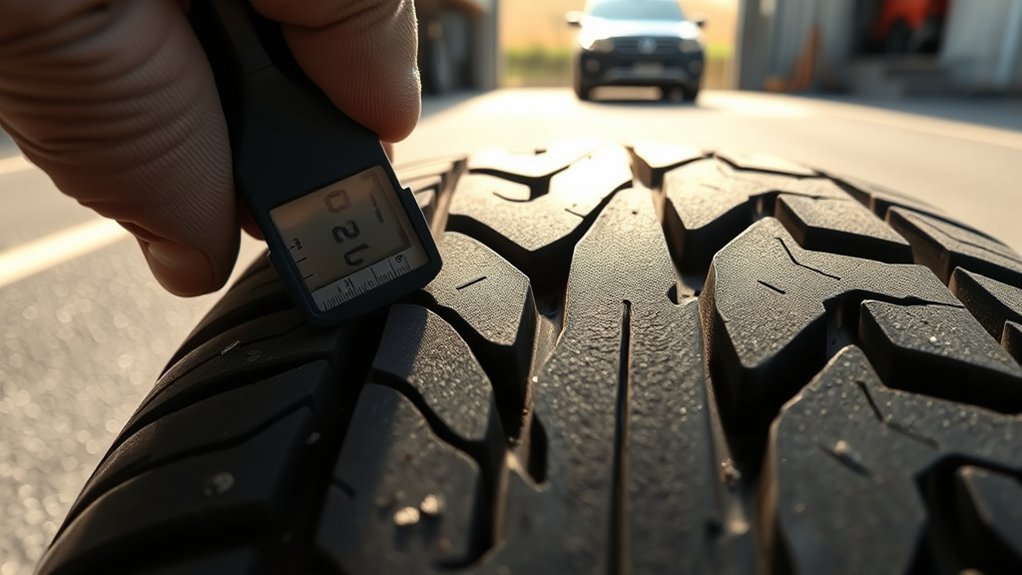
Your tires can last anywhere from a short 30,000-mile run to well over 70,000 miles, but mileage alone should never decide when they are safe. Tread depth, tire age, inflation pressure, alignment, road conditions, and tire type all matter. The easiest way to stay safe is to check tread, pressure, damage, and age on a regular schedule.
Quick Answer
Most everyday passenger tires last about 30,000 to 80,000 miles, but replace them sooner if tread reaches 2/32 inch, wear bars are flush, sidewalls crack or bulge, cords show, vibration starts, or the tires are aging past the tire or vehicle maker’s limit.
Key Takeaways
- Many tires last roughly 30,000 to 80,000 miles, but performance tires, winter tires, heavy vehicles, EVs, rough roads, and poor maintenance can shorten that range.
- Replace tires at 2/32 inch of tread or when wear bars are level with the tread; plan sooner if you drive often in rain or snow.
- Check tread depth and tire pressure monthly, and inspect for cracks, bulges, cuts, uneven wear, vibration, or pressure loss.
- Rotate tires every 5,000 to 8,000 miles if your vehicle maker recommends it, unless your tire setup prevents normal rotation.
- Use the DOT Tire Identification Number to check age; many tire and vehicle makers recommend replacement around six to 10 years, even if tread remains.
At a Glance
| Time Required | 5 to 10 minutes for a basic tire check |
| Difficulty | Easy for tread and pressure checks; see a tire professional for damage, vibration, or uneven wear |
| Tools Needed | Penny, tire pressure gauge, flashlight, and optional tread-depth gauge |
| Cost | Free with a penny; about a few dollars for a basic tread-depth gauge or pressure gauge |
How Many Miles Do Tires Last?
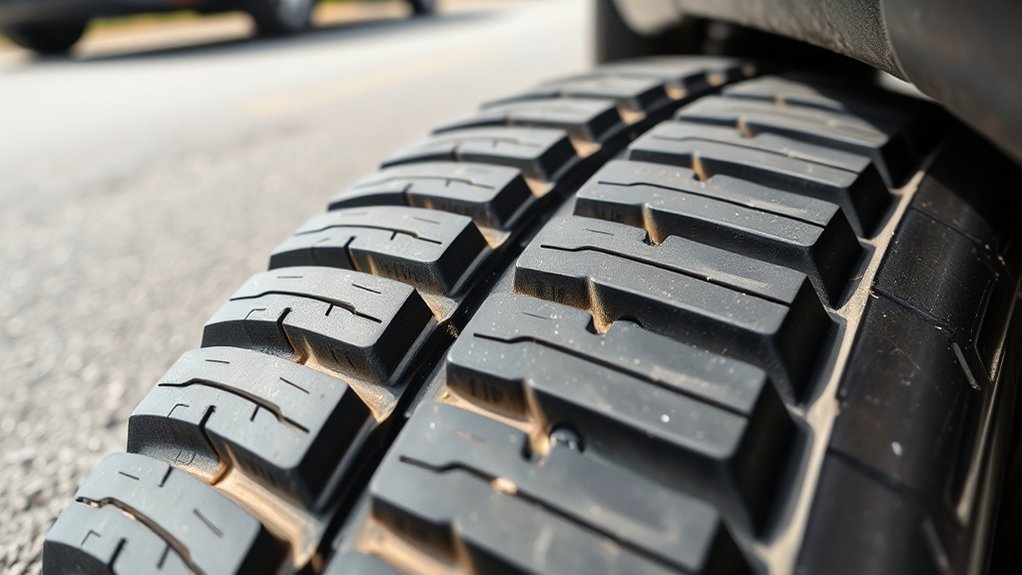
Most tires last about 30,000 to 80,000 miles, but that range is only a starting point. A long-mileage touring tire on a well-aligned commuter car may last far longer than a soft performance tire on a heavy SUV, pickup, or electric vehicle. Your real answer comes from three checks: mileage, tread depth, and age.
Use this simple estimate: divide the tire’s expected tread life by your yearly mileage. A tire that lasts 50,000 miles may last about five years for someone who drives 10,000 miles per year, but closer to three years for someone who drives 16,000 miles per year. Still, never wait for the mileage number if the tire is worn, damaged, or old.
Note: Mileage warranties are not safety guarantees. A tire can need replacement before its advertised mileage if tread is low, age is high, damage appears, or wear is uneven.
Tire Life by Tire Type
Different tires wear at different speeds because they use different rubber compounds, tread patterns, and construction. Use these ranges as general expectations, not promises:
| Tire Type | Typical Mileage Expectation | Why It Varies |
| Touring / grand touring all-season | Often the longest-lasting category | Designed for comfort, even wear, and daily driving |
| Performance / ultra-high-performance | Usually shorter | Softer compounds improve grip but can wear faster |
| Winter tires | Depends heavily on seasonal use | Soft cold-weather rubber wears quickly in warm weather |
| Truck, SUV, and all-terrain tires | Moderate to long, depending on use | Loads, towing, off-road use, and aggressive tread can change wear |
| EV tires | Can wear faster if not maintained | Vehicle weight and instant torque can increase tread stress |
[Products Worth Considering]

Accurately measure tire tread depth with a calibrated gauge marked from 0 to 1 inch in 1/32 inch increments. The color-coded bar helps you quickly identify tread condition ranges, supporting safe driving for trucks, motorcycles, automobiles, and passenger vehicles.

Monitor tire tread wear with a smart, color-coded depth gauge that shows clear condition ranges at a glance. The bar is range marked for fast, easy readings, helping you maintain safer traction and performance. Each gauge is portable with a pocket clip, and the set includes 20 units for daily use and sharing.

Measure tire tread depth quickly and accurately with this LUMITECO dial gauge that reads in 1/32" increments up to 14/32". The color-coded green/yellow/red zones make it easy to judge tire wear and know when replacement is needed. A rugged, compact design with a protective pouch helps keep the gauge ready for use on cars, trucks, motorcycles, and more.
What Shortens Tire Life?
Tire life depends on more than mileage. These are the biggest reasons a set of tires wears out early:
- Low or high tire pressure: underinflation can overheat the tire and wear the shoulders; overinflation can wear the center tread.
- Poor alignment: if the vehicle pulls, the steering wheel is off-center, or one edge wears faster, alignment may be scrubbing tread away.
- No rotation: front and rear tires often wear differently, especially on front-wheel-drive vehicles.
- Hard driving: fast starts, hard braking, aggressive cornering, and high-speed heat can accelerate wear.
- Heavy loads or towing: extra weight increases heat and stress on the tire structure.
- Rough roads: potholes, curb hits, gravel, and debris can damage tread, belts, and sidewalls.
- Wrong tire for the season: winter tires used in hot weather and summer tires used in cold weather can wear or perform poorly.
Warning: Replace or professionally inspect a tire immediately if you see a bulge, exposed cords, deep cuts, sidewall cracking, repeated air loss, or vibration that starts suddenly. These can point to structural damage, not just normal wear.
How Do You Measure Tire Tread Depth?
You can measure tread depth with a tread-depth gauge, the built-in wear bars, or the penny test. A gauge is the most accurate, but a penny works for a quick safety check.
[Products Worth Considering]

The SAFELIFE dial tire tread depth gauge measures tread depth in 1/32 inch increments with clear, easy-to-read 2-inch dial face. Color zones using a traffic light system help you quickly judge whether tread is low, marginal, or ample for safer driving. Built with a durable zinc cast body and a metal detect probe for precise, comfortable use across cars, motorcycles, trucks, and buses.

Milton S-921 pencil tire pressure gauge helps you maintain optimal tire pressure for passenger cars with accurate readings in PSI and kPa. It features a built-in deflator valve for convenient pressure adjustments, plus a single chuck head and nylon indicator bar for easy use on the go. Built from durable plated brass and designed for reliable performance, it’s a practical road trip and cold-weather maintenance tool.

Measure tyre tread depth precisely with a digital gauge that reads in both MM and inches, helping you monitor safe driving conditions. The large LCD screen is easy to operate, and the compact tool fits for cars, trucks, and motorcycles. It provides high accuracy with a 0-25.4mm range and includes a 1-year warranty for added peace of mind.
Method 1: Use a Tread-Depth Gauge
- Park on a flat surface and turn the steering wheel so you can see the front tire tread.
- Push the gauge probe into a main tread groove.
- Measure the inner, center, and outer grooves on each tire.
- Use the lowest reading, not the best reading, to judge replacement timing.
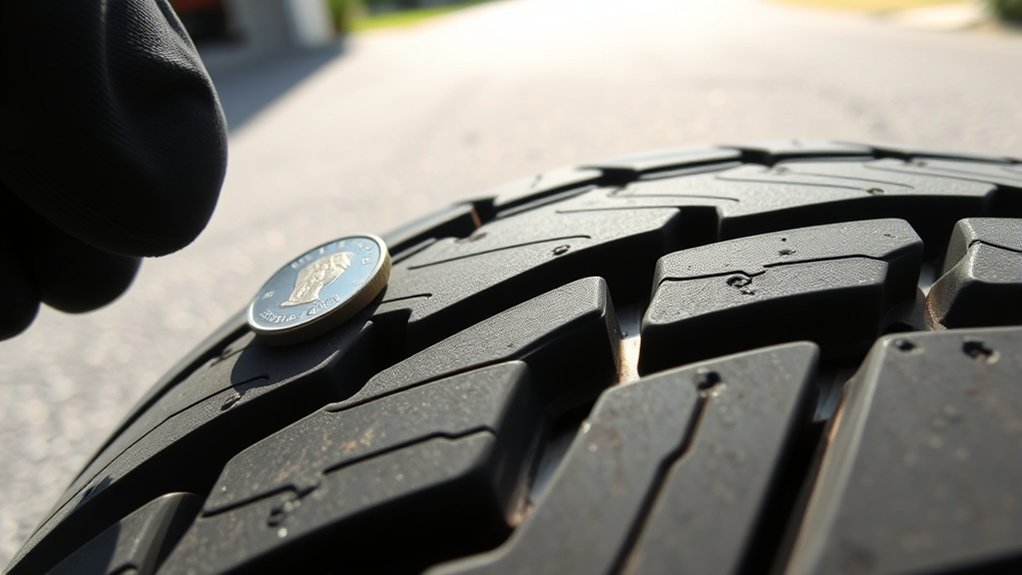
Method 2: Use the Penny Test
- Place a penny into the tread groove with Lincoln’s head upside down and facing you.
- If you can see the top of Lincoln’s head, the tread is at or below the replacement point.
- Check several grooves on each tire because uneven wear can hide in one area.
Method 3: Check Wear Bars
Most tires have raised treadwear indicators in the grooves. When the surrounding tread is level with those bars, the tire has reached the replacement point and should not stay in regular service.
| Tread Depth | What It Means | What To Do |
| 6/32 inch or more | Usually usable tread for normal driving | Keep checking monthly |
| 5/32 inch | Snow traction may be reduced | Plan replacement if you drive in snow |
| 4/32 inch | Wet-road grip and hydroplaning resistance are reduced | Plan replacement soon, especially in rainy climates |
| 2/32 inch | Minimum replacement threshold | Replace now |
The 2/32-inch mark is the “replace now” line, not the “everything is fine until then” line. Wet and winter driving call for a larger safety margin.
What Are the Signs You Need New Tires?
You need new tires, or at least a professional inspection, when any of these signs appear:
- Tread is 2/32 inch or lower: replace the tire.
- Wear bars are flush: the tire has reached the replacement point.
- Sidewall cracks, cuts, or bulges appear: the tire may be structurally unsafe.
- One edge wears faster: alignment, suspension, or inflation may be wrong.
- The center wears faster: the tire may be overinflated.
- Both shoulders wear faster: the tire may be underinflated or overloaded.
- Vibration or rhythmic noise starts: the tire may be damaged, out of balance, or unevenly worn.
- The tire keeps losing pressure: there may be a puncture, valve leak, bead leak, or wheel issue.
- The tire is old: age can make rubber more failure-prone, even when tread still looks usable.
How to Read Tire Age From the DOT Code
Tires sold for road use have a DOT Tire Identification Number on the sidewall. Look for the last four digits of the code. The first two digits are the week of manufacture, and the last two digits are the year.
For example, a code ending in 3021 means the tire was made in the 30th week of 2021. Check both sides of the tire because the full code may appear on only one side.
Note: Age limits vary by tire maker and vehicle maker. Many recommend replacing tires somewhere around six to 10 years regardless of treadwear. Always check your owner’s manual and the tire manufacturer’s guidance.
How Can You Make Tires Last Longer?
The best way to extend tire life is to prevent uneven wear. These habits make the biggest difference:
Check Tire Pressure Monthly
Check pressure when tires are cold, before long driving warms them up. Use the pressure listed on the driver’s door placard or owner’s manual, not the maximum pressure molded on the tire sidewall. A Tire Pressure Monitoring System is helpful, but it is not a substitute for regular pressure checks because it usually warns only after a tire is significantly underinflated.
Rotate on Schedule
If your vehicle maker recommends rotation, rotate tires about every 5,000 to 8,000 miles or sooner if uneven wear appears. Some vehicles with staggered tire sizes, directional tires, or special drivetrain requirements may need a different pattern or may not allow standard rotation.
Pro Tip: Pair tire rotation with an oil change or seasonal maintenance visit. That makes it easier to remember and gives the technician a chance to catch uneven wear early.
Fix Alignment Problems Early
Get the alignment checked after a hard pothole hit, curb strike, suspension repair, or if the vehicle pulls to one side. Alignment problems can wear a tire edge quickly and shorten the life of a full set.
Keep Loads Within the Vehicle Rating
Heavy cargo and towing increase heat and stress. Follow the vehicle’s load rating and use the recommended pressure for the load when your owner’s manual provides one.
Drive Smoothly
Fast launches, hard braking, and sharp cornering remove tread faster. Smooth acceleration and braking help tires stay cooler and wear more evenly.
Store Seasonal Tires Correctly
If you use winter or summer tires, store the off-season set in a cool, dry place away from sunlight, ozone sources, and chemicals. Clean and dry them first, then store them according to whether they are mounted on wheels.
Should You Replace Two Tires or All Four?
The safest choice is usually to replace all four tires together, especially on all-wheel-drive and four-wheel-drive vehicles where tire diameter differences can stress the drivetrain. If you replace only two tires, many tire professionals recommend placing the newer tires on the rear axle to reduce the chance of rear-wheel hydroplaning and loss of control in wet conditions.
Always follow your owner’s manual. Some AWD vehicles require all four tires to match closely in tread depth, size, brand, and model.
[Products Worth Considering]

The Big Rig Defense Tire Thumper is a truck tire pressure checker that lets you quickly check multiple tires by giving them a firm whack. Listen for a reassuring thump and feel the stick bounce when a tire is fully inflated, helping you get back on the road safely. It features a comfortable, glove-friendly handle and a secure wrist strap for confident use on busy routes.

The ETENWOLF T600 digital tire pressure gauge delivers precise, manually calibrated readings to ANSI B40.7 Grade 2A standards with ±0.5% PSI accuracy. Its 360° rotating nozzle and display hold make it easy to check pressures from any angle, while a bleed button helps dial tires to the perfect level. With a 0–250 PSI range and support for PSI, BAR, and KPA, it’s a convenient tool for maintaining tire performance across many vehicles and seasons.
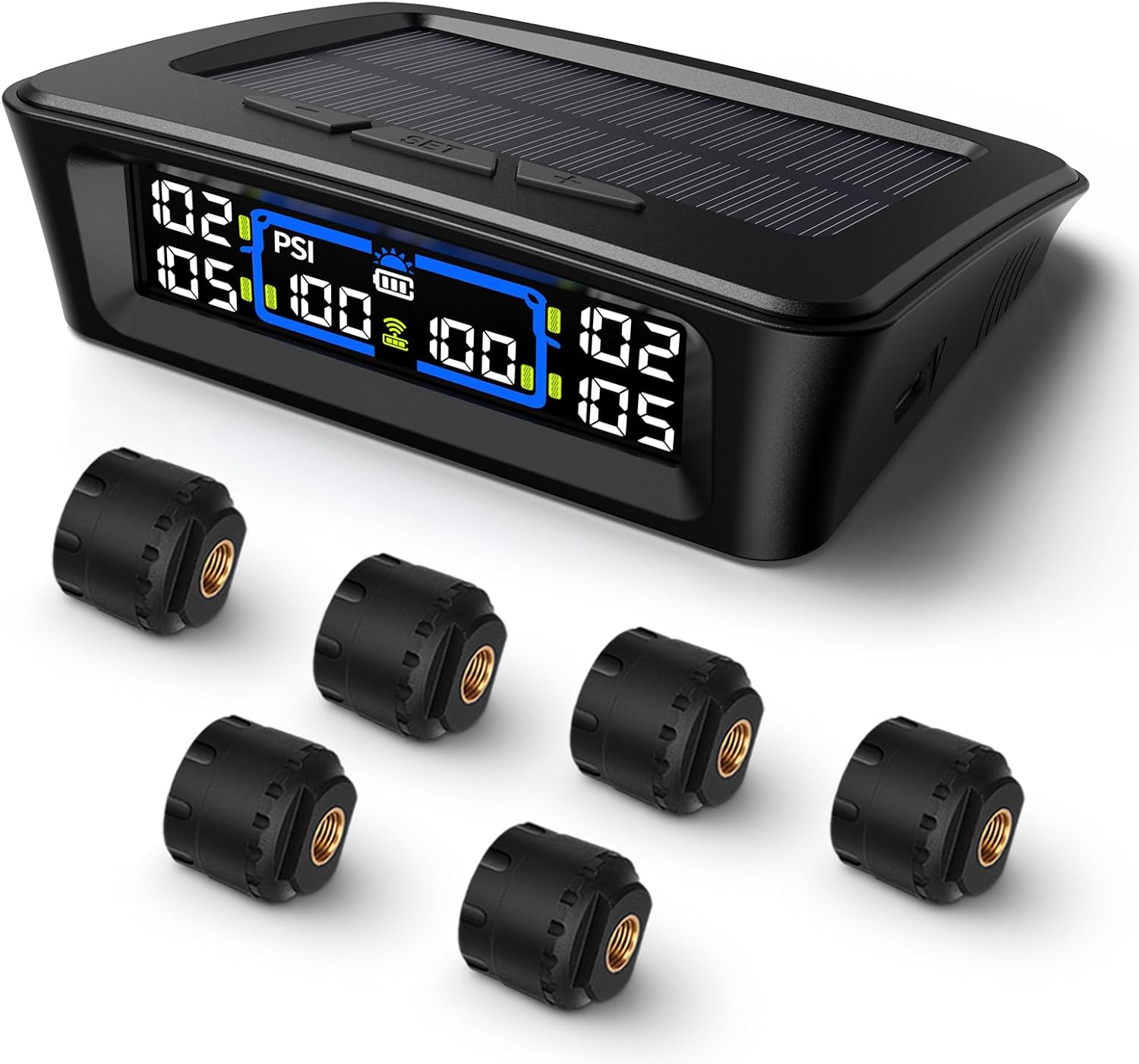
The Tymate TM12 RV TPMS delivers real-time tire pressure and temperature monitoring with a stable 433Hz display for safer long-distance driving. It supports simultaneous monitoring across vehicle and trailer zones, includes six alarm modes for pressure, temperature, leakage, battery, and signal loss, and features easy DIY installation with auto calibration. Power is supplied via USB-C charging or solar recharging, with a wide 0–144 PSI range and up to 50 ft signal coverage for RVs and towable trailers.
Don’t Forget the Spare Tire
Spare tires age even when they are rarely used. Check the spare’s pressure, sidewall condition, tread, and DOT date code at least a few times per year and before long trips. A full-size spare should not become a routine replacement for worn tires unless it is the correct size, load rating, age, and condition for regular service.
Frequently Asked Questions
Is 40,000 miles a lot on tires?
No, 40,000 miles is not automatically a lot. For a performance tire, it may be near the end. For a long-mileage touring tire, it may still have useful life left. Check tread depth, age, wear pattern, pressure history, and visible damage before deciding.
What is the #1 tire brand?
There is no single #1 tire brand for every vehicle and driver. The best tire depends on your size, vehicle, climate, road conditions, budget, noise preference, treadwear needs, and wet or winter traction needs. Compare independent tests, owner reviews, warranty terms, and the exact tire model instead of choosing by brand alone.
How long should tires last in miles?
Most everyday tires last about 30,000 to 80,000 miles, but the real number depends on tire type, driving style, vehicle weight, maintenance, alignment, inflation pressure, road surface, and climate. Replace them sooner if tread reaches 2/32 inch, damage appears, or age becomes a concern.
Is 30,000 miles good for a set of tires?
It can be good for performance tires, winter tires, or tires used on heavy vehicles, rough roads, or aggressive driving. For a long-mileage touring tire, 30,000 miles may be disappointing unless wear was caused by alignment, pressure, rotation, road damage, or driving conditions.
Should I replace tires at 4/32 inch?
You should start planning replacement at 4/32 inch if you drive often in rain. The tire may still be above the 2/32-inch replacement minimum, but wet traction and hydroplaning resistance are reduced compared with deeper tread.
Do tires expire if they still have tread?
Tires do age even if tread remains. Heat, sunlight, storage conditions, and time can harden or weaken rubber. Check the DOT date code and follow the tire maker and vehicle maker age recommendations, often around six to 10 years.
How often should I check my tires?
Check tire pressure and tread at least once a month and before long trips. Also inspect after pothole impacts, curb strikes, road debris, sudden vibration, or any pressure warning.
Conclusion
Tires do not have one exact expiration mileage. A good set may last tens of thousands of miles, but tread depth, age, pressure, alignment, and damage decide when they are safe. Check tread and pressure monthly, rotate on schedule, read the DOT date code, and replace tires before low tread, old rubber, or structural damage takes control away from you.
Sources
- NHTSA TireWise — supports tread-depth replacement, penny test, monthly checks, tire pressure, rotation guidance, tire age, DOT date-code reading, and spare tire cautions.
- Tire Industry Association: Tire Rotation — supports regular rotation and rotation-pattern guidance.
- Tire Rack: When Should Tires Be Replaced? — supports practical tread-depth thresholds for dry, wet, and snow driving.
- Consumer Reports: Tire Tread and Winter Performance — supports the point that tire performance declines before tread reaches the legal wear-out point.
