
Causes of Cupped Tires on a Toyota RAV4
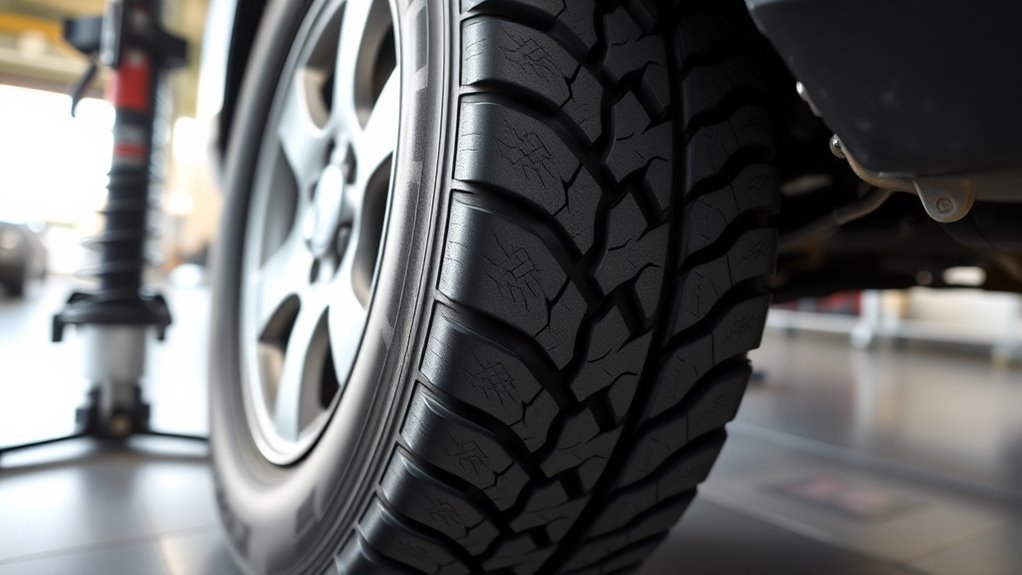
Cupped tires on your Toyota RAV4 often result from misalignment, worn suspension components, and skipping regular maintenance. Misalignment causes uneven contact with the road, leading to scooped-out patches on the tread. Worn shocks or struts can further disrupt tire contact, while neglecting tire rotations also increases wear. If you notice unusual vibrations or noise, it’s essential to address these issues promptly. Stay tuned for more insights on how to prevent these problems and maintain tire health.
What Is Tire Cupping and Why Should You Care?
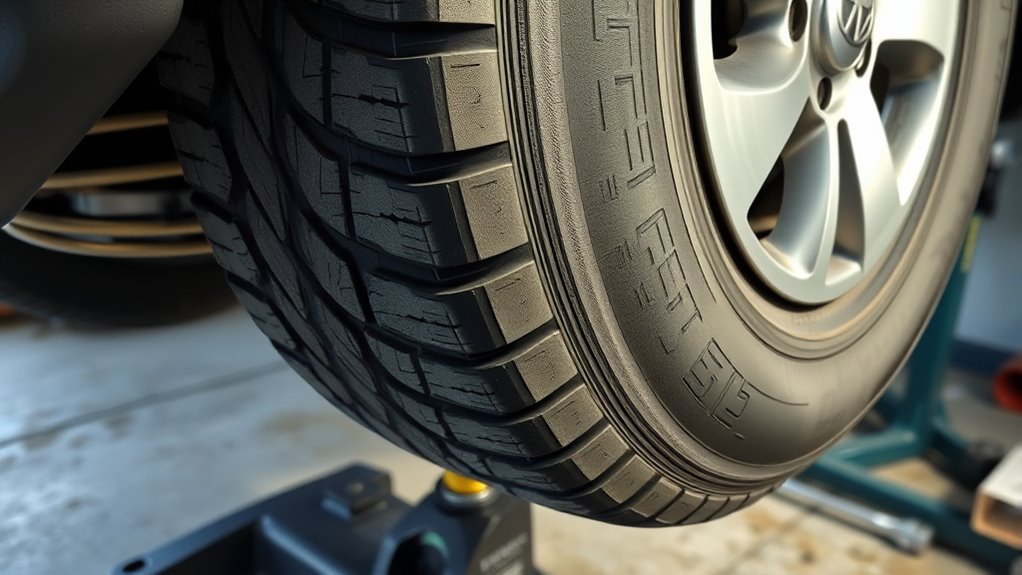
Tire cupping, often referred to as scalloped tires, is a serious issue that affects your vehicle’s safety and performance. This condition involves uneven wear patterns, creating scooped-out patches on the tread every 3 to 4 inches around the tire’s circumference. Common culprits include misalignment and worn suspension components, which disrupt proper tire pressure distribution. Ignoring cupped tires can compromise driving safety, leading to increased noise, vibrations through the steering wheel, and unexpected veering. Since cupped tires can’t be repaired, you must address the underlying issues to prevent recurrence. Regular maintenance, such as tire rotations every 5,000 to 7,000 miles and inspecting suspension components, is essential for tire longevity. By staying proactive, you can safeguard your vehicle’s performance and enhance your driving experience, ensuring that you maintain control and confidence on the road.
Signs of Tire Cupping in Your RAV4 and Next Steps
Recognizing the signs of tire cupping in your RAV4 is vital for maintaining ideal vehicle performance and safety. Look for uneven scooped patches on the tread, typically spaced 3 to 4 inches apart. Increased tire noise and vibrations through the steering wheel are key symptoms, indicating potential issues. You may also notice your RAV4 veering unexpectedly while driving straight, which signals steering issues that could stem from cupped tires.
To mitigate the risk of cupping, regularly monitor your tire condition and perform routine maintenance, including rotations every 5,000–7,000 miles. Don’t delay in addressing any misalignment or worn suspension components, as these are primary contributors to tire cupping. If you spot any signs, consult a qualified technician for a thorough inspection and consider replacing affected tires. Taking these steps will help guarantee your RAV4 maintains its performance and safety on the road.
Top 5 Causes of Tire Cupping in Toyota RAV4s
Cupping can greatly affect your Toyota RAV4’s handling and comfort, and understanding the causes is vital for prevention. Here are the top five culprits behind tire cupping in your vehicle.
- Misalignment: If your wheels are misaligned, they won’t make even contact with the road, leading to uneven wear and cupping.
- Worn Suspension Components: Deteriorating shocks or struts disrupt tire contact, creating a bouncing effect that can exacerbate cupping.
- Improper Tire Rotation: Skipping regular tire rotations can lead to uneven wear patterns, increasing the likelihood of cupping.
- Low-Quality OEM Tires: Tires like the Continental Crossontact LX may not perform well, making them more prone to cupping issues.
- Driving Conditions and Techniques: Aggressive driving and poor road conditions can accelerate wear, so practicing smoother driving techniques and maintaining proper tire pressure is essential.
How Misalignment Leads to Tire Cupping
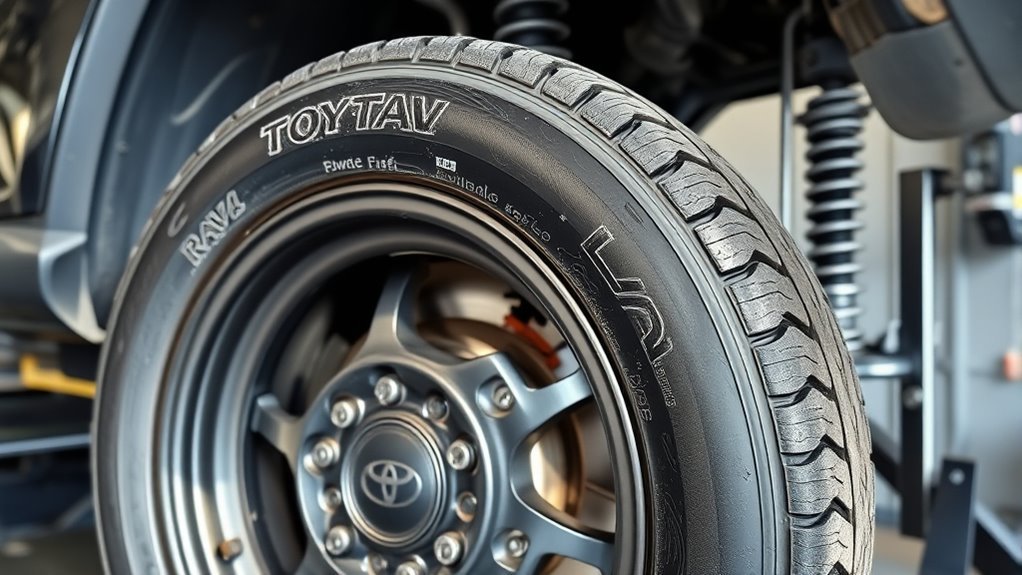
When your Toyota RAV4’s wheels aren’t aligned to the manufacturer’s specifications, it creates uneven contact with the road surface, setting the stage for tire cupping. Misalignment leads to inconsistent tire wear, particularly “heel-toe wear,” where one edge of the tire wears faster than the other. This uneven wear pattern contributes directly to cupping, making it vital to address.
Toyota RAV4 models often face alignment issues due to suspension component wear, exacerbating the problem. If you notice symptoms like steering wheel vibrations or your vehicle drifting to one side, these could indicate misalignment and potential cupping.
Regular wheel alignments, ideally every 5,000 to 7,000 miles, are important in preventing this misalignment-related tire wear. By staying proactive about your wheel alignment, you can extend the life of your tires and guarantee a smoother, safer driving experience.
Why Regular Tire Maintenance Is Key to Preventing Cupping
To prevent tire cupping on your Toyota RAV4, regular tire maintenance is important. Adhering to a strict maintenance schedule helps maximize your tire lifespan and guarantees even wear. Rotate your tires every 5,000 to 7,000 miles to distribute weight and prevent uneven tread wear that leads to cupping. Maintaining proper tire pressure is essential; under-inflated or over-inflated tires can exacerbate wear patterns.
Schedule yearly wheel alignments to identify misalignment issues that could compromise your tires’ contact with the road. Additionally, inspect suspension components like shocks and struts regularly. Worn parts can contribute to uneven tire wear, making timely repairs critical. Keeping track of tread depth not only enhances safety but also helps avoid premature tire replacements. By committing to these practices, you’ll enjoy a smoother ride and extend the life of your tires, liberating you from the disruptions caused by cupped tires.
What You Can Do to Prevent Tire Cupping?
To prevent tire cupping, you need to stay on top of regular tire rotations every 5,000 to 7,000 miles. It’s also essential to maintain proper wheel alignment and inspect your suspension components regularly. By addressing these factors, you can greatly reduce the risk of uneven tire wear and extend tire life.
Regular Tire Rotations
Regular tire rotations are essential for preventing tire cupping, as they promote even wear across all tires. You should aim to rotate your tires every 5,000 to 7,000 miles to maximize tire rotation benefits. This practice helps maintain balanced tread wear and reduces the risk of uneven pressure that contributes to cupping. Following your manufacturer’s recommended rotation pattern is vital for enhancing tire longevity and performance. Additionally, consistent rotations can help you identify underlying suspension or alignment issues early, preventing more severe tire damage over time. Keep a record of your tire rotations; it’ll aid in monitoring your tire health and ensuring timely maintenance, ultimately extending the life of your tires.
Maintain Proper Alignment
Maintaining proper wheel alignment is essential for preventing tire cupping, as it guarantees even contact between your tires and the road. Here’s what you can do:
- Schedule alignment checks every 5,000 to 7,000 miles to confirm consistent tire wear.
- Address handling changes immediately; if your vehicle veers or pulls to one side, get an alignment check.
- Utilize professional services for precise camber adjustments, as improper camber can lead to significant tire cupping.
Also, keep an eye on your tire pressure and adjust it to the manufacturer’s specifications to mitigate alignment problems. Regularly maintaining alignment not only prolongs tire life but also enhances your driving experience, keeping you safe and in control on the road.
Inspect Suspension Components
Proper wheel alignment keeps your tires in contact with the road, but it’s only part of the equation. Regularly inspect suspension components like shocks and struts; worn parts can cause uneven tire pressure, leading to cupping. Don’t overlook bushing checks and control arms—deterioration here affects alignment and tire contact. Schedule routine alignment checks every 4-6 months or after significant driving events to guarantee peak tire performance. Monitor for signs of wear on suspension parts; early detection allows you to address issues before they escalate. If necessary, consider suspension upgrades. Quality aftermarket components can enhance tire longevity and improve your vehicle’s handling, ultimately liberating you from the frustrations of tire cupping.
Frequently Asked Questions
What Is the Most Common Cause of Cupping Tires?
The most common cause of cupped tires is alignment issues. If you neglect regular tire rotation and alignment checks, uneven wear develops, leading to excessive bouncing and premature tire degradation. Stay proactive to prevent this.
How to Get Rid of Cupping on Tires?
To get rid of cupping on tires, replace affected ones, inspect suspension alignment, guarantee proper tire maintenance tips, and regularly rotate and balance tires. Maintaining correct tire pressure also helps prevent further issues.
What Is the Most Likely Cause of Scalloped or Cupped Tires?
The most likely cause of scalloped or cupped tires is alignment issues. Poor tire maintenance, like neglecting rotations or improper inflation, exacerbates these problems, leading to uneven wear and compromised performance. Keep your tires in check!
How Serious Is Tire Cupping?
Tire cupping’s serious; it compromises handling and increases noise. You must address suspension issues and guarantee regular tire maintenance to prevent costly repairs and enhance your driving experience. Don’t ignore the signs; act promptly.
Conclusion
Just like a ship needs to be steered straight to avoid rocky shores, your RAV4 requires proper alignment and maintenance to prevent tire cupping. Neglecting these aspects can lead to a bumpy ride and costly repairs. By regularly checking your tires, ensuring alignment, and rotating them, you’re charting clear waters. Stay vigilant, and your tires will roll smoothly, keeping you safe and extending their lifespan. Don’t let minor issues turn into a storm; take charge of your vehicle’s health today.

Related Articles
Upsizing Wheels on a Toyota RAV4: Pros, Cons, and Considerations
Boost your Toyota RAV4's performance with larger wheels, but discover the hidden trade-offs that could impact your ride before you decide.
Read More
Can I Change Tire Size on My Toyota RAV4? Rules and Recommendations
Are you considering changing the tire size on your Toyota RAV4? Discover the essential rules and recommendations before making a decision.
Read More
What to Do If the TPMS Light Comes On in Your RAV4
Understand the steps to take when the TPMS light illuminates in your RAV4, as overlooking it could lead to serious tire problems.
Read More