Disclosure: As an Amazon Associate, we earn from qualifying purchases. If you click an Amazon link on this page and make a purchase, we may receive a small commission at no extra cost to you.
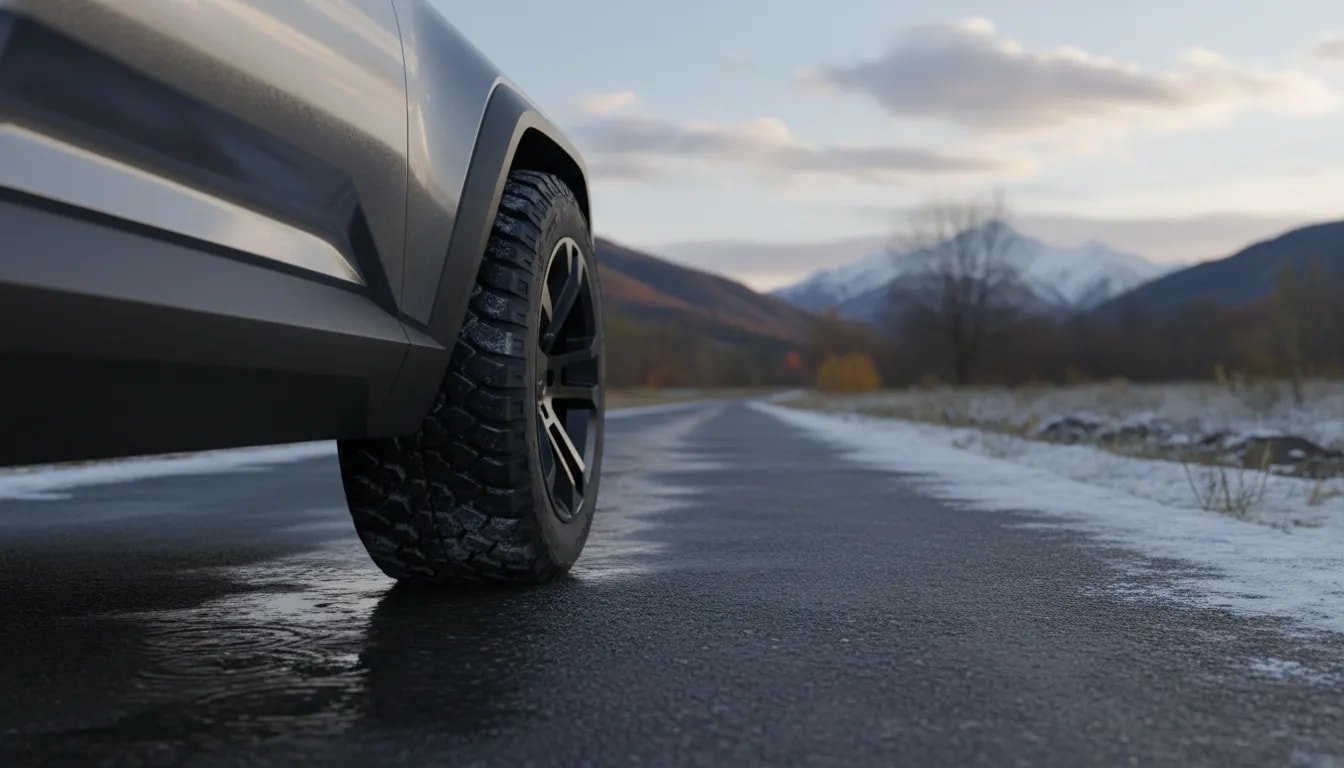
All-weather tires are designed to handle everyday SUV and crossover driving across changing seasons. They make the most sense when you want one set of tires for dry roads, rain, cold mornings, slush, and light to moderate snow without swapping to a separate winter set.
If you search for “best all-weather tires for SUVs,” you are usually trying to answer two things: Which model gives the best balance of wet, dry, and winter traction? and Which one makes sense for your SUV’s tire size, ride comfort, and tread life needs?
This updated guide ranks four strong all-weather-style SUV and crossover tire options with Amazon links. It also explains how to confirm the right tire size, compare 3PMSF winter capability, and avoid the most common buying mistakes.
Quick Verdict
For the most SUV-focused pick, start with the Pirelli Scorpion WeatherActive. For a proven all-around CUV/SUV option, compare it with the Michelin CrossClimate 2. Choose the Bridgestone WeatherPeak if ride comfort and long treadwear coverage matter most, and consider the Goodyear Assurance WeatherReady 2 for small SUVs or crossovers in rainy, changing weather.
✅ What “all-weather” really means for SUV tires
All-weather tires usually blend all-season road comfort with extra winter-focused traction features. Many models carry the 3PMSF symbol, also called the Three-Peak Mountain Snowflake symbol. That symbol means the tire meets a defined snow-traction requirement, but it does not make the tire a deep-snow or ice specialist.
For most SUV owners, all-weather tires work best for daily driving in rain, cold weather, slush, and plowed snow. If your commute includes frequent black ice, steep unplowed roads, mountain passes, or deep snow, a dedicated winter tire can still be the safer choice.
When comparing options, focus on:
- Wet braking and hydroplaning resistance
- Dry handling stability
- Light snow and slush traction
- Correct size, load index, and speed rating
- Tread life warranty and real-world maintenance needs
- Noise and ride comfort
🏆 Best all-weather tires for SUVs: quick comparison
Use this table as a fast starting point. Tire size matters more than brand ranking, so always confirm your SUV’s exact size on the driver-side door jamb, owner’s manual, or current tire sidewall before ordering.
| Rank | Tire | Best For | Main Watchout | Amazon |
|---|---|---|---|---|
| 1 | Pirelli Scorpion WeatherActive | Best overall SUV/CUV pick | Not a replacement for severe ice-focused winter tires | Check Price on Amazon |
| 2 | Michelin CrossClimate 2 | Best proven all-rounder | Directional tread can feel less sporty than performance tires | Check Price on Amazon |
| 3 | Bridgestone WeatherPeak | Best comfort-focused choice | Exact linked size is not universal for all SUVs | Check Price on Amazon |
| 4 | Goodyear Assurance WeatherReady 2 | Best for small SUVs and wet commutes | Better for daily driving than towing or off-road use | Check Price on Amazon |
[Products Worth Considering]

Accurately measure tire tread depth with a calibrated gauge marked from 0 to 1 inch in 1/32 inch increments. The color-coded bar helps you quickly identify tread condition ranges, supporting safe driving for trucks, motorcycles, automobiles, and passenger vehicles.
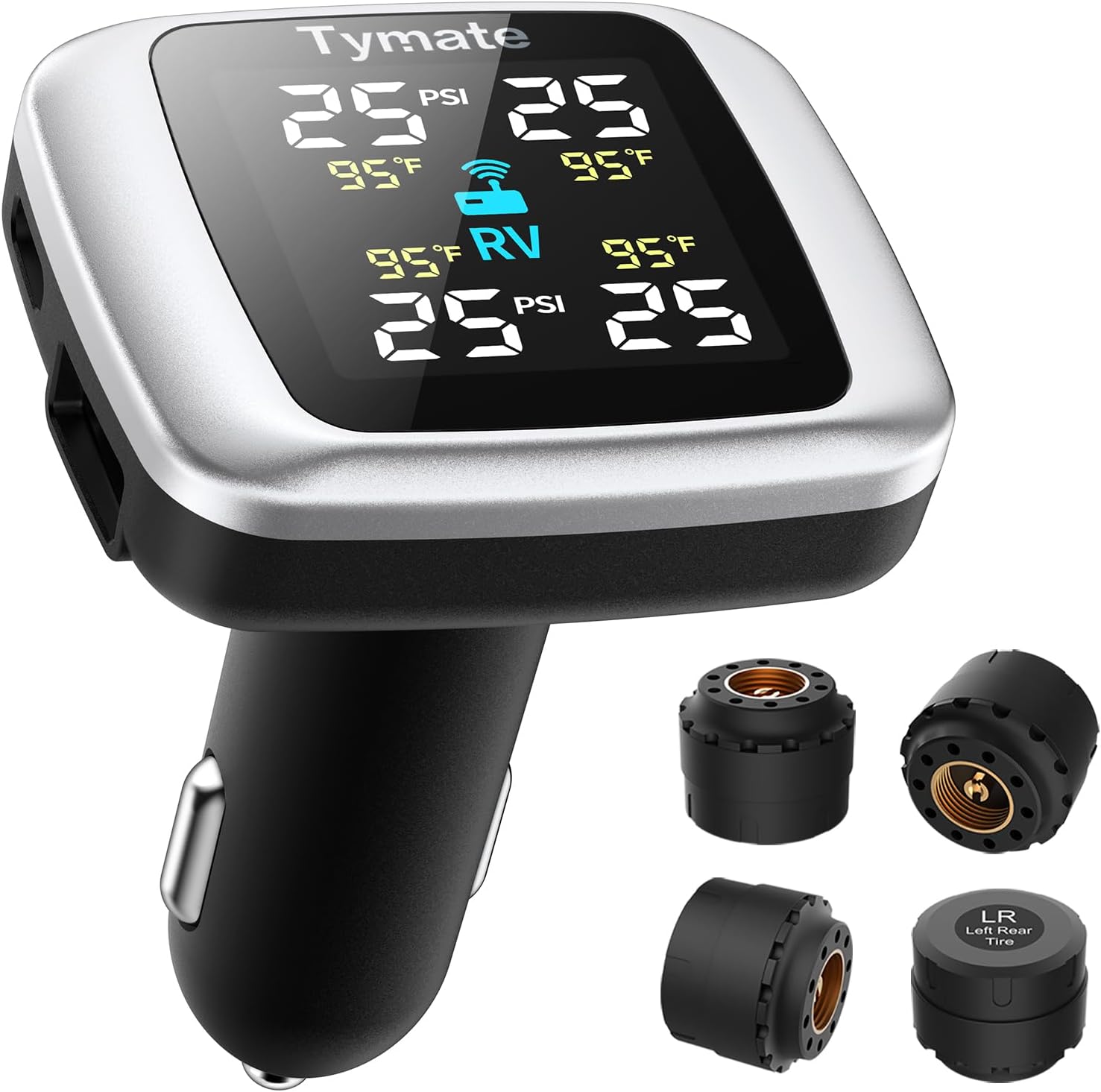
Tymate TM7 is a wireless tire pressure monitoring system that delivers real-time pressure and temperature readings for safer driving. It includes four external sensors, a bright color LCD display with adjustable backlight, and six alarm modes for high/low pressure, fast leakage, high temperature, and sensor signal or battery issues. The system covers a wide 0–144 PSI range and plugs into your vehicle’s cigarette lighter socket for quick DIY setup.

Protect tire valves from water, dust, and sand to help prevent leaks and support safe driving. These universal stem caps install quickly by hand and feature durable aluminum alloy construction with an inner sealing ring for better air retention. Compatible with cars, SUVs, trucks, motorcycles, and bicycles for everyday convenience.
🏆 Best all-weather tires for SUVs: top 4 picks
Below are the strongest remaining options after removing products that were weak fits for an SUV-focused buying guide. Each pick includes the best use case, honest tradeoffs, and a direct Amazon product link.
[Products Worth Considering]

Measure tyre tread depth precisely with a digital gauge that reads in both MM and inches, helping you monitor safe driving conditions. The large LCD screen is easy to operate, and the compact tool fits for cars, trucks, and motorcycles. It provides high accuracy with a 0-25.4mm range and includes a 1-year warranty for added peace of mind.

Milton S-921 pencil tire pressure gauge helps you maintain optimal tire pressure for passenger cars with accurate readings in PSI and kPa. It features a built-in deflator valve for convenient pressure adjustments, plus a single chuck head and nylon indicator bar for easy use on the go. Built from durable plated brass and designed for reliable performance, it’s a practical road trip and cold-weather maintenance tool.

Monitor tire tread wear with a smart, color-coded depth gauge that shows clear condition ranges at a glance. The bar is range marked for fast, easy readings, helping you maintain safer traction and performance. Each gauge is portable with a pocket clip, and the set includes 20 units for daily use and sharing.
4) Goodyear Assurance WeatherReady 2
Best for: small SUVs, crossovers, and commuter vehicles that see frequent rain, cold weather, and occasional light snow.
The Goodyear Assurance WeatherReady 2 is a practical choice if your main concern is predictable daily driving in changing weather. It fits best when your SUV or crossover uses the exact listed size and you care more about wet-weather confidence, comfort, and tread life than aggressive handling or off-road toughness.
- Why you’ll like it: It is built for year-round commuting with a weather-focused tread design and a 60,000-mile limited tread life warranty.
- Best fit: Drivers with small SUVs, crossovers, and passenger-style fitments who mainly drive on paved roads.
- Skip it if: You tow heavy loads, drive on rough trails, or need maximum winter grip for steep icy roads.
- Before you buy: Confirm the exact tire size, load index, and speed rating for your SUV.

Wet roads are where many SUV owners notice tire quality first. Look for strong water evacuation, stable braking, and predictable steering instead of choosing only by treadwear warranty.
3) Bridgestone WeatherPeak
Best for: SUV and crossover drivers who want a smoother touring-style ride with long treadwear coverage and useful light-snow capability.
The Bridgestone WeatherPeak is a strong match if you want comfort, lower road noise, and all-weather confidence without moving into a harsher winter tire. Its tread design focuses on wet evacuation, snow grip, and wear life, which makes it attractive for family SUVs and daily highway driving.
- Why you’ll like it: It offers a comfort-first personality with wet and light-snow design features and a 70,000-mile limited warranty.
- Best fit: Drivers who spend a lot of time on highways and want a quiet, stable ride in mixed weather.
- Skip it if: You want sharp performance handling or regularly drive through deep, unplowed snow.
- Before you buy: The linked product is a specific 235/40R19 XL size, so check your SUV’s required size carefully.
2) Michelin CrossClimate 2
Best for: drivers who want a highly balanced tire for wet roads, dry roads, light snow, and year-round SUV or CUV use.
The Michelin CrossClimate 2 is one of the safest recommendations for shoppers who want a proven all-weather-style touring tire. It is listed for cars, SUVs, CUVs, and vans, and it carries 3PMSF certification for winter capability. It is a good pick when you want one tire that feels stable across most normal driving conditions.
- Why you’ll like it: It blends wet and dry braking confidence with usable winter traction and a 60,000-mile mileage warranty.
- Best fit: SUV and crossover drivers who want a balanced tire instead of a snow-heavy or sport-heavy design.
- Skip it if: You want a dedicated winter tire for severe ice or a performance tire for aggressive cornering.
- Before you buy: The linked model is a CUV-focused 225/65R17 tire, so match the size before ordering.
1) Pirelli Scorpion WeatherActive
Best for: SUV, CUV, and light-truck drivers who want the strongest topic match in this roundup.
The Pirelli Scorpion WeatherActive earns the top spot because it is specifically aimed at CUVs, SUVs, and pickup trucks. It is designed for year-round use, carries 3PMSF winter certification, and uses a directional tread pattern built to handle wet roads, cold weather, and snowy commutes better than a basic all-season tire.
- Why you’ll like it: It gives SUV owners a well-rounded mix of wet grip, snow traction, steering stability, and a 60,000-mile treadwear warranty.
- Best fit: Drivers who want one set of tires for changing weather, family driving, and regular paved-road use.
- Skip it if: You drive in extreme ice, deep snow, or off-road conditions that require a more specialized tire.
- Before you buy: The linked product is a 235/65R18 106V tire, so confirm that your SUV requires that exact size and load rating.
🧠 How to choose the right all-weather tire for your SUV
Picking the “best” tire is not only about brand ranking. The right model depends on your SUV’s required size, your climate, your driving style, and how much winter traction you actually need.
[Products Worth Considering]

Measure tire tread depth quickly and accurately with this LUMITECO dial gauge that reads in 1/32" increments up to 14/32". The color-coded green/yellow/red zones make it easy to judge tire wear and know when replacement is needed. A rugged, compact design with a protective pouch helps keep the gauge ready for use on cars, trucks, motorcycles, and more.

The Airmoto portable tire inflator quickly and accurately fills car, truck, SUV, motorcycle, and bicycle tires up to 120 PSI with auto shut-off when your target pressure is reached. Its large LCD, multi-unit pressure display, and digital gauge make it easy to dial in settings and verify readings, while the built-in LED flashlight helps in low light. The included polyurethane hard carrying case and storage mesh pocket keep the inflator and accessories protected and organized.

Cristal Products Untouchable Tire Shine Spray delivers a deep, wet-look gloss that enhances your vehicle’s tires. It’s quick-drying and spreads smoothly for consistent, streak-free coverage, while forming a protective coating against UV rays, road grime, and weather. Suitable for all tire types, it helps restore dull, faded tires to a showroom-quality finish.
1) Start with correct tire sizing
Use the vehicle door jamb, owner’s manual, or current tire sidewall to confirm your tire size. Match all of these details before ordering:
- Width in millimeters
- Aspect ratio, which is sidewall height as a percent of width
- Rim diameter in inches
- Load index, especially for heavier SUVs
- Speed rating, based on your vehicle’s requirement
Fitment Note
Do not buy only because the model name looks right. A Michelin CrossClimate 2, Bridgestone WeatherPeak, Goodyear WeatherReady 2, or Pirelli Scorpion WeatherActive can come in many sizes. The exact Amazon listing must match your SUV’s required size, load index, and speed rating.
2) Prioritize by your weather mix
- Mostly wet and cold rain: prioritize wet braking, wet handling, and hydroplaning resistance.
- Long winter commutes with slush and plowed snow: prioritize 3PMSF certification and snow traction.
- Year-round mixed driving: choose a balanced model with strong wet-road behavior and reliable light-snow grip.
- Frequent ice or deep snow: consider dedicated winter tires instead of all-weather tires.
3) Don’t ignore ride comfort and noise
SUV tires can change cabin noise, steering feel, and ride fatigue. If comfort matters, compare:
- Road noise at highway speed
- Bump absorption on rough pavement
- Steering response in dry conditions
- How stable the tire feels in rain and standing water
4) Check tread life expectations, not just warranty
A warranty helps, but real tire life depends on alignment, driving style, road surface, tire pressure, and rotation habits. A longer warranty can indicate a durable touring design, but it does not guarantee identical mileage for every driver.
⚠️ Common mistakes SUV owners make with all-weather tires
- Buying all-weather tires for heavy ice: If your area regularly has black ice and freezing rain, dedicated winter tires can perform better.
- Using a similar but incorrect size: Even a small size mismatch can affect speedometer accuracy, stability, clearance, and AWD systems.
- Ignoring load index: Heavier SUVs need tires that can safely support the vehicle’s weight.
- Skipping alignment and pressure checks: Poor alignment and underinflation can shorten tread life and reduce wet grip.
- Overlooking rotation intervals: Regular rotation helps balance wear and maintain consistent traction.
- Assuming 3PMSF means ice-proof: The symbol helps with winter confidence, but it does not make the tire a dedicated ice tire.
🧾 Quick checklist before you buy
- My SUV tire size matches the product listing exactly.
- The load index meets or exceeds my vehicle’s requirement.
- The speed rating matches my owner’s manual or current tire requirement.
- 3PMSF certification is present if winter performance matters.
- I have realistic expectations for snow depth, ice, and mountain driving.
- I am prioritizing the right metric, such as wet braking, comfort, tread life, or snow traction.
📌 Maintenance tips to get the most from all-weather tires
- Check tire pressure monthly and before long trips.
- Rotate on schedule, often every 5,000 to 7,500 miles depending on your vehicle guidance.
- Keep alignment in spec if you notice uneven wear or steering drift.
- Replace by tread depth when traction declines, not only when the warranty ends.
- Inspect before winter so you do not enter snow season with worn tread.
- Avoid mixing tire models on AWD SUVs unless your vehicle manual allows it.
❓ FAQ: Best all-weather tires for SUVs
Are all-weather tires better than all-season tires for SUVs?
Often, yes for climates with cold rain, slush, and light to moderate snow. Many all-weather tires use winter-oriented tread designs and carry 3PMSF certification. However, a standard all-season tire may still be enough if you live in a warm climate with little winter weather.
Do all-weather tires replace winter tires?
Not always. All-weather tires are useful for one-set year-round driving, but dedicated winter tires can still outperform them on severe ice, deep snow, and consistently freezing roads. Choose winter tires if your commute regularly includes harsh winter conditions.
What does 3PMSF mean on an SUV tire?
3PMSF stands for Three-Peak Mountain Snowflake. It shows that a tire meets a defined snow-traction requirement. It is helpful for winter confidence, but it does not guarantee maximum braking, cornering, or ice traction.
Which all-weather tire is best overall for SUVs?
Among the remaining picks in this guide, the Pirelli Scorpion WeatherActive is the best overall SUV-focused choice because it is specifically positioned for CUVs, SUVs, and pickup trucks. The Michelin CrossClimate 2 is the strongest alternative if you want a proven all-round CUV/SUV touring tire.
What matters most: wet braking or snow traction?
For many drivers, wet braking matters most because rain happens more often than snow. If you commute through slush and plowed snow every winter, snow traction becomes just as important. The best tire for most SUV owners balances both instead of focusing on only one condition.
How long do all-weather SUV tires usually last?
Many reputable all-weather-style SUV and crossover tires come with mileage warranties around 60,000 to 70,000 miles, but real-world life varies. Alignment, tire pressure, rotations, driving speed, cargo weight, and road surface all affect how long the tread lasts.
Can I run all-weather tires year-round without swapping?
Yes, that is the main advantage of all-weather tires. They are designed for year-round use across dry, wet, and moderate winter conditions. You still need to monitor tread depth, tire pressure, and winter traction before snow season starts.
✅ Final takeaway
If you want one set of tires for the entire year, choose a model that matches your SUV’s exact size and gives you strong wet braking, stable dry handling, useful 3PMSF winter capability, and realistic tread life. For the best SUV-focused fit in this updated roundup, start with the Pirelli Scorpion WeatherActive. Compare it with the Michelin CrossClimate 2 if you want a proven all-round CUV/SUV tire, or consider the Bridgestone WeatherPeak if comfort and long treadwear coverage matter most.