
Are Tire Chains Safe for a Hyundai Sonata? Risks & Fitment
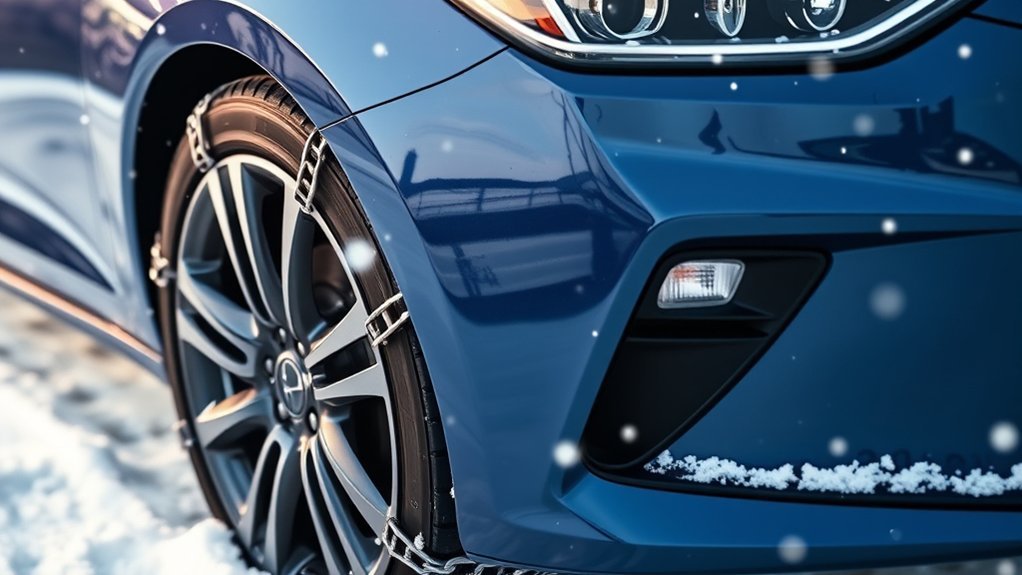
Tire chains can be risky for your Hyundai Sonata if not properly fitted. Confirm they meet SAE Class S requirements for your tire size of 215/55-17 to avoid damage and instability. Improper installation may scratch aluminum wheels and cause tire wear. Plus, local regulations might restrict their use on compact vehicles like yours. It’s essential to follow installation instructions and consider alternatives for a safer winter experience. Discover more about safe practices and options for winter driving conditions.
Compatibility of Tire Chains With the 2023 Hyundai Sonata
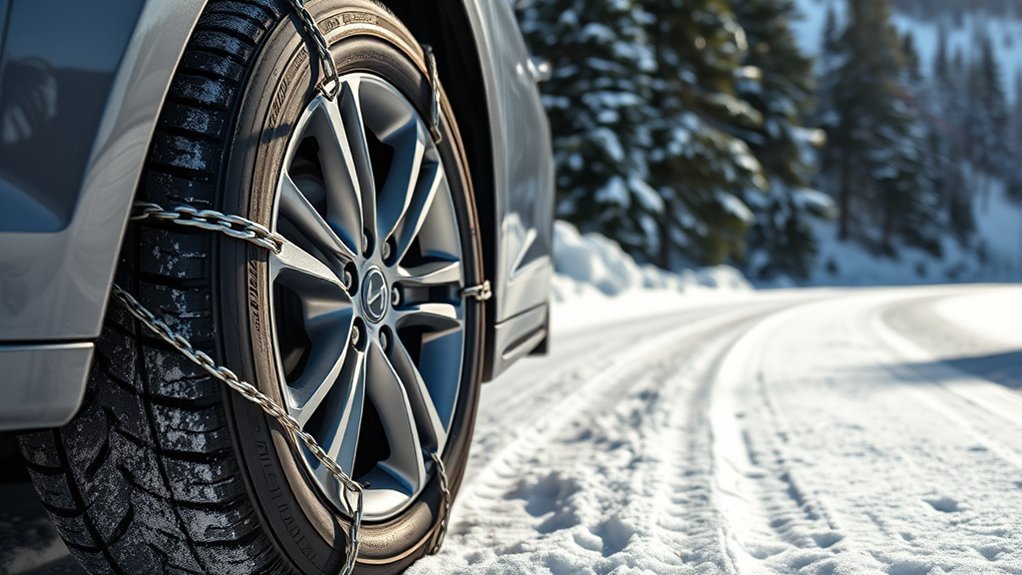
When considering tire chains for the 2023 Hyundai Sonata, how can you guarantee a proper fit? First, make certain that the tire chains you select meet SAE Class S requirements, specifically designed for compact vehicles like the Sonata. The recommended tire chain size for your vehicle is 215/55-17, but always consult your owner’s manual for specific guidance.
Different tire chain types exist, including link chains, cable chains, and polymer chains, each offering varying levels of traction for snowy conditions. Installation is vital; follow manufacturer instructions closely to prevent damage to your Sonata’s body or chassis. Remember, using tire chains greatly enhances traction on icy roads, leading to safer acceleration and braking.
Finally, be mindful to remove the chains when driving on cleared roads to avoid unnecessary wear on both your tires and the road surface. By paying attention to these details, you can guarantee a safe winter driving experience.
How to Ensure Proper Fitment for Tire Chains
Proper fitment of tire chains for your Hyundai Sonata hinges on a few key factors. First, verify the tire chains are compatible with your Sonata’s specific tire size, which is 215/55-17 for the 2023 model. Next, confirm that the chains meet SAE Class S requirements, guaranteeing they’re suitable for your compact vehicle. When it comes to installation techniques, follow the manufacturer’s instructions carefully; correct placement and tensioning are crucial for safe operation and to avoid vehicle damage. It’s best to install chains on all four tires to maintain balanced handling and traction in snowy or icy conditions. After driving 0.3-0.6 miles, regularly retighten the chains to keep them securely in place, preventing contact with the vehicle body or chassis. By adhering to these guidelines, you maximize both safety and performance during winter driving.
Risks of Tire Chains on Sedans
Using tire chains on your Hyundai Sonata can pose significant risks. They may damage your tires and compromise handling stability, especially given the sedan’s lower ground clearance. Additionally, improper use can exacerbate wear and affect braking efficiency, making it essential to proceed with caution.
Tire Damage Risks
Tire chains can pose significant risks to the tires of your Hyundai Sonata if they’re not fitted correctly. Improper installation may cause the chains to contact the vehicle’s body or suspension, leading to unnecessary tire wear. If you have aluminum wheels, using chains can scratch or damage the surface, which could affect your vehicle’s aesthetics and value. It’s essential to retighten chains after driving 0.3-0.6 miles to prevent slippage, as this can result in uneven tire wear. Additionally, the ladder style of some chains may not secure properly on compact sedans like the Sonata, increasing the risk of damage. Always check local regulations to guarantee compatibility and avoid potential legal issues. Prioritize careful chain maintenance for peak performance.
Handling Stability Concerns
When chains are installed on your Hyundai Sonata, they can greatly impact handling stability, especially at higher speeds. The addition of tire chains alters the vehicle’s center of gravity and traction dynamics, potentially leading to skidding or loss of control during sharp turns or sudden maneuvers. Given the Sonata’s lower ground clearance, there’s also a risk of the chains contacting the vehicle’s body, further compromising handling. To minimize these concerns, make certain your tire chains meet SAE Class S requirements for compact vehicles. Adhering to the manufacturer’s speed limits while driving with chains is essential, as exceeding these limits can exacerbate handling instability and increase safety risks. Prioritizing these factors can help maintain ideal tire grip and handling dynamics.
Why You Should Check Local Tire Chain Regulations?
Before hitting the road this winter, you should check local tire chain regulations to guarantee compliance. Some areas have specific seasonal restrictions and requirements for the type of chains allowed, which can vary widely. Ignoring these regulations not only risks fines but also compromises your safety on icy roads.
Local Chain Laws
Checking local tire chain regulations is essential, especially if you’re planning to drive in areas prone to severe winter weather. Different regions enforce varying laws regarding chain usage, and failing to comply can lead to legal penalties or chain enforcement. It’s vital to understand the specific requirements, including permissible chain types and any seasonal restrictions.
| Aspect | Requirement | Consequence |
|---|---|---|
| Chain Usage | Mandatory in specific months | Fines for non-compliance |
| Chain Type | Restrictions on certain types | Prohibited from driving |
| Proof of Possession | Required during alerts | Legal penalties |
Seasonal Restrictions
Understanding seasonal restrictions on tire chain usage is essential for safe winter driving. Local regulations can vary and may affect your plans. Here are three key points to take into account:
- Mandatory Use: Some areas require tire chains during specific seasonal weather, making compliance vital to avoid fines.
- Condition Specificity: Certain jurisdictions restrict chain use to specific road conditions, highlighting the need for awareness before installation.
- Vehicle Limitations: Chains may be banned on compact cars like the Hyundai Sonata, further emphasizing the importance of checking local laws.
Alternatives to Tire Chains for the Hyundai Sonata
While tire chains can offer improved traction in severe winter conditions, several alternatives exist for your Hyundai Sonata that might better suit your needs. Snow cables, like the Super Z6, are easier to install and provide excellent traction without the bulk of traditional chains. They fit snugly on your tires, allowing for more comfort and convenience.
For more severe winter conditions, investing in high-quality winter tires is a reliable choice. These tires outperform all-season types when temperatures drop below 45 °F (7 °C), ensuring you maintain grip in icy conditions. Although all-season tires are functional in mild winters, they may not provide the necessary traction during snowstorms.
Another option is studded tires, which enhance traction on icy roads, but check local regulations as they may face legal restrictions. Overall, snow cables and winter tires offer effective, practical solutions for winter driving.
Tips for Safe Installation of Tire Chains

When winter weather hits, guaranteeing your tire chains are installed correctly is essential for safety and performance. Follow these tips for effective installation techniques:
- Prepare Your Space: Always install chains on a level surface. Use hazard lights for visibility and place a warning device behind your vehicle if you have one.
- Follow Instructions: Adhere to the manufacturer’s instructions meticulously. This prevents improper installation, which can lead to damage or safety hazards.
- Check Tension: After driving 0.3-0.6 miles (0.5-1.0 km), retighten the chains. This guarantees they stay securely fitted and don’t contact the vehicle’s body or chassis.
When to Hire a Professional for Tire Chain Installation?
Wondering whether to tackle tire chain installation yourself or hire a professional? Understanding when to seek professional expertise can save you time and prevent costly mistakes. Here’s a quick guide to help you decide:
| Situation | Why Hire a Professional? |
|---|---|
| Unfamiliar with tire chains | Professionals guarantee secure and correct fit. |
| Compatibility concerns | Experts assess ABS and traction control systems accurately. |
| Adverse weather conditions | Quick installation is essential for safety and efficiency. |
| Local regulations | Professionals provide guidance on legal compliance. |
Hiring an expert not only offers installation benefits but also helps avoid issues like chain slippage or breakage. Their experience with your Hyundai Sonata’s specifications guarantees your safety on the road during winter months. If you’re uncertain, don’t hesitate to call in a pro.
Frequently Asked Questions
Are Hyundai Sonata Good in Snow?
The Hyundai Sonata offers decent snow performance with winter tires, enhancing your winter handling. However, it may struggle in deeper snow. For ideal traction, consider snow chains and drive cautiously in severe conditions.
Why Don’t People Use Tire Chains Anymore?
People don’t use tire chains anymore because modern tire chain alternatives, like advanced snow tires, offer superior traction and convenience. Embracing these winter driving tips frees you from the hassle of installation and potential vehicle damage.
Conclusion
In the dance between safety and performance, tire chains can be a double-edged sword for your Hyundai Sonata. While they offer traction in wintry conditions, improper fitment can lead to costly damage. Weigh the risks against the benefits, and always check local regulations. If you’re unsure, consider professional help to guarantee a secure fit. Ultimately, being informed gives you the power to navigate winter roads with confidence, turning potential peril into a smooth ride.

Related Articles
Run Flat vs Regular Tires for Hyundai Sonata: Pros & Cons
Get the lowdown on run-flat and regular tires for your Hyundai Sonata; discover which option suits your driving needs before making a final decision.
Read More
Does Hyundai Sonata Come With Complimentary Tire Rotation?
Find out if the Hyundai Sonata includes complimentary tire rotation services and discover how this benefit can enhance your driving experience.
Read More
Touring vs Performance Tires for Hyundai Sonata: Which to Choose
Discover the key differences between touring and performance tires for your Hyundai Sonata, and find out which option truly suits your driving style.
Read More