
Honda Accord Tire Size by Year: Every Generation Listed

If you’re looking for Honda Accord tire sizes by year, start with the tire label on your own car. Accord tire sizes change by model year, trim, wheel package, body style, and market, so the driver-side door-jamb Tire and Loading Information Label is the final authority before you buy.
Quick Answer
Honda Accord tire sizes range from small 13-inch tires on early models to 17- and 19-inch tires on current trims. Common modern sizes include 205/65R16, 215/55R17, 225/50R17, 235/45R18, and 235/40R19, but your exact size must match the door-jamb placard and original load/speed rating.
Key Takeaways
- The safest way to confirm your Accord tire size is to read the Tire and Loading Information Label on the driver’s doorjamb.
- A tire size alone is not enough; also match or exceed the original load index and speed rating.
- Factory sizes vary by trim. For example, many current Accord trims use 225/50R17, while several hybrid sport trims use 235/40R19.
- Aftermarket wheel upgrades should be checked by a tire professional because they can affect speedometer accuracy, ABS, stability control, ride quality, and clearance.
How to Confirm Your Honda Accord Tire Size Before Buying
Before using any chart, check the label on your vehicle. Honda, NHTSA, and tire-industry guidance all point drivers back to the vehicle placard or owner’s manual for the correct tire size, cold tire pressure, and load information.
- Open the driver’s door and look for the Tire and Loading Information Label on the doorjamb or B-pillar.
- Write down the complete tire code, such as 225/50R17 94V or 235/40R19 96V.
- Match the size, load index, and speed rating when shopping for replacements.
- Check cold tire pressure using the PSI on the placard, not the maximum pressure printed on the tire sidewall.
- Ask a qualified tire shop before changing wheel diameter, tire width, or sidewall height.
Warning: Do not choose a tire only because it physically fits the wheel. A tire with the wrong size, load index, speed rating, or overall diameter can affect braking, handling, ABS, traction control, speedometer accuracy, and tire clearance.
[Products Worth Considering]

Keep your tires properly inflated with this analog VONDIOR tire pressure gauge, designed for fast, easy readings without batteries. The swiveling, two-axis hose and large glow dial help you measure at any tire angle with instant visibility. Built with a protective rubber shield, it supports durable, low-maintenance use for cars and trucks.

This professional wheel and rim brush kit makes it easy to lift brake dust, grime, and dirt from wheels and tires without scratching finishes. The brushes feature soft, metal-free wool heads and a flexible 360-degree rim brush design for reaching hard-to-clean areas. Includes multiple brush types plus accessories for thorough car, motorcycle, and general vehicle detailing.

This 3-piece wheel and tire brush set makes it easy to clean light, medium, and heavy dirt from wheels, rims, tires, and exterior surfaces. It includes both soft and stiff bristle options for gentle scrubbing and tough grime removal, helping lift brake dust and road buildup. The long-handle design supports comfortable cleaning across cars, trucks, SUVs, RVs, motorcycles, and more, with simple care instructions to restore brush shape.
Honda Accord Tire Size Chart by Generation

The chart below lists common U.S.-market factory-style tire sizes by generation. It is a guide, not a substitute for your car’s placard. Special editions, coupe/sedan differences, hybrid models, regional versions, and aftermarket wheels can change the correct size.
| Generation | Model Years | Common Tire Sizes | Notes |
|---|---|---|---|
| 1st generation | 1976–1981 | 155SR13, 155/80R13, 165SR13, 185/70R13 | Early compact Accord sizes; check classic-car tire conversions carefully. |
| 2nd generation | 1982–1985 | 155SR13, 175/70R13, 185/70R13 | Trim and market matter; many modern replacement tires use metric equivalents. |
| 3rd generation | 1986–1989 | 185/70R13, 195/60R14 | DX/LX models commonly used 13-inch tires; LXi/SEi models commonly moved to 14-inch tires. |
| 4th generation | 1990–1993 | 185/70R14, 195/60R15 | Larger body and wheel packages made 14- and 15-inch tires common. |
| 5th generation | 1994–1997 | 185/70R14, 195/60R15, 205/60R15 | V6 and higher trims may use wider 15-inch tires. |
| 6th generation | 1998–2002 | 195/70R14, 195/65R15, 205/65R15, 205/60R16 | Coupe, sedan, 4-cylinder, and V6 trims vary. |
| 7th generation | 2003–2007 | 195/65R15, 205/65R15, 205/60R16, 215/50R17 | The 215/50R17 size is commonly associated with sportier coupe/V6 packages. |
| 8th generation | 2008–2012 | 215/60R16, 225/50R17, 235/45R18 | Common U.S. OE-style range for sedan/coupe trims; verify by trim. |
| 9th generation | 2013–2017 | 205/65R16, 215/55R17, 225/50R17, 235/45R18, 235/40R19 | Sport, Touring, coupe, and hybrid trims changed the wheel-and-tire package. |
| 10th generation | 2018–2022 | 225/50R17, 235/40R19 | Most trims used 17- or 19-inch packages, depending on model and trim. |
| 11th generation | 2023–current | 225/50R17, 235/40R19 | Current U.S. Accord trims commonly split between 17-inch comfort-focused packages and 19-inch sport/hybrid packages. |
First and Second Generation Honda Accord Tire Sizes (1976–1985)
Early Honda Accord models used small 13-inch tires because the cars were light, compact, and efficiency-focused. Common early sizes include 155SR13, 155/80R13, 165SR13, and 185/70R13, depending on year, trim, and market.
If you own a classic Accord, tire shopping may require extra care because older alphanumeric or “SR” markings do not always map perfectly to modern tire listings. Match overall diameter, load capacity, and rim compatibility rather than guessing from a modern chart alone.
Note: Older Accords may have had wheel swaps during decades of ownership. Check the wheel size stamped on the wheel, the current tire sidewall, and the vehicle placard/manual before ordering replacements.
Third Generation Honda Accord Tire Sizes (1986–1989)
The third-generation Accord commonly used 185/70R13 on base and mid trims and 195/60R14 on sportier or higher trims. The wider 195-section tire helped sharpen steering response compared with the taller 13-inch fitments.
When replacing tires on these cars, prioritize safe load capacity and fresh tire age. A classic Accord driven only occasionally may still need replacement tires even when tread depth looks acceptable because rubber ages over time.
Fourth Generation Honda Accord Tire Sizes (1990–1993)
The fourth-generation Honda Accord moved into a larger, more refined package, and common tire sizes also grew. Typical sizes include 185/70R14 and 195/60R15. Base trims usually favored ride comfort, while EX, SE, wagon, and higher trims often used wider 15-inch tires.
If your Accord originally came with 14-inch wheels, switching to a 15-inch factory-style package can be possible, but the replacement tire should keep a similar overall diameter and the correct load/speed rating.
Fifth Generation Honda Accord Tire Sizes (1994–1997)
For the fifth-generation Accord, common factory-style tire sizes include 185/70R14, 195/60R15, and 205/60R15. The wider 205/60R15 size is commonly associated with V6 or higher-output trims, while 185/70R14 and 195/60R15 are common on many 4-cylinder trims.
Choose tires based on how you drive. Touring all-season tires suit commuting and comfort, while performance all-season tires can improve steering feel on EX or V6 trims at the cost of some ride softness.
Sixth Generation Honda Accord Tire Sizes (1998–2002)
The sixth-generation Accord added more variation between sedan, coupe, 4-cylinder, and V6 models. Common sizes include 195/70R14, 195/65R15, 205/65R15, and 205/60R16.
Many 4-cylinder LX/EX models used 15-inch tires, while some V6 and coupe trims used wider 15- or 16-inch packages. If you see a size like 205/60R16, confirm the car has the correct 16-inch wheel and that the tire does not rub at full steering lock.
Seventh Generation Honda Accord Tire Sizes (2003–2007)
The seventh-generation Accord commonly used 195/65R15, 205/65R15, 205/60R16, and 215/50R17, depending on trim. The 15-inch sizes are more comfort-focused, while 16- and 17-inch packages give sharper response.
If you drive a V6 coupe or a sportier trim, pay close attention to the speed rating. A tire with the correct size but a lower speed rating than the original tire may not be the right replacement.
Eighth Generation Honda Accord Tire Sizes (2008–2012)
For the eighth-generation Accord, common factory-style tire sizes include 215/60R16, 225/50R17, and 235/45R18. This generation often separates comfort-oriented sedans from sportier coupe and higher-trim packages.
Be careful with 19-inch or 20-inch tire sizes on this generation. Some owners use them with aftermarket wheels, but they should not be presented as universal factory sizes. Any plus-size setup should be checked for wheel offset, brake clearance, fender clearance, overall diameter, and load rating.
[Products Worth Considering]

Replace worn or missing TPMS sensors with a pre-programmed 4-pack designed for compatible GM vehicles. These 315MHz sensors provide real-time tire pressure monitoring and alert you if pressure is too high, too low, or if a rapid air leak occurs. Most installations are ready with minimal relearn effort after mounting, helping improve safety and driving confidence.

Adam’s Pro Tire Hex Grip applicators are molded foam sponges designed for precise, even tire dressing application. The ergonomic grip helps you spread product without overapplying, reducing sling that can splash onto paint and helping keep your hands clean during wheel and trim detailing. They’re durable, washable, and reusable for repeated detailing sessions.
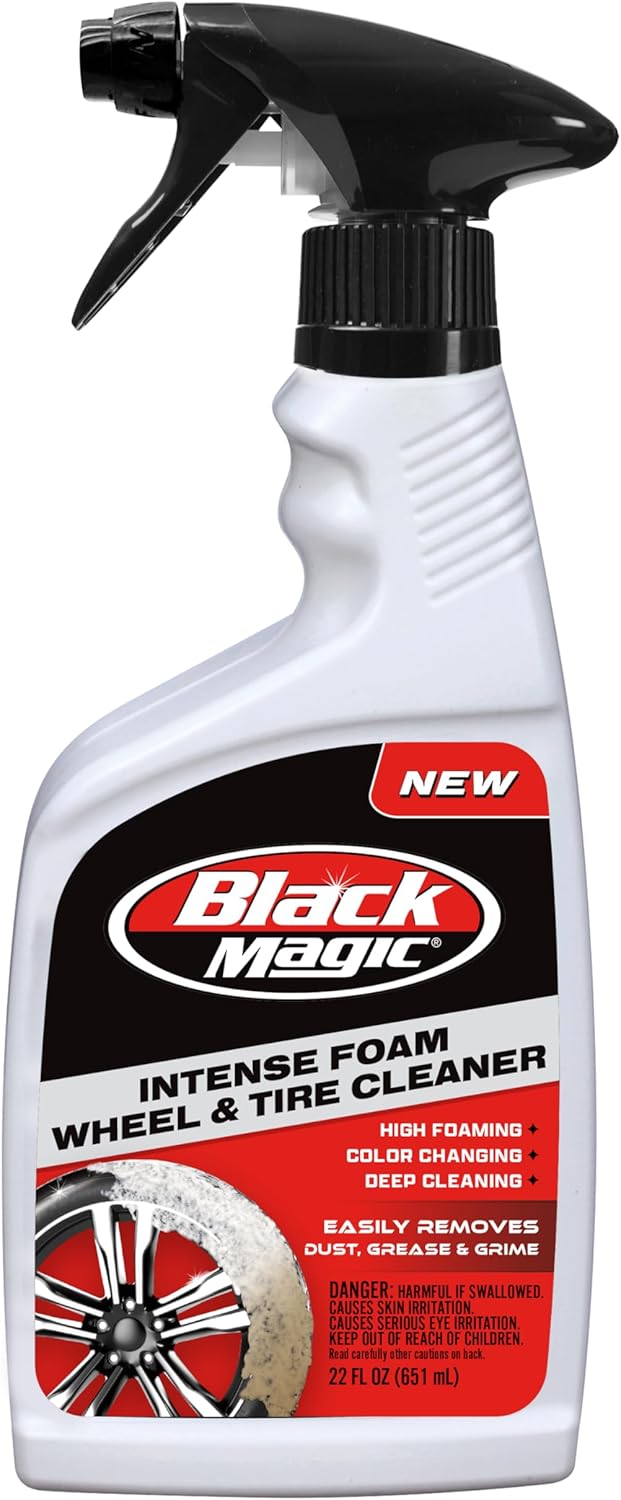
Black Magic Intense Foam Wheel & Tire Cleaner uses a high-foaming action to lift away dirt, grime, and brake dust without scrubbing. The color-changing formula helps show contaminants being dissolved as foam turns from white to brown. Safe for all wheel types and even wheel wells, it leaves a like-new, slick finish with a fresh cherry scent.
Ninth Generation Honda Accord Tire Sizes (2013–2017)
The ninth-generation Accord brought a wide mix of sedan, coupe, Sport, Touring, and hybrid tire sizes. Common sizes include 205/65R16, 215/55R17, 225/50R17, 235/45R18, and 235/40R19.
Base sedans commonly use taller sidewalls for comfort. Sport and Touring trims use lower-profile tires for sharper steering and a more aggressive look. Hybrids may use a size chosen for efficiency and ride balance, so do not assume a Sport-size tire is right for every 2013–2017 Accord.
Tenth Generation Honda Accord Tire Sizes (2018–2022)
The tenth-generation Accord commonly uses two main tire sizes: 225/50R17 and 235/40R19. Many LX, EX, EX-L, and some hybrid trims use the 17-inch package, while Sport, Touring, and some higher trims use the 19-inch package.
The 225/50R17 size generally gives more sidewall cushioning, lower replacement cost, and better pothole tolerance. The 235/40R19 size gives a sportier look and sharper steering, but the shorter sidewall can ride firmer and is more vulnerable to wheel damage on rough roads.
Current Honda Accord Tire Sizes (2023–Present)
Current U.S.-market Honda Accord models continue to use 225/50R17 and 235/40R19 as the main tire sizes, depending on trim. Honda’s current Accord information lists 17-inch wheels with 225/50 R17 tires on several comfort-focused trims and 19-inch wheels with 235/40 R19 tires on sportier hybrid trims.
For example, a current Accord LX or EX-style trim may use 225/50R17, while Sport Hybrid, Sport-L Hybrid, and Touring Hybrid-style trims may use 235/40R19. Your exact model year and trim still matter, so check the placard before ordering tires online.
What Honda Accord Tire Size Numbers Mean
A tire code looks complicated at first, but each part tells you something useful. Using 225/50R17 94V as an example:
| Code Part | Meaning | Why It Matters |
|---|---|---|
| 225 | Tire width in millimeters | Affects grip, clearance, steering feel, and rolling resistance. |
| 50 | Aspect ratio | Sidewall height is 50% of the tire width. |
| R | Radial construction | Most modern passenger-car tires are radial. |
| 17 | Wheel diameter in inches | The tire must match the wheel diameter exactly. |
| 94 | Load index | Shows how much weight each tire can carry at the correct pressure. |
| V | Speed rating | Should meet or exceed the original tire’s rating unless a professional confirms otherwise. |
Choosing the Right Replacement Tires for Your Honda Accord
After confirming your size, choose the tire type that matches your climate and driving style.
Best Everyday Choice
For most drivers, a quality grand-touring all-season tire is the best match for a Honda Accord. It balances comfort, tread life, wet traction, quietness, and fuel economy.
Best for Sport Trims
If you drive an Accord Sport, Touring, V6 coupe, or 19-inch-wheel trim, a performance all-season tire can improve steering response and dry-road handling. Expect a firmer ride and possibly shorter tread life than touring tires.
Best for Snow and Winter
If you regularly drive in snow, ice, or freezing temperatures, dedicated winter tires can outperform all-season tires. Install winter tires in a complete set of four whenever possible to keep braking and handling balanced.
Best for Older Accords
For older Accords with 13-, 14-, or 15-inch wheels, availability may be limited. Choose a tire that matches the correct diameter, load rating, and speed rating, and avoid buying old-stock tires that have been sitting for many years.
Pro Tip: When comparing tires, do not sort only by price. Look at wet braking, road noise, treadwear warranty, ride comfort, and whether the tire meets the load and speed rating shown on your Accord’s placard.
Safe Tire Replacement Checklist
- Match the full size: example 225/50R17, not just “17-inch tire.”
- Match or exceed load index: never go below the original equipment load requirement.
- Match or exceed speed rating: especially on V6, Sport, Touring, and 19-inch trims.
- Replace in sets when possible: four matching tires give the most consistent grip and handling.
- Install newer tires on the rear if replacing only two: this helps reduce the risk of oversteer in wet conditions.
- Check pressure cold: use the placard PSI when the car has been parked long enough for the tires to cool.
- Rotate regularly: follow Honda’s Maintenance Minder or your owner’s manual; many tire-industry references use roughly 5,000–8,000 miles as a common interval.
- Recheck after installation: confirm there is no rubbing, vibration, pulling, or TPMS warning.
Frequently Asked Questions
What size tires do Honda Accords use?
Honda Accord tire sizes vary by year and trim. Older models may use 13-, 14-, or 15-inch tires, while many modern Accords use 17- or 19-inch tires such as 225/50R17 or 235/40R19. Always confirm the exact size on the driver-side door-jamb placard.
Where do I find the correct Honda Accord tire size?
Look at the Tire and Loading Information Label on the driver’s doorjamb. It lists the original tire size, cold tire pressure, and load information. Your owner’s manual is the next best reference.
Can I put 19-inch wheels on a Honda Accord that came with 17-inch wheels?
Sometimes, but it depends on the model year, wheel width, offset, brake clearance, tire diameter, and load rating. Use a tire professional before upsizing because the wrong setup can cause rubbing, speedometer error, harsh ride quality, or handling problems.
What does 225/50R17 mean on a Honda Accord tire?
The 225 is tire width in millimeters, 50 is sidewall height as a percentage of width, R means radial construction, and 17 means the tire fits a 17-inch wheel. The numbers and letters after that, such as 94V, are the load index and speed rating.
Are Honda Accord Sport tires different from LX or EX tires?
Often, yes. Sport and Touring trims commonly use larger wheels and lower-profile tires than LX or EX trims. For example, many newer LX/EX-style trims use 225/50R17, while sportier hybrid trims often use 235/40R19.
When did Honda Accord tire sizes change?
Accord tire sizes changed gradually with each generation. Early Accords used 13-inch tires, 1990s models commonly moved into 14- and 15-inch sizes, 2000s models added more 16- and 17-inch packages, and modern Accords commonly use 17- and 19-inch wheels.
What oil should I use in a Honda Accord?
Oil choice is separate from tire sizing, but many late-model Honda Accord owner’s manuals specify 0W-20 engine oil. For older models, check the owner’s manual or oil cap because the correct viscosity can vary by engine and model year.
Conclusion
The right Honda Accord tire size depends on your exact year, trim, wheel package, and market. Use the generation chart as a starting point, then confirm the full tire code on your driver-side door-jamb placard before buying. Match the original size, load index, speed rating, and cold PSI to protect ride quality, handling, braking, fuel economy, and tire life.
Sources
- Honda Techinfo — 2025 Accord Owner’s Manual Specifications — current non-hybrid Accord tire size, pressure, spare tire, and wheel specification reference.
- Honda Techinfo — 2025 Accord Hybrid Owner’s Manual Specifications — current hybrid Accord 225/50R17 and 235/40R19 tire size reference.
- Honda Info Center — 2025 Accord Wheels and Tires — trim-level 17-inch and 19-inch tire package information.
- NHTSA TireWise — tire pressure, tire size, tread depth, TPMS, and safety guidance.
- U.S. Tire Manufacturers Association — Replacing Tires — replacement tire size, load index, speed rating, and rear-axle replacement guidance.
- Tire Industry Association — Tire Replacement — replacement selection, load index, rotation, and tread-depth guidance.
[Products Worth Considering]

Black Magic Tire Wet delivers a deep wet-look shine that makes tires appear dark, rich, and freshly detailed. Its long-lasting formula helps resist rain, dust, and road grime for weeks of glossy protection, not days. Apply by spraying onto clean, dry tires—no buffing or wiping required—with a low-sling design to reduce splatter on paint and wheels.

The UYYE TPMS relearn tool helps activate and relearn tire pressure monitor sensors quickly, typically in minutes. It supports TPMS learn mode resetting using a simple three-step process: enter learn mode, position the tool near the valve stem, and press the learn button. Designed for specific GM models, it streamlines sensor programming and reduces trips to dealers or tire shops.
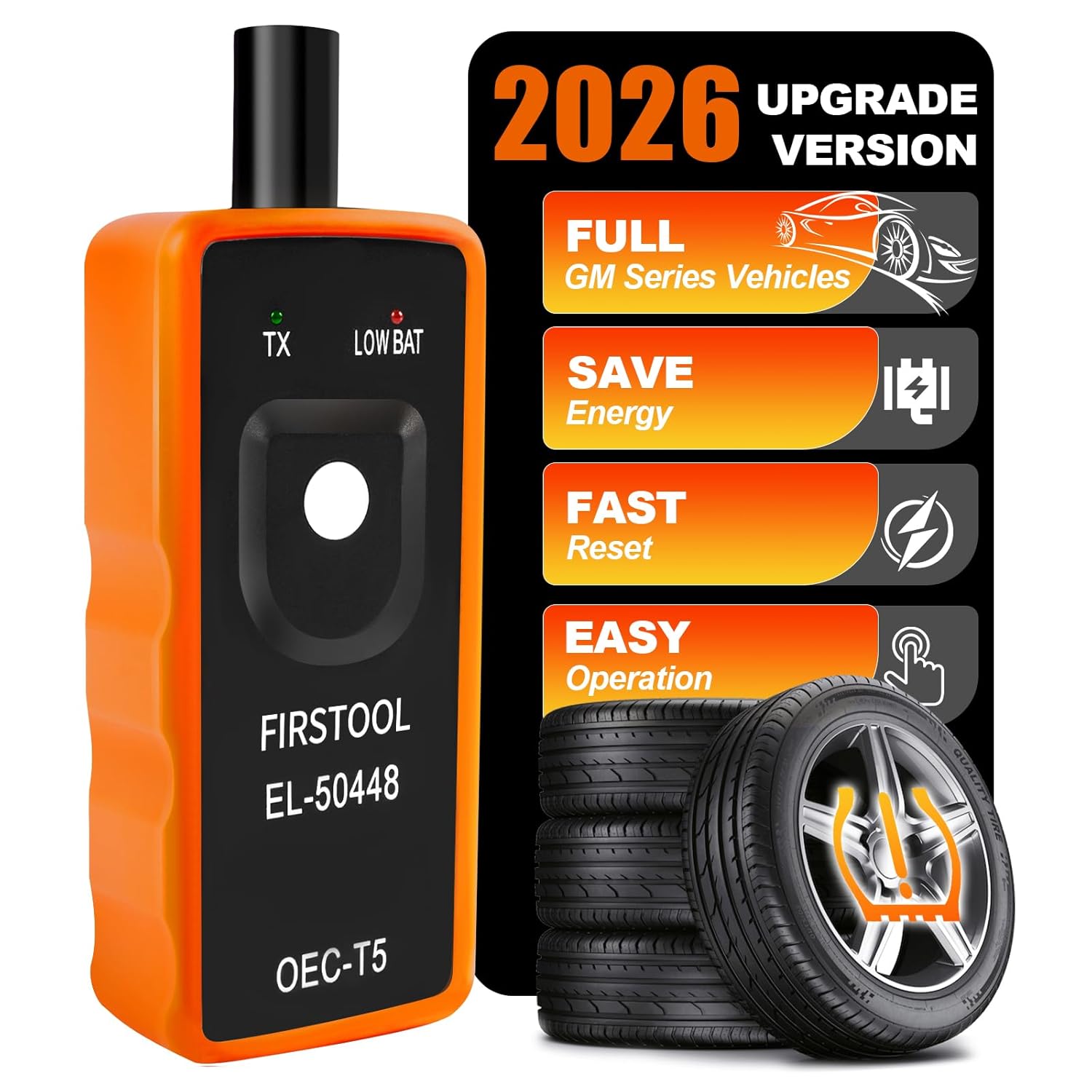
This TPMS relearn tool helps you quickly activate, match, and reset GM tire pressure sensors to keep the vehicle monitoring system working properly. It clears tire pressure alarms and dashboard warning lights after sensor replacement or tire rotation, and supports learning for common 315/433 MHz TPMS sensors. Designed for simple one-button operation, it can help you avoid unnecessary trips to repair shops.

Related Articles
How Tall Is a 305 70 R17 Tire? Exact Height, Width & Dimensions
Curious how tall a 305 70 R17 tire really is—and whether it fits your truck?
Read More
Can-Am Defender Tire Size Guide: Stock Specs & Upgrade Options
Just how big can you go on a Can-Am Defender before mods become necessary?
Read More
How Tall Is a 275 65 20 Tire? Exact Height, Width & Dimensions
Check the exact height, width, and hidden fitment effects of a 275/65R20 tire before you buy or upgrade.
Read More