
What Honda Accord Rim Sizes Actually Mean
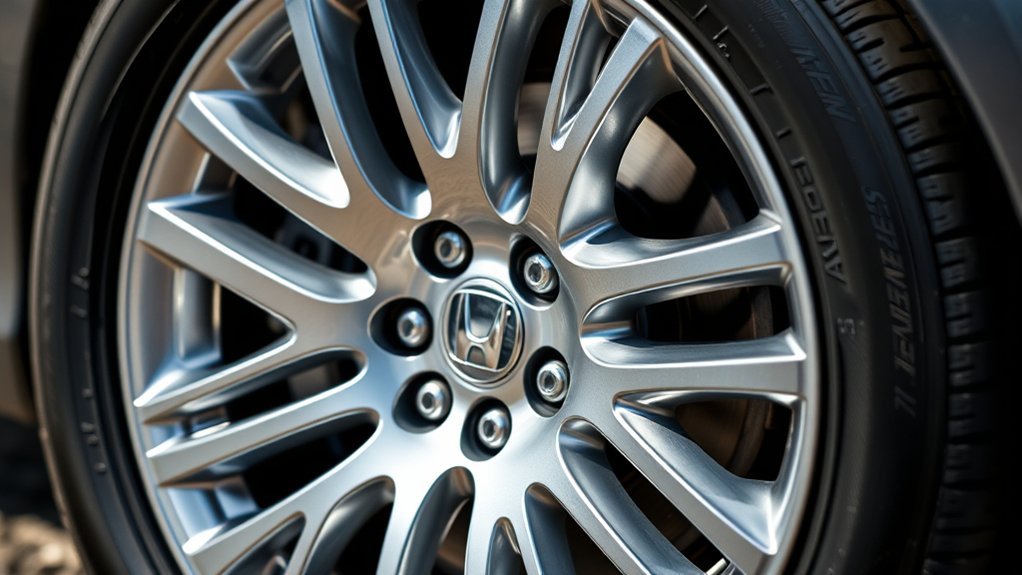
Choosing the right Honda Accord rim size is not just about looks. The wheel must match your Accord’s bolt pattern, center bore, width, offset, tire size, brake clearance, load rating, and TPMS setup. Get those details right and the car can keep its factory ride quality, steering feel, and safety. Get them wrong and you may end up with vibration, rubbing, poor handling, or unsafe wheel attachment.
Quick Answer
Most recent U.S.-market Honda Accord models use factory 17-inch or 19-inch wheels, depending on year and trim. Many modern Accords are commonly listed with a 5×114.3mm bolt pattern and 64.1mm center bore, but you should always verify your exact year, trim, wheel width, offset, tire size, and load rating before buying wheels.
Key Takeaways
- For recent U.S. Accords, factory wheel sizes are usually 17 or 19 inches, not 20 or 21 inches.
- Common modern Accord fitment specs include a 5×114.3mm bolt pattern and 64.1mm hub bore, but older models and non-U.S. models must be checked separately.
- Offset, width, tire diameter, and brake clearance matter as much as bolt pattern.
- Aftermarket wheels can fit well, but aggressive sizes may require alignment changes, fender clearance checks, or suspension adjustments.
- Use the tire placard, owner’s manual, Honda dealer, or a qualified tire professional before changing wheel or tire sizes.
Understanding Honda Accord Rim Sizes: What You Need to Know
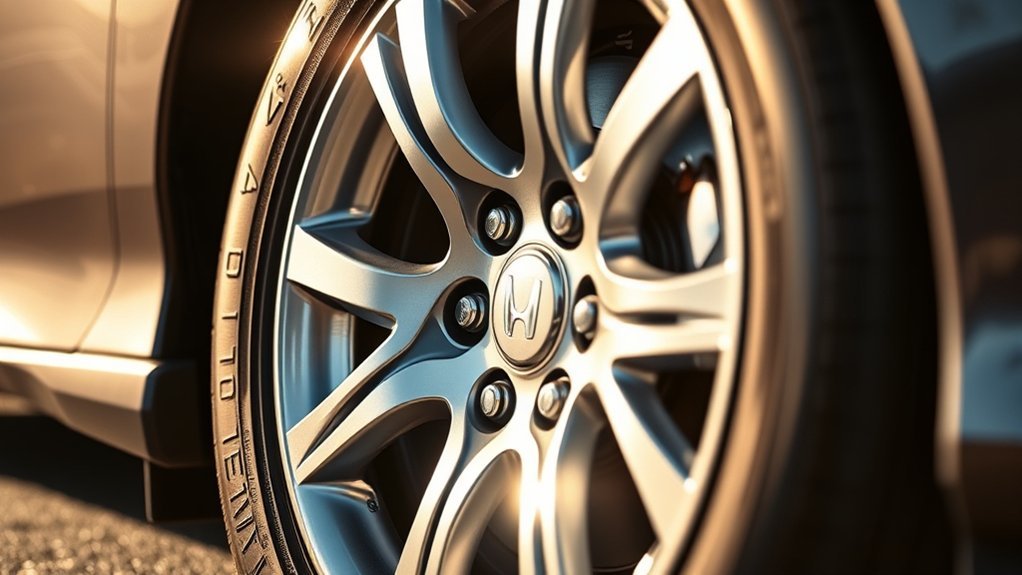
A Honda Accord rim size is usually written as diameter x width, such as 17×7.5 or 19×8.5. The first number is wheel diameter in inches. The second number is wheel width in inches. That size must work with the tire size, suspension clearance, brakes, and wheel offset.
For many recent U.S.-market Honda Accord models, factory wheels are commonly 17 or 19 inches depending on trim. For example, Honda lists the 2026 Accord LX with 17-inch alloy wheels and 225/50R17 tires, while SE, Sport Hybrid, Sport-L Hybrid, and Touring Hybrid trims use 19-inch wheels with 235/40R19 tires. The EX-L Hybrid uses 17-inch wheels with 225/50R17 tires. You can confirm those current trim details on Honda’s official Accord wheel and tire page: Honda Info Center 2026 Accord Wheels and Tires.
Older recent Accords follow a similar pattern. Honda lists the 2018 Accord LX, EX, EX-L, and EX-L 2.0T with 17-inch wheels, while Sport, Sport 2.0T, Touring, and Touring 2.0T trims use 19-inch wheels. Honda lists the 2021 and 2022 Accord lineups with 17-inch wheels on LX/EX-L-style trims and 19-inch wheels on Sport/Touring-style trims.
Warning: Do not buy wheels based only on diameter. A wheel can be the right diameter but still be unsafe or unusable if the bolt pattern, center bore, offset, brake clearance, lug seat, load rating, or tire size is wrong.
[Products Worth Considering]

Upgrade your wheels with MIKKUPPA M12x1.5 mag seat lug nuts built for secure, corrosion-resistant performance. These closed-end chrome lug nuts are a direct replacement for select Toyota models, including Camry, Corolla, RAV4, Sienna, Avalon, Highlander, Matrix, Venza, and Prius. Triple-chromium plating and cold-forged, heat-treated steel help deliver strength for daily driving and replacement needs.

Upgrade your wheels with MIKKUPPA closed-end lug nuts designed for reliable fit and corrosion resistance. The one-piece, cold-forged and heat-treated steel construction helps resist rust and stripping, while the integrated finish delivers a durable black appearance. Built to OEM standards with a conical 60-degree seat, these nuts provide a secure solution for compatible Ford, Honda, Jeep, and Chevrolet models.

These M14x1.5 closed-end chrome lug nuts are a one-piece replacement designed for secure fitment on compatible GM, Ford, and select Chrysler/Dodge models. Featuring a 60-degree conical seat and anti-rust chrome plating, they help resist corrosion and maintain a bright look for everyday driving. Built for long-term durability, they include OEM-style part references and are backed by 12 months of support.
Honda Accord OEM Rim Size Chart by Recent Generation
The table below is a practical starting point for recent U.S.-market Accord models. It does not replace your doorjamb tire placard, owner’s manual, Honda dealer, or a professional fitment check.
| Accord Year Range | Common Factory Wheel Sizes | Common Factory Tire Sizes | Notes |
| 2018–2022 Accord | 17-inch or 19-inch, depending on trim | Often 225/50R17 or 235/40R19 | Honda lists 17-inch wheels on LX/EX-L-style trims and 19-inch wheels on Sport/Touring-style trims. |
| 2023–2026 Accord | 17-inch or 19-inch, depending on trim | Often 225/50R17 or 235/40R19 | For 2026, Honda lists LX and EX-L Hybrid with 17-inch wheels; SE and most hybrid trims use 19-inch wheels. |
| Older Accord models | Varies by year, body style, engine, market, and trim | Check the tire placard or owner’s manual | Do not assume modern Accord specs fit older cars. |
The Importance of Bolt Pattern in Wheel Selection
The bolt pattern, also called PCD, tells you how many lugs the wheel uses and the diameter of the circle they form. Many modern Honda Accord fitment references list a 5×114.3mm bolt pattern. That means five lug holes on a 114.3mm circle.
Even when the bolt pattern matches, the wheel is not automatically correct. You also need to confirm the center bore, wheel width, offset, lug-nut seat type, brake clearance, and tire size. A wheel that bolts on can still vibrate, rub, sit too far inward, poke too far outward, or place too much stress on suspension parts.
Key Specifications Explained
- Bolt pattern: The lug-hole layout. Many modern Accord wheels are commonly listed as 5×114.3mm, but verify your exact year and trim.
- Center bore / hub bore: The center hole in the wheel. Many modern Accord fitment references list 64.1mm, but aftermarket wheels may need proper hub-centric rings.
- Offset: The distance between the wheel’s mounting face and centerline. Offset affects clearance, steering feel, and how far the wheel sits in or out.
- Width: The inside bead-seat width of the wheel. Wider wheels need compatible tires and more clearance.
- Lug seat: The shape where the lug nut contacts the wheel. A mismatched lug seat can prevent proper clamping.
Compatibility With Vehicle Models
The safest approach is to check your Accord by year, trim, engine, body style, and market. A U.S.-market 2026 Accord Hybrid Touring does not necessarily share every fitment detail with an older Accord sedan, Accord coupe, or non-U.S. model. If you are buying used OEM wheels from another Accord, still compare diameter, width, offset, bolt pattern, center bore, tire size, and TPMS compatibility.
Impact on Performance Factors
Wheel specs affect more than appearance. A heavier wheel can dull acceleration and ride comfort. A wider wheel can sharpen steering response but may increase tramlining or rubbing risk. A lower-profile tire can improve steering feel but often creates a firmer ride and gives less pothole protection.
NHTSA recommends checking the owner’s manual or the Tire and Loading Information Label on the driver’s side door area for the correct tire size. The U.S. Tire Manufacturers Association also recommends replacement tires that match the size, load index, and speed rating recommended by the vehicle or tire manufacturer.
How Wheel Offset Affects Your Accord’s Performance
Wheel offset is one of the most common reasons aftermarket wheels fit poorly. Offset is measured in millimeters and describes where the wheel’s mounting surface sits compared with the wheel centerline.
Handling Stability Improvement
A slightly wider, well-chosen wheel and tire can make an Accord feel more planted, but only if the offset keeps the tire in the right place. A wheel with too much positive offset can sit too far inward and may contact suspension parts. A wheel with too little positive offset can poke outward and may rub the fender, especially when turning, braking, or carrying passengers.
The best wheel fitment is not the widest wheel you can force onto the car. It is the wheel and tire package that clears the brakes, clears the suspension, stays within safe tire specs, and keeps the car predictable on the road.
Tire Clearance Considerations
Before installing wider wheels or lower-offset wheels, check clearance at full steering lock, over bumps, with passengers, and after alignment. Lowered Accords need extra care because reduced suspension travel makes rubbing more likely. Tire shape also matters: two tires with the same printed size can have different shoulder shapes and real-world widths.
Pro Tip: If you are moving away from OEM wheel size, test-fit one front wheel before mounting all four tires. The front usually has the tightest brake and steering clearance.
Hub Bore Explained: Ensuring a Perfect Fit
The hub bore is the center hole of the wheel. On a hub-centric setup, the wheel centers on the vehicle hub instead of relying only on the lug nuts. Many modern Accord fitment references list a 64.1mm center bore, but you should confirm your exact vehicle before ordering wheels.
If the aftermarket wheel has a larger center bore than the Accord hub, the installer may need quality hub-centric rings in the correct size. If the center bore is too small, the wheel will not mount properly. Poor centering can cause vibration, especially at highway speed.
Common Questions About Honda Accord Rim Sizes
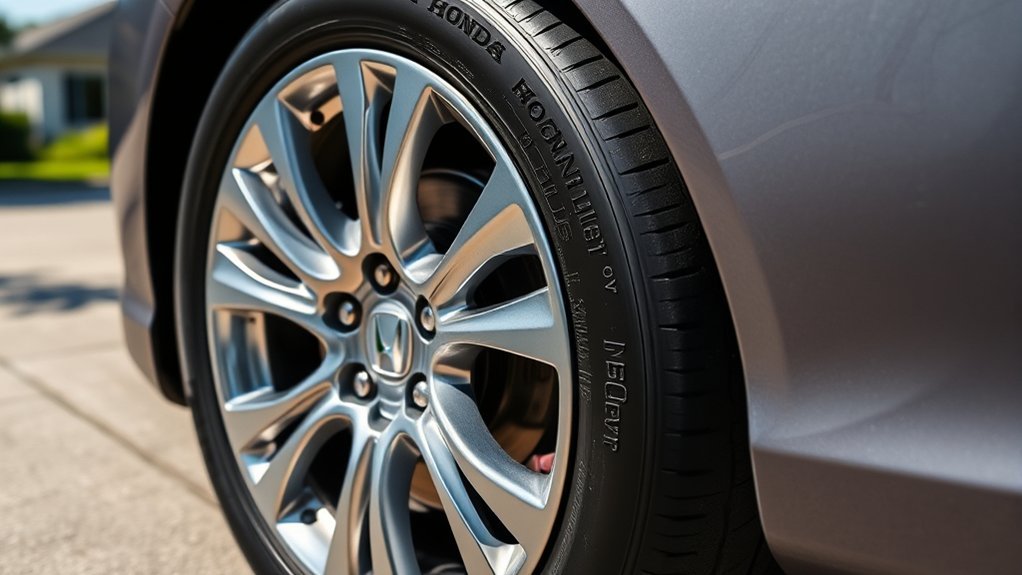
Here are the questions Accord owners usually need answered before buying wheels:
- What is the factory wheel size? Recent U.S. Accords commonly use 17- or 19-inch factory wheels, depending on trim.
- What tire sizes are common? Recent factory sizes often include 225/50R17 and 235/40R19.
- Can I use 20-inch wheels? Sometimes, but 20-inch wheels are usually aftermarket fitments and require careful checking of tire size, offset, width, clearance, and load rating.
- Do I need hub-centric rings? You may need them if the aftermarket wheel’s center bore is larger than the Accord hub bore.
- Will wider wheels improve handling? They can, but only when paired with the right tire, offset, alignment, and suspension setup.
Top Mistakes to Avoid When Choosing Honda Accord Wheels
The biggest mistake is shopping by diameter alone. A “19-inch Accord wheel” still needs the correct bolt pattern, center bore, width, offset, brake clearance, tire size, load rating, and lug hardware.
- Ignoring tire diameter: A tire that is too tall or too short can affect speedometer accuracy, clearance, and driver-assistance behavior.
- Going too wide: Wide wheels can rub the fender liner, strut, control arm, or fender lip.
- Using the wrong lug nuts: Ball-seat, conical-seat, and mag-seat lug nuts are not interchangeable.
- Skipping load rating: Wheels and tires must support the vehicle’s required load.
- Forgetting TPMS: Make sure the TPMS sensors and system setup work with the new wheel/tire package.
- Trusting forum fitment without context: A setup that fits a lowered Accord with rolled fenders may not fit your stock car, and the reverse may also be true.
Note: After a wheel change, use a calibrated torque wrench and the correct tightening pattern. Discount Tire notes that improper lug-nut torque can allow wheels to loosen or come off, and that lug nuts should be tightened to the vehicle manufacturer’s specification.
[Products Worth Considering]

This professional wheel and rim brush kit makes it easy to lift brake dust, grime, and dirt from wheels and tires without scratching finishes. The brushes feature soft, metal-free wool heads and a flexible 360-degree rim brush design for reaching hard-to-clean areas. Includes multiple brush types plus accessories for thorough car, motorcycle, and general vehicle detailing.

The Trivd Frol 1/2" air impact wrench delivers high performance torque up to 1500 ft-lbs with a twin hammer impact mechanism for strong, balanced blows. It features an ergonomic grip, compact lightweight design, and quick-stop control with 3 forward speeds up to 8000 RPM plus a reverse speed. Built for demanding automotive repair and tire shop work, the rear exhaust helps keep debris away from the surface.

This 3-piece wheel brush set makes it easy to clean wheels and tires with soft, scratch-free brushes designed for lifting brake dust and grime. The flexible rim brush bends up to 360 degrees to reach hard-to-access areas for a thorough clean, while the comfortable grip helps control during detailing. A dedicated detailing brush supports gentle cleaning for sensitive surfaces, including interior use.
Aftermarket vs. OEM Wheels for Honda Accord: Key Differences
OEM wheels are designed for the vehicle’s factory fitment, ride quality, load requirements, brake clearance, and TPMS setup. They are usually the easiest choice when you want a simple, low-risk replacement.
Aftermarket wheels offer more styles, finishes, widths, and offsets. They can look great and reduce weight in some cases, but they require more homework. Before buying aftermarket wheels, confirm:
- Bolt pattern
- Center bore and hub-centric ring needs
- Wheel diameter and width
- Offset and backspacing
- Brake-caliper clearance
- Lug-nut seat type and thread compatibility
- Wheel load rating
- Tire load index and speed rating
- TPMS compatibility
- Clearance with your suspension height and alignment
How Honda Accord Rim Sizes Affect Performance and Ride Quality
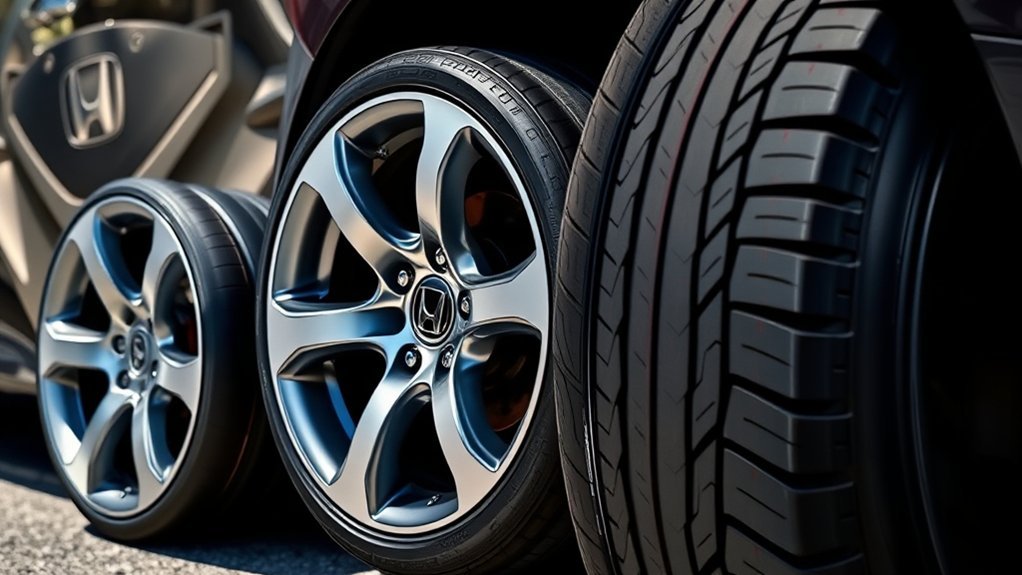
Changing rim size changes the way your Accord feels. A 17-inch wheel with a taller tire sidewall usually gives more sidewall cushion and better pothole comfort. A 19-inch wheel with a lower-profile tire usually gives a sharper look and more direct steering feel, but the ride can feel firmer.
Larger wheels are not automatically better. If the tire sidewall gets too short, impact harshness increases and wheel damage becomes more likely on rough roads. If the overall tire diameter changes too much, speedometer accuracy and clearance can suffer. If the wheel is too heavy, acceleration, braking feel, and suspension response may get worse.
The best upgrade keeps the overall tire diameter close to stock, preserves proper load and speed ratings, clears the car fully, and matches how you actually drive.
Tips for Selecting the Best Wheels for Your Accord
Use this checklist before you order wheels:
- Find your factory size. Check the tire placard on the driver’s doorjamb and your owner’s manual.
- Write down the full tire size. For example, 225/50R17 or 235/40R19.
- Confirm the wheel specs. Check diameter, width, bolt pattern, center bore, offset, and lug-seat style.
- Check brake clearance. This is especially important with aftermarket wheels.
- Match or exceed load and speed ratings. Never use a tire with a lower load-carrying capacity than specified for the vehicle.
- Plan for TPMS. Confirm sensor compatibility before mounting tires.
- Test fit before committing. Check steering lock, suspension compression, and fender clearance.
- Torque correctly. Use the manufacturer’s wheel-nut torque specification and a star pattern.
- Get an alignment if needed. This is especially important after lowering the car or changing tire width.
Warning: If a wheel seller cannot confirm fitment for your exact Accord year, trim, suspension height, and tire size, do not assume it will fit. Ask for a documented fitment check or use a qualified tire professional.
Frequently Asked Questions
What size are Honda Accord stock rims?
Recent U.S.-market Honda Accord stock rims are commonly 17 or 19 inches, depending on year and trim. For example, Honda lists the 2026 Accord LX and EX-L Hybrid with 17-inch wheels, while SE, Sport Hybrid, Sport-L Hybrid, and Touring Hybrid trims use 19-inch wheels.
What is the Honda Accord bolt pattern?
Many modern Honda Accord fitment references list a 5×114.3mm bolt pattern. However, you should verify your exact year, trim, body style, and market before buying wheels, especially for older Accord models.
Can I put 20-inch rims on a Honda Accord?
A 20-inch aftermarket wheel may fit some Accord setups, but it is not the simple factory baseline for recent U.S. models. You must check width, offset, tire size, load rating, brake clearance, suspension height, and rubbing risk before using 20-inch wheels.
Do bigger rims improve Accord handling?
Bigger rims can make steering feel sharper when paired with the right tire, but they can also make the ride harsher and increase wheel-damage risk. A lighter, properly sized wheel and tire package usually matters more than diameter alone.
What tire size should I use with Accord rims?
Start with the size on your driver-door tire placard or owner’s manual. Recent factory Accord sizes often include 225/50R17 and 235/40R19, but the correct size depends on your exact year and trim. Replacement tires should match the recommended size, load index, and speed rating.
Conclusion
The right Honda Accord rim size is the one that matches your exact car, not just the one that looks best online. For many recent U.S.-market Accords, factory wheels are 17 or 19 inches with tire sizes such as 225/50R17 or 235/40R19. Aftermarket 18-, 20-, or 21-inch setups may be possible, but they require careful checks for bolt pattern, hub bore, offset, width, tire diameter, load rating, TPMS, brakes, and suspension clearance. When in doubt, use the factory tire placard and ask a qualified wheel and tire professional before you buy.
Sources
- Honda Info Center — 2026 Accord Wheels and Tires — backs up current 2026 Accord factory 17-inch and 19-inch wheel/tire trim details.
- Honda Info Center — 2022 Accord Wheels and Tires — backs up 2018–2022-style Accord factory wheel/tire sizing patterns.
- Honda Info Center — 2018 Accord Wheels and Tires — backs up 17-inch and 19-inch factory wheel/tire examples for the 10th-generation Accord launch year.
- NHTSA TireWise Tire Safety — backs up checking the owner’s manual or Tire and Loading Information Label for correct tire size and pressure.
- U.S. Tire Manufacturers Association — Replacing Tires — backs up matching replacement tire size, load index, and speed rating recommendations.
- Discount Tire — Wheel Torque Specifications — backs up using proper wheel torque, manufacturer specifications, and tightening pattern.
[Products Worth Considering]

This professional wheel and rim cleaning brush set lifts brake dust, grime, and dirt with soft, scratch-free microfiber and synthetic wool fibers. The rim brush bends up to 360 degrees for easy access to hard-to-reach areas around spokes, lips, and faces. Ideal for thorough cleaning of car, truck, motorcycle, bicycle, RV, and more wheel and tire surfaces.

Replace worn or malfunctioning GM TPMS sensors with this 433MHz pre-programmed sensor set designed for compatibility with many Chevrolet, Buick, GMC, and Cadillac models. It includes guidance for proper OBDII relearning/pairing after installation and supports reliable long-term operation with a high-performance CR2032 battery. Quality tested for durability and performance to help restore accurate tire pressure monitoring.

This car D-wheel lock nut key provides an anti-theft solution for D-shaped wheel lock bolts, helping keep your wheels secure. It features a flower-shaped internal pattern that resists micro-adjustment theft while allowing removal and mounting of compatible locking nuts. Made for reliable performance under high torque, it’s easy to use with standard socket wrench turning for quick tire maintenance and emergency repairs.

Related Articles
How Tall Is a 305 70 R17 Tire? Exact Height, Width & Dimensions
Curious how tall a 305 70 R17 tire really is—and whether it fits your truck?
Read More
Can-Am Defender Tire Size Guide: Stock Specs & Upgrade Options
Just how big can you go on a Can-Am Defender before mods become necessary?
Read More
How Tall Is a 275 65 20 Tire? Exact Height, Width & Dimensions
Check the exact height, width, and hidden fitment effects of a 275/65R20 tire before you buy or upgrade.
Read More