Decoding Honda Accord Tire Sidewall Markings
Reading the markings on your Honda Accord’s tire sidewall helps you choose safe replacement tires, confirm the tire’s age, understand its load and speed limits, and spot when it is time for service. The code looks confusing at first, but once you read it from left to right, each letter and number has a clear job.
Quick Answer
On a Honda Accord tire, read the sidewall code left to right: tire type, width, aspect ratio, construction, wheel diameter, load index, and speed rating. Then check the DOT/TIN date code, UTQG grades, tread-wear indicators, and your driver-side doorjamb label before buying replacements.
Key Takeaways
- The tire size code tells you the tire’s width, sidewall height ratio, construction, and wheel diameter.
- The load index and speed rating must meet or exceed the specifications listed for your Accord.
- Your driver-side doorjamb Tire and Loading Information Label is the best place to verify the original tire size and cold tire pressure.
- The DOT/TIN date code shows the week and year the tire was made, which matters even when tread looks good.
- Tread depth, tire pressure, age, cracks, bulges, vibration, and uneven wear all matter when deciding whether a tire is safe.
At a Glance
| Time Required | 5–10 minutes |
| Difficulty | Easy |
| Tools Needed | Flashlight, tire-pressure gauge, penny or tread-depth gauge, and your Accord’s doorjamb label or owner’s manual |
| Cost | Free to inspect; usually about $5–$15 if you need a basic tire-pressure gauge |
NHTSA reported that 511 people died in tire-related crashes in 2024. Reading the sidewall is only one part of tire safety; pressure, tread depth, tire age, load, and damage checks matter too.
How to Read Tire Sidewall Markings on Your Honda Accord
Start by finding the tire size and service description molded into the sidewall. A typical code may look like P235/60 R18 102T. Honda’s tire-labeling guide explains this type of code as: passenger tire, 235 mm width, 60 aspect ratio, radial construction, 18-inch rim diameter, 102 load index, and T speed symbol. Your exact Accord size can vary by model year and trim, so always verify it on the driver-side doorjamb label before buying tires.
| Marking | What It Means | Why It Matters |
|---|---|---|
| P | Passenger-vehicle tire | Shows the tire category. Some modern tires may omit the “P.” |
| 235 | Section width in millimeters | Affects fitment, steering feel, and clearance. |
| 60 | Aspect ratio | Sidewall height as a percentage of tire width. |
| R | Radial construction | The standard construction type for modern passenger tires. |
| 18 | Wheel diameter in inches | Must match your wheel size. |
| 102 | Load index | Shows the maximum load rating code for one properly inflated tire. |
| T | Speed symbol | Shows the tire’s speed capability under specified conditions. |
Check the Doorjamb Label Before Buying Tires
The sidewall tells you what is on the tire now. The Honda Tire and Loading Information Label tells you what your Accord was designed to use. Look on the driver-side doorjamb for the label that lists the original tire sizes for the front, rear, and spare, the proper cold tire pressures, passenger capacity, and total load limit.
Warning: Do not use the “maximum pressure” molded on the tire sidewall as your normal Accord tire pressure. Use the cold tire pressure listed on the driver-side doorjamb label or in the owner’s manual.
If your current tire size does not match the doorjamb label, check whether the vehicle has aftermarket wheels or a previous owner installed a different size. When in doubt, ask a Honda dealer or qualified tire professional before replacing the tires.
Decoding Tire Size: Width, Aspect Ratio, and Diameter
The first major part of the sidewall code is the tire size. In P235/60 R18, the 235 is the tire width in millimeters. Wider tires can add grip, but they must still fit the wheel, suspension, fender clearance, and Honda’s recommended specifications.
The 60 is the aspect ratio. It means the sidewall height is 60% of the tire’s width. A lower aspect ratio usually means a shorter sidewall and a firmer, more responsive feel. A higher aspect ratio usually gives more sidewall cushion, which can improve ride comfort over rough roads.
The R means radial construction, and the 18 means the tire fits an 18-inch wheel. The wheel diameter must match your actual wheel. A tire made for a 17-inch wheel will not fit an 18-inch wheel, even if the width looks similar.
Note: Accord trims can use different tire sizes. For example, some Accord Hybrid models list sizes such as 225/50R17 94V or 235/40R19 96V. Your own doorjamb label is the final reference for your car.
Understanding Load Index and Speed Rating
The load index and speed rating are usually shown after the tire size. In P235/60 R18 102T, 102 is the load index and T is the speed rating. Michelin explains that the load rating and speed rating together form the tire’s service description, and replacement tires should follow the vehicle manufacturer’s requirements.
| Load Index | Approx. Max Load per Tire | Where You May See It |
|---|---|---|
| 94 | 1,477 lb / 670 kg | Common passenger-car service description example |
| 96 | 1,565 lb / 710 kg | Common larger passenger-car tire example |
| 102 | 1,874 lb / 850 kg | Honda owner-manual example service description |
| 110 | 2,337 lb / 1,060 kg | Higher-load tire example |
| 130 | 4,189 lb / 1,900 kg | Heavy-duty reference value, not typical for an Accord |
Never install a replacement tire with a lower load index than Honda specifies for your Accord. A higher load index may be acceptable if the tire also matches the correct size, wheel fitment, speed rating, and pressure requirements, but it does not increase the vehicle’s legal or mechanical payload capacity.
Common Speed Ratings
| Speed Rating | Max Speed | Typical Use |
|---|---|---|
| S | 112 mph | Some sedans and light-duty vehicles |
| T | 118 mph | Touring and family-car tires |
| H | 130 mph | Sport-touring sedans |
| V | 149 mph | Performance-oriented sedans and coupes |
| W | 168 mph | High-performance tires |
| Y | 186 mph | Ultra-high-performance tires |
Warning: A speed rating is not permission to drive at that speed. It assumes proper inflation, proper load, good tire condition, and suitable road conditions. Always obey posted speed limits and never use a damaged, underinflated, overloaded, or aged tire for high-speed driving.
Decoding the DOT/TIN Tire Age Code
The DOT Tire Identification Number, often called the TIN, is molded into the sidewall. It may appear on only one side of the tire, so check both sides if you cannot find the full code. The last four digits show the week and year the tire was manufactured. For example, a code ending in 2519 means the tire was made in the 25th week of 2019.
Tire age matters because rubber and internal materials can degrade over time even when tread depth looks acceptable. NHTSA says some vehicle and tire manufacturers recommend replacing tires that are six to 10 years old regardless of treadwear. Always follow the most conservative guidance from Honda, the tire manufacturer, and your tire professional.
Note: Age is not the only replacement trigger. Replace or professionally inspect a tire sooner if you see cracks, bulges, exposed cord, repeated pressure loss, vibration, uneven wear, or damage from a pothole or curb impact.
Understanding Treadwear, Traction, and Temperature Ratings
Many passenger tires sold in the United States include UTQG ratings for treadwear, traction, and temperature. The NHTSA Consumer Guide to Uniform Tire Quality Grading explains that these grades compare tires under controlled test conditions, but real-world results can vary with driving habits, maintenance, road surfaces, and climate.
- Treadwear: A comparative number. A higher number generally suggests slower wear in testing, but it is not a mileage guarantee.
- Traction: Graded AA, A, B, or C. It measures straight-line wet braking traction, not cornering traction.
- Temperature: Graded A, B, or C. It reflects heat resistance under controlled conditions and assumes proper inflation and load.
Use UTQG ratings to compare tires in the same category, but do not choose by UTQG alone. The correct size, load index, speed rating, seasonal capability, ride quality, noise, and wet traction matter more for daily Accord driving.
Recognizing Tread Wear Indicators for Safety
Tread-wear indicators are raised bars built into the tread grooves. When the surrounding tread wears down level with these bars, the tire has reached its minimum usable tread depth. NHTSA says tires are not safe and should be replaced when tread is worn to 2/32 inch.
For wet-weather driving, many drivers start shopping earlier, around 4/32 inch, because shallow tread has less ability to move water away from the tire. You can use a tread-depth gauge for the most accurate check. A penny test can also help: place a penny into the tread with Lincoln’s head upside down. If the top of Lincoln’s head is visible, the tire is at or near replacement depth.
Pro Tip: Check tread depth and tire pressure at least once a month and before long trips. Measure pressure when the tires are cold, before heat from driving raises the reading.
How to Match Tires to Your Driving Style
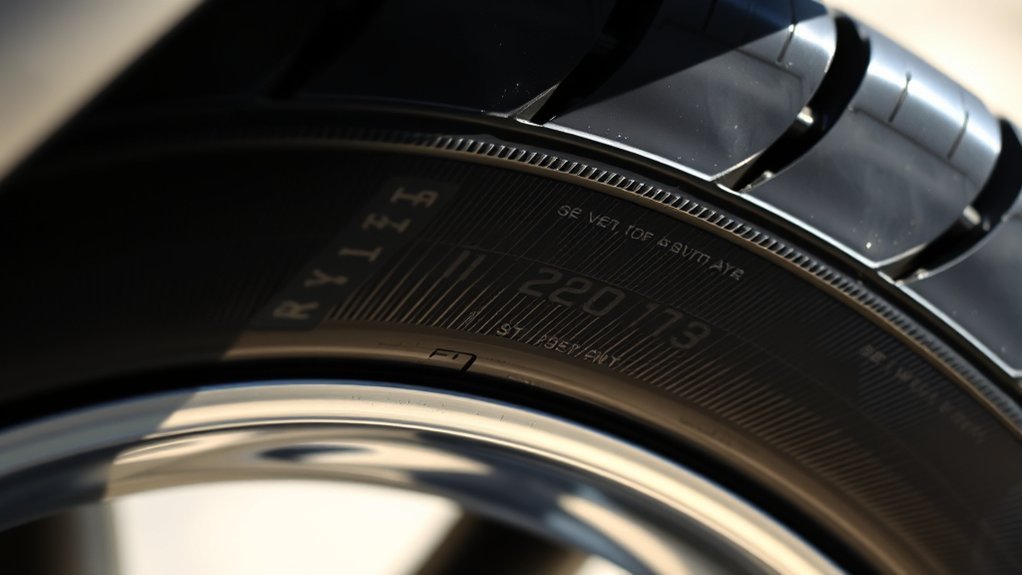
The best tire for your Honda Accord depends on where and how you drive. Use the sidewall markings to confirm fitment and ratings, then choose the tire category that matches your driving conditions.
- Daily commuting: Touring or all-season tires usually offer a good balance of comfort, tread life, wet traction, and low noise.
- Highway driving: Prioritize the correct speed rating, strong wet braking, low road noise, and proper inflation.
- Sportier driving: A performance tire may improve steering response and grip, but it can ride firmer and wear faster.
- Snow or winter climates: Look for tires with the three-peak mountain snowflake symbol if you need severe-snow traction. Transport Canada explains that this symbol identifies tires that meet snow-traction performance requirements.
- Fuel economy focus: Low-rolling-resistance tires can help efficiency, but still need the correct size, load index, speed rating, and pressure.
Avoid mixing different tire sizes, load ratings, speed ratings, or tread patterns unless Honda or a qualified tire professional confirms the setup is safe. Mismatched tires can affect handling, braking, traction control, and ride quality.
Common Honda Accord Tire-Marking Mistakes to Avoid
- Using the sidewall max pressure as the normal pressure: The correct cold pressure is on the doorjamb label, not the tire’s maximum-pressure marking.
- Buying by size only: A tire can match the size but have the wrong load index, speed rating, seasonal rating, or performance category.
- Ignoring tire age: New-looking tires can be old. Always check the DOT/TIN date code before buying used tires or discounted old stock.
- Downgrading the speed rating: Replacement tires should meet or exceed the rating Honda specifies unless a qualified tire professional confirms a safe exception, such as certain winter-tire applications.
- Forgetting the spare: If your Accord has a spare, check its pressure, age, and condition too. Spares age even when rarely used.
- Ignoring uneven wear: Uneven tread can point to alignment, suspension, balancing, or inflation issues.
When to Replace Your Tires: Signs to Watch Out For
Replace or professionally inspect your Honda Accord tires if you notice any of these warning signs:
- Tread depth is at 2/32 inch or the tread-wear bars are flush with the tread.
- Tread is around 4/32 inch and you frequently drive in heavy rain or standing water.
- Sidewall cracks, cuts, splits, bulges, bubbles, or exposed cord appear.
- The tire repeatedly loses pressure.
- You feel vibration, pulling, thumping, or unusual road noise.
- Wear is uneven across the tire.
- The DOT/TIN date code shows the tire is within the age range where Honda, the tire maker, or your tire professional recommends replacement.
- The tire was driven while flat or severely underinflated.
- You hit a pothole or curb hard enough to bend a wheel, cause a bulge, or change the way the car drives.
Warning: Do not keep driving on a tire with a bulge, exposed cord, major crack, or sudden pressure loss. Install the spare if safe to do so and have the tire inspected or replaced before normal driving.
Frequently Asked Questions
What do the numbers on the sidewall of a Honda Accord tire mean?
They show the tire’s size and service description. In a code such as P235/60 R18 102T, P means passenger tire, 235 is width in millimeters, 60 is aspect ratio, R means radial construction, 18 is wheel diameter, 102 is load index, and T is speed rating.
Where do I find the correct tire size for my Honda Accord?
Check the Tire and Loading Information Label on the driver-side doorjamb. It lists the original front, rear, and spare tire sizes, along with the proper cold tire pressure and load information for your Accord.
What is the difference between 70 and 75 sidewalls?
The number is the aspect ratio, or sidewall height as a percentage of tire width. A 75-series tire has a taller sidewall than a 70-series tire of the same width. The taller sidewall may ride softer, but it can change fitment, handling, speedometer accuracy, and clearance if it is not an approved size.
What does the DOT date code on a tire mean?
The last four digits of the DOT/TIN code show the week and year the tire was manufactured. For example, 2519 means the tire was made in the 25th week of 2019. Check both sidewalls because the full code may appear on only one side.
Can I use a lower speed rating on my Honda Accord?
Usually, no. Replacement tires should meet or exceed Honda’s specified speed rating. A lower-rated winter tire may be allowed in some situations, but you must follow the tire’s lower speed limit and confirm the fitment with a tire professional.
Should I replace tires at 4/32 inch or 2/32 inch?
At 2/32 inch, the tire has reached the minimum unsafe tread depth and should be replaced. If you drive often in rain, shopping around 4/32 inch is safer because wet traction and hydroplaning resistance decline as tread gets shallow.
Conclusion
Your Honda Accord’s tire sidewall is a compact safety label. It tells you the tire’s size, construction, load capacity, speed rating, age code, and performance grades. Read the sidewall, then confirm the tire size and cold pressure on the driver-side doorjamb label. Choose replacement tires that match Honda’s specifications, inspect tread and age regularly, and get professional help if you see damage, vibration, uneven wear, or pressure loss.
Sources
- Honda 2025 Accord Owner’s Manual — Tire Labeling — backs up tire-size components, load index, speed symbol, and TIN location.
- Honda 2025 Accord Owner’s Manual — Tire and Loading Information Label — backs up doorjamb label, original tire sizes, load capacity, and cold pressure location.
- NHTSA TireWise — backs up tire pressure, tread depth, tire aging, maintenance, and tire-related crash safety context.
- NHTSA Tire Buyers’ FAQ — backs up tire-buying checks, DOT/TIN age code, UTQG basics, and tire label guidance.
- NHTSA Consumer Guide to Uniform Tire Quality Grading — backs up treadwear, traction, and temperature rating limitations.
- Michelin Tire Load Rating and Speed Rating Guide — backs up service description, load index, speed rating, and replacement-rating guidance.

Related Articles
Can You Repair Honda Accord Tire Sidewall Damage
Are you wondering if you can repair tire sidewall damage on your Honda Accord? Discover the crucial factors that determine your safety.
Read More
Honda Accord Tire Plug Repairs: What You Should Know
Unlock essential tips for Honda Accord tire plug repairs and discover crucial details that could impact your safety and maintenance decisions.
Read More
How to Patch a Honda Accord Tire: A Full Repair Guide
Jump into our comprehensive guide on patching a Honda Accord tire and discover the crucial steps you can't afford to overlook.
Read More