
Best Tacoma Tires for Forest Roads: Top 5 A/T Picks
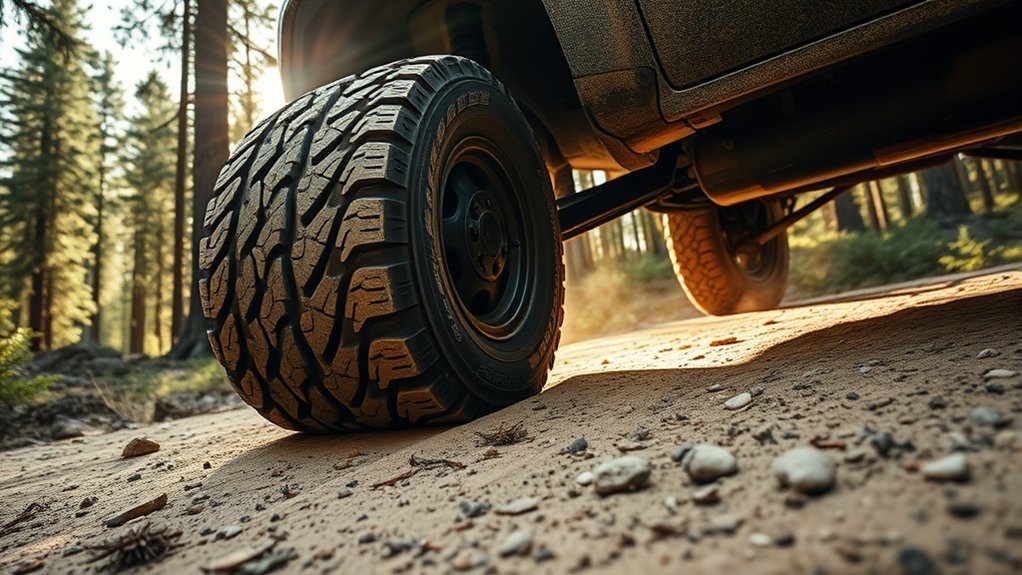
Forest service roads ask a lot from Toyota Tacoma tires: gravel, washboard, loose dirt, sharp rock, mud holes, wet pavement on the drive home, and sometimes snow at higher elevation. The best choice is usually a modern all-terrain tire with strong sidewalls, good wet traction, and enough tread void to clear gravel without feeling miserable on the highway.
Quick Answer
For most Toyota Tacoma drivers on forest service roads, the best tire is a 3PMSF-rated all-terrain such as the Falken Wildpeak A/T4W, Cooper Discoverer AT3 XLT, or BFGoodrich All-Terrain T/A KO3. Choose the tire that fits your stock size, load needs, winter use, and road-noise tolerance.
Key Takeaways
- For mixed pavement and forest roads, choose an all-terrain tire before jumping to a mud-terrain tire.
- Check your Tacoma’s door placard, stock tire size, load rating, wheel size, and spare before buying larger tires.
- Airing down can improve comfort and traction off-road, but you must reinflate to road pressure before highway driving.
- For Washington, mountain snow, and shoulder-season trails, look for the Three-Peak Mountain Snowflake rating and still carry chains when required.
At a Glance
| Time Required | 30–60 minutes to compare tire size, load range, and fitment; 5–15 minutes to air down or reinflate on the trail. |
| Difficulty | Easy to moderate. Choosing the tire is simple; confirming fitment and safe pressure takes more care. |
| Tools Needed | Tire pressure gauge, adjustable deflators, portable compressor, tire plug kit, valve cores, valve caps, gloves, and your Tacoma’s tire placard or owner’s manual. |
| Cost | Varies by tire size, load range, shop, installation, and tools. Expect aggressive LT tires and high-output compressors to cost more than mild all-terrain setups. |
Best Tires for Your Tacoma on Forest Service Roads
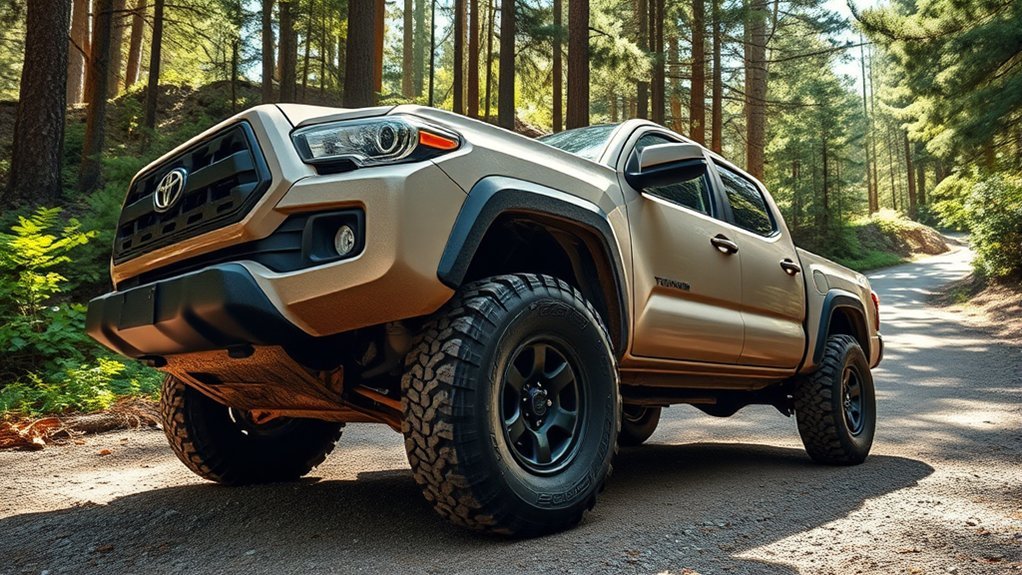
The best Tacoma tire for forest service roads is not always the most aggressive tire. For most drivers, the sweet spot is an all-terrain tire that handles gravel, wet pavement, packed dirt, potholes, and light mud without adding too much noise or weight.
Falken Wildpeak A/T4W is the updated pick to consider first if you liked the older Wildpeak A/T3W. It is built as an all-terrain, all-weather tire and is a strong match for Tacoma owners who split time between highways, camp roads, mountain gravel, and winter shoulder-season driving. If you still find the A/T3W in your size, it can remain a solid option, but the A/T4W is the fresher recommendation.
Cooper Discoverer AT3 XLT is a good choice when durability, towing, and hauling matter. It has rugged traction shoulders for off-road grip and is well suited to Tacoma owners who carry camping gear, tools, or a bed rack.
BFGoodrich All-Terrain T/A KO3 is the better current BFG recommendation where your size is available. It is aimed at drivers who want stronger gravel, mud, snow, and rock performance while keeping all-terrain road manners. The older KO2 may still be sold in some sizes, but shoppers should compare availability and pricing against the KO3.
Nitto Ridge Grappler is a hybrid-terrain tire for drivers who want more off-road bite than a mild all-terrain tire. It can be a good match for rocky, rutted, or loose roads, but it may be heavier and more aggressive than needed for mostly graded gravel.
Goodyear Wrangler DuraTrac RT is worth considering if you often see wet dirt, mud, snow, or rough jobsite-style roads. Its DuPont Kevlar construction helps protect against tread damage, but no tire can guarantee puncture resistance.
Note: Forest service roads are not all the same. A graded gravel road to a trailhead may only need a mild all-terrain tire. Sharp rock, deep ruts, mud, and snow call for stronger sidewalls, more tread void, and a real recovery plan.
[Products Worth Considering]
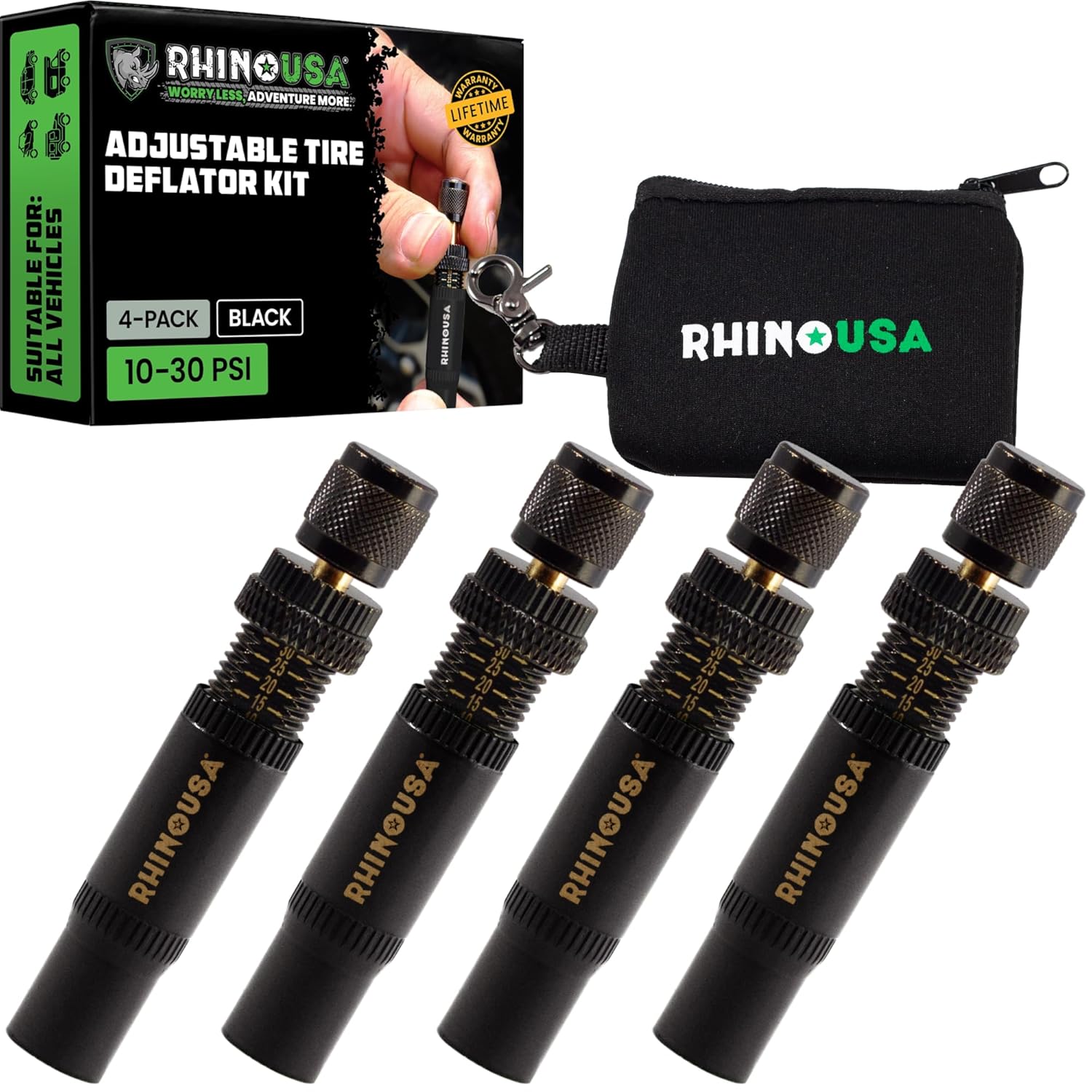
Use the Rhino USA adjustable tire deflators to air down all four tires at once by screwing one deflator onto each valve stem, letting you step away while the tires reach your preset pressure. Each deflator independently adjusts across a 10–30 PSI range with laser-etched indicators for quick setup and verification, making it ideal for beach, sand, and rocky off-road trails.

This portable cordless tire inflator delivers up to 160 PSI with fast 17 L/min airflow to help you quickly top up tires and get back on the road. It features dual power mode, running on a 21V rechargeable battery or a 12V DC adapter for convenient roadside use. An automatic shut-off with digital pressure gauge helps prevent overinflation, and a built-in LED light improves visibility in low-light conditions.

This AUTOWN flat tire repair kit is designed for quick, reliable puncture repairs using a plug kit and spiral probe tool to simplify installation. Built for durability and safe handling, it offers strong adhesion and flexibility to help maintain tire air tightness. With a portable storage case and a multi-vehicle approach, it’s suitable for cars, motorcycles, ATVs, tractors, lawn mowers, RVs, jeeps, and trucks.
Top Tire Recommendations for Off-Road Performance
Use your actual driving mix to choose the tire. A tire that is great on rocks may feel heavy on the highway. A quiet highway tire may not have the sidewall protection you want on rocky spurs. Here is the practical breakdown:
Best balanced all-terrain: Falken Wildpeak A/T4W
Choose the Wildpeak A/T4W if your Tacoma sees daily driving, rain, gravel, light snow, and weekend forest roads. It is a strong “one tire for most things” option for owners who do not want a loud or overly aggressive mud-terrain tire.
Best for hauling and durability: Cooper Discoverer AT3 XLT
Choose the Cooper Discoverer AT3 XLT if your Tacoma carries weight often. It is a smart fit for overlanding gear, bed racks, rooftop tents, tools, and towing, especially when you still want stable highway manners.
Best for rock, gravel, and serious trail use: BFGoodrich All-Terrain T/A KO3
Choose the KO3 if your forest service roads often turn into rocky climbs, washed-out two-tracks, or loose gravel descents. It is more trail-focused than a mild all-season tire but still belongs in the all-terrain category.
Best hybrid-terrain option: Nitto Ridge Grappler
Choose the Ridge Grappler if you want a more aggressive look and stronger off-road bite than a standard all-terrain. It makes sense for tougher dirt roads and rocky terrain, but it may be more tire than you need for basic campground access.
Best for mud, wet dirt, and snow-biased trail use: Goodyear Wrangler DuraTrac RT
Choose the DuraTrac RT if your roads are often wet, muddy, snowy, or rutted. It is a useful option for mountain driving and shoulder-season trail use, but always confirm your tire size, load range, and winter requirements before buying.
How to Choose the Right Tire Size and Load Range
Before choosing a brand, confirm what actually fits your Tacoma. A tire that looks perfect online can rub the fender liner, hurt fuel economy, change braking feel, or leave you with a spare that no longer matches.
- Start with the door placard and current tire size. Your Tacoma’s placard and owner’s manual tell you the recommended cold tire pressure and original tire information for your specific truck.
- Match the wheel diameter. A 16-inch, 17-inch, or 18-inch wheel needs the correct tire diameter. Do not assume a popular Tacoma size fits your wheels.
- Check load index and load range. LT tires with stronger construction can help on rocky roads and heavy loads, but they can ride firmer and weigh more. A lighter all-terrain can be better for mostly highway and graded gravel.
- Watch for rubbing. Larger tires may contact mud flaps, fender liners, cab mounts, or suspension parts when turning or flexing.
- Keep the spare in mind. Your spare should be usable with your new tire setup, especially if you travel far from pavement.
- Consider speedometer and gearing effects. Larger tires can change indicated speed, shift feel, fuel economy, and acceleration.
Pro Tip: If your Tacoma is stock and you mostly drive graded forest roads, stay close to the factory tire size and choose a quality all-terrain. Go larger only when you are ready to solve rubbing, spare-tire, and gearing trade-offs.
Essential Features of All-Terrain Tires for Optimal Performance
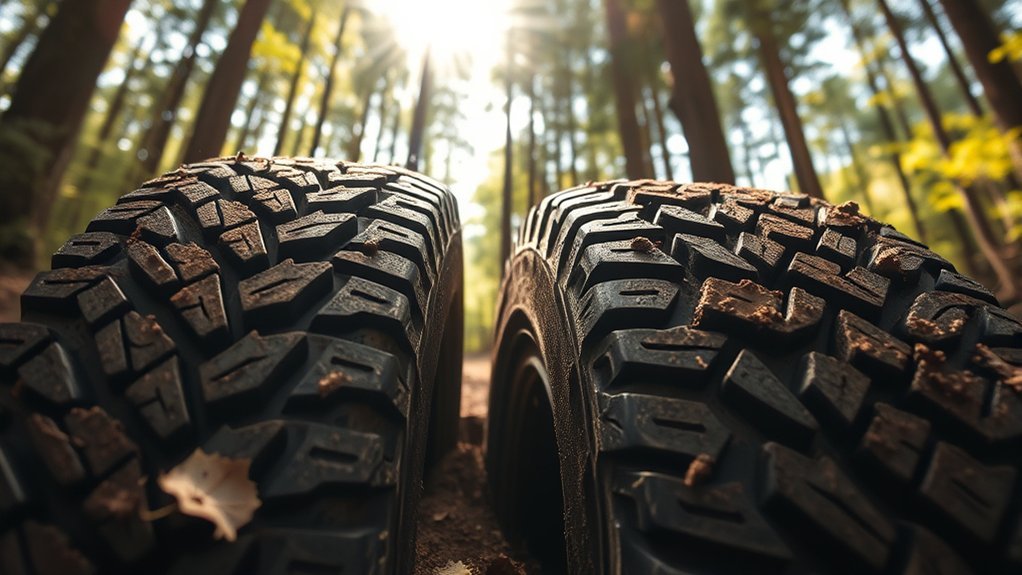
Good all-terrain tires are built to balance traction, comfort, strength, and tread life. Look for these features before you buy:
- Three-Peak Mountain Snowflake rating: Helpful if you drive in snow, mountain passes, or cold shoulder-season weather. It does not replace chains where chains are required.
- Strong sidewalls: Important on rocky forest roads where sharp edges, roots, and ruts can damage weaker tires.
- Open shoulders and tread voids: Help clear gravel, mud, and loose dirt.
- Full-depth siping: Helps maintain wet and snow traction as the tire wears.
- Stone ejectors or stone-resistant tread design: Useful for gravel roads that pack rocks into the tread.
- Reasonable weight: Heavier LT tires can be tougher, but they can also reduce ride comfort and fuel economy.
- Real warranty details: Do not rely on a generic “around 50,000 miles” claim. Check the exact tire, size, and load range.
For most Tacoma owners, an all-terrain tire is the right category. A mud-terrain tire can help in deep mud and serious off-road conditions, but it usually adds road noise, weight, wet-road trade-offs, and faster wear. A highway all-season tire may be quiet and efficient, but it is not the best choice for repeated rocky or muddy forest roads.
Tire Pressure Essentials for Off-Road Adventures
Tire pressure is one of the fastest ways to improve comfort and traction on rough roads, but it is also one of the easiest areas to get wrong. For normal road driving, use the cold tire pressure on your Tacoma’s tire placard or owner’s manual. Do not use the tire sidewall maximum as your normal daily pressure.
On slow forest roads, many drivers air down from street pressure to improve ride comfort and help the tread conform to gravel, washboard, rocks, and ruts. A cautious starting point for many Tacoma all-terrain setups is around 18–24 PSI on rough gravel and dirt. Softer sand or very loose surfaces may require lower pressure, but very low PSI increases the risk of debeading, sidewall damage, rim damage, and heat buildup.
Warning: Do not drive highway speeds while aired down. Low tire pressure can increase heat, reduce handling, trigger TPMS warnings, and damage the tire. Reinflate to your Tacoma’s recommended road pressure before returning to pavement.
[Products Worth Considering]
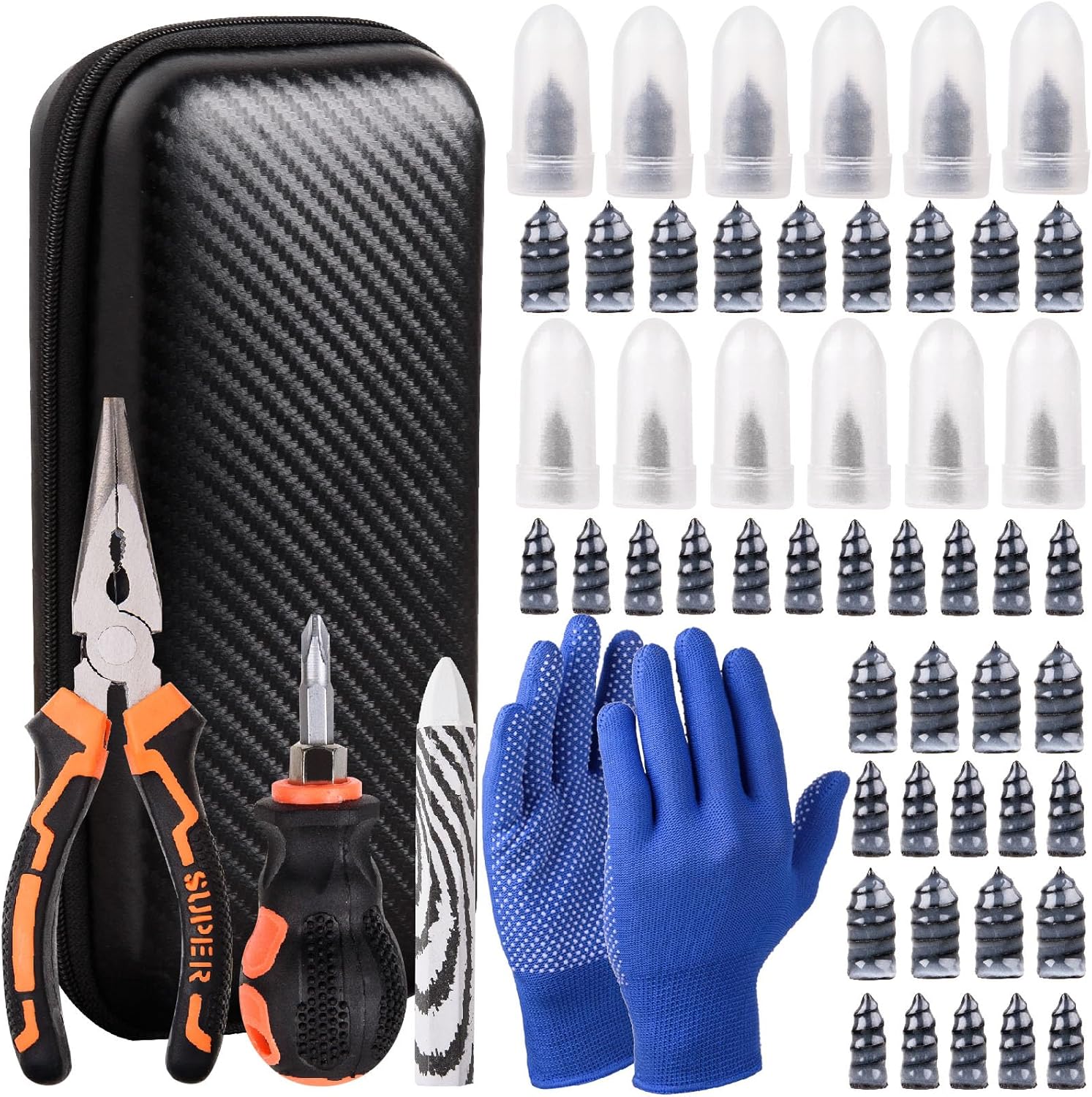
This tire sidewall puncture repair kit fixes flats fast without removing the tire, helping you get back on the road in minutes. It includes self-tapping repair nails, essential tools, gloves, and a portable storage bag for convenient roadside use. Designed for tubeless tires, it helps create a tight, leak-resistant seal for cars, motorcycles, trucks, SUVs, and ATVs.

Wykodra tire plugs provide quick vulcanizing repairs for tubeless tires, helping you seal punctures and get back on the road. The industrial-strength rubber creates a long-lasting, leak-resistant bond and is designed for emergency fixes without removing the tire. Choose between two standard plug sizes with color-matched options for small to larger damage across many vehicles and off-road uses.
Simple air-down and air-up process
- Check cold street pressure before the trip. Start with the pressure recommended for your Tacoma and load.
- Air down only when you reach the dirt. Set all four tires evenly unless your load or equipment requires a different approach.
- Drive slowly and recheck handling. If the truck feels vague, bouncy, or unstable, stop and adjust.
- Inspect tires after rough sections. Look for sidewall cuts, punctures, missing valve caps, and rocks lodged in tread.
- Reinflate before pavement. Use a compressor and gauge, then confirm pressure again when the tires are cold.
Airing down is a trail tool, not a highway setup. The safer rule is simple: lower pressure for slow dirt, placard pressure for the road.
Must-Have Tools for Tire Pressure Management on the Trail
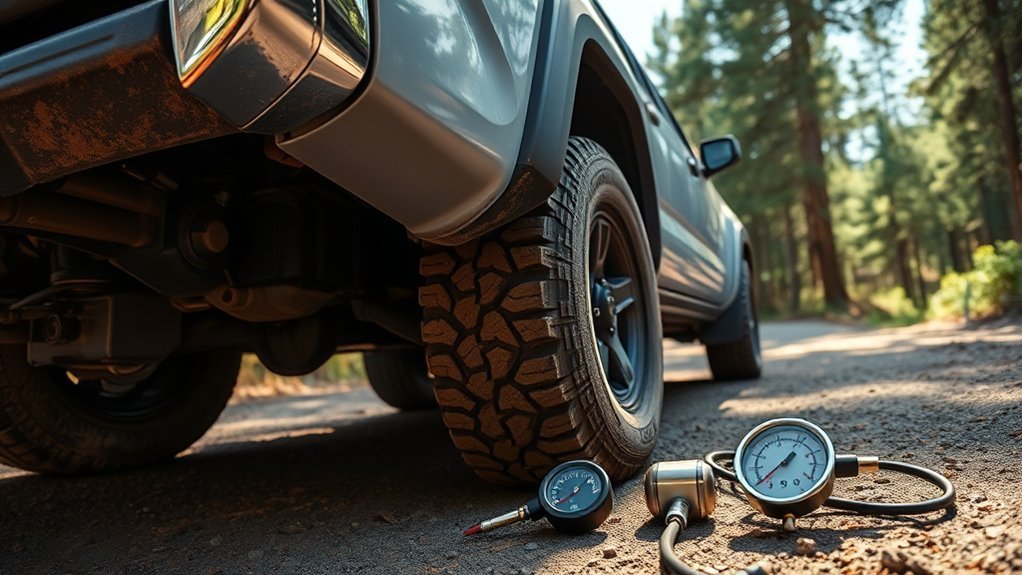
When you’re out on the trail, the right tire-pressure tools can make your Tacoma safer and easier to manage. You do not need the most expensive setup, but you do need tools that are accurate and reliable.
- Accurate tire pressure gauge: Use it before airing down, after airing down, and after reinflating.
- Adjustable tire deflators: These make it easier to bring all four tires down to a consistent trail pressure.
- High-output compressor: Choose a compressor that can refill truck tires without overheating quickly.
- Four-tire hose system: Optional, but useful if you air down and air up often because it equalizes pressure across all tires.
- Tire plug kit: Essential for tread punctures on remote gravel roads.
- Valve cores, valve caps, and core tool: Small parts are easy to lose in dirt, and they can end a trip if you do not carry spares.
- Gloves and headlamp: Tire repairs often happen in mud, rain, dust, or after dark.
Tools like the ARB E-Z Deflator are popular because they combine quick deflation with pressure monitoring. A quality compressor and gauge matter just as much as the deflator because airing down is only useful if you can air back up before the highway.
Responsible Forest Road Driving
Good tires help your Tacoma get farther, but they do not replace judgment. Before driving a Forest Service road, check current conditions, weather, fire closures, seasonal gates, and the official Motor Vehicle Use Map for that forest. The U.S. Forest Service uses MVUMs to show which roads, trails, and areas are open to motorized travel.
Stay on designated routes, drive through obstacles rather than widening the road around them, avoid wet meadows and sensitive areas, and turn around before conditions exceed your tires, clearance, recovery gear, or experience.
Frequently Asked Questions
What tires are best for Washington weather?
For Washington rain, gravel, mountain snow, and forest roads, choose a high-quality all-terrain tire with strong wet traction and the Three-Peak Mountain Snowflake rating if you drive in winter conditions. Mud-terrain tires can help in deep mud, but they are often louder and less comfortable on wet pavement. Always follow Washington chain and traction-device requirements when posted.
Are all-terrain tires better than mud-terrain tires for forest service roads?
Yes, for most Tacoma owners. All-terrain tires are usually better for mixed pavement, gravel, dirt, rain, and light snow. Mud-terrain tires make more sense if you regularly drive deep mud, rutted trails, or very loose terrain and are willing to accept more noise, weight, and road-wear trade-offs.
What PSI should I use on Tacoma forest roads?
Use the Tacoma door placard or owner’s manual pressure for normal pavement driving. For slow forest roads, many drivers start around 18–24 PSI, then adjust for load, tire construction, terrain, and handling. Reinflate before highway driving, and avoid very low pressure unless you understand the risk of debeading and tire damage.
Should I buy LT tires for my Tacoma?
LT tires can be a good idea if you often drive rocky roads, carry heavy gear, tow, or want stronger construction. They can also ride firmer, weigh more, and reduce fuel economy. If you mostly drive pavement and graded gravel, a lighter all-terrain tire in the correct load rating may be the better daily choice.
Can I run bigger tires on a stock Tacoma?
Sometimes, but fitment depends on your Tacoma generation, trim, wheel offset, suspension, tire width, and actual tire model. Larger tires may rub during turns or suspension flex. Before upsizing, check full-lock clearance, spare fitment, speedometer changes, and whether trimming or a lift is needed.
Conclusion
The best tire for a Toyota Tacoma on forest service roads is usually a strong, modern all-terrain tire—not the most extreme mud tire on the shelf. Start with your real driving mix, confirm size and load range, then choose a tire like the Falken Wildpeak A/T4W, Cooper Discoverer AT3 XLT, BFGoodrich KO3, Nitto Ridge Grappler, or Goodyear Wrangler DuraTrac RT based on the terrain you see most often. Pair the tires with a good gauge, deflators, compressor, and safe pressure habits, and your Tacoma will be far better prepared for gravel, dirt, ruts, rain, snow, and the long drive home.
Sources
- Falken Wildpeak A/T4W and BFGoodrich All-Terrain T/A KO3 — current all-terrain tire model details and positioning.
- Cooper Discoverer AT3 XLT, Nitto Ridge Grappler, and Goodyear Wrangler DuraTrac RT — tire features, use cases, and manufacturer claims.
- NHTSA TireWise tire safety guidance and Toyota Tacoma tire inflation pressure guidance — road-pressure and tire-safety guidance.
- U.S. Forest Service Motor Vehicle Use Maps — designated-route and legal motorized-travel information.
- Washington State Department of Transportation tires and chains — winter traction and chain requirements.

Related Articles
How Tire Weight Affects Toyota Tacoma Performance
How does tire weight influence your Toyota Tacoma's performance and efficiency? Discover the surprising effects that could change your driving experience.
Read More
Tire Noise Levels by Tire Type on a Toyota Tacoma
A comprehensive look at how tire types affect noise levels in your Toyota Tacoma reveals surprising insights that could enhance your driving experience.
Read More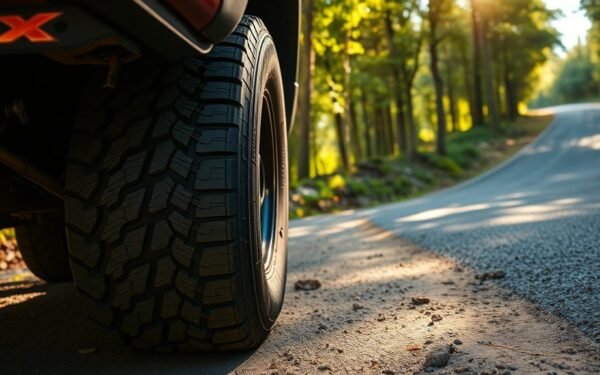
How To Choose Tires for a Dual Use Toyota Tacoma
Unlock the secrets to selecting the perfect tires for your dual-use Toyota Tacoma, ensuring optimal performance and comfort on every adventure. Discover more inside!
Read More