
Toyota Tacoma Tires for Towing Heavy Loads
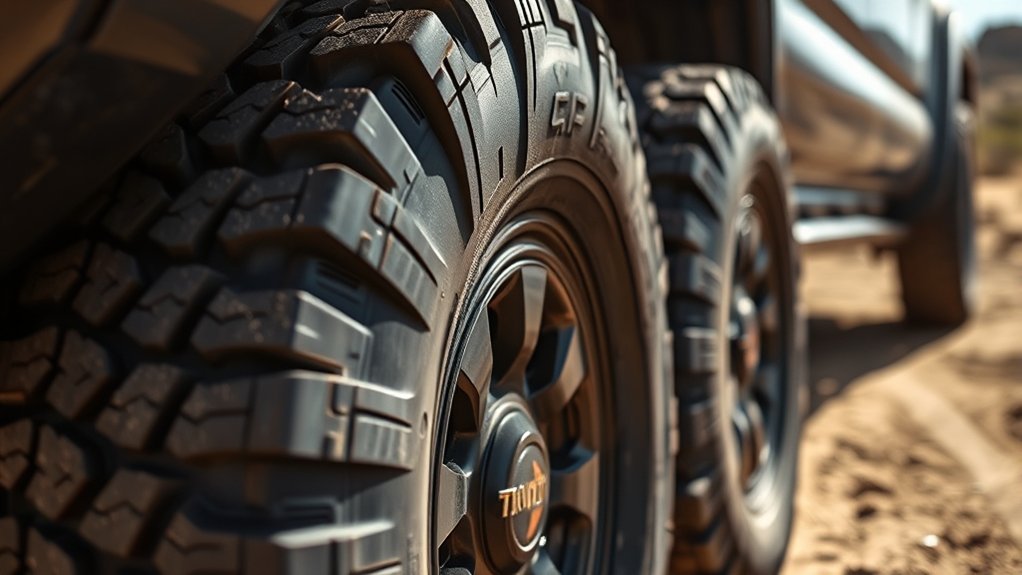
When towing heavy loads with your Toyota Tacoma, the safest tire choice is not just the most aggressive tread or the highest load range you can find. The right tire must match your Tacoma’s door-jamb tire placard, wheel size, load index, terrain, weather, and real towing weight. A good towing tire helps the truck feel more stable, but it does not increase Toyota’s published tow rating.
Quick Answer
For Toyota Tacoma towing, choose tires in the correct factory size with a load index that meets or exceeds the door-jamb placard, strong sidewalls, good wet-road traction, and a tread pattern that matches your driving. Highway-terrain tires are best for mostly pavement; all-terrain or hybrid-terrain tires suit mixed towing and off-road use.
Key Takeaways
- Match the tire size, load rating, and pressure to your Tacoma’s tire placard and owner’s manual, not to one generic internet size.
- Load Range E can help some frequent heavy-towing setups, but it is not automatically required for every Tacoma.
- Tires do not raise your Tacoma’s legal towing capacity; payload, tongue weight, axle ratings, hitch rating, and trailer setup still control what is safe.
- Check tire pressure cold, at least monthly, and again before long trips, heavy loads, or towing.
- Inspect both the Tacoma tires and trailer tires for tread depth, cracks, bulges, uneven wear, age, and correct inflation before every towing trip.
At a Glance
| Time Required | 10–20 minutes to check tire size, load rating, pressure, and tread; longer if comparing replacement tires. |
| Difficulty | Easy for basic checks; moderate if calculating loaded axle weight and comparing LT tire load tables. |
| Tools Needed | Tire pressure gauge, tread depth gauge or penny, owner’s manual, driver-door tire placard, and trailer weight information. |
| Cost | Free for inspection; replacement cost varies by size, load range, tire type, installation, balancing, and local tire disposal fees. |
The Importance of Choosing the Right Tires for Towing
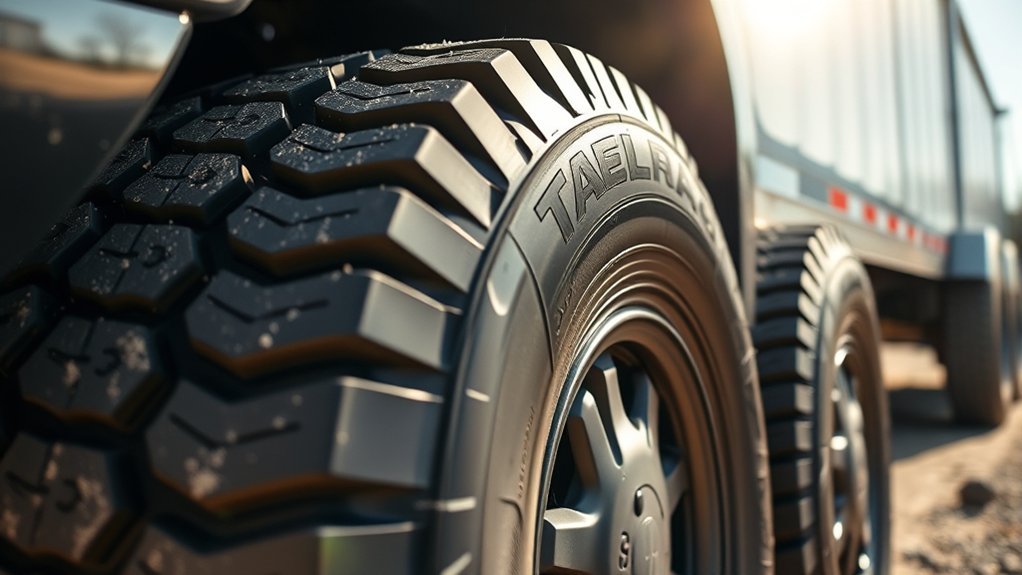
When it comes to towing, tires affect steering feel, braking confidence, heat buildup, sway control, ride quality, and wet-road grip. Toyota lists current Tacoma towing capability at up to 6,500 pounds when properly equipped, but that number still depends on the exact model, tow package, passengers, cargo, accessories, trailer weight, and tongue weight. You can review Toyota’s current towing guidance on its Toyota vehicles for towing page.
Warning: Better tires can improve control and durability, but they do not increase your Tacoma’s published towing capacity. Never exceed the truck’s towing rating, payload rating, gross axle weight ratings, gross combined weight rating, hitch rating, tire load rating, or trailer tire rating.
A tire with the right load index and construction can carry the added stress created by passengers, cargo, trailer tongue weight, and road heat. A tire with the wrong size, weak sidewalls, low pressure, or worn tread can overheat, wear unevenly, or make the truck feel less planted. The National Highway Traffic Safety Administration notes that when towing a trailer, some of the trailer’s loaded weight transfers to the tow vehicle, so tire load and vehicle load limits matter together.
Do not choose tires by tread style alone. A deep all-terrain tread may look strong, but the safer choice is the tire that fits your wheel, clears the truck, meets the required load rating, handles the roads you tow on, and stays stable at the speeds and temperatures you actually drive.
[Products Worth Considering]

EVOULTES heavy duty tire inflator with an integrated gauge delivers accurate pressure readings from 10–120 PSI, helping you inflate, deflate, and check tires in one tool. The 16.5-inch extended dual-head air chuck with swivel base reaches hard-to-access dual wheel valves on trucks and RVs. A brass trigger core and side-mounted air release valve make operation smooth, with standard 1/4" NPT threading and quick-connect compatibility for easy setup.

The AstroAI 2 pack air chucks provide a heavy-duty, closed-flow locking design that helps keep air flowing during inflation while securely attaching to the valve stem. Built with 250 PSI rated brass components and compatible with Schrader valves, they feature 1/4" female NPT threads for a wide fit with common inflators. The straight tip and locking clip make filling tires and monitoring pressure more convenient.

The JACO FlowPro Tire Inflator measures, inflates, and airs down tires up to 100 PSI with battery-free operation and ±2% accuracy after calibration. It features a glowing pressure dial for night visibility, a heavy-duty steel build with a hybrid hose, and a precision push-to-inflate thumb trigger. The patented Lightning Air Chuck locks on for a secure seal, and the kit includes quick-connect hardware for easy inline use with your air compressor.
Best Towing Tires for Toyota Tacoma
Choosing the best towing tires for your Toyota Tacoma starts with your exact year, trim, wheel size, and towing use. The options below are examples to compare, not a substitute for confirming fitment with your door-jamb tire placard, a qualified tire shop, and the tire manufacturer’s size chart.
| Tire Example | Best For | Why It Works for Towing |
|---|---|---|
| Continental TerrainContact A/T | Daily driving, highway towing, light dirt and gravel | Continental describes it as an all-season all-terrain tire for crossovers, SUVs, and light trucks, with TractionPlus Technology, wet-road grip, quiet road manners, robust durability, and a 60K limited warranty. |
| Nitto Ridge Grappler | Mixed pavement, towing, and off-road use | Nitto positions it as a hybrid terrain tire with a dynamic hybrid tread pattern, a variable pitch pattern for a quieter highway ride, and shoulder/lateral grooves and sidewall lugs for off-road traction. |
| Falken Wildpeak H/T02 | Mostly-road towing, work use, hauling, long tire life | Falken says the H/T02 is built for pickup drivers, construction sites, towing, and hauling, with rigid tread blocks, rugged upper sidewall construction, and HD-badged LT-size offerings. |
| Yokohama Geolandar A/T XD | Commercial-grade all-terrain use, rough roads, snow-rated needs | Yokohama describes it as a commercial-grade all-terrain tire with GEO-SHIELD technology, sidewall armor, a 3-ply sidewall, a full nylon cap, and severe snow service rating. Confirm Tacoma sizing before buying. |
For a Tacoma that mostly tows on pavement, a highway-terrain or mild all-terrain tire usually gives the best balance of stability, braking, noise, and tread life. For a Tacoma that tows campers, boats, or utility trailers to rough campsites, boat ramps, gravel roads, or muddy job sites, an all-terrain or hybrid-terrain tire may be worth the extra road noise and weight.
Pro Tip: Before buying, write down the exact tire size, load index, speed rating, and pressure from your current tire and driver-door placard. Then compare replacement tires in that same size first. Upsizing can affect speedometer accuracy, clearance, gearing feel, braking, fuel economy, and towing stability.
How to Confirm Your Tacoma’s Correct Tire Size and Load Rating
Do not assume every Tacoma should use 265/70R17 tires. Some Tacomas use that size, but the correct answer for your truck is on the tire information placard, usually on the driver-side door jamb, and in the owner’s manual. The placard lists the original tire size, recommended cold inflation pressure, and vehicle load information.
When comparing towing tires, check these markings:
- Tire size: Example format: 265/70R17. The tire must fit the wheel and clear the truck under load and steering movement.
- Load index: The number after the tire size tells you how much weight the tire can carry at its rated pressure. Choose a tire that meets or exceeds the required load capacity.
- Load range: LT tires may show C, D, E, or another load range. Higher load range can mean more carrying capacity at higher pressure, but also a firmer ride.
- Speed rating: Match a rating appropriate for highway towing. Do not exceed the tire, trailer tire, or trailer manufacturer speed limits.
- Service type: P-metric, SL, XL, and LT tires behave differently under load. If changing from passenger-rated to LT tires, ask a tire professional to set pressure using the correct load-inflation guidance.
Note: The pressure molded on a tire sidewall is the tire’s maximum pressure for its maximum load, not automatically the correct daily pressure for your Tacoma. Start with the Toyota placard and owner’s manual, then get professional guidance if you change tire type or load range.
Essential Features for Towing Tires That Ensure Safety and Performance
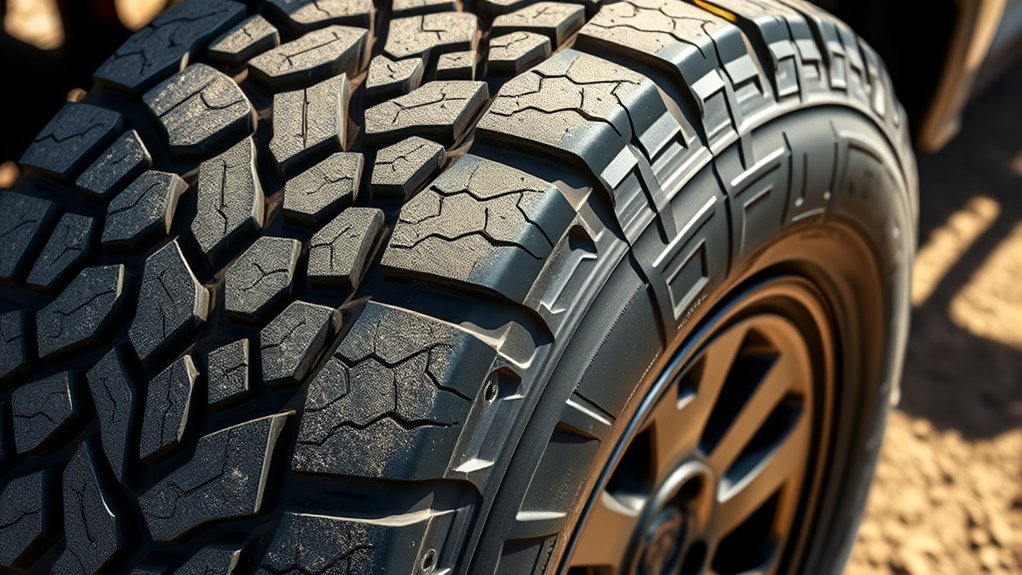
To improve safety and performance while towing with your Toyota Tacoma, focus on the features that directly affect load control and road grip. First, look for a tire with the correct load index for your Tacoma and trailer setup. If you tow often, carry cargo in the bed, or drive on rough roads, an LT tire may be a good upgrade, but only when the size, pressure, and load rating are correct.
Sidewall strength also matters. A stronger sidewall can reduce squirm under load and help the truck feel more settled when a trailer adds tongue weight. The tradeoff is that heavier-duty tires can ride firmer and may weigh more, which can affect acceleration, braking feel, and fuel economy.
Tread design should match the surface you tow on. Highway-terrain tires are usually quieter and smoother for paved-road towing. All-terrain tires add grip on gravel, dirt, wet grass, and mild off-road trails. Hybrid-terrain tires add a more aggressive look and off-road bite, but they can be louder and heavier. If you tow in snow or mountain conditions, consider a tire with the three-peak mountain snowflake rating, if available in the correct size and load rating.
A towing tire should be chosen by fitment, load rating, pressure, terrain, and condition—not by tread appearance alone.
Ensure Proper Tire Inflation for Safer Towing
Selecting the right tires for towing does not stop at features. Proper tire inflation is one of the easiest ways to reduce heat buildup, uneven wear, poor handling, and tire damage. The U.S. Tire Manufacturers Association recommends checking tires when they are cold, at least once a month, and before long trips, heavy loads, or towing. It also notes that TPMS is not a replacement for monthly checks with a gauge.
- Check the Tacoma’s tire pressure before towing, while the tires are cold.
- Use the driver-door tire placard and owner’s manual as your starting point.
- Check the spare tire, too.
- Check trailer tires separately; trailer tires often require different pressure than the truck tires.
- Do not rely only on TPMS, because it may warn after pressure is already significantly low.
- Recheck pressure when temperature changes sharply, because pressure changes with ambient temperature.
- Never tow on visibly damaged, cracked, bulged, or severely worn tires.
If you changed from original-equipment tires to LT tires, larger tires, or a different load range, ask a qualified tire professional to confirm the correct cold inflation pressure for your actual loaded axle weights. This is especially important when towing near the truck’s payload limit.
[Products Worth Considering]

Keep RV, trailer, or truck dual-axle tires protected with waterproof, UV-resistant covers that help guard against sunlight, snow, rust, and dirt. The dual tire covers are...
Tips for Maintaining Towing Tires
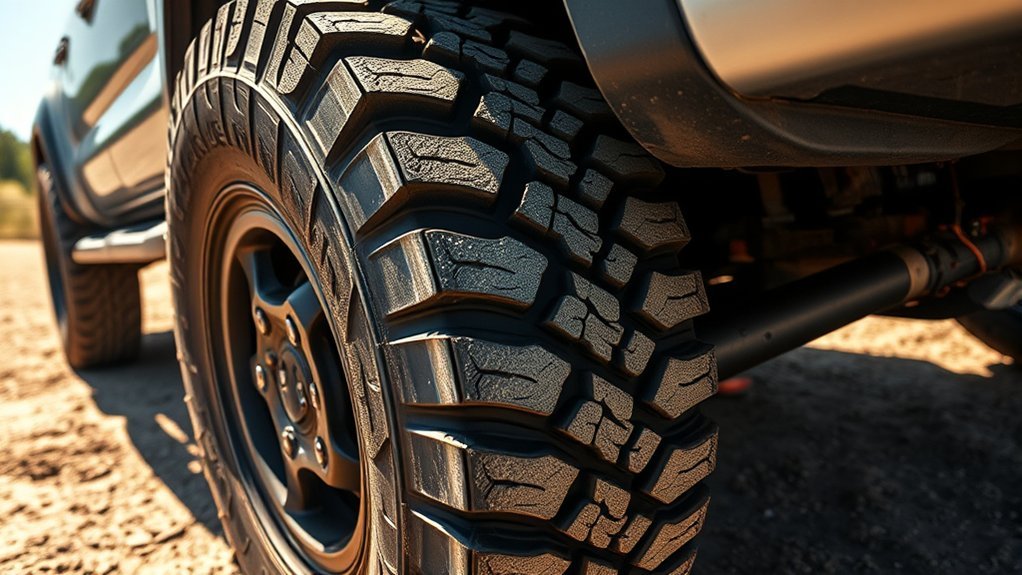
To make sure your towing tires perform at their best, inspect them more often than you would on a lightly used commuter vehicle. Towing adds heat, load, and stress, especially in summer, on mountain grades, at highway speeds, and when the trailer is loaded unevenly.
Regular Pressure Checks
Regular tire pressure checks are important for safe and efficient towing with your Toyota Tacoma. Use a quality gauge and check pressure before the tires heat up from driving. If you must drive to an air pump, check pressure before leaving, note the difference, and add the needed amount when you arrive.
- Check tire pressure at least once a month.
- Check again before towing, long trips, or carrying heavy bed cargo.
- Measure pressure when the tires are cold, ideally after the truck has been parked for at least three hours.
- Use the placard and owner’s manual, not guesswork.
- Look for repeated pressure loss, which may signal a puncture, valve issue, bead leak, or wheel problem.
Inspect for Wear
Maintaining proper tire pressure is just the beginning when it comes to your Toyota Tacoma’s towing capability. Check every tire for uneven wear patterns, exposed cords, cuts, cracks, bulges, embedded objects, and sidewall damage. Uneven shoulder wear can point to underinflation, alignment issues, worn suspension parts, or overloading.
Use a tread depth gauge for the best reading. A tire at or near 2/32 inch of tread is at the common U.S. minimum replacement point, and wet towing calls for more caution because stopping distance and hydroplaning resistance get worse as tread wears down. The Bridgestone tire replacement guide explains the 2/32-inch tread standard, penny test, wear bars, sidewall damage checks, and age-related inspections.
| Inspection Task | Frequency | Purpose |
|---|---|---|
| Check cold tire pressure | Monthly and before towing | Reduce heat, improve stability, and prevent uneven wear |
| Measure tread depth | Monthly and before long trips | Confirm adequate traction for braking, rain, and loaded driving |
| Examine sidewalls | Before every towing trip | Find cracks, bulges, cuts, and impact damage before they become failures |
| Rotate tires | Follow Toyota and tire manufacturer intervals, often around 5,000–7,500 miles | Promote even wear and longer tire life |
| Inspect trailer tires | Before every towing trip | Trailer tire failure can destabilize the entire tow setup |
Towing Tire Questions to Ask Before You Buy
Before replacing your Tacoma tires for towing, answer these questions first. They will help you avoid buying a tire that looks tough but does not match your actual load, roads, or truck setup.
- What is my exact tire size? Use the driver-door tire placard, current tire markings, and owner’s manual.
- What is my real towing load? Include passengers, cargo, tongue weight, bed gear, accessories, and the loaded trailer.
- Do I mostly tow on pavement? A highway-terrain or mild all-terrain tire may be better than a loud, heavy mud-style tire.
- Do I tow on gravel, dirt, or wet boat ramps? Consider stronger sidewalls and an all-terrain or hybrid-terrain tread.
- Do I tow in snow or mountain weather? Look for winter performance or severe snow service rating when available in the correct size.
- Do I really need LT Load Range E? Maybe, but not always. Match the tire to your load rating needs and ride expectations.
- Are my trailer tires safe? The Tacoma tires are only half of the setup. Trailer tire pressure, age, load rating, and condition matter just as much.
Frequently Asked Questions
Can a Tacoma really tow 6,500 lbs?
Yes, current Toyota Tacoma models can tow up to 6,500 pounds when properly equipped, but not every Tacoma configuration has the same rating. Confirm your exact truck’s towing capacity, payload, GCWR, GAWR, hitch rating, and owner’s manual instructions before towing.
What should you not tow with a Tacoma?
Do not tow anything that exceeds your Tacoma’s published tow rating, payload rating, axle ratings, hitch rating, trailer tire rating, or braking capability. Avoid poorly balanced trailers, overloaded trailers, unsafe tongue weight, high center-of-gravity loads without proper setup, and trailers with damaged or underinflated tires.
Do I need E-rated tires for towing with a Tacoma?
Not always. Load Range E tires can be useful for some frequent heavy-towing, hauling, or rough-road setups, but they are not required for every Tacoma. Choose tires by correct size, load index, load range, pressure requirements, ride comfort, and your actual loaded axle weights.
What tire pressure should I use when towing?
Start with the cold tire pressure listed on your Tacoma’s driver-door placard and owner’s manual. If you changed tire type, size, or load range, ask a qualified tire professional to confirm the right pressure for your loaded axle weights. Check trailer tires separately using the trailer tire and trailer manufacturer guidance.
Is 265/70R17 the correct Tacoma towing tire size?
It is correct for some Tacoma trims, but it is not universal. Use the tire placard on your truck, the owner’s manual, and a trusted fitment source for your exact year, trim, wheel size, and suspension setup.
Should I choose all-terrain or highway-terrain tires for Tacoma towing?
Choose highway-terrain tires if you tow mostly on pavement and want quiet ride quality, stable handling, and long tread life. Choose all-terrain or hybrid-terrain tires if you regularly tow on gravel, dirt, wet grass, job sites, trails, or rough access roads.
Sources
- Toyota Vehicles for Towing — Tacoma towing capacity, towing cautions, and owner’s manual guidance.
- Toyota USA Newsroom: 2026 Tacoma — current Tacoma maximum towing and payload figures.
- NHTSA Tire Safety: Everything Rides on It — pressure checks, load limits, tread checks, and towing weight transfer reminder.
- U.S. Tire Manufacturers Association Tire Care Essentials — cold pressure checks, monthly checks, towing/heavy-load checks, and TPMS limitations.
- Bridgestone Tire Replacement Guidance — tread depth, penny test, wear bars, sidewall damage, and tire age guidance.
- Continental TerrainContact A/T, Nitto Ridge Grappler, Falken Wildpeak H/T02, and Yokohama Geolandar A/T XD — manufacturer-backed tire feature information.
Conclusion
When you’re gearing up to tow with your Toyota Tacoma, the right tires are a major part of a safe setup. Choose tires that match your exact Tacoma size, load rating, terrain, and towing habits; keep them properly inflated; and inspect them before every trip. The best towing tire is not always the most aggressive or highest-rated option. It is the tire that fits correctly, carries the load safely, grips the roads you use, and works with the rest of your towing setup.

Related Articles
How Tire Weight Affects Toyota Tacoma Performance
How does tire weight influence your Toyota Tacoma's performance and efficiency? Discover the surprising effects that could change your driving experience.
Read More
Tire Noise Levels by Tire Type on a Toyota Tacoma
A comprehensive look at how tire types affect noise levels in your Toyota Tacoma reveals surprising insights that could enhance your driving experience.
Read More
How To Choose Tires for a Dual Use Toyota Tacoma
Unlock the secrets to selecting the perfect tires for your dual-use Toyota Tacoma, ensuring optimal performance and comfort on every adventure. Discover more inside!
Read More