
Hydroplaning Speed: At What Speed Do Tires Lose Contact?
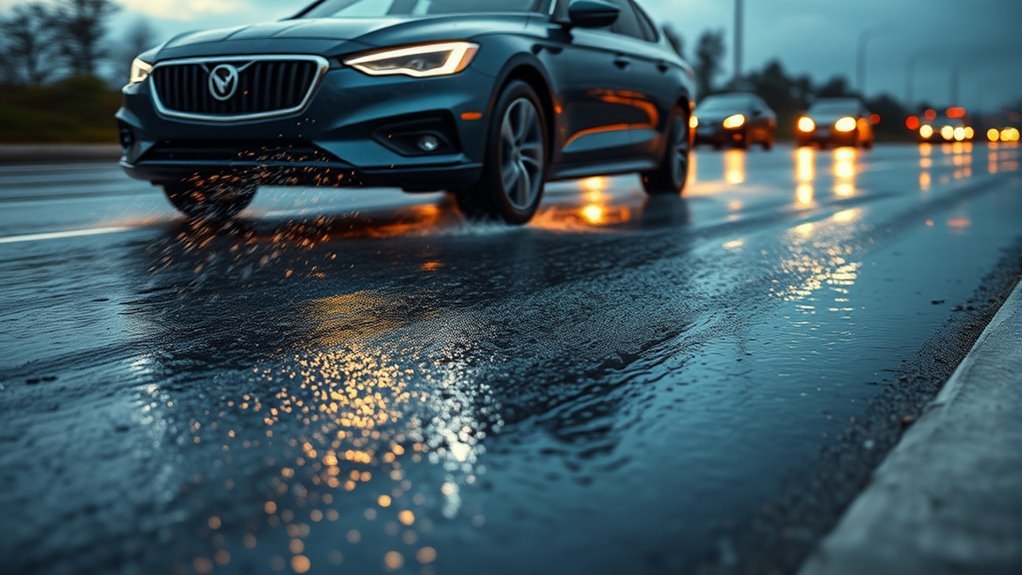
You can hydroplane at surprisingly low speeds when rainwater builds up faster than your tires can push it away. Many safety sources warn that hydroplaning risk can begin around 35 mph, but there is no single magic speed. Water depth, tire tread, tire pressure, road texture, vehicle load, tire width, and your driving inputs all change the threshold.
Quick Answer
Hydroplaning can begin at speeds as low as about 35 mph, especially in standing water or heavy rain. The risk climbs quickly above 40 mph when water is deeper than your tire tread can clear. Worn tires, incorrect pressure, wide tires, and sudden braking or steering make hydroplaning more likely.
Key Takeaways
- Treat 35 mph as a caution zone, not a guaranteed starting point. Hydroplaning can happen slower in deep water or with worn tires.
- Slow down before puddles, ruts, shiny pavement, and heavy rain. Speed is the biggest factor you can control in the moment.
- Tread depth and tire pressure matter. Tires near 2/32 inch are legally worn out in many places and perform poorly in wet conditions.
- If you hydroplane, ease off the accelerator, steer gently where you want to go, and avoid slamming the brakes.
At a Glance
| Main Risk Speed | Around 35 mph and higher in wet conditions |
| Biggest Risk Factors | Standing water, worn tread, wrong tire pressure, high speed, sudden inputs |
| Best Prevention | Slow down, avoid puddles, maintain tires, skip cruise control in rain |
| Tools Needed | Tire pressure gauge and tread depth gauge or a quarter |
How Fast Does Hydroplaning Actually Start?
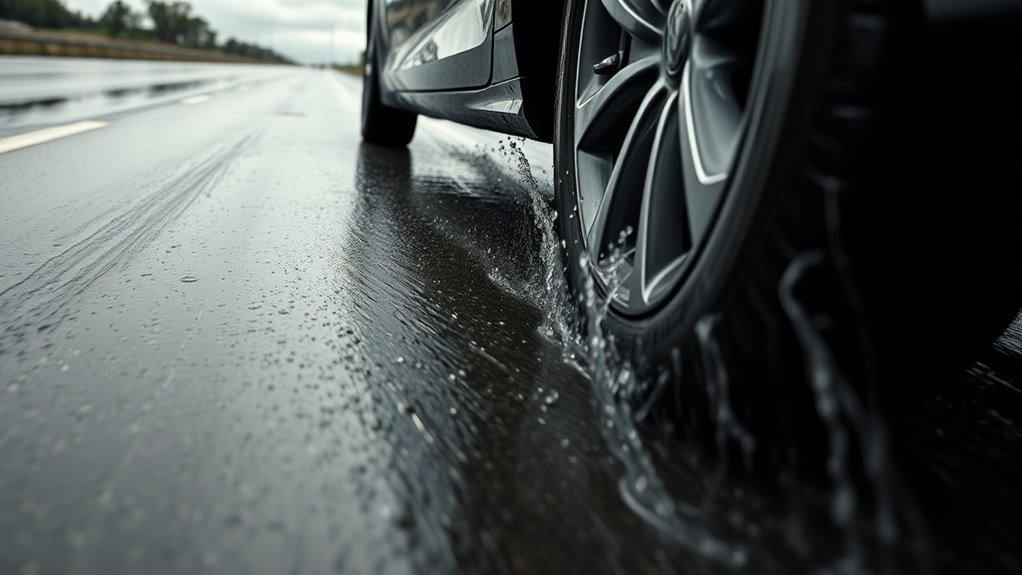
Hydroplaning can start at speeds as low as about 35 mph. That does not mean every car hydroplanes at 35 mph, and it does not mean you are safe below 35 mph. It means the tire may start losing some contact with the road when enough water is present and the tire cannot evacuate it fast enough.
AAA’s wet-weather driving guidance notes that even new tires can lose some roadway contact at speeds as low as 35 mph when water is on the road. AAA also warns that with as little as 1/12 inch of water on the road, tires must move a large amount of water every second to keep the rubber touching the pavement.
A safer way to think about it is this: the faster you drive, the less time your tires have to clear water. Once water pressure builds in front of the tire, the tire can lift onto a thin film of water. At that point, steering, braking, and acceleration all become weak or delayed.
Hydroplaning is not controlled by speed alone. Water depth, tread depth, tread design, tire pressure, vehicle weight, tire width, and road surface all work together.
How Water, Tire Tread, and Speed Cause Hydroplaning
Hydroplaning happens when a tire rides on water instead of gripping the road. A tire normally uses tread grooves to move water out of the contact patch. When there is too much water or not enough time to move it, a wedge of water forms under the tire and reduces traction.
The National Highway Traffic Safety Administration describes hydroplaning as a wet pavement condition that can cause a complete loss of traction, and notes that pavement texture and tire tread depth both influence the problem.
| Factor | Higher-Risk Condition | Why It Matters |
|---|---|---|
| Speed | About 35 mph and higher | Less time for tread grooves to push water away |
| Water depth | Standing water, puddles, ruts, or shiny pavement | More water must be evacuated from under the tire |
| Tread depth | Near 2/32 inch or visibly worn | Shallow grooves cannot move water efficiently |
| Tire pressure | Underinflated or overinflated | Changes the contact patch and reduces predictable grip |
| Driver input | Hard braking, sharp steering, sudden acceleration | Upsets the vehicle while traction is already reduced |
Warning: Never drive through deep water to “test” traction. If you cannot judge the depth, turn around when safe. Deep water can hide potholes, stall an engine, or sweep a vehicle off course.
How Vehicle Weight and Type Affect Hydroplaning Speed
Vehicle type affects hydroplaning risk, but it does not make any vehicle immune. A heavier vehicle can press the tire into the water with more force, while a lighter vehicle may lift more easily. However, weight distribution, tire width, tread design, suspension setup, and speed matter just as much.
Vehicle Weight Influence
Heavier vehicles may resist hydroplaning slightly better in some conditions because the tires apply more pressure to the road surface. Still, that advantage disappears quickly in deep water, at high speed, or with worn tires. A loaded SUV, pickup, or van can still hydroplane if water builds faster than the tires can clear it.
Uneven loading also changes traction. Too much cargo at the rear, overloaded roof racks, or an uneven trailer load can shift weight away from one axle and make the vehicle less predictable in rain.
Tire and Wheel Size
Tire width changes how water moves under the tire. Wider tires may create a larger contact patch, but they also have to move more water out of the way. Tire Rack explains that deeper water, higher speed, lighter vehicles, wider tires, lower tread depth, and less efficient tread design can all make hydroplaning happen at lower speeds.
Wheel size can matter indirectly because changing wheel diameter often changes tire sidewall height and tire width. If you upgrade wheels, choose tire sizes recommended for your vehicle and use tires designed for wet traction if you regularly drive in rain.
Vehicle Type Dynamics
Sedans, sports cars, SUVs, trucks, and motorcycles all respond differently when traction drops. Tall SUVs and trucks can feel stable in straight-line rain driving, but their higher center of gravity can make sudden corrections more risky. Sports cars may have wide performance tires that are excellent in dry weather but less forgiving in standing water if the tread pattern is not designed for heavy rain.
Motorcycles are especially sensitive because they have smaller contact patches and less stability margin. Riders should slow earlier, avoid painted lines and metal covers, and keep smooth body and throttle inputs in wet conditions.
Estimate a Safe Driving Speed to Avoid Hydroplaning
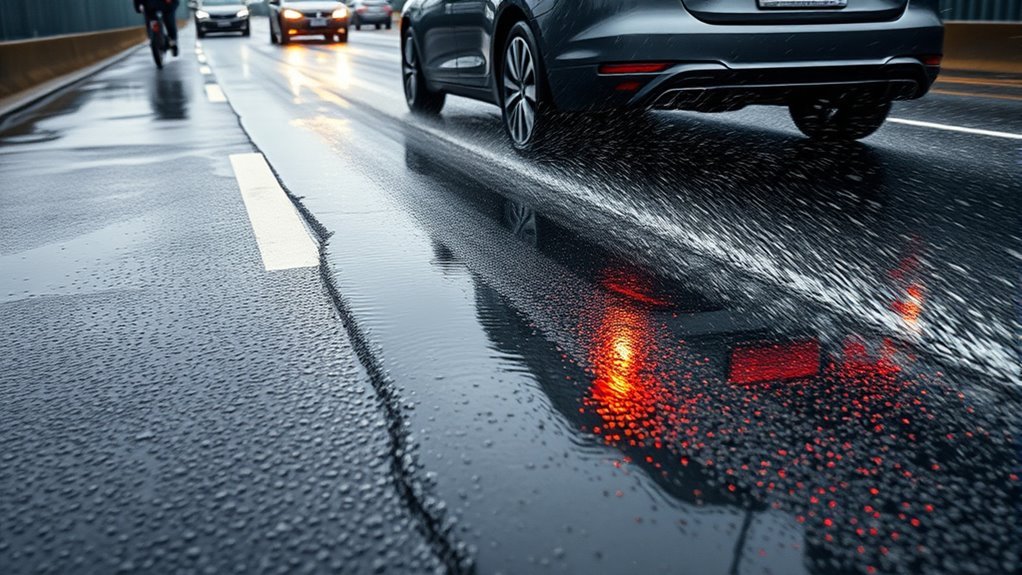
There is no exact safe speed for every wet road. The best speed is the one that lets your tires maintain contact, gives you time to react, and leaves enough space to slow without sudden braking.
Use these practical rules in rain:
- Light rain: Reduce speed and increase following distance, especially during the first few minutes when oil and grime may rise from the pavement.
- Heavy rain: Drive well below the posted limit if visibility, spray, or standing water is present.
- Standing water: Slow before you reach it, keep the wheel straight if possible, and avoid braking while crossing it.
- Ruts or shiny pavement: Treat them as likely water collection zones and move to a safer lane position when legal and safe.
- Highway speeds: Be especially cautious above 40 mph because hydroplaning risk rises quickly as tire water-evacuation time drops.
Pro Tip: Drive in the tire tracks of the vehicle ahead when it is safe to do so. Those tracks may have slightly less standing water, but keep extra following distance so you are not trapped by sudden braking.
How Tire Tread and Pressure Change Your Hydroplaning Risk
Your tires decide whether slowing down actually gives you grip. Worn tread has less space to channel water, which means hydroplaning can happen sooner and wet braking distances can increase.
The legal minimum tread depth in many places is 2/32 inch, but that is not an ideal wet-weather target. Tire Rack recommends that drivers who expect wet conditions consider replacing tires at 4/32 inch because shallow tread reduces wet traction and increases stopping distance. NHTSA also advises drivers to use the vehicle manufacturer’s recommended cold tire pressure from the door placard or owner’s manual, not the maximum pressure molded on the tire sidewall.
How to Check Tread Depth Before Wet Weather
- Use a tread depth gauge for the most accurate reading. Check several grooves across each tire.
- Use a quarter as a quick check. Insert it upside down into the groove. If you can see above Washington’s head, start shopping for new tires for wet-weather driving.
- Look for uneven wear. One worn shoulder can reduce wet grip even if the center tread looks acceptable.
- Check every tire. A single worn or underinflated tire can reduce stability in rain.
How to Check Tire Pressure Correctly
- Check pressure when the tires are cold, ideally before driving or after the vehicle has been parked for several hours.
- Find the recommended pressure on the driver-side door placard or in the owner’s manual.
- Measure all four tires and the spare if your vehicle has one.
- Add or release air until each tire matches the recommended pressure.
- Recheck monthly and before long trips, heavy loads, or stormy weather.
Note: Tire pressure monitoring systems are helpful, but they are not a substitute for regular pressure checks. A tire can be below the ideal pressure before the warning light turns on.
What to Do If Your Tires Lose Contact: How to React
If your vehicle starts hydroplaning, the wrong reaction can turn a brief loss of traction into a spin. Your goal is to let the tires slow down and reconnect with the pavement without sudden weight transfer.
- Stay calm and look where you want to go. Your hands tend to follow your eyes.
- Ease off the accelerator. Do not suddenly lift in a panic; come off the throttle smoothly.
- Do not slam the brakes. Hard braking can upset the vehicle while grip is limited.
- Steer gently in your intended direction. Avoid jerking the wheel or overcorrecting.
- Wait for traction to return. The steering may feel light, then normal again as the tires reconnect.
- Brake progressively after grip returns if you still need to slow down.
If your car has anti-lock brakes, they can help you maintain steering control during braking once traction exists, but ABS cannot prevent hydroplaning. The best protection is still slower speed, good tires, correct pressure, and smooth inputs.
Why Cruise Control Increases Risk in Rain
Cruise control is useful on dry roads, but it is a poor choice in heavy rain. AAA advises avoiding cruise control in wet conditions because you may need to reduce speed by lifting off the accelerator, which is not possible while cruise control is actively maintaining speed.
Turn cruise control off before the rain gets heavy. Manual speed control helps you feel changes in traction earlier and respond more smoothly to puddles, spray, traffic, and changing road surfaces.
Common Hydroplaning Mistakes to Avoid
- Driving the posted limit in standing water: Speed limits are set for normal conditions, not puddled pavement.
- Waiting until the car slides to slow down: Reduce speed before the deepest water.
- Using worn tires in rainy seasons: Tires at 2/32 inch may be legal in many areas, but they are a poor choice for wet traction.
- Overcorrecting the steering wheel: Sharp inputs can make the vehicle snap sideways when traction returns.
- Trusting vehicle weight or all-wheel drive too much: AWD can help acceleration, but it does not create extra tire grip on top of water.
- Following too closely: Wet roads and reduced visibility require more reaction time and stopping distance.
Frequently Asked Questions
Do anti-lock braking systems prevent hydroplaning?
No. ABS can help you maintain steering control during braking when the tires have traction, but it cannot stop a tire from riding on water. Slow down before standing water and keep your tires properly maintained.
Can tire brands or tire compounds affect hydroplaning risk?
Yes. Tread depth, groove design, tread pattern, tire width, and compound all affect wet traction. Tread design is especially important for moving water at higher speeds and in deeper water, while compound can influence grip on damp or shallow-water surfaces.
Does standing water depth vary by road type?
Yes. Road crown, drainage, pavement texture, ruts, low spots, potholes, and worn asphalt can all change how water collects. A smooth road with poor drainage may create more hydroplaning risk than a rougher surface that drains well.
How does cruise control affect hydroplaning risk?
Cruise control can keep the vehicle trying to maintain speed when you should be slowing down. In rain, turn it off so you can ease off the accelerator immediately and make smoother speed adjustments.
Are motorcycle hydroplaning risks different from cars?
Yes. Motorcycles have smaller contact patches and less stability margin, so riders should slow earlier, avoid sudden inputs, keep tires in excellent condition, and be extra careful around puddles, painted road markings, metal plates, and oily intersections.
Can all-wheel drive stop hydroplaning?
No. All-wheel drive can help distribute power during acceleration, but it cannot make a tire grip the pavement if water has lifted it off the road. Tire condition and speed still matter more in standing water.
What is the safest thing to do when you hit a puddle at highway speed?
Keep the wheel steady, avoid hard braking, and ease off the accelerator smoothly. Do not make a sudden lane change or sharp correction. After the tires regain grip, slow down and increase following distance.
Conclusion
Hydroplaning can happen around 35 mph, and sometimes slower when water is deep or tires are worn. The safest move is to slow down before standing water, keep your tires properly inflated, replace worn tires before wet traction becomes poor, and avoid cruise control in rain. If the tires lose contact, ease off the accelerator, steer gently where you want to go, and wait for grip to return before braking normally.
Sources
- AAA Exchange: Wet Weather Driving Tips — hydroplaning risk around 35 mph, cruise control guidance, skid response, and wet-weather driving behavior.
- NHTSA TireWise: Tire Safety Ratings and Awareness — tire pressure, tire maintenance, tread inspection, rotation, and manufacturer pressure recommendations.
- NHTSA Interpretation: Hydroplaning and Wet Pavement — hydroplaning, wet pavement traction loss, pavement texture, and tread depth.
- Tire Rack: What Causes Tire Hydroplaning? — how water depth, speed, vehicle weight, tire width, tread depth, and tread design affect hydroplaning.
- Tire Rack: How Much Tread Depth Is Enough? — 2/32 inch legal wear point and 4/32 inch wet-weather replacement guidance.
- AAA Northeast: What Is Hydroplaning? — hydroplaning definition, risk above 40 mph in deeper water, and recovery advice.

Related Articles
Why Put a Plastic Bottle on Your Tire? The Viral Trick Explained
Mysterious plastic bottle on your tire? Discover the viral trick’s surprising truth and what it really means before you assume it’s protecting your car.
Read More
What Happens When a Tire Blows Out at Highway Speed? Full Guide
Buckle up to discover what really happens when a tire blows out at highway speed, and why your next move could change everything.
Read More
What Does V Mean on a Tire? Load, Speed & Rating Guide
Need to know what “V” means on a tire and how load and speed ratings affect safety?
Read More