
How Siping Works on Toyota Tacoma Tires
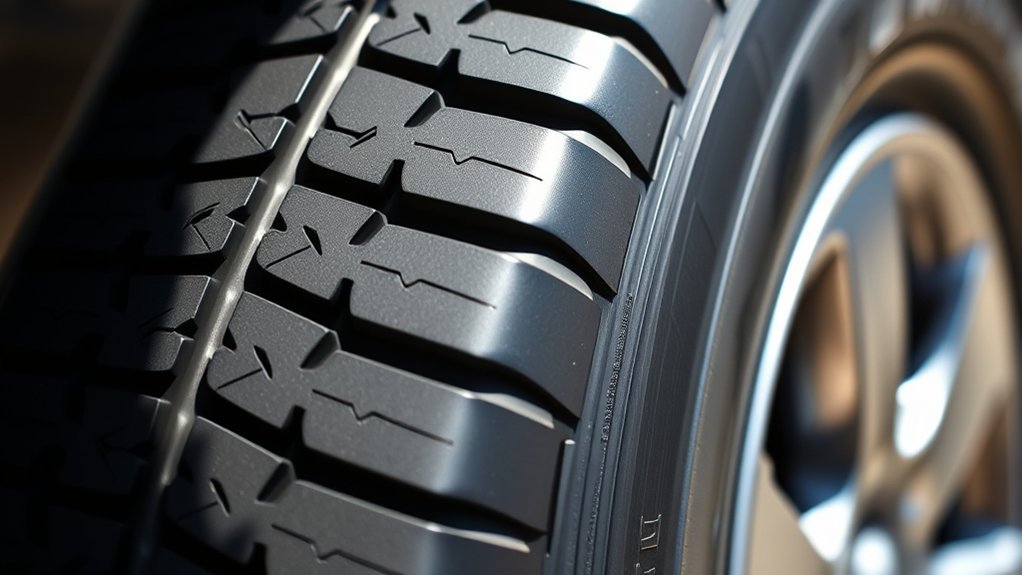
Siping can improve traction on some Toyota Tacoma tires, but it is not a magic upgrade for every tire or every driving condition. The biggest gains usually come on snow-packed or slick roads, especially with blocky all-terrain, rugged-terrain, or mud-terrain tread patterns. The wrong siping job, though, can weaken tread blocks, increase uneven wear, or create warranty problems.
Quick Answer
Tire siping can enhance Toyota Tacoma traction by adding small biting edges to the tread, especially on snow, slush, and wet pavement. It works best on suitable all-terrain or highway tires that do not already have heavy factory siping. It is not a substitute for winter tires, correct tire pressure, or proper tread depth.
Key Takeaways
- Siping adds thin slits to tread blocks, creating more edges that can grip snow, slush, ice, and wet pavement.
- Factory-engineered sipes are built into the tire design; aftermarket siping is a modification and should be judged more carefully.
- Tacoma owners should check tire size, load rating, tread depth, tire age, and warranty terms before adding sipes.
- Skip aftermarket siping if your tires are already heavily siped, nearly worn out, used mostly in hot dry conditions, or frequently run on sharp rocks and gravel.
- For serious winter driving, a dedicated winter tire or 3PMSF-rated all-weather/all-terrain tire is usually a better first move than modifying an existing tire.
At a Glance
| Time Required | A professional shop may add about 15 minutes to a tire service for a full set, but timing varies by shop and tire condition. |
| Difficulty | Medium to high if done correctly; best handled by a tire shop with a siping machine. |
| Tools Needed | Professional siping machine, tire inspection, tread-depth gauge, and warranty review. Avoid hand-cutting Tacoma tires with a utility knife. |
| Cost | Often around $15 or more per tire at some dealers, but pricing depends on the shop, region, and whether siping is bundled with new tires. |
What Is Tire Siping and Why Is It Important?
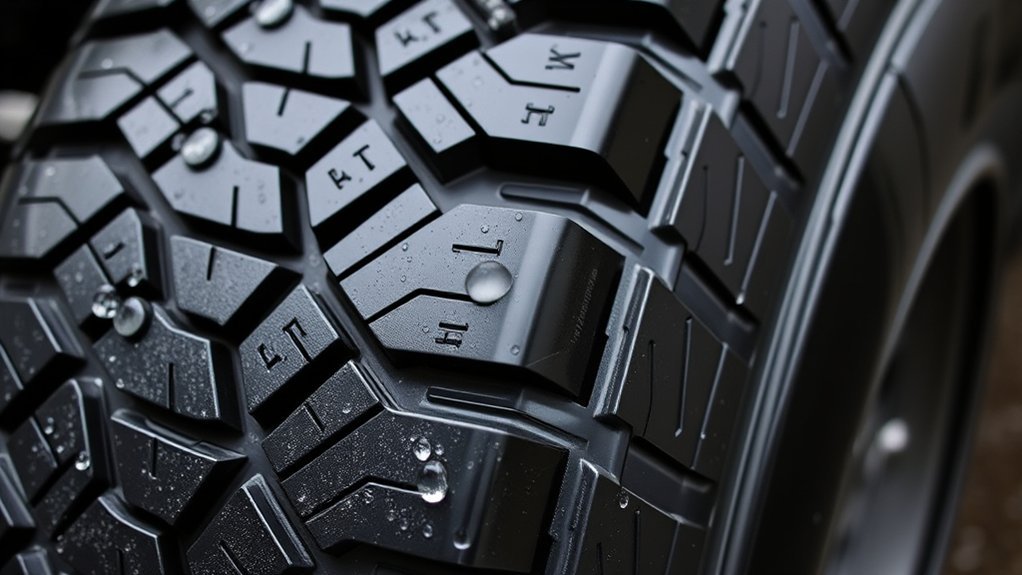
Tire siping is the process of adding thin slits, called sipes, across a tire’s tread blocks. These tiny cuts allow the tread blocks to flex slightly and create extra biting edges. On snow, slush, ice, and wet pavement, those edges can help the tire grab the surface instead of sliding over it.
Many modern tires already come with factory-engineered sipes. Winter tires, all-weather tires, and some premium all-terrain tires often use complex 3D siping patterns that are designed into the tire from the start. For example, Michelin describes full-depth 3D sipes as helping create a claw effect on snow and ice, while Bridgestone uses full-depth 3D sipe technology in some all-terrain truck tires to support wet and winter traction.
Aftermarket siping is different. That is when a tire shop cuts extra sipes into an existing tire. It can help in the right situation, but it also modifies the tread after the tire has already been manufactured. That is why Tacoma owners should treat siping as a tire-specific decision, not a universal upgrade.
Note: Siping is not the same as tire grooving. Sipes are narrow slits for extra biting edges. Grooves are wider channels that move water, snow, and slush out of the tread.
[Products Worth Considering]

This spare tire tool kit is designed for the 2004 to 2018 Ford F-150 to help you loosen and tighten wheel lug nuts and manage the spare tire and provided jack functions from underneath the vehicle. It includes the lug nut wrench and extension pieces plus a convenient storage carrying case for organized transport. The jack itself is not included.

This VEVOR tire bead breaker uses a slide-hammer impact and wedge tip to separate tire beads from rims quickly and efficiently without damaging hub surfaces. The long handle and sturdy steel construction help reduce user strain while providing reliable, portable tire changing for cars, trucks, and more. Ideal for home mechanics and repair shops handling multiple vehicle tire sizes.
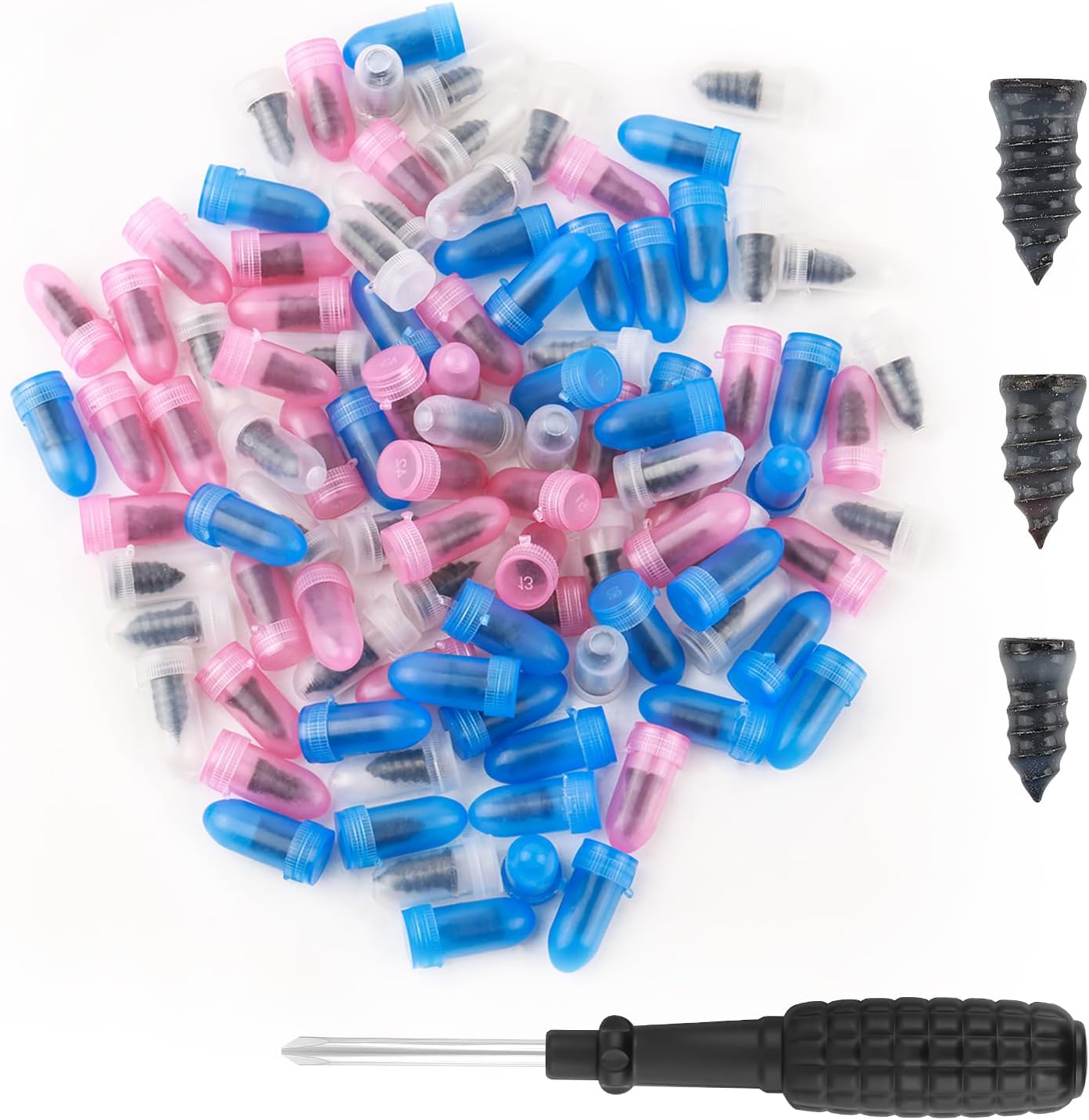
This 100-piece tire repair screw plug kit provides a fast, self-service solution for punctures on the road. Choose the correct plug size, insert it into the break, and screw it in to help seal the puncture and temporarily restore tire pressure. Thickened threads and rubber-wrapped plugs improve bite and sealing while remaining compact and easy to carry.
How Does Siping Enhance Traction on Tacoma Tires?
Siping enhances traction by changing how the tread block contacts the surface. When your Tacoma rolls over slick pavement, the sipes can open slightly under load. This creates more edges for grip during braking, turning, and acceleration.
That matters most in these conditions:
- Snow: Extra edges can bite into packed snow and help the tire maintain forward grip.
- Slush: Sipes can work with the tire’s grooves to break up and manage thin layers of water and slush.
- Wet roads: Sipes can improve initial bite, but tread depth and groove design still do most of the work against hydroplaning.
- Light ice: Siping may help slightly, but it will not turn an all-season or mud-terrain tire into a dedicated ice tire.
- Loose dirt or mild trail use: Some extra tread flexibility can help, but heavy rock crawling can increase the chance of tread chunking on over-siped tires.
The best traction upgrade is the one that matches your tire, terrain, and climate. Siping helps some Tacoma setups, but tire type, tread depth, inflation, and driving conditions matter more than the modification alone.
Factory Siping vs. Aftermarket Siping
Factory siping is part of the tire’s original engineering. The tire maker designs the sipe shape, depth, spacing, compound, tread-block stiffness, and wear pattern together. That is why many winter and all-weather tires can have a high sipe density without feeling too unstable on the road.
Aftermarket siping is added later. A tire shop uses a specialized machine to cut extra slits into the tread blocks. This can be useful on tires with large, solid tread blocks, but it is less helpful on tires that already have dense factory siping.
| Factory Siping | Built into the tire’s design by the manufacturer. Common on winter, all-weather, touring, and many all-terrain tires. |
| Aftermarket Siping | Added by a shop after purchase. Best considered for suitable tires with larger tread blocks and limited winter traction. |
| DIY Hand Siping | Not recommended for most Tacoma owners because uneven cuts can weaken tread blocks, cause irregular wear, or create warranty issues. |
The Benefits of Siping for Various Driving Conditions
When done on the right tire, siping can give a Tacoma more confidence in mixed weather. The benefits are most noticeable when the tire needs more edges than its original tread pattern provides.
- Occasional snow: Added sipes may help all-season, highway-terrain, rugged-terrain, and some all-terrain tires feel more controlled.
- Wet commuting: Siping can improve surface bite, although it should not be used to compensate for worn tread.
- Cold mornings: Sipes can help tread blocks grip slick patches, but tire compound remains critical in freezing temperatures.
- Moderate trail driving: Some siped all-terrain tires can hold traction better on damp dirt or light mud.
- Braking and turning: More biting edges can improve the feel of braking and steering on slick surfaces.
For Tacoma owners who mostly drive in dry, warm weather, the benefit is much smaller. On dry pavement, too much siping can make tread blocks move more, which may reduce steering sharpness and increase irregular wear.
When Tire Siping Makes Sense for a Toyota Tacoma
Siping is most worth considering when your Tacoma has a tire that is durable but not especially grippy in snow or wet weather. This often includes blocky all-terrain, rugged-terrain, mud-terrain, or highway-terrain tires with large tread blocks and limited factory siping.
It may make sense if:
- You see occasional snow but not enough to justify a second set of dedicated winter tires.
- Your tires have enough tread depth left to be worth modifying.
- The tire manufacturer or dealer confirms that siping will not create a warranty problem.
- You drive mostly on pavement, graded dirt, and mild trails rather than sharp rocks every weekend.
- The tire does not already have dense factory siping.
Pro Tip: If your Tacoma tires already carry the Three-Peak Mountain Snowflake symbol and have heavy factory siping, aftermarket siping is usually less useful. You may get more value from proper rotation, pressure checks, and alignment.
When You Should Skip Siping
Aftermarket siping is not right for every Tacoma tire. In some cases, it can add risk without giving much traction back.
Skip or delay siping if:
- Your tires are nearly worn out. Replace tires that are close to the legal tread limit instead of modifying them.
- The tread is already heavily siped. Many winter, all-weather, and premium all-terrain tires already have engineered siping patterns.
- You drive mostly in hot, dry conditions. Extra tread movement may reduce dry-road precision.
- You tow heavy loads often. Ask a tire professional first, because load, heat, and tread stability matter.
- You run rocky trails frequently. Extra cuts can increase the chance of chunking on some tread blocks.
- Your tire warranty excludes modifications. Get the answer before cutting the tire, not after.
Warning: Do not use siping to “save” bald, cracked, aged, or damaged Tacoma tires. Tire safety starts with correct inflation, adequate tread depth, proper load rating, rotation, balance, alignment, and replacement when the tire is worn or damaged.
What to Check Before Siping Tacoma Tires
Before siping your Tacoma tires, confirm that the tire is a good candidate. A shop should inspect the tire, but you can do a basic check first.
- Tire size: Match the size on your Tacoma’s driver-side tire and loading label or the Toyota owner’s manual unless a qualified tire professional has approved an alternate size.
- Load and speed rating: A Tacoma is a truck, so do not choose or modify tires in a way that reduces the required load capacity.
- Tread depth: If the tire is close to replacement, siping is poor value.
- Tire age and cracking: Do not sipe tires with sidewall cracking, weather checking, bulges, exposed cords, or impact damage.
- Warranty terms: Ask the tire seller or manufacturer whether aftermarket siping affects coverage.
- Driving pattern: Pavement with occasional snow is different from desert heat, loaded towing, or sharp rock trails.
Toyota also gives vehicle-specific winter guidance for Tacoma owners. Depending on model year and tire size, snow-chain fitment can be restricted, so always check your owner’s manual before relying on chains as a traction backup.
[Products Worth Considering]
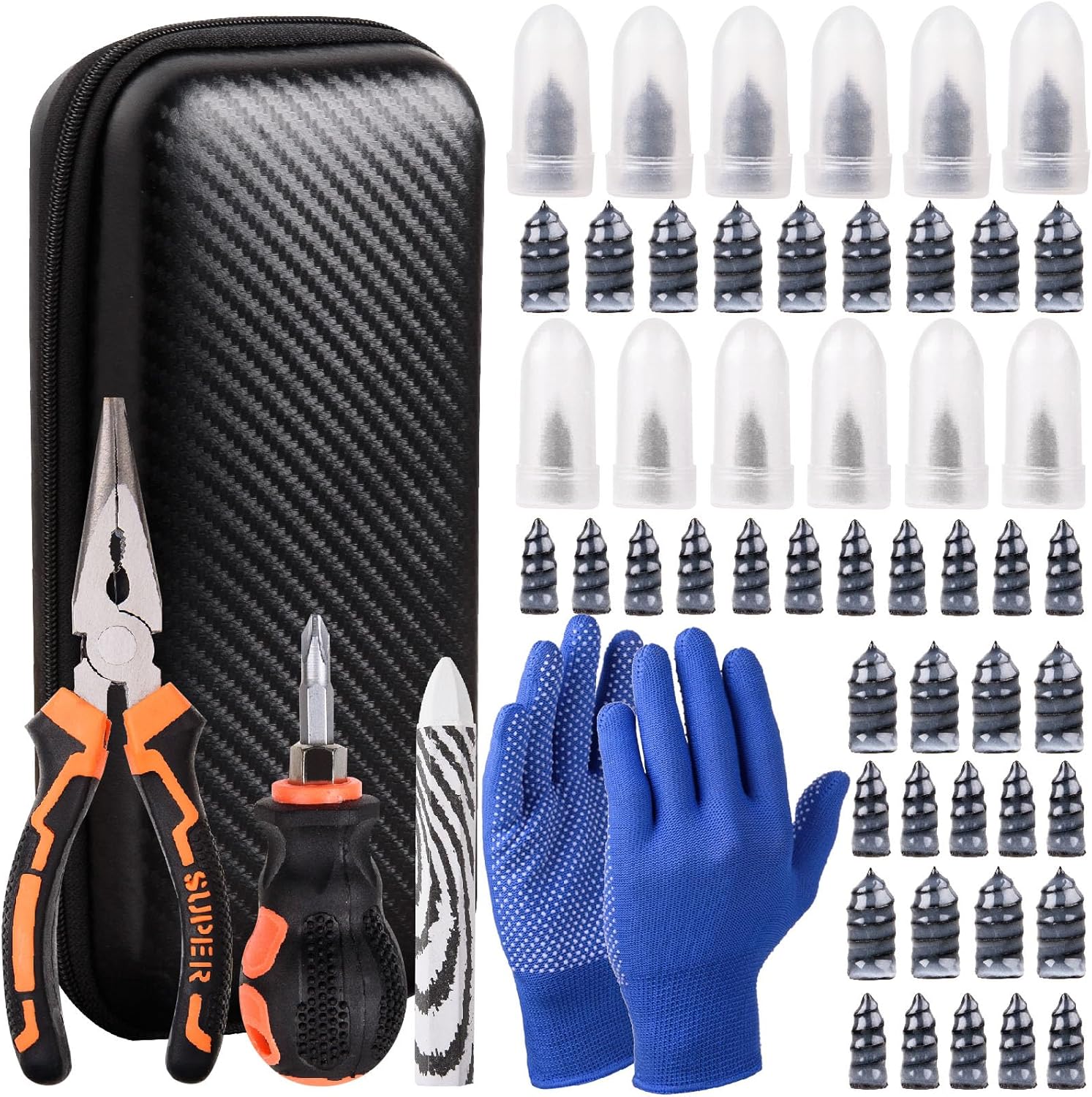
This tire sidewall puncture repair kit fixes flats fast without removing the tire, helping you get back on the road in minutes. It includes self-tapping repair nails, essential tools, gloves, and a portable storage bag for convenient roadside use. Designed for tubeless tires, it helps create a tight, leak-resistant seal for cars, motorcycles, trucks, SUVs, and ATVs.

Wykodra tire plugs provide quick vulcanizing repairs for tubeless tires, helping you seal punctures and get back on the road. The industrial-strength rubber creates a long-lasting, leak-resistant bond and is designed for emergency fixes without removing the tire. Choose between two standard plug sizes with color-matched options for small to larger damage across many vehicles and off-road uses.
What Should You Watch Out For When Siping Your Tires?
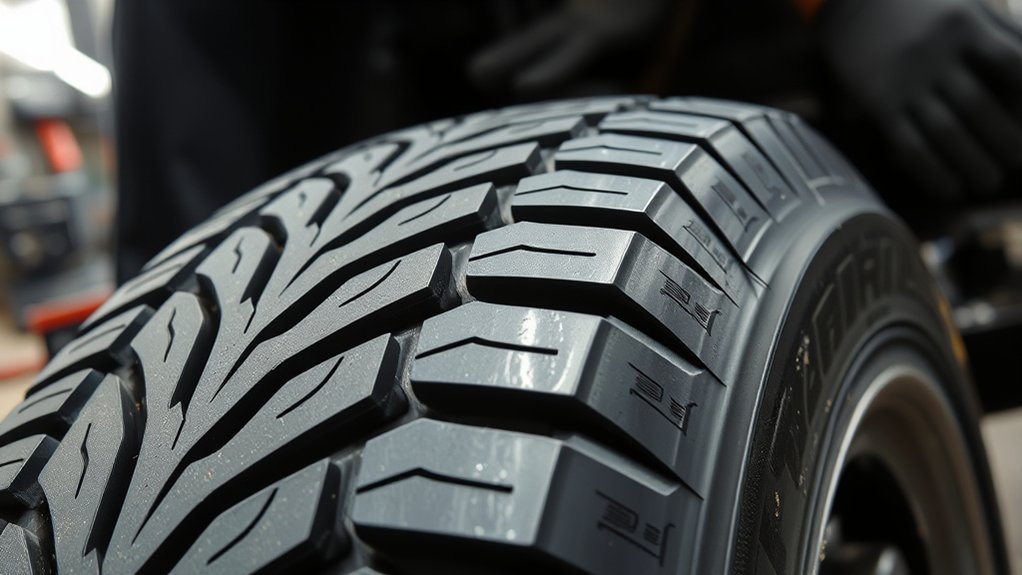
The main risk is not siping itself. The risk is siping the wrong tire, cutting it poorly, or expecting siping to solve a problem caused by worn tread, low pressure, poor alignment, or the wrong tire type.
Potential Tire Damage
Bad siping can create several problems:
- Tread block chunking: Extra cuts can weaken blocks on tires used hard off-road.
- Uneven wear: Poor spacing or cutting can encourage irregular tread wear.
- Reduced dry stability: Too much tread flex can make steering feel less precise.
- Warranty concerns: Some tire warranties may not cover altered tread.
- False confidence: Siping does not replace winter tires on severe ice or deep snow.
Siping Depth Considerations
A professional siping machine is designed to make consistent cuts without reaching too deeply into the tread. That precision matters. Uneven hand cuts can damage tread blocks and may make the tire wear faster.
Instead of choosing a depth yourself, ask the shop three questions:
- Is this specific tire safe and worthwhile to sipe?
- Will siping affect the tire warranty or road-hazard coverage?
- How will siping affect dry handling, off-road durability, and towing use?
Professional vs. DIY Siping
DIY siping looks simple, but Tacoma tires carry heavy loads and see mixed terrain. A mistake can be expensive or unsafe. Professional siping is more consistent because the shop uses a machine built for the job and can inspect the tire before cutting.
| DIY Siping | Lower upfront cost if you already own tools, but higher risk of uneven cuts, tread damage, and warranty problems. |
| Professional Siping | More consistent cuts, better pre-service inspection, and clearer warranty guidance from the tire shop. |
Should You Sipe Your Own Tacoma Tires or Seek Professional Help?
For most Toyota Tacoma owners, professional help is the better choice. Even if you are comfortable working on your truck, tire tread modification is different from installing accessories or changing fluids. A poor cut pattern can shorten tire life or reduce handling stability.
A tire shop can also tell you when siping is not worth it. That answer is valuable. If your tires are too worn, too heavily siped already, too old, or not suited to siping, the safer move is to skip the service and put the money toward better tires.
Choosing the Best Tires for Your Tacoma Post-Siping
If you are shopping for Tacoma tires and wondering whether to add siping, start with the tire category first. Siping should fine-tune the tire’s performance, not make the wrong tire behave like the right one.
- Daily driving with occasional snow: Look for a quality all-weather or all-terrain tire with strong wet braking and winter traction ratings.
- Heavy winter driving: Choose dedicated winter tires or a severe-snow-rated tire before considering aftermarket siping.
- Mixed pavement and trail use: Choose an all-terrain tire with good stone-ejection features, reinforced construction, and factory siping.
- Mud and rough trails: Prioritize tread strength and self-cleaning ability. Extra siping may not be the best match if you often drive on sharp rocks.
- Towing and payload: Confirm load range, load index, and inflation guidance before modifying or replacing tires.
Always verify the tire size on your Tacoma’s tire and loading label, then compare it with the owner’s manual and the tire shop’s fitment data. Changing tire size can affect clearance, speedometer accuracy, ride quality, gearing, and chain fitment.
Better Alternatives to Siping
Sometimes the best answer is not siping at all. If your Tacoma struggles for traction, check these first:
- Correct tire pressure: Underinflation and overinflation both reduce performance and can increase tire damage risk.
- Tread depth: Worn tread reduces wet and snow traction. Replace worn tires instead of modifying them.
- Rotation and alignment: Uneven wear can make traction worse even when the tire has plenty of tread left.
- Winter tires: For real snow and ice, the rubber compound and tread design of a winter tire matter more than added sipes.
- 3PMSF-rated all-weather or all-terrain tires: These can be a strong option for Tacoma owners who want one tire set for mixed seasons.
- Chains or cables where allowed: Check Toyota’s vehicle-specific guidance because chain clearance can vary by tire size and model year.
Frequently Asked Questions
What are the downsides of siping tires?
The main downsides are possible uneven wear, tread-block chunking, reduced dry-road precision, added road noise on some tires, and warranty concerns. These risks are higher when siping is done by hand, done too aggressively, or used on tires that are already heavily siped.
Is siping tires worth it according to Consumer Reports?
Consumer Reports has tested whether added siping really increases traction, so the answer should not be treated as an automatic yes. In practical terms, siping is most worth considering for suitable tires in occasional snow or slick conditions. It is less compelling on tires that already have advanced factory siping.
How much does it cost to have Tacoma tires siped?
Some tire dealers charge around $15 or more per tire, but pricing varies by region, shop, tire size, and whether siping is purchased with a new tire set. Ask the shop for the full installed price and whether the service affects tire coverage.
How long does tire siping take?
Professional siping is usually a quick add-on during tire service. Some shops estimate about 15 extra minutes for a set of four tires, but the total appointment time depends on mounting, balancing, inspection, and shop workload.
Can siping replace winter tires on a Toyota Tacoma?
No. Siping can add biting edges, but winter traction also depends on rubber compound, tread pattern, tread depth, and temperature performance. If you drive in frequent snow, packed snow, or ice, dedicated winter tires or severe-snow-rated tires are usually the safer choice.
Does siping void a tire warranty?
It can, depending on the tire brand, seller, and warranty terms. Some shops may warranty siped tires they sell, while other tire manufacturers may treat aftermarket tread modification differently. Ask for the warranty answer in writing before the tires are cut.
Should I sipe mud-terrain tires on my Tacoma?
Sometimes, but only after a professional inspection. Mud-terrain tires often have large tread blocks that may benefit from extra biting edges on snow or wet pavement. However, if you use them on sharp rocks, deep gravel, or heavy off-road terrain, siping may increase chunking risk.
Conclusion
Siping can enhance traction on Toyota Tacoma tires, especially in occasional snow, slush, and wet-road driving. The key is matching the service to the tire. Factory-engineered sipes are part of a complete tire design, while aftermarket siping is a modification that should be handled carefully.
If your Tacoma runs blocky all-terrain or highway tires and you want a little more winter bite, professional siping may be worth discussing with a tire shop. If your tires are worn, already heavily siped, used mostly in hot dry weather, or driven hard on rocky trails, skip the service and invest in the right tire instead.
Sources
- NHTSA TireWise — tire pressure, tread depth, tire size, rotation, and safety maintenance guidance.
- Toyota Tacoma Tire Information — Tacoma tire symbols, tire size information, DOT/TIN, and treadwear indicator guidance.
- Toyota Tacoma Winter Driving Tips — vehicle-specific snow tire and tire-chain guidance.
- Consumer Reports: Does Tire Siping Really Increase Traction? — independent consumer testing context and typical dealer pricing.
- Michelin X-Ice Snow Tire Information — example of factory full-depth 3D sipes for snow and ice biting edges.
- Bridgestone Dueler A/T Ascent Press Release — example of full-depth 3D sipe technology in an all-terrain truck tire.

Related Articles
How Tire Weight Affects Toyota Tacoma Performance
How does tire weight influence your Toyota Tacoma's performance and efficiency? Discover the surprising effects that could change your driving experience.
Read More
Tire Noise Levels by Tire Type on a Toyota Tacoma
A comprehensive look at how tire types affect noise levels in your Toyota Tacoma reveals surprising insights that could enhance your driving experience.
Read More
How To Choose Tires for a Dual Use Toyota Tacoma
Unlock the secrets to selecting the perfect tires for your dual-use Toyota Tacoma, ensuring optimal performance and comfort on every adventure. Discover more inside!
Read More