
What Does Negative Offset Mean on Toyota Tacoma Wheels
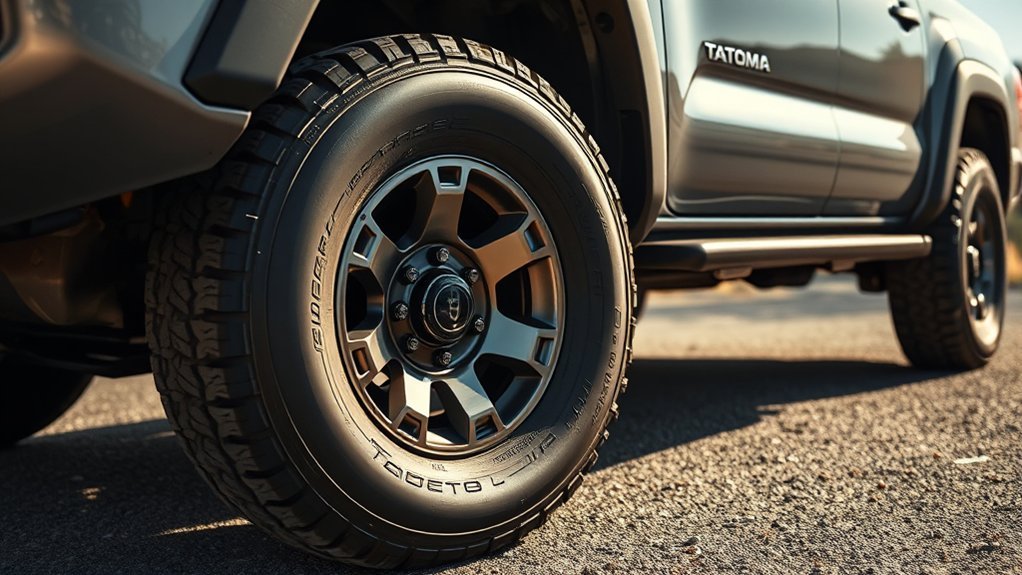
Negative offset wheels can make a Toyota Tacoma look wider and more aggressive, but offset is not just a style choice. It changes where the tire sits in the wheel well, how much clearance you have while turning, and how the steering and suspension feel. The best setup depends on your Tacoma generation, tire size, wheel width, lift height, alignment, and how much trimming you are willing to do.
Quick Answer
Negative offset on Toyota Tacoma wheels means the hub mounting surface sits toward the inner/back side of the wheel, pushing the tire outward. This creates more “poke” and a wider stance, but it can also increase rubbing, steering effort, suspension stress, and the need for trimming or alignment changes.
Key Takeaways
- Negative offset moves the wheel outward; it does not automatically create a larger tire contact patch or lower your Tacoma’s center of gravity.
- Mild offsets near stock or close to zero are easier to live with than deep negative offsets such as -25mm or -38mm.
- Rubbing usually depends on the full setup: tire diameter, tire width, wheel width, offset, caster, lift height, mud flaps, fender liners, and body mount clearance.
- After changing wheels or tires, check torque, tire pressure, TPMS function, alignment, and load rating before daily driving or off-roading.
At a Glance
| Time Required | 15–30 minutes to compare specs; longer if test-fitting, trimming, or aligning |
| Difficulty | Moderate; simple to understand, but fitment must be checked carefully |
| Tools Needed | Tape measure, wheel/tire specs, torque wrench, tire-pressure gauge, and alignment check |
| Cost | Planning is free; alignment, trimming, lift parts, wheels, and tires add cost |
What Is Negative Offset in Tacoma Wheels?
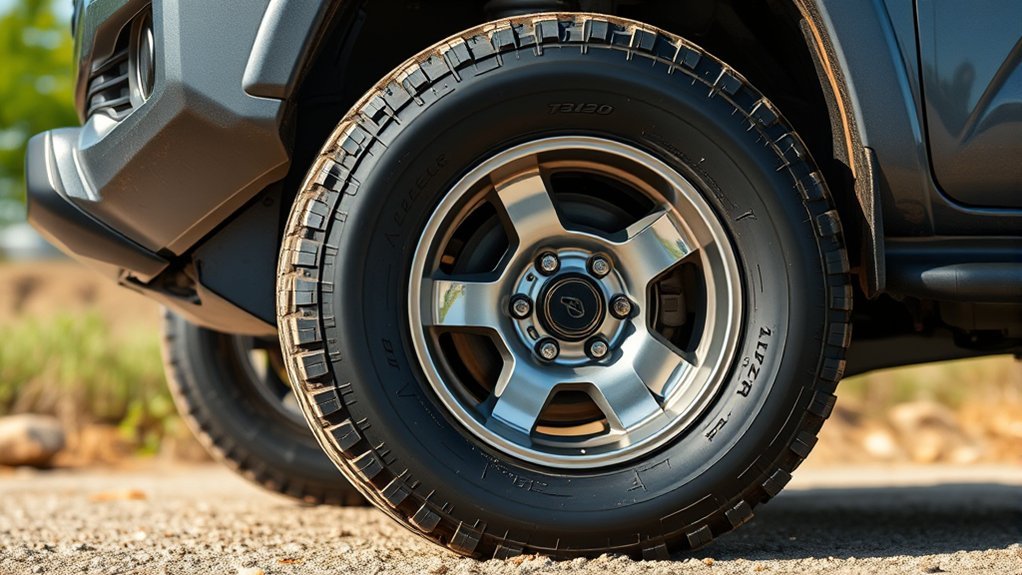
Wheel offset is the distance between the wheel’s centerline and the hub mounting surface. Tire Rack explains wheel offset as positive, zero, or negative depending on where that mounting surface sits compared with the wheel centerline.
- Positive offset: The mounting surface is closer to the wheel face, which usually tucks the wheel farther inward.
- Zero offset: The mounting surface is roughly even with the wheel centerline.
- Negative offset: The mounting surface is closer to the back lip of the wheel, which pushes the wheel and tire outward.
On a Tacoma, negative offset is popular because it gives the truck a wider, more planted look. The tradeoff is that the tire now swings through a different path when you turn. That can create contact with the fender liner, mud flap, bumper edge, body mount area, or suspension parts depending on the exact setup.
Note: Offset is measured in millimeters. Backspacing is related, but it is measured from the hub mounting surface to the inner wheel lip. Two wheels can have the same offset but different inner clearance if the wheel widths are different.
[Products Worth Considering]

EVOULTES heavy duty tire inflator with an integrated gauge delivers accurate pressure readings from 10–120 PSI, helping you inflate, deflate, and check tires in one tool. The 16.5-inch extended dual-head air chuck with swivel base reaches hard-to-access dual wheel valves on trucks and RVs. A brass trigger core and side-mounted air release valve make operation smooth, with standard 1/4" NPT threading and quick-connect compatibility for easy setup.

Universal magnetic jack pad with aluminum grooved design to protect vehicle pinch welds during lifting. Durable nylon pad inserts are upgraded and secured with screws to resist damage and keep in place. Designed to fit most single vehicle pinpoint welds for safer, stable jacking when changing tires, repairs, or performing oil changes.

This roadside assistance kit helps drivers and passengers in urgent situations after an accident or breakdown, providing practical support while waiting for help. It includes a lightweight, compact tire inflator for fast inflation of standard vehicle tires, plus reinforced jumper cable protection for safer handling. Ideal for winter weather, road trips, camping, and travel, with everything stowed neatly in a trunk bag.
How Negative Offset Affects Vehicle Stance and Handling
Negative offset changes your Tacoma’s stance by pushing the wheels outward. That wider look can be great for trail builds and appearance, but it also changes steering leverage and clearance. The more aggressive the offset, the more carefully you need to check fitment.
Wheel Stance Alterations
Negative offset gives your Tacoma more poke, which means the tire sits farther outside the factory wheel-well position. This can make the truck look wider and more aggressive. It may also help clear some inner suspension components with certain wheel and tire combinations.
However, moving the tire outward can create new outer-side rubbing. A tire that clears the upper control arm may still rub the fender liner, bumper corner, mud flap, or body mount area at full steering lock or when the suspension compresses off-road.
Suspension Component Strain
Deep negative offset increases leverage on the hub, wheel bearings, ball joints, and steering components. A mild offset change is usually easier to manage. A deep negative setup with heavy tires can make steering feel heavier and can speed up wear if the truck is driven hard or aligned poorly.
Warning: Do not choose wheels only by appearance. Toyota’s owner materials and tire placard should guide tire pressure and vehicle-specific tire information, and replacement tires must have proper load capacity for the truck. Check the Toyota Tacoma owner manual resources and the tire information label before changing sizes.
Handling Dynamics Changes
Negative offset can make the truck feel wider and more stable in some situations, but it can also change scrub radius and steering feedback. That may lead to more road feel, heavier steering, wandering, or tramlining on uneven pavement. It does not lower the Tacoma’s center of gravity, and it does not automatically improve grip.
The tire contact patch is affected more by tire size, construction, load, and inflation pressure than by offset alone. For tire safety, NHTSA recommends maintaining proper tire pressure, observing vehicle and tire load limits, and inspecting tires regularly.
What Rubbing Issues Can You Expect With Negative Offset?
Rubbing is the most common downside of aggressive negative offset Tacoma wheels. The tire may clear while parked but rub when backing up, turning into a driveway, braking, or flexing off-road. Always check fitment under real steering and suspension movement, not only while the truck is sitting straight.
Common Tacoma rubbing points include:
- Front fender liners: especially near the rear of the front wheel well.
- Mud flaps: common with wider tires and more poke.
- Front bumper edge or valance: more likely with taller tires.
- Body mount or cab mount area: often a concern with wider 33-inch-style setups on older Tacomas.
- Upper control arms: more common with high positive offset or wide tires tucked inward, but still worth checking.
- Outer fender edge: possible with deep negative offset and wide tires.
If rubbing is mild, a fender-liner push, mud-flap removal, small trim, or alignment adjustment may solve it. If rubbing is severe, you may need different wheels, narrower tires, more lift, aftermarket upper control arms, or professional body clearance work.
Pro Tip: Before buying wheels, compare the new wheel width, offset, and tire size against your current setup. A wheel that is both wider and more negative can move the outer tire edge much farther outward than the offset number alone suggests.
How to Choose Negative Offset for Your Tire Size
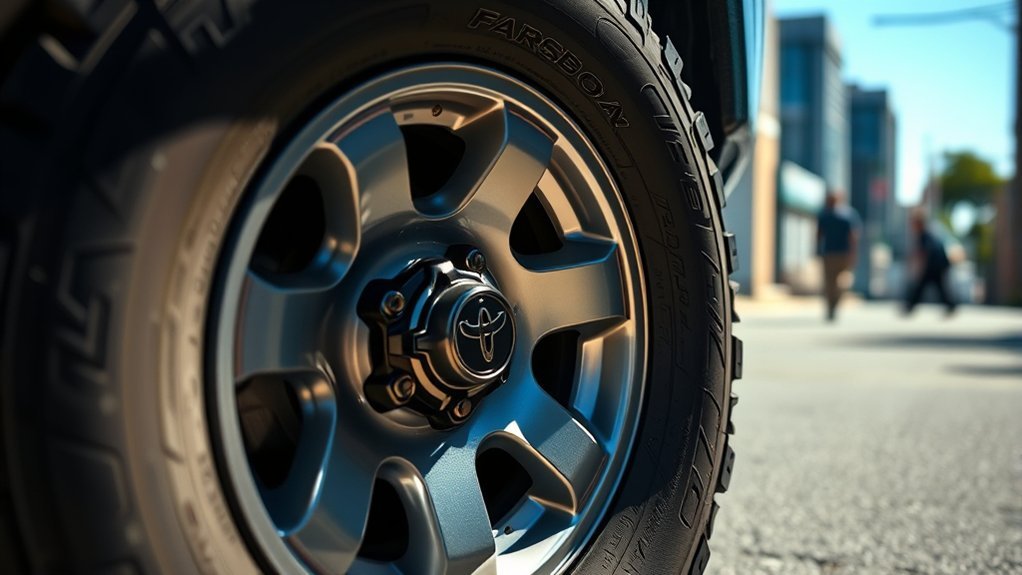
The safest way to choose negative offset is to start with your tire size and how you use the truck. A daily-driven Tacoma usually benefits from a more conservative wheel position. A trail-focused Tacoma can run a more aggressive setup, but it may need trimming, alignment work, and more frequent suspension inspection.
| Offset Style | Typical Use | Fitment Risk |
|---|---|---|
| Mild positive to near stock | Best for daily driving and low-drama fitment | Lowest |
| Zero to mild negative | Balanced stance with moderate poke | Moderate |
| -12mm to -25mm | Aggressive trail or overland stance | Higher; expect careful checking |
| Deep negative, such as -38mm or more aggressive | Show-style poke or heavily modified builds | Highest; trimming and drivability tradeoffs are likely |
For smaller tire upgrades, a mild offset is easier to fit. For 285-width or 33-inch-style tires, negative offset can quickly create rubbing at the rear of the front wheel well, mud flaps, or body mount area. A lift helps vertical clearance, but it does not magically change the tire’s turning arc.
Pros and Cons of Using Negative Offset Wheels on Tacoma
| Pros | Cons |
|---|---|
| Wider, more aggressive stance | Higher chance of fender liner, mud flap, or body mount rubbing |
| Can help some setups clear inner suspension parts | Can increase steering effort and road feedback |
| Popular look for off-road and overland builds | Can add stress to bearings, hubs, and front-end components |
| More room for certain wider wheel designs | May require trimming, lift parts, alignment changes, or wider fender coverage |
Negative offset is worth it when you want the look and understand the tradeoffs. It is not the best choice if you want quiet daily driving, stock-like steering, no trimming, and minimal suspension wear.
[Products Worth Considering]

Keep RV, trailer, or truck dual-axle tires protected with waterproof, UV-resistant covers that help guard against sunlight, snow, rust, and dirt. The dual tire covers are easy to install with a rope/bungee fastener for a stable fit that won’t easily slip. Designed for 27–30 inch diameter wheels, they help maintain tire condition through harsh weather.
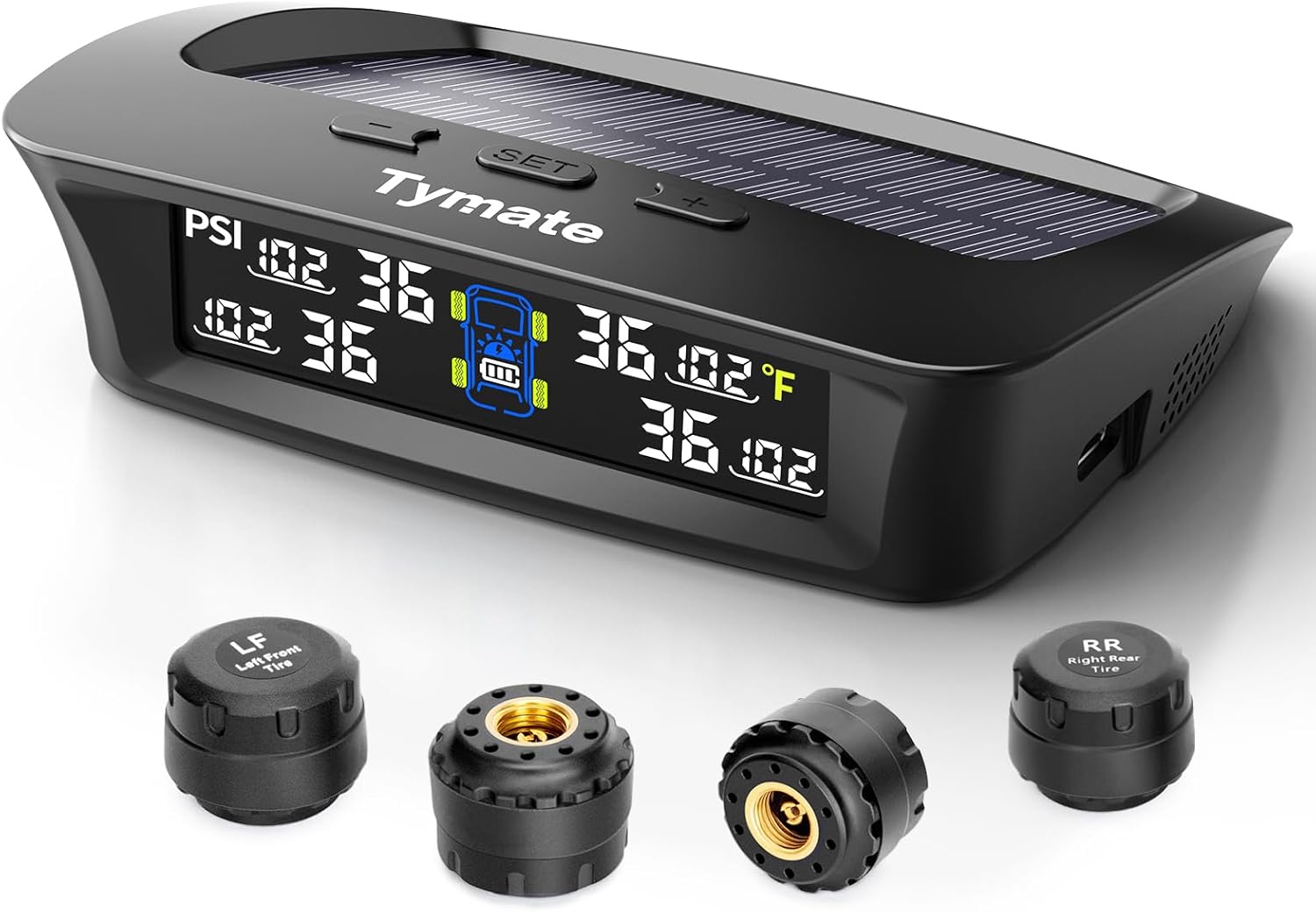
The Tymate TM3 RV TPMS delivers real-time tire pressure monitoring from 0 to 144 PSI with accurate readings and dependable wireless communication. It includes four external sensors with pre-pairing, six alarm modes for rapid leak, pressure extremes, temperature, and signal loss, plus an easy-reference setup for alert thresholds. Solar and USB-C charging help keep the display powered, while the color LCD and adaptive backlight improve visibility for safer driving and towing.
Modifications for Better Fitment
Good fitment is about the whole wheel-and-tire package, not only the offset number. Before installing aggressive negative offset wheels, check your current wheel specs, new wheel specs, tire size, load rating, and suspension setup.
Tire Size Considerations
Here is a practical way to think about common Tacoma tire upgrades:
- 265-width tires: Usually the easiest upgrade range and often the best choice for daily driving with minimal rubbing risk.
- 275-width tires: A good middle ground, but may need minor fender liner or mud flap adjustment depending on offset.
- 285-width tires / many 33-inch-style setups: Much more sensitive to offset, wheel width, caster, and lift height. Expect to test carefully.
- Wide 33s or deep negative wheels: Most likely to need trimming, lift parts, alignment changes, or professional clearance work.
Also check the load index and speed rating. The federal tire/rim standard at 49 CFR 571.110 covers tire selection and rim information for vehicles under 10,000 pounds GVWR, including requirements tied to load-carrying information. In plain English: do not install a tire that cannot safely carry the Tacoma’s required load.
Suspension Upgrades Needed
A lift or leveling kit can help with vertical clearance, but it does not solve every rubbing problem. Because the tire moves in an arc while steering, you still need to check front and rear clearance inside the wheel well.
Helpful modifications may include:
- Alignment and caster adjustment: More positive caster can help move the tire away from the rear of the front wheel well, within safe alignment limits.
- Fender liner push or trim: Useful for mild liner contact.
- Mud flap removal or trimming: Common when wider tires rub at full lock.
- Aftermarket upper control arms: Helpful when lift height and alignment goals require more adjustment range.
- Professional body clearance work: Needed only when the tire contacts structural or difficult areas.
Note: Whenever wheels are replaced, make sure the TPMS sensors are installed and working correctly. The Toyota Tacoma tire inflation information should be checked along with the driver-door tire placard.
How to Check Negative Offset Fitment Before You Drive
Use this quick checklist after test-fitting one front wheel and tire:
- Check straight-ahead clearance: Look at the upper control arm, brake components, inner liner, and outer fender.
- Turn full lock left and right: Check the front and rear of the tire, especially mud flaps and fender liners.
- Reverse at full lock: Many rubbing issues show up when backing up, not only while moving forward.
- Compress the suspension: Drive slowly into a driveway angle or use a safe articulation test if you know what you are doing.
- Inspect for marks: Fresh shiny plastic, rubbed paint, or tire scuffs show contact points.
- Torque the lugs properly: Use a torque wrench and recheck after the first short drive.
- Set tire pressure cold: Use the Tacoma placard/manual guidance and tire manufacturer guidance for the tire you installed.
- Schedule an alignment: Do this after lift, tire, or wheel changes so toe and caster are correct.
The best Tacoma wheel offset is not the most negative number you can buy. It is the offset that gives you the stance you want while still clearing at full lock, under compression, and during daily driving.
Frequently Asked Questions
What do negative offset wheels do on a Tacoma?
Negative offset wheels move the tire outward from the Tacoma’s hub. This creates a wider stance and more visible poke, but it also increases the chance of rubbing and can change steering feel.
Is negative offset bad for a Toyota Tacoma?
Negative offset is not automatically bad, but deep negative offset can add stress to hubs, bearings, steering, and suspension parts. Mild offset changes are usually easier to manage than aggressive poke.
Will -12 offset wheels rub on a Tacoma?
They can, but it depends on tire size, wheel width, lift height, caster, and the Tacoma generation. A -12mm wheel with a narrow tire may clear better than a wider wheel with a 285-width tire.
Do I need a lift for negative offset wheels?
Not always. Negative offset wheels can be installed without a lift if the tire size is conservative. Larger tires, especially 33-inch-style setups, are more likely to need a lift, trimming, or alignment changes.
Does negative offset improve off-road performance?
It can help with stance and certain clearance goals, but it does not automatically improve traction. Off-road performance depends more on tire choice, tire pressure, suspension travel, gearing, driver skill, and clearance.
What is the safest offset for a daily-driven Tacoma?
For a daily driver, stay close to stock or use a mild setup near zero offset rather than deep negative offset. This usually keeps steering feel, tire wear, and rubbing risk easier to control.
Conclusion
Negative offset wheels can give your Toyota Tacoma the wider stance many owners want, but the best setup is the one that clears safely and drives well. Choose offset together with wheel width, tire size, lift height, caster, load rating, and real clearance checks. If you want a clean daily driver, stay mild. If you want an aggressive trail stance, expect more testing, trimming, and maintenance.
Sources
- Tire Rack: What Is Wheel Offset? — backs up the definition of positive, zero, and negative wheel offset.
- Toyota Owners: 2024 Tacoma Manuals and Warranties — official Toyota manual portal for Tacoma owner information.
- Toyota Owners: 2024 Tacoma Tire Inflation Pressure — supports checking vehicle-specific tire-pressure information.
- NHTSA TireWise — supports tire-pressure, load-limit, inspection, and general tire-safety guidance.
- 49 CFR 571.110 — federal tire selection, rim, and load-carrying information requirements.

Related Articles
How Tire Weight Affects Toyota Tacoma Performance
How does tire weight influence your Toyota Tacoma's performance and efficiency? Discover the surprising effects that could change your driving experience.
Read More
Tire Noise Levels by Tire Type on a Toyota Tacoma
A comprehensive look at how tire types affect noise levels in your Toyota Tacoma reveals surprising insights that could enhance your driving experience.
Read More
How To Choose Tires for a Dual Use Toyota Tacoma
Unlock the secrets to selecting the perfect tires for your dual-use Toyota Tacoma, ensuring optimal performance and comfort on every adventure. Discover more inside!
Read More