
Symmetric Tire Tread: 5 Pros, Limits & Rotation Tips
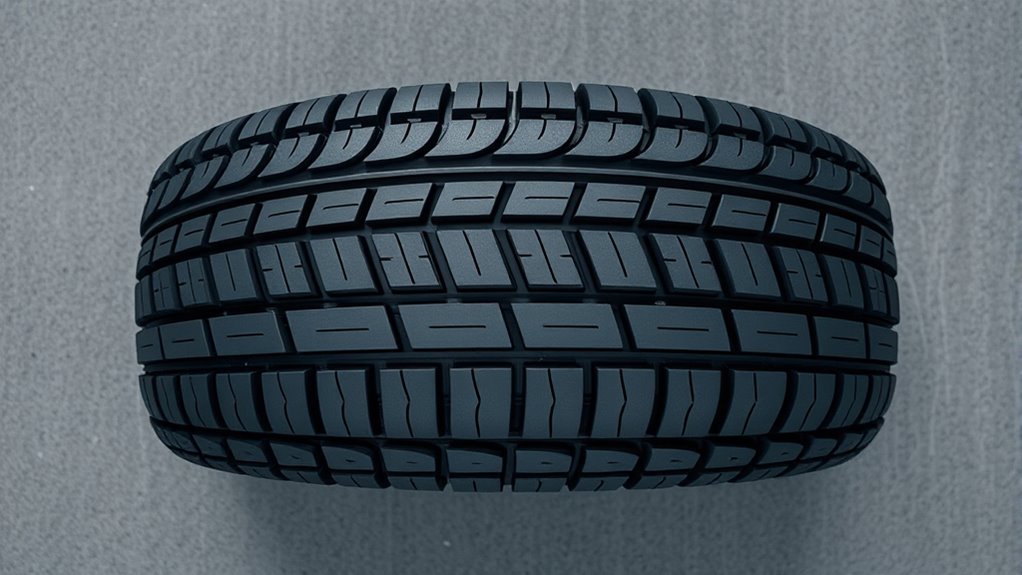
Symmetric tire tread can save you money, but it isn’t the right fit for every driver. It gives you a simple mirror-image pattern with predictable handling, low road noise, and even wear for daily driving. In this guide, you’ll learn when symmetric tread makes sense, where it falls short, and how to mount, rotate, and inspect these tires with confidence.
Quick Answer
Symmetric tire tread uses the same pattern across both sides of the tire. It works well for daily drivers who want quiet rides, simple rotation, and lower replacement costs. Choose another tread type if you need stronger wet grip, winter traction, or high-speed cornering performance.
Key Takeaways
- Choose symmetric tread when you value comfort, quiet driving, and easy tire care.
- Rotate symmetric tires on schedule to help the tread wear evenly.
- Check the sidewall before mounting because some tires still carry direction or outside markings.
- Upgrade to directional or asymmetrical tread if you often drive in heavy rain, snow, or sharp corners.
Should You Choose Symmetric Tire Tread?
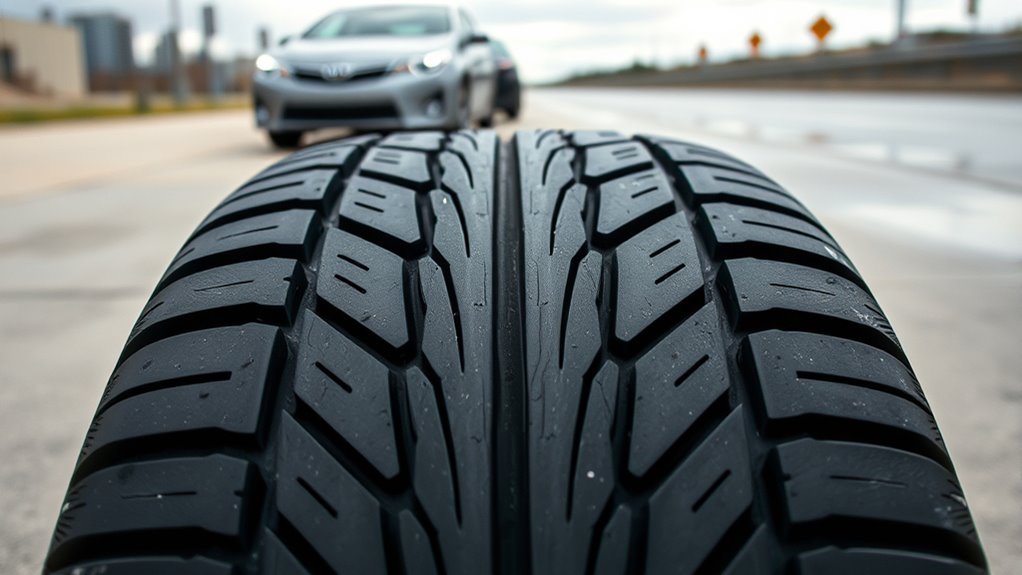
Choose symmetric tire tread if you want predictable handling, cost-efficient performance, and simple upkeep. Symmetric patterns use a uniform tread design across the tire face, so they usually suit city streets, daily commutes, and light highway use.
This tread type also makes maintenance easier. Many symmetric tires allow simple rotation patterns, which can help spread wear across all four tires.
Still, symmetric tread has limits. If you need strong wet traction, winter grip, or sport-style handling, directional or asymmetrical tread often gives you better control.
How Symmetric Tire Tread Works
Symmetric tread uses a repeating pattern that looks the same on both sides of the tire’s centerline. You’ll often see continuous ribs, matching tread blocks, and grooves that repeat across the tire.
This balanced layout helps the tire keep steady road contact. It also supports a quiet ride because the tread blocks hit the road in a more even pattern than some aggressive designs.
Small slits in the tread, called sipes, can improve grip on damp roads. Grooves help move water away from the contact patch, but symmetric tread does not usually clear water as well as directional tread.
Strengths and Limits: Comfort, Longevity, Wet, and Winter Performance
Symmetric tread works best when you want a smooth, quiet, and easy-to-manage tire. The even design can reduce road noise and give you steady steering feedback during normal driving.
The uniform pattern also helps the tire wear more evenly when you rotate it on time. That can support longer tread life and lower your total tire cost.
You still need to understand the tradeoffs. In heavy rain, some symmetric tires may move less water than directional tread, which can raise the risk of hydroplaning.
Winter traction can also fall short. Symmetric all-season tires may handle light cold-weather use, but they do not replace winter tires in snow, ice, or freezing conditions.
Warning: Replace or inspect tires right away if you see bulges, exposed cords, deep cuts, or severe uneven wear.
Choosing Symmetric Tires: Vehicle, Driving Habits, and Budget
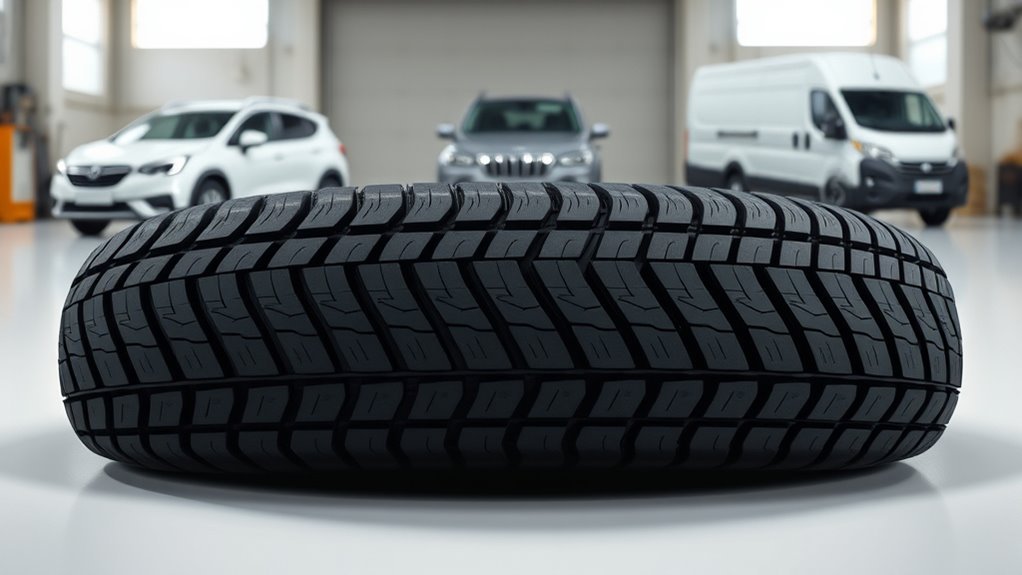
Match symmetric tires to your vehicle and daily use. They often fit everyday passenger cars, compact cars, sedans, and light crossovers used for city and highway driving.
Think about how you drive most days. If you commute, run errands, and drive at moderate speeds, symmetric tread can give you a good mix of comfort, value, and control.
If you often face heavy rain, steep roads, snow, or spirited driving, consider a more specialized tread design. Your tires should match the hardest conditions you expect, not just your average trip.
Vehicle Compatibility
Symmetric tires suit drivers who want predictable, low-maintenance performance. Before buying, check tire size, load index, speed rating, and the vehicle maker’s tire guidance.
- Sedans and compacts: Choose them for even wear and routine daily driving.
- Urban commuters: Use them for lower road noise and a comfortable ride.
- Light-duty crossovers: Pick them for non-performance driving and normal roads.
- Fleet or shared vehicles: Use them when simple rotation and lower upkeep matter.
- Budget replacements: Choose them when you want dependable daily traction at a lower cost.
Budget and Driving Habits
Symmetrical tires often cost less than asymmetrical or directional tires. Their simple tread design can also make replacement and rotation easier.
They fit drivers who value comfort, lower noise, and basic traction more than sport response. You’ll get the most value when you keep them inflated, aligned, and rotated on schedule.
If you drive fast, corner hard, or often face standing water, don’t choose only by price. A tire with stronger wet or performance traits may give you better control.
How to Mount and Rotate Symmetric Tires Correctly
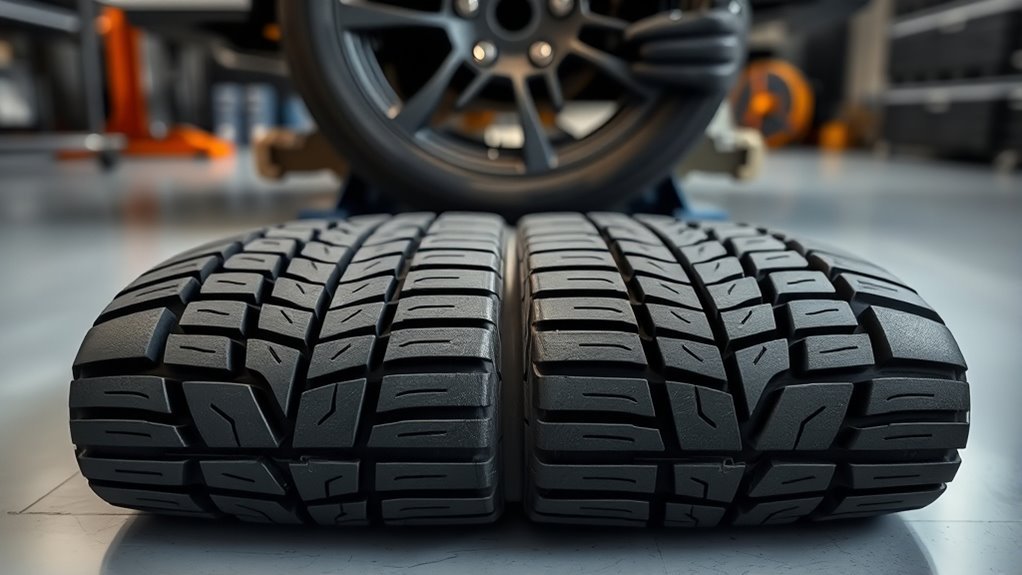
Mounting and rotating symmetric tires is usually straightforward, but you still need to check the sidewall first. Some tires have markings that affect how the installer should place them.
Set tire pressure to the vehicle maker’s recommended level, not the maximum pressure printed on the tire. You can usually find the vehicle recommendation on the driver-side door placard or in the owner’s manual.
Rotate tires every 5,000 to 7,500 miles, or follow your vehicle maker’s schedule. Inspect tread depth, sidewalls, and wear patterns during each rotation.
Correct Mounting Orientation
Because symmetrical tread looks the same across the tire, many symmetric tires can face either direction. Still, you should always check for arrows, outside labels, or other sidewall markings before installation.
- Check the sidewall for arrows, outside markings, or mounting labels.
- Confirm the bead seats correctly during installation.
- Torque lug nuts to the vehicle maker’s specification.
- Set pressure to the vehicle placard recommendation.
- Inspect each tire for cuts, cracks, bulges, and uneven wear.
Rotation Patterns Explained
Symmetric tires can often use front-to-back, back-to-front, or cross rotation patterns. The best pattern depends on drivetrain, tire size, and whether all four tires match.
Front-wheel-drive vehicles often wear front tires faster because they handle steering and power delivery. Rear-wheel-drive and all-wheel-drive vehicles may need different rotation patterns, so follow the owner’s manual.
Document tread depth at each position during service. Uneven wear may point to low pressure, poor alignment, worn suspension parts, or driving habits that stress one axle.
Pro tip: Check tire pressure at least monthly and before long trips because pressure changes with temperature and use.
When to Upgrade to Asymmetrical or Directional Tread
Upgrade from symmetric tread when your driving conditions demand more grip or water control. Asymmetrical tread uses different inner and outer tread zones to balance wet grip, dry handling, and cornering support.
Directional tread uses a one-way pattern, often shaped to move water away from the tire. This design can help in heavy rain, but it requires correct mounting direction.
- Choose asymmetrical tread if you want sharper dry handling and balanced wet-road grip.
- Choose directional tread if you often drive through heavy rain or standing water.
- Choose winter tires if you regularly face snow, ice, or freezing temperatures.
- Choose performance tires if you drive at higher speeds or value quick steering response.
- Choose symmetric tread if comfort, price, and simple upkeep matter most.
The right upgrade depends on your roads, weather, vehicle, and driving style. Don’t treat tread pattern as the only factor, since rubber compound and tire category also affect grip.
Quick Checklist and Next Steps: Inspect, Replace, or Ask a Pro
Start with a simple tire check. Measure tread depth across several grooves, look for uneven wear, and inspect the sidewalls for cracks, cuts, or bulges.
Replace tires when tread depth reaches 2/32 inch, or sooner if traction feels poor in wet conditions. Many drivers replace tires before the legal minimum because braking and water control drop as tread wears down.
Check the tire’s Department of Transportation (DOT) date code if the tire looks old. Tires can age even when tread depth looks acceptable, so ask a tire professional to inspect older tires.
- Measure tread depth across the inner, center, and outer grooves.
- Look for one-sided wear that may signal alignment issues.
- Check pressure when tires are cold.
- Rotate tires on the recommended schedule.
- Ask a tire shop to inspect damage or age-related cracking.
Frequently Asked Questions
What Tire Tread Pattern Is Best?
The best tire tread pattern depends on your needs. Choose asymmetrical tread for balanced wet and dry performance, directional tread for wet-road water control, or symmetrical tread for quiet and economical daily use.
What Is the Difference Between Asymmetric and Symmetric Tires?
Asymmetric tires use different tread zones across the tire face. Symmetric tires use a uniform pattern, which supports predictable handling, simple rotation, and even wear.
Can You Rotate Symmetric Tires in Any Direction?
You can often rotate symmetric tires in several patterns, including front-to-back or cross rotation. Always check the tire sidewall and vehicle owner’s manual before choosing a rotation pattern.
Are Symmetric Tires Good for Rain?
Symmetric tires can handle normal wet roads when they have enough tread depth and proper pressure. Directional or asymmetrical tires often perform better in heavy rain because they may clear water more effectively.
Are Symmetric Tires Good for Winter Driving?
Symmetric all-season tires may handle mild cold-weather driving, but they don’t replace true winter tires. Use winter tires if you often drive on snow, ice, or roads below freezing.
Conclusion
Symmetric tires give you quiet comfort, simple maintenance, and strong value for everyday driving. Keep them inflated, rotate them on schedule, and inspect tread wear before small issues turn into costly problems. If your roads, weather, or driving style demand more grip, choose a tread pattern built for that job. The best tire is the one that matches how and where you actually drive.

Related Articles

What Does THE P Stand For on a Tire? Full Meaning Explained
I’ll explain what the “P” on a tire really means and why it could change how you choose your next set.
Read More
How to Use a Tubeless Tire Repair Kit: Complete Field Guide
Learn how to fix tubeless tire punctures fast with the right kit, because one small mistake can leave you stranded on the trail.
Read More
How to Tell a Tire’s Diameter: Easy Guide to Reading Tire Size
Want to decode tire sidewall numbers and find the right diameter, but wonder what those hidden digits really mean?
Read More