
Best UHP Winter Tires 2026: Top 6 Performance Picks
Disclosure: As an Amazon Associate, we earn from qualifying purchases. If you click an Amazon link on this page and make a purchase, we may receive a small commission at no extra cost to you.
Choosing UHP (Ultra-High Performance) winter tires is about more than “snow grip.” These tires are designed for drivers who want sharper handling, stable braking, and better cold-weather control while still staying confident in slush, wet snow, and icy patches. This guide highlights six strong UHP winter tire options for 2026, with clear guidance on who each one fits best.
Quick Verdict
For most performance-focused winter drivers, Pirelli P Zero Winter 2 and Michelin Pilot Alpin 5 are the premium sport-focused picks. Choose Continental WinterContact TS 870 P for balanced comfort and control, Goodyear UltraGrip Performance 3 for quiet EV-friendly winter driving, Bridgestone Blizzak LM005 for wet and slushy roads, and Hankook Winter i*cept evo3 for strong value and snow control.
Quick Comparison: Best UHP Winter Tires for 2026
| Tire | Best For | Main Strength | Watch Out For | Amazon |
|---|---|---|---|---|
| Pirelli P Zero Winter 2 | Sporty winter driving | Sharp handling with strong snow and wet grip | Grip-focused tires may wear faster with aggressive driving | Check Price |
| Michelin Pilot Alpin 5 | Premium snow and ice confidence | Balanced grip, comfort, and high-speed stability | Premium positioning usually means a higher upfront cost | Check Price |
| Goodyear UltraGrip Performance 3 | Quiet daily driving and EV-friendly use | Wet-road confidence, comfort, and low noise focus | Confirm load index and EV fitment for your exact vehicle | Check Price |
| Continental WinterContact TS 870 P | Balanced winter performance | Snow, wet-road, dry-road, and comfort balance | Not always the sportiest steering feel in every size | Check Price |
| Bridgestone Blizzak LM005 | Wet, slushy winter roads | Wet braking and hydroplaning resistance | Dry-road feel is more safety-focused than sporty | Check Price |
| Hankook Winter i*cept evo3 | Strong value and snow control | Snow traction, slush control, and predictable handling | May be louder than some premium rivals | Check Price |
[Products Worth Considering]

Measure tire tread depth quickly and accurately with this LUMITECO dial gauge that reads in 1/32" increments up to 14/32". The color-coded green/yellow/red zones make it easy to judge tire wear and know when replacement is needed. A rugged, compact design with a protective pouch helps keep the gauge ready for use on cars, trucks, motorcycles, and more.

Milton S-921 pencil tire pressure gauge helps you maintain optimal tire pressure for passenger cars with accurate readings in PSI and kPa. It features a built-in deflator valve for convenient pressure adjustments, plus a single chuck head and nylon indicator bar for easy use on the go. Built from durable plated brass and designed for reliable performance, it’s a practical road trip and cold-weather maintenance tool.

Monitor tire tread wear with a smart, color-coded depth gauge that shows clear condition ranges at a glance. The bar is range marked for fast, easy readings, helping you maintain safer traction and performance. Each gauge is portable with a pocket clip, and the set includes 20 units for daily use and sharing.
❄️ What “UHP winter tires” means and who should buy them
UHP winter tires are built for vehicles that prioritize performance even in cold conditions, such as sporty sedans, performance coupes, luxury cars, performance SUVs, and some EVs. Compared with typical winter tires, UHP models usually target:
- More responsive steering without giving up winter traction
- Better stability at higher speeds on cold, cleared roads
- Consistent wet braking for rain, slush, and freezing drizzle
- Comfort and lower noise for daily winter commuting
- Winter-certified grip when the tire carries the correct severe-snow marking for your market
They are ideal if you drive mostly on plowed roads but still encounter snow, ice, slush, and below-freezing temperatures often enough that a true winter tire makes sense. If your priority is maximum tread life over sporty steering, compare these options against touring winter tires as well.
🧠 How to choose the right UHP winter tire
Use this checklist before comparing prices or clicking a tire listing:
-
Confirm your exact tire size
Check the tire placard on the driver-side door jamb, your owner’s manual, or the size printed on your current tires. -
Match load index and speed rating
UHP winter tires come in many load and speed ratings. Choose a tire that meets your vehicle’s requirements. -
Look for the right winter marking
For winter use, look for the Three-Peak Mountain Snowflake (3PMSF) marking where applicable. -
Think about your winter mix
Mostly icy and packed snow: prioritize ice braking and snow traction. Lots of wet slush and freezing rain: prioritize wet braking and hydroplaning resistance. -
Decide on comfort vs. sporty feel
Some UHP winter tires feel sharper on dry cold roads, while others focus more on quiet comfort and wet-road safety. -
Check EV, run-flat, and OE fitment if needed
EVs, performance trims, and luxury vehicles may require specific load ratings, XL construction, run-flat versions, or OE-marked tires.
Fitment Note
Amazon listings can vary by size, load index, speed rating, and sidewall marking. Always confirm the exact tire size and specifications before ordering a set.
🏁 Best UHP Winter Tires for 2026
The list below is organized to help you shop faster. Use the “Best for” label and “Watch out” note to match each tire to your roads, vehicle, and driving style.
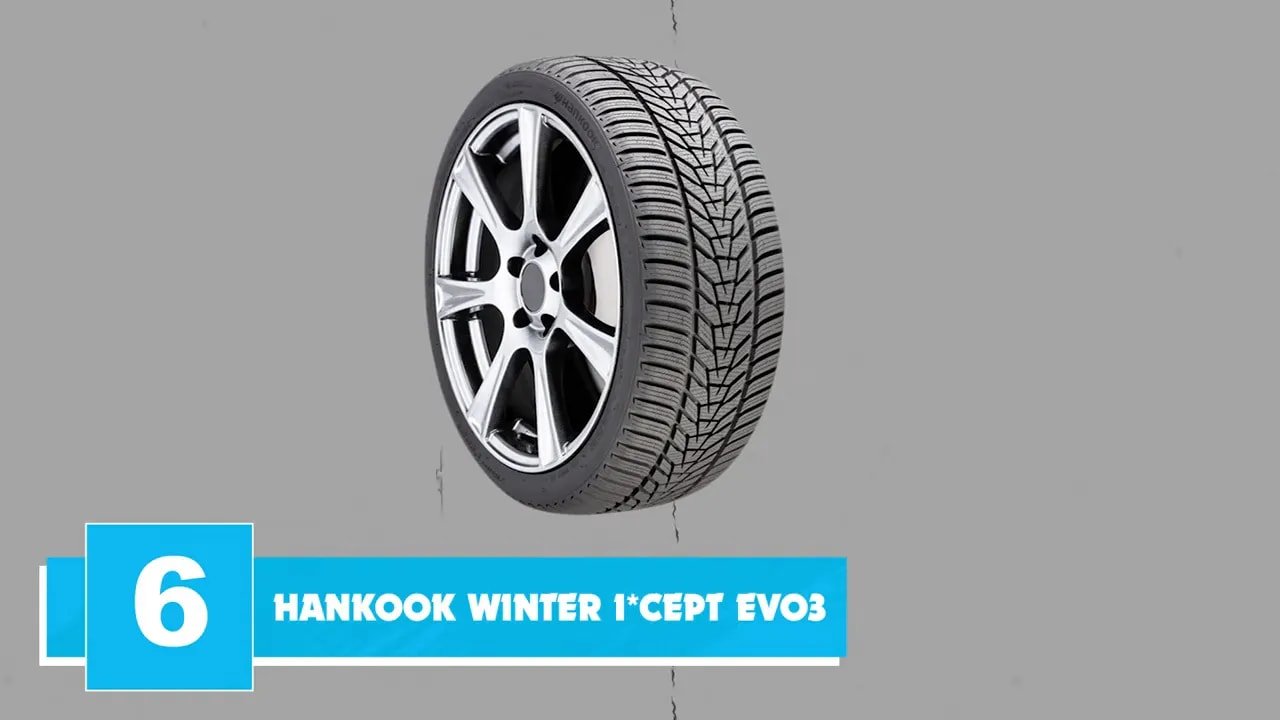
6) Hankook Winter i*cept evo3
Best for: Drivers who want strong overall snow control, confident dry stability, and good value in the UHP winter category.
- Snow and ice control: Designed to support traction, braking, and steering control in winter conditions.
- Slush and wet resistance: The directional tread design helps move water and slush away from the contact patch.
- Dry confidence: A stable shoulder design helps the tire feel predictable when roads are cold but clear.
- Noise consideration: It can be a little louder than some premium comfort-focused rivals, depending on size and vehicle.
- Buyer fit: A sensible pick if you want strong snow confidence without jumping straight to the most expensive premium options.
Why you’ll like it: It gives you a confident winter feel in snow and slush while still keeping enough dry-road stability for daily driving.
Who should avoid it: Skip it if your top priority is the quietest possible premium ride.
Hankook brand note: Hankook offers a broad winter tire lineup across passenger, SUV, and performance categories. For this model, confirm the exact W330 size and specification before buying.
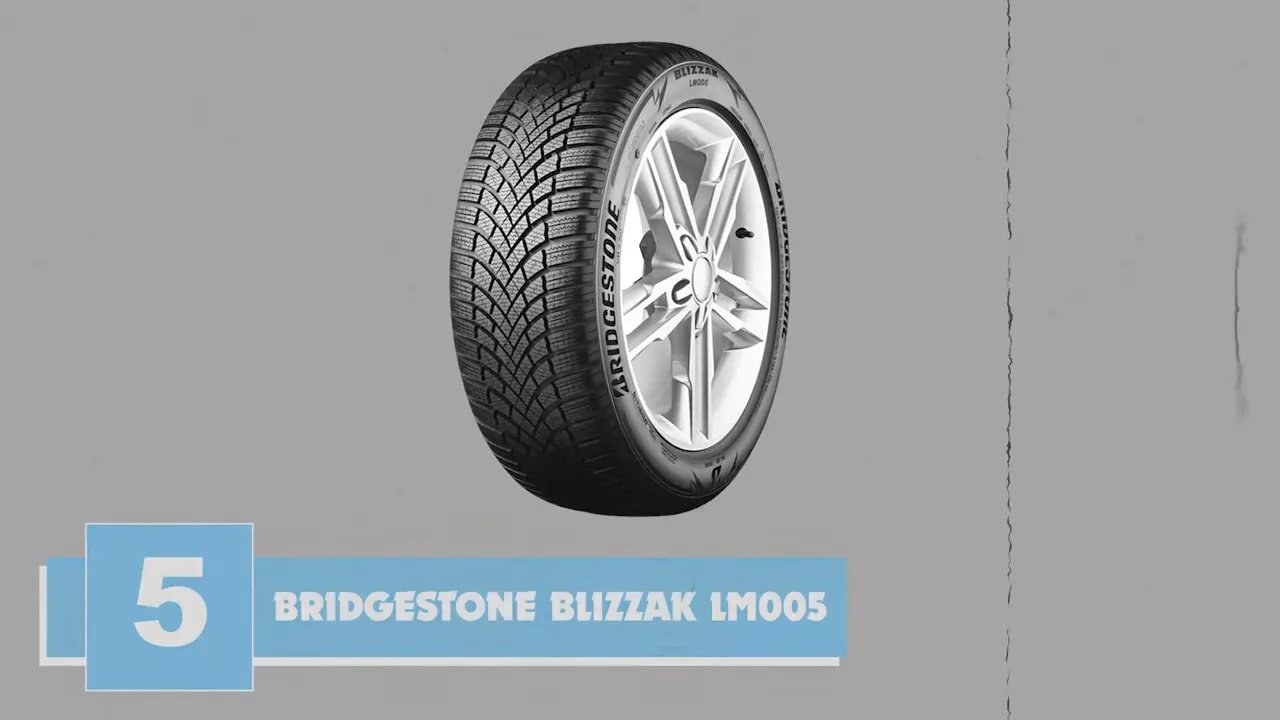
5) Bridgestone Blizzak LM005
Best for: Wet winter driving, especially when your area combines rain, wet snow, freezing drizzle, and slushy roads.
- Wet and wet-snow braking: A strong choice if wet-road control matters as much as snow traction.
- Snow grip: Built as a winter tire for snow and slush, with dependable control for everyday winter routes.
- Comfort advantage: A smooth, composed ride makes it useful for long commutes.
- Dry handling: More safety-minded than sporty, but still stable on cold, cleared roads.
- Wear note: Wet-grip-focused compounds may not be the longest-wearing choice for aggressive dry-road driving.
Why you’ll like it: It helps reduce the nervous feeling you get on cold rain, wet snow, and slush-covered highways.
Who should avoid it: Skip it if you want the sharpest steering feel above everything else.
Bridgestone brand note: Bridgestone’s Blizzak lineup focuses on winter traction and control. Confirm the exact LM005 size, load index, and speed rating before ordering.
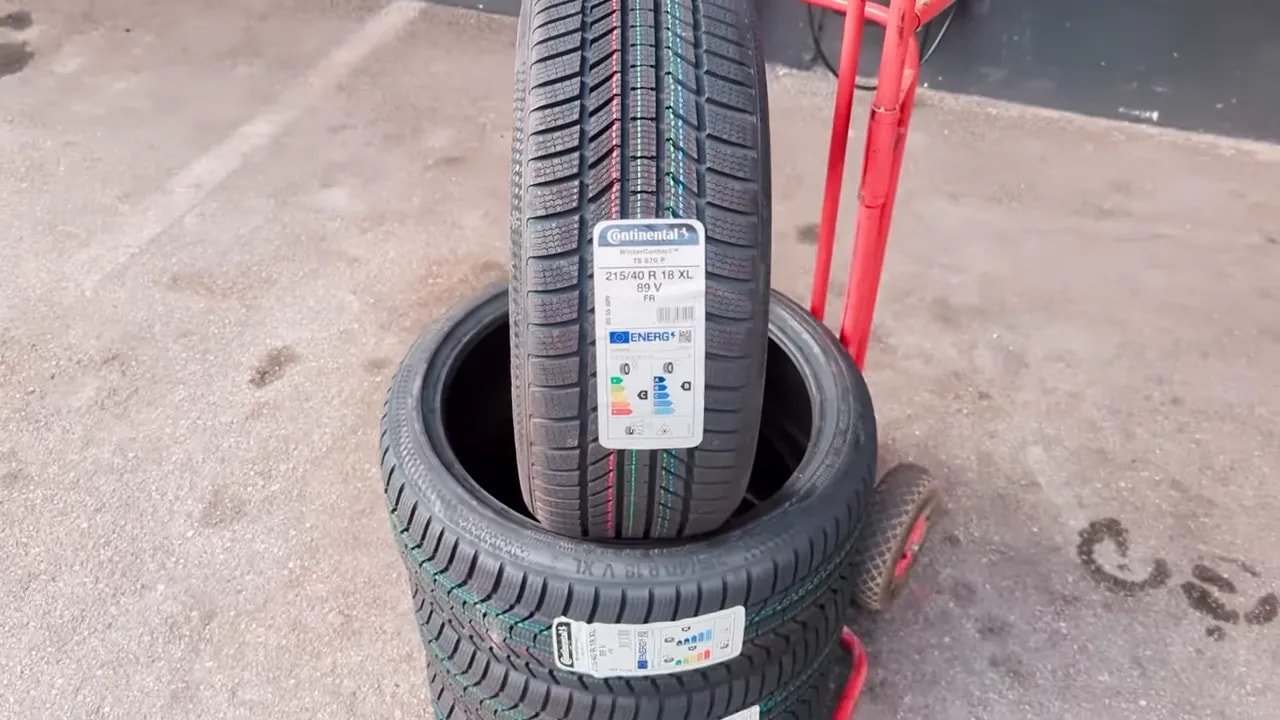
4) Continental WinterContact TS 870 P
Best for: Balanced winter performance across snow, wet roads, and dry cold weather, with strong comfort and low noise.
- All-around winter capability: A strong option if you want one tire that handles many winter surfaces well.
- Rain and snow grip: Designed for winter conditions that include rain, ice, snow, and slush.
- Comfort and quiet: A good fit for drivers who care about daily ride quality.
- Tread life: Often viewed as a durable premium winter option, though actual wear depends on driving style and maintenance.
- Efficiency influence: Lower rolling resistance in some sizes can help reduce energy use compared with less efficient winter tires.
Why you’ll like it: It is the “safe shortlist” tire if you want balanced winter performance without chasing one extreme trait.
Who should avoid it: Skip it if you want the most aggressive sport-tire steering feel in dry cold weather.
Continental brand note: Continental is known for winter compounds, tread design, and comfort-focused engineering. Check whether your size is the TS 870 P version, not a different WinterContact model.
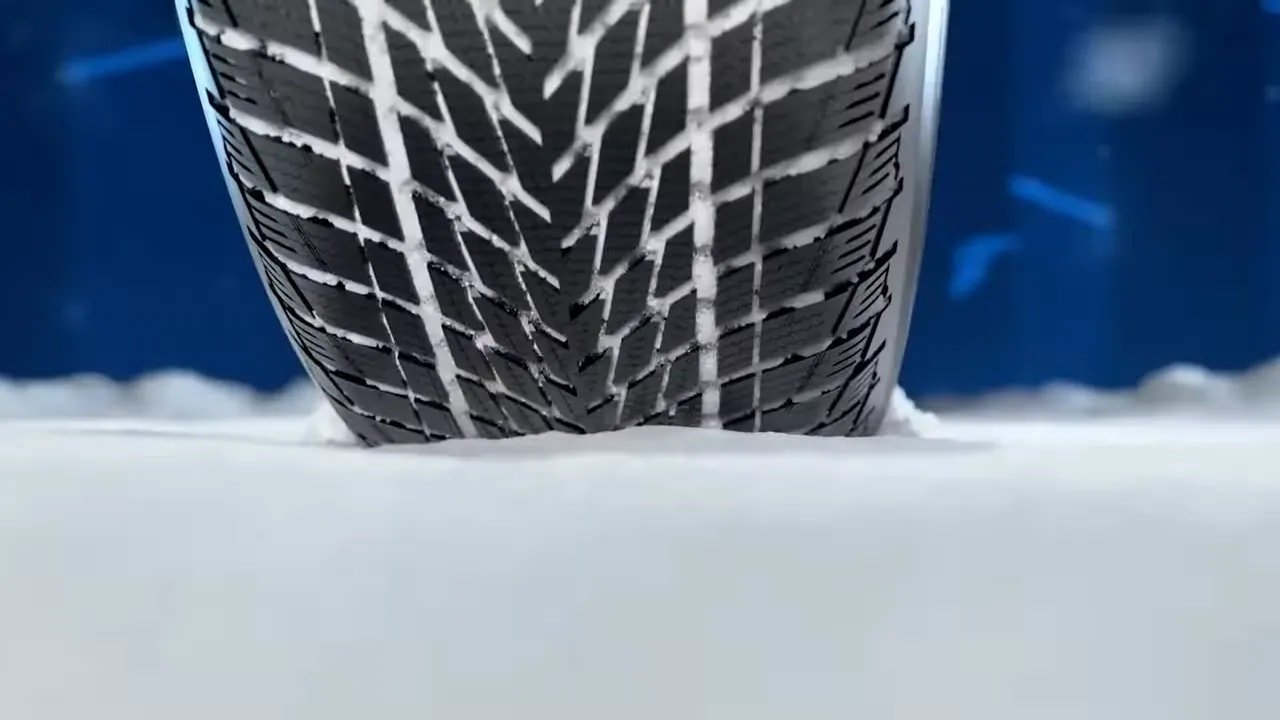
3) Goodyear UltraGrip Performance 3
Best for: Drivers who want confident braking across wet and snowy winter conditions, plus a quiet, smooth ride.
- Wet stopping power: Built to stay controlled in rain, slush, and cold wet roads.
- Snow and ice traction: A strong everyday winter option for drivers who face mixed winter conditions.
- Few weak spots: A good pick when your roads change between wet, snowy, and dry in the same week.
- Comfort and EV suitability: Designed with low noise, reduced rolling resistance, and modern EV demands in mind.
- Fitment caution: EV owners should still confirm load index, XL marking, speed rating, and vehicle approval.
Why you’ll like it: It works well for drivers who want winter confidence without making the car feel harsh or noisy.
Who should avoid it: Skip it if your main goal is the sharpest possible performance feel on dry winter roads.
Goodyear brand note: Goodyear positions the UltraGrip Performance 3 as a winter tire for passenger cars and SUVs, with a focus on winter control, comfort, and EV-ready use.
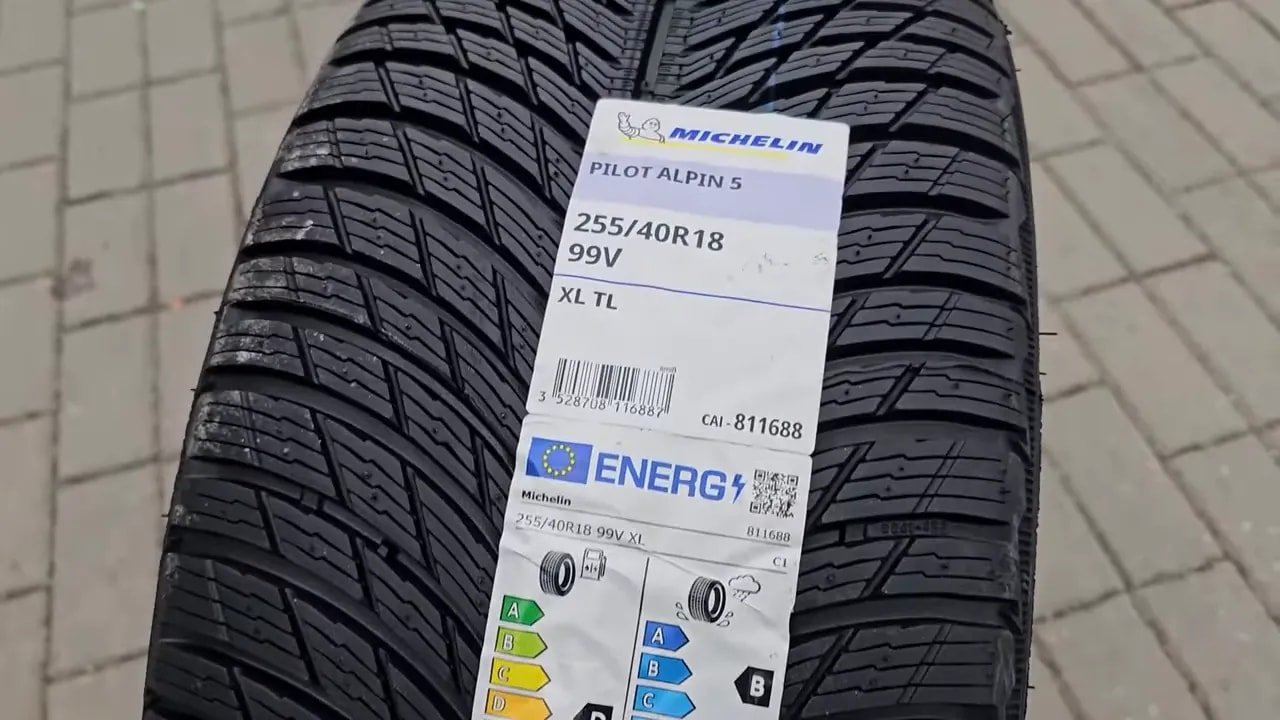
2) Michelin Pilot Alpin 5
Best for: Premium winter drivers who want snow and ice confidence, composed handling, and a refined ride.
- Snow and ice performance: A strong choice when traction, braking, and control matter most.
- All-weather winter confidence: Performs well across snow, dry cold roads, and wet winter pavement.
- Quiet comfort: A good match for luxury vehicles and long winter highway drives.
- Wear expectations: Known as a durable premium winter option, but tread life still depends on rotation, alignment, and driving style.
- Warranty note: Coverage varies by market, tire size, and retailer, so check the current warranty terms before buying.
Why you’ll like it: It blends winter traction with the calm, polished feel many premium-car owners expect.
Who should avoid it: Skip it if you only need a basic winter tire for short low-speed city trips.
Michelin brand note: Michelin focuses heavily on premium tire performance, durability, comfort, and vehicle-specific fitment. Always confirm the exact Pilot Alpin 5 size before ordering.
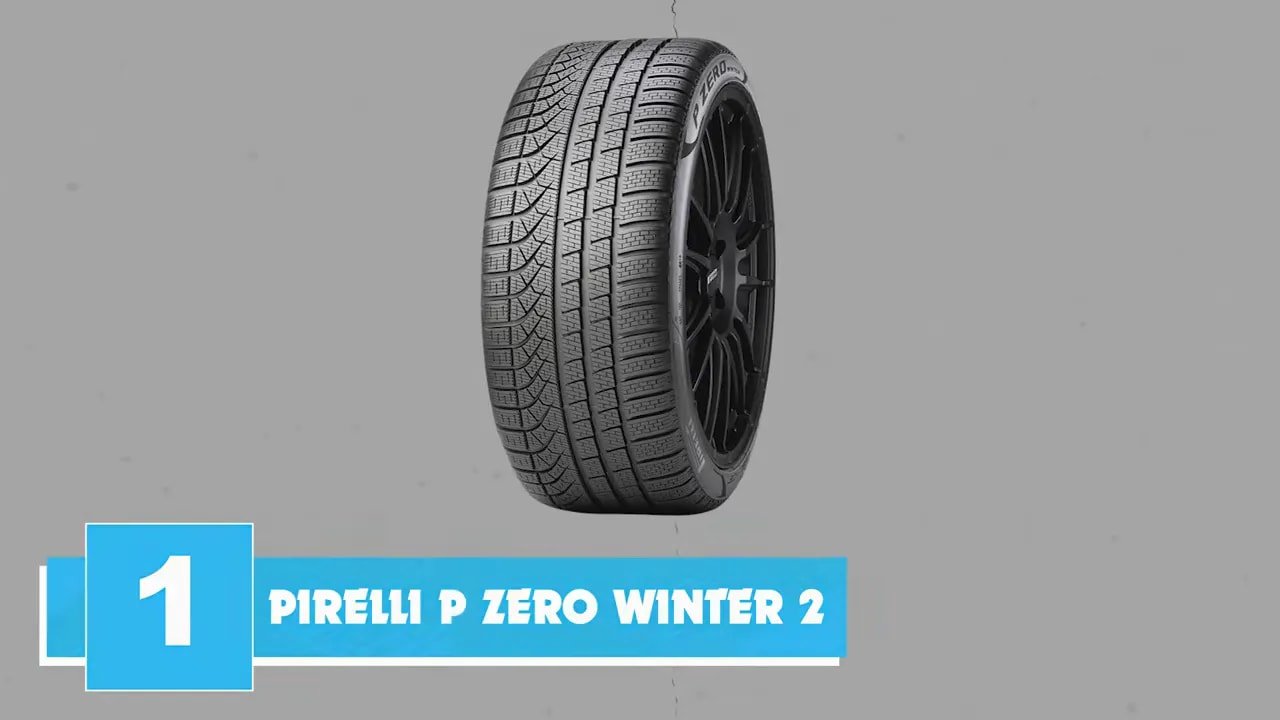
1) Pirelli P Zero Winter 2
Best for: Drivers who want a sportier winter tire feel with strong grip across snow, ice, wet roads, and cold dry pavement.
- Snow traction and braking: A high-performing UHP winter option for drivers who still want a responsive car in winter.
- Ice confidence: Designed to help maintain control on cold, low-grip surfaces when matched correctly to your vehicle.
- Wet performance: A strong match for performance cars that face winter rain, slush, and wet highways.
- Sport-oriented steering: Feels closer to a performance tire than many traditional winter tires.
- Trade-off: Aggressive driving, poor alignment, and warmer winter use can reduce tread life on any grip-focused winter tire.
Why you’ll like it: It gives performance-car drivers the sharper response they want without stepping away from true winter capability.
Who should avoid it: Skip it if you want the longest possible tread life more than sporty winter handling.
Pirelli brand note: Pirelli focuses on performance tire engineering, and selected P Zero Winter 2 versions include technologies aimed at electric and plug-in vehicles. Check the exact sidewall markings for your vehicle.
🧾 Price and value: how to compare UHP winter tires without getting misled
When comparing UHP winter tires, price per tire is only one part of the decision. A smarter value check compares:
- Expected tread life for your driving style and road conditions
- Winter grip priorities for your area, such as ice, wet slush, packed snow, or mixed cold roads
- Comfort and road noise if you drive daily in winter
- Rolling resistance and efficiency if you drive an EV, plug-in hybrid, or fuel-sensitive commuter vehicle
- Fitment details such as load index, speed rating, XL construction, run-flat marking, and OE approval
Quick value framework:
- If your winters are wet and slushy: shortlist Bridgestone Blizzak LM005, Goodyear UltraGrip Performance 3, and Continental WinterContact TS 870 P.
- If your winters are icy and snowy: compare Michelin Pilot Alpin 5, Pirelli P Zero Winter 2, and Hankook Winter i*cept evo3.
- If you want sport + comfort: start with Pirelli P Zero Winter 2 and Michelin Pilot Alpin 5, then confirm size-specific availability.
- If you drive an EV or plug-in hybrid: check Goodyear UltraGrip Performance 3 and Pirelli P Zero Winter 2 first, then verify the exact load and sidewall markings.
[Products Worth Considering]

Protect tire valves from water, dust, and sand to help prevent leaks and support safe driving. These universal stem caps install quickly by hand and feature durable aluminum alloy construction with an inner sealing ring for better air retention. Compatible with cars, SUVs, trucks, motorcycles, and bicycles for everyday convenience.

The SAFELIFE dial tire tread depth gauge measures tread depth in 1/32 inch increments with clear, easy-to-read 2-inch dial face. Color zones using a traffic light system help you quickly judge whether tread is low, marginal, or ample for safer driving. Built with a durable zinc cast body and a metal detect probe for precise, comfortable use across cars, motorcycles, trucks, and buses.

Upgrade your vehicle’s style with sparkling rhinestone valve caps that add a unique luxury look. Built with an O-ring seal and rotating thread design, they help prevent air leakage while keeping dust and road grime out. The universal fit works on standard American tire valves for cars, trucks, SUVs, and motorcycles, and installs easily without special tools.
⚠️ Common mistakes to avoid when buying winter tires
- Buying by category only: UHP winter tires vary widely in wet grip, snow control, noise, and wear.
- Ignoring your vehicle’s load and speed rating: A correct tire size is not enough if the load or speed rating is wrong.
- Skipping the winter marking: For real winter driving, look for the correct severe-snow rating in your market.
- Underestimating tread wear differences: Grip-focused winter tires can wear faster when driven hard on dry roads.
- Driving winter tires in warm weather: Warm pavement can increase wear and reduce the crisp feel of winter compounds.
- Mixing tire types: Avoid mixing winter tires with all-season or summer tires on the same vehicle unless your vehicle manufacturer specifically allows it.
🧰 Maintenance tips to maximize winter tire safety
Even the best UHP winter tire performs best when maintained. Use these practical steps:
- Check pressure monthly and before long trips because cold weather changes tire pressure.
- Rotate on schedule based on your tire and vehicle guidance to reduce uneven wear.
- Inspect tread depth often because worn winter tread reduces snow, slush, and wet traction.
- Check alignment if the car pulls, vibrates, or wears one tire edge faster than the others.
- Store tires correctly in a cool, dry place away from direct sunlight and chemicals.
- Drive carefully during break-in because new winter tires can feel different until the tread surface settles.
Safety Note
Winter tires can improve grip in cold weather, snow, and slush, but they do not make icy roads safe at normal speeds. Leave more following distance, brake earlier, and adjust speed for conditions.
❓ FAQ: UHP winter tires (2026)
How many miles or seasons can UHP winter tires last?
Are UHP winter tires good in heavy rain and wet snow?
Do I need winter tires if my area only gets occasional snow?
Can I use these tires on an EV?
Which is the best all-around option for most drivers?
How do I choose between Michelin Pilot Alpin 5 and Pirelli P Zero Winter 2?
Should I buy four winter tires or only two?
✅ Takeaway: which UHP winter tire should you buy in 2026?
If you want a simple match-up based on driving conditions, use this shortlist:
- Wet slush and rain-heavy winters: Bridgestone Blizzak LM005
- Balanced comfort and all-around winter confidence: Continental WinterContact TS 870 P
- Sporty feel plus strong winter grip: Pirelli P Zero Winter 2
- Premium snow and ice performance with excellent ride quality: Michelin Pilot Alpin 5
- Quiet daily winter driving and EV-friendly use: Goodyear UltraGrip Performance 3
- Strong snow control and value: Hankook Winter i*cept evo3
Final Recommendation
Start with your road conditions, then confirm fitment. Pirelli and Michelin are the sport-premium picks, Continental is the safest all-around shortlist option, Goodyear is excellent for quiet daily driving, Bridgestone is strong for wet slush, and Hankook gives you a strong value-focused winter option.
Next step: confirm your exact tire size, load index, speed rating, and winter marking. Then compare the final two or three tires based on your climate, driving style, and comfort needs.
[Products Worth Considering]

The Continental Grand Prix 5000 is an allround road bike tire engineered for faster rolling, improved ride comfort, and enhanced puncture protection. It features a Vectran Breaker cut-protection layer, Lazer Grip micro-profile tread for confident cornering control, and Active Comfort Technology to damp vibration for smoother rides. BlackChili compound optimizes grip and speed for everyday performance and long-lasting confidence.

AstroAI AIRUN H is a compact 12V tire inflator designed for fast, convenient inflation with an easy-to-read digital pressure gauge. Set your target pressure with programmable controls and let the auto shut-off turn off the pump when the preset is reached. It also includes a backlit screen and LED flashlight for nighttime use, with a ToughUltra durability design for longer service life.

The Naked Bee Foot Balm for Restoration Heel is an intensive foot treatment designed to penetrate and soften calloused, dry, and cracked feet. Honey, beeswax, and neem oil help deeply moisturize and soothe, while meadowfoam oil supports a protective barrier against moisture loss. Simply roll on to target tired feet and support visibly healthier-looking heels.

Related Articles
Firestone Tire Installation Cost: Full Price Guide
Compare Firestone tire installation costs and discover what hidden fees could change your final bill.
Read More
Tire Rack vs Costco: Which Is Better for Tires?
Pick the better tire deal between Tire Rack and Costco before hidden differences change your choice.
Read More
How Much Does It Cost to Install Rims?
Need to know what installing rims really costs? Discover the hidden fees and price factors before you pay more than you should.
Read More