
Valve Stem Length Guide: Choose the Right Size
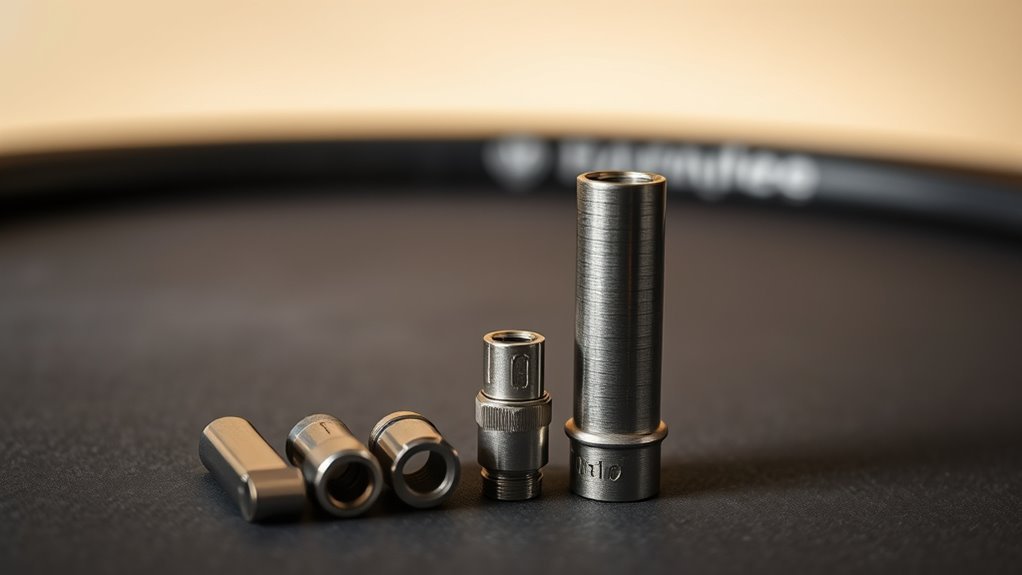
To choose the right valve length, measure your rim depth from the outer edge to the bead seat and add 15mm. Typical choices are 40mm for rims under 25mm, 60mm for 35–45mm rims, and 80mm for deep rims. You also need to match the valve diameter to your rim hole (Presta is about 6mm, and Schrader is about 8mm). For very deep rims, use metal extenders. Always choose removable-core extenders to prevent broken cores. Read on for more tips on extenders, installation, and fixing common problems.
Quick Decision: Which Valve Stem Length Should I Buy?
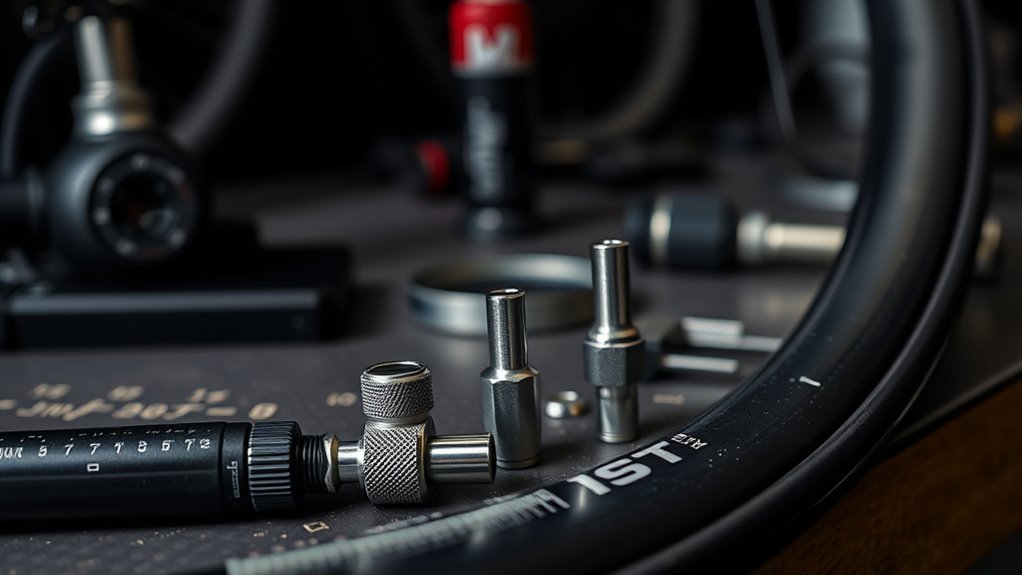
Start by measuring your rim depth. Then add 15mm to that number. This gives you the shortest stem that still allows easy pump access.
For low-profile rims up to 25mm, a 40mm valve works well. For 35–45mm rims, pick a 60mm valve. For deep rims over 50mm, go with an 80mm valve. This simple rule ensures proper inflation access and makes tire maintenance much easier.
Valve stem material matters too. Brass or aluminum cores resist corrosion and hold pressure well. Lightweight alloy stems save a few grams without losing sealing power. Always match your stem length to your rim depth. The wrong length makes inflation difficult, damages tubeless valves, and limits your options for roadside repairs. Choose your length carefully, check rim compatibility, and pick durable materials for long-term performance.
[Products Worth Considering]

The GERCHWAY Presta Valve Adaptor Pump offers a versatile dual‑head chuck that fits both Presta and Schrader valves, eliminating the need for extra adapters. Its precision gauge accurately reads 5–100 PSI with ±2 PSI tolerance, ensuring safe and optimal tire inflation for bikes, motorcycles, SUVs, and cars. The 18‑inch hose provides flexible reach, while the 3‑in‑1 design lets you check pressure, release air, or inflate directly from an air compressor.

The AZUNO digital tire inflator gauge offers precise pressure readings for both Presta and Schrader bike valves, eliminating the need for separate adapters. Its bright LCD backlight and automatic shut‑off conserve battery life, while the included 18‑inch hose and accessories make setup quick and hassle‑free. Built with durable steel and brass components, it provides reliable performance for bicycles, motorcycles, and other vehicles.

The GERCHWAY Digital Bike Tire Pressure Gauge offers precise ±1% accuracy across a 3–200 PSI range, fitting both Presta and Schrader valves without extra adapters. Its 16‑inch hose provides extra reach for easy inflation on bikes, motorcycles, SUVs, and cars, while the 1/4" NPT quick connector enables direct compressor attachment. Designed for quick checks, deflation, and inflation, it delivers reliable, leak‑free performance for all your tire needs.
Measure Rim Depth and Calculate Valve Length
To find the right valve stem length, you need an accurate rim depth measurement. Use calipers or a stiff ruler to measure from the outer rim edge to the inner bead seat. Write down the maximum depth and check at multiple points to account for any unevenness.
Then add 15mm to your measurement. A 30mm rim depth needs a 45mm or 48mm valve. A 35–45mm depth needs a 60mm valve. Rims over 50mm need an 80mm valve.
Keep compatibility in mind as well. If you plan to use thick tubeless valve cores or extenders, go slightly longer to be safe. Accurate measurement prevents inflation headaches and keeps your tire pressure stable.
Valve Hole Sizes: Presta, Schrader, Woods — What Fits?
Matching the valve diameter to your rim’s valve hole is crucial. The three common types are Presta (about 6mm), Schrader (about 8mm), and Woods/Dunlop. Each requires exact compatibility with your rim hole.
Presta valves fit the smaller holes found on high-end racing rims. Schrader valves need the larger openings common on mountain and utility bikes. Woods valves share the Schrader diameter but work with Presta-style pumps.
Always check your rim hole size before buying tubes or valves. Forcing the wrong valve into a hole causes poor sealing, rim damage, or inflation failure. When upgrading your wheels or tubes, keeping correct valve compatibility ensures safe and reliable performance.
[Products Worth Considering]

The CO2 Inflator Kit provides rapid tire inflation for road and mountain bikes, delivering up to 100 psi in seconds with threaded 16 g cartridges. Its compact design fits easily in a saddle bag, and the included insulated sleeve protects hands from the cold discharge. Compatible with both Presta and Schrader valves, it offers a lightweight alternative to hand pumps for quick repairs on the trail.

The CO2 Bike Tire Inflator provides fast, precise inflation for road and mountain bikes with a CNC‑machined aluminum body and brass internals. Its control lever lets you regulate gas flow, preventing freezing and ensuring safe, leak‑free connections to both Presta and Schrader valves. Compact and lightweight, it’s ideal for race, group rides, and timed events, delivering reliable performance with premium threaded CO2 cartridges.

Mold cured rubber for consistent side wall–prevents high pressure blow outs
When to Use Valve Extenders: Which Type to Choose
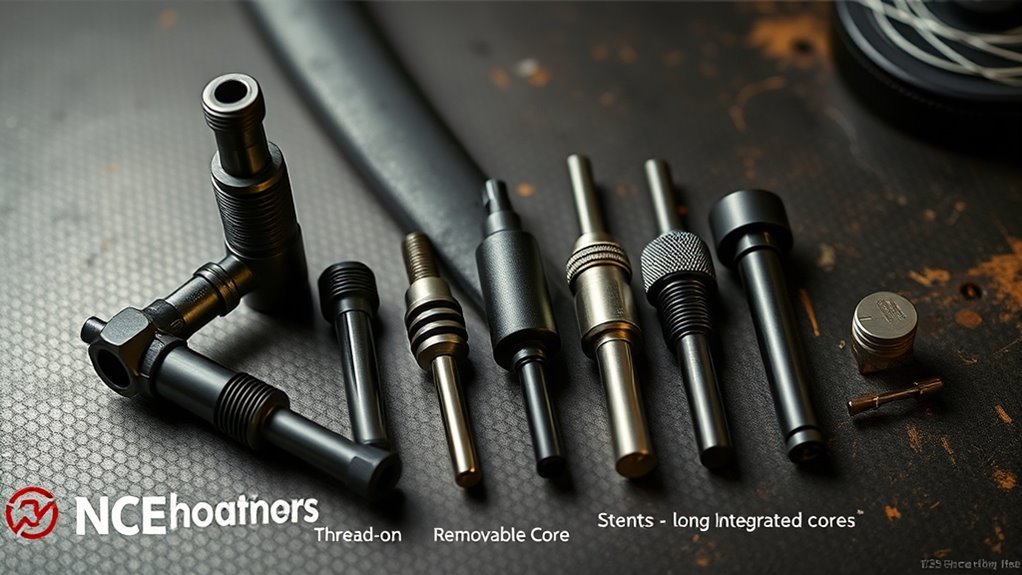
You need valve extenders when your rim depth exceeds standard valve lengths, usually above 60mm. Extenders let you inflate the tire without removing the wheel. Choose based on rim depth, durability, and whether your valve has a removable core.
If your inner tube has a non-removable core, a single screw-on extender sized to your rim depth is the right choice. These are simple and low-profile, but you cannot stack them.
For very high-profile rims, core-removal extenders are the better option. These robust metal extenders allow you to stack sections and handle more pumping stress. They require a removable valve core and a small core-removal tool, so keep one in your saddlebag. Pick an extender length that fits your rim depth precisely — not too short, and not sticking out too far.
[Products Worth Considering]

【Screw-in Design】Our valve caps stem extension is a screw-in design, allowing you to check tire pressure or add air without removing it

These long flexible tire air valve extenders successfully solved a series of operations such as inability to pump or check air pressure due to insufficient space between the valve and the spokes, or the inconvenient position and angle of the valve. You can placed them on your spare tire under the truck and you can check the tire pressure without dropping the tire from its stored position.

Available in 4 options (integrated-45mm, integrated-80mm, removable-45mm, removable-80mm). In order to choose the correct option, please verify your tube’s valve stem type (integrated or removable) according to the product listing picture. Please also note the extender only works with Presta valve. Ordering the wrong type or buying it for Schrader valve will cause fitting failure.
Tubeless Valve Base Seals
In a tubeless setup, the valve stem seals directly against the rim bed with no inner tube. Tubeless valves use different rubber base shapes to create that airtight seal. Conical (cone-shaped) rubber bases are the most common and wedge tightly into standard round rim holes. Rectangular bases are designed for specific carbon rims with curved internal channels. Match the valve base shape to your wheel’s internal profile to prevent air and sealant leaks.
Installation Problems: Leaks, Broken Cores, and Pump Access Fixes
Start by checking your valve length and tightness. If the stem extends less than 15mm past the rim, the pump head will not seal properly. Use a stem that clears the rim by at least 15mm, and tighten the locknut firmly to prevent slow leaks. Use the correct length, tighten properly, and use compatible extenders to reach your pump.
Inspect your valve cores and extenders regularly for wear. Replace damaged parts before your next ride. Use core-removal extenders during maintenance to avoid broken cores and get a secure fit for your pump.
| Problem | Fix |
|---|---|
| Short stem → leak | Install longer stem ≥15mm above rim bed, torque to spec |
| Broken core risk | Use core-removal extenders; remove/install cores safely |
| Pump access difficulty | Fit threaded extenders; verify seal and recheck after inflation |
Make these steps part of your routine valve maintenance. Your wheels will hold pressure longer and give you fewer problems on the road.
Frequently Asked Questions
How to Choose Valve Stem Length?
Measure your rim height and add about 15mm. Pick the closest standard size (usually 40mm, 60mm, or 80mm) that meets this minimum. Make sure the valve matches your rim hole, and choose a length that gives your pump easy access.
How Long Should a Valve Stem Be?
Your valve stem should be roughly 15mm longer than your rim height. Low rims usually need 40mm. Medium rims need about 60mm. Deep rims require 80mm or more. That 15mm margin guarantees a secure fit and easy inflation.
Conclusion
Measure your rim depth, match it to the correct Presta or Schrader length, and only use extenders when the rim demands it. The stem should clear the outer rim edge by at least 15mm. Getting the length wrong can make pump access impossible.
Use the correct rubber gaskets, tighten your cores fully, and swap adapters carefully. Test your tires for leaks before any big ride. A tight, precise fit beats roadside improvisation every time.

Related Articles
How to Use a Tire Spoon: Pro Technique for Mounting Tires
Careful technique makes tire mounting easier, but the real pro trick for using a tire spoon starts with one overlooked step.
Read More
How to Unmount a Tire: Tools, Steps & Pro Tips for Clean Removal
Start unmounting a tire with the right tools and pro tricks, then discover the cleanest way to avoid costly damage.
Read More
How to Tie a Tire Swing: Safe Knot & Hanging Guide
D**iscover the safest knot, rope, and branch choices for a tire swing, plus expert tips that could prevent a dangerous mistake.
Read More