
Tire Keeps Losing Air on a Tundra: 6 Hidden Causes Beyond a Nail
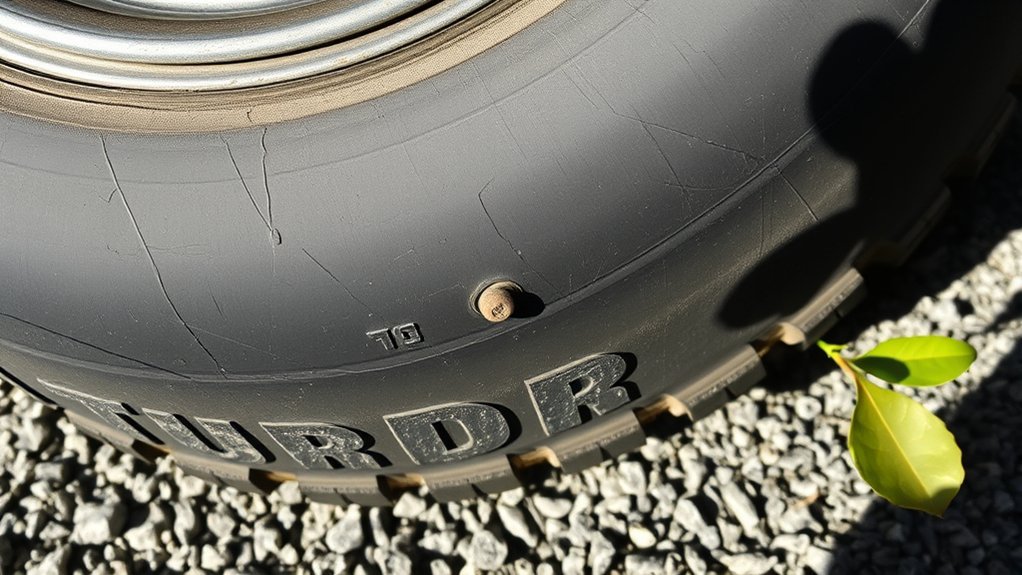
If your Toyota Tundra’s tires keep losing air, it might not just be a nail causing the issue. Bead seal leaks can form due to dirt or corrosion, while valve stem cracks can lead to significant pressure loss. Rim damage from potholes can also create gaps that let air escape. Aging tires may worsen these problems since the rubber deteriorates. Knowing these hidden causes can help you address the issue effectively, and there’s more to uncover.
Understanding Tire Air Loss: Why Your Tires Keep Losing Air
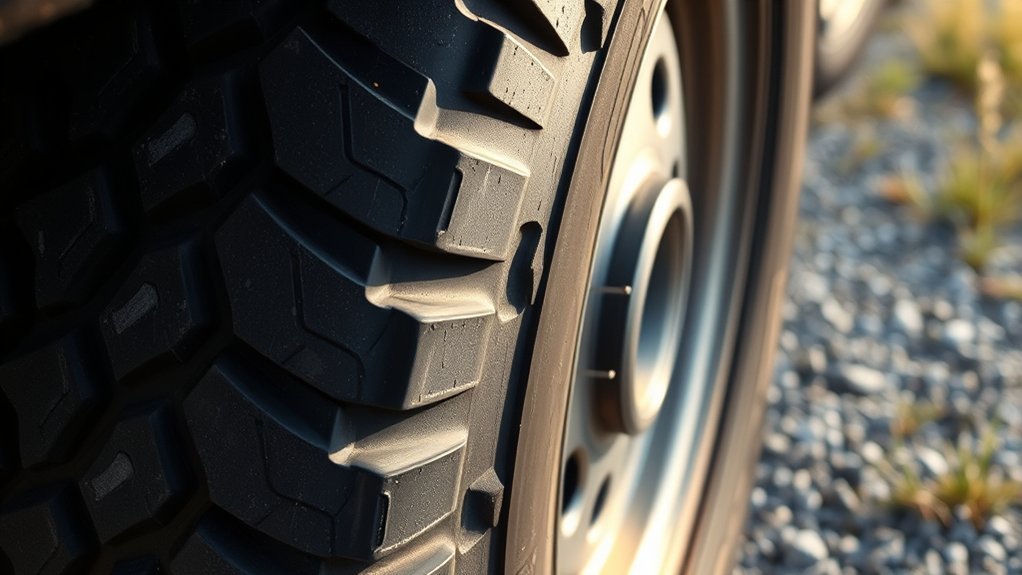
Have you ever wondered why your tires keep losing air? Tire pressure can drop by about 1 PSI for every 10°F decrease in temperature, especially in areas with fluctuating climates like Spokane Valley. To maintain ideal air retention, you need to check your tires regularly.
Bead leaks are another culprit, often stemming from dirt or corrosion between the tire and rim, particularly in older alloy wheels. You might also encounter valve stem issues; cracks or deterioration can lead to unnoticed air loss over time.
Let’s not forget aging tires, which are more susceptible to leaks due to rubber deterioration and tiny cracks in the sidewall. To prevent unexpected air loss and extend your tire lifespan, commit to monthly pressure checks and visible damage inspections. Keeping your tires in prime shape empowers you on the road, ensuring a safe and enjoyable ride.
Signs of Bead Seal Leaks and Their Fixes
Identifying bead seal leaks is vital for maintaining tire performance and safety. If you notice a slow, recurring pressure loss in one tire, it might point to a bead leak, typically caused by debris or corrosion preventing an airtight seal against the wheel rim. Signs to watch for include consistent air loss, visible corrosion on the rim, and bubbles forming when you apply soapy water to the tire edge.
To address these issues, a thorough bead inspection is essential. Technicians can often reseal the bead, restoring its function and potentially saving you from costly tire replacement. Regular maintenance plays a significant role as well; cleaning the rim and applying bead sealant can prevent leaks and extend your tire’s lifespan. By staying proactive with these checks, you empower yourself to maintain ideal performance and safety on the road.
Valve Stem Issues and Air Loss
Although often overlooked, valve stem issues can lead to significant air loss in your tires, impacting both performance and safety. Regular valve stem inspection is essential for air loss prevention, especially since even minor issues can escalate quickly. Here are key points to reflect on:
- Cracked or dried-out valve stems can result from temperature changes.
- A loose or damaged valve core can cause substantial pressure loss in just days.
- Corrosion from road conditions can lead to leaks if not addressed.
- Replacing a faulty valve stem is an inexpensive fix that boosts tire pressure retention.
The Impact of Rim Damage on Tire Deflation
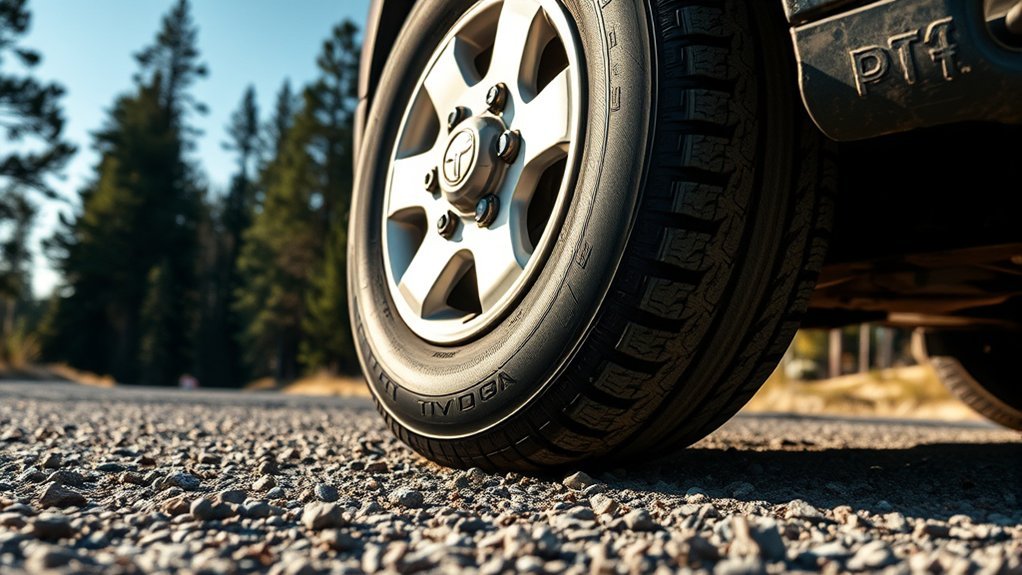
When you hit a pothole, rim damage can occur, leading to air leaks in your tire. Common issues like bends, cracks, or corrosion can compromise the seal, causing gradual deflation you might not notice right away. Regular inspections for these signs are essential to guarantee your wheels maintain a proper airtight seal and prevent unnecessary air loss.
Common Rim Issues
Rims play an essential role in maintaining tire integrity, and even minor damage can lead to significant air loss. If you’re experiencing deflation issues, consider these common rim problems:
- Gaps from potholes: Hitting a pothole or curb can create gaps, allowing air to escape.
- Rim corrosion: Older alloy wheels may develop corrosion, which disrupts the airtight seal at the tire bead.
- Bent rims: A bent rim can impede proper tire alignment, leading to air leaks and safety concerns.
- Poor repairs: Inadequate tire repairs near the bead or sidewall can result in recurring deflation.
Regular inspections for visible damage or rim corrosion are vital. Ensuring proper rim alignment and addressing these issues can keep your tires inflated and safe.
Signs of Rim Damage
Visible signs of rim damage can often go unnoticed, but even minor imperfections can have a major impact on tire performance. Regular rim inspections are essential; look for bends, cracks, or corrosion that could disrupt the airtight seal between your tire and wheel. Damage identification techniques, like running your hand along the rim’s edge, can help you spot irregularities. If you hit a pothole or curb, don’t assume your tire’s fine. Insufficient rim integrity can lead to slow leaks, uneven tire wear, and handling issues. If your tire’s losing air without visible punctures, the rim might be the hidden culprit. Addressing these issues early can save you from more significant problems down the road.
Repairing Bent Rims
Although you might not notice it at first, a bent rim can considerably impact your tire’s ability to maintain pressure. When the rim’s shape is compromised, it can hinder the seal between the tire and wheel, causing air leaks. Regular inspections are essential to identify this damage early.
Consider these rim repair techniques:
- Assess the Damage: A professional should evaluate the severity of the bend.
- Rim Straightening Options: Minor bends can often be fixed using specialized tools.
- Corrosion Checks: Inspect for rust or deterioration that could worsen leaks.
- Replacement Considerations: Severe damage might necessitate a full rim replacement for safety.
Taking these steps can help guarantee your tires stay inflated and your ride remains safe.
How Aging Tires Can Let You Down
As tires age, they can become increasingly unreliable, putting both your safety and performance at risk. Typically, tires over six years old suffer from rubber deterioration, which leads to tiny cracks and pores in the sidewalls. These vulnerabilities can allow air to escape, resulting in slow leaks that may go unnoticed until it’s too late. Exposure to sunlight and harsh road chemicals accelerates this breakdown, compounding the issue.
How to Prevent Future Tire Air Loss
To prevent future tire air loss, you should regularly monitor your tire pressure at least once a month. Inspect your tires for visible damage and maintain the valve stems, as these small steps can make a big difference. By staying proactive with these practices, you can keep your tires in top shape and avoid frustrating air loss issues.
Regular Pressure Monitoring
Regularly monitoring your tire pressure is essential for preventing future air loss and ensuring your vehicle’s safety and performance. Tires can lose 5-10% of air pressure monthly, so stay proactive. Here are some tips to keep in mind:
- Check tire pressure at least once a month.
- Use a reliable tire pressure gauge to match the manufacturer’s recommended PSI.
- Monitor pressure more often during seasonal changes, especially in colder months.
- Inspect tires and valve stems for visible damage or wear.
Consider investing in a Tire Pressure Monitoring System (TPMS) for alerts about pressure changes. By keeping a close eye on your tire pressure, you can markedly reduce the risk of air loss and enhance your driving experience.
Tire Maintenance Practices
While keeping your tires in top shape might seem intimidating, implementing effective maintenance practices can greatly reduce the risk of air loss. Start by regularly checking your tire pressure at least once a month; remember, tires can lose 5-10% of air monthly, especially in cold weather. Inspect your tires for visible damage, such as cracks or foreign objects, and guarantee proper sealing at the bead. Don’t overlook valve stems—replace worn ones during tire servicing to prevent leaks. Rotate your tires every 5,000 to 7,500 miles to promote even wear and prolong their life. Finally, avoid driving on underinflated tires; this not only increases the risk of blowouts but also accelerates wear, leading to more air loss.
Frequently Asked Questions
Why Does My Tire Keep Losing Air but No Nail?
Your tire might keep losing air due to valve stem cracks, bead leaks from rim damage, or temperature changes affecting pressure. Aging tires and improper inflation can also contribute to gradual air loss.
Conclusion
To summarize, while it’s easy to blame a nail for your tire troubles, hidden issues like bead seal leaks, valve stem problems, and rim damage could be at play. Aging tires also contribute to air loss, often unnoticed until it’s too late. By understanding these factors, you can take proactive steps to maintain your tires and avoid frustrating air loss. Stay vigilant, and your Tundra’s tires will keep rolling smoothly, saving you time and money in the long run.

Related Articles
Toyota Tundra Uneven Wear on Passenger Front Tire: Diagnosing the Cause
Get to the root of uneven tire wear on your Toyota Tundra's passenger front tire and discover essential tips to avoid costly repairs.
Read More
Steering Wheel Shake at High Speed on a Tundra: Tire-Related Causes
Steering wheel shake at high speeds in your Tundra? Discover the surprising tire-related causes that could be jeopardizing your safety on the road.
Read More
Toyota Tundra Death Wobble: Causes and How Tires Play a Role
Know the crucial role tires play in the Toyota Tundra's death wobble and discover effective solutions to enhance your driving safety.
Read More