
Presta vs Schrader Rim Hole Size: Complete Guide
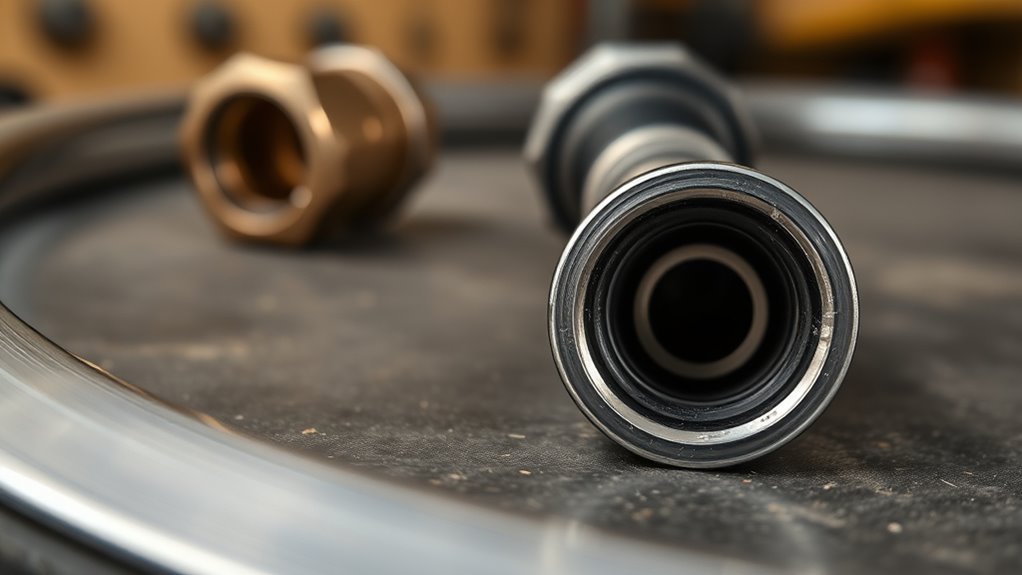
Valve hole size matters because it controls valve fit, seal integrity, and your repair options. Presta holes are about 6–7 mm; Schrader valves need roughly 8–8.5 mm, since Schrader stems have an outer diameter of about 7.6 mm. Adapters can bridge the gap for temporary fixes without drilling. If you do enlarge a rim hole, it removes material and risks cracking or leaks if you skip deburring and sealing. Start small, check wall thickness, use grommets, and follow proper drilling and fit-check steps.
Who Should Care About Rim Holes, and Why?
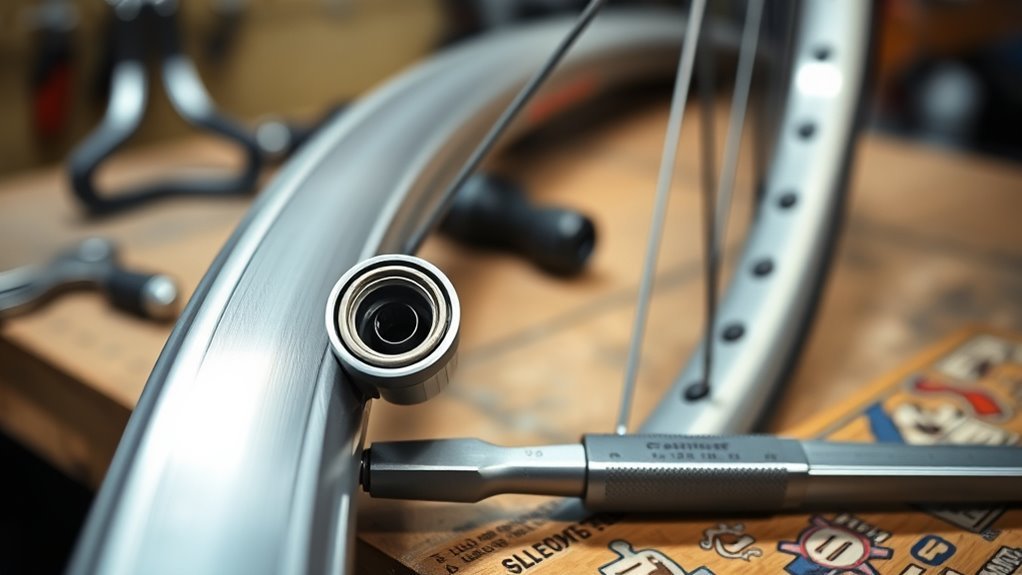
Rim hole size determines which valve type fits and how reliably the tube seals. That makes it a functional constraint, not a stylistic one.
For high-pressure road setups, Presta-compatible rims are the right call. They maintain seal integrity and keep things leak-free. If you’re converting from Schrader to Presta, don’t assume drilling is harmless. Enlarging the hole can weaken the rim, loosen the valve fit, and lead to rattling or stem damage over time.
Check rim material and design before modifying anything. In areas where tube availability is limited, knowing your rim compatibility also helps with faster, more reliable replacements on the road.
Presta vs Schrader: Exact Rim-Hole Dimensions
Presta holes are typically 6–7 mm. Schrader holes need about 8–8.5 mm, which reflects the Schrader stem’s outer diameter of roughly 7.6 mm.
If you’re drilling for Schrader, start around 7 mm and step up gradually toward a maximum of 9 mm. Going larger than that weakens the rim. A Presta stem dropped into an oversized Schrader hole will rattle and let in moisture; if you need that configuration, use an adapter.
| Valve Type | Recommended Hole |
|---|---|
| Presta | 6–7 mm |
| Schrader | 8–8.5 mm |
| Schrader OD | ~7.6 mm |
| Drilling | Start 7 mm → ≤9 mm |
Test fit before finalizing, deburr all edges, and keep enlargement to the minimum needed. Precision here prevents avoidable failures.
How Rim-Hole Size Affects Fit, Safety, and Wheel Strength
The hole diameter governs valve fit, seal integrity, and the rim’s local strength all at once. Presta needs about 6 mm; Schrader needs about 8 mm. That 2 mm difference drives the entire compatibility question.
Enlarging a hole to accept Schrader removes material from the rim cross-section. That reduces structural strength and increases the risk of cracking, especially under load or with changes in spoke tension. Sloppy drilling also leaves sharp burrs that can abrade or cut valve stems, causing leaks.
If a Presta stem sits loosely in an oversized hole, it will rattle and the seal will fail. Adding a reducer fixes the centering but introduces another potential failure point. Safe modification means reaming and deburring precisely, checking the remaining wall thickness, and confirming the rim can handle the reduced strength before you start.
Use an Adapter or Change the Hole? When Adapters Suffice
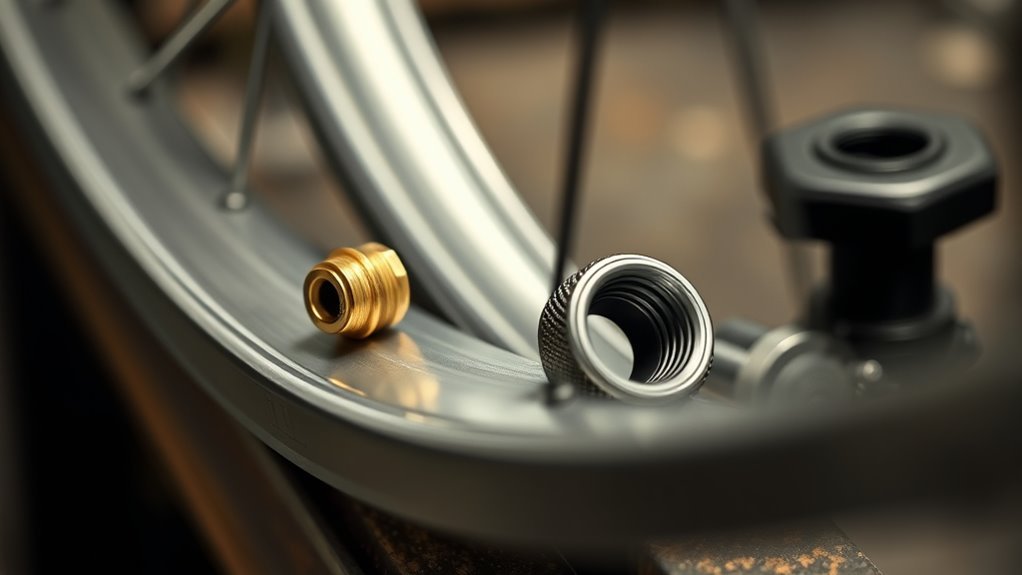
If your rims are Presta-sized and you want to keep rim strength intact, a threaded adapter lets you run Presta tubes through Schrader-sized holes without drilling. Adapters work well when they seat snugly and the valve stem is long enough for the rim depth. Reserve drilling for situations where adapters can’t seat properly or can’t form a secure seal.
When Adapters Work
Adapters let you mount a Presta tube in a Schrader-drilled rim without touching the rim itself. They only work reliably when the adapter seats tightly and the valve length suits the rim depth.
Tighten the adapter, check for play, and inspect for leaks after installation. A loose adapter invites air loss, corrosion, and contamination over time. For deep rims, verify stem length first; a short stem makes the adapter useless.
| Condition | Recommended action |
|---|---|
| Tight fit, adequate length | Use adapter |
| Tight fit, short length | Use longer valve |
| Loose fit | Reassess |
| Deep rim | Verify stem length |
When To Modify
Adapters are the right choice for temporary or occasional use, as long as the adapter seats tightly and the stem clears the rim depth. No rim damage, quick swaps, and the rim retains its resale value.
Drilling makes sense only when you need permanent Schrader compatibility and accept the trade-offs: potential structural weakening, valve-stem abrasion risk, and the extra work of reaming and sanding.
- Evaluate frequency: use adapters for infrequent Schrader use and drill only for constant needs.
- Inspect fit: confirm the adapter seats flush and the stem clears the rim depth to avoid leaks or stress.
- If drilling, start at 7 mm, increment to a max of 9 mm, and deburr thoroughly to protect the valve stem.
How to Drill or Ream a Rim Safely (Step-by-Step)
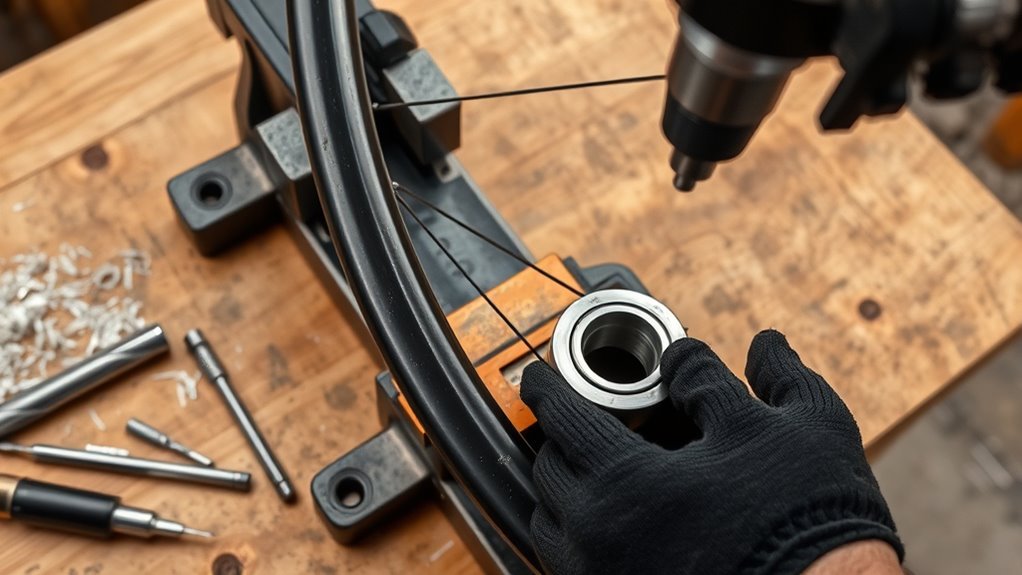
Before drilling, gather a 7 mm pilot bit, a 21/64″ (10 mm) or 9 mm finishing bit, a tapered reamer, clamps, and safety gear. Clamp the rim and drill from the tire side toward the hub, opening to 7 mm first, then stepping up incrementally. Avoid lateral pressure, which can crack the rim. Finish by reaming or sanding the edges smooth, check valve alignment, and fit a plastic reducer if a Presta stem needs to sit in an oversized hole.
Prepare Tools Carefully
Use a 7 mm pilot drill for precision, then step up to a 21/64″ or 10 mm bit for Schrader conversions. A tapered reamer works too and tends to leave a cleaner finish with fewer metal shavings.
Choose sharp bits and a variable-speed drill. Secure the rim softly with clamps to prevent movement without damaging the material. Keep metal filings away from any tubed areas.
- Inspect bits and reamer for wear before starting. Dull tools require more force and reduce accuracy.
- Prepare a clean workspace and use a magnetic tray for debris to protect inner tube integrity.
- Verify guards, speed settings, and personal protective equipment before starting.
Drill and Finish Safely
Secure the rim, mark the center, and back the drill with a scrap block. Drill a 7 mm pilot hole from the tire side toward the hub, then step up to a 21/64″ or 10 mm bit, keeping rotation slow and steady to avoid heat buildup.
Never exceed 9 mm final diameter. Use a tapered reamer if you prefer, but inspect carefully for sharp burrs afterward. Deburr the hole on both sides with a fine file or sandpaper, remove all filings, and do a dry fit with the valve stem to confirm it seats snugly without rubbing.
Risks, Post-Drill Care, and Common Troubleshooting
Drilling enlarges the valve flange and raises the chance of cutting the valve stem. Only proceed when the rim material and wall thickness can handle the change. Start at 7 mm, work up to 8.5 mm, and stop before 9 mm to preserve fit and strength. Drill from the tire side toward the hub so burrs face outward.
Drill cautiously — enlarge valve holes only if rim thickness allows; start small, finish under 9 mm, and deburr outward.
Post-drill care is not optional. Sand or ream all edges, inspect wall thickness, and test the valve dry to confirm nothing rubs.
- Use rubber grommets to fill gaps, block moisture, and dampen vibration.
- Recheck torque and seating; loose stems cause rattling and can bulge over time.
- If sharp edges return, re-ream and replace the seal, or take it to a professional.
Choose Valves and Tubes by Wheel Type, Pump Access, and Spares
Wheel type is the main driver here. Presta valves need a roughly 6 mm hole and suit deep, high-pressure road rims with variable tube lengths. Schrader valves need about 8 mm, fit most mountain and hybrid rims, and use a standard tube length. Match valve diameter, tube length, and rim depth before heading out.
Deep-section aerodynamic rims and high-pressure road setups favor Presta. Wider rims on trail or commuter bikes favor Schrader. For deep rims, check stem length carefully; an inadequate stem prevents secure attachment and makes inflation difficult.
Also consider what pump you carry. Many floor pumps require a Presta adapter, while roadside compressors accept Schrader directly. Carry spares that match your valve type and the correct stem length for fast, reliable repairs.
Frequently Asked Questions
Will a Presta Valve Fit a Schrader Rim?
Yes, but you’ll need an adapter, grommet, or careful installation to ensure secure seating and a proper air seal without risking rim damage.
What Size Hole Does a Schrader Valve Need?
About 8.5–9 mm. Drill and ream smoothly, then check seals and edges before mounting the tube.
What Size Presta Valve for a 35 mm Rim?
A 6–7 mm hole with a 48–80 mm valve length. That range gives you enough stem clearance for easy inflation without fighting the rim depth.
What Size Hole in a Rim for a Valve Stem?
About 7 mm for Presta and about 8.4 mm (21/64″) for Schrader. Choose based on valve type and rim material, drill carefully, deburr the edges, and avoid going larger than necessary.
Conclusion
Pick your valve the way you’d pick any functional tool: based on what fits, not preference. Presta needs a ~6 mm hole; Schrader needs ~8 mm. Don’t force a Schrader into a Presta hole unless you enjoy bent valves and ruined rims. Use adapters for occasional swaps. Drill only if you have steady hands, proper tools, and patience for the finish work. Inspect, file, and torque correctly, or explain to your mechanic what went wrong with your “creative engineering.”

Related Articles
How to Find Tire Width From the Sidewall Numbers
Jot down the first three digits on your tire sidewall to reveal its width, and discover what the rest of the code is hiding.
Read More
How Does Tire Sizing Work? Decoding Every Number & Letter
Know what those tire numbers and letters really mean, and you’ll avoid costly fitment mistakes—until one crucial code changes everything.
Read More
How Does a Tire Gauge Work: Complete Guide, Tips & Expert Advice
Tire gauges reveal your PSI by sealing onto the valve stem, but the real accuracy tricks and expert tips might surprise you.
Read More