
Toyota Tundra Tire Rotation Interval: How Many Miles Between Rotations
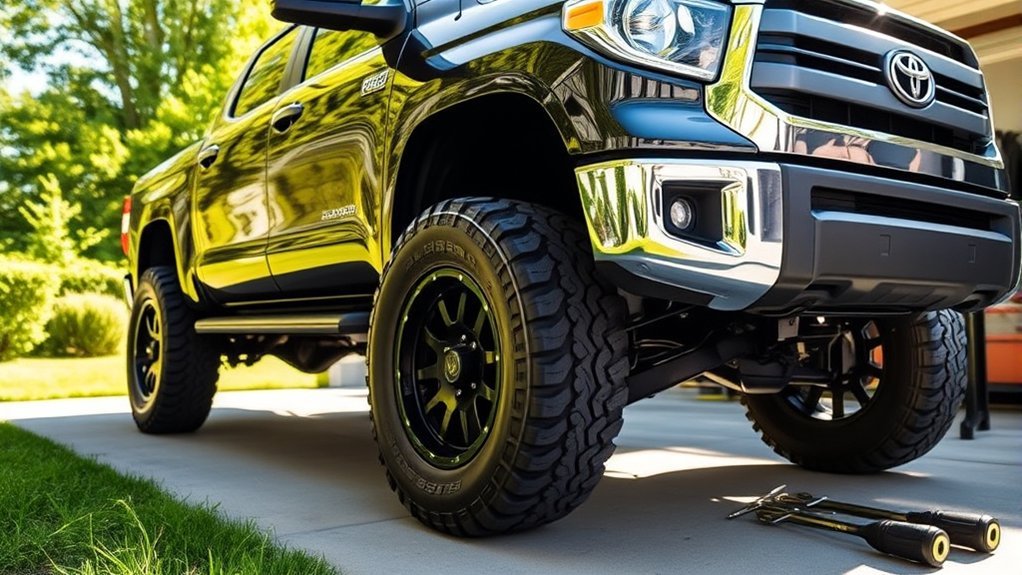
To keep your Toyota Tundra in top shape, you should rotate your tires every 5,000 to 8,000 miles. Regular rotations help extend tire life, guarantee even wear, and improve performance. Ignoring this maintenance can lead to costly issues, like uneven tread wear. It’s also essential to maintain proper tire pressure and follow manufacturer guidelines. Want to know more about tire care and maintenance tips? Keep exploring for the best practices to maximize your truck’s performance!
How Often Should You Rotate Tires on a Toyota Tundra?

To keep your Toyota Tundra running smoothly, you should rotate your tires every 5,000 to 8,000 miles. This routine not only extends your tire lifespan but also guarantees even wear across all tires. When you stick to these intervals, you’ll reap rotation benefits like reduced noise and enhanced performance, preventing the costly issues of uneven tread wear and alignment problems.
Some drivers may think they can push it to 10,000 miles, but that can lead to uneven wear, especially if you’re towing heavy loads. Regularly checking and adjusting your tire pressure is essential, too, as it directly impacts wear patterns. By adhering to these guidelines, you’ll keep your Tundra in top shape, allowing you to enjoy the freedom of the open road with confidence and peace of mind. Don’t overlook this fundamental maintenance step—it’s key to your truck’s longevity and performance.
Why Regular Tire Rotations Matter
While you might think skipping tire rotations is harmless, neglecting this fundamental maintenance can lead to significant problems down the road. Regular tire rotations, recommended every 5,000 to 8,000 miles, offer important tire maintenance benefits by ensuring even wear across all tires. This not only extends their lifespan but also enhances your vehicle’s safety performance. Uneven tire wear can result in decreased traction and increased noise, making routine rotations critical for ideal driving conditions.
For a vehicle like your Toyota Tundra, which may carry varied loads, consistent rotations prevent excessive wear on any single tire. Following manufacturer guidelines helps avoid costly replacements and keeps your warranty intact—uneven wear could void it. Plus, monitoring tire pressure alongside rotations is necessary; incorrect pressure can worsen uneven wear and diminish longevity. Prioritizing regular tire rotations empowers you to drive safely and confidently.
How to Identify When Your Tires Need Rotating or Replacing
To keep your Toyota Tundra running smoothly, it’s essential to monitor your tires closely. Check the tread depth with the penny test and look for any uneven wear patterns that could signal rotation or alignment issues. Paying attention to these signs can help you avoid costly replacements and guarantee a safer driving experience.
Tread Depth Measurement
Knowing how to measure tread depth is essential for maintaining your Toyota Tundra’s performance and safety. You can easily assess tread depth using the penny test: insert a penny into the tread with Lincoln’s head facing down. If you can see all of Lincoln’s head, it’s time to replace the tire. For ideal tire safety, replace tires when tread depth falls below 2/32 of an inch. Regularly measuring your tread depth every 5,000 to 8,000 miles helps you monitor wear and decide when to rotate or replace. Keep an eye out for uneven tread wear, as it might signal alignment issues. Maintaining proper tire pressure also promotes even wear, extending your tires’ lifespan and enhancing safety.
Visual Wear Inspection
A thorough visual wear inspection is crucial for keeping your Toyota Tundra’s tires in top shape. Start with a tire surface inspection using the penny test. If you can see the top of Lincoln’s head, it’s time for a replacement. Next, conduct a tread pattern evaluation; uneven wear could signal misalignment or improper inflation, indicating a need for rotation. Look for visible damage like cuts, bulges, or cracks in the sidewalls, as these can compromise tire integrity. Also, pay attention to any excessive noise or vibrations while driving, which might suggest tire imbalance. Finally, monitor the wear indicators; if they’re flush with the tread, replace the tires immediately to guarantee safety and performance.
Uneven Wear Patterns
After completing a visual wear inspection, it’s important to pay attention to uneven wear patterns, as they can indicate when your tires need rotating or replacing. Check the tread depth across all tires; significant differences are clear wear indicators. If your passenger side tires show more wear than the driver side, it might signal alignment issues requiring your attention. A tread depth under 9/32nds is a red flag, especially if other tires are above 12/32nds. Look for cupping or localized wear, which suggests that you’re missing regular rotations or need an alignment. Don’t forget to monitor tire pressure regularly; under-inflated tires can cause edge wear, contributing further to those uneven patterns. Stay proactive for safe driving!
Effective Tire Rotation Practices for Your Toyota Tundra

To keep your Toyota Tundra running smoothly, regular tire rotations are key. Aim for every 5,000 to 8,000 miles and follow the recommended same-side rotation pattern for best results. Don’t forget to monitor tire wear and pressure to guarantee even performance and extend the life of your tires.
Recommended Rotation Patterns
When it comes to maintaining your Toyota Tundra, understanding the recommended tire rotation patterns is essential for ensuring even wear and ideal performance. For your Tundra, the front-to-back rotation pattern without crossover is the way to go. This method helps distribute wear evenly across all tires and mitigates the tendency for passenger side tires to wear more quickly. Remember, a systematic rotation schedule can extend your tires’ life, reducing excessive noise and wear. Regularly monitoring tire pressure is also vital, as proper inflation supports effective rotation and tire alignment. By following these guidelines, you’ll not only enhance your driving experience but also enjoy greater peace of mind on the road.
Frequency of Rotations
Maintaining a consistent tire rotation schedule is key to maximizing the lifespan and performance of your Toyota Tundra. Toyota recommends rotating your tires every 5,000 to 8,000 miles, ensuring even wear and extending their lifespan. This is especially vital if you frequently tow heavy loads, as it prevents excessive wear on specific tires. Following a front-to-back rotation pattern while keeping tires on the same side aligns with Toyota’s guidelines. Don’t forget to regularly check your tire pressure, as fluctuations can lead to uneven wear. Implementing a systematic rotation schedule not only boosts tire performance but also reduces noise caused by uneven wear. Stay on top of this, and you’ll enjoy a smoother, safer ride.
Monitoring Tire Wear
Monitoring tire wear is essential for keeping your Toyota Tundra performing at its best. Regularly check your tires for uneven wear patterns, as passenger side tires often show more wear than driver side ones, hinting at potential alignment issues. It’s wise to use a tread depth gauge, ensuring your tires remain above the safety threshold of 2/32nds of an inch. To promote even wear, follow Toyota’s rotation guidelines—rotate the front tires straight back and cross the rear tires to the front. Additionally, maintaining proper tire pressure and scheduling regular alignments will enhance tire longevity and performance. By staying proactive, you’ll enjoy a smoother, safer ride while liberating your Tundra’s full potential.
How Driving Conditions Impact Tire Wear
Driving on various terrains greatly affects how your tires wear over time. If you frequently navigate rough or uneven road conditions, expect accelerated wear, particularly on your rear tires during towing or off-road adventures. Short trips can also lead to uneven wear since your tires might not reach ideal temperatures, creating distinct wear patterns.
Weather plays a significant role too; extreme heat can cause overinflation, while cold temperatures may lead to under-inflation and edge wear. Carrying heavy loads in your Toyota Tundra further impacts tire longevity, making regular rotations essential.
Your driving habits matter as well. Sharp turns or heavy traffic can increase wear on the outer edges of your tires. By understanding how these factors interact, you can keep your tires in better shape and promote a safer, smoother ride. Regularly monitoring your driving conditions and adjusting your habits can lead to longer-lasting tires.
What Mistakes Should You Avoid When Rotating Tires?
While it might seem straightforward, rotating your tires involves several critical steps where mistakes can lead to uneven wear and reduced performance. First, don’t skip the recommended rotation interval of every 5,000 to 8,000 miles; neglecting this can shorten your tire lifespan. Also, follow the manufacturer’s guidelines on rotation patterns—especially for your Toyota. Keeping tires on the same side is essential; crossing them can create tire rotation mistakes.
Before you rotate, always check the tire pressure. Incorrect pressure can worsen uneven wear, making matters worse. If you notice significant wear differences among your tires, replacing all four is often a smarter choice for balance and performance. Finally, don’t overlook alignment checks; improper alignment can cause premature wear, even if you’re rotating your tires regularly. Being mindful of these aspects guarantees your Tundra performs at its best.
Essential Tools for DIY Tire Rotation
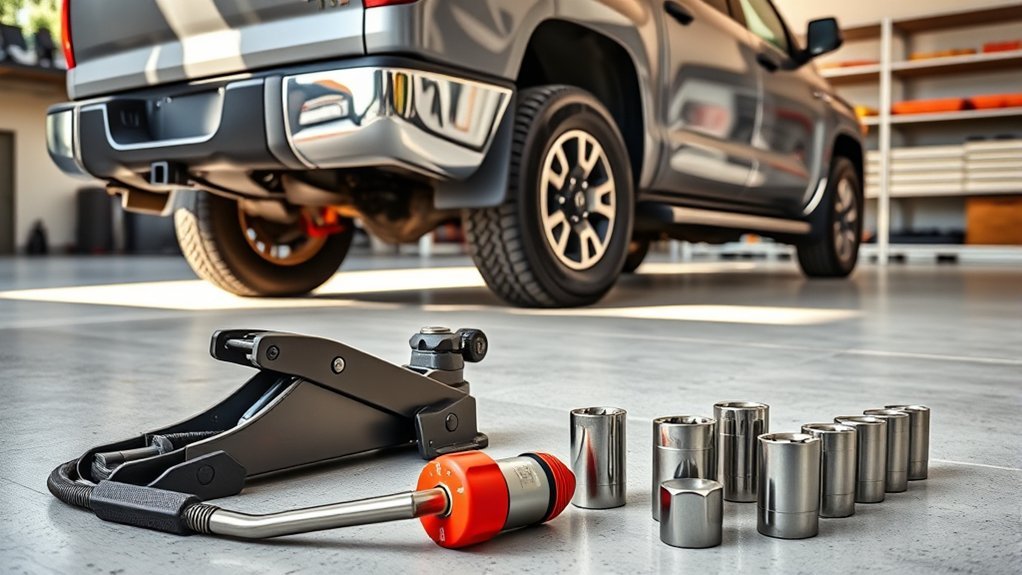
When tackling a DIY tire rotation, having the right tools can make all the difference. Start with a reliable hydraulic jack and jack stands to safely lift and support your vehicle, ensuring you follow all safety precautions. A tire pressure gauge is essential too; checking and adjusting your tire pressure before and after rotation promotes peak performance and wear.
You’ll also need a torque wrench to tighten lug nuts to the manufacturer’s specifications, preventing any loosening while driving. A tread depth gauge helps you monitor tire wear across all tires, allowing for informed decisions on rotation and replacement.
Finally, don’t forget basic tools like a socket set and breaker bar, which simplify the process of removing and securing lug nuts. With these essential tools for tire maintenance, you’ll empower yourself to keep your Tundra rolling smoothly and safely.
When to Seek Professional Help for Tire Maintenance?
Even with the right tools and knowledge for DIY tire rotation, there are times when seeking professional help becomes necessary. If you notice uneven tire wear, like one tire wearing down faster than the others, it’s vital to consult a professional for a thorough inspection. This could indicate alignment issues that need addressing. Excessive noise while driving, especially after surpassing the 5,000 to 8,000-mile mark between rotations, should also prompt a visit to a tire specialist. If your tires show signs of cupping or irregular wear, it’s important to get a professional evaluation. Additionally, if you’re unsure about maintaining proper tire pressure, a tire technician can provide valuable insights. Finally, if you’ve missed multiple rotation intervals in your vehicle’s manual, it’s wise to get a professional assessment to guarantee your tires are safe and healthy. Don’t compromise your safety—know when to seek help!
Frequently Asked Questions
How Often Should I Rotate Tires on Tundra?
You should rotate your Tundra’s tires every 5,000 to 8,000 miles. This promotes even tire wear, enhances performance, and extends lifespan. Regular rotations prevent noise and vibration, ensuring a smoother ride for your adventures.
Can You Go 10,000 Miles Between Tire Rotations?
Skipping tire rotations is like ignoring a ticking clock; it’ll catch up. You can go 10,000 miles, but you’ll risk uneven tire wear and miss out on essential rotation benefits that guarantee smoother rides.
Is 3000 Miles Too Soon to Rotate Tires?
Rotating your tires at 3,000 miles isn’t too soon; it can actually help prevent uneven tire wear. The rotation benefits you gain may enhance performance, especially if you frequently tow or carry heavy loads.
Conclusion
In summary, staying on top of your Toyota Tundra’s tire rotations isn’t just smart—it’s crucial for your safety and vehicle longevity. Think of your tires as the foundation of your ride; without proper maintenance, even the strongest house can crumble. By adhering to the recommended rotation interval and being aware of your driving conditions, you can guarantee peak performance and safety. So, why wait? Keep those tires in top shape and hit the road with confidence!

Related Articles

Toyota Tundra Tire Rotation Pattern for 4WD: Front-to-Back vs X-Pattern
Get the best performance from your 4WD Toyota Tundra with tire rotation insights—discover which pattern suits your driving needs and enhances tire longevity.
Read More
How Often to Rotate Tires on a Toyota Tundra: Mileage Intervals by Use
To ensure optimal performance and safety for your Toyota Tundra, discover the best mileage intervals for tire rotation and what to watch for.
Read More
Matching Tire Type to Driving Conditions: A Decision Guide for Tundra
A comprehensive guide to selecting the perfect tire for your Toyota Tundra awaits, ensuring optimal performance for any driving condition. Discover your options now!
Read More