
Symmetric vs Asymmetric Tread Patterns: Differences and When Each Is Better
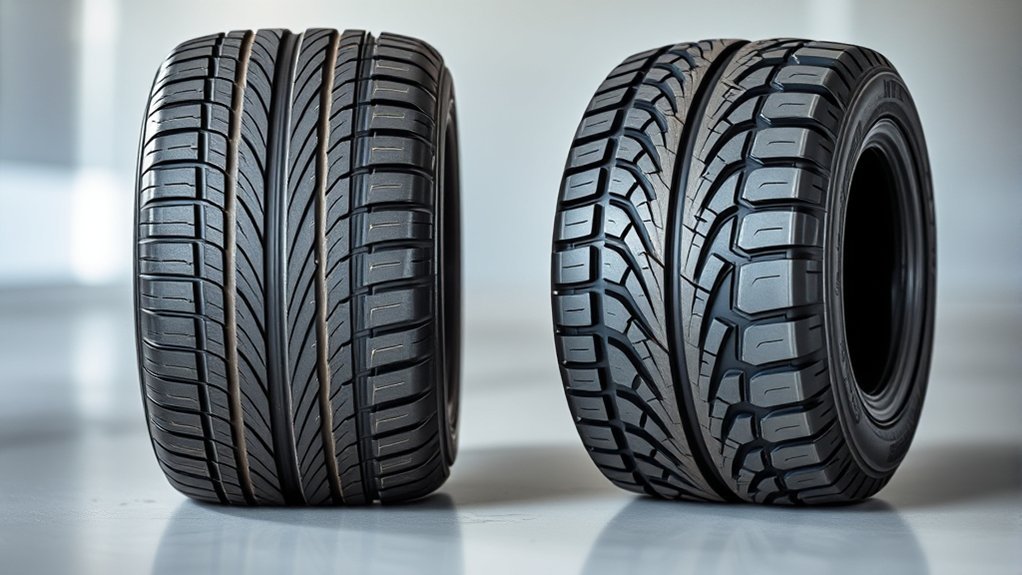
When choosing between symmetric and asymmetric tread patterns, consider your driving conditions. Symmetric patterns offer even wear, lower noise levels, and are cost-effective, ideal for city driving. However, they lack wet grip. On the other hand, asymmetric patterns provide superior traction and cornering stability, especially in wet conditions, but come with higher costs and installation precision demands. If you’re looking for the best option tailored to your needs, there’s more to explore about their impacts on performance and safety.
Understanding Tire Tread Patterns: Why They Matter
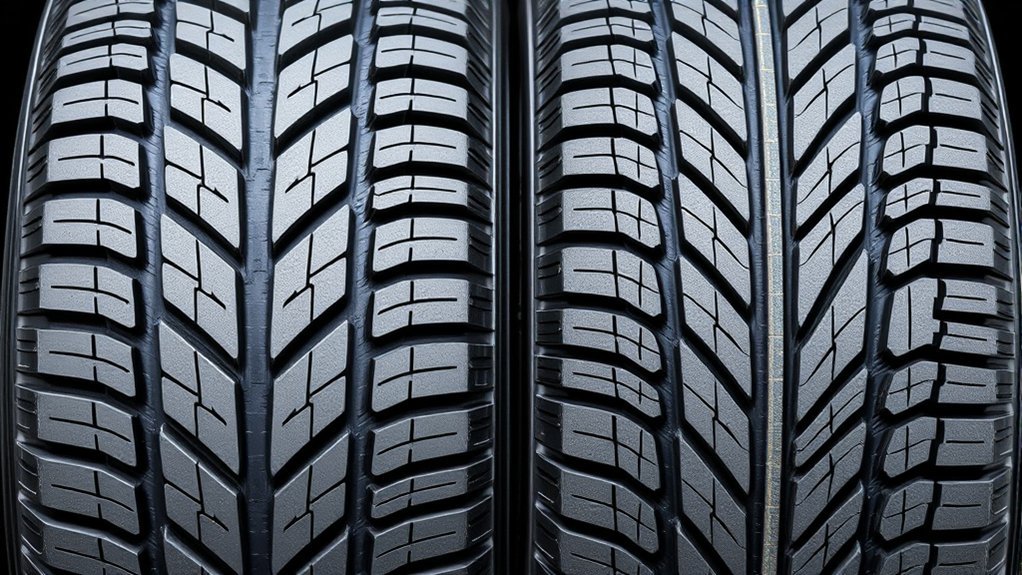
Tire tread patterns play an essential role in determining your vehicle’s performance and safety on the road. Understanding these patterns is vital for effective tire maintenance and optimizing tread wear. Symmetrical tread patterns feature identical designs on both sides, promoting even wear and simplifying rotation. However, they often provide weaker wet grip, making them less suitable for challenging conditions. On the other hand, asymmetrical treads have distinct inner and outer designs that enhance grip in various environments, improving cornering stability and reducing the risk of aquaplaning. By knowing the advantages and limitations of each type, you can make informed choices tailored to your driving habits and local conditions. Choosing the right tread pattern isn’t just about performance; it’s about ensuring your safety and maximizing the lifespan of your tires, empowering you to drive confidently in any situation.
What Are Symmetrical Tire Patterns and Their Benefits?
Symmetrical tire patterns feature an identical tread design on both sides, simplifying installation and rotation. This design not only makes them more affordable but also enhances performance by providing a quieter ride and even wear over time. While they excel in city driving and moderate conditions, understanding their limitations in heavy rain is essential for best use.
Design Characteristics
When considering tire options, symmetrical patterns stand out for their unique design characteristics and practical benefits. These tires feature identical tread designs on both sides, which simplifies rotation and maintenance. Their tread design promotes even wear patterns, extending tire lifespan when rotated regularly. Additionally, symmetrical tires are generally more affordable and deliver a quieter ride, making them ideal for everyday driving, especially in dry conditions. However, while they excel in consistency, you’ll find their capabilities limited in wet grip and cornering performance, restricting their use in high-speed scenarios. For drivers who prioritize practicality and cost-effectiveness over extreme performance, symmetrical patterns are a compelling choice.
Performance Benefits
Identifying the performance benefits of symmetrical tire patterns reveals their practicality for everyday driving. These tires feature an identical tread design on both sides, which simplifies rotation and maintenance. This uniformity translates to lower tread noise, creating a quieter cabin experience for daily commuters. Additionally, symmetrical tires are generally more affordable, making them an attractive option for budget-conscious drivers. While they offer stable grip and low rolling resistance, it’s worth noting they may struggle in wet conditions, leading to weaker traction. Their predictable handling is ideal for city driving, although they might falter at high speeds or during aggressive cornering. Ultimately, they provide reliable performance for those prioritizing comfort and cost-effectiveness.
The Drawbacks of Symmetrical Tire Patterns
While symmetrical tire patterns may seem appealing for their affordability, they come with significant drawbacks. You’ll notice limited wet performance, which can compromise safety in rainy conditions. Additionally, their predictable handling dynamics might not provide the excitement or responsiveness you expect during aggressive driving.
Limited Wet Performance
Although symmetrical tire patterns are often praised for their cost-effectiveness and quiet operation, they fall short in wet performance, primarily due to their uniform design. This limitation can lead to several concerns:
- Reduced traction in heavy rain
- Increased risk of hydroplaning
- Less responsive handling during wet cornering
- Difficulty maintaining grip at higher speeds
If you prioritize safety and performance expectations in variable weather conditions, consider how your driving habits may affect tire maintenance and tread wear. While symmetrical tires may offer fuel efficiency, their limited wet performance can lead to increased replacement frequency. Ultimately, weighing these factors against safety ratings is essential for your driving experience, particularly in adverse weather.
Predictable Handling Dynamics
Symmetrical tire patterns are designed for predictable handling dynamics, making them suitable for everyday driving where stability is key. While they excel in tire stability and driving comfort, these patterns come with performance trade-offs. You might find that cornering feels less aggressive, offering a more subdued experience compared to high-performance tires. In wet conditions, symmetrical tires often struggle with grip, leading to potential safety concerns. Furthermore, their lack of advanced features like enhanced water evacuation can hinder effectiveness in emergencies. While they’re generally more affordable and easier to fit, their predictability may not satisfy those seeking thrill or high-speed capabilities. For everyday stability, they shine, but they fall short in demanding driving scenarios.
What’s Great About Asymmetrical Tire Patterns?
Asymmetrical tire patterns offer significant advantages for drivers seeking peak performance in diverse conditions. These tires are designed for driving conditions adaptability, featuring distinct inner and outer sections that optimize grip and stability.
- Enhanced traction in both wet and dry conditions, reducing hydroplaning risks.
- Improved cornering stability from the outer tread, allowing for precise handling.
- Effective water evacuation via the inner tread, ensuring safety during rain.
- Quieter operation at high speeds compared to symmetrical options, enhancing comfort.
While asymmetrical design advantages often come with a higher price tag, the superior performance makes them a preferred choice for safety-conscious and high-performance drivers. Embracing these tires means you’re investing in a reliable and responsive driving experience, ultimately elevating your journey on the road.
The Downsides of Asymmetrical Tire Patterns
Asymmetrical tire patterns present unique challenges that can affect your driving experience. Their precise installation is essential; any errors could compromise handling and safety. Additionally, they often come with a higher price tag, making them a less budget-friendly choice for many drivers.
Installation Complexity
When choosing tires, the installation complexity of asymmetrical patterns can present significant challenges. Proper installation techniques are essential, as the unique designs require precise orientation for peak performance. If you don’t fit them correctly, you might face issues like:
- Diminished grip during cornering
- Reduced stability in wet conditions
- Limited rotation options, leading to uneven wear
- Higher labor costs due to intricate installation
Additionally, asymmetrical tires may not be easily available for older vehicles, which restricts your choices. This complexity necessitates diligent tire maintenance and may deter some drivers from embracing the benefits of asymmetrical patterns. Understanding these factors can empower you to make informed decisions for your vehicle’s performance.
Higher Cost Factors
While many drivers are drawn to the enhanced performance of asymmetrical tire patterns, the higher cost factors associated with them can be a significant drawback. A thorough cost analysis reveals that asymmetrical tires typically have a higher upfront price due to their complex design and manufacturing processes. Installation expenses can escalate if professional alignment is required for precise fitting. Maintenance considerations also come into play, as intricate rotation patterns may lead to increased costs over time. Availability issues can limit size options, resulting in premium pricing. Additionally, the softer rubber compounds often used in these tires can shorten their lifespan, necessitating earlier replacements and heightening overall expenses. Ultimately, these pricing factors present notable performance trade-offs.
Comparative Analysis: Symmetrical vs. Asymmetrical Tires
Understanding the differences between symmetrical and asymmetrical tires can greatly impact your driving experience.
- Symmetrical Tires: Identical tread design; easy rotation; quieter driving; budget-friendly.
- Asymmetrical Tires: Unique inner and outer designs; enhanced grip in wet and dry conditions; superior handling; optimized for performance tuning.
While symmetrical tires offer impressive tire longevity and are ideal for everyday use, they may struggle in wet conditions. In contrast, asymmetrical tires excel at high speeds, delivering better braking capabilities. Their advanced design justifies the higher price point, but correct installation is essential; improper fitting can diminish their benefits.
Ultimately, understanding these distinctions allows you to make informed choices that align with your driving style and needs. Whether you prioritize cost-effectiveness or seek peak performance, knowing when to choose each tire type can enhance your overall driving freedom.
Choosing Symmetrical Tires: Best Use Cases
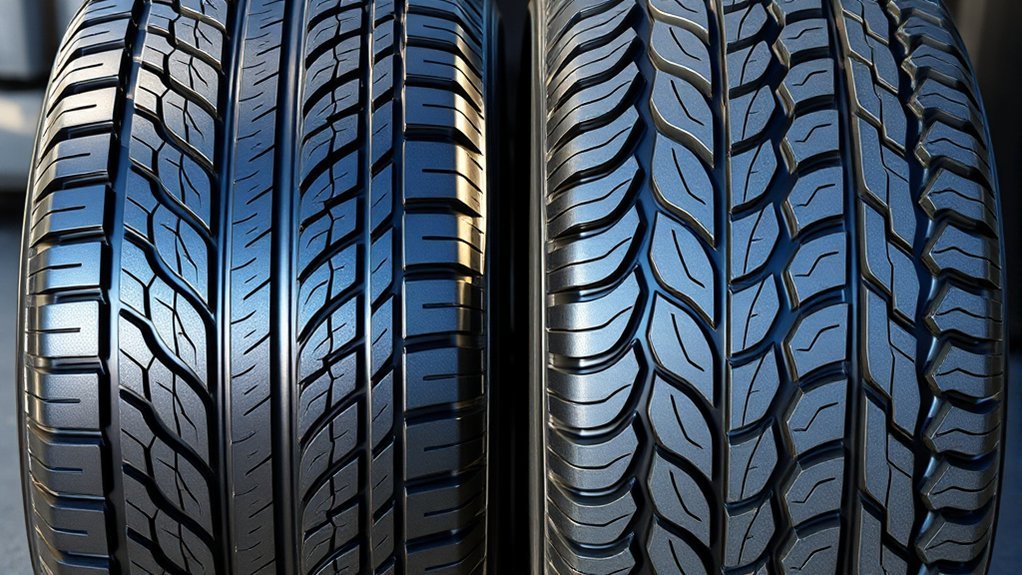
Choosing symmetrical tires can be highly beneficial for everyday driving, especially for those who prioritize budget and ease of maintenance. These budget-friendly options feature identical tread patterns on both sides, allowing for simple installation and rotation without worrying about orientation. Ideal for city commuting, symmetrical tires provide a smooth, quiet ride due to their continuous tread design, minimizing road noise.
They excel in dry and mildly wet conditions, offering consistent performance for compact or older vehicles where high-speed performance isn’t a priority. While they might struggle with wet grip compared to asymmetrical alternatives, their reliability makes them a solid choice for urban environments. If your driving primarily involves short trips or daily errands, symmetrical tires deliver the necessary comfort and efficiency without breaking the bank, ensuring you navigate the city with ease and confidence.
When to Choose Asymmetrical Tires?
Asymmetrical tires are a smart choice for drivers who need superior grip and handling in various weather conditions. When considering these tires, think about the following asymmetrical tire benefits:
- Enhanced grip in both wet and dry scenarios, optimizing your vehicle’s performance.
- Distinct tread patterns that improve cornering stability and resist hydroplaning.
- Superior braking performance during emergencies, contributing to overall vehicle control.
- Ideal for highway driving, ensuring stability and handling at high speeds.
If you frequently navigate diverse weather, or if your driving involves long routes, asymmetrical tires can elevate your experience. Their unique design requires correct installation to maximize benefits, but the investment often pays off in improved safety and handling. Essentially, for those who crave liberation through performance, these tires offer a compelling solution for dynamic driving conditions.
Tread Patterns and Their Impact on Driving Safety
When you drive, the tread pattern of your tires plays an essential role in ensuring your safety on the road. Symmetrical treads offer a quieter ride and are easier to rotate, making them ideal for moderate driving conditions. However, asymmetrical treads excel in wet and dry environments, enhancing grip and improving handling characteristics during emergencies. Directional patterns are designed to channel water away, reducing hydroplaning risks.
Understanding these factors is vital for tire maintenance. Mismatched or worn tires can increase stopping distances, compromising traction and safety ratings. Seasonal changes and varying road surfaces require careful consideration of tread depth and performance metrics.
| Tread Type | Handling Characteristics | Ideal Conditions |
|---|---|---|
| Symmetrical | Moderate grip | Everyday driving |
| Asymmetrical | Enhanced grip | Wet/dry weather |
| Directional | Stability in rain/snow | Heavy precipitation |
Final Thoughts: Choosing the Right Tread Pattern for Your Vehicle
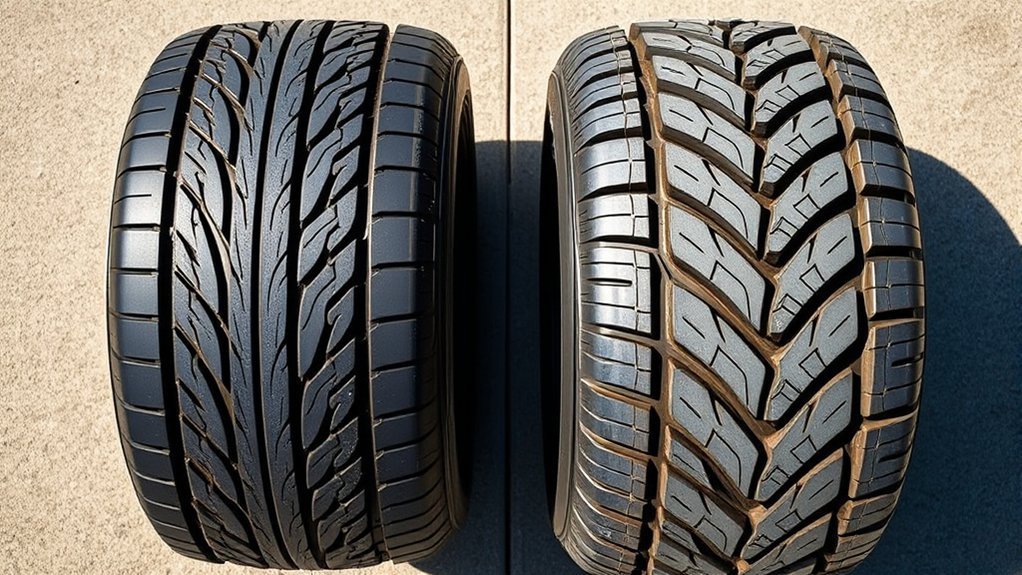
Tread patterns considerably influence your vehicle’s performance, especially when considering your specific driving conditions. Selecting the right one can elevate your driving experience and guarantee safety. Here are key factors to keep in mind:
- Symmetrical Tread Benefits: Cost-effective and quiet, ideal for everyday commuting.
- Asymmetrical Performance: Offers superior grip and stability, perfect for high-speed or variable weather conditions.
- Urban vs. Highway: Symmetrical excels in city driving; asymmetrical shines on highways.
- Installation Precision: Asymmetrical tires require careful installation for peak performance.
In your decision-making process, weigh these tread pattern benefits against your driving condition considerations. Whether you seek budget-friendly options for daily commutes or high-performance tires for dynamic driving, choosing wisely will enhance your vehicle’s capability and longevity. Prioritize your needs, and you’ll find the perfect tread pattern that aligns with your driving style.
Frequently Asked Questions
Can I Mix Symmetrical and Asymmetrical Tires on My Vehicle?
You shouldn’t mix symmetrical and asymmetrical tires on your vehicle. Tire compatibility is essential for peak performance; mixing can negatively impact handling, traction, and safety. Always consult your vehicle’s specifications before making such decisions.
How Do Tread Patterns Affect Fuel Efficiency?
Tread design greatly influences fuel economy. Efficient patterns reduce rolling resistance, enhancing mileage. When selecting tires, consider how their tread affects your vehicle’s performance, ensuring you prioritize designs that optimize both traction and fuel efficiency.
What Tire Pressure Should I Use for Different Tread Patterns?
You’ll want to adjust tire pressure based on tread patterns, weather conditions, and driving style. Proper pressure enhances performance, load capacity, and safety, so check your vehicle’s manual for specific recommendations tailored to your needs.
How Often Should I Rotate Symmetrical vs. Asymmetrical Tires?
You should rotate symmetrical tires every 6,000 to 8,000 miles and asymmetrical tires every 5,000 to 7,500 miles. Regular rotation helps maintain even tread wear, enhancing performance and extending tire life for ideal driving experiences.
Do Tread Patterns Influence Noise Levels While Driving?
Yes, tread patterns greatly influence noise levels while driving. A well-designed tread can enhance noise reduction, improving driving comfort under various road conditions. Opt for designs that balance performance and quietness for a superior experience.
Conclusion
When selecting between symmetrical and asymmetrical tread patterns, consider your driving conditions and preferences. Research shows that tires with asymmetrical patterns can improve wet traction by up to 20%, enhancing safety during rainy conditions. Ultimately, choosing the right tread pattern isn’t just about performance; it’s about ensuring your vehicle handles well and keeps you safe on the road. Evaluate your needs carefully, and you’ll find the ideal tire for your driving experience.

Related Articles
How Tire Tread Pattern Affects Traction on Different Surfaces
Join us to discover how tire tread patterns influence traction across surfaces and which design could enhance your driving experience. What will you choose?
Read More
Winter Tire Compound vs All-Season: Why Cold Weather Changes Everything
Not all tires are created equal—discover how temperature affects performance and why winter tires could be your best choice for safety this season.
Read More
Steel-Belted vs Kevlar-Reinforced Sidewalls: Puncture Resistance Compared
Pitting steel-belted durability against Kevlar-reinforced puncture resistance reveals crucial insights; find out which tire best suits your needs.
Read More