
How to Choose the Right Inner Tube for Your Bike
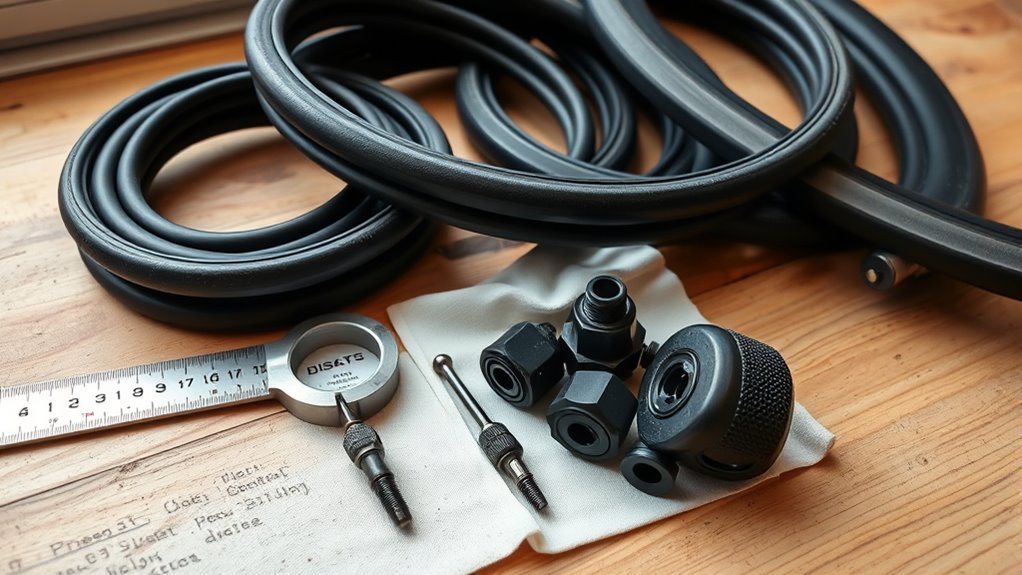
Match the tire diameter and width stamped on your sidewall (e.g., 26 x 1.75) and pick a tube with a compatible width range. Confirm your wheel diameter (700c/622 mm, 26″/559 mm, 27.5″/584 mm, 29″/622 mm, 24″, 20″) and choose a valve that fits your rim hole: Presta, Schrader, or Dunlop. Slightly inflate a loosely seated tube before fitting the second bead, then set pressure to the tire’s recommended range. Read on for more on valves, sealants, and preventing flats.
Quick Answer
- Check your tire sidewall for diameter and width (e.g., 700 x 28c or 26 x 1.75).
- Buy a tube whose width range covers your tire width and matches your wheel diameter.
- Match the valve type (Presta, Schrader, or Dunlop) to your rim’s hole size.
- Install carefully, inflate gradually, and check pressure before every ride.
Pick the Right Inner Tube Fast (Diameter × Width)
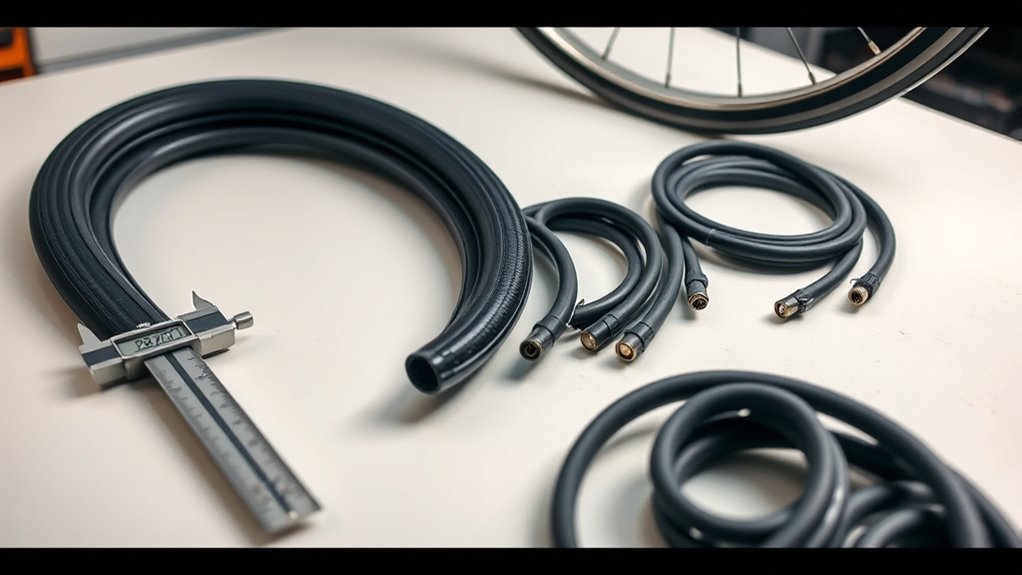
Start by matching the tire’s diameter and width printed on the sidewall. Formats like 26 x 1.75 or 700 x 28 mm tell you exactly what tube to buy. Find the diameter (20, 24, 26, 27.5, 29, or 700c), note the width, then pick a tube whose compatible width range covers it. A label like “26 x 1.75–2.125” means it fits any tire in that width range. Getting this right avoids misfit tubes and pinch flats.
Road bikes typically use 700c x 20–25 mm tubes. Mountain bikes use sizes like 26 x 2.1 or 29 x 2.3. Pick a tube whose width range covers your tire, not just a single number. Standard butyl tubes offer good durability; latex tubes are lighter with lower rolling resistance. Don’t forget to confirm valve type separately.
Match Inner-Tube Valves to Your Rim: Presta, Schrader, Dunlop
The valve type determines whether your tube fits the rim hole and how you inflate it. Presta valves are narrow (about 6 mm) and suit high-pressure road rims and lighter wheels. Schrader valves are wider (about 8 mm), match standard pump heads, and are common on mountain and hybrid bikes. Woods/Dunlop valves sit between the two in size and appear mostly on older or regional bikes.
Check your rim hole diameter first. Small holes need Presta; larger holes take Schrader. Adapters and grommets can bridge mismatches, but they add potential failure points. A direct match is always preferable.
For inflation: Presta valves require you to open the valve nut before pumping and need a compatible pump head or adapter. Schrader valves work with any standard pump. Woods valves use region-specific pump heads but can often be inflated with a Presta head as well. Carrying a small adapter and a pump that handles both valve types keeps you ready for roadside repairs.
Quick Size Chart: 700c, 26″, 27.5″, 29″, 24″, 20″
Match your wheel’s bead seat diameter and tire width to find the right tube. Bead seat diameter is the standard measurement used across manufacturers. For a deeper reference on bicycle tire sizing standards, Sheldon Brown’s tire sizing guide is a reliable resource. Butyl tubes work well for everyday durability; latex suits performance-focused riders who monitor pressure closely.
| Wheel Size | Typical Bead Diameter / Widths |
|---|---|
| 700c | 622 mm; 20–37 mm |
| 26″ | (approx. 559 mm); 1.0–4.8″ |
| 27.5″ | 584 mm; 2.1–2.8″ |
| 29″ / 24″ / 20″ | 29″: 622 mm; 1.9–2.5″ / 24″: 1.0–2.0″ / 20″: 1.0–2.2″ |
Match bead diameter first, then width range. For rough or mixed terrain, pick a slightly wider tube within your tire’s range for added robustness. For speed, a lighter, narrower latex tube works well, but check pressure more frequently.
How to Fit an Inner Tube: Step-by-Step
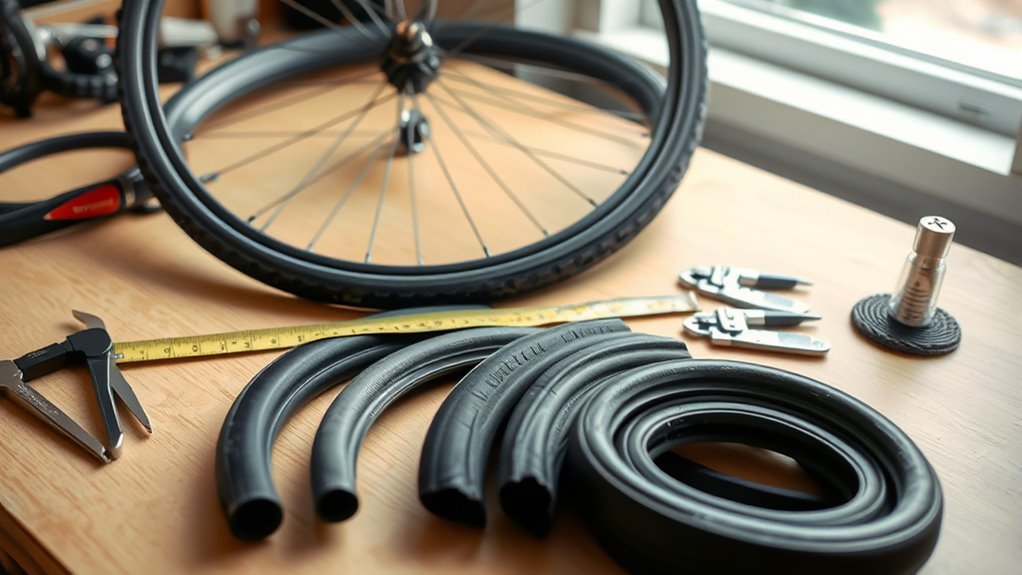
Before mounting the tube, confirm the tire sidewall size and inspect the rim and rim band for damage. Check the diameter and width (e.g., 26 x 1.75), look for sharp edges in the rim bed, and verify the rim band covers all spoke holes. Have installation tools and a spare tube on hand before you start.
Before mounting a tube, confirm tire size, inspect the rim and rim band, and gather your tools and a spare.
- Place one tire bead fully on the rim, align the valve hole, and insert the slightly inflated tube valve-first to seat it evenly.
- Slightly inflate the tube so it holds its shape, then work the second bead onto the rim starting opposite the valve. This reduces pinching and helps the tube seat evenly.
- Inflate gradually to the recommended pressure, then rotate the wheel and check for bulges or misalignment before adding final pressure.
For ongoing tube maintenance: store tubes flat, check valve cores periodically, and keep basic installation tools in your bag.
Prevent Flats and Troubleshoot Sealants, Durability, and Fit Issues
Fewer flats come down to three things: proper fit, consistent pressure checks, and targeted sealant use. Match tube diameter and width to your tire, keep inflation within the recommended range to avoid pinch flats, and consider pre-sealed tubes or added liquid sealant to plug small punctures quickly.
Check pressure before every ride. Under-inflation is the most common cause of pinch flats and also speeds up tube wear. For long-term protection, self-sealing inner tubes with pre-installed sealant can remain effective for up to two years when stored in a cool, dry place away from sunlight and heat.
If you use standard tubes, inject a measured amount of liquid sealant and top it up periodically or after any major puncture. Always verify fit during installation. An incorrect diameter or width leads to leaks or blowouts.
When troubleshooting a slow leak, submerge the inflated wheel in water, mark the breach point, then decide whether to patch, replace the tube, or renew the sealant.
Frequently Asked Questions
Can I Use a 1.75 Tube in a 1.5 Tire?
Yes, as long as the rim diameter matches. A slightly wider tube will fit a narrower tire, though the fit will be a little looser. As long as the diameter is correct and the tube is installed properly, it will work fine.
What Does 700×28-32C Mean on an Inner Tube?
It means the tube fits 700c wheels (622 mm bead diameter) and is designed for tires in the 28–32 mm width range. Check whether butyl or latex suits your riding style, then confirm the valve type before buying.
Conclusion
Getting the right tube is straightforward once you know the system: match diameter and width from the tire sidewall, confirm the valve type fits your rim, and stay within the recommended pressure range. Use the size chart above to find your wheel’s bead diameter, pick a tube that covers your tire’s width, and install it carefully. A quick inspection before you ride catches most problems before they become roadside problems.

Related Articles
How Tall Is a 315 70 17 Tire? Exact Height, Width & Dimensions
A 315/70R17 tire is taller and wider than you might expect—find its exact dimensions and what could affect fitment.
Read More
How Tall Is a 285 70 R17 Tire? Exact Height, Width & Dimensions
Discover the exact height, width, and dimensions of a 285/70R17 tire—and why it might not be the full 33-inch size you expect.
Read More
How Tall Is a 245 75R16 Tire? Exact Height, Width & Dimensions
Get the exact height, width, and dimensions of a 245/75R16 tire—and discover the one measurement that could change everything.
Read More