
What Does the DOT Date Code Mean on Tires? How to Read Tire Age
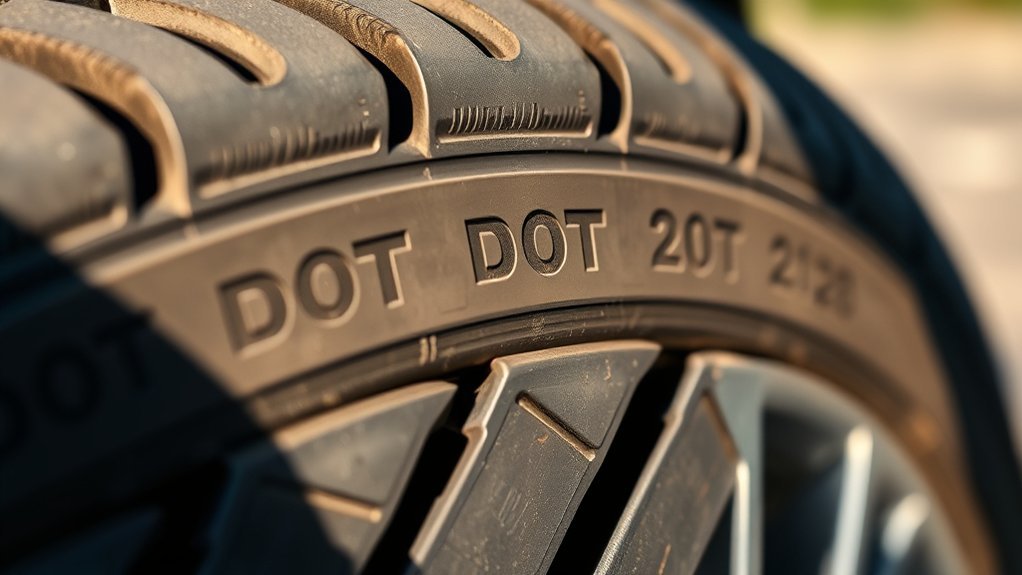
The DOT date code on your tire tells you when that tire was manufactured. It is usually the last four digits of the DOT Tire Identification Number on the sidewall. Those four digits use a week-and-year format, so a code like 0619 means the tire was made in the 6th week of 2019. Knowing this date helps you judge tire age, check recall information, and decide when a closer inspection or replacement is needed.
Quick Answer
To read a tire DOT date code, find the DOT Tire Identification Number on the sidewall and look at the last four numbers. The first two numbers are the production week, and the last two numbers are the production year. For example, 2524 means the tire was made in the 25th week of 2024.
Key Takeaways
- The DOT date code is the final four-digit date group in the tire’s DOT Tire Identification Number.
- The first two digits show the manufacturing week; the last two show the year.
- The full code may appear on only one sidewall, so check both sides of the tire.
- Tread depth alone does not prove a tire is safe; age, cracks, bulges, air loss, heat, storage, and use all matter.
- Follow your vehicle and tire manufacturer’s replacement guidance, and have older or damaged tires inspected by a qualified tire professional.
At a Glance
| Time Required | 2 to 5 minutes per tire |
| Difficulty | Easy |
| Tools Needed | Flashlight, phone camera, and tire pressure gauge; a tread depth gauge is helpful |
| Cost | Free for a basic check; professional inspection cost varies by shop |
What the DOT Date Code Means

The DOT date code is part of the tire’s DOT Tire Identification Number, often called the TIN. This number starts with the letters DOT and includes manufacturer information plus the date the tire was made. Under current U.S. tire identification rules, the date code is a four-number group that identifies the week and year of manufacture.
For everyday tire-age checks, you usually only need the final four digits. For example:
- 0619 = 6th week of 2019
- 2524 = 25th week of 2024
- 0109 = 1st full calendar week of 2009
The date code matters because rubber changes over time. Heat, sunlight, ozone, storage conditions, underinflation, heavy loads, impacts, and road damage can all speed up aging. A tire can have usable tread and still be unsafe if it is old, cracked, damaged, or losing air.
NHTSA reported 511 motor vehicle traffic fatalities in tire-related crashes in 2024, which is why tire age, pressure, tread, damage, and recalls should be checked together.
Where to Find the DOT Date Code on Your Tires
Look on the tire sidewall near the rim. The code starts with DOT and may appear in a slightly raised or recessed molded area. The full Tire Identification Number may be on only one side of the tire, so check both sidewalls if you do not see the four-digit date code right away.
On tires mounted on a vehicle, the complete code may face inward. If you can only see a partial DOT number on the outer sidewall, use a flashlight and check the inner sidewall from behind the wheel, or ask a tire shop to help you inspect it safely.
Note: The DOT date is the tire’s manufacturing date, not the date you bought it or had it installed. A “new” tire from a store shelf may already be months or even years old.
How to Decode the DOT Date Code Step by Step
Use this simple process to read the date code correctly:
- Find the DOT marking. Look for the letters DOT on the sidewall.
- Follow the code to the end. The date code is usually the final four numbers in the full Tire Identification Number.
- Read the first two digits as the week. A code beginning with 06 means the 6th week of the year.
- Read the last two digits as the year. A code ending in 19 means 2019.
- Combine them. 0619 means the tire was made in the 6th week of 2019.
Pro Tip: Take a close-up photo of the DOT code with your phone. It is easier to zoom in on the photo than to keep your face close to a dirty sidewall.
What If the Tire Has a Three-Digit Date Code?
Tires made before 2000 may have a three-digit date code. The first two digits show the week, and the last digit shows the year within that decade. For example, 229 could mean the 22nd week of a year ending in 9.
Warning: If a tire has a three-digit pre-2000 date code, it is decades old and should not be used on the road, even if the tread looks deep. Replace it and check the spare tire too.
Why Tire Age Matters for Safety and Performance
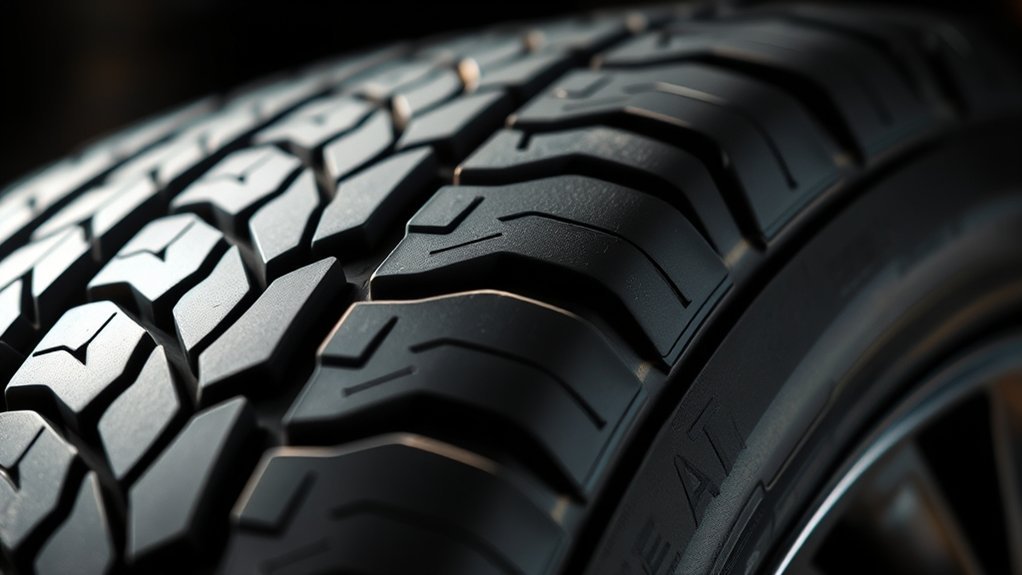
Tire age matters because rubber and internal tire materials can change with time and use. A tire’s real service life is affected by many conditions, including temperature, storage, inflation pressure, load, speed, impacts, road hazards, and maintenance. That is why age should never be judged alone, and tread depth should never be the only safety check.
NHTSA notes that some vehicle and tire manufacturers recommend replacing tires that are six to 10 years old, regardless of treadwear. The safest approach is to follow your vehicle owner’s manual, your tire manufacturer’s guidance, and a qualified tire professional’s inspection.
| Tire Age | What It Means | Best Next Step |
|---|---|---|
| 0–5 years | Usually within normal age range if undamaged and properly maintained | Check pressure, tread, and damage monthly |
| 6–10 years | Many makers recommend closer inspection or replacement in this range | Follow manufacturer guidance and get a professional inspection |
| 10+ years | High age-related risk, including for spare tires | Replace unless your tire/vehicle maker gives different written guidance |
| Any age with damage | Cracks, bulges, exposed cords, vibration, punctures, or recurring air loss can be unsafe | Stop using the tire and have it inspected immediately |
How Tire Age Affects Performance
As tires age, they can lose flexibility and strength. This can reduce grip, increase stopping distance, and raise the risk of cracks, separations, or blowouts. The effects can be worse in hot climates, on overloaded vehicles, on underinflated tires, or on tires that sit unused for long periods.
Effects on Tread Wear
Tread depth still matters. Tires are not safe when the tread reaches 2/32 inch. Built-in treadwear bars, a penny test, or a tread depth gauge can help you spot worn tread. However, age and damage can require replacement before the tread reaches that minimum.
Impact on Traction
Older rubber may not grip the road as well as newer, healthier rubber. Wet roads, cold weather, heavy braking, and emergency maneuvers can reveal problems that are not obvious while the car is parked.
Risk of Blowouts
A blowout can happen when a tire suddenly loses air or suffers structural failure. Aging, underinflation, overloading, heat buildup, impact damage, and improper repairs can all increase risk. If you feel vibration, hear new tire noise, see a bulge, or notice repeated pressure loss, stop treating the tire as safe until it has been inspected.
Signs Your Tires Need Replacement Beyond Age
Do not rely only on the DOT date code. Replace the tire or have it inspected immediately if you notice any of these warning signs:
- Tread at or below 2/32 inch
- Cracks in the sidewall or tread area
- Bulges, blisters, or bubbles on the sidewall
- Exposed cords or visible internal material
- Uneven wear, cupping, scalloping, or bald spots
- Repeated air loss even after inflation
- Vibration, thumping, or pulling while driving
- Punctures near the sidewall or improper previous repairs
- A tire recall affecting your tire’s brand, model, size, and DOT/TIN range
Warning: Do not keep driving on a tire with a bulge, exposed cords, severe cracking, tread separation, or sudden pressure loss. Use the spare only as directed by your vehicle manual and get professional help.
[Products Worth Considering]

EVOULTES heavy duty tire inflator with an integrated gauge delivers accurate pressure readings from 10–120 PSI, helping you inflate, deflate, and check tires in one tool. The 16.5-inch extended dual-head air chuck with swivel base reaches hard-to-access dual wheel valves on trucks and RVs. A brass trigger core and side-mounted air release valve make operation smooth, with standard 1/4" NPT threading and quick-connect compatibility for easy setup.

This portable cordless tire inflator delivers up to 160 PSI with fast 17 L/min airflow to help you quickly top up tires and get back on the road. It features dual power mode, running on a 21V rechargeable battery or a 12V DC adapter for convenient roadside use. An automatic shut-off with digital pressure gauge helps prevent overinflation, and a built-in LED light improves visibility in low-light conditions.

The JACO FlowPro Tire Inflator measures, inflates, and airs down tires up to 100 PSI with battery-free operation and ±2% accuracy after calibration. It features a glowing pressure dial for night visibility, a heavy-duty steel build with a hybrid hose, and a precision push-to-inflate thumb trigger. The patented Lightning Air Chuck locks on for a secure seal, and the kit includes quick-connect hardware for easy inline use with your air compressor.
Check the DOT Code for Tire Recalls
The DOT Tire Identification Number is also useful for recall checks. Tire recalls can apply to specific brands, models, sizes, factories, and production date ranges. Search your tire information through the NHTSA recalls database or a tire manufacturer’s recall tool.
If you recently bought tires, register them with the manufacturer. Registration helps the manufacturer contact you if your tires are later recalled.
[Products Worth Considering]
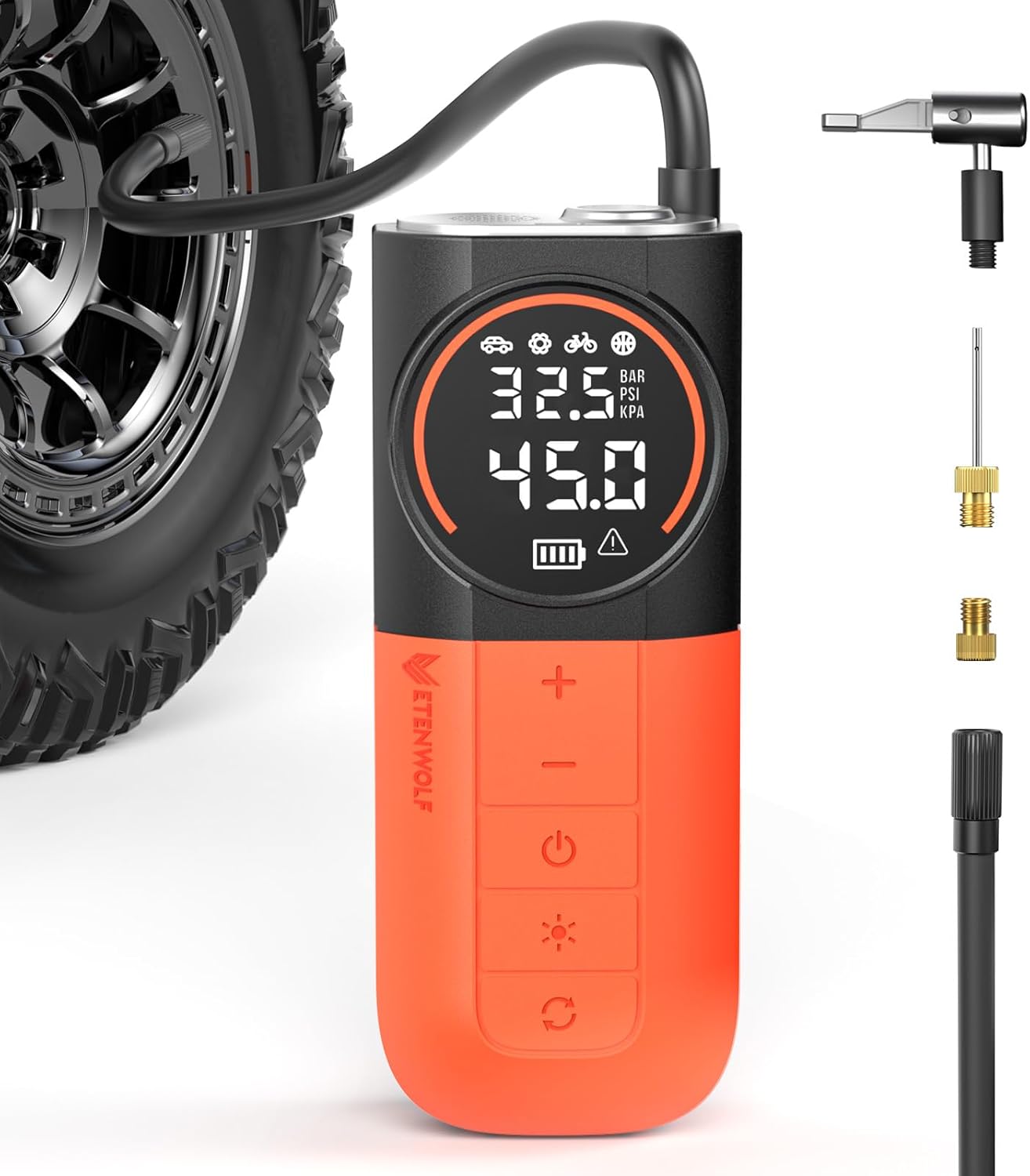
The ETENWOLF S1 cordless tire inflator delivers ultra-fast inflation with up to 160 PSI and a 20 L/min airflow for quicker tire top-offs. Its 5200mAh battery and cooling system support inflating many tires and sports balls on a single charge, while the digital pressure gauge and multi-unit display help you reach the right pressure accurately. With preset modes, pressure memory, an auto-stop feature, and an LED flashlight, it’s built for easy roadside and everyday use.

The AstroAI L7 Air Tire Inflator refills car tires quickly with up to 150PSI max pressure and a fast 1-minute inflation claim. It includes 5 preset modes for car, motorcycle, bicycle, balls, and manual use, along with an auto shutoff to help prevent overinflation. Designed for convenience, it features a digital gauge with unit switching, a top LED light with multiple modes, and USB-C/USB ports for backup power.

CONTAINS: 3 tire spoons, 3 rim protectors, 1 valve tool, 10 valve cores, 12 valve caps and a storage bag. All parts neatly packed for easy storage, portability, quick access when needed
Do Spare Tires Have DOT Date Codes?
Yes. Spare tires have DOT date codes too, and they age even when they are rarely used. Heat inside the trunk, exposure under the vehicle, low pressure, and long storage time can all affect a spare tire. Check the spare’s DOT date, pressure, sidewall condition, and usage limits before you need it in an emergency.
A full-size spare should not automatically be treated as a normal replacement for a worn tire. A compact temporary spare should only be used within the speed, distance, and pressure limits listed in your vehicle manual or on the spare tire label.
[Products Worth Considering]

PROCESS LEVEL ACCURACY: Each ETENWOLF’s digital tire pressure gauge is calibrated manually to ANSI B40.7 Grade 2A(plus-minus 1 PSI).Presta valve adapter not included, if used for bicycles, it must be purchased separately

HIGH ACCURACY: Every ETENWOLF's pencil tire gauge is calibrated to ANSI B40.1 Grade B, it is accurate to 2% of span in the middle 50% of range and 3% of span in the lower and upper 25% of range. Each of ETENWOLF pencil tire pressure gauge is manually calibrated and has its unique calibration number printed on the pencil

RUGGED DESIGN: The stainless steel components prevent rust and corrosion while the precision-crafted nozzle seamlessly seals onto the valve stems for highly accurate readings (±2% span). We also provide 4 valve stem caps for convenient replacement.
Maintaining Tire Longevity: Key Tips for Safety
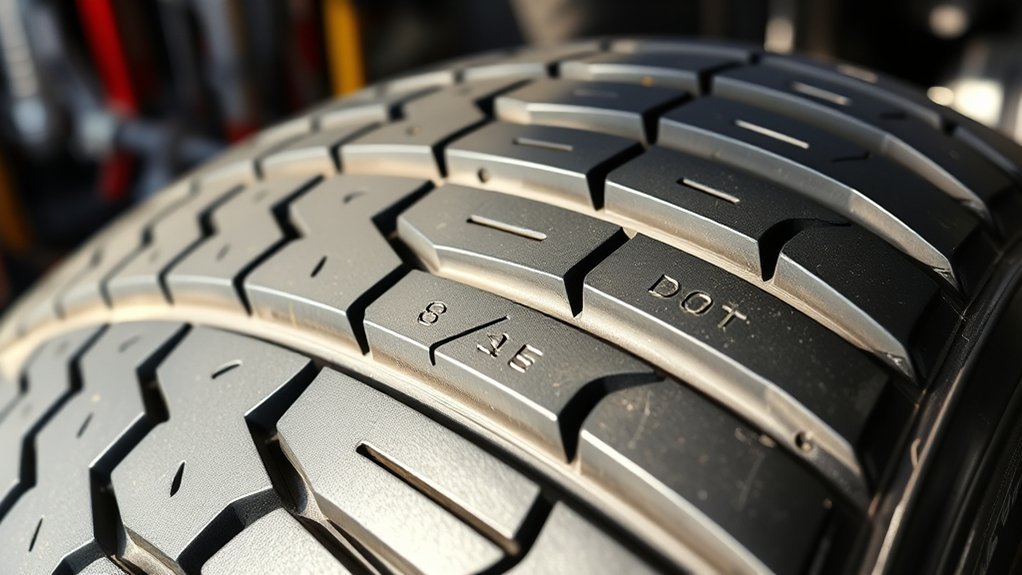
Good maintenance helps tires last longer and perform more safely. Use this checklist along with the DOT date code:
- Check tire pressure monthly when tires are cold, including the spare.
- Use the pressure on the vehicle placard or owner’s manual, not the maximum pressure molded on the tire sidewall.
- Inspect tread monthly with a tread depth gauge, treadwear bars, or the penny test.
- Rotate tires as recommended in your owner’s manual. If no interval is listed and rotation is allowed, many tire-industry guides use 5,000 to 8,000 miles as a general range.
- Fix alignment or suspension problems if you see uneven wear.
- Do not overload the vehicle. Check the Tire and Loading Information label.
- Store unmounted tires properly in a cool, dry place away from direct sunlight, ozone sources, petroleum products, and extreme heat.
- Have older tires inspected by a qualified tire service professional, especially after five to six years or sooner if damage appears.
Frequently Asked Questions
How long are tires good for after the DOT date?
There is no single expiration date that applies to every tire. Service life depends on tire design, storage, climate, inflation, load, road damage, and maintenance. Many vehicle and tire manufacturers recommend closer inspection or replacement once tires are about six to 10 years old. Always follow your vehicle and tire manufacturer’s guidance.
How do I read a 3 digit DOT code?
A three-digit date code was used on some tires made before 2000. The first two digits show the production week, and the last digit shows the year within that decade. Because any pre-2000 tire is now decades old, it should be replaced rather than used on the road.
What does DOT 0619 mean on a tire?
The date code 0619 means the tire was manufactured in the 6th week of 2019. The 06 is the week, and 19 is the year.
Why can’t I find the full DOT date code?
The full Tire Identification Number may be molded on only one sidewall. If the full code is not visible on the outside of the tire, check the inner sidewall safely with a flashlight or ask a tire shop to inspect it.
Is the DOT date code the same as the tire purchase date?
No. The DOT date code shows when the tire was manufactured. It does not show when the tire was sold, installed, or first driven.
Should I replace tires that look good but are 10 years old?
In most cases, yes. Tires can age internally and externally even when tread looks acceptable. Follow the tire and vehicle manufacturer’s replacement guidance, and do not ignore cracks, bulges, vibration, air loss, or recall notices.
Conclusion
Knowing how to read the DOT date code helps you understand your tire’s age and make safer maintenance decisions. Find the final four digits of the DOT Tire Identification Number, read the first two as the week and the last two as the year, then compare that age with the tire’s condition and your manufacturer’s guidance. If the tire is old, cracked, bulging, worn to 2/32 inch, losing air, recalled, or behaving strangely on the road, replace it or have it inspected by a qualified tire professional.
Sources
- NHTSA TireWise: Tire Safety Ratings and Awareness — supports tire maintenance, tire aging, tread, pressure, rotation, and tire-related crash safety context.
- NHTSA Tire Buyers’ FAQ — supports the DOT Tire Identification Number date-code explanation and checking both sidewalls.
- 49 CFR 574.5 Tire Identification Requirements — supports the official date-code format for week and year of manufacture.
- U.S. Tire Manufacturers Association: Tire Care Essentials — supports tread depth, monthly inspection, tire pressure, and rotation guidance.
- USTMA Care and Service of Passenger and Light Truck Tires — supports the point that tire service life depends on use, storage, temperature, inflation, load, and other conditions.
- NHTSA Recalls Search — supports checking tire recalls and registering safety-related equipment.

Related Articles
Toyota Tundra Tire and Wheel Package: What to Consider Before Buying
Unlock the secrets to choosing the perfect tire and wheel package for your Toyota Tundra—essential tips await to enhance your ride.
Read More
Do Bigger Tires Void a Toyota Tundra Warranty? Magnuson-Moss Act Explained
Bigger tires might not void your Toyota Tundra warranty, but understanding the Magnuson-Moss Act is crucial—discover how to protect your investment effectively.
Read More
Toyota Tundra Tire Rack Setup: Garage Storage Ideas for Seasonal Sets
Better tire storage for your Toyota Tundra awaits—discover essential tips to maximize space and protect your seasonal sets in the garage!
Read More