
Toyota Tundra PCD: 5×150 Wheel Fitment Guide
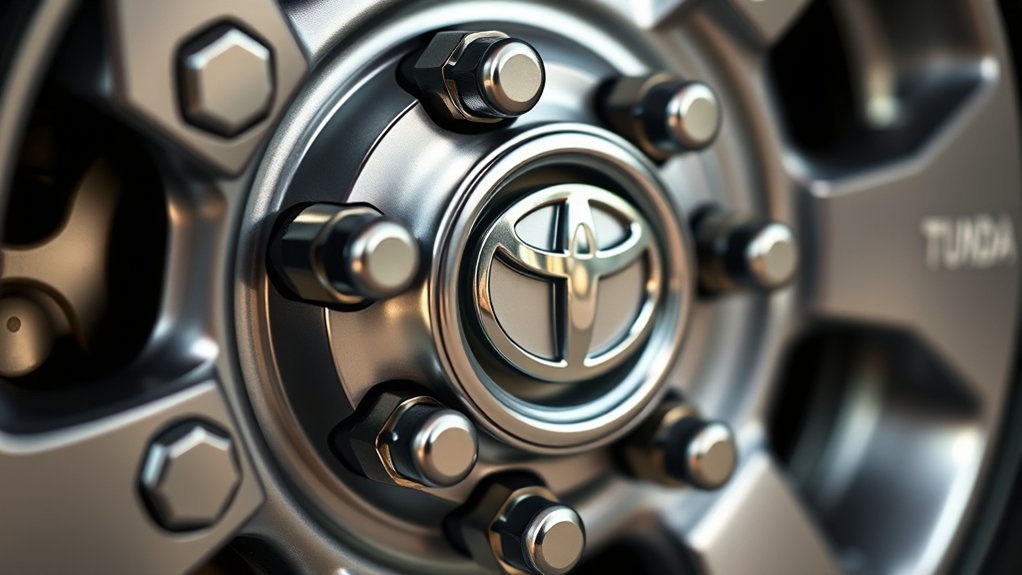
Wrong wheel fitment can cause vibration, poor handling, and unsafe installation on your Toyota Tundra. Pitch Circle Diameter (PCD) is one of the first numbers you need to check before you buy aftermarket wheels. This guide explains what PCD means, how to find it, and what other wheel specs you should confirm before you install new rims.
Quick Answer
Pitch Circle Diameter (PCD) is the diameter of the circle that passes through the center of your wheel bolt holes. Many Toyota Tundra models use a 5×150 mm bolt pattern, but you should confirm your exact model year before buying wheels. Match the PCD, center bore, offset, load rating, and tire size to avoid fitment and safety issues.
Key Takeaways
- Check your Toyota Tundra’s PCD before you buy aftermarket wheels.
- Many Tundra wheels use a 5×150 mm bolt pattern, but model-year fitment can vary.
- Confirm offset, center bore, load rating, and tire clearance along with PCD.
- Measure carefully or use your owner’s manual when wheel markings are unclear.
- Ask a qualified tire shop to verify fitment if you plan a major wheel or tire upgrade.
What Is Pitch Circle Diameter (PCD) and Why Does It Matter?
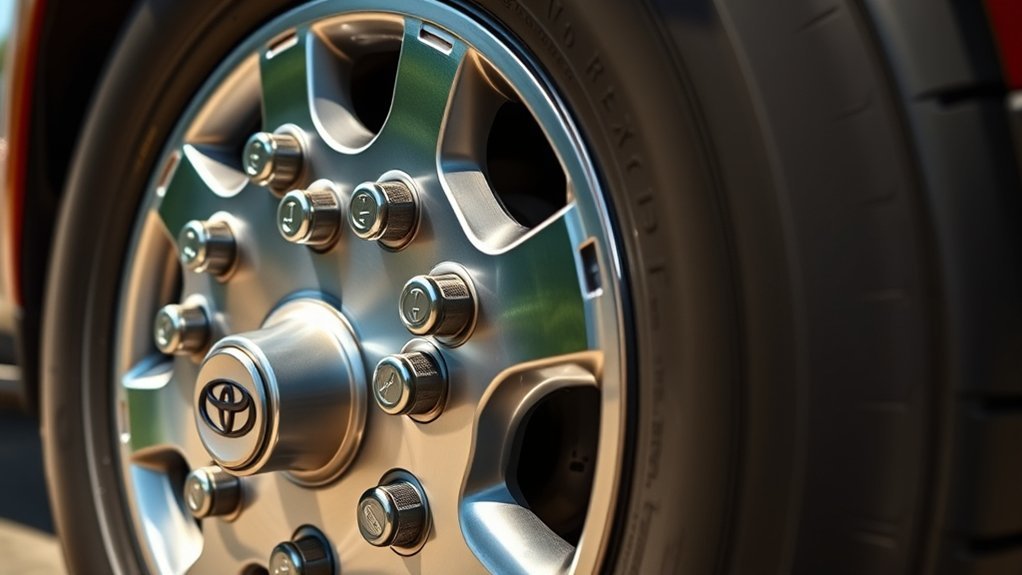
Pitch Circle Diameter (PCD) is the diameter of an imaginary circle that passes through the center of each wheel bolt hole. For many Toyota Tundra models, a common PCD is 5×150 mm. That means the wheel has five bolt holes arranged around a 150 mm circle.
PCD matters because the bolt holes must line up with the studs on your truck’s hub. If the bolt pattern does not match, the wheel will not seat correctly. That can cause vibration, uneven clamping force, or an unsafe installation.
Warning: Never force a wheel onto a hub when the bolt holes do not line up cleanly.
You can often find the PCD in your owner’s manual, on a fitment label, or stamped on the back of the wheel. You should still verify all fitment details before buying aftermarket wheels, especially if your Tundra has a lift kit, larger tires, or modified suspension.
How Do You Find the PCD for Your Toyota Tundra Wheels?
You can find your Toyota Tundra’s PCD in a few reliable ways. Start with the owner’s manual or a trusted fitment chart for your exact model year. If that information is not available, you can measure the bolt pattern yourself.
Check Your Vehicle Manual
Your vehicle manual usually lists wheel and tire specifications for your Toyota Tundra. Look for terms such as bolt pattern, PCD, wheel size, offset, and center bore. These details help you compare factory wheel specs with aftermarket options.
Many Tundra models use a 5×150 mm PCD. Still, you should not rely on a general rule when ordering wheels. Trim level, generation, and wheel package can affect the best fitment choice.
Measure the Bolt Pattern
You can measure the bolt pattern when you cannot confirm the PCD from a manual or wheel marking. Use a ruler or caliper and measure carefully from the center of one bolt hole to the correct reference point on the opposite side.
- Check the owner’s manual or markings on the back of the wheel first.
- Measure from the center of one lug hole to the far edge of the opposite lug hole on a five-lug wheel.
- Use a bolt-pattern gauge or ask a tire shop if you need a precise result.
For five-lug wheels, direct measurement can be less simple than four-lug or six-lug designs. A bolt-pattern gauge gives you the safest result. Accurate measurement helps you avoid vibration, poor seating, and return costs.
How Do You Decode Wheel Rim Markings?
Wheel rim markings show more than the bolt pattern. They often include rim width, wheel diameter, offset, and sometimes load rating. You need these numbers because PCD alone does not prove a wheel will fit your Tundra.
A size such as 18×9 means the wheel has an 18-inch diameter and a 9-inch width. A marking such as ET 15 shows the offset, which measures the distance between the wheel centerline and mounting face. Offset affects clearance, stance, steering feel, and rubbing risk.
The center bore also matters. It is the hole in the middle of the wheel that fits over the hub. If the bore is too small, the wheel will not fit. If it is larger than the hub, you may need hub-centric rings when the wheel design allows them.
How Do You Measure and Calculate PCD for Your Tundra?
Measuring the PCD for your Toyota Tundra helps you confirm wheel fitment before you buy. Use clean bolt holes, a flat surface, and a reliable measuring tool. Small errors can point you toward the wrong bolt pattern.
- For four-stud wheels, measure between opposite stud centers.
- For five-stud wheels, use a five-lug bolt-pattern gauge for the most reliable result.
- For six-stud wheels, measure from the center of one stud to the center of the opposite stud.
If your wheel has an odd number of lugs, measurement can be harder because no lug sits directly opposite another. Many guides use formulas for five-lug patterns, but a printed chart or physical gauge reduces mistakes. If you are unsure, have a tire shop confirm the measurement before you order wheels.
How Do You Choose the Right Wheels for Your Tundra?
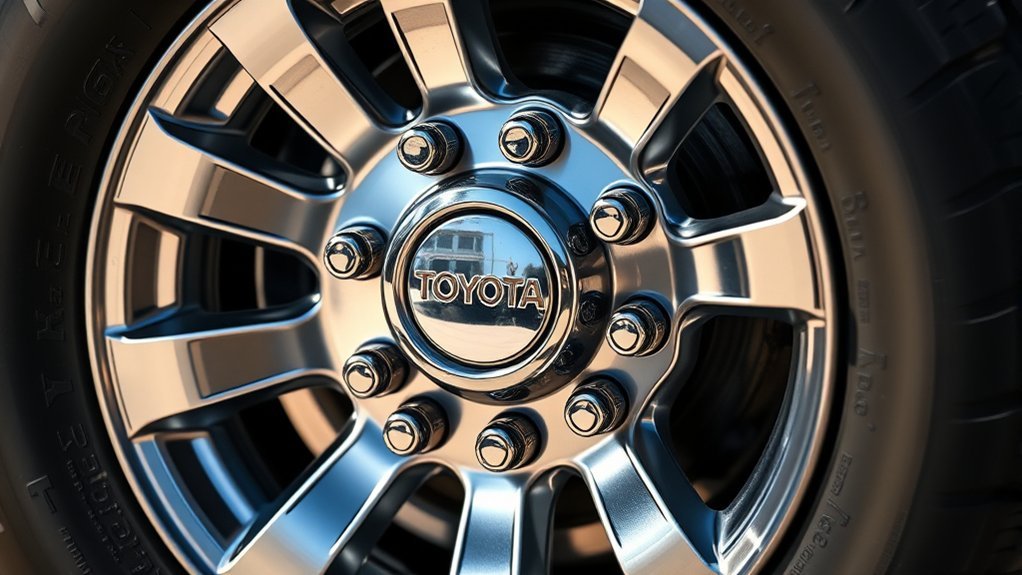
When you choose wheels for your Toyota Tundra, start with the correct PCD, then check the rest of the fitment specs. A common Tundra bolt pattern is 5×150 mm, but your exact model year should guide the final choice. You also need to confirm offset, center bore, tire size, brake clearance, and wheel load rating.
Offset changes how far the wheel sits inward or outward. A mild offset often gives you a cleaner fit, while a more aggressive offset can push the tire closer to the fender. Larger tires, wider wheels, and negative offsets can require trimming or suspension changes.
Pro tip: Test-fit one wheel before mounting all four tires if you are changing width, offset, or tire size.
Here’s a quick reference table for common wheel sizes:
| Wheel Size | Typical Tire Size | Common Use |
|---|---|---|
| 17×8.5 | 285/70R17 | Off-road-focused setups |
| 18×9 | 275/60R18 | Daily driving |
| 20×9 | 275/60R20 | Street-focused appearance |
What Other Wheel Specs Should You Check Besides PCD?
PCD tells you whether the bolt holes match, but it does not cover the full fitment picture. You should also compare the wheel’s center bore, offset, width, diameter, brake clearance, and load rating. Each spec affects safety, ride quality, or clearance.
Load rating matters on a truck because the wheel must support the vehicle, passengers, cargo, and towing load. Tire size also affects speedometer readings, fender clearance, and gearing feel. For best results, compare your planned setup with a proven fitment for the same Tundra generation.
What Mistakes Should You Avoid When Selecting Tundra Wheels?
Selecting the right wheels for your Toyota Tundra becomes easier when you avoid the most common fitment errors. Many owners focus on wheel style first and check technical specs later. That approach can lead to rubbing, vibration, or unsafe mounting.
- Do not assume every Tundra uses the same bolt pattern.
- Do not ignore offset, backspacing, and tire clearance.
- Do not overlook center bore size and hub fit.
- Do not buy wheels without checking their load rating.
- Do not mount oversized tires before checking suspension and fender clearance.
Aftermarket wheels can improve your truck’s stance, tire options, and off-road ability. They still need to match the truck’s mechanical limits. If you tow, haul, or drive off-road, choose wheels with enough strength for that use.
Frequently Asked Questions
Why is pitch circle diameter important?
Pitch Circle Diameter is important because it determines whether the wheel bolt holes match your truck’s hub. A mismatched PCD can prevent proper seating and create unsafe clamping force.
What does PCD mean for Toyota wheels?
PCD means Pitch Circle Diameter. For Toyota wheels, it describes the number of bolt holes and the diameter of the circle they form, such as 5×150 mm.
What does 5×100 PCD mean?
A 5×100 PCD means the wheel has five bolt holes arranged around a 100 mm circle. This pattern does not match a common Toyota Tundra 5×150 mm setup.
Can you use wheel adapters to change PCD?
Wheel adapters can change bolt patterns, but they add thickness and can affect offset, stud engagement, and clearance. Use them only when a qualified installer confirms they suit your truck and wheel setup.
Is PCD the same as offset?
No, PCD and offset measure different things. PCD describes bolt-hole spacing, while offset describes where the wheel mounting face sits compared with the wheel centerline.
Conclusion
The most important step is simple: confirm your Tundra’s exact PCD before you buy wheels. Then check offset, center bore, load rating, brake clearance, and tire size so the full setup works together. When specs seem unclear, ask a trusted tire shop to measure and verify fitment. Careful checks now help your Tundra drive, tow, and handle the way it should.

Related Articles
Toyota Tundra Tire and Wheel Package: What to Consider Before Buying
Unlock the secrets to choosing the perfect tire and wheel package for your Toyota Tundra—essential tips await to enhance your ride.
Read More
Do Bigger Tires Void a Toyota Tundra Warranty? Magnuson-Moss Act Explained
Bigger tires might not void your Toyota Tundra warranty, but understanding the Magnuson-Moss Act is crucial—discover how to protect your investment effectively.
Read More
Toyota Tundra Tire Rack Setup: Garage Storage Ideas for Seasonal Sets
Better tire storage for your Toyota Tundra awaits—discover essential tips to maximize space and protect your seasonal sets in the garage!
Read More