
Lug Nut Torque for Toyota Tundra: 97 vs 154 ft-lbs
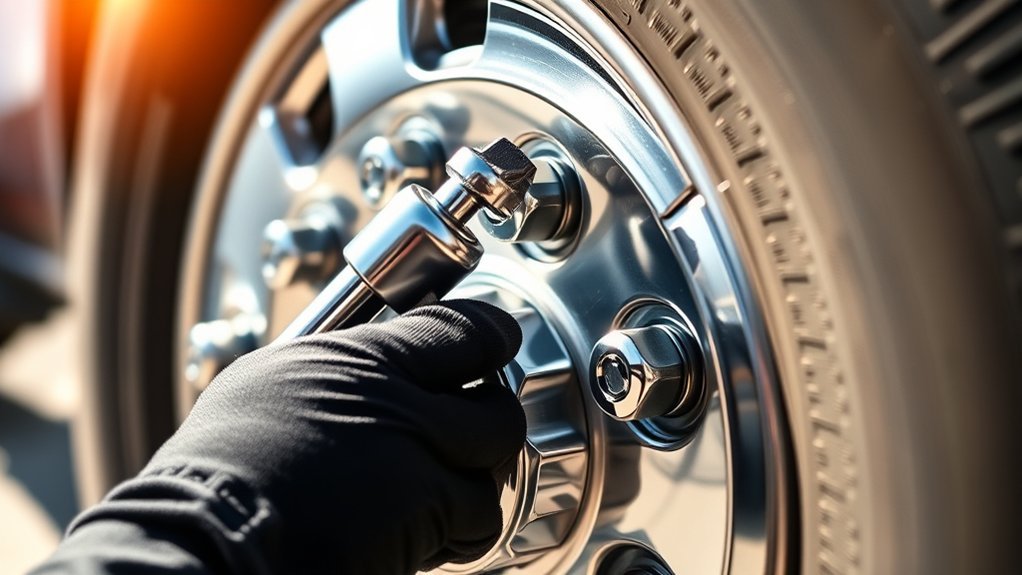
A wheel can loosen, vibrate, or damage hardware when you use the wrong lug nut torque. Your Toyota Tundra may use different specs based on model year, wheel style, lug nut seat, and whether you run the spare. This guide explains the common Tundra torque figures, how to apply them safely, and when you should confirm the value in your owner’s manual.
Quick Answer
Many Toyota Tundra aluminum wheels use a lug nut torque value near 97 ft-lbs, while some steel spare wheels use about 154 ft-lbs. Always confirm the exact spec in your owner’s manual or with the wheel maker before tightening. Use a calibrated torque wrench, tighten in a star pattern, and recheck the lugs after 50 to 100 miles.
Key Takeaways
- Confirm your Tundra’s lug nut torque in the owner’s manual before you tighten the wheels.
- Use about 97 ft-lbs only when it matches your aluminum wheel and lug nut setup.
- Use about 154 ft-lbs only when your steel spare wheel calls for that higher value.
- Tighten lug nuts in a star pattern so the wheel seats evenly against the hub.
- Recheck torque after 50 to 100 miles, especially after a tire rotation or wheel change.
Understanding Lug Nut Torque: What You Need to Know
Lug nut torque means the twisting force you apply when you tighten each lug nut. It helps clamp the wheel against the hub with enough force to keep the wheel secure while you drive.
Use a calibrated torque wrench rather than guessing by feel. A torque wrench helps you avoid loose lug nuts, uneven clamping, and over-tightened wheel hardware.
Proper torque also protects the studs, rotors, and wheels. Too much force can stretch studs or distort parts, while too little force can let the wheel move under load.
Warning: Never rely on an impact wrench alone for final lug nut torque because it can over-tighten the hardware.
Differences in Torque Settings for Stock vs. Aftermarket Wheels
Stock and aftermarket wheels may use different torque values, even on the same Toyota Tundra. Wheel material, lug nut seat style, stud size, and wheel maker instructions can all affect the correct setting.
Many stock aluminum Tundra wheels use about 97 ft-lbs. Some steel spare wheels use about 154 ft-lbs, so don’t assume the spare uses the same value as the main wheels.
Aftermarket aluminum wheels often fall near the 95 to 100 ft-lbs range, but the wheel maker’s instructions control the final spec. Confirm the correct torque before you install aftermarket wheels.
Toyota Tundra Lug Nut Torque Specs by Wheel Type
Toyota Tundra lug nut torque can vary by year, trim, wheel style, and spare tire setup. Treat any general chart as a starting point, not as a replacement for your owner’s manual.
For many Tundra aluminum wheels, owners commonly use 97 ft-lbs. For some steel spare tires, the commonly listed value rises to 154 ft-lbs.
If your Tundra has aftermarket wheels, different lug nuts, wheel spacers, or repaired studs, confirm the torque with the part maker or a qualified technician. The wrong setup can change how the lug nut seats against the wheel.
| Wheel Type | Common Torque Range | What to Verify |
|---|---|---|
| Stock aluminum wheels | About 97 ft-lbs | Owner’s manual and wheel label |
| Steel spare tire | About 154 ft-lbs | Spare wheel instructions |
| Aftermarket wheels | Often 95-100 ft-lbs | Wheel maker torque spec |
How to Properly Torque Lug Nuts
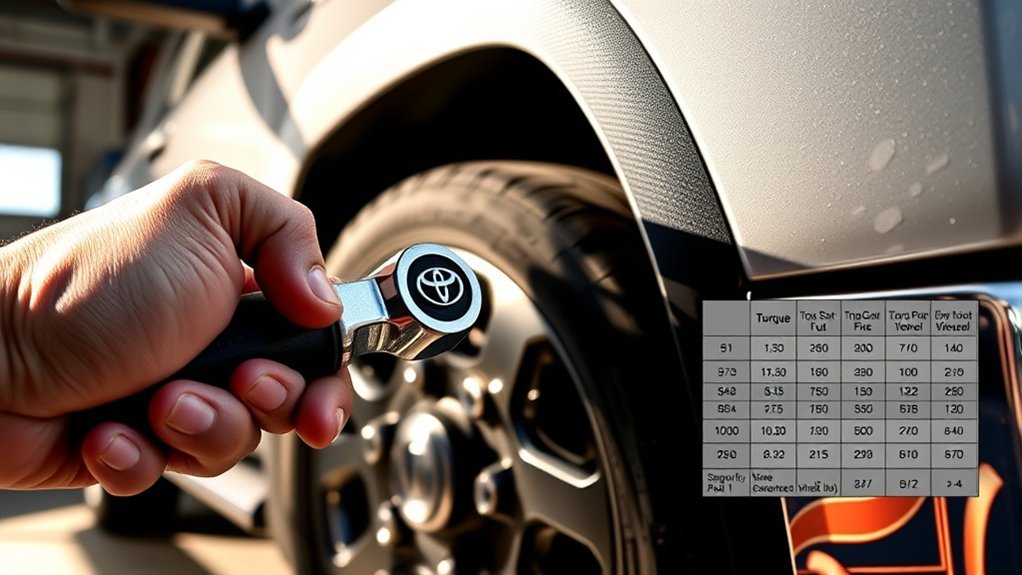
Start by cleaning the studs and lug nuts so dirt or rust does not affect the fit. Check the threads for damage before you reinstall the wheel.
Hand-start each lug nut to avoid cross-threading. Tighten the lug nuts lightly by hand, then lower the wheel until it just touches the ground and cannot spin.
- Set your torque wrench to the correct value for your wheel type.
- Tighten the first lug nut until the wrench clicks or reaches the target reading.
- Move across the wheel in a star pattern to tighten the opposite lug nut.
- Repeat the pattern until every lug nut reaches the correct torque.
- Recheck each lug nut in the same pattern after 50 to 100 miles.
A star pattern spreads clamping force across the wheel face. This helps the wheel seat flat and reduces the chance of uneven pressure.
Pro tip: Write your confirmed torque spec on a note in the glove box so you can find it during roadside tire changes.
How to Avoid Common Lug Nut Torque Mistakes?
Start with your owner’s manual before you tighten any Tundra lug nuts. If the manual lists a different value than a general online chart, follow the manual for your vehicle.
Use a calibrated torque wrench and avoid lubricating the threads unless the manual or wheel maker instructs you to do so. Lubricant can change the clamping force and make the final torque less reliable.
Tighten the lug nuts in stages when possible. For example, you can snug them first, then finish with the full torque value in a star pattern.
| Wheel Type | Torque (ft-lbs) |
|---|---|
| TRD Aluminum Wheels | 97 |
| Steel Spare Tires | 154 |
| Aftermarket Wheels | Verify Required |
| Regular Checks | Every Few Months |
When to Recheck Toyota Tundra Lug Nut Torque
Recheck lug nut torque after any wheel removal, tire rotation, brake work, or spare tire installation. Lug nuts can settle after the first drive, especially when the wheel, hub, or hardware has dirt or corrosion.
A good habit is to recheck torque after 50 to 100 miles. You should also check it every few months, before long trips, and after you drive on rough roads.
Frequently Asked Questions
How Many Ft/Lbs Should Lug Nuts Be Tightened?
Many Toyota Tundra aluminum wheels use about 97 ft-lbs, while some steel spare wheels use about 154 ft-lbs. Check your owner’s manual because the correct value can vary by model year and wheel setup.
How Many Foot Pounds of Torque Does a Toyota Tundra Have?
If you mean lug nut torque, many Tundra aluminum wheels use about 97 ft-lbs. If you mean engine torque, that depends on the engine and model year, so check the vehicle specifications for your exact truck.
Can You Use an Impact Wrench to Tighten Tundra Lug Nuts?
You can use an impact wrench to remove lug nuts or lightly snug them, but don’t use it for final torque. Finish every lug nut with a calibrated torque wrench so you know the clamping force matches the spec.
Should You Retorque Lug Nuts After Changing a Tire?
Yes, recheck the lug nuts after 50 to 100 miles whenever you remove or replace a wheel. This step helps catch any lug nut that settled after the wheel seated against the hub.
Conclusion
The safest Toyota Tundra lug nut torque spec is the one listed for your exact truck, wheel, and lug nut setup. Use 97 ft-lbs or 154 ft-lbs only when that value matches your manual or wheel instructions.
Keep a calibrated torque wrench in your tool kit, follow a star pattern, and recheck the lugs after the first 50 to 100 miles. Those few extra minutes help protect your wheels, studs, and safety on every drive.

Related Articles
Toyota Tundra Tire and Wheel Package: What to Consider Before Buying
Unlock the secrets to choosing the perfect tire and wheel package for your Toyota Tundra—essential tips await to enhance your ride.
Read More
Do Bigger Tires Void a Toyota Tundra Warranty? Magnuson-Moss Act Explained
Bigger tires might not void your Toyota Tundra warranty, but understanding the Magnuson-Moss Act is crucial—discover how to protect your investment effectively.
Read More
Toyota Tundra Tire Rack Setup: Garage Storage Ideas for Seasonal Sets
Better tire storage for your Toyota Tundra awaits—discover essential tips to maximize space and protect your seasonal sets in the garage!
Read More