
Toyota Tundra Wheel Offset Meaning: Why It Matters for Fitment
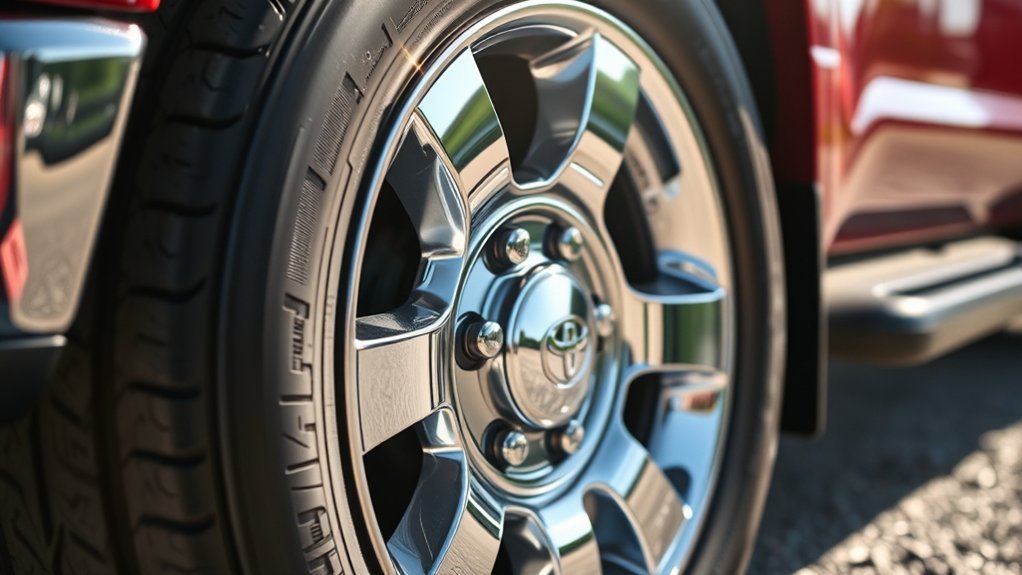
Wheel offset is one of the biggest reasons a Toyota Tundra wheel setup either fits cleanly or rubs at full lock. Offset decides how far the wheel sits inward toward the suspension or outward toward the fender. The best offset is not one universal number; it depends on your Tundra’s model year, wheel width, tire size, suspension height, alignment, and the look you want.
Quick Answer
For many Toyota Tundra owners, a factory-like setup stays in a higher positive offset range, while popular aftermarket 18×9 or 20×9 wheels often land around +18 to +35 mm for a cleaner stance. Lower or negative offsets push the tires outward, but they raise the chance of fender, liner, body-mount, or suspension rubbing.
Key Takeaways
- Wheel offset is measured in millimeters from the wheel centerline to the hub mounting surface.
- Positive offset tucks the wheel inward; negative offset pushes the wheel outward.
- Many newer OEM-style Tundra wheels use high positive offset, while aggressive aftermarket wheels often use lower positive or negative offset.
- Wheel width matters as much as offset. A +20 mm 9-inch wheel does not sit the same as a +20 mm 10-inch wheel.
- Always test for clearance at full steering lock and through suspension travel before assuming a setup is safe.
At a Glance
| Time Required | 15–30 minutes to compare specs; longer if you remove wheels or test fit tires. |
| Difficulty | Beginner for reading wheel specs; intermediate for measuring clearance and checking rubbing. |
| Tools Needed | Wheel spec sheet, tape measure, straight edge, flashlight, jack stands if lifting the truck, torque wrench, and your Tundra owner’s manual. |
| Cost | Free for spec checking; varies if you need professional test fitting, alignment, trimming, or new tires. |
What Is Wheel Offset and Why Should You Care?
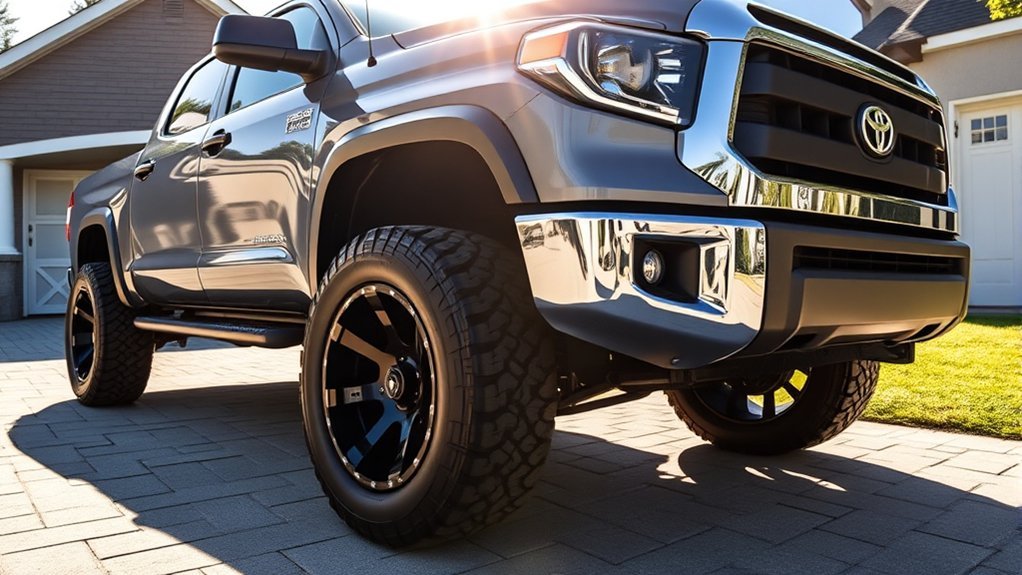
Wheel offset is the distance between the wheel’s hub mounting surface and the wheel’s centerline. It is measured in millimeters and is usually written as ET, such as ET60, ET35, or ET0.
- Positive offset: The mounting surface sits toward the outside face of the wheel. This pulls the wheel and tire inward toward the suspension.
- Zero offset: The mounting surface lines up with the wheel centerline.
- Negative offset: The mounting surface sits toward the inside of the wheel. This pushes the wheel and tire outward toward the fender.
Offset matters because it changes inner clearance, outer poke, steering feel, fender clearance, and how much room you have for wider tires. A wheel that looks perfect in a photo may still rub on the upper control arm, sway bar, fender liner, mud flap, or body mount when installed on your truck.
Note: Offset alone does not guarantee fitment. You must also check wheel width, tire section width, tire diameter, lift height, alignment, brake clearance, hub bore, lug-nut seat, and wheel load rating.
[Products Worth Considering]

Universal magnetic jack pad with aluminum grooved design to protect vehicle pinch welds during lifting. Durable nylon pad inserts are upgraded and secured with screws to resist damage and keep in place. Designed to fit most single vehicle pinpoint welds for safer, stable jacking when changing tires, repairs, or performing oil changes.

Protect your Tesla during lifting with durable rubber jack pads designed to cushion pressure and help safeguard the battery and chassis. The non-slip, plug-and-play puck set fits Tesla Model 3/Y/X/S for safe, secure jacking. Each pack includes a portable storage case for cleaner trunk organization.

This side-mounted U-bolt spare tire bracket helps keep a trailer spare wheel secure and protected while you travel. It supports trailer frames up to 2–3 inches wide and fits up to 15-inch tires for 4- or 5-lug wheels. The galvanized steel threaded carrier is built for long-lasting corrosion resistance and installs easily with included lug nuts and U-bolt.
Why Wheel Offset Matters for Your Tundra
The Toyota Tundra is a heavy truck, so wheel fitment should be chosen for clearance and safety first, then stance. The right offset keeps the tire away from suspension parts while avoiding excessive poke outside the fender.
Here is what offset changes on your Tundra:
- Inner clearance: Higher positive offset moves the wheel inward, which can bring the tire closer to suspension components.
- Outer clearance: Lower positive or negative offset moves the wheel outward, which can bring the tire closer to the fender liner, bumper, mud flap, or body mount.
- Track width: Lower offset widens the stance, but it can also change steering feel and increase stress on wheel bearings and suspension parts.
- Tire options: Wider or taller tires usually need more clearance than stock-size tires.
- Daily drivability: Mild offsets usually keep steering, road spray, and tire wear easier to manage than extreme poke.
A safe Tundra wheel setup is not the one with the most aggressive offset. It is the one that clears the suspension, clears the body, supports the truck’s weight, and drives predictably.
Positive vs. Negative Offset: Key Differences
Positive and negative offset are easy to understand once you picture the wheel from above. Positive offset tucks the tire inward. Negative offset pushes the tire outward. The tricky part is that both can cause rubbing in different places.
Positive Offset Benefits
Positive offset is common on modern trucks and SUVs because it helps keep the tire closer to the factory-designed position. On a Tundra, a higher positive offset can help maintain a clean, tucked-in look and reduce fender poke.
- Factory-like fit: Higher positive offsets tend to keep the tire closer to the original track width.
- Less outer poke: This can reduce road spray and keep the tire closer to the fender line.
- Predictable steering feel: Staying near the OEM position helps avoid large changes in steering geometry.
The tradeoff is inner clearance. If the wheel is too tucked or the tire is too wide, it may contact the upper control arm, sway bar, or inner liner.
Negative Offset Considerations
Negative offset gives a more aggressive stance by pushing the wheel outward. This can look strong on a lifted Tundra, but it also makes rubbing more likely at the outer fender, bumper edge, mud flap, and body mount area.
- More stance: The tire sits farther outside the wheel well.
- More clearance inside: Moving the wheel outward can help clear some suspension components.
- More trimming risk: The farther the tire moves outward, the larger its turning arc becomes.
Warning: Do not choose a negative offset only because it looks aggressive. A setup that rubs under braking, turning, or suspension compression can damage tires, liners, fenders, and suspension parts.
Offset Impact on Clearance
Offset changes where the tire sits side to side, but tire diameter and width decide how much space the tire needs as it turns. A 35-inch tire on a low-offset wheel creates a much larger clearance challenge than a near-stock tire on a mild positive offset wheel.
| Offset Choice | What It Usually Does | Main Clearance Risk |
|---|---|---|
| Higher positive offset | Tucks the tire inward | Upper control arm, sway bar, inner liner |
| Mild positive offset | Often gives a balanced daily-driver stance | Depends heavily on tire size and wheel width |
| Zero or negative offset | Pushes the tire outward | Fender liner, bumper, mud flap, body mount, tire poke |
How Wheel Offset Affects Tire Clearance and Handling
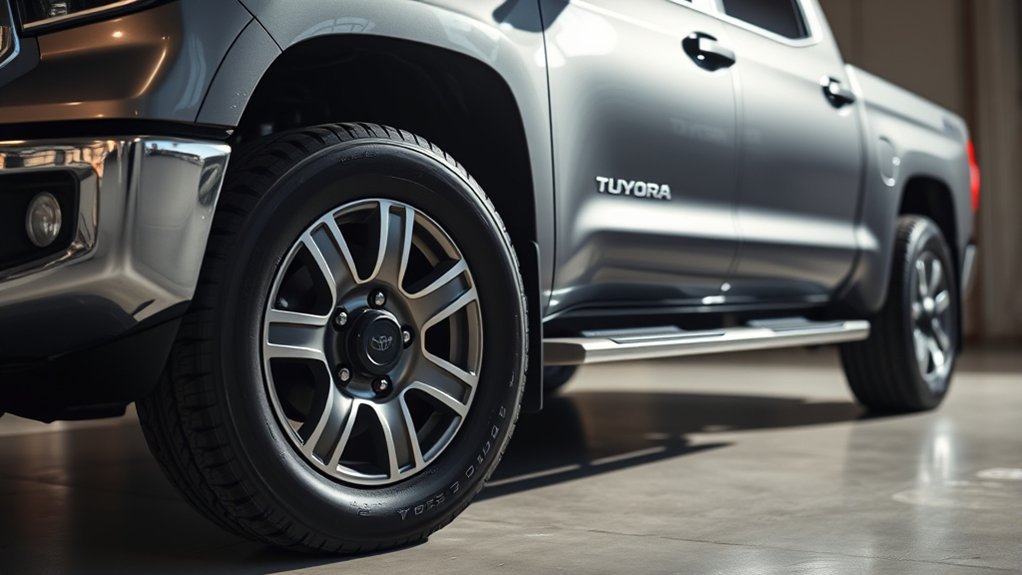
Changing offset changes the tire’s position relative to the suspension and body. That affects clearance, steering feel, and the path the tire takes when you turn the wheel. Tire Rack notes that incorrect offset can adversely affect handling and that wheel width changes often require offset changes to maintain proper wheel-well clearance.
For daily driving, avoid extreme changes unless you know exactly how the setup fits your Tundra. A wheel that sits too far inward may rub suspension parts. A wheel that sits too far outward may rub the fender liner or body mount when the tire swings during a turn.
Wheel Width Changes Everything
Offset cannot be judged without wheel width. A 20×8 +60 wheel and a 20×9 +60 wheel do not place the inner and outer lips in the same location. A wider wheel with the same offset adds width to both the inside and outside of the wheel.
Use this simple rule when comparing wheels:
- Lower offset: pushes the wheel outward.
- Wider wheel: adds width inward and outward unless offset is adjusted.
- Wider tire: may bulge past the wheel and need even more space.
Pro Tip: When comparing two wheels, compare inner clearance and outer poke, not just offset. A tire-size calculator or fitment calculator can help, but a real test fit is still the safest check.
Factory vs. Aftermarket Tundra Offsets
Many newer Toyota Tundra OEM-style wheels use high positive offsets. For example, a Toyota TRD 20-inch alloy wheel listing for part PT946-34220-2F shows a 20×8 wheel with a 6 on 139.7 mm bolt pattern and a +60 mm offset. Toyota’s TRD Pro 18-inch wheel information also notes an offset reduction from +60 mm to +47.5 mm.
That does not mean every Tundra should run +60 mm. It means you should treat OEM offset as your baseline, then decide how far you want to move the tire outward based on wheel width, tire size, and clearance.
| Fitment Goal | Typical Offset Direction | Best For |
|---|---|---|
| Factory-like fit | Higher positive offset | Daily driving, low poke, fewer body-clearance issues |
| Flush daily-driver stance | Moderate positive offset | Cleaner stance with manageable trimming risk |
| Aggressive stance | Low positive, zero, or negative offset | Lifted builds where trimming, alignment, and extra clearance checks are acceptable |
Optimal Offset Ranges for Wheel Sizes
There is no single perfect Toyota Tundra wheel offset. The safest range depends on wheel width and tire size. Still, these general starting points help you compare setups:
- Factory-style setups: Stay close to the OEM wheel’s width and offset for the easiest fit.
- Mild aftermarket setups: Many owners shopping 18×9 or 20×9 wheels look at positive offsets in the +18 to +35 mm range for a more flush stance.
- Aggressive setups: Zero or negative offsets can work on some lifted builds, but they usually need more trimming, alignment attention, and clearance testing.
A +35 mm offset can be a good mild aftermarket choice on some Tundra setups because it moves the wheel outward compared with many high-positive OEM wheels while staying less aggressive than zero or negative offset. A +20 mm offset usually gives more poke than +35 mm on the same wheel width. Negative offsets create the most aggressive stance and the highest body-clearance risk.
Note: The same offset number behaves differently on different wheel widths. Always compare complete specs such as 18×9 +20, 20×9 +35, or 20×10 -18 instead of looking at offset alone.
How to Troubleshoot Common Fitment Issues Related to Wheel Offset
Fitment problems usually show up as rubbing, vibration, odd steering feel, or tire poke that is more extreme than expected. Use a step-by-step check before driving hard or going off-road.
[Products Worth Considering]

Secure a full-size spare on your trailer with this powder-coated steel spare tire mount bracket. It fits most 4-, 5-, and 6-lug wheel bolt patterns and mounts to trailer tongues up to 4 in wide and 5 in tall. Built for reliable carry with a max 150 lb load rating and includes zinc-plated hardware for straightforward installation.

Mount your spare tire off the floor and onto your wall using an e-track spare tire carrier that helps you stay organized in trailers, garages, and warehouses. The upgraded double-fittings design improves stability versus single-fittings and supports greater load bearing. Install by snapping into e-track anchor points and securing the tire with a lug-nut style bolt setup for quick, secure storage.
Inspect for Rubbing Issues
Check clearance with the truck on level ground first. Then turn the steering wheel fully left and fully right. Look for contact at these common points:
- Front fender liner: Common with taller tires and lower offsets.
- Mud flap: Often rubs before the metal body does.
- Bumper edge: More likely with larger tire diameter.
- Body mount or cab mount area: A common issue on aggressive tire and offset combinations.
- Upper control arm: More likely with wide tires, wider wheels, or high positive offset.
- Sway bar: Check during full steering lock.
If rubbing is light, trimming plastic liner or removing a mud flap may solve it. If rubbing is on metal, suspension, brake parts, or the tire sidewall, stop and correct the setup before driving.
Adjust Tire Width Accordingly
Tire width can create rubbing even when the wheel offset looks reasonable. A wide 12.5-inch tire needs more space than a narrower tire with the same diameter. If you want a lower offset, consider whether a narrower tire would clear better. If you want a wide tire, you may need a less aggressive offset, more lift, different alignment settings, or trimming.
Check Brake, Hub, and Lug Fitment
Offset is only one part of wheel fitment. Before buying wheels, confirm:
- Bolt pattern: Match your Tundra’s year and generation.
- Hub bore: The wheel must fit the hub correctly, with hub-centric rings if needed.
- Brake caliper clearance: Some wheel designs clear better than others even with the same offset.
- Lug-nut seat: Use the correct seat style for the wheel, such as conical, ball, or mag seat.
- Load rating: Choose wheels and tires rated for the truck’s weight and use.
- Torque spec: Tighten lug nuts to the specification in your Toyota owner’s manual or the wheel maker’s instructions.
Warning: Never assume aftermarket lug nuts, spacers, or hub-centric rings are optional. Wrong hardware can cause vibration, damaged studs, poor wheel seating, or unsafe wheel retention.
Selecting the Best Wheel Offset Based on Your Driving Needs
Your ideal offset should match how you use the truck. A commuter Tundra, tow rig, overland build, and show-style lifted truck do not need the same fitment.
| Driving Need | Offset Strategy | Why It Works |
|---|---|---|
| Daily driving and towing | Stay close to OEM or use a mild positive offset | Keeps steering predictable and limits tire poke |
| Clean flush stance | Use a moderate positive offset after comparing wheel width | Moves the tire outward without going extreme |
| Larger all-terrain tires | Balance inner clearance and body clearance | Prevents both suspension rub and fender/body rub |
| Aggressive lifted build | Lower positive, zero, or negative offset only after planning trimming | Creates stance, but usually needs more clearance work |
If you are unsure, choose the least aggressive offset that gives the tire clearance and stance you want. It is easier to make a mild setup look good than to fix an extreme setup that rubs every time you turn.
Visualize Wheel Offset With Examples
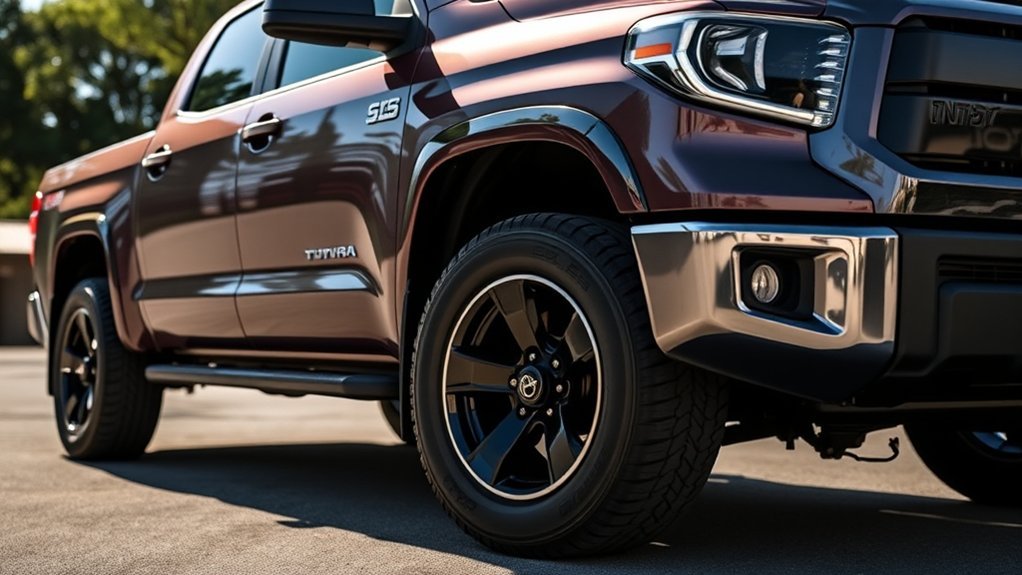
Imagine two wheels with the same diameter and width:
- 20×9 +35: The wheel sits more inward than a 20×9 +20, with less outer poke.
- 20×9 +20: The wheel sits farther outward than +35, giving a more flush or aggressive look.
- 20×9 0: The wheel pushes outward more, increasing the chance of fender and liner contact.
- 20×10 -18: The wheel is wider and has a much lower offset, so it usually creates heavy poke and a high trimming risk.
This is why a “good offset” always needs the full wheel size. Offset, width, and tire size work together.
Tips for Adjusting Offset for Better Fitment
Use these checks before buying or installing wheels:
- Confirm your exact Tundra year and trim. Factory wheel specs vary by generation and package.
- Write down your current wheel size and offset. Use that as the baseline.
- Compare inner clearance. Make sure the new setup will not hit the upper control arm, sway bar, or brake components.
- Compare outer poke. Check how far the tire will move toward the fender, mud flap, and body mount.
- Check tire diameter and width. Taller and wider tires need more room during turns.
- Verify load rating and hardware. Make sure wheels, tires, lug nuts, and hub fitment match the truck.
- Test at full lock. Turn fully left and right, then check for contact.
- Recheck after driving. Look for fresh rub marks after the first short drive.
Pro Tip: If you are between two offsets, the milder choice is usually better for a daily-driven Tundra. It leaves more room for alignment changes, tire flex, towing weight, and suspension movement.
Frequently Asked Questions
Does wheel offset affect fitment?
Yes. Wheel offset affects where the tire sits inside the wheel well. Higher positive offset moves the tire inward, while lower or negative offset moves it outward. That changes clearance at the suspension, fender liner, bumper, mud flap, and body mount.
What does +35 offset mean on a rim?
A +35 offset means the wheel’s mounting surface is 35 mm outward from the wheel centerline. On the same wheel width, +35 sits farther inward than +20 and farther outward than +60.
What does +25 offset mean for wheels?
A +25 offset means the mounting surface is 25 mm outward from the wheel centerline. On many aftermarket Tundra wheels, +25 is a moderate positive offset, but fitment still depends on wheel width, tire size, suspension height, and alignment.
What offset are stock Toyota Tundra wheels?
It depends on model year, trim, and wheel package. Many newer OEM-style Tundra wheels use high positive offsets. Some Toyota/TRD examples show +60 mm or +47.5 mm, but you should verify the exact wheel on your truck before buying replacements.
Will negative offset wheels rub on a Toyota Tundra?
They can. Negative offset wheels push the tires outward, which often increases the chance of rubbing at the fender liner, bumper, mud flap, or body mount. The risk grows with taller and wider tires.
Do I need an alignment after changing wheel offset?
An alignment is strongly recommended when the new wheel and tire setup changes ride height, tire size, stance, or steering feel. Alignment settings can also help improve clearance, but they should not be used to hide an unsafe fitment problem.
Conclusion
The best Toyota Tundra wheel offset is the one that fits your exact truck, tire size, and driving needs. Use OEM specs as your baseline, then compare wheel width, offset, tire diameter, and tire width before choosing a more aggressive setup. Higher positive offsets keep the wheel tucked, while lower or negative offsets push it outward for a wider stance. If you want larger tires or a lower-offset wheel, plan for a careful test fit and possible trimming.
For the safest result, verify the wheel’s load rating, bolt pattern, hub bore, lug-nut seat, brake clearance, and torque requirements before driving. A good-looking wheel setup should also clear cleanly, steer predictably, and support the truck properly.
Sources
- Tire Rack — What Is Wheel Offset? — backs up the definition of positive, zero, and negative offset.
- Frontier Toyota Parts — Tundra TRD Alloy Wheel PT946-34220-2F — backs up the 20×8, 6 on 139.7 mm, +60 mm Toyota wheel example.
- Toyota Genuine Parts — TRD Pro Alloy Wheel, 18-inch — backs up the +60 mm to +47.5 mm TRD Pro offset reference.
- Wheel-Size.com — Toyota Tundra Wheel and Tire Specs — useful for checking year-by-year Tundra wheel, tire, PCD, and offset data.
- Toyota Owners — Tundra Manuals and Warranties — official place to verify owner’s manual information for your model year.

Related Articles
Toyota Tundra Tire and Wheel Package: What to Consider Before Buying
Unlock the secrets to choosing the perfect tire and wheel package for your Toyota Tundra—essential tips await to enhance your ride.
Read More
Do Bigger Tires Void a Toyota Tundra Warranty? Magnuson-Moss Act Explained
Bigger tires might not void your Toyota Tundra warranty, but understanding the Magnuson-Moss Act is crucial—discover how to protect your investment effectively.
Read More
Toyota Tundra Tire Rack Setup: Garage Storage Ideas for Seasonal Sets
Better tire storage for your Toyota Tundra awaits—discover essential tips to maximize space and protect your seasonal sets in the garage!
Read More