
What Is a Body Mount Chop on a 4Runner for Bigger Tires
Quick Answer
You need a 4Runner body mount chop only when the tire physically contacts the cab/body mount after safer fixes have been tried. Check alignment, caster, fender liner position, mud flaps, bumper trim, pinch seam clearance, wheel offset, and spacers first. If metal contact remains, use a qualified fabricator.
Key Takeaways
- A BMC is usually a last-step fix for tire contact with the cab/body mount, not the first modification to try.
- Most fifth-gen 2010-2024 4Runners can fit 265-size tires easily, while 285/70R17 fitment depends on offset, caster, lift, tire model, and trimming.
- Do not assume fifth-gen chop plates or old forum templates fit the 2025+ sixth-generation 4Runner, which uses Toyota’s newer TNGA-F truck platform.
- Cutting and welding near a vehicle requires fire control, PPE, corrosion protection, and strong weld penetration. If you are not confident welding structural steel, hire a shop.
At a Glance
| Time Required | About 3-6 shop hours, depending on prep, corrosion protection, and how much trimming is needed afterward. |
| Difficulty | Advanced. This is cutting, grinding, and welding near a body mount, not a beginner trim job. |
| Tools Needed | Jack stands, wheel chocks, marker, grinder, cutoff wheel or saw, welder, steel reinforcement plates, clamps, PPE, fire extinguisher, seam sealer, primer, and chassis paint. |
| Cost | Common shop pricing is roughly $400-$900 for both sides, but location, plate design, rust, paintwork, and follow-up trimming can change the total. |
Body Mount Chop vs. Other Clearance Fixes: What Actually Works
Start with the fixes you can reverse. Move or trim the fender liner, remove or trim the mud flaps, massage the bumper edge, fold the rear pinch seam when needed, and set alignment correctly. These steps solve many rubbing problems without cutting welded steel.
A body mount chop becomes reasonable only when the tire still hits the cab/body mount itself during full steering lock, suspension compression, or trail articulation. Plastic trimming can create room around the tire, but it cannot move the steel mount out of the tire’s path.
The main tradeoff is simple: trimming plastic protects resale value and is easier to correct later, while a BMC creates more tire clearance but permanently changes the vehicle. For most daily-driven 4Runners, the right answer is to test first, trim lightly, align correctly, and cut only after the rubbing pattern proves the mount is the problem.
Warning: Do not cut a cab/body mount unless you can weld cleanly, protect nearby components, control fire risk, and seal the finished metal. Poor cuts, weak welds, or bare steel can create safety and corrosion problems.
[Products Worth Considering]

Universal magnetic jack pad with aluminum grooved design to protect vehicle pinch welds during lifting. Durable nylon pad inserts are upgraded and secured with screws to resist damage and keep in place. Designed to fit most single vehicle pinpoint welds for safer, stable jacking when changing tires, repairs, or performing oil changes.

This VEVOR tire bead breaker uses a slide-hammer impact and wedge tip to separate tire beads from rims quickly and efficiently without damaging hub surfaces. The long handle and sturdy steel construction help reduce user strain while providing reliable, portable tire changing for cars, trucks, and more. Ideal for home mechanics and repair shops handling multiple vehicle tire sizes.

Camco Trailer Aid Plus tandem tire ramp lifts your trailer for quick, safe tire changes with ample clearance from its 5 1/2-inch lift. It helps you change a flat tire without unloading cargo, making roadside and routine maintenance more efficient. The heavy-duty, waterproof and rustproof polymer design supports up to 15,000 lb and is built for easy portability and storage.
Do You Need a Body Mount Chop? How to Decide Without Guessing
Do not decide from tire size alone. Two 4Runners can both run 285/70R17 tires and behave differently because tire shape, wheel width, wheel offset, alignment, lift height, bumper trim, and suspension travel all change the tire path.
Use this check before committing to the chop:
- Confirm the tire size and load rating. Check your tire placard and owner guidance before moving away from factory sizing. NHTSA advises checking the owner’s manual or Tire and Loading Information Label for the correct tire size.
- Check the easy contact points first. Look for rub marks on the fender liner, bumper edge, mud flap, and rear pinch seam before blaming the body mount.
- Test both steering directions. Turn full left and full right on level ground, then repeat while the suspension is compressed.
- Add real-world load. Test with passengers, cargo, armor, roof gear, or camping weight if that is how you drive.
- Mark every contact point. Use tape or paint marker so you can see whether the tire touches plastic, seam metal, or the cab/body mount.
- Set alignment before cutting. More positive caster, within a safe alignment range, can pull the tire away from the rear of the wheel well on some setups.
Pro Tip: Photograph the rub marks before and after each change. If liner trimming removes 80% of the issue, you may not need to cut metal at all.
Which 4Runner Years Actually Need This Modification?
Most body mount chop guides are written for the fifth-generation Toyota 4Runner, sold in the U.S. for the 2010-2024 model years. The older fifth-gen front wheel well and cab mount layout is where 285/70R17 tire discussions are most common.
The 2025 and newer 4Runner is different. Toyota says the 2025 4Runner is an all-new sixth-generation model built on its TNGA-F global truck platform with a high-strength boxed steel ladder frame. Toyota also says the 2025 Trailhunter uses 33-inch Toyo Open Country A/T tires with its factory overlanding setup. That means 2025+ owners should not assume that fifth-gen BMC templates, plates, or rubbing advice apply without direct measurement.
| 4Runner Years | BMC Relevance | Best Guidance |
|---|---|---|
| 2003-2009 | Possible with aggressive tire, wheel, and spacer setups. | Measure first because fourth-gen fitment differs from fifth-gen advice. |
| 2010-2024 | Most common BMC range for 285/70R17 and wider tire fitment. | Use fifth-gen-specific plates, templates, and shop experience. |
| 2025+ | New platform and different factory tire context. | Do not copy older BMC cuts. Cycle the suspension and verify fitment on the actual vehicle. |
Applicable Model Years
For a fifth-gen 2010-2024 4Runner, a BMC becomes more likely when you combine 285mm or wider tires with negative-offset wheels, wheel spacers, heavy front-end accessories, or suspension that allows more compression and articulation. A mild setup with conservative offset may clear with alignment and trimming. A wide tire on a low-offset wheel is much more likely to hit the rear of the front wheel well or the cab/body mount.
Cab Mount Design
The cab/body mount is a welded steel bracket that helps locate and support the body on the frame. The front tire can swing toward this bracket at full steering lock, especially when the suspension compresses. A correct BMC removes only the interference area and replaces it with a welded steel plate that restores a closed, protected shape.
This is not the same as casually cutting the frame rail. Avoid any procedure that tells you to drill or remove structural frame material unless a qualified fabricator has inspected the vehicle and confirmed the method.
Chop Plate Compatibility
Most BMC reinforcement plates for fifth-gen 4Runners are steel because the original mount is steel and the reinforcement needs to be welded into the modified area. Plate fit depends on generation, year range, plate design, and how much clearance your tire setup needs.
Before ordering plates, confirm your 4Runner generation, tire size, wheel width, offset, lift height, and whether you need a mild or aggressive cut. If you own a 2025+ 4Runner, use only parts and guidance made for that generation after physical clearance testing.
How Tire and Wheel Choices Trigger Body Mount Rubbing
Your tire does not move straight up and down. It swings through an arc as you steer and as the suspension compresses. Width, diameter, tread shoulder shape, wheel offset, wheel width, and spacers all change where that arc lands inside the wheel well.
Tire Size Impact
Factory-style 265-size tires usually leave enough clearance for normal driving. Moving to 275 or 285 tires increases width and overall diameter, which brings the tire closer to the body mount, liner, bumper, and pinch seam. A lift helps vertical clearance, but it does not always solve the rearward tire swing into the body mount.
| Setup | Likely Clearance | BMC Risk | What to Do First |
|---|---|---|---|
| 265-size tire | Usually good | Low | No BMC unless your setup is unusual. |
| 275-size tire | Often manageable | Low to moderate | Align, trim plastic, and inspect rub marks. |
| 285/70R17, conservative offset | Tight but possible | Moderate | Set caster, trim liner, fold pinch seam if needed. |
| 285/70R17 with negative offset | Often tight at rear of front wheel well | High | Test under compression before cutting. |
| 285+ with spacers or wide wheels | Very tight | High | Consider different wheels or removing spacers before a BMC. |
Wheel Offset Effects
Wheel offset changes where the tire sits side to side. More negative offset pushes the tire outward, which can improve stance but also increases the tire’s sweep through the rear of the front wheel well. That is why a 285 tire on a conservative wheel may clear while the same tire on a negative-offset wheel rubs hard.
Backspacing matters too. Wider wheels and lower backspacing can push the tire shoulder into the liner, bumper, pinch seam, or body mount. Alignment settings then decide how close the tire gets during steering.
Spacer Consequences
Wheel spacers reduce effective offset by pushing the wheel outward. A 1.25-inch spacer can turn a mild setup into an aggressive one, especially when paired with already negative-offset wheels. If rubbing appears after installing spacers, remove the spacers and retest before cutting metal.
Note: Tire models with the same printed size can measure differently. A square-shouldered mud-terrain tire may rub where a rounder all-terrain tire clears.
What to Check Before You Cut
A BMC should follow testing, not guessing. Use a safe, level work area, chock the rear wheels, support the vehicle properly, and check both front sides. Rubbing is not always symmetrical because alignment, body tolerances, and previous repairs can vary side to side.
- Clean the wheel well. Dirt can hide fresh rub marks.
- Turn full lock both ways. Look for liner, bumper, mud flap, pinch seam, and body mount contact.
- Compress the suspension. Use a safe method or a shop lift to observe the tire path under load.
- Check brake lines and ABS wiring. Make sure nothing gets stretched or rubbed after tire and suspension changes.
- Set alignment. Have a qualified alignment shop dial in caster, camber, and toe within safe specs for your suspension setup.
- Drive and recheck. Test slowly over bumps and at steering lock before deciding the mount must be chopped.
If the tire only rubs plastic, do not chop the mount. If the tire leaves a polished or gouged mark on the cab/body mount after the other fixes, a BMC may be the cleanest long-term solution.
What Happens During a Body Mount Chop Installation?
A body mount chop reshapes the tire-facing side of the cab/body mount. The exact cut depends on the plate kit and the tire clearance needed, but the safe sequence is usually similar.
- The shop removes the front wheels and clears the work area.
- The fabricator marks the cut line using the plate or template.
- Nearby wiring, fuel lines, brake lines, bushings, and painted surfaces are protected from sparks and heat.
- The interfering portion of the mount is cut away with a cutoff wheel, saw, or similar tool.
- The edges are ground clean to bare steel for welding.
- A steel reinforcement plate is fitted, tacked, checked, and fully welded.
- The welds are inspected, cleaned, primed, sealed, and painted to reduce corrosion.
- The tires are reinstalled, and clearance is checked again through steering and suspension movement.
Warning: Welding and cutting are hot work. Keep suitable fire extinguishing equipment ready, remove or shield combustibles, wear proper welding PPE, and use a fire watch when sparks or heat could start more than a minor fire. OSHA’s welding and cutting rules also require protective clothing for employees exposed to welding hazards.
Beyond the Body Mount: Every Other Trim Required for 285 Tires
A BMC does not automatically make 285s fit everywhere. Many 4Runners still need smaller supporting changes around the front wheel well.
- Fender liner relocation: Pull the liner forward or trim only the section that touches the tread.
- Bumper edge trimming: Trim the lower bumper or valance if the tire catches the front edge.
- Mud flap removal or trimming: Mud flaps are common contact points on wider tires.
- Pinch seam fold: Fold the rear pinch seam when it is the contact point, then seal and paint the area.
- Alignment correction: Correct caster, camber, and toe after suspension or tire changes to reduce rubbing and tire wear.
Work from the softest material to the hardest material. Plastic first, seam second, body mount last.
[Products Worth Considering]

Secure your trailer or RV tires with a scissor-style wheel chock stabilizer that applies opposing force to help prevent wheel shift. It fits tight wheel gaps from 3.5 inches up to 12 inches and works for travel trailers, campers, fifth wheels, toy haulers, and heavy-duty trucks. The surface uses new electrophoretic technology to help prevent rust for reliable travel use.

Camco’s RV wheel chocks with an attached rope help keep your travel trailer securely in place for safer unhitching or parking. This 2-pack is compatible with wheels up to 26-inch diameter and features durable UV-resistant construction for reliable outdoor performance. The rope enables quick, safe removal so you can prepare for your next trip with less hassle.
Body Mount Chop Cost: Professional Shop vs. DIY Garage
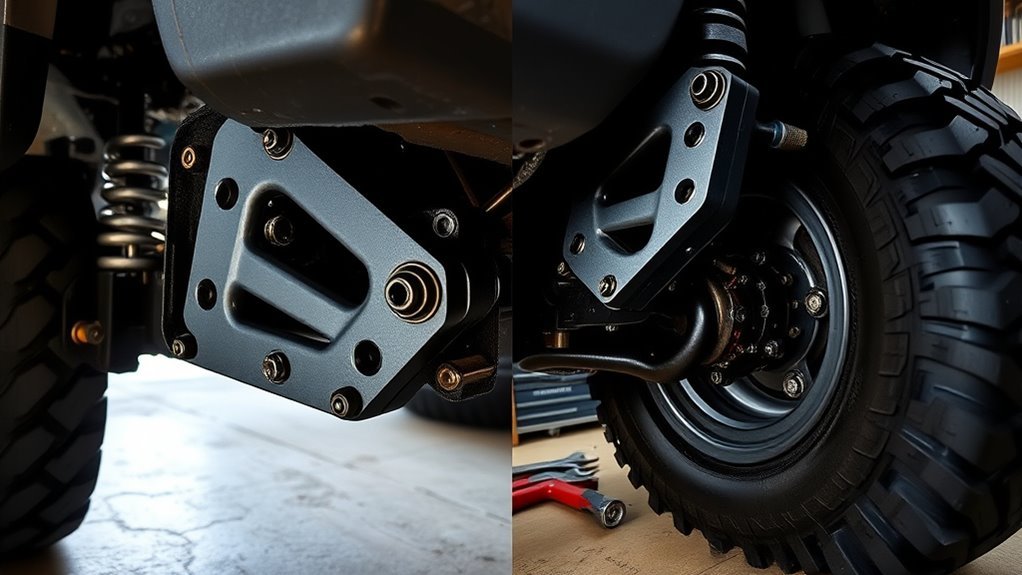
A professional body mount chop commonly costs about $400-$900 for both sides. The total can rise if the mount has rust, the shop needs to fabricate plates, the vehicle needs extra trimming, or the finish work includes seam sealer, primer, and chassis paint.
DIY can cost less if you already own the equipment, but it is not a simple bolt-on job. The real cost is risk. Weak welds, poor fitment, burned wiring, missed corrosion protection, or an accidental fire can make the repair far more expensive than hiring a qualified shop from the start.
| Route | Best For | Main Risk |
|---|---|---|
| Professional shop | Most owners, daily drivers, and anyone without strong welding experience. | Higher upfront cost and needing to find a shop familiar with Toyota truck fitment. |
| DIY | Experienced welders with the right equipment, ventilation, PPE, and fire control. | Poor weld penetration, heat damage, unsafe cuts, corrosion, and rework. |
Legal, Warranty, and Insurance Considerations
A body mount chop can affect warranty conversations, insurance claims, and buyer confidence because it changes a welded body-support area. That does not mean every BMC creates a problem, but you should treat it as a permanent structural modification.
Before cutting, check local inspection rules, your insurer’s modification policy, and any warranty concerns tied to body, frame, corrosion, or suspension components. Keep photos of the work, the plate design, the shop invoice, and the post-install finish. Clean documentation helps if you sell the vehicle or need to explain the modification later.
After the Chop: Inspection and Maintenance
The job is not finished when the welding stops. The final protection and inspection steps matter because the mount sits in a dirty, wet, high-impact area.
- Prime, seam-seal, and paint every bare metal surface.
- Inspect the welds after the first few drives and again after trail use.
- Check for tire contact under full lock and compression on both sides.
- Look for melted liners, damaged brake lines, rubbed ABS wiring, or chipped coating.
- Recheck alignment and tire wear after a short break-in period.
- Wash mud and road salt from the area to reduce rust risk.
NHTSA’s TireWise guidance also emphasizes proper tire inflation, tread inspection, balancing, and alignment as part of tire safety. That still applies after a BMC because larger tires can hide rubbing and accelerate uneven wear if alignment is off.
Will a Body Mount Chop Hurt Your 4Runner’s Resale Value?
A clean, documented body mount chop may not bother an off-road buyer, especially if the buyer wants larger tires. It can still narrow your buyer pool because many general buyers prefer an uncut vehicle. Poor welds, visible rust, crooked cuts, or missing documentation will hurt confidence much more than a neat professional job.
| Buyer Type | Likely Reaction | How to Protect Value |
|---|---|---|
| General buyer | May see it as a serious modification. | Provide shop records, photos, and rust-free finish. |
| Off-road buyer | May value the added tire clearance. | Show the tire setup, alignment specs, and clearance checks. |
| Dealer or trade-in appraiser | May discount it because it is not stock. | Keep the work clean and disclose it clearly. |
Frequently Asked Questions
Can you fit bigger tires with a body lift?
A body lift can help with vertical clearance between the body and tire, but it does not automatically fix tire swing into the cab/body mount, bumper, liner, or pinch seam. You still need to test full lock and suspension compression.
How big of tires can you fit on a stock 4Runner?
Many stock fifth-gen 4Runners clear factory-style 265-size tires without major trimming. A 285/70R17 tire often needs alignment work, liner changes, pinch seam work, bumper or mud flap trimming, and sometimes a body mount chop, especially with negative-offset wheels or spacers.
Is 265 or 275 better for a 4Runner?
Choose 265 if you want the easiest fit, stock-like manners, and the lowest chance of rubbing. Choose 275 if you want a slightly larger tire and are willing to check clearance carefully. A 275 is usually easier to manage than a 285, but tire model and wheel offset still matter.
Do 285/70R17 tires always require a body mount chop?
No. Some 285/70R17 setups clear with alignment and trimming, while others hit the body mount. The deciding factors are wheel offset, wheel width, tire shoulder shape, caster, lift height, spacers, and how much suspension compression you use.
Can a bad body mount chop be repaired?
Often yes, but repair can cost more than doing it correctly the first time. A fabricator may need to remove weak welds, reshape the mount, weld in new steel, seal the area, and repaint it. Severe rust or frame damage makes repair more complicated.
Conclusion
A 4Runner body mount chop is a useful fix when larger tires physically hit the cab/body mount, but it should not be your first move. Test the tire path, correct alignment, trim plastic, fold or protect smaller contact points, and rethink offset or spacers before cutting welded steel. If the mount is still the hard contact point, use a qualified fabricator, document the work, seal the metal, and inspect it after real driving.
Sources
- Toyota USA Newsroom: 2025 Toyota 4Runner Refines Adventure Ready Heritage — verifies the 2025+ sixth-generation platform, boxed steel ladder frame, Trailhunter 33-inch tires, and updated model context.
- NHTSA TireWise — supports tire-size, tire placard, inflation, tread, balance, and alignment safety guidance.
- OSHA 29 CFR 1910.252: Welding, Cutting, and Brazing — supports hot-work fire prevention, fire watch, extinguisher, and PPE guidance.

Related Articles
When to Switch From All-Season to Winter Tires on a 4Runner
Ineffective all-season tires in cold weather can jeopardize your safety—discover when to make the crucial switch for better traction and handling.
Read More
4Runner Tire Mileage: How Many Miles Should They Last
Curious about how long your 4Runner tires should last? Discover essential tips and factors that influence tire longevity.
Read More
How Long Do Toyota 4Runner Tires Typically Last
How long do Toyota 4Runner tires typically last? Discover the factors that influence tire longevity and essential tips for maintenance.
Read More