
Tire Rolling Resistance: What It Means for Fuel Economy
Tire rolling resistance is the energy your vehicle loses as each tire flexes, heats up, and returns to shape while rolling down the road. Lower rolling resistance can help improve fuel economy, reduce CO₂ emissions, and extend electric-vehicle range, but it must be balanced with traction, braking, load rating, tread life, and proper tire maintenance.
Quick Answer
Tire rolling resistance affects fuel economy because your engine or motor must replace the energy lost as tires deform and heat up. For many passenger vehicles, a 10% reduction in rolling resistance can improve fuel economy by about 1–2%, while proper tire pressure can improve gas mileage by up to 3% in some cases.
Key Takeaways
- Rolling resistance is mainly caused by tire flexing, also called hysteresis, which turns some motion energy into heat.
- Lower rolling resistance can improve MPG, reduce fuel costs, and increase EV range, but savings vary by vehicle, speed, load, road surface, and tire type.
- Proper tire pressure matters: FuelEconomy.gov says correct inflation can improve gas mileage by 0.6% on average and up to 3% in some cases.
- Low-rolling-resistance tires are most useful when paired with regular pressure checks, alignment, rotation, and the right tire for your climate and driving needs.
What Is Tire Rolling Resistance and Why Does It Matter?
Tire rolling resistance is the force that works against a tire as it rolls. A tire is not perfectly rigid. As it touches the road, the sidewall, tread, and casing flex. When the tire leaves the contact patch, it does not return all of that energy. Some of it becomes heat.
That energy loss is called hysteresis. The European Commission explains that hysteresis loss accounts for the bulk of rolling resistance because tire materials convert some flexing energy into heat as the tire rotates. This is why tire compound, construction, pressure, tread design, and load all affect efficiency.
For most passenger vehicles, the National Academies found that a 10% reduction in rolling resistance has the practical effect of improving vehicle fuel economy by about 1–2%.
Rolling resistance matters because the engine or electric motor must constantly overcome it. The impact is usually smaller than aggressive driving, high speeds, or heavy aerodynamic drag, but it is always present. For high-mileage drivers and fleets, even a small percentage improvement can add up over thousands of miles.
How Rolling Resistance Affects Fuel Economy
Rolling resistance affects fuel economy by increasing the energy required to keep a vehicle moving. When rolling resistance is higher, the vehicle needs more fuel or battery power to maintain speed. When rolling resistance is lower, less energy is wasted as heat inside the tire.
The relationship is not one-to-one. A 10% reduction in tire rolling resistance does not mean a 10% increase in MPG. For typical passenger vehicles, the expected fuel-economy improvement is closer to 1–2%, according to the National Academies report on tires and passenger vehicle fuel economy.
| Factor | Fuel Economy Effect | Best Action |
|---|---|---|
| Lower tire rolling resistance | Can improve MPG or EV range, with typical passenger-vehicle gains often around 1–2% for a 10% rolling-resistance reduction. | Compare tire efficiency, wet grip, load rating, and treadwear before buying. |
| Underinflated tires | FuelEconomy.gov says gas mileage drops by about 0.2% for every 1 psi drop in average pressure across all tires. | Check cold tire pressure monthly and before long trips. |
| Heavy load or poor alignment | Increases deformation, heat, and energy loss. | Avoid unnecessary cargo and fix uneven tire wear or steering pull quickly. |
Warning: Do not overinflate tires to chase better MPG. Use the cold tire pressure on the vehicle placard or owner’s manual, not the maximum pressure printed on the tire sidewall.
Key Factors Influencing Consumption
Rolling resistance is only one part of fuel consumption. Speed, traffic, weather, vehicle weight, aerodynamics, drivetrain efficiency, and driving style also matter. That is why the same tire can produce different savings on a compact car, pickup truck, delivery van, electric SUV, or long-haul tractor-trailer.
Still, tires are one of the few efficiency factors drivers can manage directly. The biggest controllable items are tire pressure, tire selection, alignment, rotation, and load.
Impact of Tire Pressure
Air pressure changes how much the tire flexes. Too little pressure creates more sidewall and tread deformation, which increases heat and rolling resistance. It also increases wear and can raise the risk of tire failure.
FuelEconomy.gov reports that keeping tires inflated to the proper pressure can improve gas mileage by 0.6% on average and up to 3% in some cases. It also states that underinflated tires can lower gas mileage by about 0.2% for every 1 psi drop in the average pressure of all tires.
Note: A tire pressure monitoring system is helpful, but it is not a substitute for checking pressure. Under U.S. FMVSS 138, TPMS warning thresholds can allow a warning only after pressure is 25% below the recommended cold inflation pressure or a specified minimum threshold.
Benefits of Regular Maintenance
Good tire maintenance keeps rolling resistance closer to the level the tire was designed to deliver. It also helps tires last longer and keeps handling predictable.
- Check pressure cold: Measure pressure before driving or after the vehicle has been parked for several hours.
- Use the placard pressure: Look on the driver-side door jamb, glove box, fuel door, or owner’s manual.
- Rotate tires on schedule: Many vehicles use a 5,000–8,000-mile interval, but your owner’s manual is the best source.
- Watch tread wear: Feathering, cupping, or one-side wear can indicate alignment, suspension, or inflation problems.
- Align when needed: If the vehicle pulls, the steering wheel is off-center, or tires wear unevenly, alignment can reduce wasted energy and tire wear.
Key Factors Influencing Tire Rolling Resistance
The main factors behind tire rolling resistance are material composition, tread design, tire pressure, load, temperature, road surface, and alignment. You cannot control all of them, but you can make better tire and maintenance choices once you understand how they work.
Tire Material Composition
- Rubber compounds: Tire makers use different polymers, fillers, and silica-based compounds to reduce energy loss while preserving traction.
- Tire weight: A lighter tire may require less energy to deform, but it still needs the correct load rating and durability for the vehicle.
- Casing construction: Sidewall stiffness, belt design, and casing shape influence how much the tire flexes.
- Heat management: Materials that reduce hysteresis can lower rolling resistance because less energy is lost as heat.
Tread Design Features
Tread design affects both rolling resistance and safety. A shallower or more stable tread can reduce deformation, but traction, braking, hydroplaning resistance, snow performance, and tread life still matter. That is why a fuel-efficient tire is not automatically the best tire for every driver.
When shopping, compare low-rolling-resistance claims with wet braking, climate rating, warranty, load index, speed rating, and independent tire tests. In Europe, tyre labels show fuel efficiency, wet grip, and external rolling noise so consumers can compare efficiency and safety-related performance together.
Inflation Pressure Levels
Inflation pressure is the easiest rolling-resistance factor to manage. Low pressure increases the tire’s contact patch and flexing. Excessive pressure can reduce ride comfort, affect handling, and cause uneven wear. The right pressure is the vehicle manufacturer’s cold inflation pressure.
- Check monthly: Tires naturally lose air over time.
- Check with temperature swings: Pressure drops in colder weather and rises after driving.
- Check before road trips: Higher speed, heavier cargo, and long distances make tire condition more important.
- Do not rely only on TPMS: A dashboard light may not appear until pressure is already significantly low.
How Tire Design, Inflation, and Load Affect Rolling Resistance
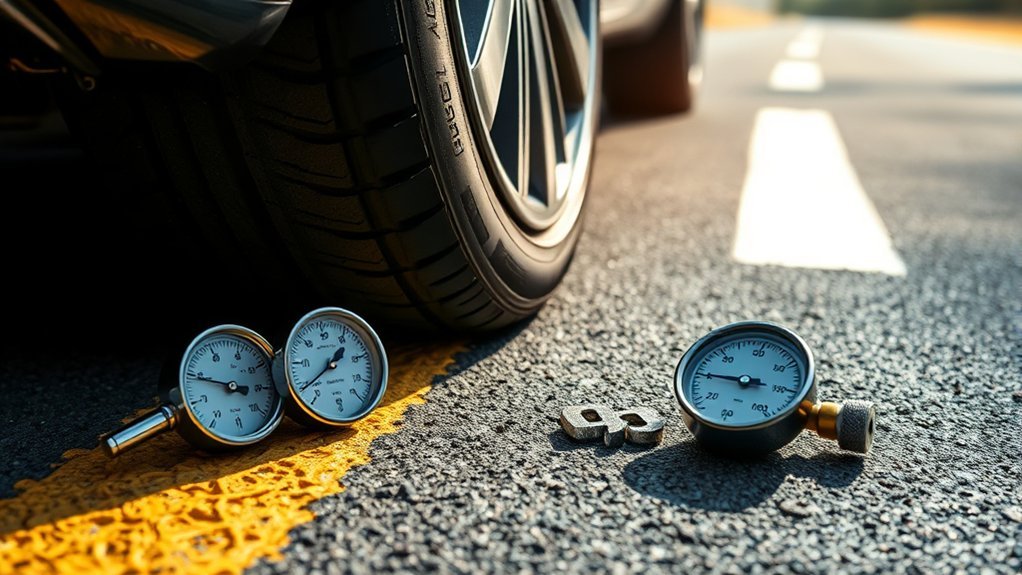
Tire design, inflation, and load work together. A fuel-efficient tire can lose much of its advantage if it is underinflated, overloaded, misaligned, or used in the wrong application.
Design: Low-rolling-resistance tires reduce internal friction through tread compounds, casing design, and tread stability. But the best design depends on the vehicle. A commuter car, electric SUV, winter-use vehicle, and regional delivery truck need different tire priorities.
Inflation: Correct pressure keeps the tire shape stable. This reduces excess flexing, heat, and shoulder wear. It also improves safety and tire life.
Load: More weight increases the force on the tire. That creates more deformation and energy loss. Carrying unnecessary cargo, towing, or exceeding load ratings can increase fuel use and accelerate wear.
Road surface and temperature: Rough pavement, gravel, soft surfaces, and cold conditions can increase resistance. This is one reason fuel economy varies by route and season even with the same tires.
Why Tire Maintenance Boosts Fuel Efficiency
Tire maintenance boosts fuel efficiency because it keeps the tire operating as designed. A tire with correct pressure, even tread wear, and proper alignment wastes less energy than a neglected tire.
- Set cold pressure correctly: Use a quality gauge and follow the vehicle placard.
- Rotate tires regularly: Rotation promotes even wear, especially on front-wheel-drive vehicles and heavier EVs.
- Inspect tread depth: Replace tires when worn to the legal limit or sooner if wet traction is poor.
- Fix alignment issues: Poor alignment can scrub the tires across the road, wasting energy and wearing tread quickly.
- Balance tires when needed: Vibration can indicate imbalance, wheel damage, or tire problems.
Pro Tip: Check tire pressure in the morning before driving. A tire heats up as it rolls, and warm pressure readings can make an underinflated tire look closer to normal than it really is.
How Fleet Managers Can Cut Rolling Resistance
Fleet managers can cut rolling resistance by combining the right tires with disciplined maintenance. For high-mileage fleets, the savings can be meaningful because small percentage improvements repeat across many vehicles and many miles.
- Use verified low-rolling-resistance tires where appropriate: The EPA SmartWay program says verified LRR new and retread tires can reduce fuel use and emissions for long-haul Class 8 tractor-trailers by 3% or more.
- Match tires to axle position: Steer, drive, and trailer tires have different performance needs.
- Track pressure consistently: Pressure programs, automatic tire inflation systems, or tire pressure monitoring can help prevent slow losses.
- Align tractors and trailers: Misalignment increases scrub, heat, and tire wear.
- Manage loads: Avoid unnecessary weight and distribute cargo correctly.
- Use data: Compare fuel logs, tire wear, pressure history, routes, and replacement intervals before changing tire strategy.
For European heavy-duty vehicles, the European Commission’s VECTO tool is used to determine CO₂ emissions and fuel consumption from heavy-duty vehicles. Rolling resistance is one of the vehicle inputs that can affect the calculation.
How Low-Rolling-Resistance Tires Improve Fuel Economy

Low-rolling-resistance tires improve fuel economy by reducing the energy lost as the tire rolls. Tire makers do this through compound chemistry, tread stability, casing design, and lower internal friction.
- Less internal heat: Lower hysteresis means less energy is converted to heat.
- Stable tread blocks: Tread that deforms less can reduce wasted motion.
- Optimized casing: A casing designed for efficiency can reduce flexing losses while supporting the vehicle load.
- Application-specific design: Passenger tires, EV tires, long-haul truck tires, and regional delivery tires use different tradeoffs.
However, the most efficient tire is not always the right tire. A good choice balances fuel economy with wet grip, braking distance, snow or ice needs, comfort, noise, load rating, speed rating, and expected tread life. The U.S. tire fuel efficiency consumer information rule is intended to help consumers compare replacement tires based on fuel efficiency, safety, and durability information.
Cutting CO₂ Emissions With Tire Optimization
Because burning less fuel produces less CO₂, tire optimization can reduce emissions as well as operating costs. The exact reduction depends on the vehicle, route, baseline tire, pressure maintenance, and mileage.
| Optimization Method | Source-Backed Impact |
|---|---|
| Maintain proper tire pressure | FuelEconomy.gov reports 0.6% average gas-mileage improvement and up to 3% in some cases. |
| Reduce passenger-vehicle rolling resistance by 10% | National Academies reports about 1–2% practical fuel-economy improvement for most passenger vehicles. |
| Use EPA SmartWay-verified LRR truck tires | EPA says verified LRR new and retread tires can reduce fuel use and emissions by 3% or more for long-haul Class 8 tractor-trailers. |
For individual drivers, the biggest win is simple: keep tires properly inflated and choose replacement tires that match your driving needs. For fleets, the biggest win is systemwide consistency: tire specification, pressure checks, alignment, route data, and driver reporting.
What Are Future Trends in Tire Technology?
Future tire technology is moving toward lower energy loss, better data, and more sustainable materials. The main trends include:
- Advanced rubber compounds: New polymers and fillers can reduce hysteresis while maintaining wet grip and durability.
- EV-focused tires: Electric vehicles are heavy and sensitive to rolling resistance, so EV tires often focus on efficiency, load capacity, noise reduction, and torque wear.
- Smart tire systems: Sensors can track pressure, temperature, load, and wear so drivers and fleets can prevent efficiency losses earlier.
- Better tire labels and data: Regulations and consumer information programs are pushing clearer comparisons for fuel efficiency, safety, and durability.
- Lower-carbon materials: Manufacturers are testing recycled, bio-based, and lower-emission materials while trying to preserve performance.
The future is not just about making tires roll easier. It is about reducing energy loss without compromising braking, handling, tire life, or safety.
Frequently Asked Questions
Does rolling resistance impact fuel efficiency?
Yes. Rolling resistance affects fuel efficiency because the engine or motor must overcome the energy lost as tires flex and heat up. Lower rolling resistance can improve MPG or EV range, but the exact gain depends on the vehicle, tire, speed, load, road surface, and pressure maintenance.
Do brand-new tires make you lose MPG because of rolling resistance?
Sometimes, yes. New tires often have deeper tread, which can flex more than worn tread and may temporarily reduce MPG. The difference usually depends on the tire model, tread depth, compound, pressure, and driving conditions. Choose replacement tires based on efficiency, traction, durability, and the vehicle manufacturer’s requirements.
Are low-rolling-resistance tires safe in wet weather?
They can be, but you should compare wet grip and braking performance before buying. A good low-rolling-resistance tire is designed to balance efficiency with traction, but not every tire performs equally in rain, snow, heat, or heavy-load use.
How often should I check tire pressure for better fuel economy?
Check tire pressure at least once a month and before long trips. Use a gauge when the tires are cold, and inflate to the pressure listed on the vehicle placard or owner’s manual. Do not use the sidewall maximum as your normal inflation target.
Does rolling resistance matter for electric vehicles?
Yes. EVs do not burn gasoline, but rolling resistance still uses battery energy. Lower rolling resistance can help extend driving range, especially at lower and moderate speeds where aerodynamic drag is less dominant. EV tires must also handle higher vehicle weight and instant torque.
Conclusion
Tire rolling resistance has a real effect on fuel economy, EV range, tire heat, operating costs, and CO₂ emissions. The best results come from combining the right tire with the right maintenance: choose tires that balance efficiency with wet grip and durability, keep them inflated to the vehicle’s recommended pressure, rotate them on schedule, and fix alignment or uneven-wear problems early.
Low-rolling-resistance tires can help, but they are not a magic fix. They work best as part of a complete tire-care routine that protects safety, extends tire life, and reduces wasted energy every mile you drive.
Sources
- FuelEconomy.gov — Keeping Your Vehicle in Shape — supports tire pressure and gas mileage figures.
- National Academies — Tires and Passenger Vehicle Fuel Economy — supports the 10% rolling-resistance / 1–2% fuel-economy relationship.
- U.S. EPA SmartWay — Low Rolling Resistance Tires — supports fleet fuel and emissions reduction claims for long-haul Class 8 trucks.
- eCFR — 49 CFR 575.106 Tire Fuel Efficiency Consumer Information Program — supports consumer tire comparison context.
- eCFR — 49 CFR 571.138 Tire Pressure Monitoring Systems — supports TPMS warning-threshold context.
- European Commission — VECTO — supports heavy-duty vehicle CO₂ and fuel-consumption simulation context.

Related Articles
When to Switch From All-Season to Winter Tires on a 4Runner
Ineffective all-season tires in cold weather can jeopardize your safety—discover when to make the crucial switch for better traction and handling.
Read More
4Runner Tire Mileage: How Many Miles Should They Last
Curious about how long your 4Runner tires should last? Discover essential tips and factors that influence tire longevity.
Read More
How Long Do Toyota 4Runner Tires Typically Last
How long do Toyota 4Runner tires typically last? Discover the factors that influence tire longevity and essential tips for maintenance.
Read More