
How to Clean 4Runner Tires and Wheels Without Damage
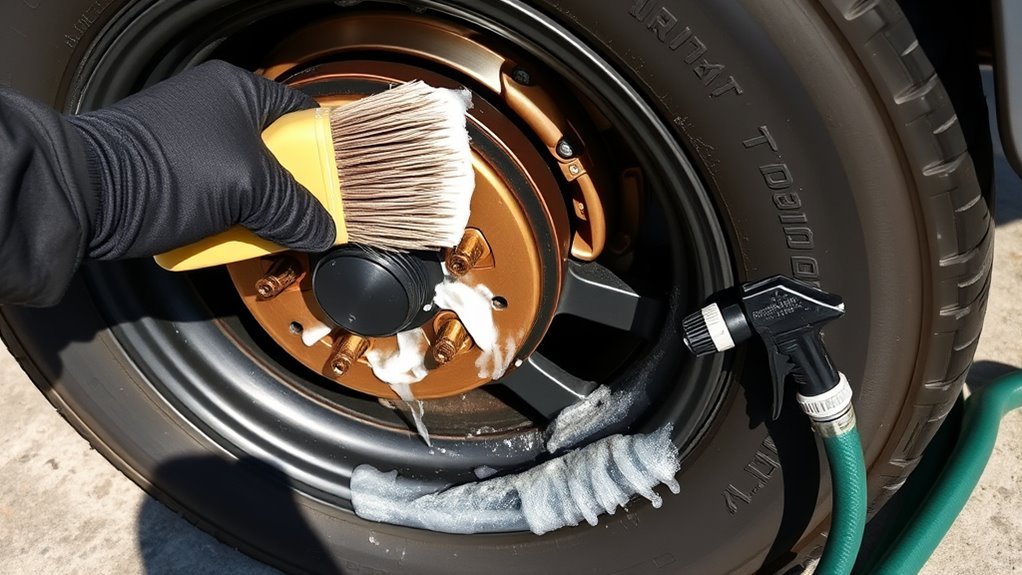
Cleaning 4Runner wheels safely comes down to three rules: let the wheels cool, use products that match the wheel finish, and keep grit away from the paint or clear coat. Most factory 4Runner alloy wheels should be treated like painted body panels: mild cleaner, soft tools, thorough rinsing, and no harsh scrubbing.
Quick Answer
To clean 4Runner wheels, work on cool wheels one at a time. Rinse loose grit, wash with pH-neutral car soap or a wheel-safe cleaner, agitate gently with soft brushes, rinse completely, dry with microfiber, then protect the wheel face with wheel wax or sealant.
Key Takeaways
- Use pH-neutral car wash soap or a wheel-safe cleaner as your default; diluted Dawn can work in a pinch but should not replace proper car soap for routine cleaning.
- Never clean hot wheels, never let cleaner dry, and avoid acid cleaners, abrasive pads, steel wool, oven cleaner, and stiff brushes.
- Clean one wheel at a time with separate wheel tools so brake dust and grit do not scratch your paint or wheel finish.
- Protect only the wheel surface with wax, polymer sealant, or ceramic spray. Keep dressings and silicone products off tire tread, brake rotors, brake pads, and pedals.
At a Glance
| Time Required | 20–35 minutes for all four wheels |
| Difficulty | Easy |
| Tools Needed | Two buckets, hose, pH-neutral car soap, wheel-safe cleaner, soft wheel brush, barrel brush, tire brush, microfiber towels, wheel wax or sealant |
| Cost | About $15–$60 if you already own buckets and towels |
Warning: Do not use acidic, highly alkaline, abrasive, or oven-style cleaners on factory alloy wheels unless the product label specifically says it is safe for your finish. Toyota owner guidance recommends neutral detergent, immediate rinsing, no hard brushes, and no detergent on hot wheels. See the Toyota 4Runner owner guidance before using aggressive chemicals.
Check Your 4Runner Wheels for Damage First
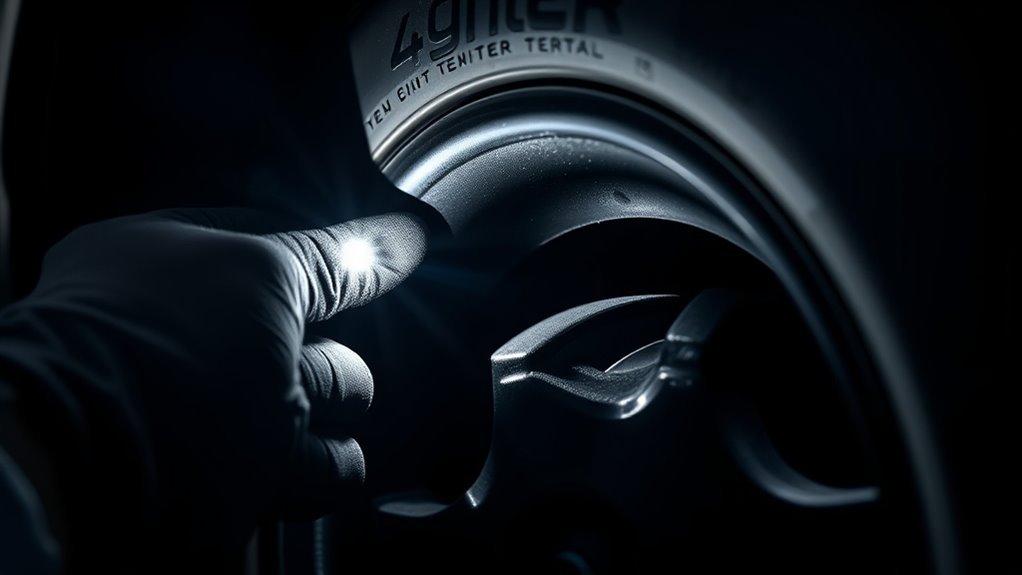
Before you spray any cleaner on your 4Runner wheels, inspect each wheel in good light. Look for cracks, bends, peeling clear coat, curb rash, missing wheel weights, valve-stem damage, and corrosion around the lug holes or bead area. Cleaning will not fix structural damage, and aggressive scrubbing can make a weak finish look worse.
Brake dust is normal, especially after city driving, towing, off-road driving, or using dustier brake pad compounds. What deserves attention is a sudden change: one wheel getting much dirtier than the others, a burnt smell, vibration, pulling while braking, or visible brake fluid. Those signs point beyond detailing and should be inspected by a qualified technician.
Also identify the wheel finish before choosing a cleaner. Most modern alloy wheels are painted, powder-coated, or clear-coated. Some aftermarket wheels may be bare polished aluminum, chrome-plated, anodized, or matte finished. When in doubt, test the cleaner on a hidden spot and use the mildest method first.
[Products Worth Considering]

ETENWOLF’s calibrated digital tire pressure gauges deliver accurate readings across a wide pressure range, from below 12 PSI to above 140 PSI. The built-in thermal...
What You’ll Need: Two Buckets, Soap, and Microfiber
A safe wheel wash kit does not need to be complicated. The goal is to remove grit without dragging it across the clear coat.
- Two buckets: one for soapy wash water and one for rinsing your brush or mitt.
- pH-neutral car wash soap: best for routine maintenance on painted or clear-coated wheels.
- Diluted Dawn dish soap: acceptable as an occasional grease-cutting fallback, but not the best long-term replacement for car wash soap.
- Wheel-safe cleaner: useful for stubborn brake dust. Choose a non-acid, finish-safe cleaner and follow the label.
- Soft wheel brush: for the face, spokes, and lug areas.
- Barrel brush: for the inner wheel barrel if there is enough clearance.
- Dedicated tire brush or sponge: keep tire tools separate from wheel-face tools.
- Microfiber towels: one set for wheels only, not for painted body panels.
- Wheel wax, polymer sealant, or ceramic spray: for easier future cleaning.
- Nitrile gloves and eye protection: especially when using wheel cleaners or degreasers.
Pro Tip: Keep your wheel towels and brushes separate from your paint towels. Brake dust can contain gritty metallic particles, so a towel used on wheels should not be reused on your 4Runner’s body panels.
Cool, Rinse, and Pre-Clean Your 4Runner Wheels
Start when the wheels, tires, and brakes are cool to the touch. Shade is ideal because soap and cleaner dry more slowly. Clean the wheels before washing the rest of the vehicle so dirty overspray does not land on freshly cleaned paint.
- Rinse first. Use steady water pressure to remove loose grit from the tire, wheel face, lug area, spokes, and barrel.
- Work one wheel at a time. This keeps cleaner from drying while you move around the vehicle.
- Apply soap or wheel-safe cleaner. Use pH-neutral soap for light dirt. Use a dedicated wheel cleaner for bonded brake dust.
- Let it dwell briefly. Follow the product label. Do not let any cleaner dry on the surface.
- Agitate gently. Use a soft brush for the face and spokes, and a barrel brush for the inner wheel if accessible.
- Rinse thoroughly. Flush cleaner from lug pockets, valve stems, caliper areas, and spoke edges.
If you use a pressure washer, keep the nozzle moving and stay back from the wheel. Avoid blasting directly into valve stems, wheel weights, brake components, or damaged clear coat.
Set Up the Two-Bucket Method to Reduce Scratches
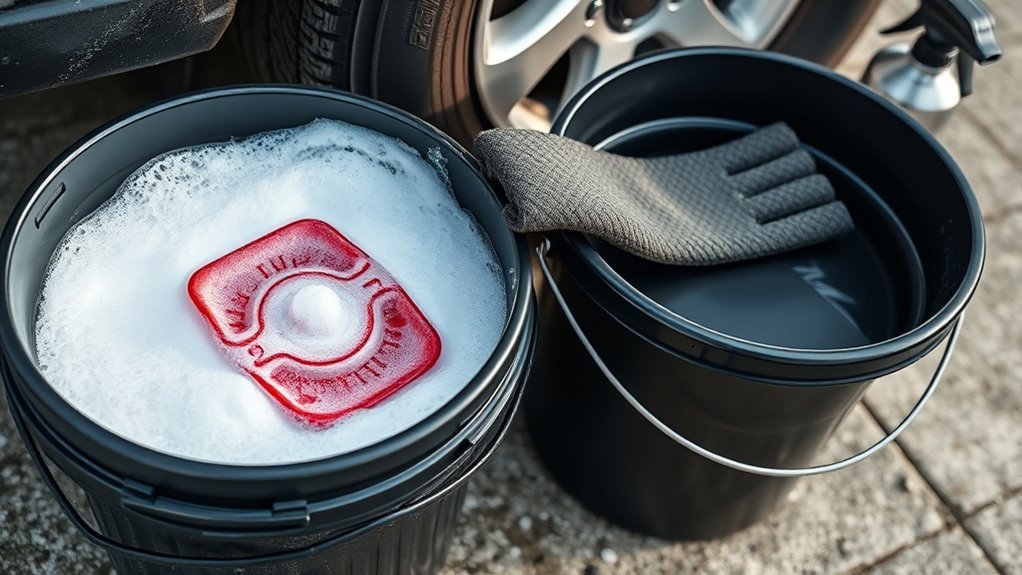
The two-bucket method reduces the chance of rubbing abrasive brake dust back onto the wheel. Fill one bucket with car wash soap and water. Fill the second with clean rinse water. If you have grit guards, place one at the bottom of each bucket.
Dip the wheel brush into the soapy bucket, clean one section of the wheel, then rinse the brush in the clean-water bucket before returning to the soap. If the rinse water turns dark, replace it. Dirty rinse water defeats the point of the method.
Work top to bottom and outside to inside. Clean the tire sidewall first if it is heavily soiled, then switch to a softer wheel-face brush for the wheel itself. For wheels with tight spoke openings, use a small detailing brush around lug nuts and valve stems.
Degrease 4Runner Wheels and Break Down Brake Dust
For normal maintenance, soap and water are usually enough. For stubborn brake dust, use a wheel-safe cleaner designed for painted, clear-coated, or factory alloy wheels. Non-acid wheel cleaners and mild alkaline tire-and-wheel cleaners can work well when the label confirms finish compatibility.
Spray the cleaner onto a cool, wet wheel. Let it dwell only as long as directed. Agitate with a soft brush, then rinse until the water runs clear. If the wheel still feels gritty, repeat the process rather than reaching for a harsher chemical.
| Problem | Safer Fix | Avoid |
|---|---|---|
| Light brake dust | pH-neutral car soap, soft brush, rinse | Hard brush or dry wiping |
| Heavy brake dust | Wheel-safe cleaner, short dwell, gentle agitation | Acid cleaner on unknown finishes |
| Tar spots | Wheel-safe tar remover tested first | Scraping with metal tools |
| Peeling clear coat | Gentle wash only; consider refinishing | Polishing through damaged clear coat |
| Bare aluminum oxidation | Aluminum polish made for bare metal | Assuming all factory wheels are bare aluminum |
Scrub Tires With Simple Green Without Harming the Finish
Clean the rubber sidewalls separately from the wheel face. A wheel-and-tire product such as Simple Green’s aluminum wheel cleaning guidance recommends cool wheels, wet surfaces, soft tools, and thorough rinsing. Use the product and dilution stated on the label, especially around coated, polished, anodized, or matte finishes.
Apply tire cleaner to the tire sidewall, not the tire tread. Scrub the sidewall with a dedicated tire brush or sponge until the brown residue lifts. Rinse thoroughly so no cleaner dries on the rubber or wheel. If you use tire dressing afterward, apply it thinly to the sidewall only and wipe away excess.
Warning: Never apply tire shine, silicone spray, WD-40, or oily dressings to tire tread, brake rotors, brake pads, pedals, or floor mats. Slippery residue in the wrong place can affect traction or braking.
Dry, Wax, and Protect 4Runner Wheels for Easier Future Cleans
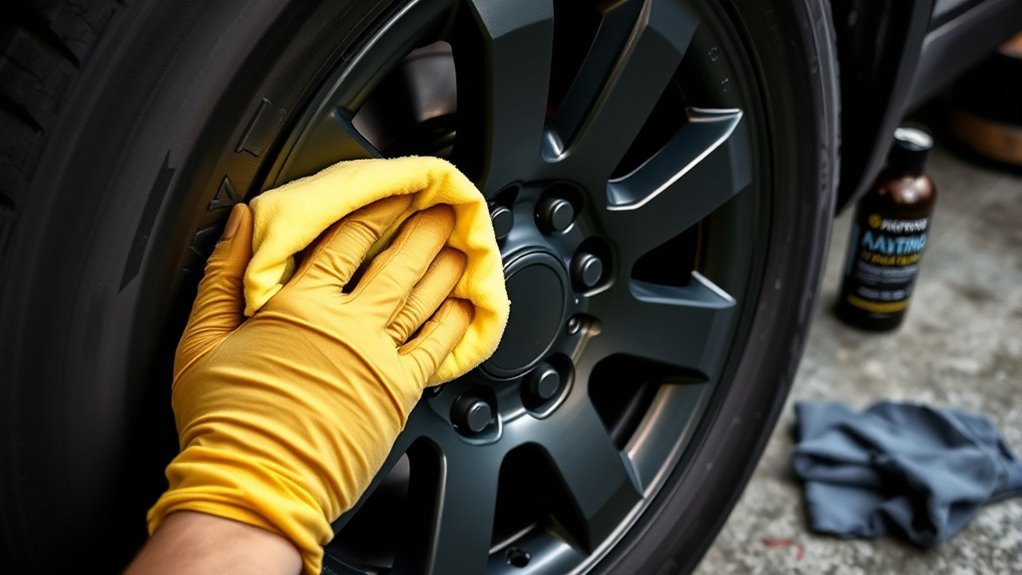
After rinsing, dry the wheels with clean microfiber towels or a blower. Drying prevents water spots and lets you inspect the finish. Pay attention to lug pockets, spoke edges, and the lower barrel where water collects.
For gloss painted or clear-coated wheels, apply a wheel wax, polymer sealant, or ceramic spray made for automotive wheels. Spray the product onto a towel rather than directly at the wheel so you control overspray. Buff only the wheel surface and keep product away from brake rotors and tire tread.
Do not wax matte wheels unless the product label says it is safe for matte finishes. Matte finishes can become shiny or blotchy if treated like gloss paint. If your 4Runner has aftermarket wheels, follow the wheel manufacturer’s care instructions.
How Often Should You Clean 4Runner Wheels?
For most daily drivers, rinse the wheels whenever you wash the vehicle and deep clean them every four to eight weeks. Clean them sooner after off-road driving, winter road salt, mud, beach sand, or towing. Brake dust and road grime are easier to remove when they have not baked onto the surface for weeks.
Wheel protection makes future cleaning easier. Tire Rack recommends treating alloy wheel finishes like vehicle paint, using mild soap and water, avoiding abrasive cleaners, and waxing periodically to protect the finish. You can read its wheel-care guidance at Tire Rack.
Note: Wash water can carry detergent, brake dust, metals, oils, and road grime. The U.S. EPA stormwater guidance recommends limiting detergent, using biodegradable phosphate-free products when possible, and directing wash water to grass or gravel instead of storm drains.
Pitted or Peeling? When Professional Refinishing Makes Sense
Some wheel problems are beyond cleaning. Severe pitting, bubbling paint, peeling clear coat, exposed bare metal, or corrosion around the bead seat needs more than soap and a brush. Cleaning can remove dirt, but it cannot rebuild missing coating or repair metal damage.
Severe Damage Signs
Stop aggressive cleaning and get the wheel inspected if you see:
- Clear coat peeling in sheets
- Deep pitting that catches a fingernail
- Cracks near spokes, lug holes, or the rim edge
- Air loss from corrosion near the bead seat
- A bent lip or vibration after an impact
- Corrosion spreading under paint or powder coat
Expert Refinishing Benefits
Professional refinishing can strip failed coating, address corrosion, repair curb rash when safe, and apply a new finish in a controlled environment. It also prevents a common DIY mistake: sanding or polishing through good clear coat while trying to remove stains. If the wheel is cracked, bent, or leaking, refinishing alone may not be enough; safety inspection comes first.
Frequently Asked Questions
How do you clean 4Runner wheels safely?
Let the wheels cool, rinse loose grit, wash one wheel at a time with pH-neutral car soap or a wheel-safe cleaner, agitate with soft brushes, rinse completely, dry with microfiber, and protect the wheel face with wheel wax or sealant.
Can I wash my 4Runner tires with Dawn dish soap?
Yes, a small amount of diluted Dawn can clean greasy tire sidewalls in a pinch. For routine wheel care, pH-neutral car wash soap or a dedicated wheel-and-tire cleaner is a better choice because it is designed for automotive finishes and repeated use.
How do you remove oxidation from aluminum rims?
First identify the finish. Bare polished aluminum can often be restored with a dedicated aluminum polish. Factory clear-coated wheels should not be wet-sanded or polished aggressively unless you are refinishing them, because the cloudiness may be clear-coat failure rather than bare aluminum oxidation.
Is WD-40 good for cleaning tires?
WD-40 is not the right routine cleaner or dressing for tires. Use a dedicated tire cleaner or mild soap and water on the sidewall. Keep oily products away from tire tread, brake parts, pedals, and floor mats.
Can I use a pressure washer on 4Runner wheels?
Yes, but use moderate distance, keep the nozzle moving, and avoid blasting directly into valve stems, wheel weights, peeling clear coat, brake calipers, or wheel bearings. A hose is safer for damaged or older finishes.
Should I clean the tires or wheels first?
Clean the wheel-and-tire area before washing the rest of the vehicle. On each corner, many detailers clean the tire sidewall first, rinse, then clean the wheel face and barrel with softer tools.
Conclusion
A safe 4Runner wheel-cleaning routine is simple: inspect first, work cool, rinse well, clean one wheel at a time, use soft tools, and protect the finish after drying. The biggest mistakes are using harsh chemicals, scrubbing with abrasive tools, letting cleaner dry, and spraying slick products near tires or brakes. Keep the process mild and consistent, and your wheels will be easier to clean every time.
Sources
- Toyota 4Runner Owner Guidance — supports neutral detergent, cool-wheel care, and immediate rinsing.
- Toyota Exterior Cleaning Guidance — supports avoiding acidic, alkaline, abrasive cleaners and hard brushes on wheel finishes.
- Tire Rack Wheel Cleaning Guide — supports mild soap, cool wheels, one-wheel-at-a-time cleaning, and periodic waxing.
- Simple Green Aluminum Wheel Cleaning Guide — supports cool-wheel cleaning, soft tools, thorough rinsing, and finish-aware cleaner use.
- U.S. EPA Vehicle Maintenance and Washing BMP — supports stormwater and wash-runoff precautions.
- Mothers Foaming Wheel & Tire Cleaner — example of a non-acidic wheel-and-tire cleaner marketed for original equipment wheel finishes.

Related Articles

When to Switch From All-Season to Winter Tires on a 4Runner
Ineffective all-season tires in cold weather can jeopardize your safety—discover when to make the crucial switch for better traction and handling.
Read More
4Runner Tire Mileage: How Many Miles Should They Last
Curious about how long your 4Runner tires should last? Discover essential tips and factors that influence tire longevity.
Read More
How Long Do Toyota 4Runner Tires Typically Last
How long do Toyota 4Runner tires typically last? Discover the factors that influence tire longevity and essential tips for maintenance.
Read More