
4Runner Tires for Towing: Load Capacity Considerations
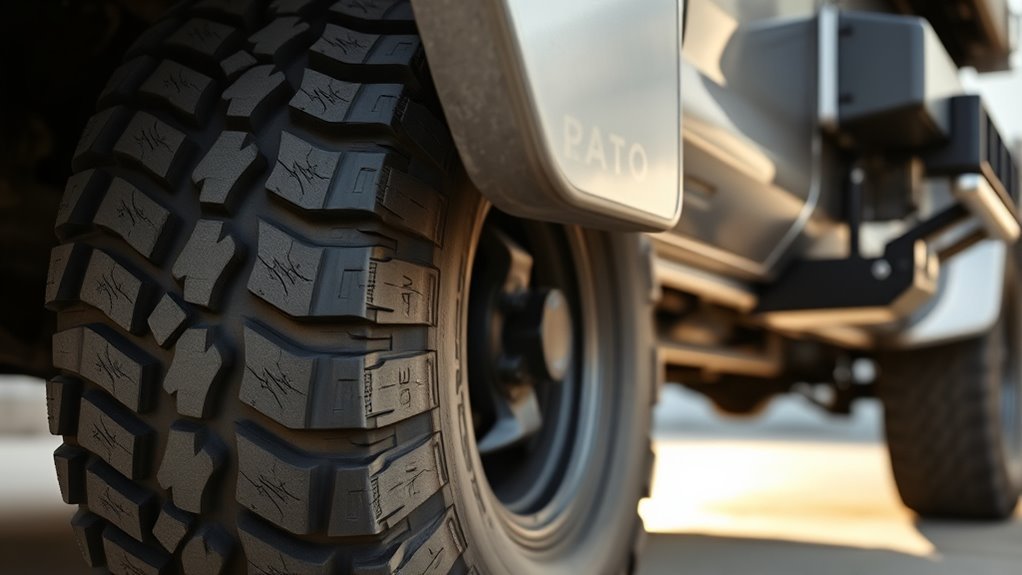
Towing with a Toyota 4Runner is less about choosing the toughest-looking tire and more about matching the tire, wheel, axle, payload, and trailer weight ratings to the way you actually use the SUV. Stock P-metric tires can be acceptable for occasional towing within Toyota’s limits, but LT tires can be a smart upgrade if you tow near the limit often, carry heavy cargo, run rough roads, or want firmer sidewalls and more puncture resistance.
Quick Answer
You do not automatically need Load Range E LT tires to tow with a 4Runner. For occasional towing within the vehicle’s published limits, properly rated stock-size tires may be fine. Choose LT tires when you tow heavy often, add cargo, travel off-road, or need stronger sidewalls and higher load margins.
Key Takeaways
- The tire does not carry the full trailer weight. It carries the 4Runner, passengers, cargo, and the trailer tongue weight transferred to the vehicle.
- A 2010–2024 5th-gen 4Runner is commonly rated up to 5,000 lb with a 500-lb maximum tongue weight when properly equipped; newer 6th-gen models can be rated higher depending on trim.
- Load index 113 equals 2,535 lb on the chart, but P-metric tires used on SUVs/light trucks are commonly reduced by a 1.10 factor for load calculations.
- Load Range C often gives a better comfort-to-capacity balance than Load Range E for many 4Runner owners; E-rated tires are best for frequent heavy towing, rough roads, and high cargo loads.
- Use the door-jamb placard, owner’s manual, tire sidewall, wheel rating, and tire-maker load/inflation tables before changing size, load range, or pressure.
At a Glance
| Time Required | 15–30 minutes to check your tire placard, sidewalls, axle ratings, trailer tongue weight, and tire load tables |
| Difficulty | Moderate; the math is simple, but the ratings must come from your exact vehicle and tires |
| Tools Needed | Tire pressure gauge, door-jamb placard, tire sidewall, owner’s manual, trailer weight sheet, and preferably a CAT scale ticket |
| Cost | No cost to verify ratings; tire upgrade cost varies by brand, size, load range, installation, and alignment needs |
Do You Really Need LT Tires for 4Runner Towing?
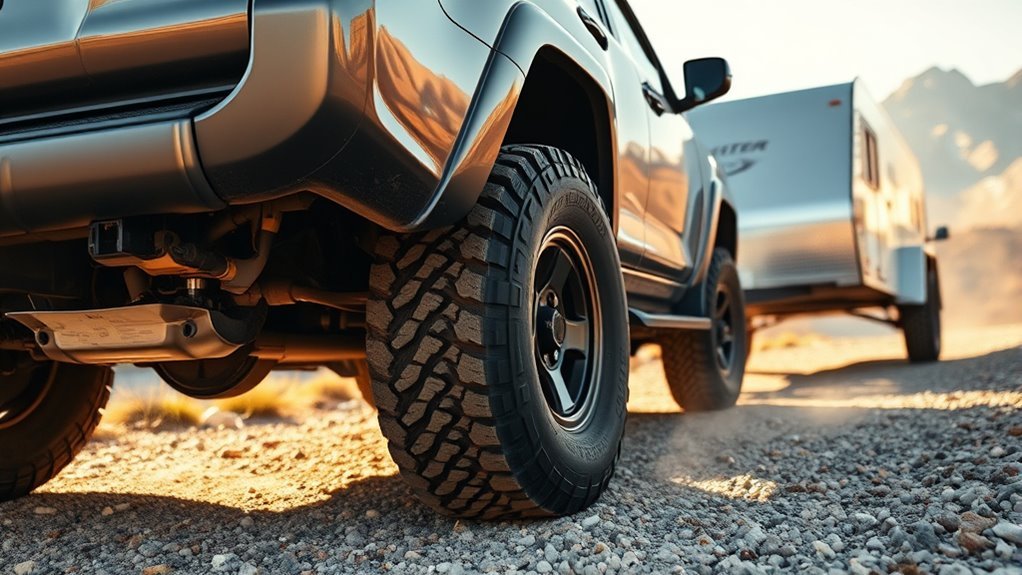
You need LT tires for 4Runner towing only when your real use case justifies them. If you tow a light utility trailer or small camper a few times per year and your tire size, load index, pressure, axle weights, and Toyota tow rating are all within spec, stock-style P-metric tires can be acceptable.
LT tires become more valuable when you tow near the vehicle’s limit, carry passengers and cargo at the same time, drive long highway distances in hot weather, travel on gravel or rocky roads, or want less sidewall flex. The trade-off is that LT tires are usually heavier, firmer, and often louder than P-metric tires.
Warning: Do not use tire load range as permission to exceed Toyota’s published towing capacity, tongue-weight limit, payload rating, GVWR, GAWR, GCWR, hitch rating, wheel rating, or trailer brake requirements. The lowest-rated part of the setup controls the safe limit.
[Products Worth Considering]

Keep RV, trailer, or truck dual-axle tires protected with waterproof, UV-resistant covers that help guard against sunlight, snow, rust, and dirt. The dual tire covers are easy to install with a rope/bungee fastener for a stable fit that won’t easily slip. Designed for 27–30 inch diameter wheels, they help maintain tire condition through harsh weather.
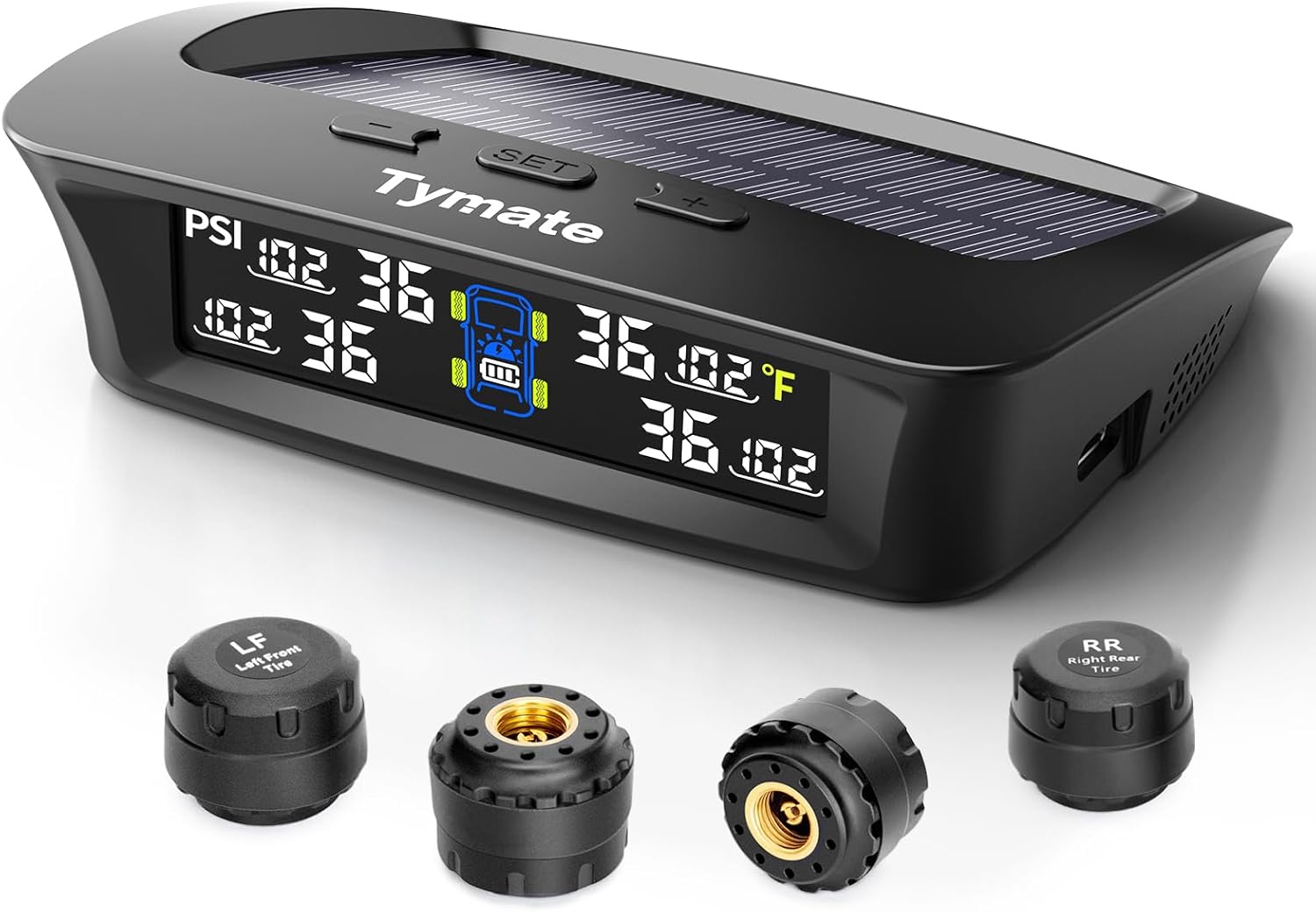
The Tymate TM3 RV TPMS delivers real-time tire pressure monitoring from 0 to 144 PSI with accurate readings and dependable wireless communication. It includes four external sensors with pre-pairing, six alarm modes for rapid leak, pressure extremes, temperature, and signal loss, plus an easy-reference setup for alert thresholds. Solar and USB-C charging help keep the display powered, while the color LCD and adaptive backlight improve visibility for safer driving and towing.
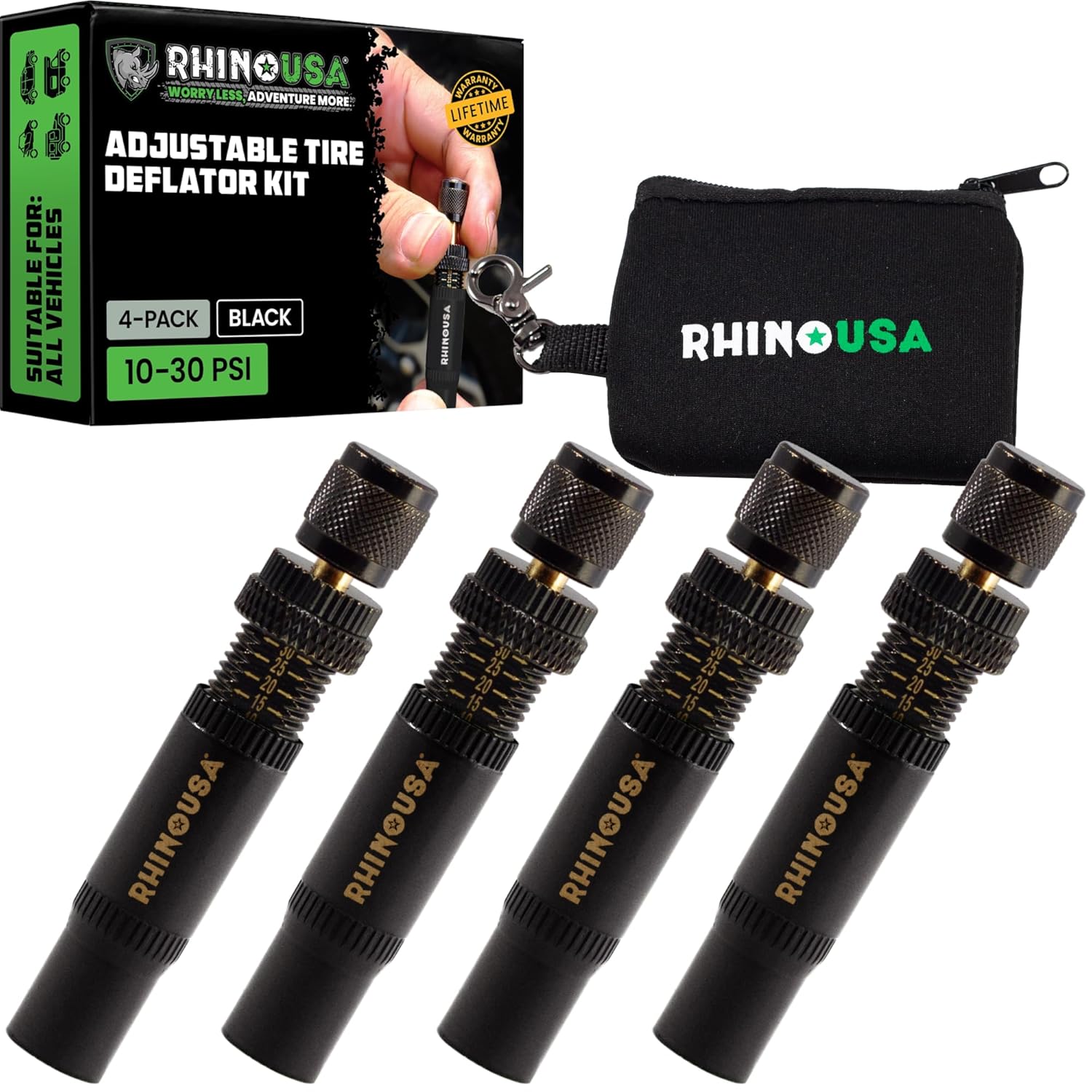
Use the Rhino USA adjustable tire deflators to air down all four tires at once by screwing one deflator onto each valve stem, letting you step away while the tires reach your preset pressure. Each deflator independently adjusts across a 10–30 PSI range with laser-etched indicators for quick setup and verification, making it ideal for beach, sand, and rocky off-road trails.
Know Your 4Runner Tow Rating First
Before choosing tires, confirm which 4Runner you have. The 2010–2024 5th-generation 4Runner is commonly discussed with a 5,000-lb maximum tow rating and a 500-lb maximum tongue-weight rating when properly equipped. Toyota’s 2026 6th-generation 4Runner information lists a maximum towing capacity of up to 6,000 lb, depending on trim and equipment.
That model-year split matters. A tire article that says “the 4Runner tows 5,000 lb” may be accurate for many 5th-gen owners but incomplete for newer models. Your final answer must come from your owner’s manual, driver-door placard, certification label, hitch label, and the exact tire sidewall.
| Rating | What It Means | Where to Check |
|---|---|---|
| Tow rating / TWR | Maximum loaded trailer weight the vehicle is rated to tow | Owner’s manual and Toyota specifications |
| Tongue weight | Trailer weight pressing down on the hitch, usually about 10–15% of trailer weight for many conventional trailers | Trailer scale, tongue-weight scale, or weight-distribution setup data |
| GVWR | Maximum loaded weight of the 4Runner itself | Certification label on the vehicle |
| GAWR | Maximum allowed weight on each axle | Certification label and scale ticket |
| Tire load index | Maximum tire load at the tire’s rated conditions | Tire sidewall and manufacturer load chart |
How Much Weight 4Runner Towing Tires Actually Carry
Your 4Runner’s tires do not carry a 5,000-lb trailer. They carry the SUV’s actual axle loads: curb weight, passengers, cargo, accessories, fuel, and the trailer’s tongue weight. That is why axle-scale numbers are more useful than guessing from the headline tow rating.
For example, a stock tire with a 113 load index corresponds to 2,535 lb on a standard load-index chart. On a P-metric tire used on an SUV or light truck, that number is commonly divided by 1.10 for load calculations, which brings it to about 2,305 lb per tire. Two rear tires would then provide about 4,610 lb of calculated rear-tire capacity before considering the rear axle and wheel ratings.
Stock Tire Limits
Stock-size tires can work when the whole setup stays inside the manufacturer’s limits. The correct question is not “Can my tires add up to more than the trailer weight?” The correct question is: “Do my tires, wheels, axles, hitch, payload, and trailer setup all stay within their individual ratings when the 4Runner is loaded for the trip?”
Check these before towing:
- Confirm the tire size and cold pressure on the driver-door tire placard.
- Confirm the load index and speed rating on every tire, including the spare if it may be used while towing.
- Check the trailer’s loaded weight and tongue weight, not the empty brochure weight.
- Weigh the front axle, rear axle, and combined rig at a public scale if towing near the limit.
- Inspect sidewalls, tread depth, age, and pressure before every tow.
Load Index Math
Load index is useful, but it is not the whole story. A 113 load index is listed as 2,535 lb, while 112 is 2,470 lb and 121 is 3,195 lb. Those numbers only matter when the tire is used at the correct pressure, on an approved wheel, within the correct speed and service conditions, and within the vehicle’s axle limits.
Note: Never use total tire capacity as a replacement for GVWR, GAWR, payload, or GCWR. A tire can have more capacity than the axle, wheel, suspension, or hitch, but that does not raise the vehicle’s legal or safe towing rating.
Weight Distribution Basics
Tongue weight usually shifts more load to the rear axle and can remove some weight from the front axle. Too little tongue weight can cause sway; too much can overload the rear axle, rear tires, payload rating, or hitch. For many conventional trailers, a tongue-weight target of about 10–15% of loaded trailer weight is common, but you should follow the trailer and hitch manufacturer’s instructions.
The most accurate method is to load the 4Runner exactly as you travel, then weigh the front axle, rear axle, trailer axles, and combined rig. This tells you whether the tires are actually overloaded instead of relying on guesses.
P-Metric vs. LT: Which 4Runner Tire Handles Towing Better?
P-metric tires are designed around comfort, lower weight, and everyday SUV use. LT tires are built for heavier service, higher inflation ranges, stronger carcass construction, and better resistance to sidewall flex under load. For towing, LT tires usually feel more planted, but they can reduce ride comfort when the 4Runner is empty.
| Tire Type | Strength | Trade-Off | Best Use |
|---|---|---|---|
| P-metric / stock-style | Comfortable, lighter, efficient | More sidewall flex under heavy loads | Daily driving and occasional towing within ratings |
| LT Load Range C | Firmer sidewall with moderate weight penalty | Not as much capacity as D or E in the same family | Balanced choice for many 4Runner towing setups |
| LT Load Range D | More capacity than C in many sizes | Less common in some 4Runner-friendly sizes | Heavy towing with less harshness than some E-rated options |
| LT Load Range E | High load capacity and tough construction | Heavier, firmer, and may hurt ride and fuel economy | Frequent heavy towing, overlanding weight, sharp gravel, and rough roads |
Load Range C vs. E: Which Rating Matches Your Trailer Weight?
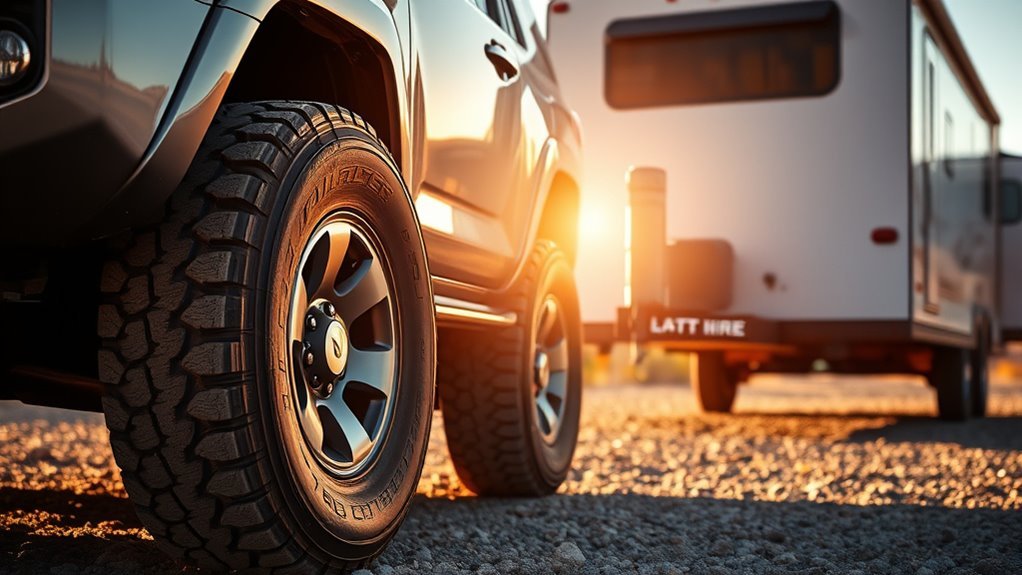
Load Range C and Load Range E are construction/load categories, not universal weight numbers. A Load Range C tire in one size can have a different capacity than a Load Range C tire in another size. That is why you should shop by exact size, service description, load index, maximum load, approved rim width, and inflation table.
Load Range Basics
For common LT all-terrain sizes near the 4Runner’s stock diameter, Load Range C is often enough for owners who want a stronger tire without turning the ride harsh. Load Range E is stronger, but it is not automatically better for every 4Runner. If you mostly commute and tow a moderate trailer occasionally, E-rated tires may feel unnecessarily stiff.
Use this decision path:
- Find your loaded trailer weight and tongue weight.
- Find your 4Runner’s GVWR, front GAWR, rear GAWR, and payload limit.
- Choose a tire that meets or exceeds the original equipment load rating and fits your wheels.
- Use the tire manufacturer’s load/inflation table to set pressure for the actual axle load.
- Keep a safety margin without exceeding the wheel’s pressure or load rating.
Weight Matching Guide
For many 4Runner owners, the best towing tire is not the highest-rated tire available. It is the tire that gives enough capacity, proper fitment, predictable handling, and acceptable ride quality. Load Range C is often the sweet spot for moderate towing. Load Range E makes more sense when the 4Runner is loaded with armor, drawers, rooftop gear, passengers, and a trailer, or when towing happens often on hot highways and rough terrain.
Pro Tip: If two tires both fit your 4Runner, compare their actual weight as well as their load index. A very heavy E-rated tire can improve toughness but may also slow acceleration, lengthen braking feel, and reduce comfort when the vehicle is unloaded.
How Heavy Tires Affect Your 4Runner’s Towing Stability
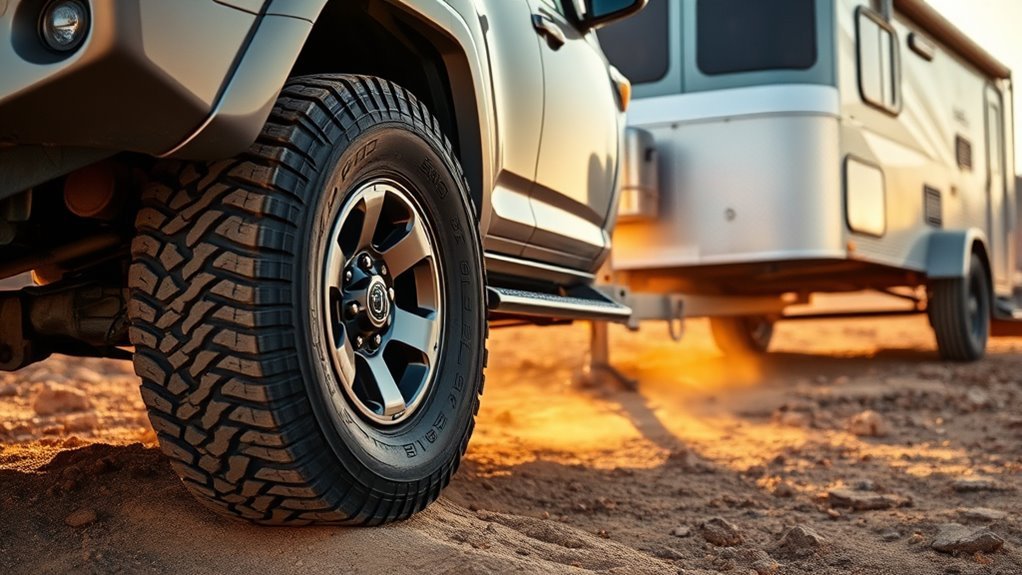
Heavier tires can help towing stability by reducing sidewall movement, especially when paired with the correct pressure and a properly loaded trailer. But heavier tires also add unsprung weight. That can make the 4Runner feel slower, firmer, and less responsive, especially when it is not towing.
Do not assume a heavier tire always means a safer tow. The tire still needs the correct size, load index, inflation, wheel compatibility, and tread pattern for your use. A highway-focused LT tire may tow more quietly and steadily than an aggressive mud-terrain tire with a higher load range but more tread squirm.
The best towing tire is the one that keeps your loaded axle weights, tire ratings, wheel ratings, and pressure requirements in balance—not simply the tire with the stiffest sidewall.
4Runner Tire Pressure for Towing: The PSI That Actually Works
For original-equipment-style P-metric tires, start with the cold tire pressure listed on the driver-door tire placard. NHTSA advises using the vehicle manufacturer’s recommended cold pressure, not the number molded on the tire sidewall. The sidewall number is generally a maximum pressure, not the recommended daily setting.
For LT tires, do not blindly inflate to 80 PSI just because the tire is Load Range E. That pressure may be far too high for a 4Runner’s actual axle load and can reduce ride quality and traction. Instead, use the tire manufacturer’s load/inflation table, confirm the wheel’s pressure rating, and work with a tire professional if you are changing from P-metric to LT tires.
Check pressure when the tires are cold, before driving or after the vehicle has been parked long enough for the tires to cool. Recheck before every towing trip, including the spare and trailer tires.
[Products Worth Considering]

Universal magnetic jack pad with aluminum grooved design to protect vehicle pinch welds during lifting. Durable nylon pad inserts are upgraded and secured with screws to resist damage and keep in place. Designed to fit most single vehicle pinpoint welds for safer, stable jacking when changing tires, repairs, or performing oil changes.

The JACO FlowPro Tire Inflator measures, inflates, and airs down tires up to 100 PSI with battery-free operation and ±2% accuracy after calibration. It features a glowing pressure dial for night visibility, a heavy-duty steel build with a hybrid hose, and a precision push-to-inflate thumb trigger. The patented Lightning Air Chuck locks on for a secure seal, and the kit includes quick-connect hardware for easy inline use with your air compressor.
Stock vs. Upgraded Tires: Real-World Trade-Offs
Stock P-metric tires usually give the best comfort, lowest weight, and easiest daily driving. They can be the right choice for a 4Runner that tows light loads occasionally and spends most of its time commuting.
Upgraded LT tires usually give stronger sidewalls, better puncture resistance, and more stability under repeated heavy loading. They are a better match for owners who tow near the limit, drive long distances in heat, use rocky forest roads, or add heavy accessories such as steel bumpers, skid plates, drawers, roof racks, and recovery gear.
The trade-offs are real. LT tires can cost more, weigh more, ride firmer, and create more road noise depending on tread design. Before buying, compare the tire’s load index, load range, tread depth, weight, winter rating, warranty, and approved rim width.
Which Tire Size Tows Better: 255/75 or 265/70?
Both 255/75R17 and 265/70R17 can work on a 4Runner when the tire, wheel, clearance, and load rating are correct. The 265/70R17 size is closer to many stock 17-inch 4Runner fitments, so it is usually easier to shop, rotate, and replace on the road. The 255/75R17 size is slightly taller and narrower, which can help ground clearance and cut through loose surfaces, but it may change speedometer accuracy and effective gearing.
A wider 265/70 can provide a broader contact patch, while a narrower 255/75 may reduce rolling resistance and improve clearance in some setups. For towing, the better size is the one with the right load index, stable tread design, correct pressure guidance, and no rubbing under load.
Note: Any tire-size change can affect speedometer reading, odometer reading, ABS behavior, spare compatibility, and clearance. Test fit before towing and keep all four tires the same size, construction type, and similar wear level.
Where to Buy 4Runner Towing Tires and What to Compare
Buy 4Runner towing tires from a retailer that can confirm fitment, load rating, wheel compatibility, pressure guidance, road-force balance, alignment needs, and warranty support. A low online price is not useful if the tire is too heavy, too stiff, out of spec for your wheels, or unavailable as a matching spare.
Compare these details before ordering:
- Exact size: Match the diameter and clearance you can safely run.
- Service description: Check load index and speed rating, not just load range.
- Maximum load and pressure: Confirm the tire and wheel are compatible.
- Tire weight: Heavier tires can affect acceleration, braking, and fuel economy.
- Tread pattern: Highway/all-terrain tires often tow more quietly than aggressive mud tires.
- Spare tire: Make sure the spare is compatible with your towing setup.
- Installation: Budget for balancing, valve stems/TPMS service, alignment, and possible recalibration if changing size.
Frequently Asked Questions
Do I need LT tires to tow 5,000 lb with a 4Runner?
Not automatically. If your 4Runner is rated for the trailer, the tires meet or exceed the original load rating, the pressure is correct, and your axle/payload limits are not exceeded, stock-style tires may be acceptable. LT tires are a smart upgrade for frequent heavy towing, rough roads, added cargo, or better sidewall control.
Can a Toyota 4Runner tow 7,000 lb?
Do not tow 7,000 lb with a 4Runner unless Toyota publishes that rating for your exact model, trim, equipment, and market. Many 2010–2024 4Runners are rated up to 5,000 lb, and Toyota’s 2026 4Runner information lists up to 6,000 lb. Higher-rated tires do not raise the vehicle’s tow rating.
Is Load Range C or Load Range E better for a 4Runner?
Load Range C is often the better balance for a daily-driven 4Runner that tows moderate loads. Load Range E is better for frequent heavy towing, rough terrain, and heavily accessorized builds, but it can ride firmer and add weight. Always compare the exact tire’s load index and inflation table.
Should I inflate Load Range E tires to 80 PSI on a 4Runner?
Usually no. Eighty PSI may be the tire’s maximum pressure, not the right pressure for your 4Runner. Use the tire manufacturer’s load/inflation table, your actual axle weights, and the wheel pressure rating to choose a safe cold pressure.
Do LT tires make towing safer?
They can, especially when towing heavy or driving rough roads, because LT tires usually have stronger construction and firmer sidewalls. They are not a substitute for correct loading, tire pressure, trailer brakes, weight distribution, or staying within Toyota’s ratings.
Conclusion
LT tires can improve 4Runner towing stability, durability, and sidewall control, but they are not automatically required for every trailer. Start with your exact 4Runner’s tow rating, payload, GVWR, GAWR, hitch rating, wheel rating, tire placard, and loaded trailer weight. Then choose a tire that meets the real axle loads with a reasonable margin.
For occasional towing within Toyota’s limits, a properly rated stock-size tire may be enough. For frequent towing near the limit, heavy cargo, hot highway use, or rough terrain, LT tires—often Load Range C or E depending on your build—are worth considering. The safest setup is the one verified by numbers, not by guesswork.
Sources
- Toyota 2024 4Runner eBrochure — 5th-gen 4Runner towing capacity, curb weight, GVWR, tire sizes, and Toyota towing disclosures.
- Toyota USA Newsroom: 2024 4Runner Rugged Capability — 5,000-lb maximum tow rating and 500-lb maximum tongue weight for 2024 models.
- Toyota USA Newsroom: 2026 4Runner Engineered for Exploration — current-generation maximum towing capacity and towing technology context.
- NHTSA TireWise — cold tire pressure, tire placard, and tire safety guidance.
- NHTSA TP-110T Test Procedure — passenger-tire load rating reduction by 1.10 for applicable light-truck/SUV calculations.
- Toyo Tires Speed Symbol and Load Index Chart — load-index-to-pound conversions, including load index 113.

Related Articles

When to Switch From All-Season to Winter Tires on a 4Runner
Ineffective all-season tires in cold weather can jeopardize your safety—discover when to make the crucial switch for better traction and handling.
Read More
4Runner Tire Mileage: How Many Miles Should They Last
Curious about how long your 4Runner tires should last? Discover essential tips and factors that influence tire longevity.
Read More
How Long Do Toyota 4Runner Tires Typically Last
How long do Toyota 4Runner tires typically last? Discover the factors that influence tire longevity and essential tips for maintenance.
Read More