
What Is Tire Siping and Does It Help Off-Road
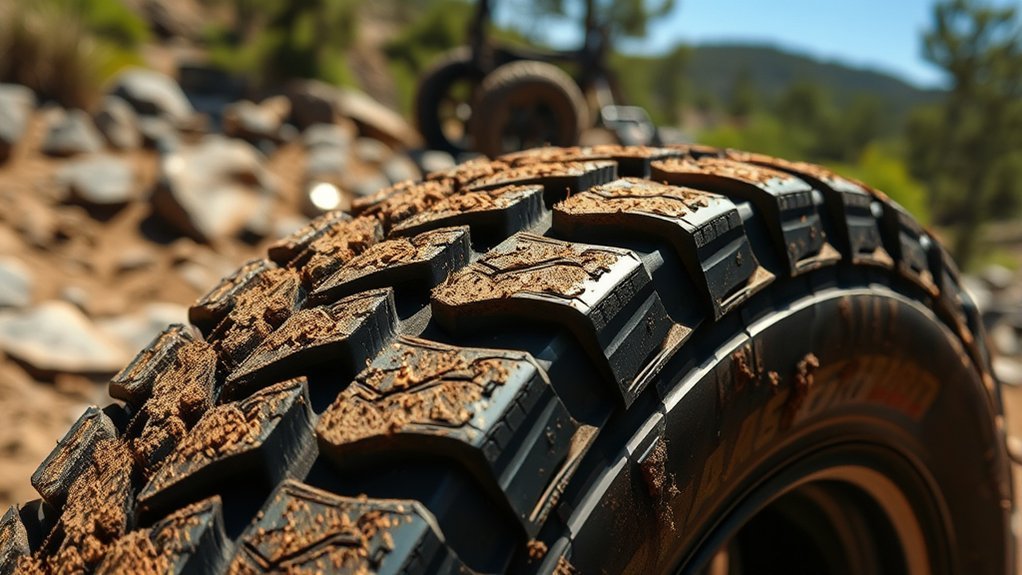
Tire siping can help in the right conditions, but it is not a magic upgrade for every tire or every trail. Siping adds small slits to tread blocks so the rubber can create more biting edges on slick surfaces. That can be useful on wet pavement, ice, slush, packed snow, and sometimes wet rock. For deep mud, sand, sharp rocks, or aggressive off-road driving, tread design, rubber compound, tire pressure, and durability usually matter more.
Quick Answer
Tire siping can improve grip on wet, icy, slushy, or lightly snowy surfaces, but it usually offers limited off-road benefit in mud, sand, loose gravel, and sharp rock. Factory-molded sipes are generally safer and more effective than aftermarket cuts because they are engineered into the tread block design.
Key Takeaways
- Siping works best on slippery, low-friction surfaces such as wet pavement, ice, slush, and packed snow.
- For off-road use, siping may help on wet rock or cold packed trails, but it is not a replacement for the right all-terrain, mud-terrain, or winter tire.
- Aftermarket siping can increase tread squirm, road noise, uneven wear, and warranty risk.
- Do not sipe worn, cracked, damaged, or heavily chunked tires. Have a qualified tire professional inspect them first.
What Is Tire Siping and How Does It Work?
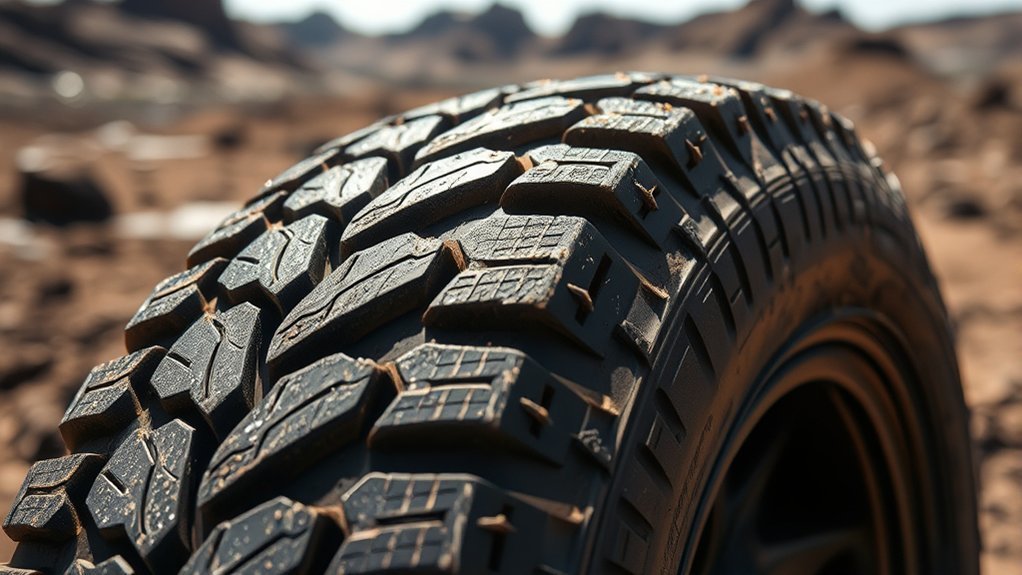
Tire siping is the use of small, narrow slits in a tire’s tread blocks. As the tire rolls, those slits can open slightly and create extra edges that help the tread grip slick surfaces. Tire shops may call each slit a “sipe” or “kerf.”
On wet, icy, or snowy surfaces, the added edges can help the tire bite into the road surface. Sipes can also help manage thin layers of water or snow at the contact patch, although larger tread grooves and the overall tread pattern do most of the heavy water evacuation work.
This is why many winter tires and all-weather tires use dense, engineered siping. For example, Michelin describes 3D sipes as creating hundreds of biting edges for ice and snow traction while helping maintain tread-block stability. Michelin’s winter tire education page also links winter grip to tread patterns, grooves, and siping working together.
[Products Worth Considering]
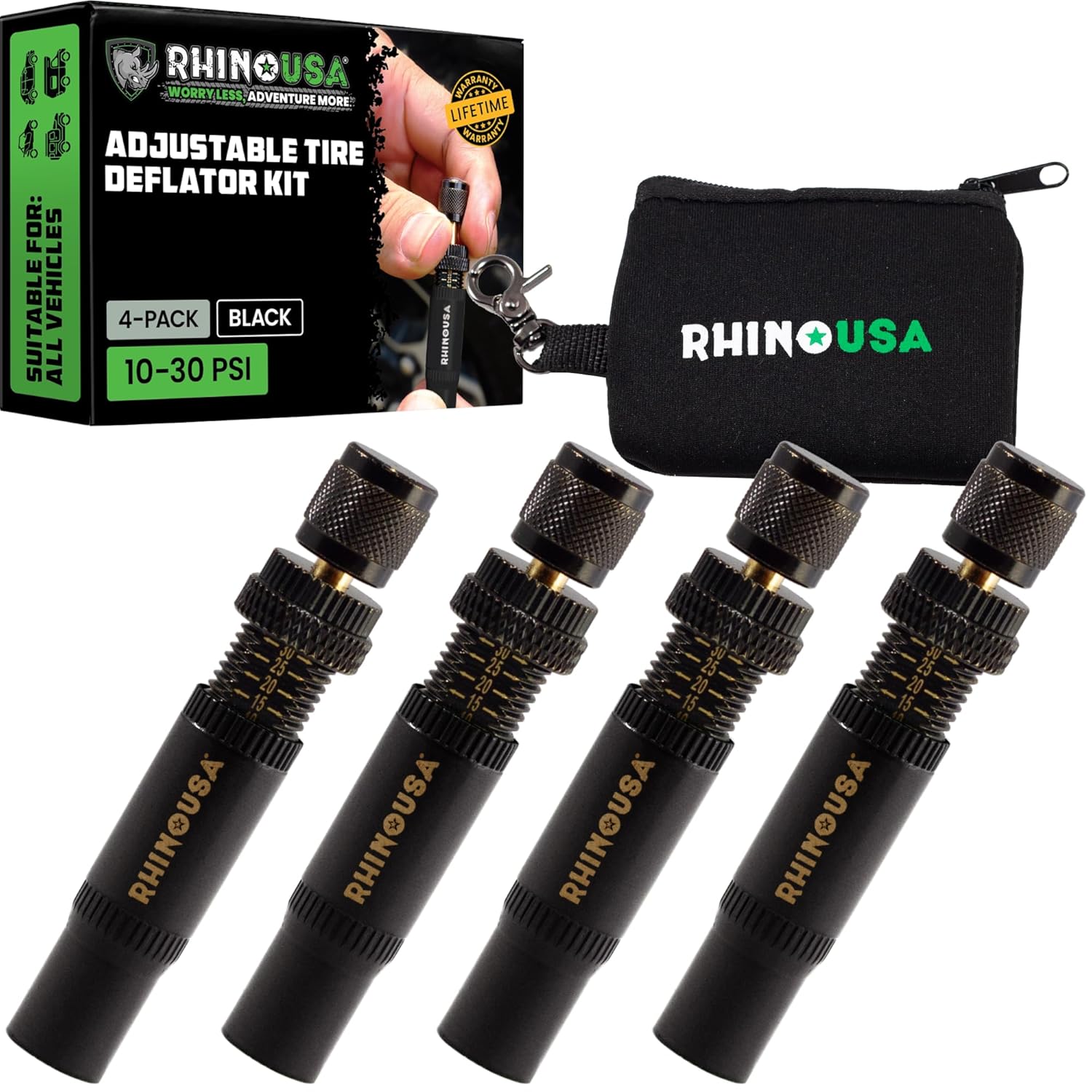
Use the Rhino USA adjustable tire deflators to air down all four tires at once by screwing one deflator onto each valve stem, letting you step away while the tires reach your preset pressure. Each deflator independently adjusts across a 10–30 PSI range with laser-etched indicators for quick setup and verification, making it ideal for beach, sand, and rocky off-road trails.

Camco Trailer Aid Plus tandem tire ramp lifts your trailer for quick, safe tire changes with ample clearance from its 5 1/2-inch lift. It helps you change a flat tire without unloading cargo, making roadside and routine maintenance more efficient. The heavy-duty, waterproof and rustproof polymer design supports up to 15,000 lb and is built for easy portability and storage.

Universal magnetic jack pad with aluminum grooved design to protect vehicle pinch welds during lifting. Durable nylon pad inserts are upgraded and secured with screws to resist damage and keep in place. Designed to fit most single vehicle pinpoint welds for safer, stable jacking when changing tires, repairs, or performing oil changes.
Factory Siping vs. Aftermarket Siping
Factory siping is molded into the tire during manufacturing. These sipes are part of the tire’s engineered design, rubber compound, tread depth, and block support system. Many modern factory sipes are three-dimensional, meaning they can flex for grip but interlock under load to reduce tread-block movement.
Aftermarket siping is different. It means a shop cuts extra slits into an existing tire after the tire has already been manufactured. That may help in some slick-road situations, but it can also change how the tread blocks move, wear, and handle heat. America’s Tire notes that aftermarket siping may void treadwear warranty coverage and may reduce dry-road performance by increasing tread squirm, tread wear, road noise, and fuel use.
Warning: Do not cut sipes into tires yourself. Tire modification, mounting, repair, and inspection should be handled by a qualified tire service professional. Cutting too deeply or siping the wrong tire can weaken tread blocks, accelerate wear, or create a warranty problem.
Benefits of Tire Siping for On-Road Performance
The biggest benefits of siping show up on paved roads with low traction. That includes rain, slush, packed snow, and ice. The key is moderation: the tire needs enough tread-block support to stay stable while still having enough edges to grip.
Enhanced Traction on Wet Surfaces
Siping can help wet traction by adding more small edges to the tread face. Those edges can improve grip when the road has a thin film of water. However, wet braking is not controlled by siping alone. The tire’s full design, tread depth, rubber compound, inflation pressure, vehicle weight, and road surface all matter.
The National Highway Traffic Safety Administration explains that tire traction grades indicate a tire’s ability to stop on wet pavement. That is a tire-level rating, not a siping-only rating, so it is better to compare the full tire specification than to assume aftermarket siping will automatically shorten stopping distance.
| Potential Benefit | Best Conditions | Important Limit |
|---|---|---|
| More biting edges | Rain, slush, packed snow, ice | Only helps if the tire has enough tread depth and the right compound. |
| Better tread flexibility | Cold, slick pavement | Too much flex can reduce steering precision and increase tread squirm. |
| Improved winter grip | Engineered winter and all-weather tires | A proper winter tire is usually better than adding cuts to the wrong tire. |
Improved Handling During Turns
On slick pavement, a tire with well-designed sipes may feel more controlled during gentle acceleration, braking, and cornering. The extra biting edges can help the tread stay engaged instead of sliding across the surface.
The trade-off is tread-block movement. If the tread blocks flex too much, the tire may feel less precise during dry cornering or emergency maneuvers. This is one reason factory-engineered sipes are usually preferred over aftermarket cuts: the tire maker can design the sipe shape, depth, spacing, compound, and block support together.
Ride Quality, Noise, and Wear
Factory siping can be part of a tire design that balances grip, noise, comfort, and wear. Aftermarket siping is less predictable. It may add road noise, increase tread squirm, or speed up uneven wear if the cuts are too deep, too dense, or poorly matched to the tire.
For daily driving, the better upgrade is often a tire that already matches your weather and road conditions. If you need winter grip, a winter tire or all-weather tire with the Three-Peak Mountain Snowflake rating is usually a more complete solution than cutting extra sipes into an all-season tire.
Limitations of Tire Siping for Off-Road Applications
Off-road traction works differently from wet-road traction. On dirt, mud, sand, gravel, and rock, the tire often needs strong lugs, open voids, sidewall support, and cut-resistant rubber. Siping can help in some narrow off-road situations, but it can also reduce tread-block stiffness and make the lugs more vulnerable to chunking.
Deep mud needs self-cleaning voids that can fling mud out of the tread. Sand often needs flotation and the right tire pressure. Sharp rock needs strong tread blocks and sidewall protection. In those conditions, adding more cuts may not help and may make the tread less durable.
- Mud: Large voids and self-cleaning lugs usually matter more than sipes.
- Sand: Tire pressure, footprint, flotation, and sidewall behavior matter more than extra biting edges.
- Sharp rock: Too much siping can make tread blocks more flexible and more prone to tearing.
- Wet rock or slick roots: Moderate factory siping may help because the surface is hard and slippery.
- Packed snow trails: Siping can help, especially when paired with a winter-rated or all-weather tire.
Note: If your tire already has factory siping, do not assume more is better. Extra cuts can change tread-block support and may shorten tread life.
Does Tire Siping Improve Off-Road Traction in Wet Conditions?
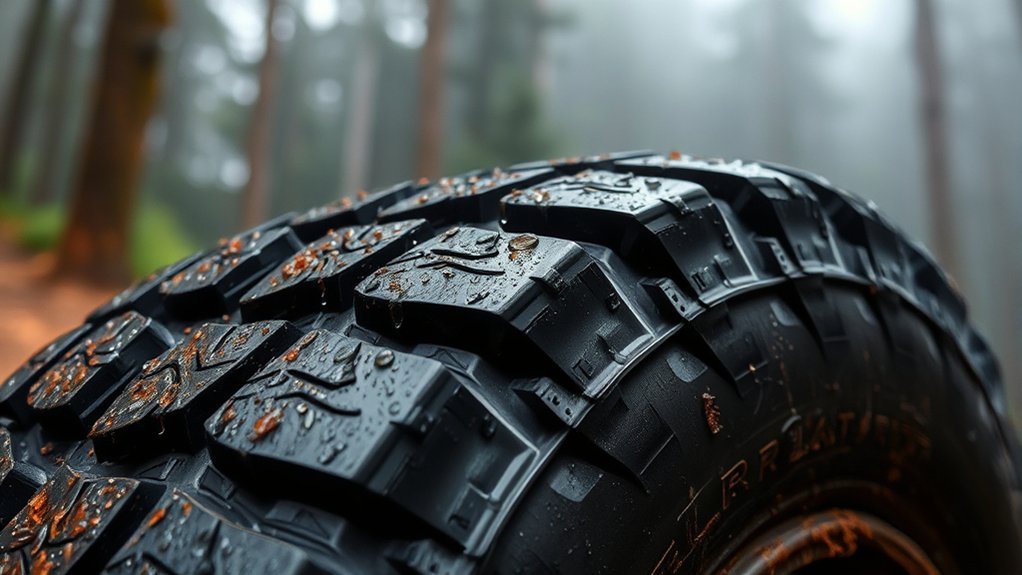
Sometimes, yes. Tire siping can help off-road traction when the surface is wet, hard, and slick. Wet rock, icy trail sections, shallow slush, hard-packed snow, and slick roots are the kinds of surfaces where extra biting edges can be useful.
That does not mean siping is ideal for every off-road tire. On aggressive mud-terrain tires, the large tread blocks are designed to dig, clear debris, and resist damage. Cutting too many slits into those blocks can make them flex more than intended. That may reduce steering feel, add heat, or increase the chance of tread chunking in rough terrain.
Siping is most useful when the problem is slipperiness. It is least useful when the problem is deep mud, soft sand, sharp rocks, or tread durability.
Factors to Consider Before Choosing Tire Siping
Before choosing tire siping, look at the tire, the terrain, and your driving style. Siping can be helpful, but only when it matches the tire’s design and the conditions you actually drive in.
[Products Worth Considering]

This VEVOR tire bead breaker uses a slide-hammer impact and wedge tip to separate tire beads from rims quickly and efficiently without damaging hub surfaces. The long handle and sturdy steel construction help reduce user strain while providing reliable, portable tire changing for cars, trucks, and more. Ideal for home mechanics and repair shops handling multiple vehicle tire sizes.

This 4-in-1 tire valve core removal tool helps you deflate, unblock, and remove or install valve cores quickly for easier tire repair. The multifunction design also supports re-taping damaged threads and reaming inside the valve stem for smoother service. Included as a 2-pack, it’s compact for convenient carry and works for cars, bicycles, and motorcycles.
Tire Type Suitability
Not every tire is a good candidate for aftermarket siping. Tires with shallow tread, visible cracking, puncture damage, uneven wear, or chunked tread should not be modified. Performance summer tires, EV-specific tires, winter tires, and heavily engineered all-weather tires may already have specialized tread designs that should not be altered without professional advice.
Factory-siped winter tires are different. Tire Rack explains that winter tires use specialized rubber compounds for cold conditions and that the best winter tires feature tread patterns and sipes built for snow and ice. That makes buying the correct tire type a safer first step than modifying a tire that was not built for the job.
Driving Conditions Impact
Think about where the tire spends most of its time. If you mostly drive on rainy pavement, icy streets, slushy roads, or packed snowy trails, siping may offer a real benefit. If you mostly drive dry highways, hot pavement, rocky desert trails, deep mud, or sand, aftermarket siping is less attractive.
For mixed use, the safest choice is usually a tire designed for your main condition. A highway all-season tire, all-weather tire, all-terrain tire, mud-terrain tire, and dedicated winter tire are built with different priorities. Siping should not be used to force one tire type to behave like another.
Tread Depth, Tire Age, and Condition
Siping is not a fix for worn-out tires. If the tread is near the wear bars, the rubber is old and cracked, or the tire has uneven wear, replacement is the safer answer. NHTSA recommends checking tire pressure monthly, using the vehicle placard or owner’s manual for the correct pressure, and monitoring tread condition as part of basic tire safety. NHTSA’s TireWise guidance is a good baseline before considering any modification.
Professional Assessment Importance
A tire professional can inspect tread depth, tire age, wear pattern, load rating, speed rating, and existing damage before siping is considered. This matters because tire service is safety-critical. Bridgestone’s tire maintenance and safety manual advises leaving tire mounting, demounting, balancing, rotation, and repair tasks to qualified tire service professionals. That same caution applies to tire modification decisions.
Expert Tips: When to Opt for Tire Siping
Consider tire siping only when your tire is in good condition, your warranty risk is acceptable, and your main problem is traction on slick surfaces. The best candidates are usually tires with large, stable tread blocks that see wet pavement, packed snow, icy roads, or slick hard surfaces.
Pro Tip: If you regularly drive in winter weather, compare the cost of siping with the cost of proper winter or all-weather tires. A purpose-built tire often delivers better braking, handling, cold-weather compound performance, and warranty confidence.
Skip aftermarket siping if your tire is worn, damaged, old, already heavily siped, or used mainly on hot dry roads, sharp rocks, deep mud, or sand. Also skip it if the tire manufacturer or retailer says siping may affect your warranty.
Better Alternatives to Aftermarket Siping
Before cutting extra slits into a tire, consider whether one of these options solves the problem more safely:
- Buy the right tire category: Choose winter tires for ice and snow, all-weather tires for year-round cold/wet use, all-terrain tires for mixed road and trail use, or mud-terrain tires for deep mud and aggressive trail driving.
- Check tread depth: Low tread reduces wet and winter traction. Siping will not restore missing rubber.
- Set the correct tire pressure: Use the vehicle placard or owner’s manual for road use. For off-road airing down, follow safe off-road practices and reinflate before highway driving.
- Rotate and align: Uneven wear can reduce grip and cause noise, vibration, or wandering.
- Replace damaged tires: Cracks, bulges, exposed cords, puncture damage, or severe chunking are replacement concerns, not siping candidates.
Frequently Asked Questions
What are the downsides of siping tires?
The main downsides are possible warranty issues, faster or uneven tread wear, more tread squirm, more road noise, and weaker tread-block support if the cuts are too deep or too dense. These risks are higher with aftermarket siping than with factory-engineered sipes.
Are siped tires good for off-roading?
Siped tires can be good for some off-road conditions, especially wet rock, icy trail sections, packed snow, and slick hard surfaces. They are not automatically better for deep mud, sand, sharp rocks, or high-speed rough terrain, where lug strength, void spacing, sidewall support, and durability matter more.
Is factory siping better than aftermarket siping?
Yes, in most cases. Factory siping is designed with the tire’s tread pattern, rubber compound, block stiffness, and wear targets. Aftermarket siping is added after the tire is built, so it can change tread movement and may affect warranty coverage.
Does tire siping help in rain?
It can help on wet roads by adding biting edges, but rain performance depends on the whole tire. Tread depth, grooves, rubber compound, inflation pressure, and the tire’s wet traction rating are all important. Siping alone does not guarantee shorter wet stopping distances.
Should I sipe mud-terrain tires?
Only consider it after a professional inspection and only if your driving conditions justify it. Mud-terrain tires rely on large lugs and open voids. Extra siping may help on wet rock or winter trails, but it can also make tread blocks more flexible and more vulnerable to chunking.
Conclusion
Tire siping is useful when it matches the tire and the driving surface. It can improve grip on wet, icy, slushy, or packed-snow conditions, and it may help off-road on slick hard surfaces such as wet rock or icy trails. It is much less useful in deep mud, soft sand, loose gravel, or sharp rocky terrain where durability and tread shape matter most.
The safest choice is usually to buy a tire built for your conditions rather than modifying a tire that was not designed for them. If you are still considering aftermarket siping, check the tire warranty, inspect the tire condition, and have a qualified tire professional make the call.
Sources
- NHTSA TireWise — tire traction ratings, pressure, tread, and safety maintenance guidance.
- Michelin Winter Tire Education — engineered 3D sipes, winter grip, and wet/slush performance context.
- Tire Rack Winter / Snow Tires — winter tire design, cold-weather compounds, and sipes for snow and ice.
- America’s Tire: Tire Sipes — factory vs. aftermarket siping, tread-block stability, warranty, wear, and noise considerations.
- Bridgestone Tire Maintenance and Safety Manual — tire service, inspection, winter tire, and professional safety guidance.

Related Articles
When to Switch From All-Season to Winter Tires on a 4Runner
Ineffective all-season tires in cold weather can jeopardize your safety—discover when to make the crucial switch for better traction and handling.
Read More
4Runner Tire Mileage: How Many Miles Should They Last
Curious about how long your 4Runner tires should last? Discover essential tips and factors that influence tire longevity.
Read More
How Long Do Toyota 4Runner Tires Typically Last
How long do Toyota 4Runner tires typically last? Discover the factors that influence tire longevity and essential tips for maintenance.
Read More