
How to Prepare Toyota Camry Tires for Winter: Complete Seasonal Checklist
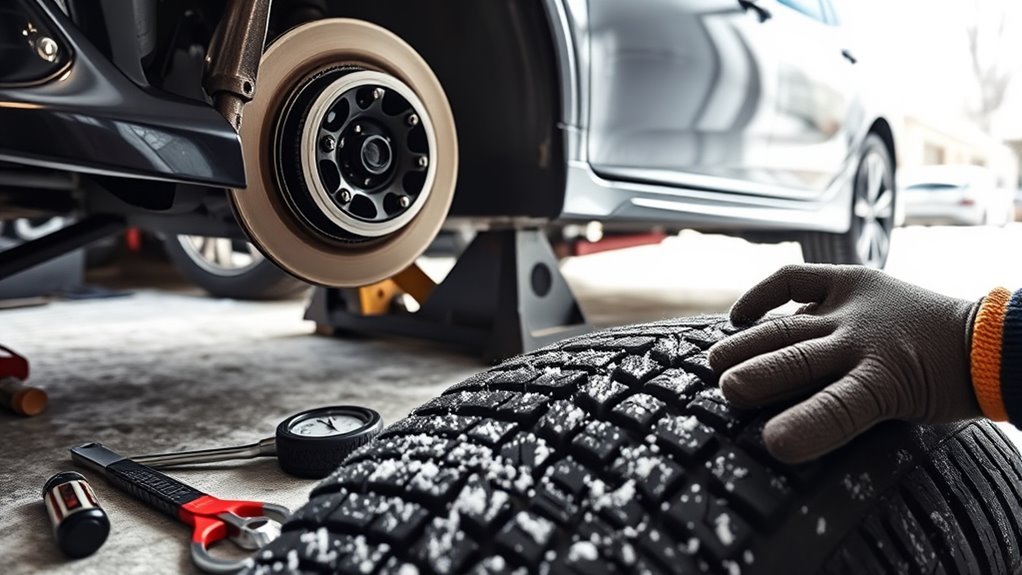
Winter tire prep is one of the easiest ways to make a Toyota Camry feel more stable when roads turn cold, wet, snowy, or icy. Start with cold tire pressure, then check tread depth, sidewall condition, rotation timing, alignment symptoms, and whether winter tires or chains make sense for your driving area.
Quick Answer
To prepare your Toyota Camry tires for winter, check cold tire pressure monthly, use the driver-door placard for PSI, measure tread depth, inspect for cracks or bulges, rotate on schedule, and fix vibration or pulling before snow arrives. For frequent snow or ice, use winter tires or approved traction devices.
Key Takeaways
- Check tire pressure when the tires are cold, and use the PSI listed on the Camry’s driver-door tire placard or owner’s manual, not the number molded on the tire sidewall.
- For winter confidence, 6/32 inch of tread is a stronger target than the 2/32 inch legal wear-out limit; plan replacement earlier if you drive in snow or slush.
- Replace any tire with bulges, exposed cords, deep cuts, repeated air loss, or severe uneven wear before winter driving.
- Winter tires help most in regular snow, ice, and slush, but they still need correct pressure, even wear, and safe driving habits.
At a Glance
| Time Required | 20–30 minutes for a driveway tire check; longer if you need service or tire installation. |
| Difficulty | Easy for pressure, tread, and visual checks; professional help recommended for alignment, mounting, balancing, or damaged tires. |
| Tools Needed | Tire-pressure gauge, tread-depth gauge or penny/quarter, flashlight, portable inflator, and gloves. |
| Cost | $0–$20 for basic DIY tools if you already have air access; tire rotation, balancing, alignment, or winter tires vary by shop and tire size. |
Why Winter Tires Are Worth It
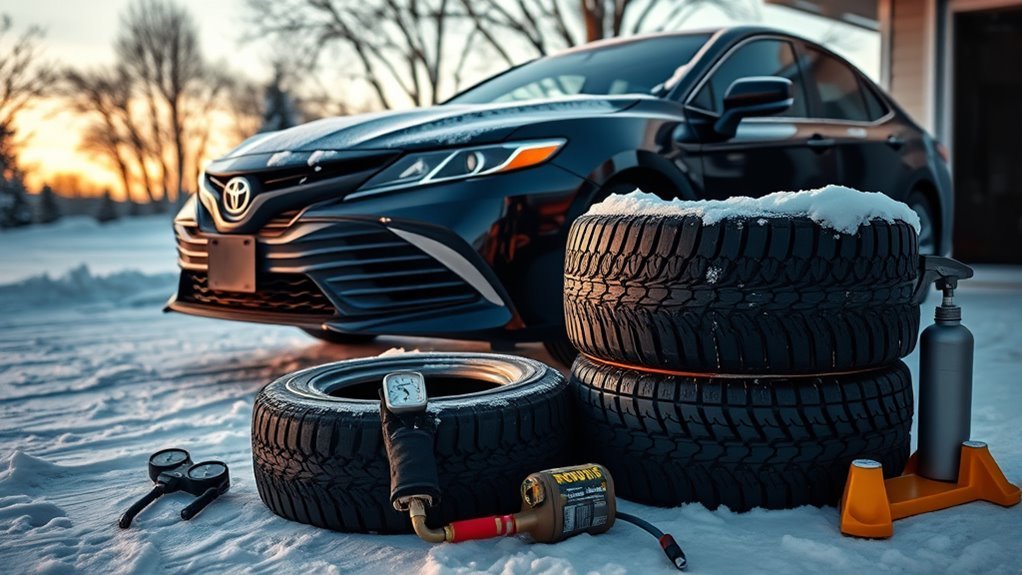
Winter tires are worth considering if your Camry regularly sees snow, packed slush, freezing rain, or icy side streets. They use cold-weather rubber compounds, deeper tread blocks, and small biting edges called sipes to help the tire stay flexible and grip when all-season tires can struggle.
Independent winter-tire testing shows that tire type can make a major difference on ice and snow. In one Tire Rack ice test, winter tires stopped much shorter than all-season tires from 10 mph on ice. Exact results vary by tire, vehicle, tread depth, road surface, and temperature, so treat winter tires as a safety upgrade, not a license to drive faster.
Note: If you buy winter tires, install them as a matched set of four. Mixing winter tires with all-season tires can make the front and rear of the car respond differently on slippery roads.
[Products Worth Considering]

This portable cordless tire inflator delivers up to 160 PSI with fast 17 L/min airflow to help you quickly top up tires and get back on the road. It features dual power mode, running on a 21V rechargeable battery or a 12V DC adapter for convenient roadside use. An automatic shut-off with digital pressure gauge helps prevent overinflation, and a built-in LED light improves visibility in low-light conditions.

The JACO FlowPro Tire Inflator measures, inflates, and airs down tires up to 100 PSI with battery-free operation and ±2% accuracy after calibration. It features a glowing pressure dial for night visibility, a heavy-duty steel build with a hybrid hose, and a precision push-to-inflate thumb trigger. The patented Lightning Air Chuck locks on for a secure seal, and the kit includes quick-connect hardware for easy inline use with your air compressor.

This tire repair kit provides fast emergency puncture repair without removing the tire from the rim, helping you get back on the road quickly. Its screw plug system is designed for punctures in both tread and sidewall and includes a complete patch plug tool set with essential accessories. A portable storage bag makes it easy to carry for cars, trucks, SUVs, motorcycles, and heavy-duty applications.
Check Camry Tire Pressure Before Freeze-Up
Cold weather lowers tire pressure because air contracts as temperature drops. A useful rule is that tire pressure can change by about 1 PSI for every 10°F temperature swing, so a Camry that was correctly inflated in mild weather can become underinflated after a cold snap. The AAA tire-pressure guide explains this cold-weather pressure drop in practical terms.
Why Pressure Drops
Your Camry’s recommended PSI is based on cold tire pressure. According to NHTSA TireWise, you should use the recommended pressure on the Tire and Loading Information label on the driver’s door edge or post, or the owner’s manual. Do not use the maximum PSI molded on the tire sidewall as your normal inflation target.
Underinflated tires can reduce steering response, increase heat buildup, lower fuel economy, and make tread wear unevenly. In winter, low pressure also reduces the tire’s ability to keep a stable contact patch on slick pavement.
How To Check
- Park the Camry for at least three hours, or check the tires before driving far.
- Find the recommended PSI on the driver-door tire placard or in your Toyota owner’s manual.
- Use a reliable gauge to check all four tires. Check the spare too if your Camry has one.
- Add air if a tire is low, then recheck the pressure after filling.
- Repeat monthly, before long trips, and whenever temperatures change sharply.
Pro Tip: A TPMS light is helpful, but it is not a replacement for a pressure gauge. The light may not come on until a tire is already significantly underinflated.
Measure Tread Depth for Snow Grip
Measure your Camry’s tread depth before the first storm. A tread-depth gauge is best, but a penny or quarter can give a quick warning. The Bridgestone penny-test guide explains how the 2/32 inch replacement threshold works.
| Tread Depth | Winter Meaning |
|---|---|
| 6/32 in. or more | Stronger target for snow and slush traction |
| 4/32–5/32 in. | Caution zone; plan replacement if you drive in winter weather |
| 2/32 in. or less | Replace now; tire is worn out for safe everyday use |
| Uneven readings | Check alignment, inflation, suspension, or rotation history |
Take measurements in several grooves across each tire, not just one spot. If the inside edge is much lower than the outside edge, the tire may look fine from a distance but still be unsafe for winter roads.
Inspect Tires for Cracks and Bulges
Inspect your Camry’s sidewalls, tread blocks, and shoulders for cracks, cuts, bubbles, exposed cords, embedded objects, or unusual swelling. Cold weather, potholes, and hidden curb damage can make a weak tire worse when you need grip most.
Spot Sidewall Damage
Use a flashlight and check the full sidewall on each tire. Look for cuts, splits, bulges, blisters, or areas that look wavy. A bulge usually means the internal tire structure has been damaged, and that tire should be inspected by a professional before you keep driving.
- Check the outer and inner sidewalls.
- Feel gently for raised spots or bulges.
- Look for cracking around the bead and shoulder area.
- Do not ignore repeated pressure loss.
Warning: Do not drive on a tire with a bulge, exposed cords, a deep sidewall cut, or rapid air loss. Install the spare if equipped, use roadside assistance, or have the vehicle towed to a tire shop.
Check Tread Wear
After the sidewalls, inspect the tread surface. Cupping, scalloping, bald shoulders, one-edge wear, or center-only wear can point to alignment, inflation, balance, suspension, or rotation problems. Those problems matter more in winter because the tire has less usable grip to spare.
If one tire is damaged and the others are worn, ask a tire professional whether you need one tire, two tires, or a full set. Mismatched tread depths can affect braking and stability, especially on wet or icy roads.
Rotate Tires to Even Out Wear
Rotate your Toyota Camry’s tires according to your Toyota maintenance schedule, tire warranty requirements, and driving conditions. Many Toyota maintenance schedules use 5,000-mile service intervals, but the safest rule is to follow the schedule for your exact model year and tire type in the Toyota owner’s manual and warranty hub.
Even tread wear helps your Camry brake, steer, and track more predictably when winter roads are slick.
- Record the mileage after every rotation.
- Ask the shop to check for abnormal wear at the same visit.
- Follow the correct pattern for your tire type and drivetrain.
- Do not rotate directional tires in a pattern that reverses their rolling direction.
Get a Camry Alignment Check
An alignment check helps confirm that all four tires meet the road at the correct angles. Poor alignment can make the Camry pull, wander, wear one shoulder of a tire, or feel nervous on grooved, snowy, or slushy pavement.
Schedule an alignment inspection before winter if you notice steering pull, off-center steering wheel, uneven tread wear, vibration, or if you recently hit a curb or pothole. A qualified Toyota service center or tire shop can measure the alignment and correct it if needed.
Balance Tires for a Smoother Ride
Tire balancing helps distribute weight evenly around each wheel and tire assembly. When a tire is out of balance, you may feel steering-wheel shake, seat vibration, or a rhythmic thump that gets worse at certain speeds.
You do not need to treat balancing as a fixed mileage-only task. Instead, balance tires when new tires are installed, when a tire is repaired or remounted, when you feel vibration, or when a technician recommends it during rotation or winter tire installation.
- Balance tires when installing winter tires on wheels.
- Ask for balancing if the steering wheel shakes at highway speed.
- Pair balancing with a tire inspection if you hit a pothole.
- Do not ignore vibration before a winter road trip.
See How Salt and Slush Wear Tires Down
Road salt, slush, grit, and potholes can make winter tire maintenance more important. Salt and grime can hide cracks, nails, and sidewall damage, while slush can reduce road contact and make worn tread feel worse than it looks in a dry driveway.
After messy winter drives, rinse the tires and wheels with clean water when temperatures allow. Then inspect the tread grooves and sidewalls again. Keeping tires clean makes it easier to spot punctures, cracking, uneven wear, and trapped debris before they become roadside problems.
Know the Signs It’s Time to Replace Tires
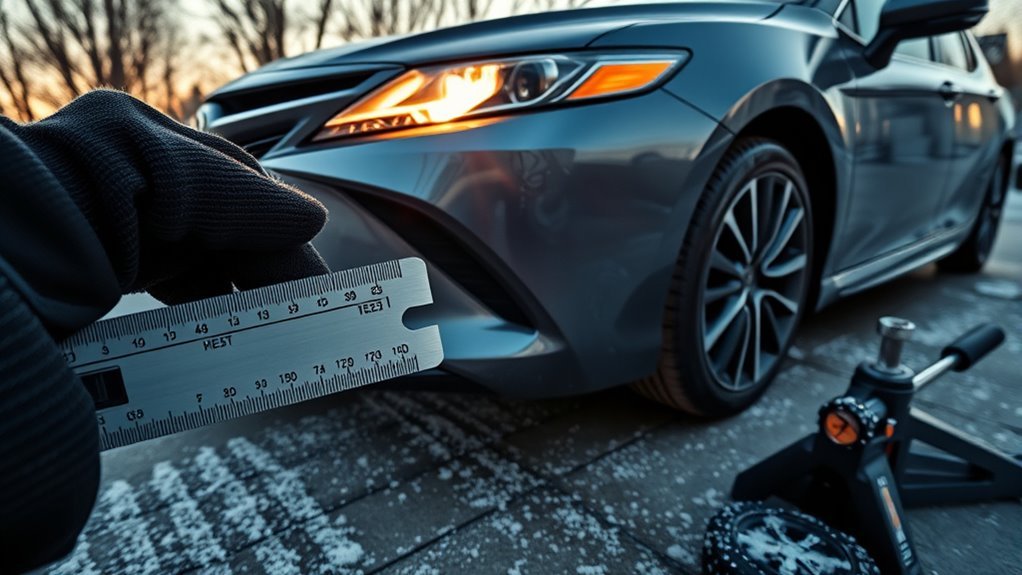
Replace tires before winter if they are worn to 2/32 inch, have visible structural damage, lose air repeatedly, or show severe uneven wear. For regular snow and slush, do not wait until the legal minimum if the tire is already near 4/32–5/32 inch.
[Products Worth Considering]

EVOULTES heavy duty tire inflator with an integrated gauge delivers accurate pressure readings from 10–120 PSI, helping you inflate, deflate, and check tires in one tool. The 16.5-inch extended dual-head air chuck with swivel base reaches hard-to-access dual wheel valves on trucks and RVs. A brass trigger core and side-mounted air release valve make operation smooth, with standard 1/4" NPT threading and quick-connect compatibility for easy setup.

This cordless portable tire inflator delivers fast, safe inflation with an automatic shutoff when the target pressure is reached, helping prevent overinflation. The built-in LED lighting and real-time digital display make it easier to check pressure and handle roadside tire changes at night. It includes multiple nozzles for use on cars, motorcycles, bicycles, and inflatables like balls and swimming rings.
Tread Depth Warning Signs
Use a tread-depth gauge first. If you only have coins, insert a penny with Lincoln’s head down into the tread groove. If you can see all of Lincoln’s head, the tread is at or near the 2/32 inch replacement point. A quarter can help flag the earlier caution zone around 4/32 inch.
- Measure the inside, center, and outside grooves.
- Replace the tire if any major groove is at the wear-out point.
- Plan ahead if winter tread is near 4/32–5/32 inch.
- Use winter tires if your area gets regular snow, ice, or slush.
Uneven Wear Patterns
Uneven wear tells you the tire is not working evenly across the tread. That can reduce winter control even when the deepest groove still looks acceptable.
| Wear Pattern | Possible Cause |
|---|---|
| Both shoulders worn | Underinflation or hard cornering |
| Center worn | Overinflation or tire/load mismatch |
| One edge worn | Alignment issue |
| Cupping or scalloping | Balance, suspension, or shock/strut issue |
Cracks, Bulges, And Damage
A tire with cracks, bulges, blisters, exposed cords, or deep cuts needs immediate attention. These problems can point to internal damage, age-related rubber breakdown, or impact damage from potholes and curbs.
- Replace tires with sidewall bulges or exposed cords.
- Have deep cuts, punctures, and repeated leaks inspected.
- Do not rely on sealant for a tire with sidewall damage.
- Check tire age if the tread looks good but the rubber is cracking.
Check the Spare Tire or Repair Kit
Some Camry models have a spare tire, while others may use a tire repair kit depending on model year and trim. Check what your vehicle actually has before winter. If you have a spare, verify its pressure and condition. If you have a repair kit, check the sealant expiration date and make sure the compressor works.
This small step matters because winter flats are harder to handle on the shoulder of a road, in low light, or during freezing weather.
Know When to Use Chains or Snow Socks
Toyota’s winter-driving guidance for the 2025 Camry Hybrid says to prepare for winter by fitting four snow tires or purchasing a set of tire chains for the front tires, while making sure all tires are the same size and brand and that chains match the tire size. Always confirm the exact rules for your Camry in the owner’s manual before installing chains, cables, or snow socks.
Use traction devices only where legal and only at the speeds listed by the device maker and your Toyota manual. Remove them when roads are clear to avoid tire, wheel, brake, or body damage.
Understand AWD and Snow Mode Limits
Some Camry models offer helpful winter-driving features, and some Toyota vehicles include selectable drive modes. If your Camry has Snow Mode, select it when conditions are slick and confirm the mode on the instrument display. If your Camry does not show Snow Mode, use normal smooth-driving habits and focus on tire grip, speed control, and following distance.
AWD, traction control, ABS, and Snow Mode can help you get moving or manage wheel slip, but they cannot create grip from worn or damaged tires. Tires still determine how well the car stops and turns.
Store Off-Season Tires Correctly
If you switch between winter and all-season tires, storage affects how long each set lasts. Clean the tires, let them dry, label their positions, and store them in a cool, dry place away from direct sunlight, electric motors, petroleum products, and ozone sources.
If the tires are mounted on wheels, stack them flat or hang them if the wheel design allows it. If they are unmounted, store them upright and rotate them occasionally to reduce stress in one spot.
Schedule Camry Winter Tire Service
Schedule winter tire service before the first hard freeze or before your first planned winter trip. Ask the technician to check tread depth, tire age, pressure, rotation pattern, balance, alignment symptoms, valve stems, TPMS sensors, and whether your tire size is compatible with winter tires or approved chains.
Bring up any symptoms you have noticed: pulling, vibration, thumping, repeated low-pressure warnings, uneven wear, or a steering wheel that is no longer centered. A short inspection before winter can prevent a stressful repair during bad weather.
Frequently Asked Questions
How do you put a Toyota Camry in Snow Mode?
If your Camry is equipped with Snow Mode, use the Drive Mode control and watch the instrument display for confirmation. Not every Camry model year or trim has the same modes, so check your owner’s manual if Snow Mode does not appear.
What are the 3 P’s of safe winter driving?
The 3 P’s are Prepare, Practice, and Patience. Prepare the car with correct tire pressure and enough tread, practice smooth braking and steering in a safe area, and use patience by slowing down and leaving extra following distance.
What tire pressure should a Toyota Camry have in winter?
Use the cold tire pressure listed on the driver-door tire placard or in the owner’s manual for your exact Camry. Do not inflate to the maximum PSI shown on the tire sidewall unless that matches Toyota’s specified pressure.
Is 2/32 inch of tread enough for winter?
No. At 2/32 inch, the tire is worn out and should be replaced. For winter driving, plan earlier. Around 4/32–5/32 inch is already a caution zone for snow and slush, and 6/32 inch or more is a stronger winter target.
Do I need winter tires on a Toyota Camry?
You may not need them for mild winters with occasional light snow, but winter tires are a smart upgrade if you often drive on snow, ice, freezing rain, or untreated roads. They help the most when installed as a matched set of four.
Conclusion
Before winter hits, give your Camry’s tires a complete check: cold pressure, tread depth, sidewall condition, even wear, rotation timing, balance symptoms, and alignment signs. Replace unsafe tires before the weather turns, and consider winter tires or approved traction devices if your area gets regular snow or ice. A few careful checks now can make the whole season safer and less stressful.
Sources
- NHTSA TireWise — tire pressure placard guidance, cold tire checks, TPMS, and tire safety basics.
- Toyota Camry Owner Manuals and Warranties — model-specific manual and warranty reference.
- Toyota 2025 Camry Hybrid Winter Driving Tips — winter preparation, snow tires, and tire-chain guidance.
- AAA: Understanding Tire Pressure and Temperature Change — cold-weather PSI changes and monthly pressure checks.
- Bridgestone: How to Check Tire Tread Depth — penny test and 2/32 inch replacement threshold.
- Tire Rack: Winter/Snow vs. All-Season Ice Test — winter tire performance comparison on ice.

Related Articles

Toyota Camry All-Season Tires Explained: What They Can and Can’t Do
In exploring Toyota Camry all-season tires, discover their benefits and limitations—are they really the right choice for your driving needs?
Read More
Toyota Camry Tire Traction in Ice and Snow: A Practical Winter Driving Guide
Learn essential tips for maximizing tire traction on ice and snow in your Toyota Camry, ensuring your winter driving is safe and confident. Discover more now!
Read More
Do Toyota Camry Tires Need Snow Chains? When They Help and When They Don’t
How do snow chains enhance your Toyota Camry's winter driving safety, and when should you avoid using them? Discover the essential details inside!
Read More