
Hyundai Sonata Tire Noise After Rotation: Is It Normal?
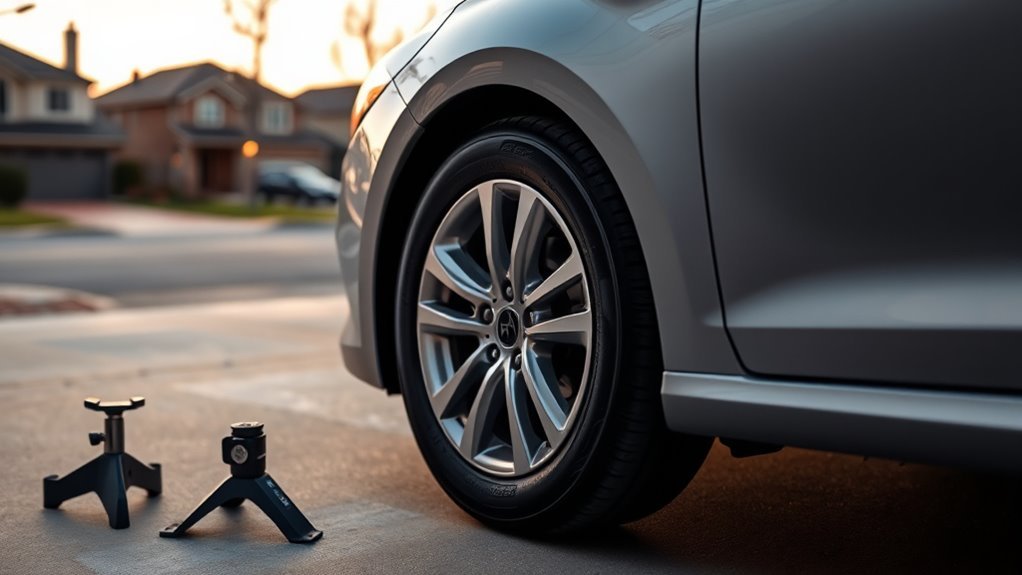
After rotating your Hyundai Sonata’s tires, a new low hum, rumble, or change in road noise can happen when the tread meets the road from a new position. Mild noise is often related to existing wear patterns, but loud roaring, vibration, pulling, thumping, grinding, or a sound that keeps getting worse should be checked instead of ignored.
Quick Answer
A little tire noise after rotating a Hyundai Sonata can be normal if it is mild and tied to tread wear changing positions. Persistent humming, vibration, pulling, thumping, or grinding usually points to uneven tire wear, incorrect pressure, wheel imbalance, alignment trouble, tire damage, or a possible wheel-bearing issue.
Key Takeaways
- A mild hum after rotation is often caused by uneven tread patterns moving to a new wheel position.
- Hyundai recommends rotating tires every 12,000 km or 7,500 miles, or sooner if irregular wear appears.
- Noise with vibration, pulling, thumping, visible tire damage, or grinding should be inspected promptly.
- Pressure, lug-nut torque, balance, alignment, tire condition, and wheel bearings are the main checks to make.
At a Glance
| Time Required | 10–20 minutes for basic checks; 30–90 minutes at a shop for balancing, alignment, or inspection |
| Difficulty | Easy for visual checks and pressure checks; professional help recommended for alignment, balancing, bearings, or suspension issues |
| Tools Needed | Tire-pressure gauge, flashlight, tread-depth gauge or penny, and a torque wrench if any wheel was removed |
| Cost | $0 for basic checks; shop costs vary for balancing, alignment, suspension work, wheel-bearing repair, or tire replacement |
What Noise Is Normal After Tire Rotation?
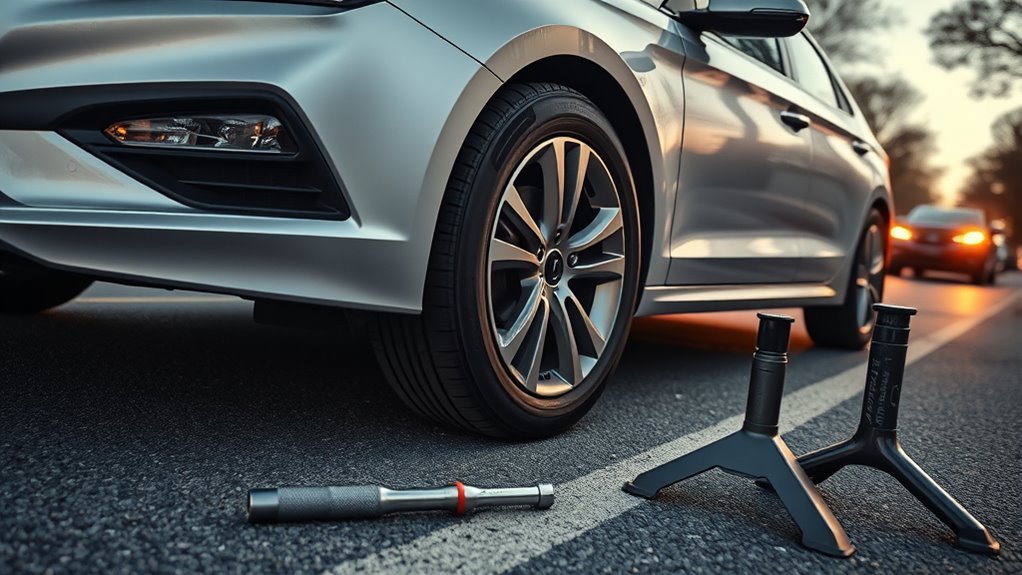
Normal tire noise after a rotation is usually a mild hum, low rumble, or slightly different road sound that changes with vehicle speed. It happens because each tire wore in a specific position. When that tire moves to a new corner of the car, the tread blocks may contact the road a little differently.
This is most common when the tires already have uneven wear, feathering, cupping, or different tread depths. Michelin notes that uneven wear can increase road noise or vibration, especially as front and rear tires experience different steering, braking, and cornering loads.
Still, “normal” does not mean “ignore anything.” A slight sound change can be harmless, but a loud roar, rhythmic thump, steering-wheel shake, pull to one side, grinding, or a loose-wheel feeling is not normal after tire rotation.
Warning: Stop driving and have the Sonata inspected if you feel severe vibration, hear thumping, see a tire bulge, notice exposed cord or fabric, smell burning rubber, or suspect a loose wheel. These can become safety issues quickly.
[Products Worth Considering]

EVOULTES heavy duty tire inflator with an integrated gauge delivers accurate pressure readings from 10–120 PSI, helping you inflate, deflate, and check tires in one tool. The 16.5-inch extended dual-head air chuck with swivel base reaches hard-to-access dual wheel valves on trucks and RVs. A brass trigger core and side-mounted air release valve make operation smooth, with standard 1/4" NPT threading and quick-connect compatibility for easy setup.

The JACO FlowPro Tire Inflator measures, inflates, and airs down tires up to 100 PSI with battery-free operation and ±2% accuracy after calibration. It features a glowing pressure dial for night visibility, a heavy-duty steel build with a hybrid hose, and a precision push-to-inflate thumb trigger. The patented Lightning Air Chuck locks on for a secure seal, and the kit includes quick-connect hardware for easy inline use with your air compressor.

This portable cordless tire inflator delivers up to 160 PSI with fast 17 L/min airflow to help you quickly top up tires and get back on the road. It features dual power mode, running on a 21V rechargeable battery or a 12V DC adapter for convenient roadside use. An automatic shut-off with digital pressure gauge helps prevent overinflation, and a built-in LED light improves visibility in low-light conditions.
Common Causes of Noise After Tire Rotation
Noise after a Hyundai Sonata tire rotation usually comes from one of these issues:
- Uneven tread wear: A tire that was quiet in the rear can sound louder when moved to the front, where steering and braking forces are stronger.
- Cupping or scalloping: Small high-and-low dips in the tread can create a humming, roaring, or droning sound.
- Incorrect tire pressure: Overinflation or underinflation changes the tire’s contact patch and can increase noise and wear.
- Wheel imbalance: A tire-and-wheel assembly that is out of balance can cause vibration and noise at certain speeds.
- Alignment problems: A pothole, curb hit, or worn suspension part can cause tires to scrub instead of roll cleanly.
- Rotation pattern mismatch: Directional tires must stay on the same side of the car, while asymmetrical tires must keep the “outside” side facing outward.
- Wheel-bearing or suspension noise: A bearing, strut, tie rod, or ball joint problem can sound like tire noise and become more noticeable after service.
For a Hyundai Sonata, tire rotation is not just about tread life. During rotation, Hyundai also advises checking balance, uneven wear, tire damage, tire pressures, and lug-nut torque.
Sonata-Specific Tire Rotation, Pressure, and Torque Notes
For Hyundai Sonata maintenance, use the owner’s manual and tire placard before generic advice. Hyundai recommends tire rotation every 12,000 km or 7,500 miles, or sooner if irregular wear develops. Hyundai also says to check tire balance during rotation and inspect for uneven wear, damage, bulges, exposed fabric, or exposed cord.
After a rotation, set the front and rear tire pressures to the vehicle specification shown on the driver-door placard or in the owner’s manual. Do not use the pressure printed on the tire sidewall as the normal inflation target; that number is the tire’s maximum pressure, not the Sonata’s recommended cold pressure.
Hyundai lists proper wheel-nut torque as 11–13 kgf·m, or 79–94 lbf·ft, for the referenced Sonata manual page. If a shop rotated the tires and the noise started immediately with a wobble or clunk, ask them to recheck torque and wheel seating with a calibrated torque wrench.
Note: Tire sizes, wheel designs, hybrid trims, and model years can vary. Always confirm the tire-pressure placard and owner’s manual for your specific Sonata.
How Tire Wear Affects Noise After Rotation
Tire wear is the most common reason a Sonata gets louder after rotation. Tires do not wear evenly in every position. Front tires handle steering and much of the braking load, while rear tires often develop quieter but different wear patterns. When the positions change, the sound can change too.
Uneven Tire Wear Patterns
Run your hand gently across the tread surface, front to back and side to side. A healthy tread should feel fairly even. A sawtooth feel, sharp edges on one side of the tread blocks, smooth spots, dips, or bald areas can explain a humming or droning sound.
- Feathering often points to alignment or toe-angle issues.
- Center wear can point to overinflation.
- Shoulder wear can point to underinflation, cornering wear, or alignment problems.
- Patchy high-and-low wear can point to balance, suspension, or cupping issues.
USTMA recommends checking tire pressure at least once a month when tires are cold and inspecting tread for uneven wear, high and low areas, smooth areas, and other damage.
Effects of Cupping
Cupping, also called scalloping, can make a tire sound like a bad wheel bearing. It often creates a rhythmic hum, roar, or vibration that gets louder with speed. Rotating a cupped rear tire to the front can make the sound easier to hear through the steering wheel and cabin.
Bridgestone explains that cupping wear usually cannot be fully restored, but the cause can often be corrected through pressure correction, balancing, alignment, rotation planning, or suspension and steering repair. If the cupping is severe, the tire may need replacement even after the underlying problem is fixed.
How Can I Diagnose Tire Noise?
You can narrow down the source before visiting a mechanic. Keep the test simple and safe.
- Check tire pressure cold. Use a gauge before driving or after the car has been parked for at least three hours. Match the driver-door placard, not the tire sidewall maximum.
- Look for visible tire damage. Check all four tires for bulges, cracks, nails, cuts, exposed cord, or uneven tread.
- Feel the tread carefully. A scalloped, wavy, or sawtooth surface can cause humming after rotation.
- Match the noise to vehicle speed. Tire, balance, bearing, and wheel noises usually change with road speed, not engine RPM.
- Try different road surfaces. Tire tread noise often changes a lot between smooth asphalt, grooved concrete, and rough pavement.
- Notice steering symptoms. Pulling, an off-center steering wheel, or rapid uneven wear suggests an alignment check.
- Watch for speed-specific vibration. Vibration that appears around a certain speed often points to balance or tire/wheel runout.
- Check whether the sound changes on gentle turns. A hum that changes when loading one side of the car may point to a wheel bearing, not only tire tread.
Pro Tip: Write down when the noise happens: speed, road surface, braking, turning left, turning right, accelerating, or coasting. That short note helps a tire shop diagnose the problem faster.
How to Tell Tire Noise From Wheel Bearing Noise
Tire noise and wheel-bearing noise can sound similar, especially as a steady hum or roar. Use these clues to separate them:
| Symptom | More Likely Cause |
|---|---|
| Noise started right after rotation and seems to move with tire position | Tire wear pattern |
| Noise changes a lot on different road surfaces | Tire tread noise |
| Steering wheel shakes at a certain speed | Wheel imbalance, tire runout, or damaged tire |
| Hum gets louder or quieter during gentle left/right turns | Possible wheel bearing |
| Car pulls, steering wheel is off-center, or tread is feathered | Alignment issue |
If you cannot tell the difference, do not guess by replacing parts. Ask a mechanic to inspect the tires, balance, alignment, suspension, and wheel bearings in one visit.
[Products Worth Considering]

The Fanttik X10 Pro is a cordless portable tire inflator that reaches up to 150 PSI and can inflate an R15 tire in about 35 seconds for quick roadside or home top-ups. With AccuInFlate auto-stop and smart start/stop controls, it helps maintain accurate pressure and frees your hands once the target is reached. A high-visibility digital display and preset modes make it easy to set and monitor inflation for cars, motorcycles, bikes, and balls.
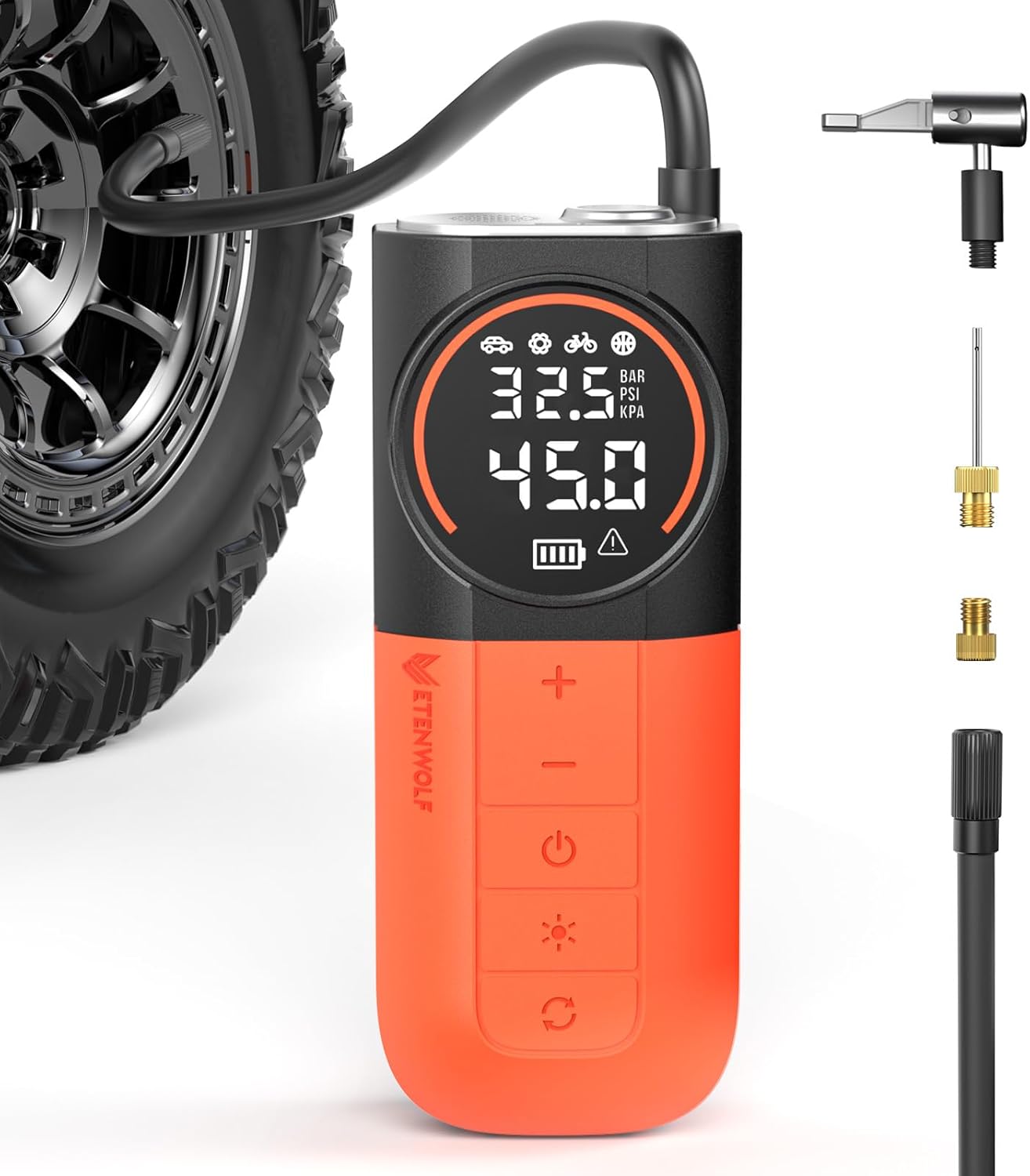
The ETENWOLF S1 cordless tire inflator delivers ultra-fast inflation with up to 160 PSI and a 20 L/min airflow for quicker tire top-offs. Its 5200mAh battery and cooling system support inflating many tires and sports balls on a single charge, while the digital pressure gauge and multi-unit display help you reach the right pressure accurately. With preset modes, pressure memory, an auto-stop feature, and an LED flashlight, it’s built for easy roadside and everyday use.
Maintenance Tips to Reduce Future Noise Issues
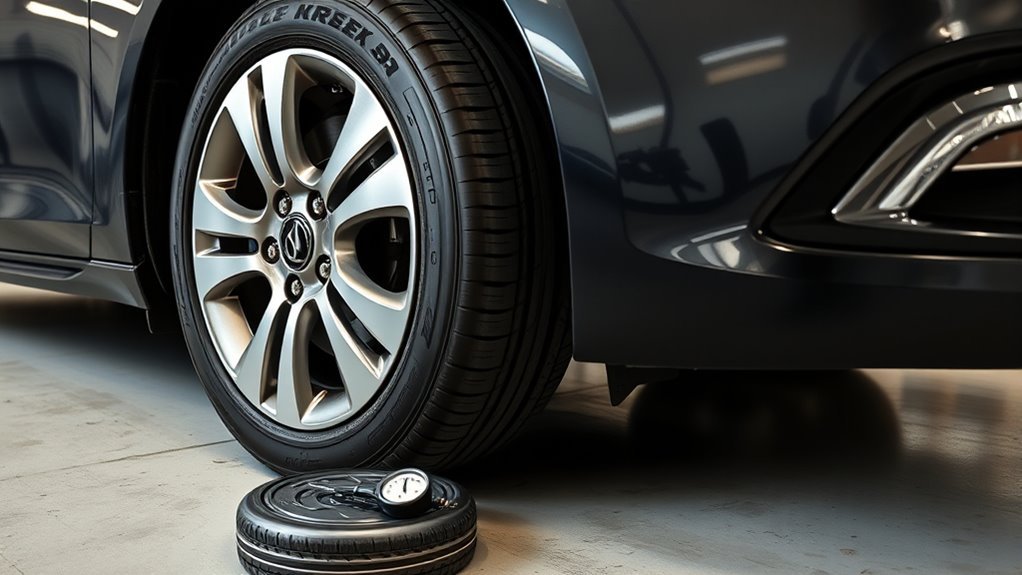
To keep tire noise under control, focus on even tread wear. That means rotating on schedule, keeping pressure correct, balancing when needed, and checking alignment when symptoms appear.
Regular Tire Rotations
- Follow the Hyundai owner’s manual interval: 7,500 miles or sooner if irregular wear appears.
- Use the correct rotation pattern for the tire type and drivetrain.
- Do not rotate a compact spare into normal tire service.
- Do not mix bias-ply and radial-ply tires.
- After rotation, reset front and rear tire pressures to specification.
- Recheck wheel-nut torque if the wheels were removed.
Proper Tire Balancing
Balancing helps the tire-and-wheel assembly spin evenly. If a Sonata develops vibration after rotation, especially at highway speed, ask for a balance check. Hyundai advises checking tires for correct balance during rotation, and tire makers commonly recommend rebalance when vibration appears, after new tire installation, or after service that calls for balancing.
Balance problems do not always sound like a pure hum. They can feel like a shake through the seat, floor, or steering wheel. A bent wheel, damaged tire, or tire runout can feel similar, so the shop may need to inspect more than the balance weights.
Alignment Checks Importance
Alignment affects how the tread contacts the road. Bad alignment can create feathered wear, pulling, off-center steering, and extra road noise. USTMA recommends checking alignment when there are signs of trouble, such as pulling, and periodically as specified by the owner’s manual.
Schedule an alignment check if:
- the Sonata pulls left or right on a flat road;
- the steering wheel is off-center;
- the tires show feathering or rapid uneven wear;
- the noise started after hitting a pothole, curb, or road debris;
- you replaced suspension or steering parts.
When Should You Call a Mechanic?
Call a mechanic when the noise is more than a mild tread sound, when it appears with vibration, or when the car does not feel stable. Use this guide:
| Indicator | Action |
|---|---|
| Mild hum after rotation, no vibration, no pulling, no visible damage | Check pressure and tread; monitor briefly |
| Noise is loud, rhythmic, or getting worse | Schedule a tire and wheel inspection |
| Steering wheel vibration or seat vibration | Request wheel balancing and tire runout checks |
| Pulling, off-center steering, or feathered tread | Request a four-wheel alignment check |
| Hum changes during gentle turns | Ask for a wheel-bearing inspection |
| Bulge, exposed cord, deep cut, wobble, grinding, or loose-wheel feeling | Stop driving and get immediate professional help |
Next Steps If Noise Persists
If the noise does not settle after basic checks, take a step-by-step approach instead of replacing parts at random.
- Confirm cold tire pressure against the driver-door placard.
- Recheck wheel-nut torque if the wheels were recently removed.
- Inspect tread wear for cupping, feathering, bald spots, bulges, cracks, or embedded objects.
- Have all four tires balanced if vibration is present or if the noise is speed-specific.
- Request an alignment check if the car pulls, the steering is off-center, or tread wear is uneven.
- Ask the shop to inspect suspension and steering parts if cupping returns or the ride feels loose.
- Check wheel bearings if the hum changes during turns or sounds like a growl from one corner.
- Replace unsafe tires if there is severe cupping, low tread depth, internal damage, visible cord, or traction concern.
Moving tires back to their original positions can sometimes confirm that the sound follows a specific tire, but it is not a real fix if the tread is damaged or the underlying cause remains. Use that step as a diagnostic clue, not as the final repair.
Frequently Asked Questions
Why is my car making a tire noise after rotation?
Your car may make tire noise after rotation because unevenly worn tread is now contacting the road from a new position. Cupping, feathering, incorrect pressure, imbalance, alignment issues, or a tire defect can make the sound louder.
Is tire noise after rotation dangerous?
A mild hum is not always dangerous, but tire noise can be a warning sign when it comes with vibration, pulling, thumping, grinding, a bulge, exposed cord, or rapid air loss. Those symptoms should be inspected before you keep driving.
How long should tire noise last after a rotation?
There is no guaranteed time limit. If the sound is mild and improves, it may simply be tread pattern noise. If it stays loud, gets worse, or comes with vibration or steering changes, have the tires, balance, alignment, and bearings checked.
Can an alignment fix tire noise after rotation?
An alignment can stop new uneven wear from forming if misalignment is the cause. It will not erase tread that is already cupped, feathered, or damaged, so a noisy tire may still need balancing, rotation planning, or replacement.
Could the noise be a wheel bearing instead of the tires?
Yes. A bad wheel bearing can hum or growl like tire noise. A bearing noise often changes when the vehicle turns and loads one side. Tire noise is more likely to change with road surface or follow a tire after rotation.
Should I replace cupped tires on my Hyundai Sonata?
Severely cupped tires often need replacement because the missing tread cannot be restored. Mild cupping may improve slightly after correcting pressure, balance, alignment, or suspension issues, but a tire shop should inspect it for safety.
Conclusion
A little Hyundai Sonata tire noise after rotation can be normal, especially when uneven tread patterns move to a new position. The safe approach is to check pressure, tread condition, wheel-nut torque, balance, and alignment instead of assuming the noise will disappear. If the sound is loud, worsening, rhythmic, or paired with vibration, pulling, grinding, or visible tire damage, have the car inspected before driving much farther.
Sources
- Hyundai Owner’s Manual — Tire Rotation — Sonata-style rotation interval, balance check, pressure reset, tire damage checks, and lug-nut torque.
- NHTSA TireWise — tire safety, maintenance, labeling, and consumer tire information.
- NHTSA Tire Safety Brochure — tire pressure, load limits, road hazards, and tire inspection safety basics.
- U.S. Tire Manufacturers Association Tire Care Essentials — pressure, tread, rotation, and alignment maintenance guidance.
- Michelin Tire Rotation Guide — rotation intervals, uneven wear, rotation patterns, and noise/vibration context.
- Bridgestone Tire Cupping Guide — cupping causes, prevention, repair limits, and inspection guidance.

Related Articles

Danger of Using Summer Tires in Winter on a Hyundai Sonata
Potentially perilous, using summer tires in winter on your Hyundai Sonata can compromise safety—discover the hidden dangers that await you on icy roads.
Read More
Can You Mix Nitrogen and Air in Hyundai Sonata Tires? Answered
Discover the implications of mixing nitrogen and air in your Hyundai Sonata tires—are the benefits worth the risks? Explore the answer inside!
Read More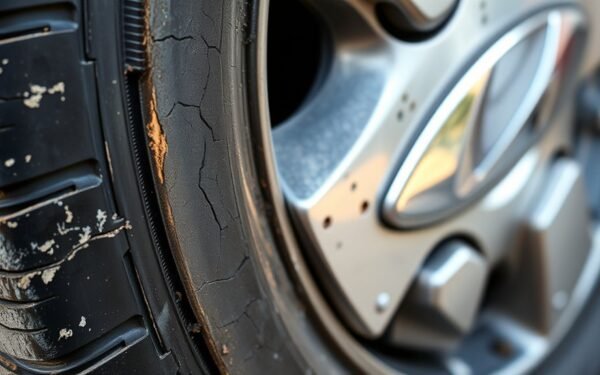
How to Tell If Hyundai Sonata Tires Are Too Old to Use Safely
Understand how to assess the age of your Hyundai Sonata tires and discover crucial signs of deterioration that could compromise your safety on the road.
Read More