
Hyundai Sonata Braking Distance on Black Ice: Tire Tips
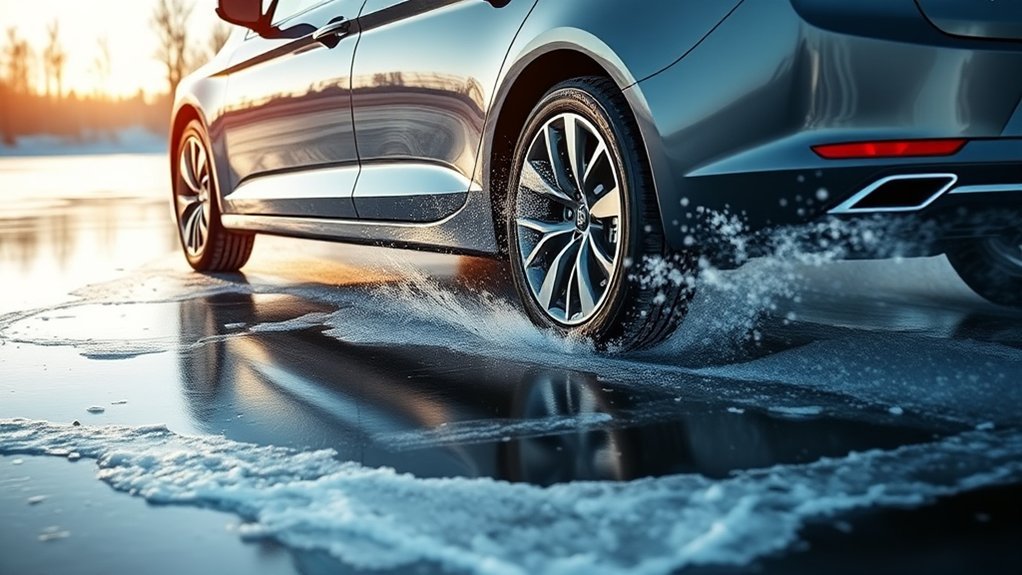
Black ice can make a Hyundai Sonata feel normal one second and nearly tractionless the next. The safest way to reduce braking distance is not one single trick—it is the combination of good tire tread, correct cold tire pressure, winter-ready tires, smooth braking, and slower driving before you reach the slick patch.
Quick Answer
Tire condition can significantly affect how well a Hyundai Sonata slows down on black ice. Use winter tires when conditions warrant, keep tread well above the legal minimum, check cold tire pressure regularly, slow down early, and use steady brake pressure with ABS. No tire or drive mode can make black ice completely safe.
Key Takeaways
- Black ice is often clear and hard to see, especially on bridges, overpasses, shaded roads, and early-morning pavement.
- The legal tread minimum is not the same as a safe winter target. For snow-road performance, plan replacement before tread reaches about 5/32 inch.
- Cold weather lowers tire pressure, so check your Sonata’s tires when cold and inflate to the door-jamb placard pressure.
- Winter tires with the Three-Peak Mountain Snowflake symbol are the best choice for regular snow, ice, or subfreezing driving.
- ABS, traction control, AWD, and Snow mode can help control, but they cannot create grip if the tires cannot bite into the road.
At a Glance
| Time Required | 15–30 minutes for a driveway tire check |
| Difficulty | Easy for inspection; tire replacement should be handled by a tire professional |
| Tools Needed | Tire pressure gauge, tread depth gauge, tire inflator, flashlight, owner’s manual or door-jamb tire placard |
| Cost | $0–$30 for basic gauges and air; more if tires, alignment, or brake service are needed |
What Is Black Ice and Why Is It Dangerous?
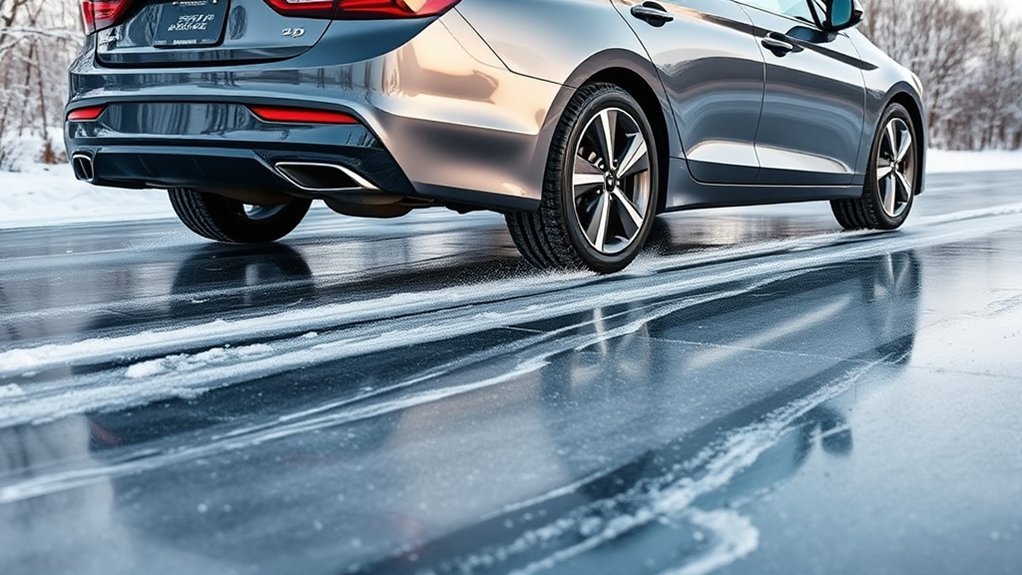
Black ice is a thin, clear layer of ice that can look like wet pavement. According to the National Weather Service, it is especially dangerous because it is difficult to see and often forms after snowmelt or rain refreezes overnight.
For Hyundai Sonata drivers, the most dangerous spots are bridges, overpasses, shaded lanes, ramps, and low-traffic side roads. These areas can freeze before surrounding pavement and may stay icy after the main road looks clear.
Warning: If freezing rain, black ice, or untreated roads are expected, the safest choice is to delay nonessential travel. Good tires reduce risk, but they do not guarantee control on ice.
[Products Worth Considering]

This portable cordless tire inflator delivers up to 160 PSI with fast 17 L/min airflow to help you quickly top up tires and get back on the road. It features dual power mode, running on a 21V rechargeable battery or a 12V DC adapter for convenient roadside use. An automatic shut-off with digital pressure gauge helps prevent overinflation, and a built-in LED light improves visibility in low-light conditions.

The JACO FlowPro Tire Inflator measures, inflates, and airs down tires up to 100 PSI with battery-free operation and ±2% accuracy after calibration. It features a glowing pressure dial for night visibility, a heavy-duty steel build with a hybrid hose, and a precision push-to-inflate thumb trigger. The patented Lightning Air Chuck locks on for a secure seal, and the kit includes quick-connect hardware for easy inline use with your air compressor.
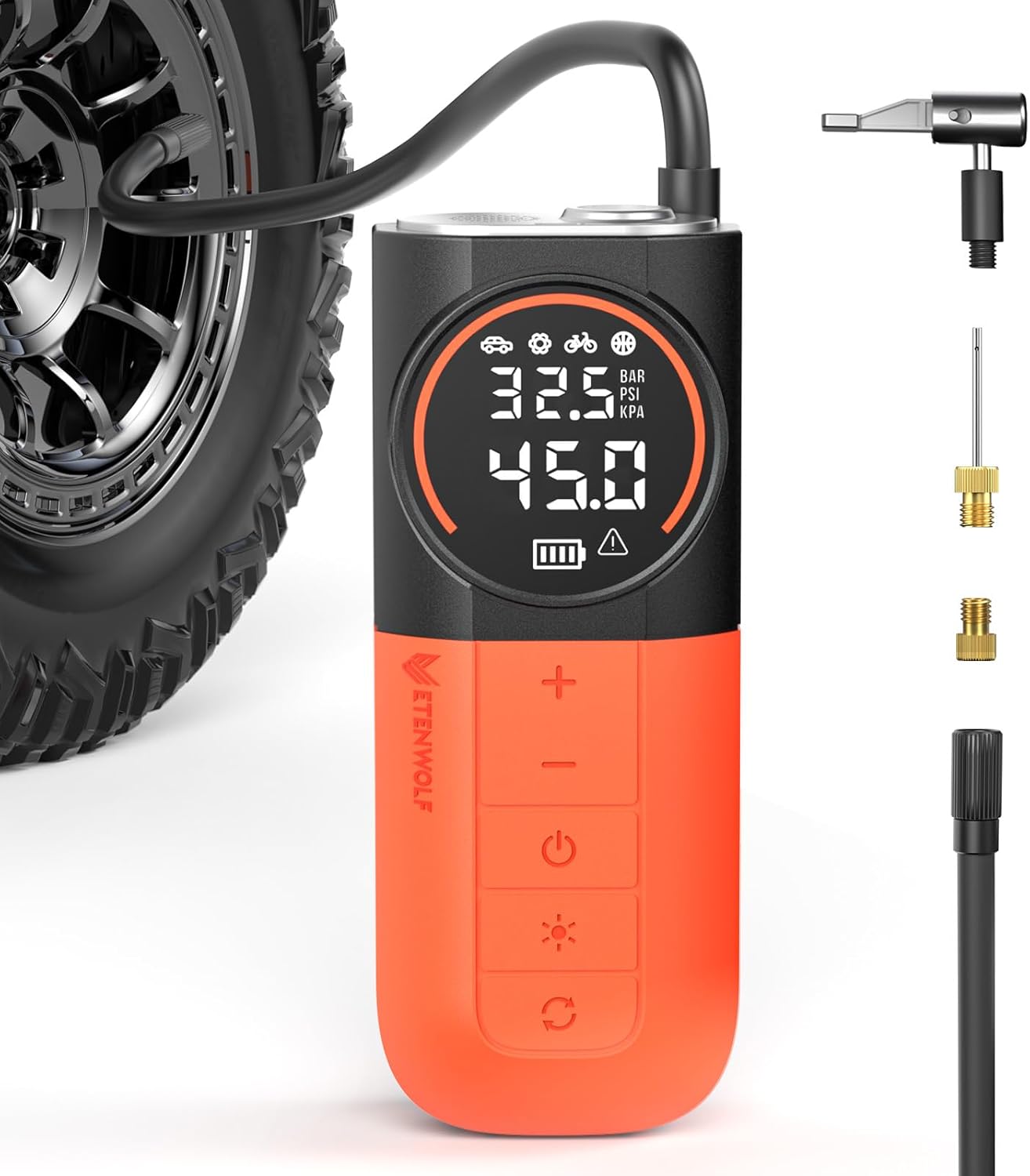
The ETENWOLF S1 cordless tire inflator delivers ultra-fast inflation with up to 160 PSI and a 20 L/min airflow for quicker tire top-offs. Its 5200mAh battery and cooling system support inflating many tires and sports balls on a single charge, while the digital pressure gauge and multi-unit display help you reach the right pressure accurately. With preset modes, pressure memory, an auto-stop feature, and an LED flashlight, it’s built for easy roadside and everyday use.
How Tire Condition Affects Braking Distance
Your tires are the only parts of your Sonata touching the road. On black ice, the available grip is already extremely low, so worn tread, low pressure, or the wrong tire type can make braking and steering much less predictable.
The National Highway Traffic Safety Administration advises drivers to slow down, increase following distance, check tire pressure when tires are cold, inspect tires monthly, and understand how the vehicle’s anti-lock brake system works in winter conditions.
| Tire Condition | Effect on Black-Ice Braking |
|---|---|
| Proper winter tires with healthy tread | Best chance of gripping cold, icy, or snowy pavement |
| All-season tires in freezing weather | May harden and provide less ice grip than dedicated winter tires |
| Low tread depth | Less ability to move snow, slush, and water away from the contact patch |
| Underinflated tires | Poorer handling, more heat buildup, and less predictable braking |
| Cracked, bulging, or aged tires | Higher risk of failure and reduced confidence in emergency maneuvers |
Choosing the Right Tires for Winter Driving
If your Sonata regularly sees freezing temperatures, snow, or icy roads, dedicated winter tires are the safest seasonal choice. Transport Canada’s winter tire testing showed extended stopping distances with all-season tires on icy surfaces and a clear safety benefit from winter tires in winter conditions.
Look for the Three-Peak Mountain Snowflake symbol on the tire sidewall. This marking shows the tire meets a winter-traction performance standard. Popular winter tire families such as Michelin X-Ice and Bridgestone Blizzak can be good examples, but the correct choice depends on your Sonata’s wheel size, load rating, speed rating, climate, and driving habits.
Tire Types for Winter
- Winter tires: Best for regular snow, ice, and temperatures near or below freezing. They use cold-weather rubber compounds and tread patterns designed for winter grip.
- All-weather tires: A year-round compromise for mild-to-moderate winter climates. Choose only models with the Three-Peak Mountain Snowflake symbol.
- All-season tires: Fine for many dry and wet conditions, but not ideal for repeated black ice or heavy winter driving.
- Studded tires: Useful in some severe ice regions, but laws vary by state or province. Check local rules before buying.
Note: Install winter tires as a complete set of four. Mixing winter tires with all-season tires can create uneven grip between the front and rear axles.
Tread Depth Importance
Tread depth matters because the grooves help move snow, slush, and water away from the tire. The legal minimum in many places is 2/32 inch, but that is not a good winter target. Tire Rack recommends replacing tires used on snow-covered roads at about 5/32 inch because winter traction drops as tread gets shallow.
| Tread Depth | Winter Meaning |
|---|---|
| 10/32 inch or more | Near-new winter tire depth for strong cold-weather performance |
| 6/32 inch | Still usable, but winter traction is beginning to decline |
| 5/32 inch | Plan replacement for snow-road performance |
| 4/32 inch | Reduced wet traction and longer stopping risk |
| 2/32 inch | Legally worn out in many places and unsafe as a winter target |
Pro Tip: Use a tread depth gauge instead of relying only on the penny test. Gauges are inexpensive and show whether each tire is wearing evenly across the inner, center, and outer tread.
How to Maintain Proper Tire Pressure in Winter
Cold weather lowers tire pressure. The U.S. Tire Manufacturers Association notes that tire pressure can rise or fall by about 1–2 PSI for every 10°F temperature change. That means a Sonata tire that was correct in mild fall weather may be several PSI low during a winter cold snap.
Follow this winter pressure routine:
- Check pressure when the tires are cold. Wait at least three hours after driving for the most accurate reading.
- Use the Sonata’s tire placard. Look on the driver-side door jamb, not the maximum PSI printed on the tire sidewall.
- Check all four tires and the spare if equipped. A compact spare may require a different pressure.
- Inflate slowly and recheck. Overinflation can also hurt ride quality and grip.
- Inspect while you are there. Look for nails, cuts, cracks, bulges, sidewall damage, and uneven wear.
Note: Your Sonata’s TPMS warning light is helpful, but it is not a replacement for monthly pressure checks. A tire can be below ideal pressure before the warning appears.
Techniques for Safe Braking on Icy Roads
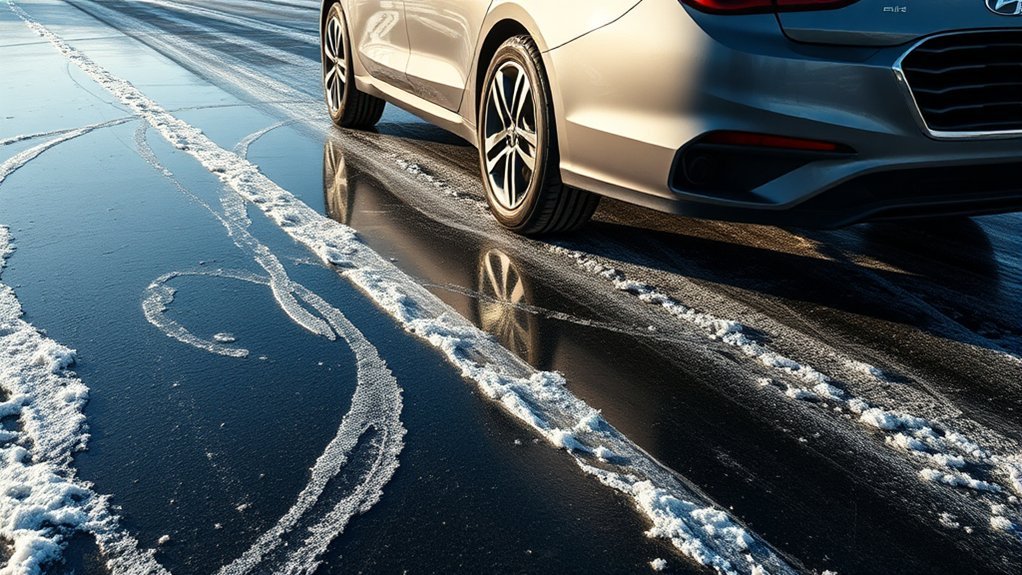
Good tires give you more available grip, but your driving technique decides how much of that grip you waste. On black ice, abrupt steering, sudden braking, and hard acceleration can break traction instantly.
Use these steps when roads may be icy:
- Slow down before turns, bridges, and shaded areas. Do not wait until you are already on the slick patch.
- Increase following distance. Leave far more room than you would on dry pavement.
- Brake gently and early. Smooth pressure helps the tires keep rolling instead of sliding.
- If your Sonata has ABS, press firmly and keep steady pressure. Do not pump ABS brakes; let the system pulse.
- Look where you want to go. If the vehicle begins to slide, ease off the accelerator and steer smoothly in the intended direction.
- Avoid cruise control. Cruise control can react poorly if traction changes suddenly.
On black ice, the best braking decision is often made before braking begins: slow down early, leave space, and avoid sudden inputs.
[Products Worth Considering]

EVOULTES heavy duty tire inflator with an integrated gauge delivers accurate pressure readings from 10–120 PSI, helping you inflate, deflate, and check tires in one tool. The 16.5-inch extended dual-head air chuck with swivel base reaches hard-to-access dual wheel valves on trucks and RVs. A brass trigger core and side-mounted air release valve make operation smooth, with standard 1/4" NPT threading and quick-connect compatibility for easy setup.

This portable cordless tire inflator delivers fast, efficient inflation for cars, motorcycles, bikes, and sports balls with a digital pressure gauge. Use the one-click PSI preset with auto shut-off for accurate, hands-free topping to your target pressure up to 150 PSI. It’s compact and rechargeable with a built-in emergency LED light plus valve adapters and accessories for quick, ready-to-go use.
Signs of Tire Wear and When to Replace
Do not wait until tires look bald before replacing them for winter. A tire can still pass a quick glance but perform poorly on ice, slush, and cold wet pavement.
Replace or professionally inspect your Sonata’s tires if you see any of these signs:
- Tread at or below 5/32 inch before winter driving season.
- Uneven wear on the inner or outer edge.
- Cracks, cuts, bubbles, bulges, or exposed cords.
- Vibration, pulling, or new road noise.
- Repeated pressure loss after inflation.
- Tires older than the age limit recommended by the tire or vehicle manufacturer.
Uneven wear often points to alignment, rotation, suspension, or inflation problems. Fixing the cause matters; otherwise, the new tire can wear out quickly too.
Essential Winter Prep for Your Hyundai Sonata
Before the first freeze, do a complete winter check rather than focusing only on the tires. Your Sonata’s braking system, visibility, battery, and driver-assist systems all matter when road conditions deteriorate.
Pre-Drive Black Ice Checklist
- Check the forecast for freezing rain, black ice advisories, or overnight refreezing.
- Confirm tire pressure before the drive if temperatures dropped sharply.
- Check tread depth in several spots on each tire.
- Clear snow and ice from the windshield, roof, hood, lights, mirrors, and sensors.
- Test headlights, brake lights, defrosters, wipers, and washer fluid.
- Carry an ice scraper, gloves, blanket, phone charger, flashlight, and small emergency kit.
Does Hyundai Snow Mode Help?
If your Sonata is equipped with Snow mode or an AWD drive mode, use it for slippery starts and low-traction driving. Hyundai’s owner information says Snow mode helps on slippery roads by distributing driving power to the wheels to help reduce slipping.
However, Snow mode is not a substitute for winter tires. It can help manage power delivery, but it does not shorten stopping distance by itself if the tires have poor grip. Front-wheel-drive Sonata models, AWD Sonata models, and hybrid models may have different drive-mode availability, so check your owner’s manual for your exact year and trim.
Frequently Asked Questions
What is the best braking strategy on icy roads?
Slow down before the icy area, keep a long following distance, and brake early with smooth pressure. If your Sonata has ABS, press the brake pedal firmly and continuously during emergency braking. Do not pump ABS brakes.
How much does stopping distance increase on black ice?
There is no single number because speed, temperature, tire type, tread depth, ABS performance, and road texture all matter. The safe assumption is that stopping distance can become dramatically longer, so slow down early and leave much more space than you would on dry pavement.
Is Hyundai Snow mode good for black ice?
Snow mode can help if your Sonata is equipped with it, especially when starting or accelerating on slippery roads. It does not replace winter tires, proper tread depth, correct tire pressure, or slower driving.
Are all-season tires enough for a Hyundai Sonata in winter?
All-season tires may be acceptable in mild climates with limited freezing weather. If you regularly drive on snow, ice, or subfreezing roads, winter tires or Three-Peak Mountain Snowflake-rated all-weather tires are a safer choice.
Should I lower tire pressure for more grip on ice?
No. Inflate your tires to the pressure listed on your Sonata’s door-jamb placard when the tires are cold. Underinflation can hurt handling, increase tire heat, and make braking less predictable.
Conclusion
For black ice, your Hyundai Sonata’s tire condition is one of the biggest safety factors you can control. Use winter-ready tires when your climate demands them, keep tread depth well above the minimum, maintain correct cold tire pressure, and drive as if every shaded bridge or overpass could be slick. ABS, traction control, AWD, and Snow mode can help, but the tires still decide how much grip is available.
Sources
- NHTSA Winter Weather Driving Tips — winter driving, tire pressure, tire inspection, following distance, and ABS guidance.
- National Weather Service: Ice Storms and Black Ice — black ice definition, bridges, overpasses, and refreezing risk.
- Tire Rack: How Much Tread Depth Is Enough? — winter tread depth and replacement guidance.
- U.S. Tire Manufacturers Association: Tire Care Essentials — cold tire pressure checks and temperature-related pressure changes.
- Transport Canada: Testing the Benefit of Winter Tires — winter tire versus all-season tire braking demonstration.
- Hyundai Owner’s Manual: Drive Mode Features — Snow mode description and slippery-road drive-mode guidance.

Related Articles
Danger of Using Summer Tires in Winter on a Hyundai Sonata
Potentially perilous, using summer tires in winter on your Hyundai Sonata can compromise safety—discover the hidden dangers that await you on icy roads.
Read More
Can You Mix Nitrogen and Air in Hyundai Sonata Tires? Answered
Discover the implications of mixing nitrogen and air in your Hyundai Sonata tires—are the benefits worth the risks? Explore the answer inside!
Read More
How to Tell If Hyundai Sonata Tires Are Too Old to Use Safely
Understand how to assess the age of your Hyundai Sonata tires and discover crucial signs of deterioration that could compromise your safety on the road.
Read More