
Can Tire Sealant Damage the TPMS Sensor on a Hyundai Sonata?
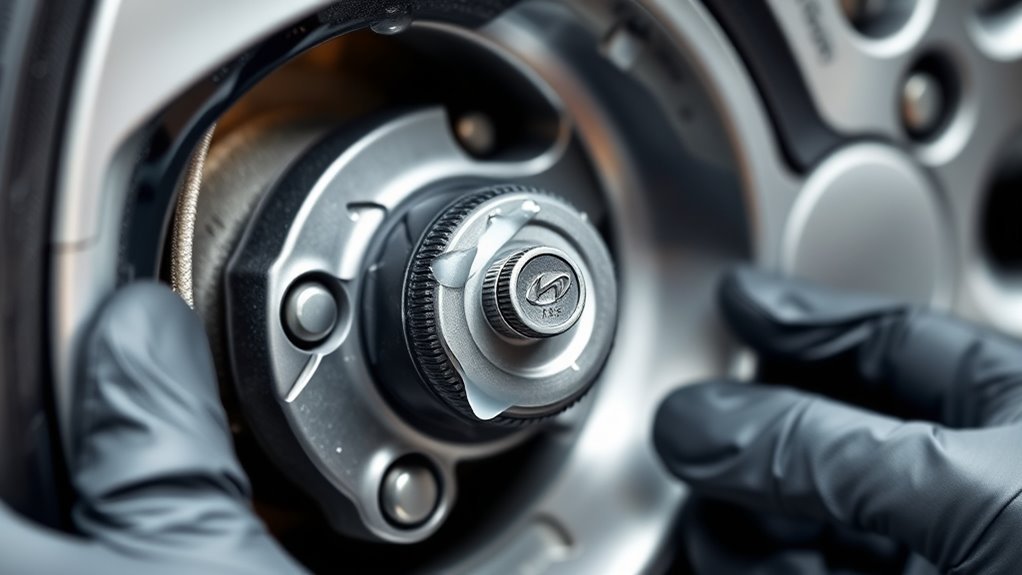
Yes — tire sealant can damage a Hyundai Sonata’s TPMS if the product is not approved for the vehicle, is not sensor-safe, or is left inside the tire without professional follow-up. Sonata TPMS sensors are mounted inside the tire behind the valve stem, so the safest approach is to use the factory Tire Mobility Kit or an equivalent Hyundai-approved sealant only for emergencies, then have the tire inspected and repaired as soon as possible.
Quick Answer
Yes. Tire sealant can damage a Hyundai Sonata’s TPMS when the product is not approved by Hyundai or equivalent for the vehicle. Use the factory Tire Mobility Kit or a clearly sensor-safe emergency sealant only as a temporary fix, then have the tire repaired, cleaned, and the sensor checked.
Key Takeaways
- A Hyundai Sonata normally uses internal TPMS sensors mounted inside the tire behind the valve stem.
- Hyundai warns against puncture-repair kits or sealants that are not approved by Hyundai or equivalent for the vehicle.
- “TPMS safe” is helpful, but it is not a universal guarantee; always check the product label and owner’s manual.
- Sealant is an emergency measure, not a permanent repair. The tire should be dismounted, inspected, repaired or replaced, and the TPMS checked afterward.
At a Glance
| Time Required | 10–30 minutes for emergency sealant use; same-day professional tire service recommended. |
| Difficulty | Easy for temporary roadside use; professional inspection is needed afterward. |
| Tools Needed | Owner’s manual, tire pressure gauge, Hyundai Tire Mobility Kit or approved equivalent sealant, compressor, gloves, and a safe parking location. |
| Cost | Using the factory kit may cost nothing immediately; professional tire repair, cleaning, or TPMS replacement varies by shop and damage. |
Can Tire Sealant Damage a Hyundai Sonata TPMS?
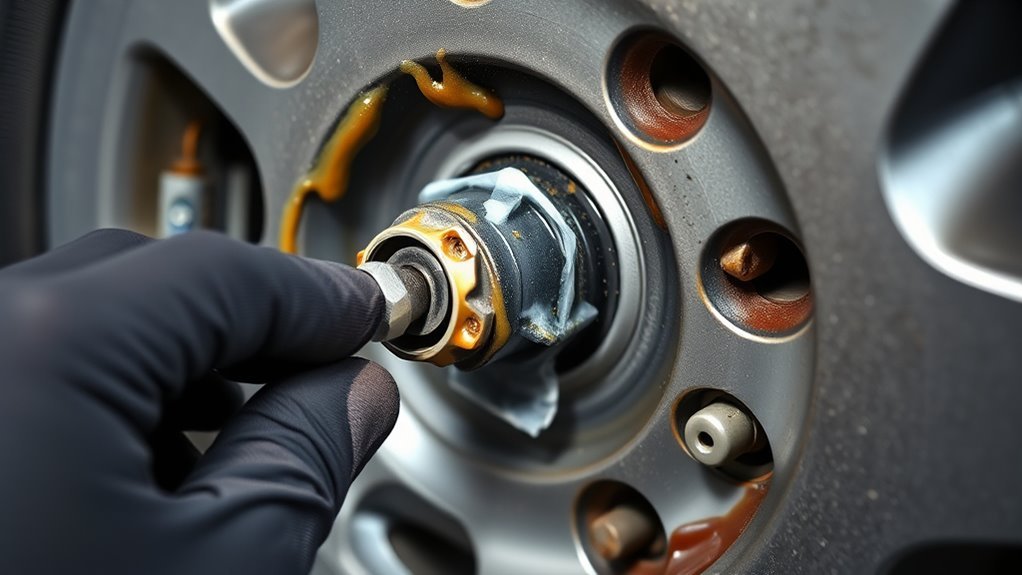
Yes, it can. The risk is highest when the sealant is not approved for your Sonata, contains the wrong ingredients, is over-applied, or is left inside the tire after the emergency is over. Hyundai specifically warns not to use a puncture-repair kit that is not approved by Hyundai, because unapproved sealant or non-equivalent sealant may damage the tire pressure sensor.
The practical rule is simple: use the Hyundai Tire Mobility Kit if your Sonata came with one, or use only an equivalent product that clearly states tire-sensor compatibility and matches the instructions for your vehicle. Even then, treat it as a short-term way to reach service, not as a finished repair.
Warning: Do not use sealant for sidewall damage, a large puncture, a shredded tire, wheel damage, repeated pressure loss, or vibration/noise while driving. Pull over safely and call roadside assistance instead.
[Products Worth Considering]

This roadside assistance kit helps drivers and passengers in urgent situations after an accident or breakdown, providing practical support while waiting for help. It includes a lightweight, compact tire inflator for fast inflation of standard vehicle tires, plus reinforced jumper cable protection for safer handling. Ideal for winter weather, road trips, camping, and travel, with everything stowed neatly in a trunk bag.

The JACO FlowPro Tire Inflator measures, inflates, and airs down tires up to 100 PSI with battery-free operation and ±2% accuracy after calibration. It features a glowing pressure dial for night visibility, a heavy-duty steel build with a hybrid hose, and a precision push-to-inflate thumb trigger. The patented Lightning Air Chuck locks on for a secure seal, and the kit includes quick-connect hardware for easy inline use with your air compressor.
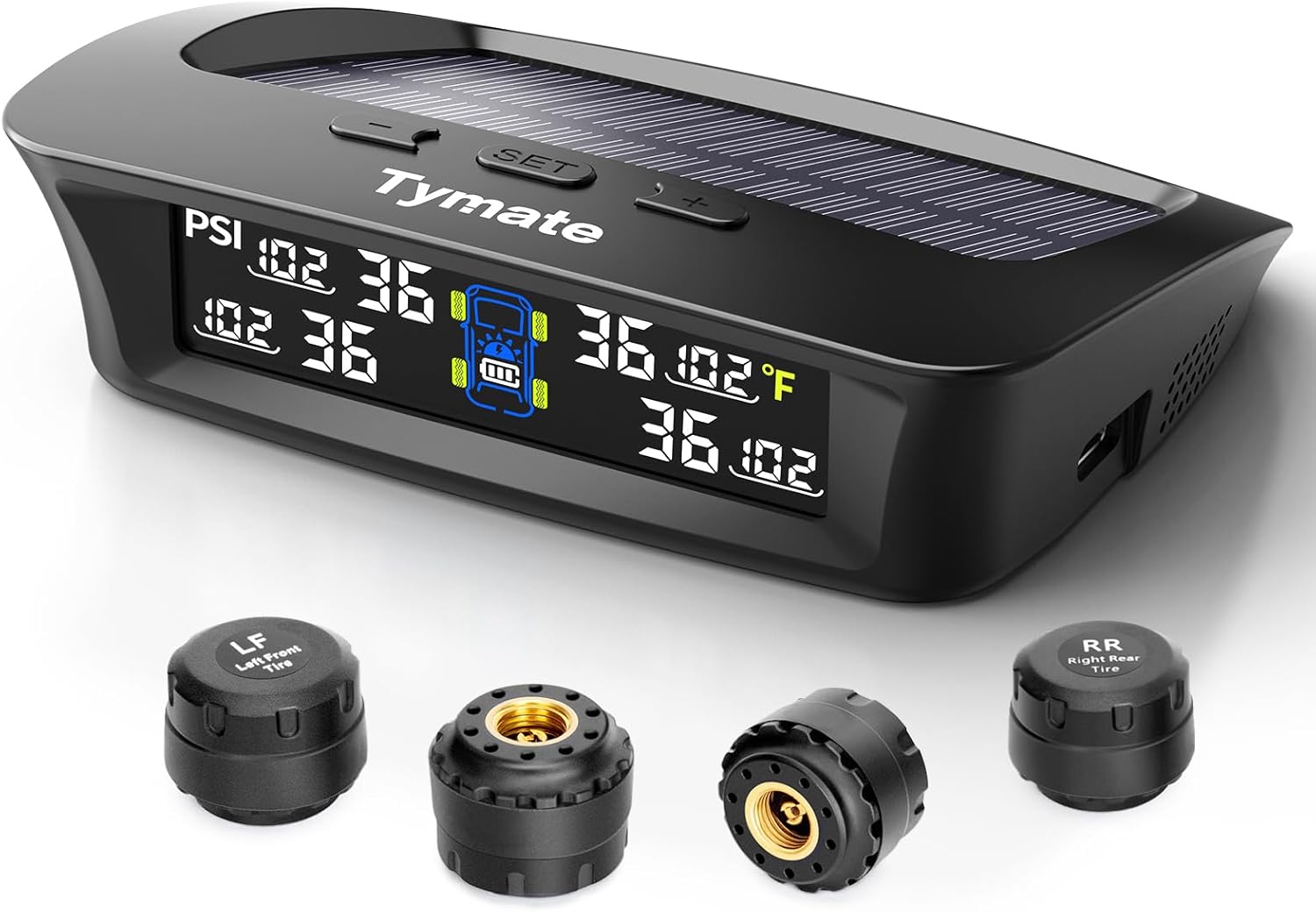
The Tymate TM3 RV TPMS delivers real-time tire pressure monitoring from 0 to 144 PSI with accurate readings and dependable wireless communication. It includes four external sensors with pre-pairing, six alarm modes for rapid leak, pressure extremes, temperature, and signal loss, plus an easy-reference setup for alert thresholds. Solar and USB-C charging help keep the display powered, while the color LCD and adaptive backlight improve visibility for safer driving and towing.
How Hyundai Sonata TPMS Sensors Work
Most modern Hyundai Sonata models use direct TPMS. That means each regular road wheel has a tire pressure sensor mounted inside the tire behind the valve stem. The spare tire, if equipped, may not have a TPMS sensor.
A direct TPMS sensor measures tire pressure and sends that information wirelessly to the vehicle. If pressure is significantly low, the dashboard warning light or tire-position display alerts you. Under U.S. federal TPMS rules, the system is designed to warn when pressure reaches the required low-pressure threshold, but it is not a substitute for checking cold tire pressure with a good gauge.
| Sensor location | Inside the tire, behind the valve stem on regular wheels. |
| What it measures | Tire pressure, and on many direct systems, tire temperature data used by the vehicle. |
| Why sealant matters | Sealant can coat the tire interior and the sensor area, so the wrong product or poor cleanup can cause warning-light, reading, or sensor problems. |
Which Sealants and Ingredients Are Riskiest for TPMS?
The riskiest sealants are products that are not approved for your vehicle, are not labeled as tire-sensor safe, or are made for tubes, bicycles, off-road equipment, or non-highway use. Products with heavy particles, adhesives, or formulas not intended for automotive TPMS can leave residue that a tire shop must remove.
For a Hyundai Sonata, “TPMS safe” should not be the only filter. The better order is:
- Check the Hyundai owner’s manual or the label on the factory Tire Mobility Kit.
- Use Hyundai-approved sealant or an equivalent product specified for the vehicle.
- Confirm the sealant label says it is safe for tire pressure monitoring sensors.
- Follow the exact volume, speed, pressure, and recheck instructions.
- Tell the tire shop that sealant was used before they dismount the tire.
Note: A sensor-safe label reduces risk, but it does not turn sealant into a permanent tire repair. The tire still needs a professional inspection from the inside.
How to Tell If Your Sonata Has Internal or External Sensors
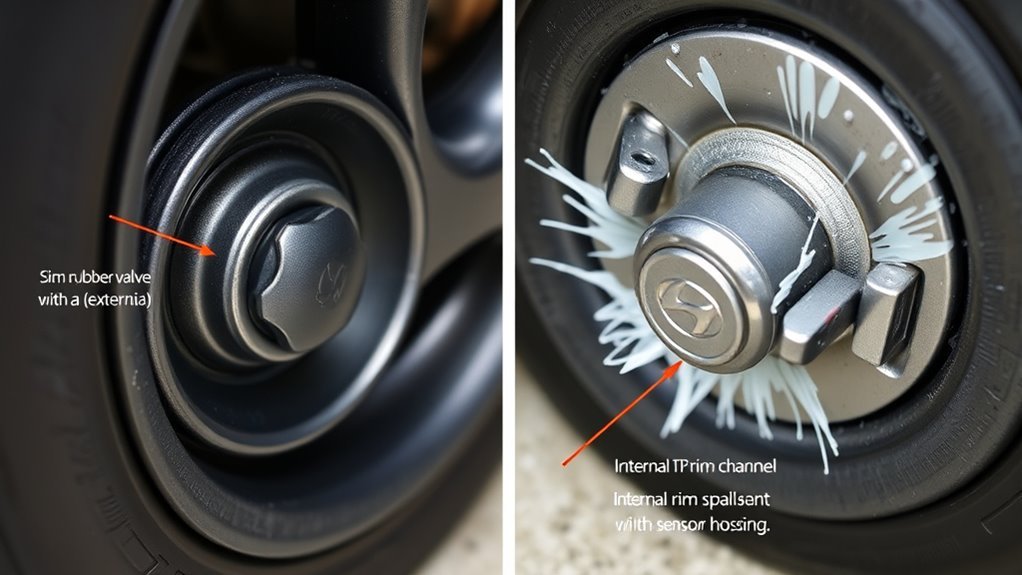
For the factory Hyundai Sonata system, assume the TPMS sensors are internal unless a qualified technician confirms an aftermarket setup. Hyundai states that each regular wheel has a tire pressure sensor mounted inside the tire behind the valve stem. That means you usually cannot confirm the sensor’s condition just by looking at the outside of the valve stem.
Some aftermarket systems use external valve-cap sensors. Those are different from the factory Sonata system and are easier to see because the sensor is mounted outside the tire. If your car has an aftermarket system, follow that system’s instructions. If it has factory TPMS, treat sealant as something that can contact the internal sensor area.
What “Tire Sensor Safe” Labels Actually Mean
A “Tire Sensor Safe” or “TPMS safe” label means the manufacturer intends the product to be compatible with tire pressure monitoring sensors when used as directed. It does not mean every sealant is safe for every Hyundai, every tire, or every type of puncture.
Also, color rules are brand-specific. For example, Slime says its yellow-label Emergency Tire Sealant for highway vehicles and blue-label Prevent and Repair Tire Sealant for non-highway tubeless tires are TPMS safe, while its red-label tube formula and 2-in-1 Tire & Tube Premium Sealant are not TPMS safe. That does not create a universal color code for all brands.
| Best sign | Hyundai-approved or equivalent sealant specified for your vehicle. |
| Helpful label | “TPMS safe,” “Tire Sensor Safe,” or similar wording from the sealant maker. |
| Red flag | No TPMS statement, tube-only formula, off-road-only formula, expired bottle, or unclear instructions. |
How to Use Sealant Without Harming the TPMS
Use sealant only when the puncture is small, appears to be in the tread area, and the tire and wheel are otherwise intact. If your Sonata has the Hyundai Tire Mobility Kit, follow the kit instructions in the owner’s manual instead of improvising.
[Products Worth Considering]
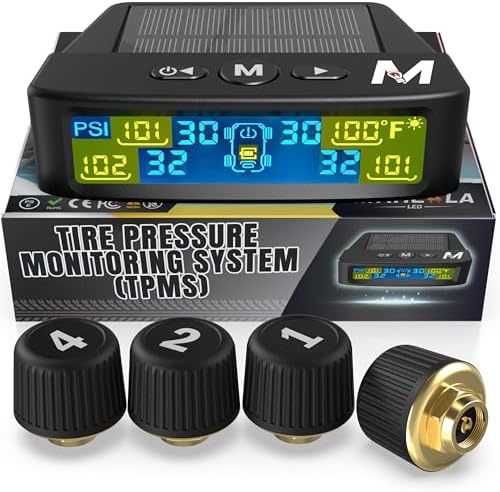
Marcala’s TPMS set of four sensors helps you monitor tire pressure and temperature in real time while driving, with updates every second. The bright color LCD uses auto-dimming for easy viewing, powered by dual solar and USB charging, and offers six alarm modes. Built for trailers, RVs, campers, trucks, and towing setups, the sensors support monitoring 1-4 wheels up to 98 PSI with IP67 waterproof protection.
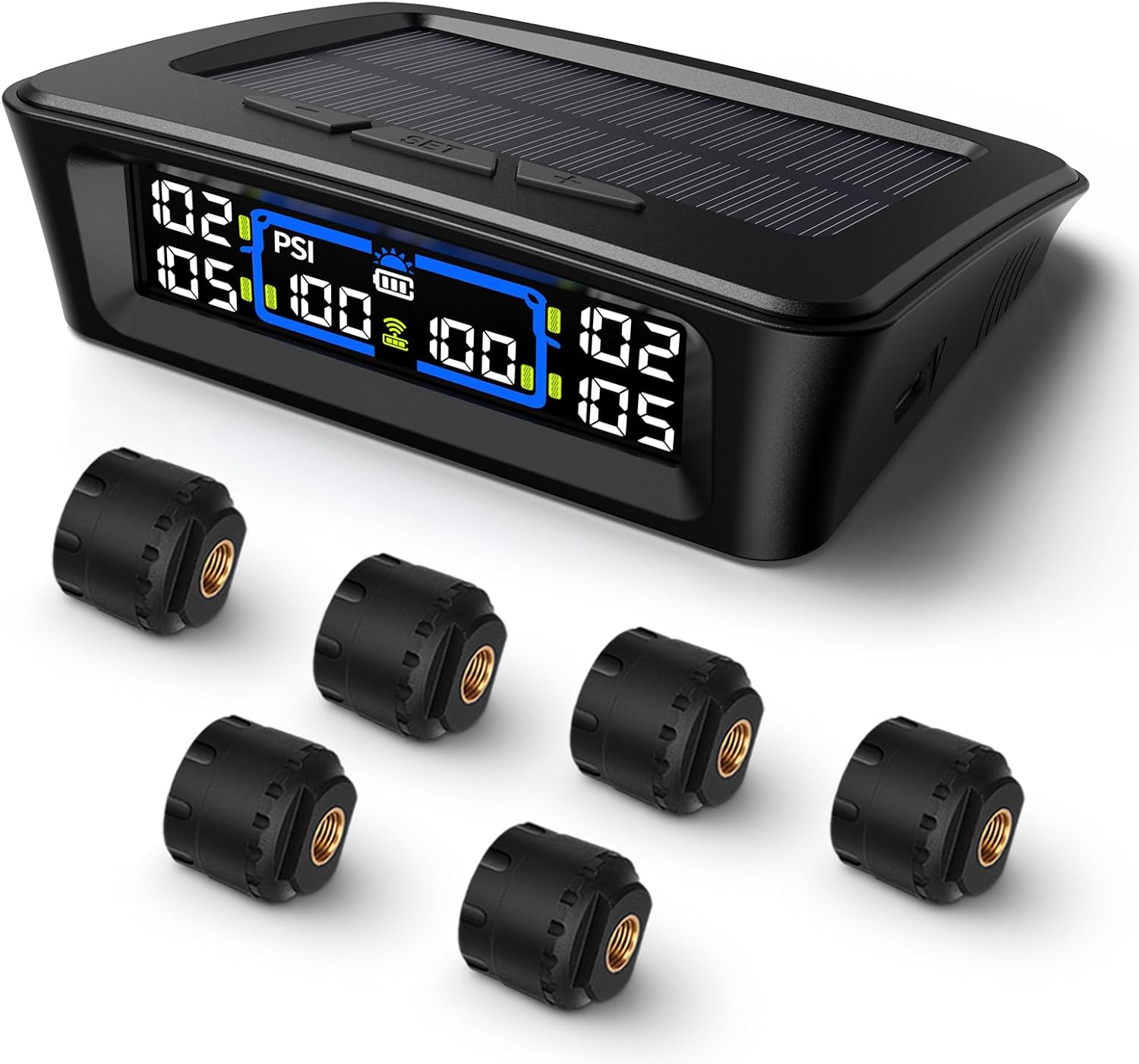
The Tymate TM12 RV TPMS delivers real-time tire pressure and temperature monitoring with a stable 433Hz display for safer long-distance driving. It supports simultaneous monitoring across vehicle and trailer zones, includes six alarm modes for pressure, temperature, leakage, battery, and signal loss, and features easy DIY installation with auto calibration. Power is supplied via USB-C charging or solar recharging, with a wide 0–144 PSI range and up to 50 ft signal coverage for RVs and towable trailers.
Before You Apply Sealant
- Park on a flat, safe surface away from traffic.
- Turn on hazard lights and set the parking brake.
- Inspect the tire for sidewall damage, rim damage, a large puncture, or shredding.
- Check the sealant expiration date.
- Confirm the product is Hyundai-approved or an equivalent sensor-safe product for your vehicle.
- Use a tire pressure gauge instead of relying only on the dashboard display.
During Emergency Use
Hyundai’s Tire Mobility Kit instructions include specific safety limits. The compressor should be used only as directed, and the tire must reach the required pressure before you continue. Hyundai warns not to drive if tire pressure is below 200 kPa (29 psi) during the initial stage, because sudden tire failure could occur.
After filling, Hyundai instructs drivers to immediately drive about 4–6 miles, or about 10 minutes, to distribute the sealant. During that drive, do not exceed 50 mph. Afterward, stop safely, recheck the pressure, and adjust it to the proper pressure shown on the tire placard or owner’s manual.
Pro Tip: Before a road trip, check whether your Sonata has a spare tire or a Tire Mobility Kit, and check the sealant expiration date. An expired or missing bottle turns a simple puncture into a tow.
Signs Sealant Has Reached or Affected a TPMS Sensor
Sealant does not always ruin a TPMS sensor, but you should suspect contamination or a related fault if the warning light behaves strangely after a sealant repair. Watch for these signs:
- A TPMS warning light that blinks for about a minute and then stays on.
- Pressure readings that disappear from the cluster display.
- A dashboard reading that does not match a manual tire pressure gauge.
- A warning that returns soon after the tire is inflated.
- New vibration, pulling, ride disturbance, or noise after using sealant.
If any of these happen, stop driving as soon as it is safe. Check pressure with a gauge, avoid hard cornering, and call a tire shop or roadside service if the tire will not hold pressure.
What to Do After Using Tire Sealant
After any sealant use, schedule professional service as soon as possible. Tell the technician which sealant you used and which tire it went into. That helps them protect the wheel, clean the tire cavity, inspect the TPMS sensor, and decide whether the tire can be repaired from the inside.
A good post-sealant service should include:
- Dismounting the tire from the wheel.
- Cleaning sealant residue from the tire and wheel where needed.
- Inspecting the puncture from the inside.
- Repairing the tire properly if the damage is repairable.
- Replacing the tire if the damage is too large, in the sidewall, or unsafe.
- Inspecting the TPMS sensor and valve hardware.
- Resetting or relearning TPMS if the vehicle requires it after service.
Some products, such as Fix-a-Flat, state that the TPMS device should be cleaned with water by a qualified tire repair professional after the tire is repaired. Follow the sealant maker’s instructions and the Hyundai manual for your specific vehicle.
Long-Term Fixes and TPMS-Friendly Alternatives
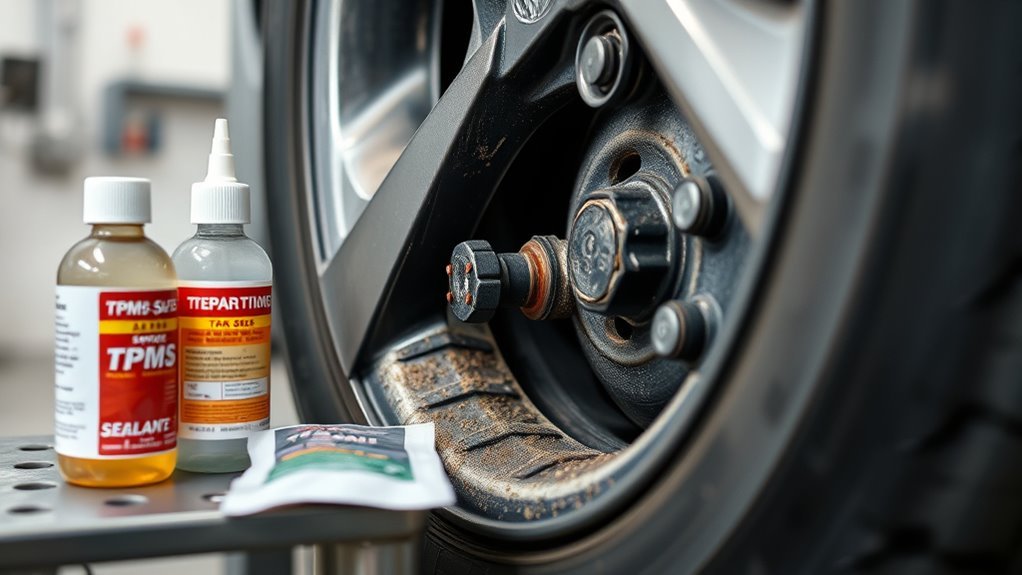
The best long-term fix is not more sealant. It is a proper tire inspection and repair. If the puncture is in the repairable tread area, a tire professional may be able to repair it from the inside using an approved patch-plug method. If the sidewall, shoulder, bead, or structure is damaged, replace the tire.
Safer alternatives include:
- Keeping the Hyundai Tire Mobility Kit maintained and unexpired.
- Carrying a portable compressor and tire pressure gauge.
- Using roadside assistance for sidewall or severe tire damage.
- Repairing eligible punctures professionally instead of repeatedly adding sealant.
- Replacing damaged TPMS valve hardware during tire service when recommended.
Sealant may get you off the shoulder, but it should not be the final repair. The real goal is a safe tire, a clean wheel, and a TPMS sensor that still reports accurately.
Frequently Asked Questions
Will tire sealant damage TPMS sensors?
It can. The risk is highest with sealants that are not approved for the vehicle, not labeled sensor-safe, expired, overused, or left inside the tire without professional cleanup. Hyundai warns that unapproved puncture-repair kits or sealants may damage the tire pressure sensor.
Can I use the Hyundai Tire Mobility Kit with TPMS?
Yes, if your Sonata came with the kit and the sealant is not expired, use it exactly as Hyundai instructs. It is designed as a temporary emergency repair, not a permanent fix. Afterward, have the tire inspected and repaired or replaced.
What is the problem with TPMS on a Hyundai Sonata after sealant use?
After sealant use, the TPMS may show false readings, no readings, or a malfunction light if the tire pressure sensor or valve area is contaminated or damaged. Low tire pressure, temperature changes, sensor battery failure, radio interference, and tire service damage can also cause TPMS warnings.
How fast can I drive after using sealant in a Sonata?
Follow the Hyundai Tire Mobility Kit instructions for your model. Hyundai’s instructions commonly tell drivers to drive about 4–6 miles to distribute the sealant and not exceed 50 mph during that process. Stop and recheck the tire pressure afterward.
Is “TPMS safe” sealant always safe for a Hyundai Sonata?
No. “TPMS safe” is useful, but you still need to verify that the product is appropriate for highway tires, compatible with internal sensors, and approved by Hyundai or equivalent for your vehicle. Always read both the sealant label and your owner’s manual.
What is the typical cause of a damaged TPMS sensor?
Common causes include age-related sensor battery failure, corrosion, impact damage, improper tire service, valve-stem damage, and contamination from unsuitable sealant. If the TPMS light blinks and then stays on, have the system inspected by a qualified technician.
Conclusion
Tire sealant can be helpful in an emergency, but it is not harmless. On a Hyundai Sonata, the TPMS sensor is usually inside the tire behind the valve stem, so the wrong sealant can contaminate or damage the sensor area. Use Hyundai-approved or equivalent sensor-safe sealant only when the tire damage is suitable for temporary repair, follow the pressure and speed limits, and have the tire professionally inspected as soon as possible.
Sources
- Hyundai Owner’s Manual — Tire Pressure Monitoring System — backs up internal TPMS sensor location, TPMS warning behavior, and Hyundai’s warning about unapproved sealant.
- Hyundai Owner’s Manual — Using the Tire Mobility Kit — backs up emergency sealant procedure, pressure checks, driving distance, and speed limits.
- 49 CFR § 571.138 — Tire Pressure Monitoring Systems — backs up federal TPMS warning requirements and the need for proper tire maintenance.
- Continental Tires — Tire Pressure Monitoring System — backs up direct TPMS sensor basics and wireless pressure monitoring.
- Slime FAQ — Is Slime sealant tire sensor safe? — backs up brand-specific TPMS-safe label guidance.
- Fix-a-Flat FAQ — Will Fix-a-Flat damage my TPMS? — backs up manufacturer guidance to have a qualified professional clean the TPMS device after repair.

Related Articles

Danger of Using Summer Tires in Winter on a Hyundai Sonata
Potentially perilous, using summer tires in winter on your Hyundai Sonata can compromise safety—discover the hidden dangers that await you on icy roads.
Read More
Can You Mix Nitrogen and Air in Hyundai Sonata Tires? Answered
Discover the implications of mixing nitrogen and air in your Hyundai Sonata tires—are the benefits worth the risks? Explore the answer inside!
Read More
How to Tell If Hyundai Sonata Tires Are Too Old to Use Safely
Understand how to assess the age of your Hyundai Sonata tires and discover crucial signs of deterioration that could compromise your safety on the road.
Read More