
What Tread Depth Prevents Hydroplaning on Hyundai Sonata Tires?
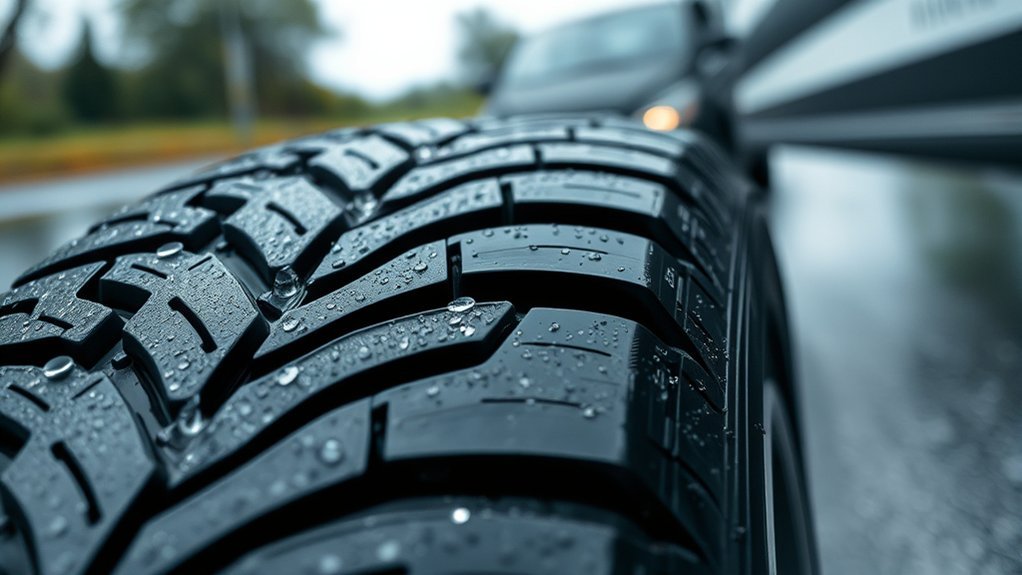
Your Hyundai Sonata can hydroplane when water builds between the tires and the road faster than the tread can move it away. Tread depth is not the only factor, but it is one of the easiest safety items to check at home. For rainy driving, treat 4/32 inch as the point where you should start shopping for replacement tires, and never drive on tires worn to 2/32 inch.
Quick Answer
To reduce hydroplaning risk on a Hyundai Sonata, keep tire tread depth at 4/32 inch or deeper for wet-road driving. At 2/32 inch, tires are no longer safe and should be replaced. Check tread monthly with a gauge, quarter test, penny test, or built-in treadwear bars.
Key Takeaways
- 4/32 inch is the wet-weather replacement point. If the top of Washington’s head is visible in the quarter test, start shopping for tires.
- 2/32 inch is the unsafe minimum. If the top of Lincoln’s head is visible in the penny test, replace the tire immediately.
- Tire pressure matters too. Check cold tire pressure monthly and use the PSI listed on your Sonata’s driver-side doorjamb label, not the maximum PSI on the tire sidewall.
- Slow down in rain. Even good tires can hydroplane in standing water if you drive too fast, brake sharply, or make sudden steering inputs.
At a Glance
| Time Required | 5 minutes for all four tires |
| Difficulty | Easy DIY check |
| Tools Needed | Tread depth gauge, quarter, penny, and tire pressure gauge |
| Cost | Free with coins; usually under $10 for a basic tread depth gauge |
Understanding Hydroplaning: Risks and Consequences
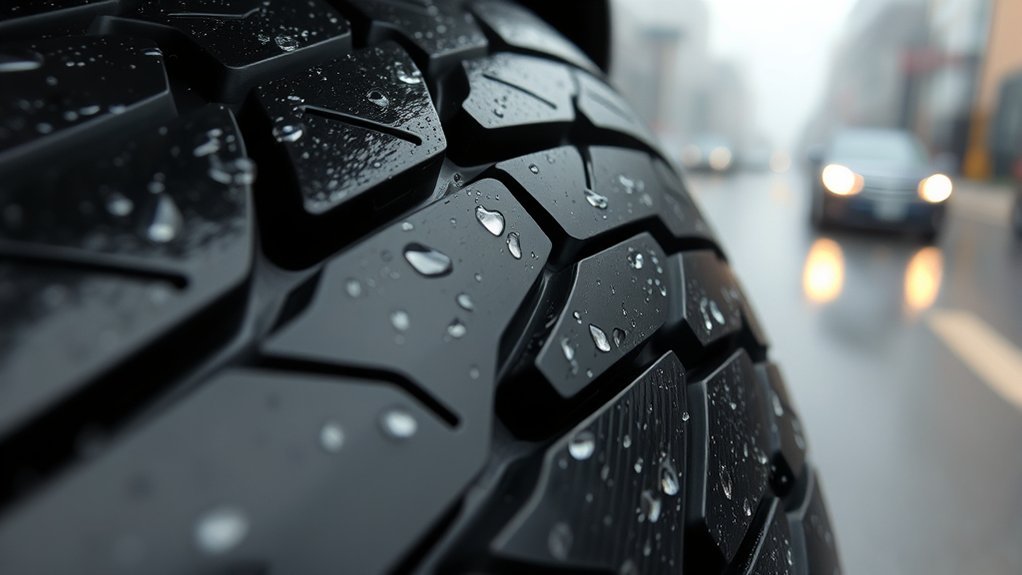
Hydroplaning happens when your Sonata’s tires ride on a layer of water instead of gripping the road. When that happens, steering, braking, and acceleration can feel delayed or almost useless until the tires regain contact.
Tread depth helps because the grooves in the tire give water a path to escape. But tread depth is only one part of the picture. Hydroplaning risk also depends on water depth, tire pressure, tire design, vehicle speed, road surface, and how smoothly you steer and brake.
Warning: Good tires do not make flooded roads safe. If water is covering the roadway or moving across it, turn around instead of trying to drive through it.
[Products Worth Considering]

The JACO FlowPro Tire Inflator measures, inflates, and airs down tires up to 100 PSI with battery-free operation and ±2% accuracy after calibration. It features a glowing...
How Tread Depth and Uneven Wear Affect Hydroplaning Risk
For wet-weather driving, the key number is 4/32 inch. At this depth, wet stopping and handling performance have already started to drop compared with new tires. By 2/32 inch, the tire is at the minimum replacement point and should not be considered safe for rain.
| Tread Depth | What It Means | Action |
|---|---|---|
| 6/32 inch or deeper | Better water evacuation and wet traction | Keep checking monthly |
| 4/32 inch | Wet-road performance is noticeably reduced | Start shopping for replacement tires, especially before rainy seasons |
| 3/32 inch | Very limited wet-weather safety margin | Replace soon; avoid heavy rain when possible |
| 2/32 inch or less | Unsafe minimum tread depth | Replace immediately |
Uneven wear is just as important as average tread depth. If the inner edge, outer edge, center, or one tire position is wearing faster than the others, your Sonata may have an inflation, alignment, suspension, or rotation issue. Uneven wear can reduce the tire’s ability to channel water even if part of the tread still looks usable.
How Deep Should Your Sonata Tires Be?
Your Hyundai Sonata tires should be at least 4/32 inch deep for safer wet-road driving. This does not guarantee you will never hydroplane, but it gives the tread more room to move water away from the tire contact patch.
At 2/32 inch, or about 1.6 mm, the tire has reached the minimum unsafe threshold. Do not wait for rainy-season driving if your tread is already near that point.
| Check Result | Tread Estimate | Action Required |
|---|---|---|
| Washington’s head is partly covered in the quarter test | More than about 4/32 inch | Good wet-weather margin; keep monitoring |
| Top of Washington’s head is visible | About 4/32 inch or less | Start shopping for tires |
| Top of Lincoln’s head is visible in the penny test | About 2/32 inch or less | Replace immediately |
Note: Your Sonata’s correct tire size and cold tire pressure are listed on the Tire and Loading Information Label on the driver-side doorjamb and in the Hyundai owner’s manual resources. The PSI molded on the tire sidewall is the tire’s maximum rating, not the recommended daily driving pressure.
Quick Ways to Measure Your Tire Tread Depth
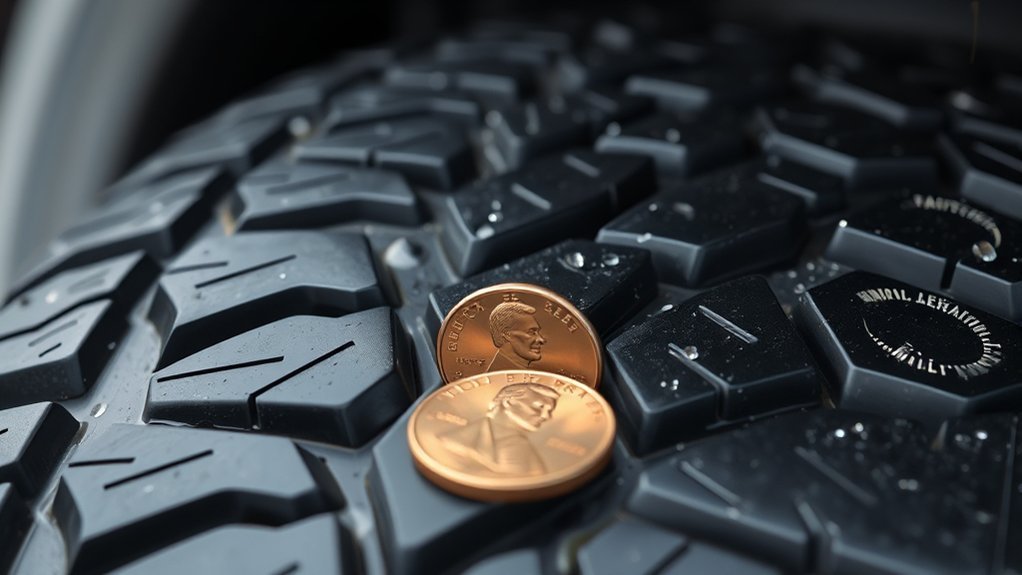
Check all four tires because one tire can wear faster than the others. Measure in several grooves across each tire: inside edge, center, and outside edge.
- Use a tread depth gauge: Insert the probe into the main tread groove and read the depth. This is the most accurate home method.
- Use the quarter test: Place a quarter into the tread with Washington’s head upside down. If the top of his head is visible, your tread is around 4/32 inch or less, and it is time to start shopping for rain-safe replacements.
- Use the penny test: Place a penny into the tread with Lincoln’s head upside down. If the top of his head is visible, the tire is around 2/32 inch or less and should be replaced immediately.
- Check treadwear indicators: Look for raised bars running across the grooves. When the tread is even with those bars, the tire has reached its minimum replacement point.
Pro Tip: Measure tread before a long trip or before your rainy season starts. Replacing tires at 4/32 inch is much easier than discovering poor wet traction during a storm.
Why Regular Tire Inspections Matter
Regular tire inspections help you catch worn tread, uneven wear, pressure loss, cracks, bulges, nails, and sidewall damage before they turn into a roadside problem. For most drivers, a good routine is:
- Monthly: Check tread depth, visible damage, and cold tire pressure.
- Before long trips: Recheck all tires, including the spare if your Sonata has one.
- At tire rotations: Ask the shop to check alignment clues, uneven wear, and balance.
- Any time the car vibrates or pulls: Schedule a tire, wheel, alignment, or suspension inspection.
According to NHTSA tire safety guidance, tires should be checked monthly for pressure, treadwear, and damage. NHTSA also notes that tires are not safe and should be replaced when tread reaches 2/32 inch.
Tire Maintenance: What Causes Uneven Wear?
Uneven tire wear can reduce wet traction before the whole tire looks worn out. The pattern usually points to the cause.
Tire Inflation Issues
Wrong tire pressure changes how the tire contacts the road:
- Underinflated tires: Often wear faster on both outer edges and can overheat.
- Overinflated tires: Often wear faster in the center and may have less even contact with the road.
- Slow leaks: Can come from nails, valve stems, rim damage, or bead leaks.
Hyundai notes that tires can naturally lose 1 to 2 PSI per month, especially if the vehicle is not driven regularly. Check your Sonata’s cold tire pressure monthly with a reliable gauge, even if the TPMS light is off. Hyundai’s tire care guidance explains that TPMS warns when pressure gets too low, but it does not replace routine pressure checks.
Alignment and Suspension Problems
Misalignment, worn shocks or struts, bent wheels, and loose suspension parts can make a tire scrub across the pavement instead of rolling evenly. That can create edge wear, cupping, feathering, or vibration.
Schedule an alignment or suspension inspection if your Sonata pulls left or right, the steering wheel is off-center, the tires are noisy, the car vibrates at speed, or one tire is wearing much faster than the others.
Essential Tire Pressure Maintenance Tips
Correct tire pressure helps the tread sit on the road the way Hyundai intended. It also improves handling, braking, tire life, and fuel economy.
- Check pressure cold: Measure before driving or after the car has been parked for at least three hours.
- Use the doorjamb PSI: Look at the Tire and Loading Information Label on the driver-side doorjamb or your owner’s manual.
- Check all tires: Do not forget the spare if your Sonata has one.
- Recheck after adding air: Add air in small amounts and confirm the reading with your gauge.
- Do not ignore TPMS: If the tire pressure warning light comes on, check the tires as soon as it is safe.
Cold weather can make marginally low tires trigger the TPMS light. If the light turns on and off with temperature changes, check the pressure rather than assuming it is a false warning.
Select Suitable Tires for Wet Conditions
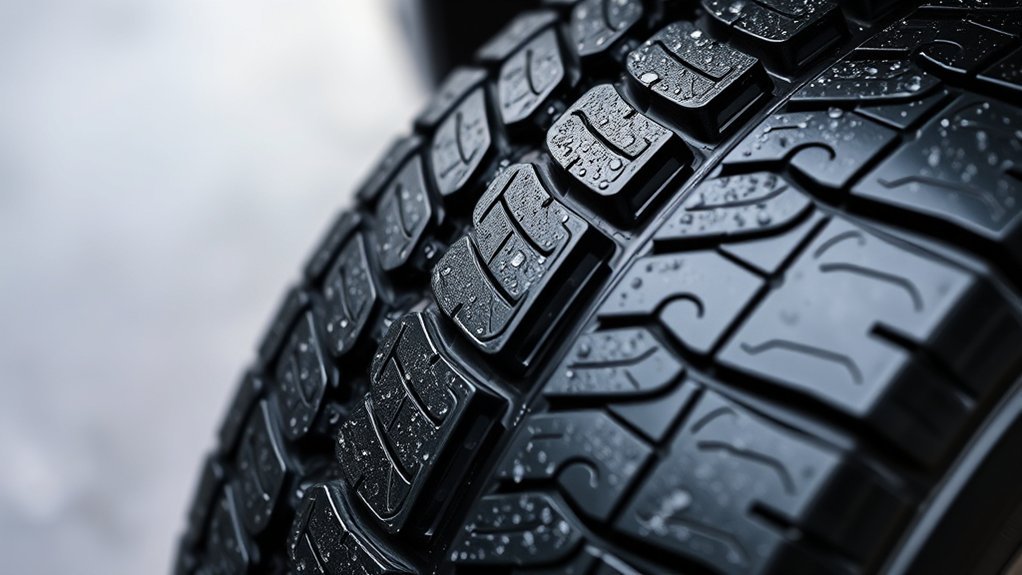
When replacing Sonata tires, choose a tire that matches your climate, driving style, and the tire size listed by Hyundai. Wet-weather performance depends on tread pattern, rubber compound, tread depth, and traction rating.
For rain, look for:
- Wide circumferential grooves that move water away from the contact patch.
- Strong wet traction ratings from independent tire tests and reputable retailers.
- Directional or asymmetric tread designs if they fit your driving needs and rotation pattern.
- Correct load and speed ratings for your Sonata.
- Fresh production dates and no visible cracks, bulges, or sidewall damage.
Do not buy tires based on price alone. In AAA wet-road tire testing, tires worn to 4/32 inch took significantly longer to stop and had reduced handling compared with new tires.
Tips for Driving Safely in Rainy Weather
Even with healthy tires, your driving habits matter in rain. A Sonata with good tread can still lose traction in standing water, especially if you drive too fast for conditions.
Maintain Proper Tire Tread
Do not wait until your tires reach 2/32 inch if you regularly drive in rain. Use 4/32 inch as your wet-weather replacement point, and check tread monthly. If tread is uneven, measure the shallowest area and make your replacement decision from that number.
Adjust Speed Accordingly
Slow down when rain starts, when water is standing in wheel tracks, or when visibility drops. NHTSA severe-weather guidance reminds drivers that slick roads make it harder to control or stop a vehicle and recommends increasing following distance.
Avoid cruise control in heavy rain. Keeping direct control of the accelerator helps you respond faster if the tires start to slip.
Avoid Sudden Maneuvers
Sudden braking, hard acceleration, and sharp steering can break traction. Use smooth inputs:
- Brake gently: Start slowing earlier than usual.
- Steer smoothly: Avoid quick lane changes through standing water.
- Accelerate lightly: Let the tires regain grip before adding speed.
- Leave more space: Wet roads require more stopping distance.
What to Do If Your Sonata Starts Hydroplaning
If your Sonata begins to hydroplane, stay calm and avoid panic braking.
- Ease off the accelerator. Let the vehicle slow gradually.
- Keep steering in the direction you want to go. Do not jerk the wheel.
- Avoid hard braking. Forceful braking can make the skid worse.
- Wait for the tires to reconnect. Once grip returns, continue at a slower speed.
Warning: If your tires are at 2/32 inch, showing cords, bulging, cracked, or losing air, do not rely on careful driving to compensate. Replace or inspect the tires before driving in rain.
When to Seek Professional Tire Assistance?
See a tire professional if your Sonata’s tread is below 4/32 inch, if one tire is wearing faster than the others, or if you notice vibration, pulling, noise, bulges, sidewall cuts, exposed cords, or repeated pressure loss.
| Warning Sign | What It May Mean | Action Needed |
|---|---|---|
| Tread depth at or below 4/32 inch | Reduced wet-weather margin | Shop for replacement tires |
| Tread depth at or below 2/32 inch | Unsafe tire condition | Replace immediately |
| Uneven edge, center, cupping, or feathering wear | Inflation, alignment, balance, or suspension issue | Schedule tire and alignment inspection |
| Bulges, cracks, punctures, or exposed cords | Structural tire damage | Do not delay professional service |
| Tires are 6 to 10 years old | Age-related rubber deterioration may be possible | Check the DOT date and ask a tire professional |
For rotation, follow your Sonata owner’s manual. If Hyundai recommends a rotation interval for your model and tire setup, many vehicles are rotated around every 5,000 to 8,000 miles, or sooner if uneven wear appears.
Frequently Asked Questions
At what tread depth do Sonata tires become risky in rain?
Hydroplaning risk increases as tread wears down, but 4/32 inch is the practical wet-weather warning point. At that depth, start shopping for replacements, especially if you drive often in rain. At 2/32 inch, the tire is unsafe and should be replaced immediately.
Should I replace my tires at 4/32 inch?
Yes, if you regularly drive on wet roads or rainy highways. A tire at 4/32 inch may still be above the minimum treadwear bars, but its wet stopping and water-channeling ability are already reduced compared with a newer tire.
Is the penny test enough for wet-weather safety?
The penny test is useful for spotting tires near 2/32 inch, but that is the minimum replacement point, not the best rain-safety point. Use the quarter test or a tread depth gauge if your goal is to keep better wet-road traction.
Can new tires still hydroplane?
Yes. Deep tread reduces risk, but it cannot overcome every condition. Standing water, excessive speed, underinflation, worn suspension parts, and sudden steering or braking can still cause hydroplaning.
Where do I find the correct PSI for my Hyundai Sonata?
Look at the Tire and Loading Information Label on the driver-side doorjamb or check your Sonata owner’s manual. Use that cold PSI number, not the maximum pressure printed on the tire sidewall.
Conclusion
To reduce hydroplaning risk in your Hyundai Sonata, keep your tires at 4/32 inch of tread depth or deeper for rainy driving, and replace them immediately at 2/32 inch. Check tread and cold tire pressure monthly, watch for uneven wear, and slow down when water is on the road. Tires cannot prevent every skid, but healthy tread, correct pressure, and smooth driving give your Sonata a much better chance of staying connected to the pavement.
Sources
- NHTSA TireWise — tire tread, pressure, monthly checks, tire labels, TPMS, 2/32 inch replacement guidance, and tire aging.
- NHTSA Driving in Severe Weather — wet-road driving, slowing down, following distance, and flooded-road warnings.
- AAA Newsroom: Tread Lightly, Worn Tires Put Drivers at Risk — 4/32 inch wet-road replacement recommendation, wet stopping distance, handling loss, and hydroplaning recovery tips.
- Hyundai Tire Care and Maintenance — Hyundai tire pressure, TPMS, pressure loss, and quarter-test guidance.
- Hyundai Manuals & Warranties — owner’s manual lookup for Sonata-specific tire size, pressure, and maintenance guidance.

Related Articles

Danger of Using Summer Tires in Winter on a Hyundai Sonata
Potentially perilous, using summer tires in winter on your Hyundai Sonata can compromise safety—discover the hidden dangers that await you on icy roads.
Read More
Can You Mix Nitrogen and Air in Hyundai Sonata Tires? Answered
Discover the implications of mixing nitrogen and air in your Hyundai Sonata tires—are the benefits worth the risks? Explore the answer inside!
Read More
How to Tell If Hyundai Sonata Tires Are Too Old to Use Safely
Understand how to assess the age of your Hyundai Sonata tires and discover crucial signs of deterioration that could compromise your safety on the road.
Read More