
Hyundai Sonata Tire & Wheel Protection Plan Explained
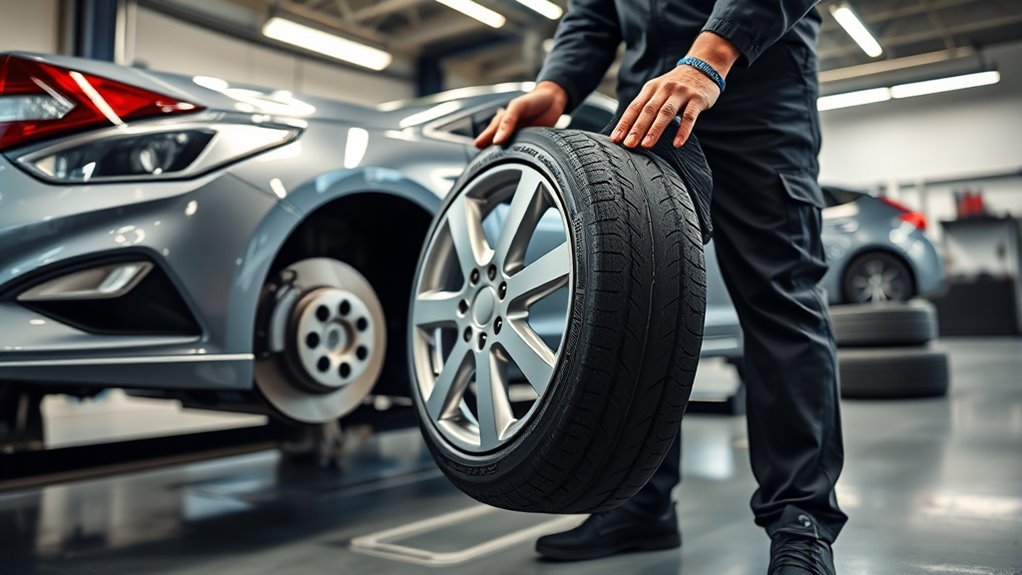
Before you buy the Hyundai Sonata Tire & Wheel Protection Plan, focus on one question: will your real risk of potholes, nails, glass, debris, and wheel damage exceed the price of the plan? For some Sonata owners, especially daily commuters on rough roads, the answer can be yes. For low-mileage drivers with clean roads, good emergency savings, or overlapping tire coverage, it may not be worth the extra cost.
Quick Answer
The Hyundai Sonata Tire & Wheel Protection Plan is most worth it if your quote is reasonable, you drive on pothole-heavy or debris-filled roads, and you want zero-deductible help for covered tire or wheel damage. Skip it if the price is high, your driving risk is low, or you already have overlapping road-hazard coverage.
Key Takeaways
- Hyundai Tire & Wheel Protection is designed for covered road-hazard damage, including hazards such as nails, glass, debris, potholes, and blowouts.
- Current Hyundai Motor Finance plan information lists no deductible, no mileage or occurrence limit, and up to $100 towing reimbursement for covered road-hazard damage.
- The signed agreement controls the real value, so confirm the term, exclusions, cosmetic wheel coverage, administrator rules, transferability, and cancellation terms before buying.
- Factory warranty, tire manufacturer warranty, roadside assistance, Hyundai Tire Center road-hazard coverage, and the optional protection plan are not the same thing.
At a Glance
| Time Required | 10–20 minutes to compare the quote, plan agreement, tire prices, and your driving risk |
| Difficulty | Easy, but you must read the actual contract instead of relying only on a sales summary |
| Tools Needed | Dealer quote, sample agreement, tire size, local replacement tire price, and wheel repair/replacement estimate |
| Cost | Varies by dealer, state, term, vehicle, and financing package; judge value against your actual written quote |
Quick Verdict: Is the Hyundai Sonata Tire & Wheel Protection Plan Worth It?

The plan can be worth it if you drive your Sonata every day, park or commute near construction zones, live where potholes are common, or would rather pay a fixed upfront amount than risk a sudden tire-and-wheel bill. It is less compelling if you drive lightly, avoid rough roads, already have road-hazard coverage through a tire seller, or can comfortably self-insure small tire emergencies.
Hyundai Motor Finance describes its Tire & Wheel Protection as coverage for tire and wheel damage from road hazards such as nails, glass, debris, potholes, blowouts, and other road hazards. It also lists no deductible, no mileage or occurrence limit, and up to $100 in towing reimbursement for covered road-hazard damage. Because plan terms can vary, confirm those benefits in your own written agreement before signing. Hyundai Motor Finance
Note: Hyundai Protection Plan products are optional protection products, not automatic factory warranty coverage. The final contract, not the finance-office brochure, controls the terms, exclusions, state variations, and claim process.
[Products Worth Considering]

This tire repair kit provides fast emergency puncture repair without removing the tire from the rim, helping you get back on the road quickly. Its screw plug system is designed for punctures in both tread and sidewall and includes a complete patch plug tool set with essential accessories. A portable storage bag makes it easy to carry for cars, trucks, SUVs, motorcycles, and heavy-duty applications.

This tire repair patch tool kit helps you quickly seal small punctures using upgraded mushroom plugs and a built-in roller system that presses for even penetration. The tungsten buffing wheel and HSS twist drill bits prepare the damaged surface for stronger adhesion, while the crown-angle friendly plugs are designed to keep water and debris out. Ideal for puncture repairs on many vehicle types, from cars and trucks to bikes and scooters.

This portable cordless tire inflator delivers up to 160 PSI with fast 17 L/min airflow to help you quickly top up tires and get back on the road. It features dual power mode, running on a 21V rechargeable battery or a 12V DC adapter for convenient roadside use. An automatic shut-off with digital pressure gauge helps prevent overinflation, and a built-in LED light improves visibility in low-light conditions.
What the Hyundai Tire & Wheel Protection Plan Usually Covers
The core purpose of a tire and wheel protection plan is road-hazard protection. In plain language, that means sudden damage caused by objects or road conditions you could not reasonably avoid. Examples usually include nails, screws, glass, road debris, potholes, and similar hazards that puncture a tire, cause a blowout, bend a rim, crack a wheel, or keep the tire and wheel from safely holding air.
[Products Worth Considering]

This compact capsule-style tire repair kit helps you quickly fix punctures and plug flats with minimal effort. The rugged stainless steel shell protects the contents for reliable roadside use, while the simple plug assembly makes repairs fast and tool-free. Suitable for motorcycles, cars, ATVs, UTVs, and even mountain bikes.
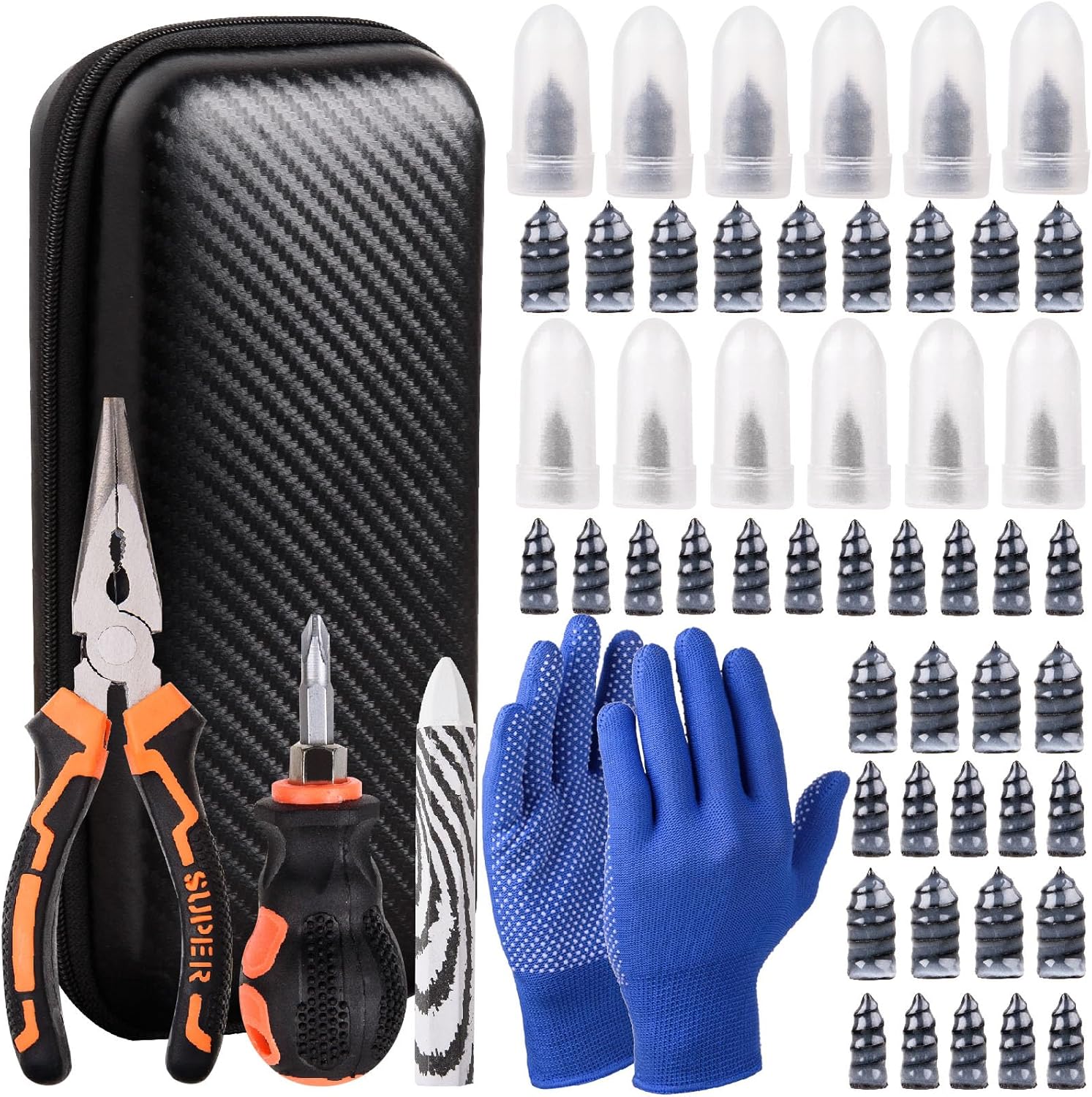
This tire sidewall puncture repair kit fixes flats fast without removing the tire, helping you get back on the road in minutes. It includes self-tapping repair nails, essential tools, gloves, and a portable storage bag for convenient roadside use. Designed for tubeless tires, it helps create a tight, leak-resistant seal for cars, motorcycles, trucks, SUVs, and ATVs.

Size: P285/70R17, Tire Only - Wheel/Rim Not Included. We offer a complimentary 3-Year Road Hazard Warranty and Tread Wear Out Warranty for each of our tires in the event of a tire failure after installation and use, including bulges, air leaks, and blowouts.
Road Hazard Repairs
For covered tire damage, the plan generally attempts repair first when the tire can be safely repaired. If the tire is structurally damaged and cannot be repaired, the plan may pay for replacement according to the agreement terms. This is the part that can save money quickly if you hit debris or a pothole soon after buying new tires.
- Flat tire repair when the puncture is repairable and covered
- Tire replacement when the tire is structurally damaged by a covered road hazard
- Help through participating Hyundai dealerships, depending on the plan and claim rules
- Possible towing reimbursement for a covered road-hazard event, subject to the plan limit
Rim and Tire Replacement
Wheel and rim coverage is valuable when the impact damages more than the tire. A pothole can ruin the tire and bend the wheel lip, crack an alloy wheel, or prevent the tire bead from sealing. If the damage is caused by a covered road hazard, the plan may cover wheel repair or replacement according to the agreement.
Cosmetic wheel repair is more contract-sensitive. Some plans or add-ons may include cosmetic wheel repair for repairable scrapes, scuffs, or abrasions caused by a road hazard. Other agreements may exclude cosmetic-only damage, curb rash from parking contact, or pre-existing wheel damage. Ask for the exact cosmetic wheel language before you assume your wheels are protected for appearance issues.
Pro Tip: Before leaving the finance office, ask the manager to point to the exact contract paragraph that covers cosmetic wheel repair, towing, replacement tires, taxes, mounting, balancing, valve stems, and claim limits.
What the Plan Usually Does Not Cover
Do not treat tire and wheel protection as unlimited tire insurance. Most plans are written for sudden road-hazard damage, not normal ownership costs. The most common disappointments happen when a driver expects coverage for wear, poor maintenance, cosmetic-only damage, or damage that happened before the plan started.
- Normal tire wear: worn tread, aging, dry rot, and ordinary replacement are usually your responsibility.
- Maintenance-related damage: improper inflation, missed rotations, overloading, and neglected alignment can weaken a claim.
- Cosmetic-only wheel damage: curb rash and appearance damage may require a cosmetic wheel add-on or may be excluded.
- Pre-existing damage: damage present before the plan start date is not normally covered.
- Unauthorized repairs: repairs started before claim approval may be denied if the agreement requires pre-authorization.
- Commercial or abusive use: racing, misuse, off-road damage, and intentional damage are commonly excluded.
Warning: If your Sonata has a tire pressure warning, sidewall bubble, exposed cord, cracked wheel, or vibration after an impact, avoid highway driving until the tire and wheel are inspected. A protection plan helps with eligible costs; it does not make a damaged tire safe.
Price, Break-Even Math, and Who Benefits

The right way to judge the price is not “Is $1,000 always good or bad?” The better question is: “How many covered tire or wheel events would I need for this plan to pay for itself?” A Sonata tire replacement, wheel repair, wheel replacement, towing charge, mounting, balancing, and taxes can add up quickly. But if you never file a covered claim, the plan becomes peace-of-mind spending rather than a money saver.
| Your Quote | Use the exact financed or cash price, not a verbal estimate. |
| Likely Claim Value | Price one matching tire, wheel repair or replacement, mounting, balancing, taxes, and towing. |
| Break-Even Point | Divide the plan price by your likely claim value to estimate how many covered incidents you need. |
| Risk Adjustment | Raise the value if you drive daily on poor roads; lower it if you drive few miles on clean roads. |
A tire and wheel plan is strongest when one or two realistic covered claims could approach the plan price. It is weakest when you need several unlikely claims just to break even.
[Products Worth Considering]

Soft and Durable: This car tire changing rim protector is made of high quality polyurethane material, soft and does not hurt the wheel rim, has good stability, good heat insulation and shock resistance, can be stretched and not easily damaged. Water and corrosion resistant, can be used repeatedly without breaking or wearing out.

Ultimate Curb Rash Protection: Keep your wheels safe from scuffs and scratches; this rim protector for car wheels offers reliable curb rash prevention, perfect for city drivers and tight parking spaces

ABSOLUTE PROTECTION: Evenly disperses vehicle weight and preserves tire shape during storage to prevent flat spots, tire ramp is shaped into curve. This is to prevent the tires from becoming flat when parking
Who Should Buy This Plan?
You are a stronger candidate for the Hyundai Sonata Tire & Wheel Protection Plan if your daily driving creates a real chance of tire and wheel damage. The plan is not only about reimbursement; it is also about avoiding surprise repair bills and making the claim process easier through participating Hyundai dealerships.
- You commute on rough roads. Potholes, broken pavement, and road repairs increase the chance of impact damage.
- You drive near construction zones. Nails, screws, glass, and metal debris are common road-hazard triggers.
- You use low-profile tires or larger wheels. Shorter tire sidewalls can leave wheels more vulnerable to pothole impact.
- You do not want surprise bills. The plan can turn an unpredictable repair into a prepaid ownership cost.
- You plan to keep the car during the coverage term. The longer you actually use the plan period, the more value you may get.
Who Should Skip It?
Skipping the plan can also be the right decision. If the quote is expensive and your risk is low, the better move may be to keep that money in a repair fund. Tire and wheel coverage is optional, so do not let the finance-office pressure replace your own math.
- You drive low miles and rarely encounter potholes or debris.
- Your tire seller, credit card, or dealer tire package already includes road-hazard coverage.
- You are buying new tires from the official Hyundai Tire Center, because Hyundai says those tires come with 24-month road-hazard coverage. MyHyundai tire maintenance
- You can comfortably pay for one unexpected tire or wheel repair without financial stress.
- The contract excludes the exact risks you care about, such as cosmetic wheel damage or certain tire replacement costs.
How to File a Claim Step by Step
The claim process matters because some agreements require pre-authorization before work begins. If you repair the tire first and ask for reimbursement later, you may create a paperwork problem. When in doubt, call the selling dealer, the plan administrator, or the number on your contract before approving repairs.
- Stop driving if the tire or wheel may be unsafe. Pull over safely, use roadside assistance if needed, and avoid turning a repairable tire into a destroyed tire.
- Take photos immediately. Photograph the tire, wheel, tread, sidewall, road hazard if visible, dashboard warning, and vehicle mileage.
- Call the dealer or plan administrator. Ask whether a claim number, tracking number, inspection, or pre-authorization is required before repairs start.
- Bring your documents. Have the purchase agreement, protection plan contract, VIN, mileage, service history, and tire maintenance records ready.
- Confirm what is being covered. Ask whether the plan pays for tire repair, tire replacement, wheel repair, wheel replacement, towing, mounting, balancing, valve stems, taxes, and disposal fees.
- Keep every receipt. Save the repair order, photos, approval number, and communication records until the claim is closed.
How It Works With Your Factory Tire Warranty — And Questions to Ask Before Buying
The optional protection plan should not be confused with the Hyundai vehicle warranty, the tire manufacturer warranty, or roadside assistance. These cover different problems. Hyundai’s 2026 warranty handbook says original-equipment tires are warranted directly by the tire manufacturer, while the Hyundai New Vehicle Limited Warranty focuses on defects in covered Hyundai components. Hyundai 2026 Owner’s Handbook & Warranty Information
Factory Warranty Interaction
Factory warranty coverage is mainly about defects in materials or workmanship. A nail through a tire, a pothole-bent wheel, or road debris damage is usually a road-hazard problem, not a Hyundai manufacturing-defect problem. Hyundai Roadside Assistance may help with a flat tire change in some situations, but it is not the same as paying to repair or replace the damaged tire or wheel.
That is where Tire & Wheel Protection may help. It fills a different gap: sudden road-hazard damage that is normally outside the basic vehicle warranty. Still, if you buy replacement tires through the official Hyundai Tire Center, check whether the included 24-month road-hazard coverage overlaps with the optional plan.
Questions Before Purchase
Ask these questions before you sign. If the finance manager cannot answer them clearly, ask for the full agreement and read it before adding the plan to your loan or lease.
- What is the total plan price if paid upfront?
- What is the total cost if it is financed into the vehicle loan?
- How many years does the plan last, and when does coverage start?
- Is there any deductible, claim cap, reimbursement limit, or tire tread-life calculation?
- Are mounting, balancing, taxes, valve stems, disposal fees, and towing included?
- Is cosmetic wheel repair included, or only structural wheel damage?
- Are curb rash, parking damage, sidewall damage, and blowouts covered or excluded?
- Do claims require pre-authorization before work begins?
- Can repairs be done only at participating Hyundai dealerships?
- Is the plan transferable if you sell the Sonata to a private buyer?
- Can you cancel it, and how is any refund calculated?
Maintenance Checklist to Avoid Denied Claims
Good tire maintenance protects your safety and your claim. Hyundai’s tire guidance notes that tire pressure can naturally drop 1–2 PSI per month, and NHTSA recommends regular tire inspections, proper inflation, load awareness, and checking for cuts, irregular wear, and road-hazard damage. NHTSA TireWise
- Check tire pressure at least monthly and before long trips.
- Use the pressure listed on the driver-side door placard, not the maximum PSI on the tire sidewall.
- Rotate tires on schedule and keep the service receipts.
- Inspect tread depth, sidewalls, valve stems, and wheels after impacts.
- Do not ignore a TPMS warning light.
- Keep photos and invoices for any tire or wheel service.
Frequently Asked Questions
What does Hyundai Tire and Wheel Protection cover?
It generally covers repair or replacement of tires and wheels damaged by covered road hazards, such as nails, glass, debris, potholes, blowouts, and similar road conditions. Current Hyundai Motor Finance information also lists no deductible and towing reimbursement up to the plan limit for covered road-hazard damage.
How does the Tire and Wheel Protection Plan work?
When a covered road hazard damages a tire or wheel, you contact the dealer or plan administrator, get any required pre-authorization, and have the tire or wheel inspected. The plan may then pay for covered repair or replacement according to the written agreement.
Does the Hyundai warranty cover a nail in a tire?
Usually no. A nail puncture is a road-hazard event, not a manufacturing defect. Hyundai’s warranty handbook states that original-equipment tires are warranted directly by the tire manufacturer, so road-hazard coverage usually comes from a tire road-hazard program or an optional tire and wheel plan.
Is curb rash covered by Hyundai Tire and Wheel Protection?
It depends on the agreement. Structural wheel damage from a covered road hazard may be covered, while cosmetic curb rash from parking contact may be excluded unless your plan includes cosmetic wheel repair. Ask for the exact cosmetic wheel language before buying.
Is the plan worth it if I already bought tires from Hyundai?
Maybe not, or at least not as much. Hyundai says tires from the official Hyundai Tire Center come with 24-month road-hazard coverage. Compare that coverage with the optional plan so you do not pay twice for the same risk.
Should I finance the plan into my Sonata loan?
Be careful. Financing can make the monthly increase look small, but you may pay interest on the plan. Ask for the cash price, the financed cost, cancellation rules, and refund method before deciding.
Conclusion
The Hyundai Sonata Tire & Wheel Protection Plan can be worth it when the price is fair, your roads are rough, and covered tire or wheel damage would create a real financial headache. It is especially useful for drivers who want predictable costs and a simpler claim path through participating Hyundai dealerships.
It is not automatically worth it for every Sonata owner. Read the agreement, compare the plan price with realistic tire and wheel costs, check for overlapping road-hazard coverage, and confirm the exact exclusions. Buy it for real risk and clear contract value, not because it was added quickly in the finance office.
Sources
- Hyundai Motor Finance — Damage Care / Tire & Wheel Protection — backs covered road hazards, no deductible, towing reimbursement, and plan benefit summary.
- Hyundai 2026 Owner’s Handbook & Warranty Information — backs warranty limits, roadside assistance distinctions, and original tire warranty treatment.
- MyHyundai Vehicle Tire Safety and Maintenance — backs tire pressure, tread checks, and Hyundai Tire Center 24-month road-hazard coverage.
- NHTSA TireWise — backs tire safety, pressure checks, maintenance, and tire-recall awareness.
- NHTSA Tire Safety Brochure — backs regular tire inspection, inflation, load-limit awareness, and road-hazard avoidance.

Related Articles

Danger of Using Summer Tires in Winter on a Hyundai Sonata
Potentially perilous, using summer tires in winter on your Hyundai Sonata can compromise safety—discover the hidden dangers that await you on icy roads.
Read More
Can You Mix Nitrogen and Air in Hyundai Sonata Tires? Answered
Discover the implications of mixing nitrogen and air in your Hyundai Sonata tires—are the benefits worth the risks? Explore the answer inside!
Read More
How to Tell If Hyundai Sonata Tires Are Too Old to Use Safely
Understand how to assess the age of your Hyundai Sonata tires and discover crucial signs of deterioration that could compromise your safety on the road.
Read More