
3PMSF Tire Symbol on Hyundai Sonata: What It Means for Snow
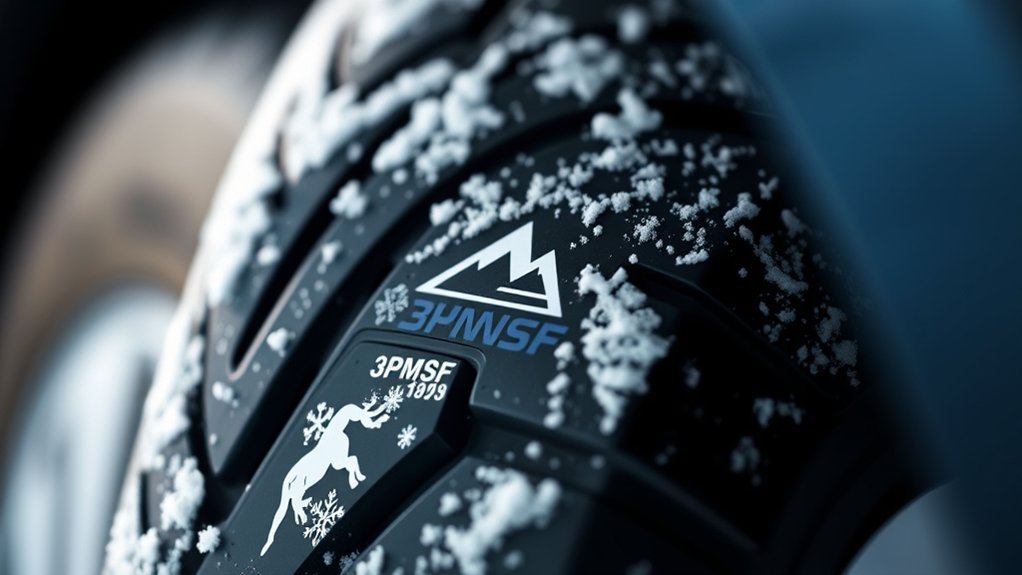
The 3PMSF tire symbol on your Hyundai Sonata means the tire has met a severe-snow traction standard, not just a general “all-season” claim. It is most useful if you drive in cold weather, packed snow, slush, mountain passes, or places with winter-tire rules. The symbol can help you choose safer winter-ready tires, but it does not replace correct tire size, proper pressure, enough tread depth, and careful driving.
Quick Answer
The 3PMSF symbol on a Hyundai Sonata tire means the tire meets a severe-snow performance requirement and is designed for better traction in winter conditions than a basic M+S tire. Look for it if you drive in snow, slush, freezing temperatures, or areas where winter tires are required or strongly recommended.
Key Takeaways
- 3PMSF stands for Three-Peak Mountain Snowflake, the mountain-and-snowflake symbol found on tires built for severe snow service.
- A 3PMSF tire is not automatically the same as a dedicated winter tire; some all-weather tires also carry the symbol.
- M+S tires can handle some mud and light snow, but 3PMSF tires must meet a more demanding snow-traction standard.
- For your Hyundai Sonata, always match the tire size, load index, speed rating, and cold tire pressure listed on the driver-side door placard or owner’s manual.
- Install winter tires as a full set of four before temperatures regularly stay below about 45°F (7°C).
At a Glance
| Time Required | 10–20 minutes to inspect tire markings, tread depth, and tire pressure; longer if you are scheduling a tire swap. |
| Difficulty | Easy for inspection; professional installation and balancing are recommended for mounting tires. |
| Tools Needed | Flashlight, tire pressure gauge, tread-depth gauge, and your Sonata’s tire placard or owner’s manual. |
| Cost | Free to inspect; tire purchase and installation costs vary by tire size, brand, wheel package, and local labor rates. |
Understanding the 3PMSF Symbol and Its Importance for Your Hyundai Sonata
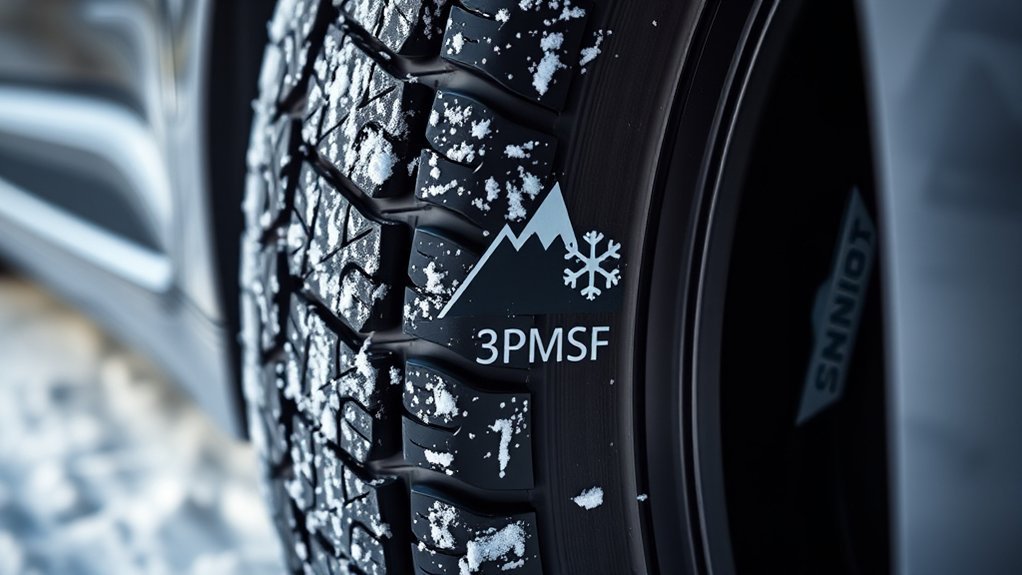
The 3PMSF symbol is the small mountain outline with a snowflake inside it. It tells you that the tire has met a defined severe-snow traction requirement. According to Transport Canada, tires with this peaked mountain and snowflake symbol meet specific snow-traction performance requirements and are designed for severe snow conditions.
For a Hyundai Sonata, the symbol matters because a sedan depends heavily on tire grip for braking, steering, and stability. Even if your Sonata has modern traction control or an all-wheel-drive trim, the tire’s rubber compound and tread still determine how much grip the car can use on cold pavement, snow, slush, and ice.
The 3PMSF symbol is a winter-traction rating, not a promise that the tire can stop quickly on every icy road. Use it as one part of your winter safety setup.
[Products Worth Considering]

This tire inflator with pressure gauge delivers long-lasting performance with a durable rubber-protected gauge and sturdy build. The longer hose and 360 swivel air chuck help you seal the valve securely and keep your hands free while measuring, inflating, or deflating. It’s battery-free for reliable use and provides ±2 PSI accuracy in the mid-range for most typical tires, with universal compatibility for 1/4 NPT compressor outputs.

Milton S-921 pencil tire pressure gauge helps you maintain optimal tire pressure for passenger cars with accurate readings in PSI and kPa. It features a built-in deflator valve for convenient pressure adjustments, plus a single chuck head and nylon indicator bar for easy use on the go. Built from durable plated brass and designed for reliable performance, it’s a practical road trip and cold-weather maintenance tool.

The SAFELIFE dial tire tread depth gauge measures tread depth in 1/32 inch increments with clear, easy-to-read 2-inch dial face. Color zones using a traffic light system help you quickly judge whether tread is low, marginal, or ample for safer driving. Built with a durable zinc cast body and a metal detect probe for precise, comfortable use across cars, motorcycles, trucks, and buses.
What the 3PMSF Rating Actually Certifies
The 3PMSF mark is not just a marketing label. The U.S. Tire Manufacturers Association severe-snow definition uses a medium-packed-snow traction test and minimum snow-grip-index thresholds against Standard Reference Test Tires. In that definition, passenger and light-truck severe-snow tires qualify for the mountain/snowflake pictogram when they meet the required snow-grip performance level.
That means a 3PMSF tire has proven snow traction in a standardized test. It does not mean the tire is automatically best for ice, deep snow, warm weather, or every driving style. A dedicated winter tire usually gives the strongest cold-weather performance, while some all-weather tires offer 3PMSF certification with better year-round convenience.
Note: If your Sonata tires show only “M+S” and do not show the mountain/snowflake symbol, they may be acceptable for mild snow in some regions, but they have not passed the same severe-snow traction requirement as a 3PMSF tire.
The Safety Benefits of 3PMSF Tires in Snowy Conditions
Driving in snowy conditions can be challenging, but equipping your Hyundai Sonata with the right 3PMSF-rated tires can improve winter control. These tires are built with tread patterns, rubber compounds, and siping designed to bite into packed snow and stay more flexible in cold weather.
Transport Canada notes that all-season and summer tires begin to lose elasticity below about 45°F (7°C), while winter tires keep their elasticity and grip at much lower temperatures. That is why many drivers switch before the first major snowfall, not after.
Good 3PMSF tires can help with:
- Starting traction: better grip when pulling away from a snowy stop.
- Braking stability: more predictable stopping on cold, snow-covered pavement.
- Cornering control: better response when turning on slush or packed snow.
- Slush management: tread grooves can help move snow and slush away when tread depth is adequate.
Warning: 3PMSF tires improve winter traction, but they do not guarantee control on ice. Slow down, increase following distance, avoid sudden steering or braking, and replace tires before tread becomes too shallow for snow.
When to Switch to 3PMSF Tires for Winter Driving
For winter driving, a good rule is to install 3PMSF winter or all-weather tires when daily temperatures regularly stay below about 45°F (7°C). This often happens before the first serious snowfall, which is why waiting until roads are already icy can leave you unprepared.
Many Sonata owners switch in late fall and remove winter tires in spring once temperatures are consistently warmer. The exact timing depends on your local climate, commute, elevation, and legal requirements. If you drive through mountain passes, rural roads, or early-morning freezing conditions, switch sooner rather than later.
Pro Tip: Book your winter tire appointment before the first forecasted snowstorm. Tire shops fill up quickly once temperatures drop, and early installation gives you time to check pressure, tread depth, and handling before the worst weather arrives.
3PMSF vs. M+S: What’s the Difference?
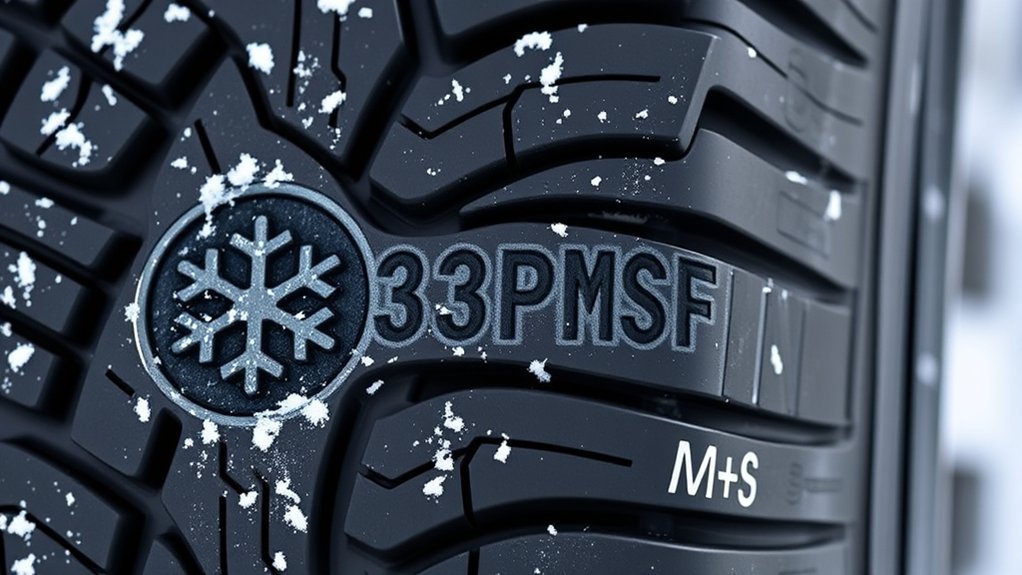
The biggest difference is that 3PMSF is tied to a severe-snow traction performance requirement, while M+S is based more on tread design features for mud and snow use. The USTMA M+S definition describes tread characteristics such as slots, pockets, and void area, while the 3PMSF severe-snow definition adds a snow-traction performance threshold.
| Marking | What It Means | Best Use |
| M+S | Mud and Snow marking based on tread design characteristics. | Mild winter conditions, occasional light snow, or regions where M+S is legally accepted. |
| 3PMSF | Three-Peak Mountain Snowflake symbol showing the tire met a severe-snow traction requirement. | Cold-weather driving, packed snow, slush, mountain routes, and stronger winter traction needs. |
If you live where winter is mild and snow is rare, an M+S tire may be enough for local rules. If you regularly drive your Sonata in real snow, freezing rain, mountain roads, or icy morning commutes, choose a 3PMSF-rated tire instead.
[Products Worth Considering]

Monitor tire tread wear with a smart, color-coded depth gauge that shows clear condition ranges at a glance. The bar is range marked for fast, easy readings, helping you maintain safer traction and performance. Each gauge is portable with a pocket clip, and the set includes 20 units for daily use and sharing.
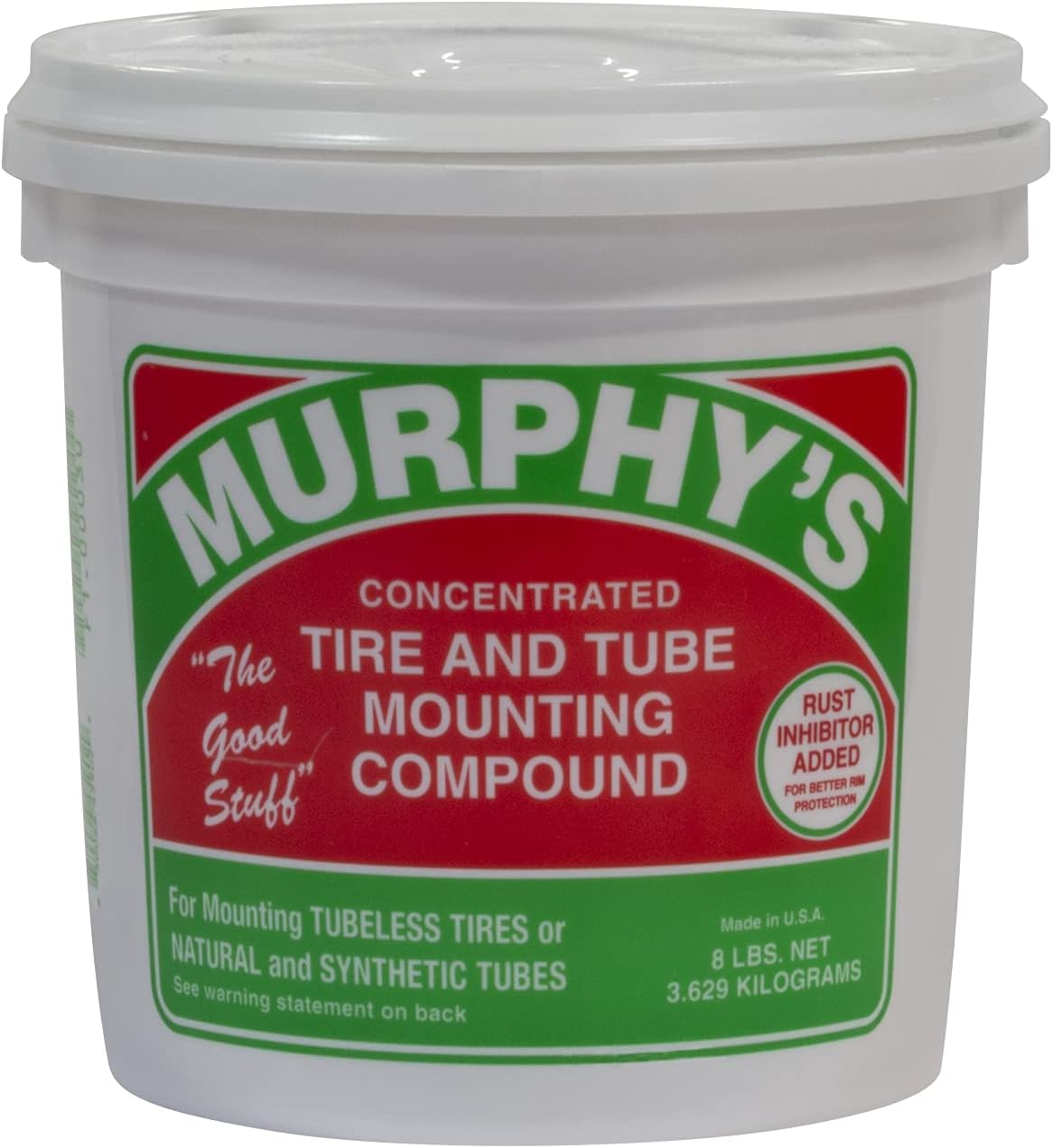
A concentrated tire and tube mounting compound designed to help simplify mounting rubber tires and tubes on passenger, semi truck, construction, and OTR applications. Its ultra-thick formula packs beads effectively and includes rust inhibitors to help protect against corrosion during use.

Measure tire tread depth quickly and accurately with this LUMITECO dial gauge that reads in 1/32" increments up to 14/32". The color-coded green/yellow/red zones make it easy to judge tire wear and know when replacement is needed. A rugged, compact design with a protective pouch helps keep the gauge ready for use on cars, trucks, motorcycles, and more.
Choosing 3PMSF Winter Tires for Your Driving Needs
Choosing the right 3PMSF tires for your Hyundai Sonata starts with fitment. Do not shop by symbol alone. Use the tire size, load index, speed rating, and pressure information on your driver-side door placard or in the owner’s manual. Hyundai’s owner manual also says tire pressure should be checked when the tires are cold, meaning the vehicle has not been driven for at least three hours or has been driven less than 1 mile.
Use Four Matching Tires
For stable handling, install winter tires as a matched set of four. Transport Canada recommends installing winter tires on all four wheels and avoiding mixed tires with different tread patterns, construction, or sizes because mixing can reduce stability.
Check Tread Depth Before Winter
Tread depth matters as much as the symbol. Transport Canada warns against using tires worn close to 4 mm (5/32 inch) on snow-covered roads. Québec recommends at least 4.8 mm of groove depth for winter use, while British Columbia requires at least 3.5 mm tread depth for legal winter tires on signed routes. For practical winter safety, do not wait until the legal minimum if you regularly drive in snow.
Pick the Right Type of 3PMSF Tire
- Dedicated winter tires: best choice for frequent snow, ice, and long periods below 45°F (7°C).
- All-weather tires with 3PMSF: useful if you want one set year-round and your winters are moderate.
- Performance winter tires: a good fit if you want better cold-weather handling but still need snow traction.
Legal Notes for Québec, British Columbia, and Winter Routes
Winter tire rules depend on where you drive. In Québec, a compliant winter tire must be marked with the winter pictogram or be studded, with some listed exceptions. In British Columbia, a legal winter tire for a standard passenger vehicle must have at least 3.5 mm of tread depth and be marked with either M+S or the 3-peaked mountain/snowflake symbol.
If you travel across provinces, states, or mountain passes, check the official route signs and government rules before you go. A tire can be legal in one place and still be a poor choice for the conditions you actually face.
Frequently Asked Questions
What is the symbol for snow tires?
The most important snow-tire symbol is the Three-Peak Mountain Snowflake, often shortened to 3PMSF. It looks like a snowflake inside a three-peaked mountain and means the tire meets a severe-snow traction requirement.
What does PMSF mean for tires?
PMSF usually refers to the Peak Mountain Snowflake marking, more commonly written as 3PMSF. It shows that a tire has met a severe-snow service requirement and is designed for better snow traction than a basic all-season or M+S-only tire.
Do I need 3PMSF tires on a Hyundai Sonata?
You should strongly consider 3PMSF tires if your Sonata is driven in regular snow, slush, freezing temperatures, or mountain winter routes. If your winters are mild and snow is rare, all-weather 3PMSF tires may be a practical compromise.
Are 3PMSF tires the same as winter tires?
Not always. Many dedicated winter tires carry the 3PMSF symbol, but some all-weather tires also carry it. The symbol confirms severe-snow traction performance; the tire category tells you whether it is meant mainly for winter or for year-round use.
Can I mix 3PMSF tires with regular tires?
Avoid mixing them. For best stability, use four tires with the same size, construction, tread type, and similar tread depth. Mixing winter and non-winter tires can make your Sonata less predictable when braking or turning.
Conclusion
Equipping your Hyundai Sonata with 3PMSF-rated tires can make winter driving safer and more predictable when temperatures drop and roads turn snowy or slushy. The symbol means the tire has met a severe-snow traction requirement, which makes it more meaningful than an M+S marking alone. For the best result, choose four matching tires that fit your Sonata’s specifications, check cold tire pressure regularly, monitor tread depth, and adjust your driving to the weather.
Sources
- U.S. Tire Manufacturers Association — TISB Vol. 37 severe snow tire definition — backs up the 3PMSF severe-snow performance standard.
- U.S. Tire Manufacturers Association — TISB Vol. 10 M+S snow tire definition — backs up the difference between M+S and severe-snow markings.
- Transport Canada — Using winter tires — backs up 3PMSF meaning, 45°F/7°C cold-weather guidance, four-tire installation, tread depth, and pressure advice.
- Gouvernement du Québec — Requirements for winter tires — backs up Québec winter-tire compliance and tread-depth guidance.
- Province of British Columbia — Passenger vehicle tire and chain requirements — backs up B.C. winter-tire markings and 3.5 mm tread-depth requirement.
- Hyundai Owner’s Manual — Recommended cold tire inflation pressures — backs up cold tire-pressure checking guidance.
[Products Worth Considering]

Accurately measure tire tread depth with a calibrated gauge marked from 0 to 1 inch in 1/32 inch increments. The color-coded bar helps you quickly identify tread condition ranges, supporting safe driving for trucks, motorcycles, automobiles, and passenger vehicles.

The Milton S-693 straight foot dual head air chuck is designed for accurate tire pressure checks and quick, secure valve-core engagement with lock-on threads on both ends. With a 1/4" FNPT connection and a maximum 150 PSI rating, it’s built for use on inner duals and common vehicle tires, including trucks and RVs.

MORNYRAY universal tire covers help protect RV, truck, SUV, trailer, and camper tires from sun, rain, and snow with waterproof, anti-UV fabric and a soft inner lining. Elasticized bands and windproof buckle design help keep covers securely in place for easy on and off use. The set includes a storage bag for convenient handling when not in use.

Related Articles

Danger of Using Summer Tires in Winter on a Hyundai Sonata
Potentially perilous, using summer tires in winter on your Hyundai Sonata can compromise safety—discover the hidden dangers that await you on icy roads.
Read More
Can You Mix Nitrogen and Air in Hyundai Sonata Tires? Answered
Discover the implications of mixing nitrogen and air in your Hyundai Sonata tires—are the benefits worth the risks? Explore the answer inside!
Read More
How to Tell If Hyundai Sonata Tires Are Too Old to Use Safely
Understand how to assess the age of your Hyundai Sonata tires and discover crucial signs of deterioration that could compromise your safety on the road.
Read More