
Directional Tires for Hyundai Sonata: Fit & Rotation Guide
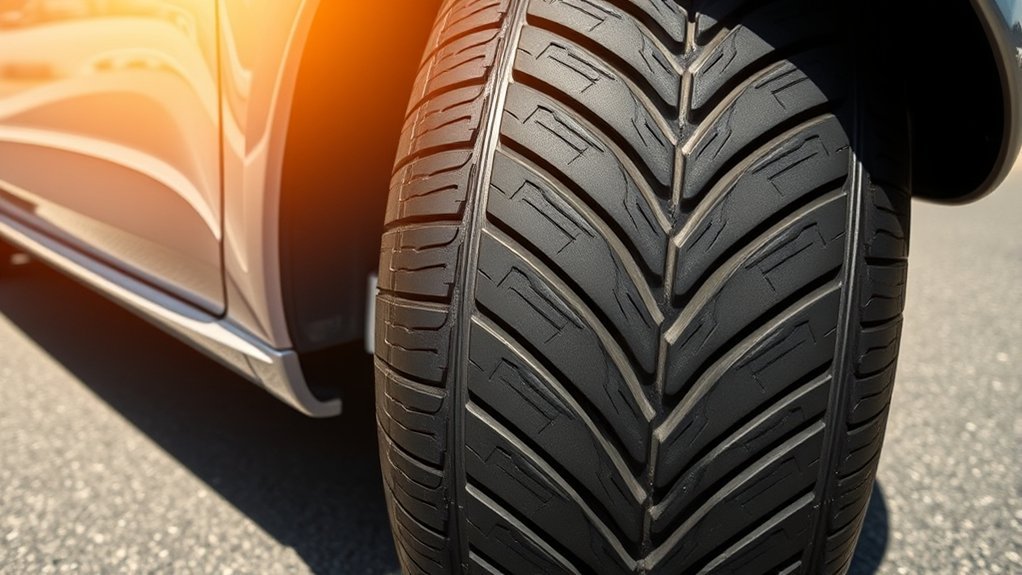
Directional tires can help your Hyundai Sonata feel more stable in rain, but only when you mount and maintain them the right way. Their V-shaped tread channels water away from the tread, which can improve wet-road grip and reduce hydroplaning risk. This guide explains how directional tires work, how to spot them, how to rotate them, and when they make sense for your Sonata.
Quick Answer
Directional tires use a one-way tread pattern that helps move water away from the tire. On a Hyundai Sonata, they can improve wet traction and steering feel when you install them with the sidewall arrows pointing forward. You must rotate them front to rear on the same side unless a tire professional remounts them.
Key Takeaways
- Check the sidewall arrows before mounting directional tires on your Hyundai Sonata.
- Use directional tires if you want stronger wet-road grip and more confident steering.
- Rotate directional tires front to rear on the same side to keep the tread facing correctly.
- Check tire pressure, tread depth, and alignment often to reduce uneven wear.
- Choose the tire size and load rating listed on your Sonata’s tire placard or owner’s manual.
Understanding Directional Tires: Design and Purpose
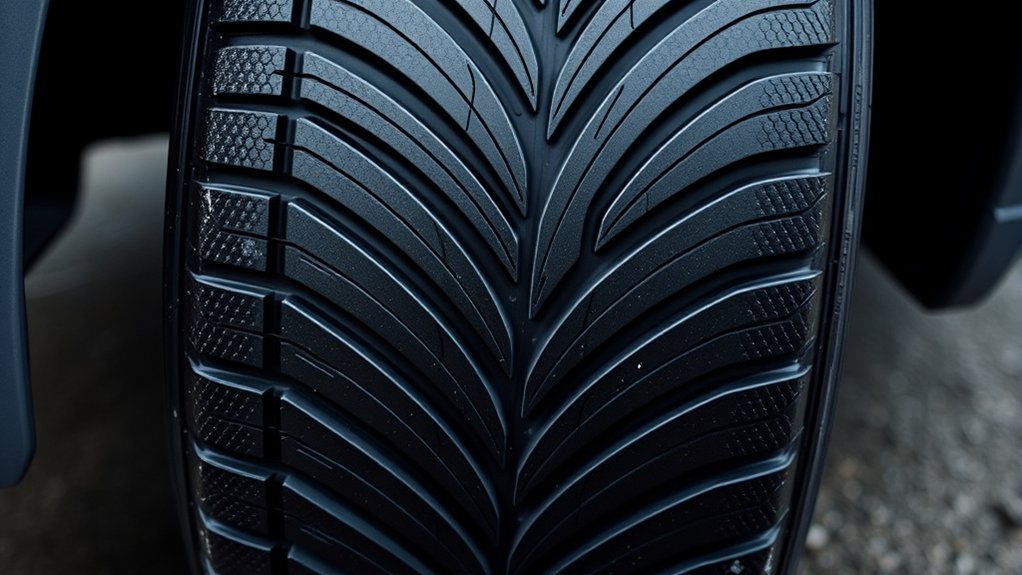
Directional tires use a tread pattern that rolls in one set direction. Many designs use V-shaped grooves or angled channels that help push water away from the tire’s contact patch.
This design can improve grip on wet roads and lower the risk of hydroplaning. It can also help your Sonata feel more planted during steady highway driving and quick lane changes.
You must install directional tires with the tread facing the correct way. Look for arrows, triangles, or the word “rotation” on the sidewall before mounting them.
Unlike many symmetrical tires, directional tires can’t switch from one side of the car to the other unless a tire shop remounts them. A simple rotation moves each tire from front to rear on the same side.
[Products Worth Considering]

EVOULTES heavy duty tire inflator with an integrated gauge delivers accurate pressure readings from 10–120 PSI, helping you inflate, deflate, and check tires in one tool. The 16.5-inch extended dual-head air chuck with swivel base reaches hard-to-access dual wheel valves on trucks and RVs. A brass trigger core and side-mounted air release valve make operation smooth, with standard 1/4" NPT threading and quick-connect compatibility for easy setup.

The JACO FlowPro Tire Inflator measures, inflates, and airs down tires up to 100 PSI with battery-free operation and ±2% accuracy after calibration. It features a glowing pressure dial for night visibility, a heavy-duty steel build with a hybrid hose, and a precision push-to-inflate thumb trigger. The patented Lightning Air Chuck locks on for a secure seal, and the kit includes quick-connect hardware for easy inline use with your air compressor.

Blackline Blackout is a water-based trim and tire dressing that restores rubber, vinyl, and plastic with a rich satin, blackout look. Its no-sling formula dries quickly and helps prevent messy transfer onto paint. The coating repels water and offers UV protection to help prevent fading, cracking, and discoloration for a clean, long-lasting finish.
How Directional Tires Can Improve Hyundai Sonata Performance
Directional tires can help your Hyundai Sonata perform better in wet weather. Their angled grooves move water away from the tread, which helps the rubber stay in contact with the road.
You may also notice sharper steering response if you choose a quality tire that matches your Sonata’s size, load rating, and speed rating. The tire model, tread compound, and road surface still affect the final result.
Enhanced Wet Performance
Wet roads can make your Sonata feel less sure-footed, especially at highway speeds. Directional tires can help by channeling water away before it builds under the tread.
These tires can support wet-weather driving in a few key ways:
- Better water movement: Angled grooves help move water away from the contact patch.
- Stronger wet grip: A quality directional tread can help the tire hold the road on slick surfaces.
- More stable handling: The one-way pattern can help the car feel steady during rain.
Warning: Directional tires reduce hydroplaning risk, but they can’t make standing water safe at high speeds.
Improved Cornering Stability
Cornering stability matters when you drive on curves, ramps, and wet city streets. Directional tires can give your Sonata a more secure feel because the tread blocks work in a planned rolling direction.
You still need the right tire pressure and alignment. Even a strong directional tire will wear poorly if the suspension or wheel alignment falls out of spec.
| Feature | Benefit |
|---|---|
| V-shaped tread design | Helps grip during wet-road turns |
| Water evacuation channels | Helps reduce hydroplaning risk |
| One-way tread orientation | Supports predictable steering feel |
| Proper tire pressure | Keeps the tread working evenly |
How to Identify Directional Tires: Key Features and Markings
You can identify directional tires by checking the tread and sidewall markings. Most directional patterns form an arrow, V, or sweeping channel shape when you view the tire from the front.
Use these signs to confirm what you have:
- Tread pattern: V-shaped or angled grooves point toward the tire’s rolling direction.
- Sidewall markings: Arrows, triangles, or “rotation” text show the correct direction.
- Rotation limits: Directional tires usually move front to rear on the same side.
Incorrect installation can reduce wet grip and create faster, uneven wear. Check the arrows before you drive, especially after tire service.
Installing Directional Tires for Best Performance
Install directional tires with the sidewall arrows pointing toward the front of the car when the tire rolls forward. This step matters because the tread only works as designed in one direction.
Before installation, confirm that the tire size, load index, and speed rating match your Hyundai Sonata’s requirements. You can find those details on the driver-side door placard or in the owner’s manual.
Proper Installation Techniques
Correct installation helps your tires deliver the wet traction and steering feel you expect. Follow these checks before you leave the tire shop or garage:
- Match the arrows: Make sure each sidewall arrow points in the forward rolling direction.
- Confirm the tire size: Use the size listed for your Sonata trim and wheel package.
- Balance each wheel: Wheel balance helps reduce vibration and uneven tread wear.
- Check the alignment: Proper alignment helps the tread wear evenly.
Pro tip: Ask the installer to show you the sidewall arrows before the wheels go back on the car.
Rotation Best Practices
Directional tires need a different rotation pattern than many non-directional tires. Move the front tire to the rear on the same side, and move the rear tire to the front on that same side.
Do not cross the tires from left to right unless a tire shop removes them from the wheels and remounts them correctly. Crossing them without remounting makes the tread roll backward.
Check your Sonata’s owner’s manual for the recommended tire rotation interval. Many drivers rotate tires around every 5,000 to 7,500 miles, but your tire type and driving habits can change that range.
Rotation Practices for Directional Tires on Your Sonata
Proper rotation helps directional tires wear more evenly on your Hyundai Sonata. It also helps you keep the tire’s designed rolling direction intact.
Rotate directional tires front to rear on the same side unless a tire professional remounts them for the opposite side.
Use this simple routine to protect tire life and handling:
- Rotate the tires on the schedule in your owner’s manual or tire warranty guide.
- Check tire pressure at least monthly and before long trips.
- Inspect tread depth and look for cupping, feathering, or shoulder wear.
- Schedule an alignment check if the car pulls, vibrates, or wears one tire faster.
[Products Worth Considering]

These universal tire valve stem caps help protect your valve core from dust, debris, moisture, and corrosion, supporting more stable tire pressure. The aluminum alloy design resists long-term wear, while the sealing construction helps help prevent air leakage. They twist on easily for quick installation and help safeguard driving safety across cars, SUVs, trucks, and motorcycles.

This 100-piece tire repair screw plug kit provides a fast, self-service solution for punctures on the road. Choose the correct plug size, insert it into the break, and screw it in to help seal the puncture and temporarily restore tire pressure. Thickened threads and rubber-wrapped plugs improve bite and sealing while remaining compact and easy to carry.
Comparing Directional Tires to Other Types: A Detailed Look
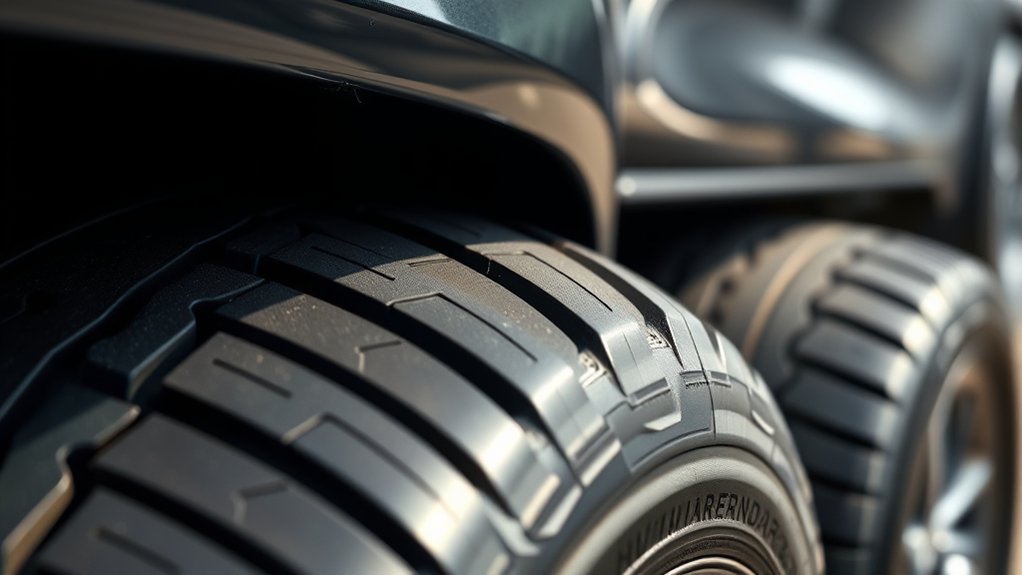
Directional tires work best for drivers who value wet traction and confident steering. They often suit performance-focused sedans, sporty tire packages, and rainy climates.
Symmetrical tires use the same tread pattern across the whole tire. They usually offer simple rotation options and steady daily driving performance.
Asymmetrical tires use different inner and outer tread zones. They can balance wet grip, dry grip, and cornering support, but they still need correct inside-outside mounting.
| Tire Type | Best For | Rotation Notes |
|---|---|---|
| Directional | Wet grip and sporty steering | Front to rear on the same side |
| Symmetrical | Simple daily driving and easy rotation | Usually the most flexible |
| Asymmetrical | Balanced wet and dry performance | Keep the outside sidewall facing out |
Directional tires can cost more than basic touring tires, depending on the brand and model. Compare tread life warranty, wet traction rating, road noise, and ride comfort before you buy.
When Directional Tires Make Sense for a Hyundai Sonata
Directional tires make sense if you drive often in rain or want a more planted feel on wet roads. They can also fit well if your Sonata has larger wheels or a sport-oriented tire package.
They may not be the best choice if you want the easiest rotation pattern or the longest possible tread life for basic commuting. A quality symmetrical or asymmetrical touring tire may suit you better in that case.
Your climate, driving style, road surface, and budget should guide your choice. A tire professional can help you compare options that match your Sonata’s trim and wheel size.
Maintaining Directional Tires for Longevity and Performance
Directional tires can perform well for many miles when you maintain them with care. Small habits, like checking pressure and tread wear, make a real difference.
Focus on these maintenance steps:
- Install them correctly: Keep the sidewall arrows facing the forward rolling direction.
- Rotate them properly: Move them front to rear on the same side.
- Check inflation: Use the pressure listed on your Sonata’s tire placard.
- Watch tread wear: Look for uneven wear before it becomes a safety issue.
- Drive smoothly: Avoid hard launches, sharp cornering, and sudden braking when possible.
Seasonal tire changes can also help if you drive in snow or freezing temperatures. Winter tires usually provide better cold-weather traction than all-season directional tires.
Frequently Asked Questions
What Is the Purpose of Directional Tires?
Directional tires improve wet-road performance by moving water away from the contact patch. Their one-way tread pattern can also support sharper steering and more stable handling.
How to Do Hyundai Tire Rotation?
For directional tires, rotate the front tire to the rear on the same side and move the rear tire to the front on that side. Do not cross them left to right unless a tire shop remounts them so the arrows still point forward.
Can You Put Directional Tires on Backward?
You can physically mount them backward, but you should not drive that way. Backward directional tires may move water poorly, reduce wet traction, and wear unevenly.
Are Directional Tires Good for Daily Driving?
Directional tires can work well for daily driving, especially in wet climates. If you want simple rotations and quiet comfort above all else, compare them with touring or asymmetrical tires before buying.
Do Directional Tires Wear Faster?
Directional tires do not have to wear faster, but their rotation limits can make uneven wear harder to correct. Proper pressure, alignment, and same-side rotation help extend tread life.
Conclusion
Directional tires can make your Hyundai Sonata feel safer and more confident on wet roads when you install and rotate them correctly. Before you buy, match the tire size and ratings to your Sonata and think about your local weather. After installation, check the sidewall arrows, tire pressure, and tread wear on a regular schedule. With the right care, directional tires can help your Sonata deliver steady grip and a smoother drive.

Related Articles

Danger of Using Summer Tires in Winter on a Hyundai Sonata
Potentially perilous, using summer tires in winter on your Hyundai Sonata can compromise safety—discover the hidden dangers that await you on icy roads.
Read More
Can You Mix Nitrogen and Air in Hyundai Sonata Tires? Answered
Discover the implications of mixing nitrogen and air in your Hyundai Sonata tires—are the benefits worth the risks? Explore the answer inside!
Read More
How to Tell If Hyundai Sonata Tires Are Too Old to Use Safely
Understand how to assess the age of your Hyundai Sonata tires and discover crucial signs of deterioration that could compromise your safety on the road.
Read More