
Hyundai Tire Warranty: What’s Covered in 2026

Hyundai’s new-vehicle warranty does not cover tires, so you’ll usually work with the tire maker for tire defects or early tread problems. Tire brands may cover manufacturing defects, such as tread separation or sidewall bulges, but they usually exclude normal tread wear, punctures, road-hazard damage, and poor maintenance. Keep tire receipts, rotation records, inflation logs, and clear photos before you file a claim. This guide explains what Hyundai excludes, when a tire-maker warranty may help, and how you can protect your claim.
Key Takeaways
- Hyundai’s vehicle warranty excludes tires, so tire claims usually go through the tire manufacturer.
- Tire-maker warranties may cover manufacturing defects, such as bulges or tread separation.
- Normal wear, punctures, impact damage, and poor maintenance usually fall outside warranty coverage.
- Dealer road-hazard plans may help with pothole damage, nails, and other covered road risks.
- Receipts, rotation records, pressure logs, and photos can strengthen your tire warranty claim.
Quick Answer: Are Hyundai Tires Covered?

Hyundai does not cover tires under its standard new-vehicle warranty. Tire coverage usually comes from the tire manufacturer, such as Michelin, Goodyear, Continental, Kumho, Hankook, or another brand installed on the vehicle.
That means you’ll need to check the tire brand’s warranty terms, not only Hyundai’s warranty booklet. Tire-maker warranties may cover defects in materials or workmanship, but they usually do not cover road hazards, normal wear, neglect, or damage from improper inflation.
When the Hyundai Tire Warranty Applies
Hyundai’s vehicle warranty applies to covered vehicle parts, not to the tires themselves. If your tire has a structural defect, you’ll usually submit the claim to the tire manufacturer.
A Hyundai dealer can still help inspect the tire, confirm the tire brand, and point you to the correct warranty process. You should bring your maintenance records, tire purchase documents, and photos of the problem.
Tire Manufacturer Coverage
Tire manufacturers handle warranty claims for defects such as tread separation, sidewall bulges, or other failures tied to materials or workmanship. Each tire brand sets its own time limits, mileage limits, exclusions, and claim steps.
Most tire warranties do not pay for damage caused by nails, potholes, curb strikes, underinflation, overloading, or skipped rotations. Some warranties also prorate coverage, so the credit may shrink as the tire wears.
| Issue That May Be Covered | Typical Exclusion | Action Required |
|---|---|---|
| Tread separation | Road-hazard damage | Contact the tire manufacturer |
| Bulging sidewall from a defect | Improper maintenance | Provide proof of purchase |
| Manufacturing-related structural failure | Time or mileage limits | Follow the claim procedure |
When Hyundai Applies
Hyundai may help if a covered vehicle problem damages the tires, such as an issue with a covered suspension or alignment-related component. The tire itself still usually falls under the tire-maker warranty.
Before you file, confirm the tire brand, tire size, original installation date, mileage, and warranty terms. Then gather the documents the tire maker requests.
- Verify the tire warranty duration and mileage limits.
- Collect tire receipts and service records.
- Inspect the tires for bulges, cracks, separation, and uneven wear.
- Report possible defects to the tire maker quickly.
- Follow the tire brand’s claim process exactly.
When Hyundai Won’t Cover Tires: Wear, Hazards, and Neglect
Hyundai won’t replace tires for normal tread loss, punctures, impact damage, or poor upkeep. Tire manufacturers and road-hazard plans handle most tire-specific claims.
You can avoid many claim problems by documenting regular care. Keep records for rotations, pressure checks, alignment work, and tire inspections.
Normal Wear and Tear
Hyundai does not cover tires that wear down from regular driving. Tread loss happens over time, and you must replace tires when they reach unsafe or illegal limits.
Good maintenance can extend tire life and support a claim if a defect appears. Track tread depth and service dates so you can show proper care.
- Check tire pressure at least monthly.
- Rotate tires on the schedule in your owner’s manual or tire warranty booklet.
- Measure tread depth with a gauge.
- Check alignment if you notice pulling, vibration, or uneven wear.
- Keep service records for every tire rotation and inspection.
Road Hazard Damage
Road-hazard damage includes punctures, cuts, curb damage, pothole impacts, and sidewall injuries from debris. Hyundai’s vehicle warranty does not cover those tire problems.
A dealer road-hazard plan, tire-shop protection plan, or tire-maker road-hazard program may help if you bought one. Read the contract because limits, exclusions, repair rules, and reimbursement terms vary.
Warning: Do not keep driving on a tire with a bulge, exposed cord, deep sidewall cut, or active air loss.
Lack of Proper Maintenance
Hyundai and tire manufacturers can deny claims when poor maintenance caused or worsened the tire damage. Common examples include low pressure, missed rotations, overloading, or ignored alignment problems.
Maintenance records protect you from claim disputes. They show that you cared for the tires before the failure appeared.
- Save rotation invoices and odometer readings.
- Log tire pressure checks and corrections.
- Keep alignment and suspension repair records.
- Replace tires that reach unsafe tread depth.
- Take photos when damage first appears.
How to File a Hyundai Tire Warranty Claim
If your Hyundai’s tires show a defect or early wear, start with the tire brand listed on the sidewall. Hyundai does not usually process tire warranty claims as vehicle warranty claims.
Contact the tire manufacturer’s customer service team or visit its warranty page. The brand may ask you to visit an authorized tire dealer for inspection.
- Find the tire brand, model, size, and Department of Transportation (DOT) code on the sidewall.
- Gather the vehicle mileage, tire mileage, purchase documents, and service records.
- Take clear photos of tread depth, damage, and all affected tires.
- Contact the tire manufacturer or an authorized tire dealer.
- Follow the inspection process and keep copies of every invoice and message.
If the tire maker approves the claim, you may receive a replacement, prorated credit, or reimbursement based on its policy. If it denies the claim, ask for the reason in writing.
[Products Worth Considering]
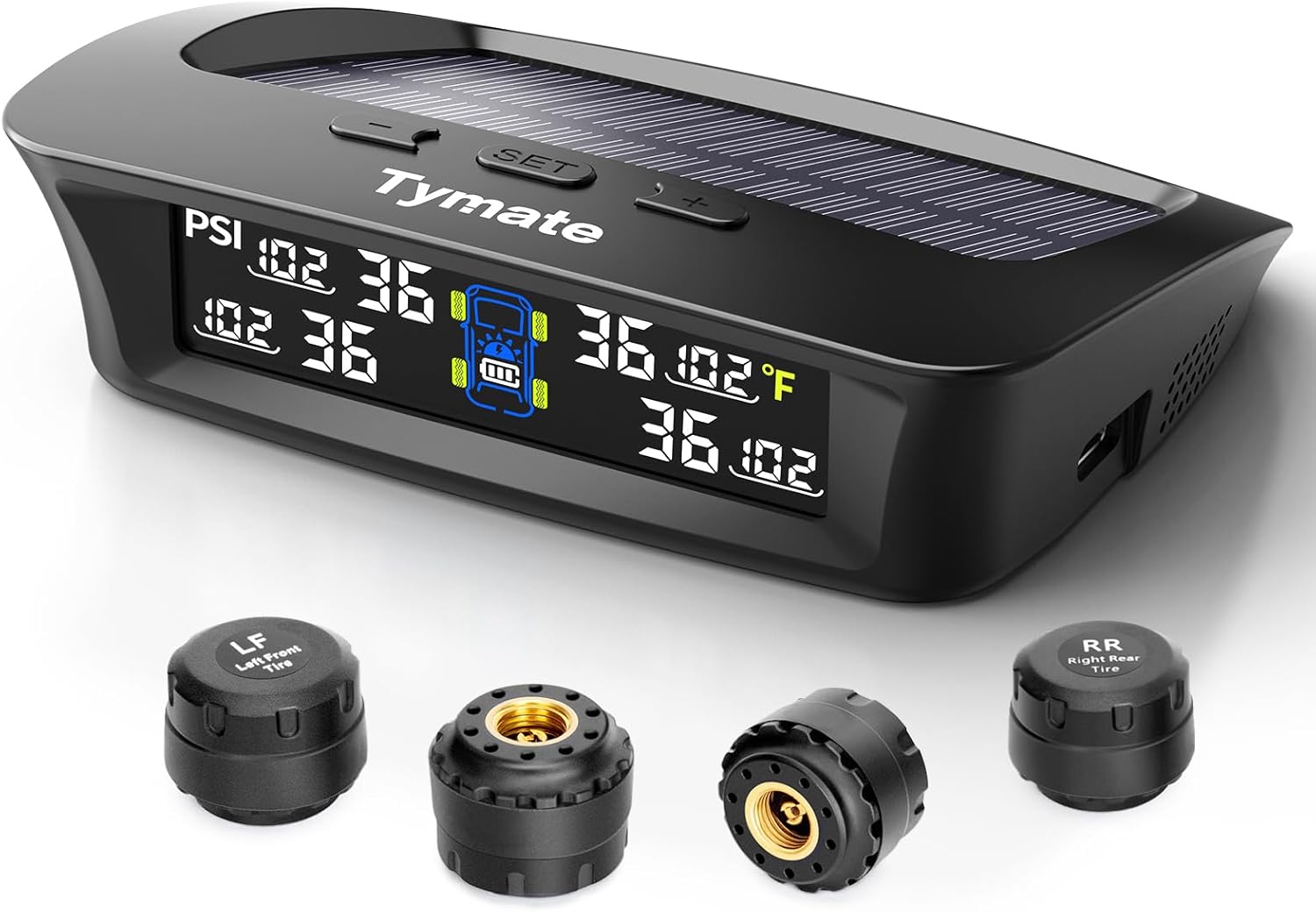
The Tymate TM3 RV TPMS delivers real-time tire pressure monitoring from 0 to 144 PSI with accurate readings and dependable wireless communication. It includes four external sensors with pre-pairing, six alarm modes for rapid leak, pressure extremes, temperature, and signal loss, plus an easy-reference setup for alert thresholds. Solar and USB-C charging help keep the display powered, while the color LCD and adaptive backlight improve visibility for safer driving and towing.

This portable cordless tire inflator delivers up to 160 PSI with fast 17 L/min airflow to help you quickly top up tires and get back on the road. It features dual power mode, running on a 21V rechargeable battery or a 12V DC adapter for convenient roadside use. An automatic shut-off with digital pressure gauge helps prevent overinflation, and a built-in LED light improves visibility in low-light conditions.

This AUTOWN flat tire repair kit is designed for quick, reliable puncture repairs using a plug kit and spiral probe tool to simplify installation. Built for durability and safe handling, it offers strong adhesion and flexibility to help maintain tire air tightness. With a portable storage case and a multi-vehicle approach, it’s suitable for cars, motorcycles, ATVs, tractors, lawn mowers, RVs, jeeps, and trucks.
How Tire-Maker Warranties Differ From Hyundai’s

Hyundai’s vehicle warranty covers many covered vehicle systems, but it does not treat tires like covered Hyundai parts. Tire-maker warranties focus on tire defects, treadwear terms, and the tire brand’s own exclusions.
Some tire warranties cover workmanship and materials for a set period. Others add treadwear mileage coverage, but they often require proof of rotations, correct inflation, and even wear.
- Confirm the tire brand’s warranty term and mileage limits.
- Check whether coverage applies to original equipment tires.
- Review prorated replacement rules before you file.
- Keep tire receipts, warranty cards, and service records.
- Inspect the tires often for defect signs.
Note: Original equipment tires can have different warranty terms than replacement tires sold at tire shops.
Dealer Road-Hazard Plans: Should You Buy One?
A dealer road-hazard plan may make sense if you drive on rough roads, construction routes, or areas with frequent potholes. These plans may cover tire repairs or replacements that Hyundai’s standard warranty excludes.
Read the contract before you buy. Compare the price of the plan with the cost of one or two tire repairs or replacements.
Pay close attention to these terms:
- Coverage length and mileage limits.
- Repair rules for punctures and sidewall damage.
- Replacement limits, caps, or prorated credits.
- Dealer network rules and claim procedures.
- Transferability if you sell the vehicle.
If the plan gives clear coverage for risks you face often, it may reduce surprise costs. If your roads are smooth and your tires are inexpensive, the plan may not add much value.
[Products Worth Considering]

The JACO FlowPro Tire Inflator measures, inflates, and airs down tires up to 100 PSI with battery-free operation and ±2% accuracy after calibration. It features a glowing pressure dial for night visibility, a heavy-duty steel build with a hybrid hose, and a precision push-to-inflate thumb trigger. The patented Lightning Air Chuck locks on for a secure seal, and the kit includes quick-connect hardware for easy inline use with your air compressor.
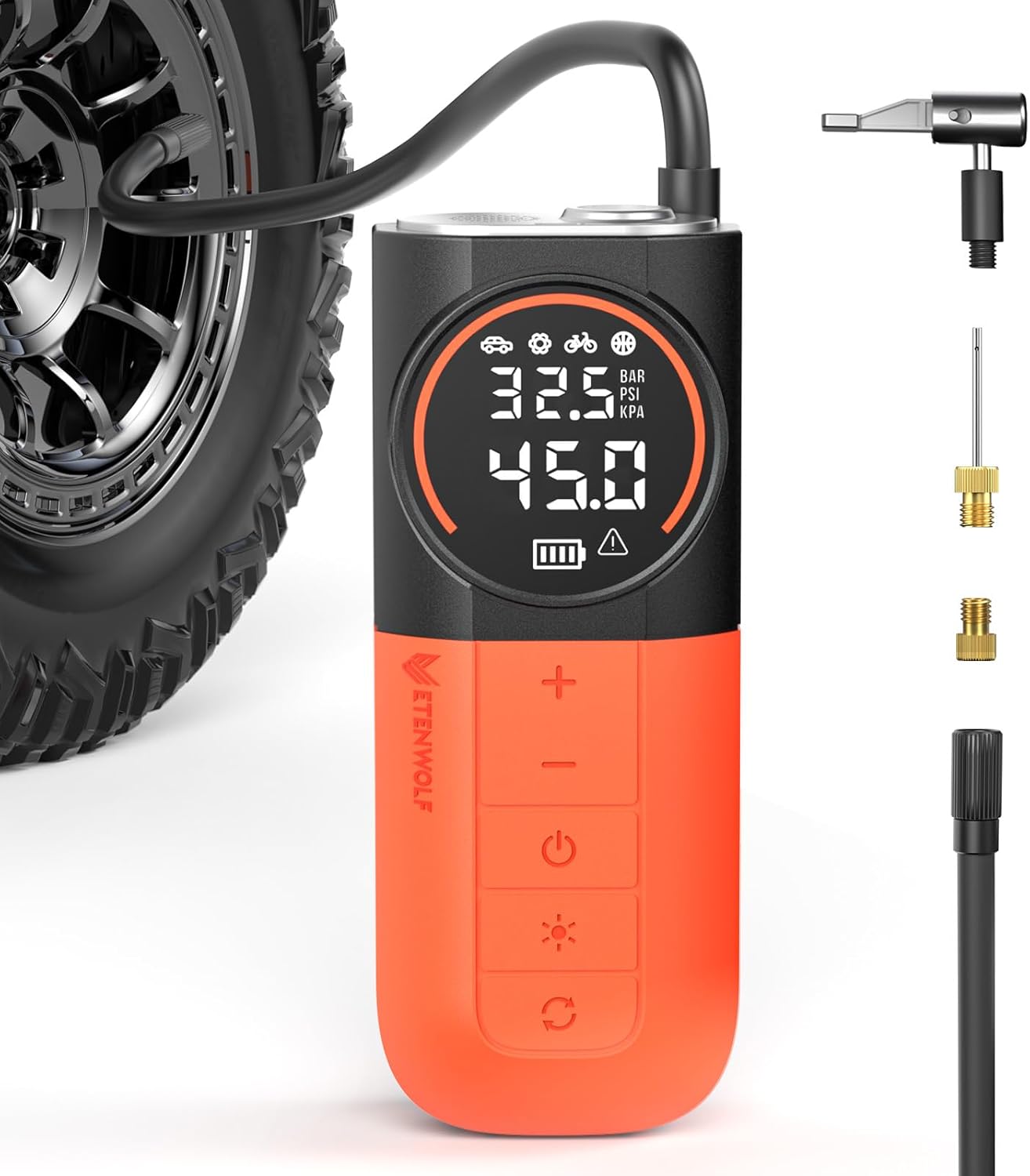
The ETENWOLF S1 cordless tire inflator delivers ultra-fast inflation with up to 160 PSI and a 20 L/min airflow for quicker tire top-offs. Its 5200mAh battery and cooling system support inflating many tires and sports balls on a single charge, while the digital pressure gauge and multi-unit display help you reach the right pressure accurately. With preset modes, pressure memory, an auto-stop feature, and an LED flashlight, it’s built for easy roadside and everyday use.

Size: P285/70R17, Tire Only - Wheel/Rim Not Included. We offer a complimentary 3-Year Road Hazard Warranty and Tread Wear Out Warranty for each of our tires in the event of a tire failure after installation and use, including bulges, air leaks, and blowouts.
Protect Your Tire Warranty: Maintenance and Records
Tire warranty claims depend on proof. You need records that show regular rotations, proper inflation, alignment checks, and prompt repairs.
Create a simple tire file, either on paper or in your phone. Include receipts, photos, pressure logs, tread-depth notes, and dealer inspection reports.
- Record rotation dates and odometer readings.
- Save original tire purchase receipts and warranty cards.
- Log tire pressure checks and inflation values.
- Keep alignment invoices and repair notes.
- Archive emails, claim numbers, and inspection results.
Pro tip: Take photos of each tire during rotations so you can document wear patterns over time.
[Products Worth Considering]

110 Sheets Log Book: This vehicle maintenance log book includes 110 record sheets to track repairs, services, fuel costs, and other vehicle-related expenses. It also comes with 36 convenient “Service Due” stickers to help remind you of upcoming maintenance schedules. Everything you need to keep your car records organized in one place.


All In One Equipment Maintenance Log Book With Detailed Fields:This equipment maintenance log book is designed for complete tracking of machinery and equipment performance Featuring pre-printed sections for Equipment Name Manufacturer Name Model Number Serial Number Purchase Date Item Location and Additional Information this repair log book ensures accurate and consistent service records
Frequently Asked Questions
What Is Not Covered by a Tire Warranty?
Most tire warranties do not cover normal wear, punctures, cuts, curb damage, pothole impacts, or damage from poor maintenance. They also may deny claims if you missed required rotations or drove with improper tire pressure.
Does Hyundai Cover Flat Tires?
Hyundai’s standard vehicle warranty usually does not cover flat tires. A tire road-hazard plan, roadside assistance benefit, tire-shop protection plan, or tire manufacturer program may help, depending on the cause.
Who Do You Call for a Hyundai Tire Warranty Claim?
Call the tire manufacturer or an authorized dealer for that tire brand. A Hyundai dealer can help identify the tire and inspect the vehicle, but the tire maker usually controls the tire claim.
Can a Dealer Deny a Tire Claim for Missed Rotations?
Yes, a tire manufacturer or dealer may deny a tire claim if missed rotations caused uneven wear or violated the warranty terms. Keep rotation invoices and odometer readings to support your claim.
Conclusion
Hyundai’s tire coverage is limited because the tire manufacturer usually handles tire defects. Your best next step is to identify your tire brand, read its warranty terms, and organize your maintenance records. If you drive in high-risk road conditions, compare road-hazard plans before you need one. Good records and quick action give you the strongest chance at a fair claim.

Related Articles

Danger of Using Summer Tires in Winter on a Hyundai Sonata
Potentially perilous, using summer tires in winter on your Hyundai Sonata can compromise safety—discover the hidden dangers that await you on icy roads.
Read More
Can You Mix Nitrogen and Air in Hyundai Sonata Tires? Answered
Discover the implications of mixing nitrogen and air in your Hyundai Sonata tires—are the benefits worth the risks? Explore the answer inside!
Read More
How to Tell If Hyundai Sonata Tires Are Too Old to Use Safely
Understand how to assess the age of your Hyundai Sonata tires and discover crucial signs of deterioration that could compromise your safety on the road.
Read More