Tire Construction Types: Radial vs Bias Guide
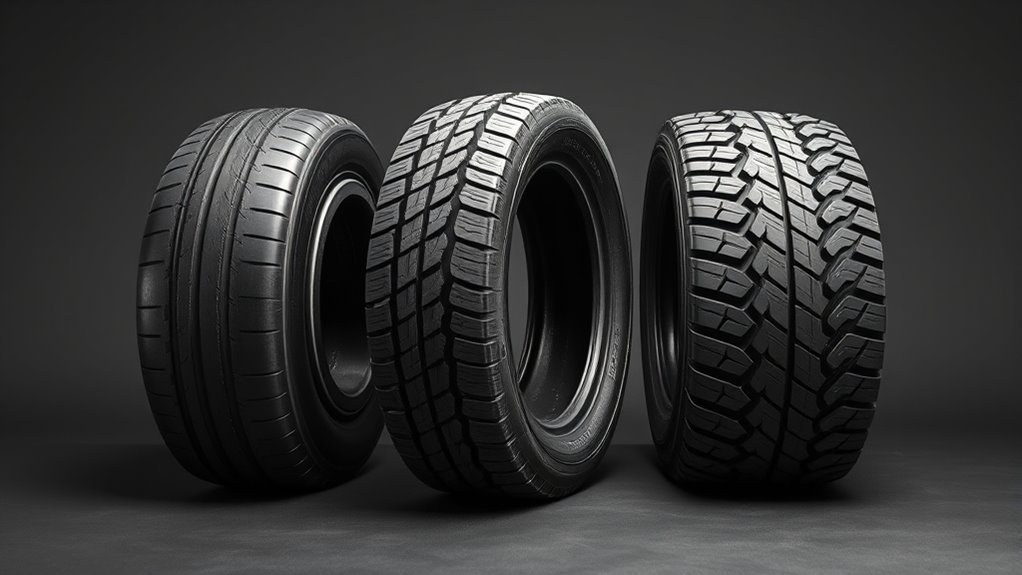
Choose radial, bias-ply, or steel-belted tires based on your vehicle, load, and the terrain you drive on. Radial tires run cooler, save fuel, and last longer on the highway. Bias-ply tires feature flexible sidewalls that handle rugged off-road conditions well, but they run hotter and wear faster on pavement. Steel-belted bias tires offer extra puncture resistance and stability, though they sacrifice some comfort. Always check sidewall codes, load ratings, and inflation levels before making a decision.
Quick Decision Guide: Which Tyres to Choose (Radial vs Bias vs Belted)?
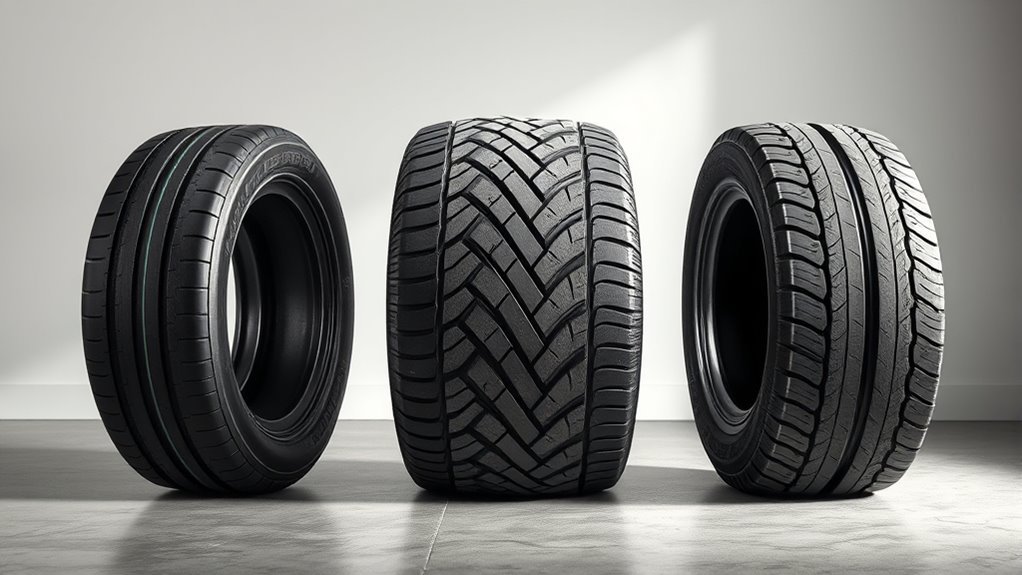
Which tire matches your driving needs? Radial tires are the best choice for modern vehicles, highway driving, and long-distance towing. Their 90-degree steel-belted construction provides superior traction, better fuel efficiency, and the longest tread life. Bias-ply tires are designed for off-road trails and short-haul trips. Their flexible sidewalls grip uneven terrain well, but they wear out quickly at high speeds. Steel-belted bias tires offer a middle ground for mixed terrain, balancing bias-ply flexibility with enhanced puncture resistance. Never mix radial and bias tires on the same vehicle, as this ruins handling and compromises safety.
[Products Worth Considering]


FOUR DEEP GROOVES FOR ALL-WEATHER CONFIDENCE – Four deep grooves channel water and mud out of the contact patch fast, resisting hydroplaning on wet highways and slick trails. A chip-resistant compound stands up to gravel, debris, and rough job-site surfaces, ensuring tough, dependable traction in dry and wet conditions all year round.

Tyre Construction Explained: Radial, Bias-Ply, and Belted (Visual Guide)
Understanding how radial, bias-ply, and belted tires are built makes choosing the right one easier. In radial tires, steel cords run at 90 degrees to the tread. This allows the sidewall and tread to move independently. Bias-ply tires feature multiple nylon or polyester fabric layers that cross the tire diagonally. This makes the entire tire flexible and distributes heavy loads evenly. Belted tires add steel belts under the tread on top of a bias or radial base to increase puncture resistance.
Because of these differences, radial tires shed heat better at highway speeds, which makes the tread last longer. Bias-ply tires build up more heat under sustained speed but stand up better to off-road abuse.
How Construction Changes Ride, Heat, Wear, and Handling
Tire construction directly affects how your vehicle rides, handles heat, and wears over time. Radial tires let the sidewall flex independently from the tread, giving you a smoother ride. Bias-ply tires are stiffer, which improves grip on rough trails but makes the ride harsher on paved roads. These structural differences also control heat. Radials run cooler at highway speeds, extending their life and saving fuel. Bias-ply tires trap more heat and wear out faster on the highway. Finally, radials provide better high-speed stability, while steel-belted hybrids trade some highway efficiency for maximum puncture resistance.
Ride Comfort Differences
Tire construction determines how much you feel bumps in the road. Radial tires absorb road impacts well, resulting in less vibration and better stability at high speeds. Bias-ply tires transmit more shock and noise into the cabin because of their stiff diagonal layers. Steel-belted bias tires fall in the middle. They improve stability and resist punctures while keeping enough flexibility for mixed terrain.
- Choose radials for smoother, quieter highway comfort and predictable handling.
- Expect bias-ply tires to be firmer with faster wear and more noise on pavement.
- Use belted bias tires for enhanced durability when comfort is less of a priority.
Heat Generation Effects
Heat is the enemy of tire longevity. Radial tires separate the loads on the sidewall and tread, allowing them to run cooler at highway speeds. This extends tread life and improves fuel economy. Bias-ply casings link these parts together, creating more internal friction. This builds up heat at high speeds, which accelerates wear and reduces stability.
| Construction | Heat behavior |
|---|---|
| Radial | Low heat generation, efficient heat dissipation |
| Bias-ply | Higher internal friction, more heat |
| Steel-belted bias | Intermediate; improved resistance but warmer than radial |
Heat dissipation governs both ride stability and tread life. Radials deliver better thermal management, while bias types trade thermal efficiency for off-road flexibility.
Wear And Handling
Your tire’s internal build controls how it responds to steering and how fast the tread wears. Radial tires provide smooth ride quality, shed heat quickly, and handle well, which makes them last longer on paved roads. Bias-ply tires use stiffer tread blocks and flexible sidewalls to grip uneven terrain. However, this creates more friction at high speeds, shortening their lifespan on pavement. Steel-belted bias tires trade some flexibility for better stability and puncture resistance, making them a balanced choice for mixed use.
- Choose radials for high-speed stability and longer tread life.
- Use bias-ply where sidewall flex aids off-road traction.
- Consider steel-belted bias for mixed-terrain durability and handling.
motorcycles“>Best Tyres by Vehicle and Driving Conditions (Cars, Trailers, Off-Road, Motorcycles)
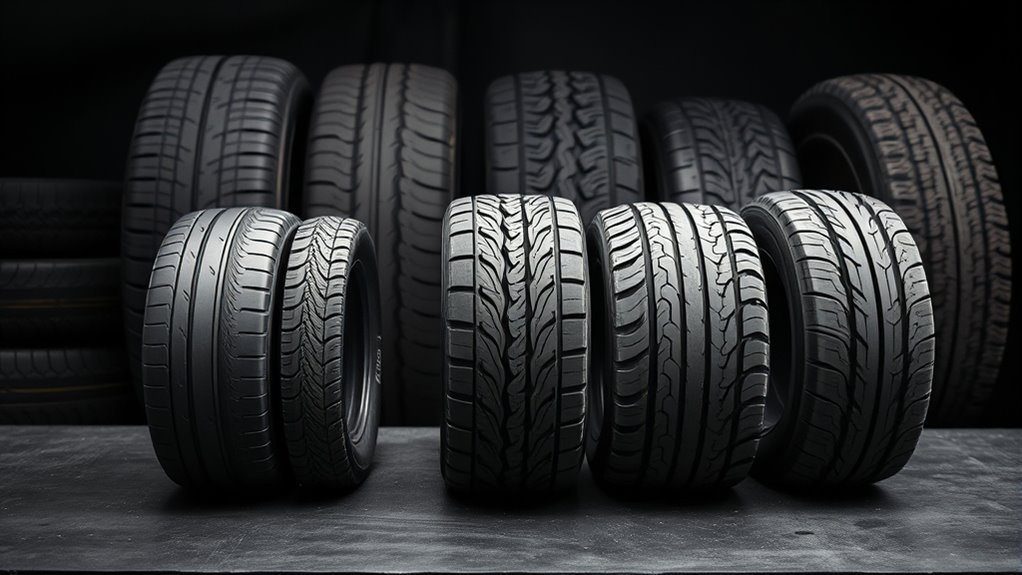
Match your tire construction to your vehicle and expected driving conditions. For cars and SUVs, use radial tires for fuel efficiency, a smooth ride, and safe highway handling. Always prioritize tire maintenance and check pressures regularly. For trailers, use purpose-built ST (Special Trailer) tires with stiffer sidewalls to handle heavy loads and reduce sway. For off-road vehicles, bias-ply tires work best because their flexible sidewalls resist cuts and grip uneven ground. For motorcycles, high-performance bikes need radials for high-speed stability, while older or heavy touring bikes often use bias-belted tires designed for their specific frames.
[Products Worth Considering]

Exedra G852 OE Cruiser Radial Rear Tire

DURABLE CRUISER CONSTRUCTION: Engineered with a specific rubber compound and radial build to provide long mileage and exceptional wear resistance for heavy cruiser applications.

Specifically designed to meet the demand for long life, high performance radial tires
Trailer & Specialty Tyres: ST vs LT, Diagonal, and Steel-Belted Options
When equipping trailers or specialty vehicles, you must match the tire’s sidewall stiffness and load rating to your towing needs. Diagonal (bias) tires work well for low-speed, rugged jobs or vintage motorcycles. Steel-belted and radial options offer better puncture resistance, heat control, and highway stability for sustained loads.
ST Versus LT
ST (Special Trailer) and LT (Light Truck) tires serve completely different purposes. ST tires feature stiff sidewalls built to carry heavy vertical loads and prevent trailer sway. Use them for long-distance towing or hauling cargo. LT tires flex more to handle steering and braking on the tow vehicle. Never put LT or standard passenger tires on a trailer, as they cannot safely handle the lateral forces of towing.
- Choose ST for vertical load support and high tire pressure operation on trailers.
- Use LT for vehicle-driven axles that require steering, braking, and ride compliance.
- Consider steel-belted bias if you need a compromise between flexibility and stability.
Diagonal Tire Uses
Diagonal (or standard bias-ply) tires have limited but specific uses. They use overlapping textile cords that provide a strong tire body. This makes them highly resistant to sidewall damage. They are ideal for low-speed, short-distance work like utility trailers, scooters, or small farm equipment. Do not use diagonal tires for sustained highway driving or heavy towing. They run hotter, wear faster, and offer less stability than ST radials.
Steel-Belted Benefits
Steel-belted bias tires combine the puncture resistance of steel with the predictable load-handling of a bias sidewall. They resist cuts on rough job sites while dissipating heat better than standard bias tires on the highway. For trailers, ST-rated steel-belted tires carry heavy vertical loads at high pressures with minimal sway. On motorcycles, they provide extra strength where radials are not a good fit.
- Higher puncture resistance and better heat management than standard bias tires.
- Predictable sidewall behavior under heavy loads.
- Improved load capacity and stability for towing.
Is It Safe to Mix Tire Types?
Never mix radial and bias-ply tires on the same vehicle. Because these two constructions handle loads and cornering forces differently, mixing them creates unpredictable handling and severe safety risks. For standard daily driving and towing, ensure all four tires (and the spare) use the identical construction type.
How to Identify Radial, Bias, and Belted Tyres on the Sidewall
You can easily identify a tire’s construction by reading the size code on its sidewall. Look for an “R” (e.g., 205/55R16), which stands for radial construction. A “B” (e.g., 130/90B15) indicates a bias-ply or bias-belted design. You can also check the sidewall for specific text like “steel belted” or look at the load index. Radials generally feature higher load ratings and more complex tread patterns, while bias plies have simpler treads and lower speed ratings.
Buying Checklist: Load Rating, Inflation, Retreadability, and Maintenance
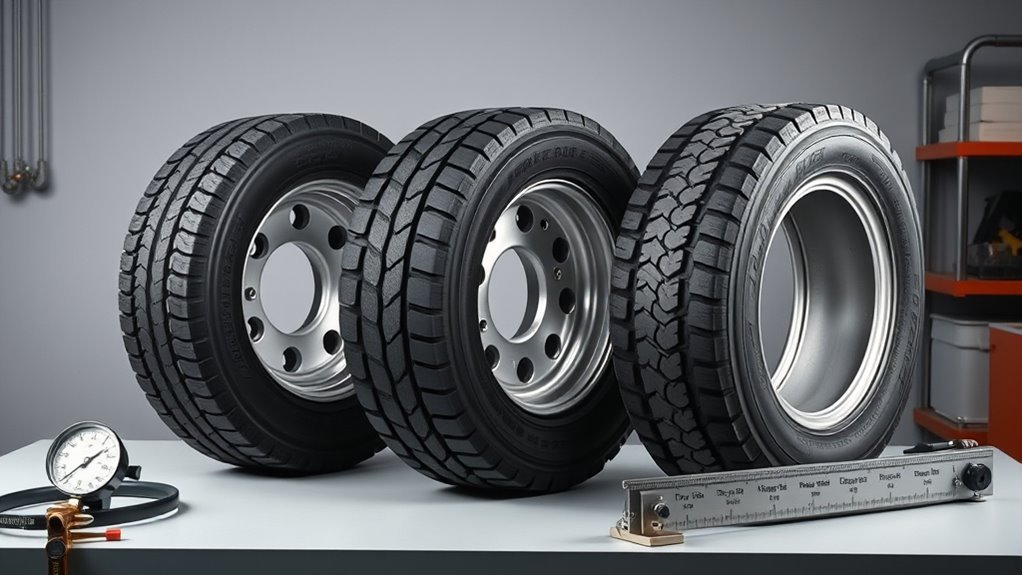
When shopping for tires, verify that the load rating stamped on the sidewall meets or exceeds your vehicle’s factory requirements. Maintaining proper inflation pressure is just as important. Underinflated tires reduce fuel efficiency, handle poorly, and wear out quickly. For commercial use, consider the casing’s retreadability to save on long-term replacement costs. Inspect your tires regularly to catch uneven wear, sidewall damage, or low tread depth before they cause a blowout.
- Confirm load capacity and UTQG ratings before purchase.
- Verify tire pressure weekly or before long trips.
- Select retreadable casings when lifecycle cost matters.
Frequently Asked Questions
Can Tire Construction Affect Fuel Efficiency Over Time?
Yes. Radial tires naturally have lower rolling resistance, which improves fuel economy. However, as any tire wears unevenly, rolling resistance increases. Check your tire pressure regularly to maintain maximum efficiency.
Are There Environmental Impacts From Different Tire Constructions?
Yes. Tire construction affects manufacturing emissions and recycling options. Radials often last longer, which reduces the number of tires sent to landfills. Choosing durable tires and disposing of them through proper recycling channels helps minimize environmental harm.
Do Different Constructions Influence Tire Noise Inside the Cabin?
Yes. Bias-ply tires transmit more vibration and road noise into the cabin due to their stiff diagonal layers. Radial tires absorb road impacts better, resulting in a significantly quieter and smoother ride.
How Does Construction Affect Compatibility With TPMS Sensors?
Different tire materials and stiffness levels can affect how Tire Pressure Monitoring System (TPMS) sensors function. Always ensure your TPMS sensors are properly calibrated and mounted when switching between radial, bias, or belted tires to prevent inaccurate readings.
Can Construction Type Impact Resale Value of Used Tires?
Yes. Used radial tires generally hold higher resale value than bias-ply tires because they offer longer tread life and better highway performance. Buyers look for tires with even wear, deep tread, and a proven history of safe handling.
Conclusion
Radial, bias, and belted tires all serve distinct purposes. Radials excel in highway driving and fuel economy, while bias-ply tires handle rugged, low-speed off-road conditions. Always match the tire construction to your vehicle, typical load, and driving environment. Check your tire pressure and tread depth regularly to maximize tire life and keep your vehicle safely on the road.

Related Articles
What Does THE P Stand For on a Tire? Full Meaning Explained
I’ll explain what the “P” on a tire really means and why it could change how you choose your next set.
Read More
How to Use a Tubeless Tire Repair Kit: Complete Field Guide
Learn how to fix tubeless tire punctures fast with the right kit, because one small mistake can leave you stranded on the trail.
Read More
How to Tell a Tire’s Diameter: Easy Guide to Reading Tire Size
Want to decode tire sidewall numbers and find the right diameter, but wonder what those hidden digits really mean?
Read More