
Hyundai Sonata Tire Rubber Compound Explained: Why It Matters
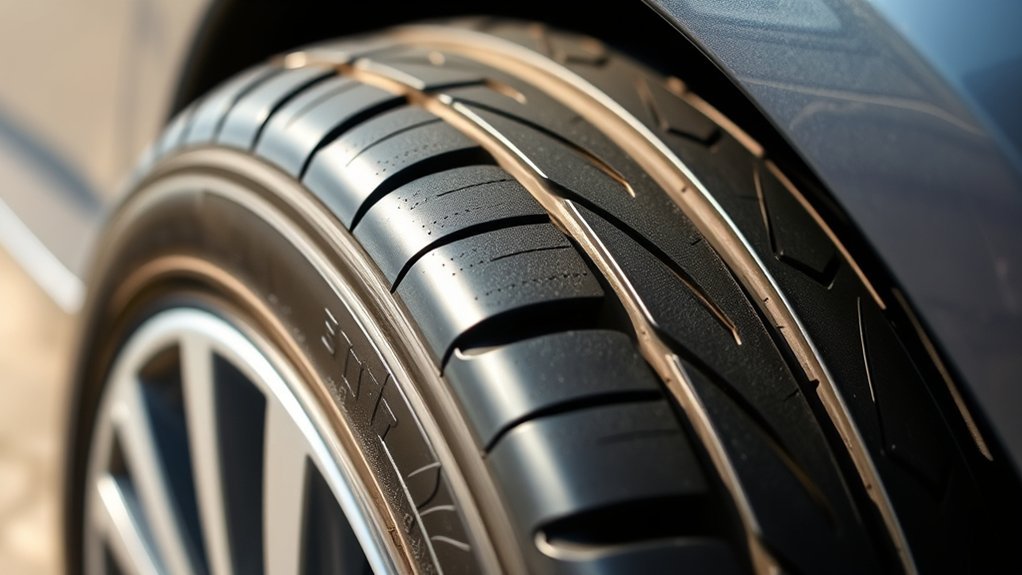
The tire rubber compound in your Hyundai Sonata’s tires is the “recipe” that helps decide how the tire grips, wears, rides, and rolls. It is not the only thing that matters—tread pattern, tire construction, air pressure, alignment, and driving style matter too—but the compound is one of the biggest reasons one tire feels quiet and long-lasting while another feels sharper, stickier, or better in winter weather.
Quick Answer
Tire rubber compounds matter for a Hyundai Sonata because they affect wet grip, braking, tread life, ride comfort, fuel economy, and cold-weather traction. For most Sonata drivers, the best choice is a quality touring or grand-touring all-season tire that matches the door placard size, load index, speed rating, and local climate.
Key Takeaways
- Softer compounds usually improve grip, especially in cold or wet conditions, but they can wear faster.
- Harder compounds usually last longer and resist heat better, but they may not feel as grippy.
- Silica can help improve wet grip and rolling resistance, while carbon black helps reinforce rubber strength and wear resistance.
- Always choose tires by your Sonata’s door placard or owner’s manual first, then compare compound type, UTQG ratings, climate rating, and driving style.
- Even the best tire compound cannot make up for low pressure, worn tread, bad alignment, or damaged sidewalls.
At a Glance
| Time Required | 10–20 minutes to check your placard, climate needs, tire ratings, and treadwear priorities before shopping. |
| Difficulty | Easy for basic selection; ask a tire professional if you are changing wheel size, load rating, or performance category. |
| Tools Needed | Driver-side door placard, owner’s manual, tire pressure gauge, tread-depth gauge or quarter, and tire rating information. |
| Cost | No cost to inspect and compare; tire prices vary by size, brand, warranty, season rating, and performance level. |
What Are Tire Rubber Compounds and Why Are They Important?
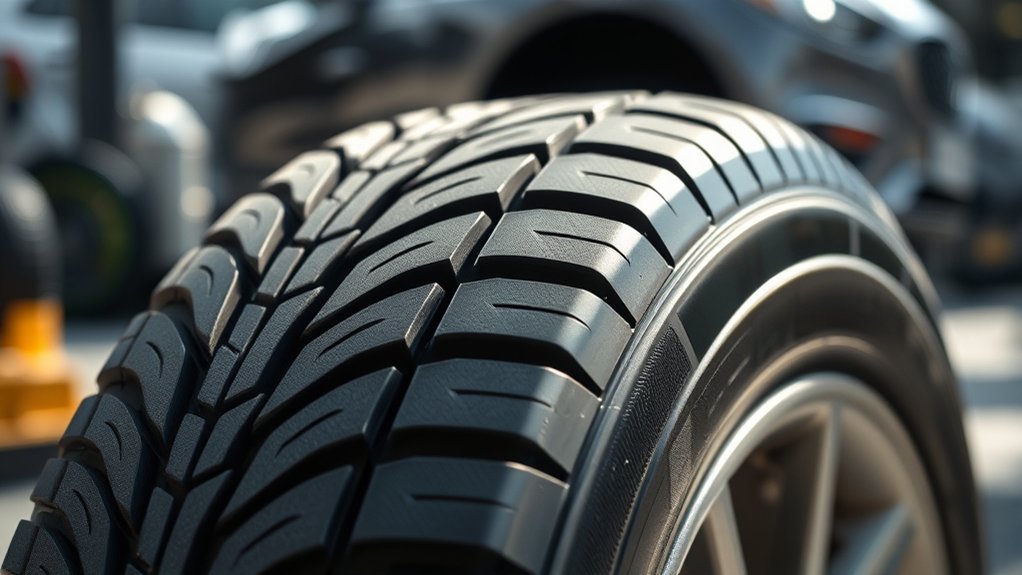
Tire rubber compounds are blended materials used in the tread, sidewall, innerliner, and other tire parts. The tread compound is the one most drivers notice because it touches the road and affects traction, braking, road noise, rolling resistance, and tread life.
According to the U.S. Tire Manufacturers Association, tire compounding is a specialized process that combines rubber compounds and materials to balance safety and performance. In simple terms, tire makers are trying to solve a difficult problem: a tire must grip the road, resist heat, flex comfortably, carry the vehicle, shed water, and wear slowly.
For a Hyundai Sonata, that balance matters because the car is usually used as a daily sedan. Many Sonata owners want quiet comfort, predictable wet traction, good fuel economy, and long tread life. Drivers with the N Line, frequent highway use, heavy rain, or real winter conditions may need a different compound priority than someone who mainly drives short city trips in a mild climate.
Note: Hyundai does not use one universal tire compound for every Sonata. Factory and replacement tire models can vary by model year, trim, wheel size, market, and tire supplier. Use your door placard and owner’s manual first, then compare tire compound and performance features.
[Products Worth Considering]

Measure tire tread depth quickly and accurately with this LUMITECO dial gauge that reads in 1/32" increments up to 14/32". The color-coded green/yellow/red zones make it easy to judge tire wear and know when replacement is needed. A rugged, compact design with a protective pouch helps keep the gauge ready for use on cars, trucks, motorcycles, and more.

Keep your tires properly inflated with this analog VONDIOR tire pressure gauge, designed for fast, easy readings without batteries. The swiveling, two-axis hose and large glow dial help you measure at any tire angle with instant visibility. Built with a protective rubber shield, it supports durable, low-maintenance use for cars and trucks.

Monitor tire tread wear with a smart, color-coded depth gauge that shows clear condition ranges at a glance. The bar is range marked for fast, easy readings, helping you maintain safer traction and performance. Each gauge is portable with a pocket clip, and the set includes 20 units for daily use and sharing.
The Role of Natural and Synthetic Rubber in Tire Rubber Compounds
Most modern passenger tires use both natural rubber and synthetic rubber. Each material brings a different strength to the tire.
Natural rubber helps with durability, tear resistance, and fatigue resistance. That matters because tires flex thousands of times during normal driving. The tread blocks, sidewalls, and internal structure must keep working through heat, weight, impacts, and changing road surfaces.
Synthetic rubber, including materials such as styrene-butadiene rubber and butadiene rubber, helps tire engineers tune wear, traction, rolling resistance, and heat resistance. The USTMA Tires 101 guide explains that these synthetic polymers are used with natural rubber and that their properties affect rolling resistance, wear, and traction.
That is why two tires in the same size can feel completely different on a Sonata. One may focus on quiet touring comfort and a long mileage warranty. Another may use a more performance-focused compound that gives stronger steering response and grip but wears faster.
How Temperature Affects Tire Rubber Performance
Temperature changes how rubber behaves. In hot weather, a compound can become softer and build more heat. In cold weather, many rubber compounds stiffen. When a tire stiffens, it cannot conform to the road surface as well, so grip can drop.
The technical idea behind this is called the glass transition temperature. You do not need to memorize the science, but the concept is useful: rubber that stays flexible in the right temperature range usually grips better than rubber that becomes too stiff.
- Cold weather: Winter-focused compounds are designed to stay more flexible in freezing conditions, snow, slush, and cold rain.
- Hot weather: Summer and performance tires can deliver strong warm-weather grip, but some may wear faster if driven aggressively.
- All-season use: A good all-season tire balances broad temperature performance, tread life, comfort, and wet traction.
Warning: Do not rely on compound alone for winter safety. If your area gets regular snow, ice, or long periods near freezing, choose tires with the right winter or all-weather rating and keep tread depth and pressure in good condition.
How Silica and Carbon Black Improve Tire Performance
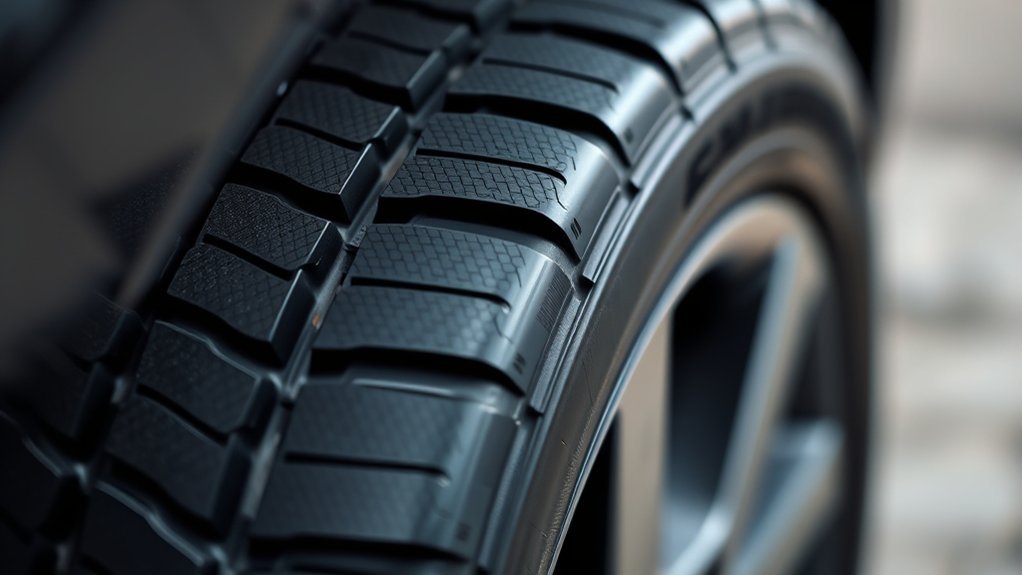
Silica and carbon black are two important fillers used in many tire compounds. They help reinforce the rubber and tune how the tire performs.
Silica is widely used because it can help improve wet grip and rolling resistance when it is properly mixed into the rubber. Bridgestone’s tire materials guide describes silica as silicon dioxide that can deliver better fuel efficiency and wet grip. In everyday driving, that can mean better wet-road confidence and less energy wasted as heat.
Carbon black helps strengthen rubber and supports durability. It also contributes to the familiar black color of tires. Carbon black is especially valuable for wear resistance, strength, and heat management.
The best tires do not simply add one ingredient and call it finished. Tire engineers must balance silica, carbon black, oils, resins, sulfur, antioxidants, and other additives. A 2025 Journal of Polymer Research study on silica, carbon black, and hybrid fillers in S-SBR tire tread compounds highlights how filler systems can affect aging resistance, mechanical durability, rolling resistance, and traction-related performance.
NHTSA reported 511 deaths in tire-related crashes in 2024, a reminder that tire choice, pressure, tread depth, load limits, and regular inspections all matter for safety.
Balancing Traction and Durability in Tire Compounds
The biggest tire-compound trade-off is simple: the grippiest compound is not always the longest-lasting compound. A soft, sticky tire can feel excellent in rain or during quick cornering, but it may wear faster. A harder compound may last longer, but it may not stop or corner as confidently in challenging conditions.
| Compound Focus | Best For | Main Trade-Off |
|---|---|---|
| Softer / grip-focused | Wet traction, cold grip, sporty feel, shorter braking distances | Can wear faster, especially in heat or aggressive driving |
| Harder / mileage-focused | Long tread life, highway driving, heat resistance, value | May provide less ultimate grip than performance tires |
| Silica-enhanced balanced | Daily driving, wet roads, fuel economy, all-season use | Performance still depends on the full tire design, not silica alone |
| Winter-specific | Snow, ice, slush, and freezing temperatures | Can wear quickly and feel less precise in warm weather |
Optimizing Grip and Longevity
For many Hyundai Sonata drivers, the sweet spot is a touring or grand-touring all-season tire with strong wet-traction reviews, a reasonable mileage warranty, and the correct load and speed rating. That type of tire usually gives the best mix of comfort, tread life, wet grip, and fuel efficiency for daily use.
If you drive a Sonata N Line or prefer sharper handling, a performance all-season tire may feel better. The trade-off may be more road noise, firmer ride quality, or faster wear. If you live where winter roads are severe, winter tires or all-weather tires with the Three-Peak Mountain Snowflake symbol may be safer than a standard all-season tire.
Compound Hardness Trade-Offs
Compound hardness is not printed as a simple “soft” or “hard” number on most consumer tire listings, so shoppers usually compare by tire category, UTQG ratings, tire reviews, and manufacturer descriptions.
The NHTSA TireWise guide explains that Uniform Tire Quality Grading helps compare treadwear, traction performance, and temperature resistance on many passenger-car tires. UTQG is not perfect, and it does not apply to every tire type, but it is useful when comparing similar tires from the same general category.
- Treadwear grade: Higher numbers generally suggest longer wear in controlled testing, but real-world results vary.
- Traction grade: Focuses on wet stopping performance under test conditions.
- Temperature grade: Shows resistance to heat buildup, which matters for highway driving and hot climates.
Temperature Impact on Performance
A tire that performs well in Florida heat may not be the right tire for Pennsylvania snow or Minnesota ice. Climate should be part of your compound decision.
- Mild climates: A high-quality all-season touring tire usually works well.
- Heavy rain: Prioritize wet traction, hydroplaning resistance, and tread pattern design.
- Hot highways: Look for heat resistance, correct inflation, and a strong temperature grade.
- Snow and ice: Use winter tires or all-weather tires rated for severe snow service.
Practical Innovations in Tire Compound Technology for the Hyundai Sonata
Modern tire compounds are more advanced than older “hard lasts long, soft grips well” thinking. Tire makers now use better polymers, silica systems, resins, and reinforcing fillers to improve wet grip, rolling resistance, durability, and comfort at the same time.
For Sonata owners, the most practical innovations to look for are:
- Low rolling resistance compounds: Helpful for fuel economy, especially if you drive long distances or own a hybrid Sonata.
- Silica-rich tread compounds: Often used to improve wet grip and reduce energy loss.
- All-weather compounds: Designed to work across a wider temperature range than standard all-season tires.
- Noise and comfort tuning: Important for daily commuting and highway driving.
- More sustainable materials: Some tire makers are developing renewable or recycled inputs, but availability depends on the tire model, not the Sonata itself.
Pro Tip: When comparing two tires with the same size, do not choose by mileage warranty alone. Also compare wet braking, road-noise reviews, rolling resistance, winter rating, and how the tire matches your driving style.
[Products Worth Considering]

The SAFELIFE dial tire tread depth gauge measures tread depth in 1/32 inch increments with clear, easy-to-read 2-inch dial face. Color zones using a traffic light system help you quickly judge whether tread is low, marginal, or ample for safer driving. Built with a durable zinc cast body and a metal detect probe for precise, comfortable use across cars, motorcycles, trucks, and buses.
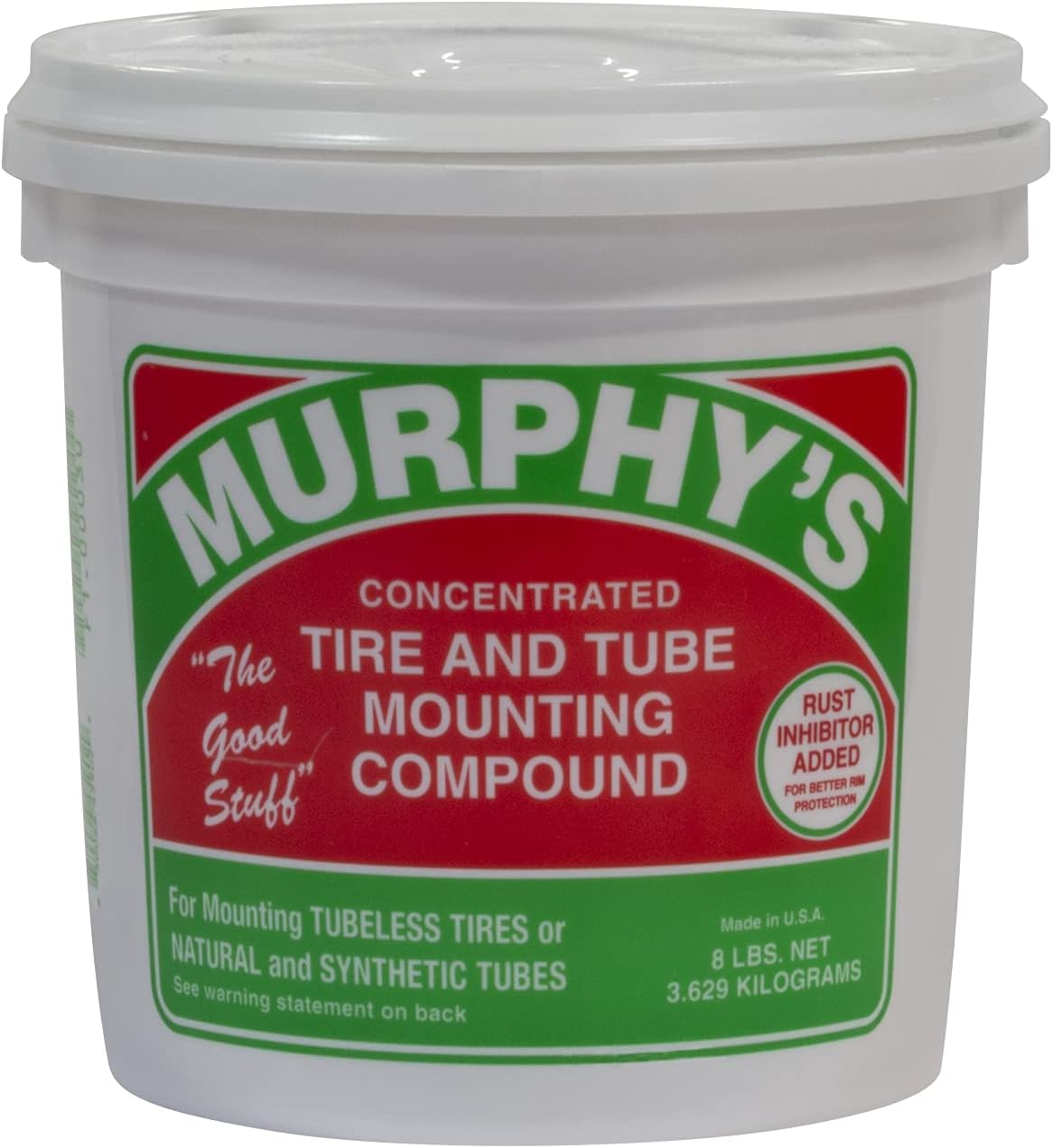
A concentrated tire and tube mounting compound designed to help simplify mounting rubber tires and tubes on passenger, semi truck, construction, and OTR applications. Its ultra-thick formula packs beads effectively and includes rust inhibitors to help protect against corrosion during use.

Milton S-921 pencil tire pressure gauge helps you maintain optimal tire pressure for passenger cars with accurate readings in PSI and kPa. It features a built-in deflator valve for convenient pressure adjustments, plus a single chuck head and nylon indicator bar for easy use on the go. Built from durable plated brass and designed for reliable performance, it’s a practical road trip and cold-weather maintenance tool.
How to Choose the Right Tire Compound for Your Climate
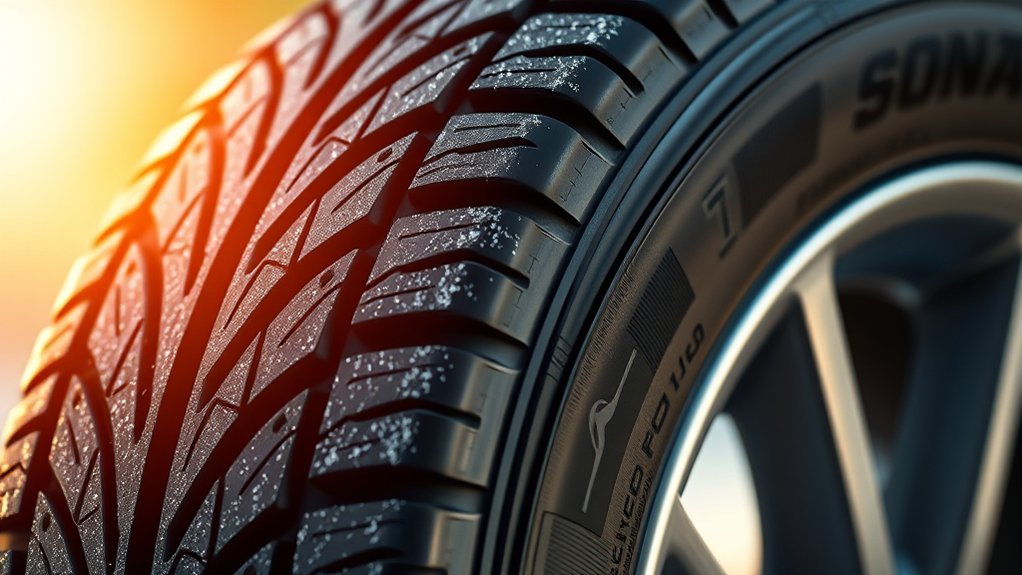
Start with fitment, then choose the compound. The right tire for your Hyundai Sonata must match the size, load index, speed rating, and inflation guidance shown on the driver-side Tire and Loading Information Label or in the Hyundai owner’s manual. After that, use climate and driving style to narrow the compound type.
Step 1: Check Your Sonata’s Required Tire Size and Rating
Before comparing compounds, confirm the tire size on the driver-side door placard. You may see a size such as a 17-inch, 18-inch, or 19-inch fitment depending on model year and trim. Do not guess based on another Sonata online; wheel and tire packages can differ.
Also check:
- Load index: The tire must carry the vehicle safely.
- Speed rating: Use a rating that meets or exceeds the vehicle requirement.
- Inflation pressure: Use the recommended cold tire pressure, not the maximum pressure printed on the sidewall.
- OEM-equivalent fitment: Keep overall diameter and clearance correct unless a professional verifies the change.
Step 2: Match the Compound to Your Weather
| Driving Climate | Best Tire Direction | Why It Works |
|---|---|---|
| Mostly mild weather | Touring or grand-touring all-season | Good comfort, tread life, wet traction, and daily efficiency |
| Frequent heavy rain | All-season with strong wet-traction testing | Compound and tread pattern help braking and water evacuation |
| Hot highways | Heat-resistant touring or performance all-season | Better stability, temperature resistance, and treadwear |
| Snow, ice, and long freezing periods | Winter tire or severe-snow-rated all-weather tire | Cold-flexible compound and winter tread design improve traction |
| Sporty driving or Sonata N Line | Performance all-season or summer tire, depending on climate | Sharper steering and grip, usually with a ride or wear trade-off |
Step 3: Consider Your Driving Style
Your driving style can change which compound feels best:
- Long highway commute: Prioritize low noise, heat resistance, rolling resistance, and long treadwear.
- City driving: Look for comfort, wet braking, and pothole durability.
- Aggressive acceleration and cornering: Choose stronger grip, but expect faster wear.
- Family daily driving: Favor balanced all-season performance, predictable wet grip, and a reputable warranty.
- Hybrid driving: Consider low rolling resistance, but do not sacrifice wet traction just to chase efficiency.
How Proper Tire Compound Choices Impact Safety and Longevity
The right compound helps your Sonata brake, turn, and ride the way you expect. But tire longevity and safety depend on more than the rubber recipe. Pressure, tread depth, rotation, alignment, load, and damage inspections are just as important.
The NHTSA tire safety brochure says maintaining proper tire pressure, observing load limits, avoiding road hazards, and inspecting tires for cuts or irregularities are key actions to help avoid tire failure.
Use this maintenance checklist:
- Check pressure monthly: Use the cold inflation pressure on the Sonata’s placard.
- Do not ignore TPMS warnings: A warning light means one or more tires may be underinflated or the system needs attention.
- Measure tread depth: Replace tires before they become unsafe in rain or snow.
- Rotate on schedule: Rotation helps even out wear and extends usable tread life.
- Inspect sidewalls: Replace tires with bulges, cracks, exposed cords, or severe impact damage.
- Check alignment: Uneven wear can ruin a good compound quickly.
Note: If your Sonata pulls to one side, vibrates, wears tires unevenly, or has a tire with a sidewall bulge, have it inspected before choosing another tire. A new compound will not fix a mechanical or alignment problem.
Frequently Asked Questions
What does tire compound do?
Tire compound affects how the tire grips, wears, flexes, handles heat, rolls, and responds in wet or cold conditions. The tread compound is especially important because it is the part of the tire that contacts the road.
Do softer tire compounds last longer?
Usually, no. Softer compounds often improve grip, but they can wear faster, especially in hot weather, aggressive driving, or poor alignment. Harder touring compounds usually last longer, but they may not provide the same level of grip.
Are all-season tires enough for a Hyundai Sonata in winter?
They may be enough in mild winter areas with occasional cold rain or light snow. If you drive through regular snow, ice, slush, or long freezing periods, winter tires or severe-snow-rated all-weather tires are safer choices because their compounds and tread patterns are designed for those conditions.
How do I know which tires fit my Hyundai Sonata?
Check the Tire and Loading Information Label on the driver-side door pillar and confirm details in the owner’s manual. Match the tire size, load index, speed rating, and recommended cold inflation pressure before comparing brands or compounds.
Does silica always mean a better tire?
No. Silica can help wet grip and rolling resistance, but the full tire design matters. Polymer blend, tread pattern, filler dispersion, casing design, siping, and quality control all affect real-world performance.
Can tire compound improve fuel economy?
Yes, a low rolling resistance compound can help reduce energy loss, which may improve fuel economy. However, pressure, alignment, tread depth, vehicle load, and driving habits also affect fuel use.
Conclusion
Tire rubber compounds matter because they shape how your Hyundai Sonata grips the road, handles rain, wears over time, resists heat, and rolls efficiently. The safest choice is not always the softest or the longest-lasting tire. It is the tire that matches your Sonata’s required size and rating, your local climate, your driving style, and your maintenance habits.
For most Sonata owners, a quality touring or grand-touring all-season tire with strong wet traction, good treadwear, and the correct load and speed rating is the best everyday fit. If you face real winter weather, move to a winter or all-weather severe-snow-rated tire. If you drive a sportier Sonata or want sharper handling, consider a performance tire and accept the possible trade-offs in tread life, noise, or comfort.
Sources
- NHTSA TireWise — tire ratings, tire size guidance, maintenance context, and tire-related crash safety information.
- NHTSA Tire Safety Brochure — tire pressure, load limits, road hazards, inspections, and tire-failure prevention guidance.
- Hyundai Owner’s Manual Portal — vehicle-specific tire size, pressure, and owner information.
- USTMA Tires 101 — tire composition, natural rubber, synthetic polymers, carbon black, silica, treadwear, traction, and rolling resistance.
- Bridgestone Tire Materials Guide — natural rubber, synthetic rubber, carbon black, silica, oil, sulfur, and tire construction materials.
- Journal of Polymer Research: Silica, Carbon Black, and Hybrid Fillers in S-SBR Tire Tread Compounds — peer-reviewed research on filler systems, aging resistance, durability, rolling resistance, and traction-related performance.
[Products Worth Considering]

Accurately measure tire tread depth with a calibrated gauge marked from 0 to 1 inch in 1/32 inch increments. The color-coded bar helps you quickly identify tread condition ranges, supporting safe driving for trucks, motorcycles, automobiles, and passenger vehicles.

Adam’s Pro Tire Hex Grip applicators are molded foam sponges designed for precise, even tire dressing application. The ergonomic grip helps you spread product without overapplying, reducing sling that can splash onto paint and helping keep your hands clean during wheel and trim detailing. They’re durable, washable, and reusable for repeated detailing sessions.

Add style while helping protect your tire valve stems with handmade crystal rhinestone caps and a durable plastic insert. These caps resist corrosion and help keep out rain, snow, and muddy water, extending tire life. Textured non-slip design makes them easy to grip for quick install and removal when checking tire pressure.

Related Articles

Danger of Using Summer Tires in Winter on a Hyundai Sonata
Potentially perilous, using summer tires in winter on your Hyundai Sonata can compromise safety—discover the hidden dangers that await you on icy roads.
Read More
Can You Mix Nitrogen and Air in Hyundai Sonata Tires? Answered
Discover the implications of mixing nitrogen and air in your Hyundai Sonata tires—are the benefits worth the risks? Explore the answer inside!
Read More
How to Tell If Hyundai Sonata Tires Are Too Old to Use Safely
Understand how to assess the age of your Hyundai Sonata tires and discover crucial signs of deterioration that could compromise your safety on the road.
Read More