
Hyundai Sonata Tire Plug vs Patch: Which Repair Is Safer?
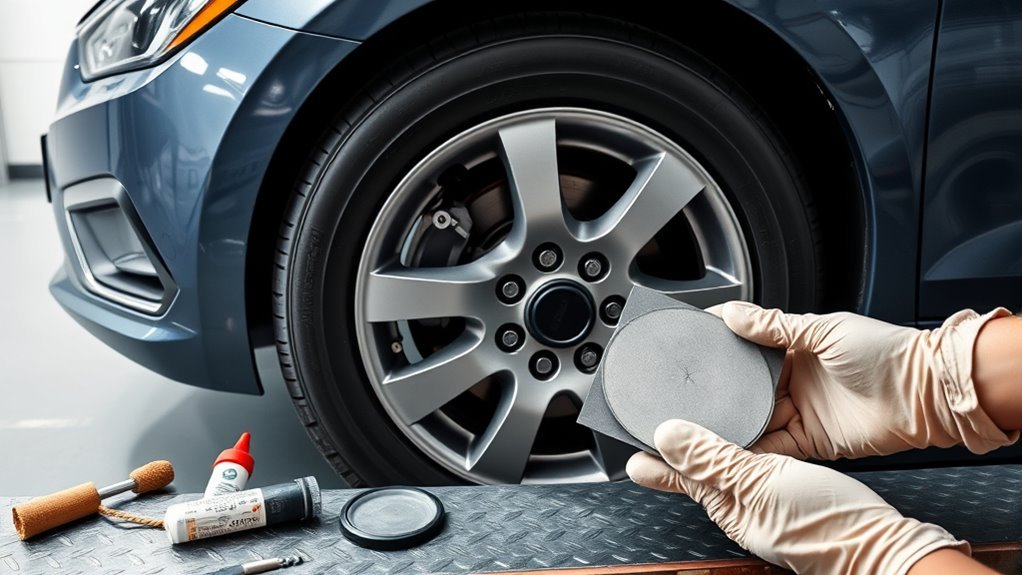
When your Hyundai Sonata has a nail, screw, or small puncture in the tire, the safest repair choice is not simply “plug or patch.” A plug-only repair can help in an emergency, and a patch-only repair sounds more complete, but the long-term industry-standard repair is usually a professional plug-patch combination after the tire is removed from the wheel and inspected from the inside.
Quick Answer
For a Hyundai Sonata tire puncture, the safest long-term repair is usually a professional plug-patch combination, not a plug-only or patch-only fix. The tire should be removed, inspected inside, filled through the injury channel, and sealed at the inner liner. Use a string plug only as a temporary emergency measure.
Key Takeaways
- A plug-only repair is best treated as a temporary roadside fix, not a permanent repair.
- A patch-only repair seals the inner liner but does not fill the puncture channel, so it is not the preferred complete repair.
- The safest professional repair is usually a plug-patch repair for a puncture in the repairable tread area that is no larger than 1/4 inch, or 6 mm.
- Sidewall damage, shoulder damage, overlapping repairs, severe wear, or hidden internal damage usually means the tire should be replaced.
At a Glance
| Time Required | Emergency plug: about 10–20 minutes. Professional plug-patch repair: varies by shop, inspection, and wait time. |
| Difficulty | Emergency plug: moderate DIY skill. Proper permanent repair: professional service recommended. |
| Tools Needed | Emergency plug kit, pliers, air compressor, tire pressure gauge, gloves, and safe roadside setup. Professional repair requires tire-demounting and balancing equipment. |
| Cost | A DIY plug kit is usually the cheapest option, a professional repair costs more, and tire replacement costs the most. Exact pricing depends on the shop, tire size, damage, and local labor rates. |
Key Differences Between Tire Plugs and Patches

A tire plug is inserted from the outside of the tire to fill a puncture channel. It is fast, inexpensive, and useful when you need to get off the roadside safely. However, a plug-only repair does not let anyone inspect the tire’s inner liner, sidewall, or internal structure.
A tire patch is applied from the inside of the tire to seal the inner liner around the puncture. That makes it stronger than a quick outside-in plug in one important way, but a patch alone still does not fill the path left by the nail or screw.
The best long-term repair for many small tread punctures is a professional plug-patch combination. The U.S. Tire Manufacturers Association says a proper repair includes removing the tire from the wheel, inspecting it, filling the puncture injury with a rubber stem or plug, and sealing the inner liner with a patch. The Tire Industry Association also warns that plug-only and patch-only repairs are not acceptable permanent repairs.
| Repair Type | Best Use | Main Limitation |
| Plug-only | Temporary roadside repair for a small tread puncture | No internal inspection and not a complete permanent repair |
| Patch-only | Sealing the tire’s inner liner during a proper repair process | Does not fill the puncture channel by itself |
| Plug-patch combination | Long-term repair for eligible tread punctures after inspection | Requires tire removal, proper tools, and a trained technician |
| Replacement | Sidewall damage, shoulder damage, severe wear, hidden damage, or non-repairable punctures | Costs more, but it is the safer choice when the tire is not repairable |
[Products Worth Considering]

This tire repair patch tool kit helps you quickly seal small punctures using upgraded mushroom plugs and a built-in roller system that presses for even penetration. The tungsten buffing wheel and HSS twist drill bits prepare the damaged surface for stronger adhesion, while the crown-angle friendly plugs are designed to keep water and debris out. Ideal for puncture repairs on many vehicle types, from cars and trucks to bikes and scooters.

This tire repair kit provides fast emergency puncture repair without removing the tire from the rim, helping you get back on the road quickly. Its screw plug system is designed for punctures in both tread and sidewall and includes a complete patch plug tool set with essential accessories. A portable storage bag makes it easy to carry for cars, trucks, SUVs, motorcycles, and heavy-duty applications.
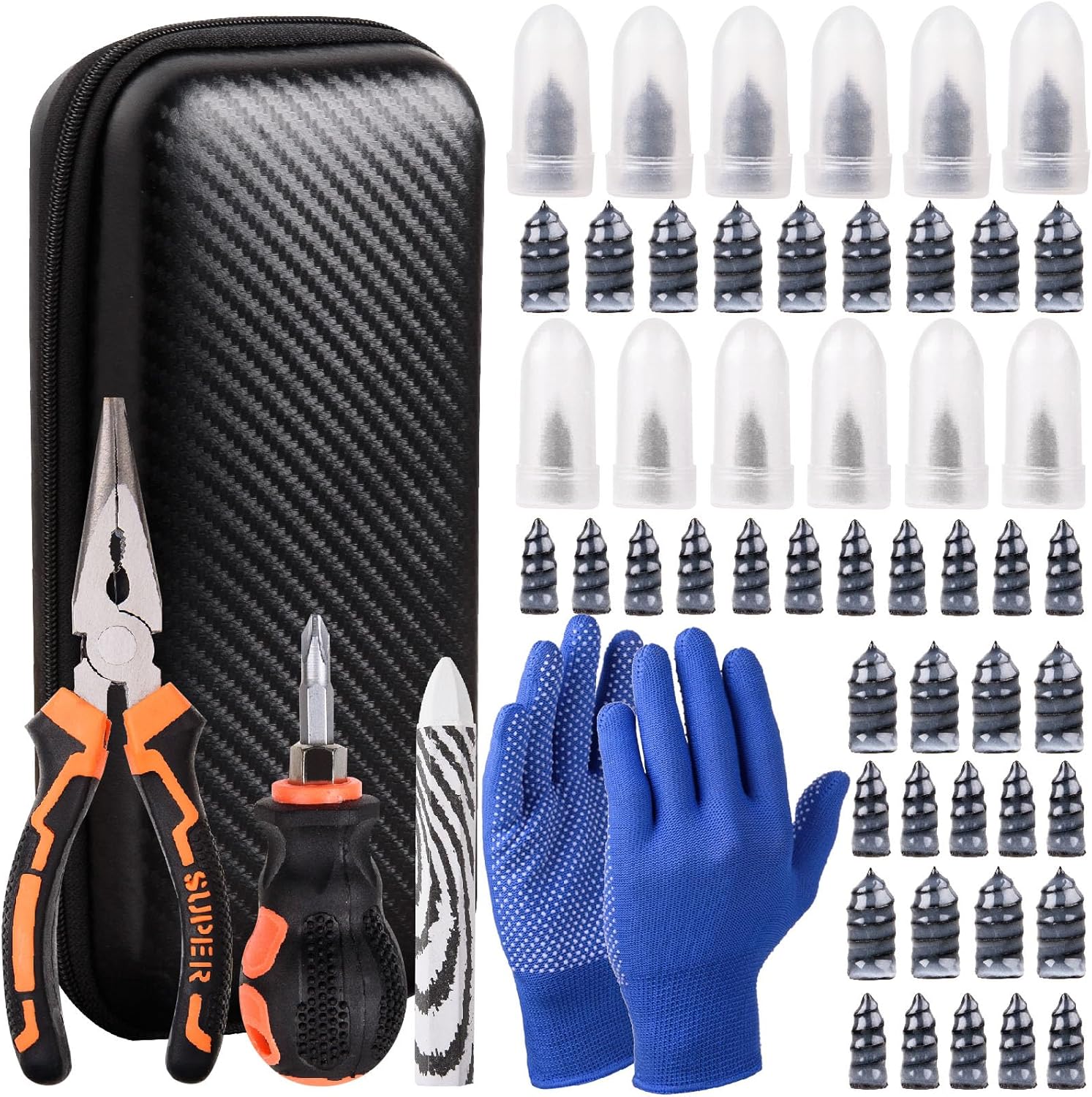
This tire sidewall puncture repair kit fixes flats fast without removing the tire, helping you get back on the road in minutes. It includes self-tapping repair nails, essential tools, gloves, and a portable storage bag for convenient roadside use. Designed for tubeless tires, it helps create a tight, leak-resistant seal for cars, motorcycles, trucks, SUVs, and ATVs.
When to Use Tire Plugs for Quick Fixes
A tire plug can make sense when you have a small, straight puncture in the tread area and you need a temporary way to reach a tire shop. Think of it as a mobility fix, not the final repair for your Hyundai Sonata.
Warning: Do not plug, patch, or keep driving on a tire with sidewall damage, shoulder damage, visible cords, a bulge, a long cut, or damage from being driven flat. Replace the tire or have it inspected by a qualified tire technician.
Quick Emergency Repairs
Use a plug-only repair only when all of these are true:
- The puncture is in the tread area. A nail or screw in the center tread is more likely to be repairable than damage near the sidewall.
- The hole is small and round. Industry guidance limits repairable punctures to no more than 1/4 inch, or 6 mm, in diameter.
- The tire was not driven flat. Driving on a flat or severely underinflated tire can damage the inside, even if the outside looks normal.
- You will still get a professional inspection. A plug can help you reach service, but it does not replace demounting and inspecting the tire.
After using an emergency plug, inflate the tire to the pressure listed on your Hyundai Sonata’s driver-door placard, check for leaks, and drive only as far as needed to reach a tire repair facility. Follow the instructions for your specific plug kit, tire, and vehicle.
Suitable Puncture Sizes
A tire may be repairable when the puncture is in the tread area and no larger than 1/4 inch, or 6 mm. That does not mean every 1/4-inch puncture should be plugged at home. The tire also needs enough tread depth, no overlapping repairs, no internal liner damage, and no manufacturer-specific restriction that makes repair unsafe.
Note: If the puncture is close to the shoulder, at an angle toward the sidewall, or in a spot that makes you unsure, treat the tire as non-repairable until a professional inspects it.
Temporary vs. Permanent Solutions
The main difference is inspection. A quick plug can stop air loss from the outside, but it does not show whether the inner liner, belts, or sidewall were damaged. A professional repair requires removing the tire from the wheel so the inside can be checked before any repair unit is installed.
For long-term driving, the correct question is not “plug or patch?” It is: Can this tire be safely repaired with a proper plug-patch repair, or should it be replaced?
Why a Professional Plug-Patch Repair Is the Long-Term Choice
A professional plug-patch repair is stronger than a plug-only emergency fix because it solves two problems at once. The stem fills the puncture channel where the object entered, and the patch seals the inner liner so air cannot escape through the damaged area.
This matters because water can enter an open puncture channel and reach the tire’s internal steel belts. A proper repair reduces that risk while restoring the air seal. It also gives the technician a chance to reject the tire if the puncture is in the wrong location, the tread is too worn, the repair would overlap another repair, or the inside has damage that cannot be seen from the outside.
A safe tire repair is based on the tire’s condition and puncture location, not just whether the leak stops after a plug.
How Proper Tire Plug-and-Patch Repair Should Be Done
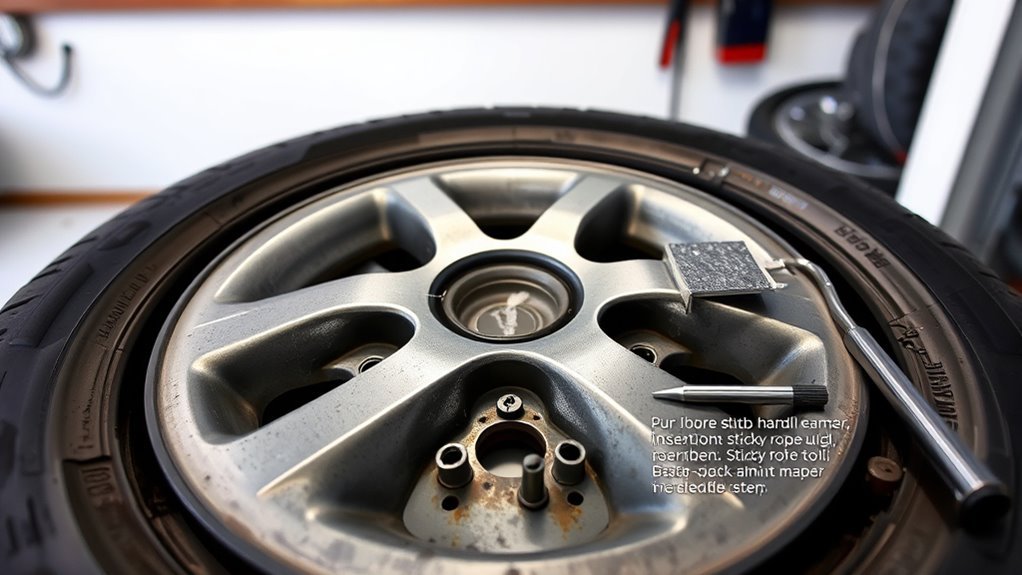
For a Hyundai Sonata used on normal roads, the safest repair process is a professional one. A tire technician should remove the tire from the wheel, inspect the inside, prepare the puncture, install the correct repair unit, remount the tire, balance it, and leak-test it.
Tools Needed for Installation
For a temporary roadside plug, you typically need:
- A tire plug kit with a reamer, insertion tool, and rubber plugs
- Pliers to remove the nail or screw
- Portable air compressor or access to an air pump
- Tire pressure gauge
- Gloves, flashlight, and a safe place away from traffic
For a proper professional plug-patch repair, the shop needs tire-removal equipment, inspection lighting, buffing and cleaning tools, a compatible repair unit, tire cement or repair materials approved for that repair system, mounting equipment, and a wheel balancer.
Step-by-Step Repair Process
If you are using an emergency plug, follow the plug kit instructions exactly. In general, the process involves confirming the puncture is in the tread, removing the object, cleaning the puncture channel, inserting the plug, trimming excess material, reinflating the tire, and checking for leaks. This is only a temporary fix.
A professional tire repair should follow a more complete process:
- Remove the tire from the wheel. This allows the technician to inspect the inner liner and sidewall from inside the tire.
- Inspect the damage. The tire should be rejected if the injury is outside the repairable tread area, too large, overlapping another repair, or showing internal damage.
- Prepare the injury channel. The damaged material is cleaned and prepared so the repair unit can bond properly.
- Fill and seal the puncture. A rubber stem or plug fills the injury channel, and a patch seals the inner liner.
- Remount and balance the tire. The tire is installed back on the wheel and balanced before going back on the vehicle.
- Leak-test and set pressure. The repaired tire should be checked for leaks and inflated to the pressure shown on the vehicle placard.
Pro Tip: If your Sonata’s TPMS light comes on, do not ignore it. The National Highway Traffic Safety Administration explains that a TPMS warning means at least one tire is significantly underinflated and needs immediate attention.
Tire Repair Cost Breakdown
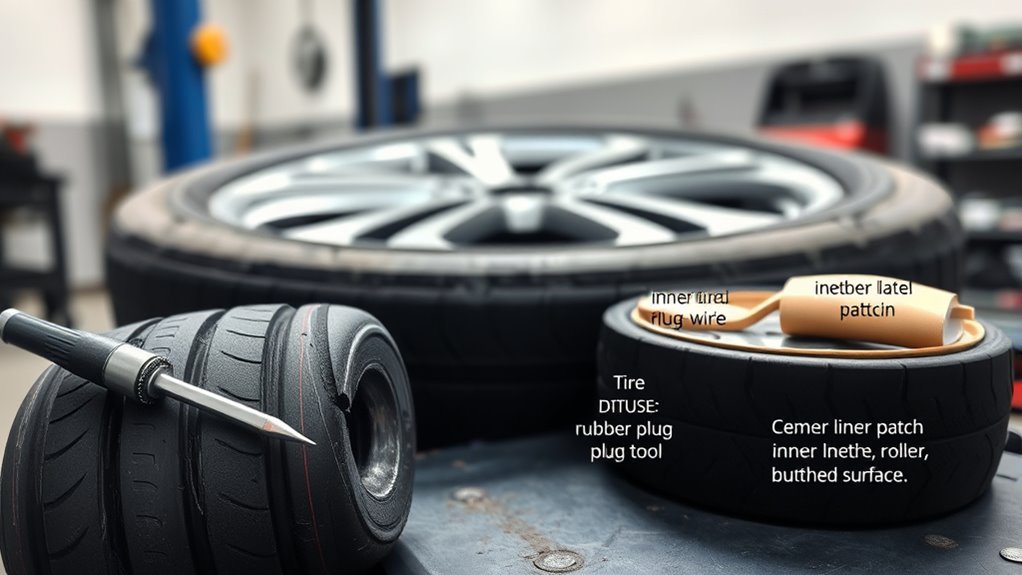
Tire repair cost depends on the repair method, your location, the tire size, shop labor rates, and whether the tire is still safe to repair. A plug kit is usually the cheapest short-term option, but it is also the least complete. A professional plug-patch repair costs more because the tire must be removed, inspected, repaired, remounted, balanced, and checked for leaks.
Replacement costs the most, but it is the right choice when the tire is unsafe to repair. Do not choose a cheap repair if the puncture is in the sidewall or shoulder, the tire has been driven flat, the tread is too worn, or the tire has visible structural damage.
| Option | Typical Cost Level | Best For |
| DIY emergency plug kit | Lowest | Temporary mobility when the puncture is small and in the tread |
| Professional plug-patch repair | Moderate | Eligible tread punctures after internal inspection |
| Tire replacement | Highest | Sidewall damage, shoulder damage, large punctures, worn tires, or hidden damage |
[Products Worth Considering]

Wykodra tire plugs provide quick vulcanizing repairs for tubeless tires, helping you seal punctures and get back on the road. The industrial-strength rubber creates a long-lasting, leak-resistant bond and is designed for emergency fixes without removing the tire. Choose between two standard plug sizes with color-matched options for small to larger damage across many vehicles and off-road uses.
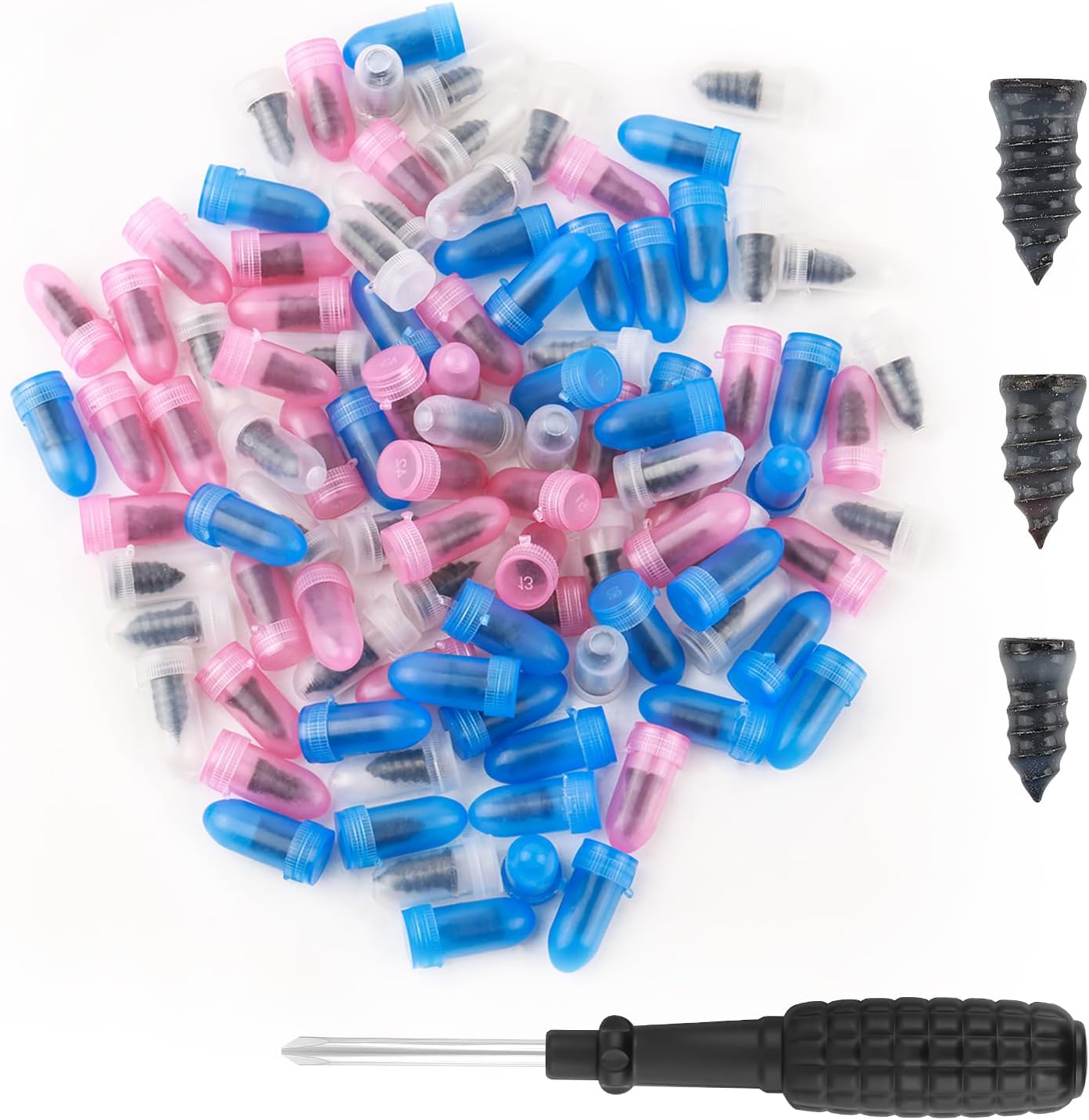
This 100-piece tire repair screw plug kit provides a fast, self-service solution for punctures on the road. Choose the correct plug size, insert it into the break, and screw it in to help seal the puncture and temporarily restore tire pressure. Thickened threads and rubber-wrapped plugs improve bite and sealing while remaining compact and easy to carry.
Tire Repair Safety Considerations
Before repairing a Hyundai Sonata tire, check the full tire condition, not just the hole. The safest repair decision depends on puncture size, puncture location, tread depth, internal damage, previous repairs, and tire type.
A tire is more likely to be repairable when:
- The puncture is in the tread area, not the shoulder or sidewall.
- The puncture is no larger than 1/4 inch, or 6 mm.
- The tire has not been driven flat or severely underinflated.
- The repair will not overlap another repair.
- The tire has enough tread depth and no visible structural damage.
- The tire manufacturer allows that type of repair for that tire.
A tire should usually be replaced when:
- The puncture is in the sidewall or shoulder.
- The hole is larger than 1/4 inch, or 6 mm.
- The tire has a bulge, blister, exposed cords, long cut, or cracking.
- The tire was driven flat long enough to damage the inside.
- The repair would overlap an existing repair.
- The tread is worn to the treadwear indicators or 2/32 inch.
- The tire already has an improper repair.
After any repair, check tire pressure again the next day and during normal maintenance. If the tire loses pressure, vibrates, bulges, or triggers the TPMS warning light, stop driving on it and have it inspected.
When Should You Call a Pro for Tire Repairs?
Call a professional tire shop whenever you are unsure about the puncture location, the tire lost a lot of air, the vehicle was driven on the flat tire, or the tire has visible damage. A trained technician can demount the tire and look for internal damage that you cannot see from the outside.
You should also call a pro if your Hyundai Sonata has a low-profile tire, run-flat tire, sealant-filled tire, or tire with previous repairs. Some tires have manufacturer-specific repair restrictions, and a shop can confirm whether repair is allowed.
Do not rely on an emergency plug for long-term commuting, highway driving, or road trips. Even if the leak stops, the tire still needs a proper inspection.
Frequently Asked Questions
How long will a properly repaired tire last?
A properly repaired tire can often remain in service for the usable life of the tire, but only if the puncture was repairable, the tire was inspected internally, and the repair was completed with the correct plug-patch method. A plug-only emergency repair should not be treated as a long-term fix.
Is a patch better than a plug?
A patch is better than a plug-only repair because it seals the tire from the inside, but a patch by itself is still not the complete preferred repair. For eligible tread punctures, the better long-term repair is a plug-patch combination that fills the injury channel and seals the inner liner.
Can I drive on a plugged Hyundai Sonata tire?
You can usually drive a short distance on a properly installed emergency plug if the tire is holding air and the puncture is in the tread area, but it should only be used to reach a repair facility. Do not treat a string plug as a permanent repair.
Can sidewall damage be patched or plugged?
No. Sidewall and shoulder damage should not be repaired. These areas flex heavily and are outside the normal repairable tread zone, so replacement is the safer choice.
Does tire sealant count as a permanent repair?
No. Tire sealant or an emergency inflator can help you move the vehicle temporarily, but it is not a permanent repair. The tire still needs professional inspection, and some shops may need to clean out the sealant before evaluating the tire.
When should I replace the tire instead of repairing it?
Replace the tire if the damage is in the sidewall or shoulder, the puncture is larger than 1/4 inch, the tire was driven flat, the tread is too worn, the tire has a bulge or exposed cords, or a proper repair would overlap an older repair.
Conclusion
For a Hyundai Sonata tire puncture, a plug can be useful in an emergency, and a patch helps seal the tire from the inside, but neither plug-only nor patch-only is the best long-term answer. If the puncture is small, straight, and located in the repairable tread area, the safest repair is usually a professional plug-patch combination after the tire is removed and inspected. If the damage is in the sidewall, shoulder, or a structurally unsafe area, replace the tire instead.
Sources
- U.S. Tire Manufacturers Association — Tire Repair Basics — repairable tread-area limits, 1/4-inch puncture limit, demount inspection, and plug-plus-patch repair guidance.
- Tire Industry Association — Tire Repair — why plug-only and patch-only repairs are not acceptable permanent repairs, plus sidewall, shoulder, and worn-tread repair warnings.
- National Highway Traffic Safety Administration — Tire Safety — tire pressure, TPMS, tire age, recalls, and general tire-safety guidance.

Related Articles

Danger of Using Summer Tires in Winter on a Hyundai Sonata
Potentially perilous, using summer tires in winter on your Hyundai Sonata can compromise safety—discover the hidden dangers that await you on icy roads.
Read More
Can You Mix Nitrogen and Air in Hyundai Sonata Tires? Answered
Discover the implications of mixing nitrogen and air in your Hyundai Sonata tires—are the benefits worth the risks? Explore the answer inside!
Read More
How to Tell If Hyundai Sonata Tires Are Too Old to Use Safely
Understand how to assess the age of your Hyundai Sonata tires and discover crucial signs of deterioration that could compromise your safety on the road.
Read More