
Hyundai Sonata Tire Revolutions per Mile by Size Compared
Tire revolutions per mile tells you how many times a tire turns to travel one mile. For a Hyundai Sonata, that number matters because the vehicle’s speedometer, odometer, ride feel, and tire-upgrade choices all depend on the tire’s rolling circumference. The safest starting point is always the tire size listed on your driver-side door placard or owner’s manual, then compare any replacement size against that factory specification.
Quick Answer
Common Hyundai Sonata tire sizes usually fall around 755–767 revolutions per mile. For 2025 U.S. Sonata fitments, 205/65R16 is about 762 revs/mile, 215/55R17 is about 767, 235/45R18 is about 766, and 245/40R19 is about 755. Exact values vary by tire model, pressure, load, and tread wear.
Key Takeaways
- A lower revs-per-mile number usually means a taller tire with a larger rolling circumference.
- Most common Sonata factory tire sizes are close in diameter, so speedometer change is usually small when you stay with approved OE sizes.
- The door placard is the final authority for your Sonata’s correct tire size, cold pressure, load rating, and fitment needs.
- Changing tire size can affect speedometer accuracy, ABS/traction-control behavior, handling, clearance, and ride comfort.
What Tire Revolutions Per Mile Means for a Hyundai Sonata
Revolutions per mile, often written as revs/mile, is the number of times a tire rotates over one mile. A shorter tire has a smaller circumference, so it must rotate more times to cover the same distance. A taller tire has a larger circumference, so it rotates fewer times per mile.
The basic formula is simple:
Revolutions per mile = 63,360 inches ÷ tire circumference in inches.
That number is useful when comparing tire sizes because the Sonata’s speed and distance readings are tied to wheel rotation. If you change to a tire with a noticeably different rolling circumference, your speedometer and odometer can read differently from your real road speed.
[Products Worth Considering]

Keep your tires properly inflated with this analog VONDIOR tire pressure gauge, designed for fast, easy readings without batteries. The swiveling, two-axis hose and large glow dial help you measure at any tire angle with instant visibility. Built with a protective rubber shield, it supports durable, low-maintenance use for cars and trucks.
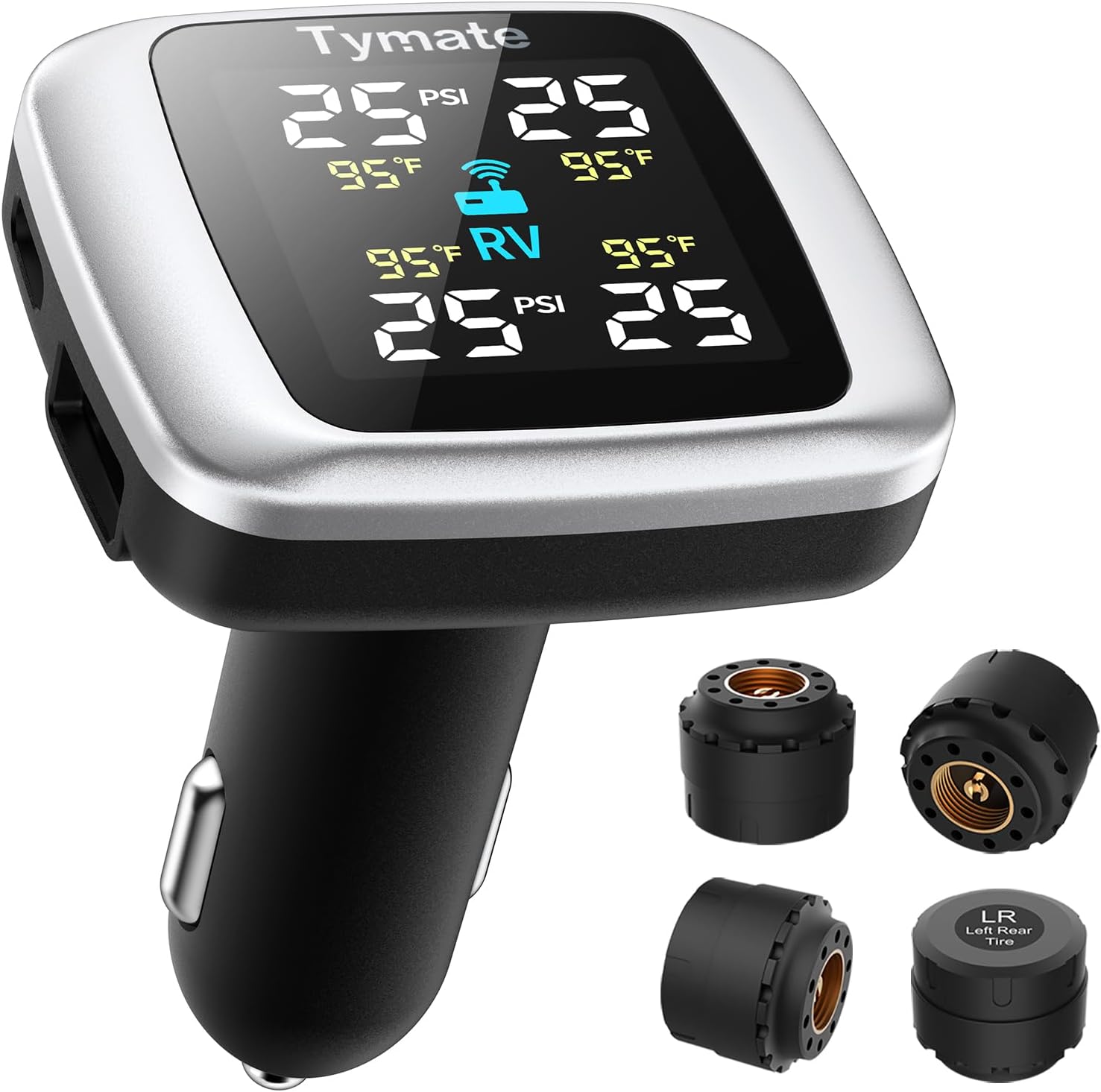
Tymate TM7 is a wireless tire pressure monitoring system that delivers real-time pressure and temperature readings for safer driving. It includes four external sensors, a bright color LCD display with adjustable backlight, and six alarm modes for high/low pressure, fast leakage, high temperature, and sensor signal or battery issues. The system covers a wide 0–144 PSI range and plugs into your vehicle’s cigarette lighter socket for quick DIY setup.

Monitor tire tread wear with a smart, color-coded depth gauge that shows clear condition ranges at a glance. The bar is range marked for fast, easy readings, helping you maintain safer traction and performance. Each gauge is portable with a pocket clip, and the set includes 20 units for daily use and sharing.
Hyundai Sonata Revs Per Mile by Common Tire Size
Hyundai’s 2025 U.S. Sonata product guide lists 205/65R16, 215/55R17, 235/45R18, and 245/40R19 among the wheel-and-tire combinations used across gas, hybrid, and N Line trims. The table below uses common published tire-size dimensions, so treat the values as close comparisons rather than an exact guarantee for every tire brand.
| Tire Size | Common Sonata Use | Approx. Diameter | Approx. Circumference | Approx. Revs/Mile |
|---|---|---|---|---|
| 205/65R16 | Comfort-focused 16-inch fitment | 26.5 in. | 83.2 in. | 762 |
| 215/55R17 | Common 17-inch gas/hybrid fitment | 26.3 in. | 82.6 in. | 767 |
| 235/45R18 | 18-inch appearance/performance fitment | 26.3 in. | 82.7 in. | 766 |
| 245/40R19 | N Line 19-inch performance fitment | 26.7 in. | 83.9 in. | 755 |
Pro Tip: Use revs-per-mile to compare tire sizes, but use the tire manufacturer’s spec sheet when buying a specific tire. Two tires with the same sidewall size can have slightly different measured revolutions per mile.
Why Tire Revs Per Mile Vary by Tire Brand
The size code on the sidewall gives you the tire’s nominal width, aspect ratio, and wheel diameter. It does not perfectly describe the tire’s loaded rolling radius on the road. Real-world revs per mile can shift because of:
- Tire model: Different tread designs and casing shapes can change measured diameter.
- Inflation pressure: Underinflation changes the tire’s loaded shape and can increase heat and wear.
- Vehicle load: More passenger or cargo weight compresses the tire more.
- Tread depth: A worn tire is slightly smaller than a new tire.
- Temperature and speed: Heat and road conditions can affect the tire’s shape while driving.
For normal replacement shopping, the published size-based numbers are useful. For precise calibration, use the tire maker’s data or have a qualified tire shop verify the installed rolling circumference.
How Tire Size Affects Speedometer Accuracy
Most vehicles calculate speed from wheel or driveline rotation. When the tire’s rolling circumference changes, each rotation covers a different distance. A shorter tire makes the speedometer read faster than actual speed. A taller tire makes the speedometer read slower than actual speed.
Tire Diameter and Speedometer Error
Here is a practical example. If a Sonata calibrated for 215/55R17 tires is changed to 245/40R19 tires, the revs-per-mile number drops from about 767 to about 755. That means the taller 245/40R19 tire travels slightly farther per rotation. At an indicated 60 mph, the real speed would be roughly 61 mph.
Warning: Do not choose a tire size only because the wheel diameter fits. Check overall diameter, load index, speed rating, rim width, brake clearance, suspension clearance, TPMS compatibility, and the tire pressure listed on the door placard.
Revs Per Mile and Odometer Readings
Speedometer and odometer changes work together. If the new tire is taller than the original, the odometer may record slightly fewer miles than you actually traveled. If the new tire is shorter, the odometer may record slightly more miles than you actually traveled. Keeping the overall tire diameter close to the original equipment size helps limit this problem.
Tire Size and Fuel Efficiency for the Sonata
Tire size can affect fuel economy, but revs per mile is only one part of the story. A taller tire may reduce engine rpm slightly at cruising speed, but a wider or heavier tire can add rolling resistance and weight. Tire compound, tread pattern, inflation pressure, alignment, and driving style often matter more than the small revs-per-mile difference between common Sonata factory sizes.
Rolling Resistance Matters More Than Size Alone
A low-rolling-resistance tire in the correct factory size may return better fuel economy than a larger performance tire, even if the larger tire has fewer revolutions per mile. Hybrid Sonata owners should be especially careful because tire choice can noticeably affect efficiency.
Pressure and Alignment Affect Mileage
Underinflated tires create more rolling resistance and heat. Poor alignment can drag the tires across the road instead of letting them roll cleanly. For best fuel economy and tire life, check cold tire pressure regularly and correct uneven wear early.
Performance Implications of Different Tire Sizes
Different Sonata tire sizes create different trade-offs. Smaller-wheel fitments often use taller sidewalls, which can improve ride comfort and pothole tolerance. Larger-wheel fitments usually use shorter sidewalls and wider tread, which can sharpen steering response and improve dry-road grip, but they may ride more firmly and cost more to replace.
- 205/65R16: Best for comfort, cost, and daily commuting.
- 215/55R17: Balanced choice for comfort, efficiency, and handling.
- 235/45R18: Sportier appearance and wider contact patch with a firmer ride.
- 245/40R19: Performance-focused N Line size with sharper response but less sidewall cushion.
Key Considerations for Upgrading Your Sonata’s Tires
Upgrading your Sonata’s tires can improve appearance and handling, but the replacement must still be safe for the vehicle. Before moving from a smaller wheel to an 18-inch or 19-inch setup, confirm these items:
- Door placard size: Start with the tire size and cold pressure listed on your Sonata.
- Load index: The replacement tire should meet or exceed the original load requirement.
- Speed rating: Match or exceed the factory speed rating unless a qualified professional confirms otherwise.
- Rim width: The tire must be approved for the wheel width you are using.
- Clearance: Check fender, strut, brake, and full-lock steering clearance.
- TPMS: Make sure the tire pressure monitoring sensors fit and function correctly.
- Alignment: Recheck alignment if you see uneven wear, pulling, vibration, or steering-wheel offset.
Note: Aftermarket 20-inch setups may be possible on some Sonata builds, but they should not be treated as factory-safe just because the bolt pattern matches. Confirm fitment, load rating, and speedometer impact before installing them.
[Products Worth Considering]

The SAFELIFE dial tire tread depth gauge measures tread depth in 1/32 inch increments with clear, easy-to-read 2-inch dial face. Color zones using a traffic light system help you quickly judge whether tread is low, marginal, or ample for safer driving. Built with a durable zinc cast body and a metal detect probe for precise, comfortable use across cars, motorcycles, trucks, and buses.

Measure tire tread depth quickly and accurately with this LUMITECO dial gauge that reads in 1/32" increments up to 14/32". The color-coded green/yellow/red zones make it easy to judge tire wear and know when replacement is needed. A rugged, compact design with a protective pouch helps keep the gauge ready for use on cars, trucks, motorcycles, and more.

The Tymate TM2 RV tire pressure monitoring system keeps you informed with a color LCD display, automatic backlight, and solar charging for dependable operation. It supports up to 10 tire positions with four pre-paired sensors, while offering multiple alarm modes for fast leak detection, pressure extremes, temperature alerts, and low-signal warnings. Built-in monitoring uses accurate readings and reliable 433.92MHz communication to help protect your RV, trailer, truck, or SUV.
How to Calculate Revs Per Mile Yourself
You can compare two tire sizes with a tire-size calculator or by doing the math manually. For a metric tire size such as 215/55R17:
- Find sidewall height: 215 mm × 0.55 = 118.25 mm.
- Convert to inches: 118.25 ÷ 25.4 = 4.66 inches.
- Calculate diameter: 17-inch wheel + two sidewalls = about 26.3 inches.
- Calculate circumference: 26.3 × 3.1416 = about 82.6 inches.
- Calculate revs per mile: 63,360 ÷ 82.6 = about 767 revs/mile.
This method is useful for comparisons, but the installed tire’s real rolling circumference may differ slightly from the calculation.
Common Mistakes When Comparing Sonata Tire Sizes
- Comparing wheel diameter instead of tire diameter: A 19-inch wheel does not automatically mean a much taller tire because the sidewall is usually shorter.
- Ignoring load index: A tire that fits physically may still be unsafe if it cannot carry the required load.
- Using one revs-per-mile number for every brand: Tire models vary, even within the same printed size.
- Assuming fewer revs always means better fuel economy: Tire weight, tread, pressure, and rolling resistance can outweigh the gearing effect.
- Skipping recalibration checks: If the new tire diameter changes noticeably, verify speedometer accuracy with GPS or a tire professional.
Got Questions About Sonata Tire Sizes?
The best tire size for your Sonata depends on your trim, wheel package, climate, and driving priorities. If you want comfort and lower replacement cost, stay close to the smaller factory sizes. If you want sharper handling, a wider 18-inch or 19-inch factory-style fitment may help, but it can reduce ride comfort and increase tire cost. When in doubt, match the door placard and choose a quality tire in the correct load index and speed rating.
Frequently Asked Questions
How many revs per mile is a Hyundai Sonata tire?
Common Sonata tire sizes are usually around 755–767 revolutions per mile. For example, 215/55R17 is about 767 revs/mile, while 245/40R19 is about 755 revs/mile. Use your exact tire model’s spec sheet for the most precise value.
How many revs per mile is a 35-inch tire?
A true 35-inch tire makes about 576 revolutions per mile by simple circumference math. Actual measured revs can vary by manufacturer, tread depth, inflation pressure, and load.
Should you rotate Sonata tires every 5,000 or 10,000 miles?
Hyundai recommends rotating tires every 8,000 miles or sooner if irregular wear develops. Rotating at 5,000 miles is fine if you drive in harsh conditions or pair rotation with oil service, but waiting 10,000 miles may be too long if wear is uneven.
Is higher or lower revolutions per mile better?
Neither is automatically better. Higher revs per mile usually means a shorter tire, which can slightly sharpen acceleration but may increase highway rpm. Lower revs per mile usually means a taller tire, which can reduce rpm slightly but may affect speedometer accuracy, clearance, and handling.
Does changing Sonata tire size affect the speedometer?
Yes, if the overall tire diameter changes enough. A taller tire makes the car travel farther per rotation, so the speedometer can read lower than actual speed. A shorter tire does the opposite. Staying close to the original overall diameter limits the error.
Can I install 20-inch tires on a Hyundai Sonata?
Some aftermarket 20-inch setups may fit some Sonata models, but they require careful checking. Confirm overall diameter, rim width, offset, load index, speed rating, brake clearance, suspension clearance, and TPMS compatibility before installing them.
Conclusion
Choosing Sonata tires is like choosing the right shoes: the size has to fit the job. For common Hyundai Sonata sizes, revolutions per mile are usually close enough that factory-approved replacements keep the car driving normally. Problems start when you choose a tire that changes overall diameter, load capacity, or clearance without checking the details. Use the door placard first, compare revs per mile second, and confirm the final fitment with a trusted tire professional when upgrading.
Sources
- Hyundai Motor America 2025 Sonata Product Guide — factory wheel, tire, and TPMS information for 2025 U.S. Sonata trims.
- NHTSA TireWise Tire Safety — tire size, door placard, inflation-pressure, and tire-safety guidance.
- Hyundai Owner’s Manual: Tire Rotation — Hyundai’s 8,000-mile tire-rotation recommendation and inspection notes.
- TireSize.com specification pages for 205/65R16, 215/55R17, 235/45R18, and 245/40R19 — diameter, circumference, rim-width range, and revs-per-mile comparison values.
- Discount Tire: Tire Size and Speedometer Accuracy — explanation of how tire height affects speedometer readings.
[Products Worth Considering]
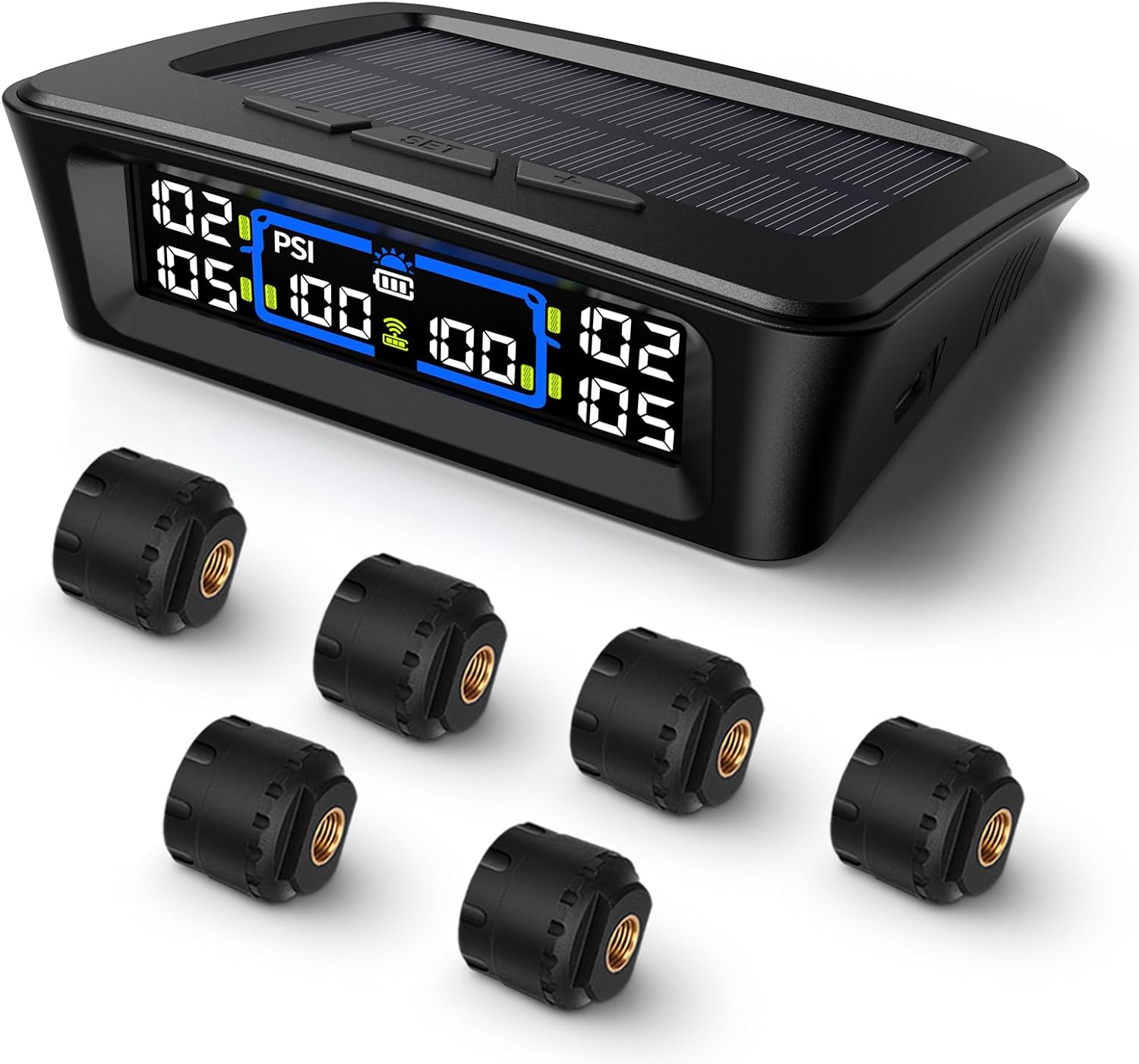
The Tymate TM12 RV TPMS delivers real-time tire pressure and temperature monitoring with a stable 433Hz display for safer long-distance driving. It supports simultaneous monitoring across vehicle and trailer zones, includes six alarm modes for pressure, temperature, leakage, battery, and signal loss, and features easy DIY installation with auto calibration. Power is supplied via USB-C charging or solar recharging, with a wide 0–144 PSI range and up to 50 ft signal coverage for RVs and towable trailers.

The TYAMATE TM8 solar-powered wireless TPMS delivers real-time tire pressure and temperature monitoring with six alarm modes for safer driving. A vibrant color LCD display shows readings clearly while windshield mounting keeps it hands-free and easy to read. With a wide 0–87 PSI range, strong 433.92 MHz signal transmission, and quick sensor pairing, it’s ideal for RV, sedan, SUV, MPV, and truck use.

Masoll M13 TPMS monitors tire pressure across RV and trailer applications and helps protect safety on the road. Set your reference pressure for auto alarm triggers, while the system automatically calibrates as you inflate or deflate. Solar charging with intelligent sleep/wake keeps operation efficient, and the color LCD provides clear readings in day or night driving.

Related Articles

Danger of Using Summer Tires in Winter on a Hyundai Sonata
Potentially perilous, using summer tires in winter on your Hyundai Sonata can compromise safety—discover the hidden dangers that await you on icy roads.
Read More
Can You Mix Nitrogen and Air in Hyundai Sonata Tires? Answered
Discover the implications of mixing nitrogen and air in your Hyundai Sonata tires—are the benefits worth the risks? Explore the answer inside!
Read More
How to Tell If Hyundai Sonata Tires Are Too Old to Use Safely
Understand how to assess the age of your Hyundai Sonata tires and discover crucial signs of deterioration that could compromise your safety on the road.
Read More