
How Much Does Tire Retreading Cost?
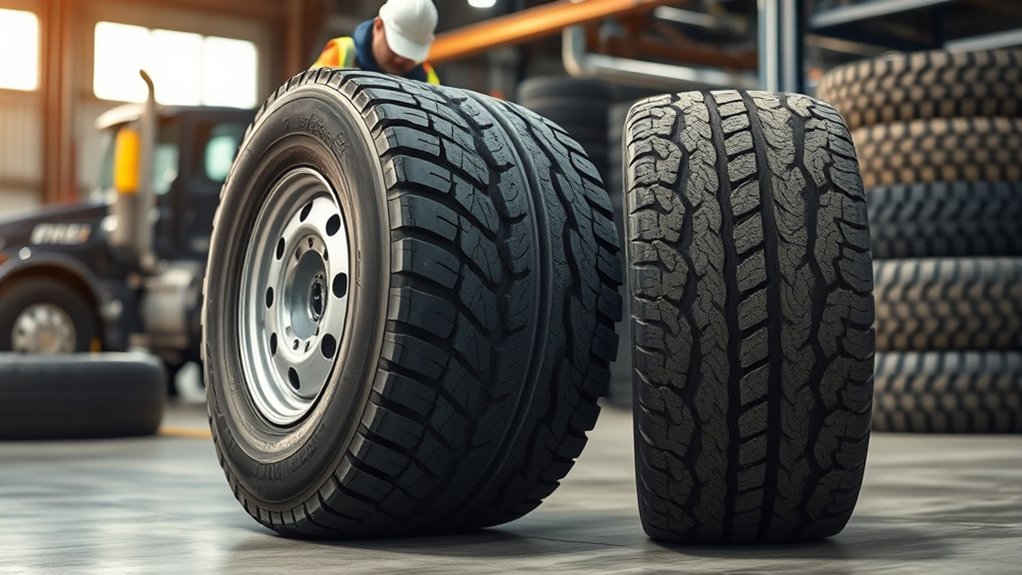
Tire retreading usually costs about $30 to $60 for a passenger tire and $80 to $150 or more for a commercial truck tire. Your final price depends on casing condition, tread pattern, tire size, and whether the shop uses mold-cure or pre-cure methods. Well-maintained casings with even wear and no structural defects cost less to process. Retreads can run 30% to 50% below new tires, and the details behind that gap matter.
Key Takeaways
- Passenger tire retreading typically costs $30 to $60 per tire.
- Commercial truck tire retreading usually ranges from $80 to $150, sometimes reaching $200.
- Final price depends on casing condition, tire size, tread design, and retread method.
- Retreaded tires usually cost 30% to 50% less than new tires.
- Retreading is worthwhile only when the casing is structurally sound and meets inspection standards.
[Products Worth Considering]

Monitor tire tread wear with a smart, color-coded depth gauge that shows clear condition ranges at a glance. The bar is range marked for fast, easy readings, helping you maintain safer traction and performance. Each gauge is portable with a pocket clip, and the set includes 20 units for daily use and sharing.

Measure tire tread depth quickly and accurately with this LUMITECO dial gauge that reads in 1/32" increments up to 14/32". The color-coded green/yellow/red zones make it easy to judge tire wear and know when replacement is needed. A rugged, compact design with a protective pouch helps keep the gauge ready for use on cars, trucks, motorcycles, and more.

The SAFELIFE dial tire tread depth gauge measures tread depth in 1/32 inch increments with clear, easy-to-read 2-inch dial face. Color zones using a traffic light system help you quickly judge whether tread is low, marginal, or ample for safer driving. Built with a durable zinc cast body and a metal detect probe for precise, comfortable use across cars, motorcycles, trucks, and buses.
How Much Does Tire Retreading Cost?
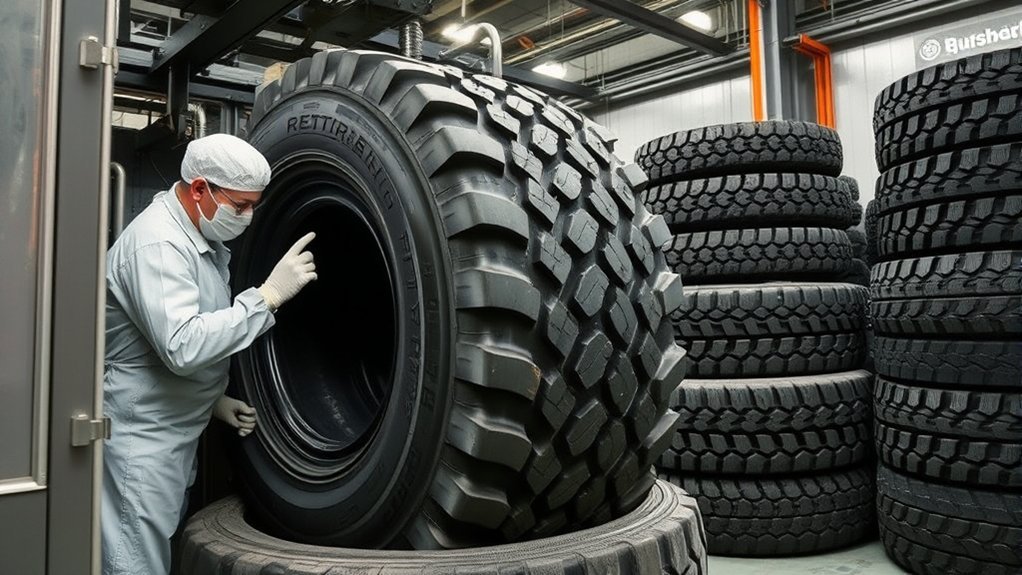
Tire retreading cost typically ranges from about $30 to $60 per passenger tire and $80 to $150 or more per commercial truck tire, depending on casing condition, tread pattern, and retread method.
You’ll usually pay less than for new tires, especially when you manage large fleets or high-mileage vehicles. Your final price can rise if you need premium tread designs, multiple inspections, or repairs before processing.
You should compare quotes based on casing quality, labor, and curing technology, not just sticker price.
Retreading benefits include lower replacement expense and extended casing life, which can improve tire cost-per-mile. The environmental impact also matters: you reduce raw material use and waste by keeping usable casings in service.
To estimate total value, divide the retread price by expected miles; that metric shows whether the investment fits your operating profile.
What Is Tire Retreading?
Retreading is the process of renewing a worn tire casing by removing the old tread, inspecting the carcass, repairing defects, and bonding a new tread layer to the existing structure. You keep the original casing if it passes structural checks, which lets you extend service life without replacing the entire tire.
The process uses standardized inspection, buffing, cementing, building, and curing steps to restore tread depth and traction. For commercial fleets, this can deliver measurable tire benefits, including lower material use and more miles per casing.
It also reduces waste, which improves environmental impact by keeping usable carcasses out of landfills and cutting raw rubber demand. You’re not buying a fully new tire; you’re preserving a qualified foundation and adding a new wear surface.
In technical terms, retreading turns remaining casing value into additional operational mileage with controlled performance.
Key Factors That Change Retreading Price
Your retreading price depends first on tire condition, since casing damage, tread wear, and repair needs change inspection and prep labor.
Tire size also shifts cost because larger casings use more materials and time.
The retread method you choose—mold-cure or pre-cure—sets processing steps, equipment use, and final pricing.
Tire Condition
A tire’s condition is one of the biggest drivers of retreading cost because casings with minor repairs, even wear, and clean sidewalls require less prep and pass inspection faster, while irregular wear, punctures, bead damage, or prior retread failures increase labor, material use, and rejection risk.
During tire inspection, you’ll see how tread wear patterns affect bonding and casing integrity.
- Even tread wear lowers buffing time and inspection flags.
- Minor cuts or repairs add patching steps, but you’ll still pay less than for structural defects.
- Contamination, cracks, and sidewall damage can trigger rejection, so your cost may rise sharply.
If your casing tests clean and stable, you’ll usually get a faster, cheaper retread with lower scrap exposure.
Tire Size
Size directly affects retreading price because larger casings require more buffing time, more rubber compound, and longer handling and curing cycles.
You’ll usually pay more as tire dimensions increase, since wide or tall casings need greater material coverage and stricter inspection for uniformity. A bigger footprint also raises labor and equipment time per casing, which pushes unit cost up.
If your fleet uses mixed sizes, expect pricing to vary by diameter, section width, and load rating. Tread patterns matter too: deep, complex patterns demand more precise matching and can increase prep time.
Standardized sizes with consistent wear usually retread faster and cost less per tire. For budgeting, compare quotes by exact tire dimensions and specify the required tread patterns upfront.
Retread Method
Retread method can shift cost considerably because each process uses different equipment, materials, and labor inputs. You’ll usually see pricing move by method because the retread process can be built for speed, casing preservation, or performance.
Hot cap and cold cap methods often price differently, and your choice affects inspection time, cure cycle, and rubber usage.
- Pre-cure: lower material waste, more variable labor
- Mold-cure: higher tooling cost, tighter tread uniformity
- Repair level: more casing damage raises price
You gain retread benefits when the method matches your duty cycle, load, and mileage targets.
If you need consistent traction and longer service life, expect a higher quote than a basic rebuild.
Retreading Costs by Tire Type
Because tire construction drives the work involved, retreading costs vary by type: commercial truck tires usually fall around $100 to $200 per casing, while wide-base, off-the-road, and specialty tires can run substantially higher due to thicker rubber, larger mold requirements, and more intensive inspection.
You’ll also see costs shift with casing size, tread depth, and repair complexity. Passenger and light-truck retreads typically cost less, but they often offer fewer retreading benefits because the casings wear out faster. Heavy-duty fleet tires usually deliver stronger value per mile, and their environmental impact stays lower because you reuse the casing instead of discarding it.
On OTR equipment, you should expect premium pricing for section repairs, buffing, and custom tread patterns. Aviation, mining, and agricultural tires can cost more still, since each casing needs specialized handling, testing, and curing.
In practice, your total quote depends on labor, materials, and whether the tire passes inspection the first time.
New Tires vs. Retreaded Tires
When you compare new tires with retreaded tires, you’ll usually see a clear upfront price gap, with retreads costing less per casing.
You should also weigh mileage and service life, since new tires often deliver longer tread life while retreads can still meet duty-cycle targets in controlled applications.
Your best choice depends on use case, load, and operating conditions, not just initial cost.
[Products Worth Considering]
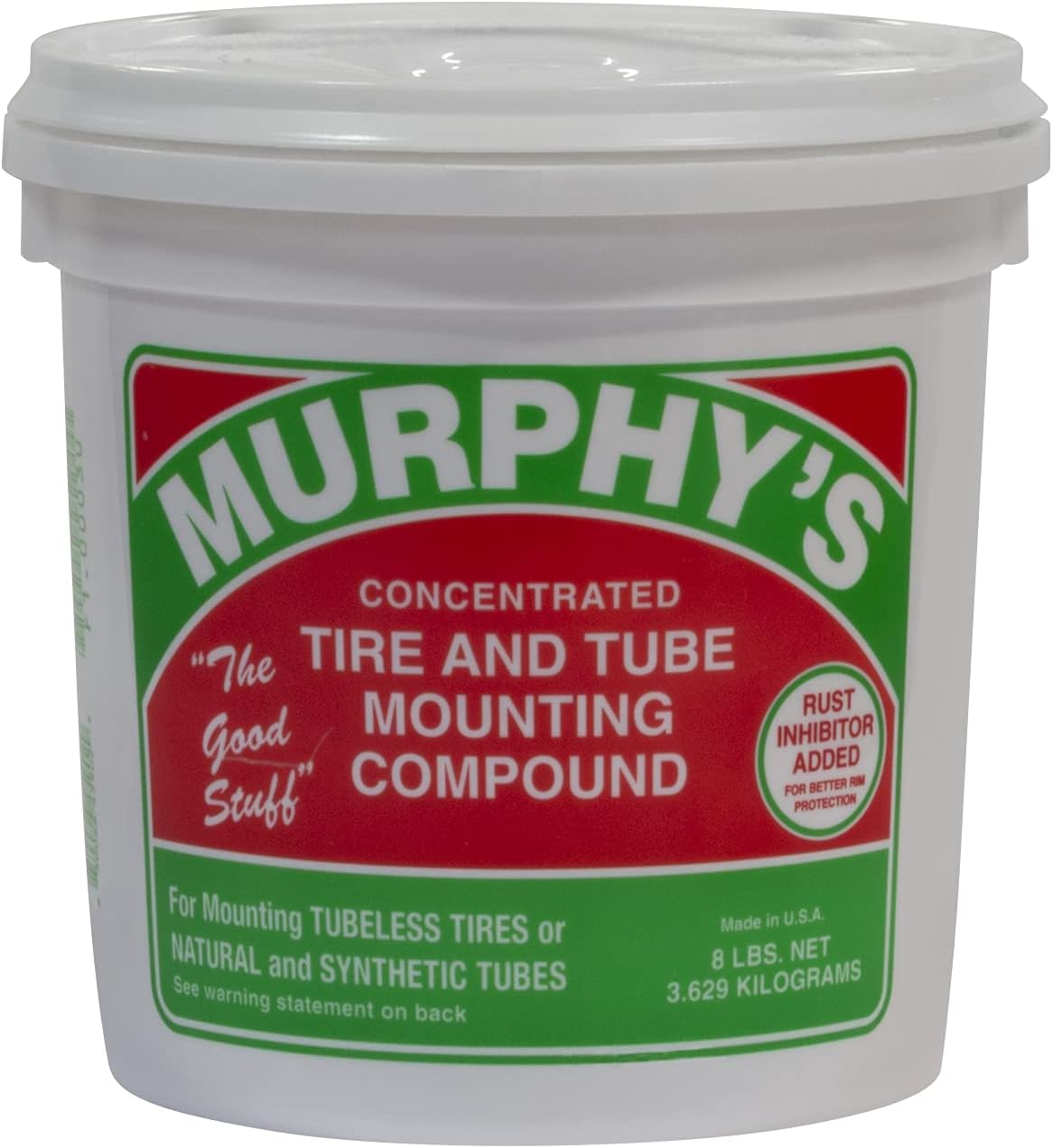
A concentrated tire and tube mounting compound designed to help simplify mounting rubber tires and tubes on passenger, semi truck, construction, and OTR applications. Its ultra-thick formula packs beads effectively and includes rust inhibitors to help protect against corrosion during use.

Accurately measure tire tread depth with a calibrated gauge marked from 0 to 1 inch in 1/32 inch increments. The color-coded bar helps you quickly identify tread condition ranges, supporting safe driving for trucks, motorcycles, automobiles, and passenger vehicles.

Keep your tires properly inflated with this analog VONDIOR tire pressure gauge, designed for fast, easy readings without batteries. The swiveling, two-axis hose and large glow dial help you measure at any tire angle with instant visibility. Built with a protective rubber shield, it supports durable, low-maintenance use for cars and trucks.
Upfront Price Differences
Upfront, retreaded tires usually cost 30% to 50% less than comparable new tires, which can reduce your initial purchase budget considerably.
When you compare upfront costs, you’ll see that price gaps depend on size, casing quality, and supplier specs. Use these comparison factors to evaluate quotes precisely:
- Retail tire price versus retread price
- Core charge, mounting, and balancing fees
- Warranty terms and service support
You’ll often pay less per tire with retreads, especially for fleets buying in volume.
New tires, though, usually carry a higher sticker price because you’re paying for fresh materials and full manufacturing.
Retreaded options reuse sound casings, so you avoid some material cost. If cash flow matters, that lower entry cost can free budget for maintenance or inventory without changing your tire spec.
Mileage and Lifespan
Mileage and lifespan depend heavily on tread depth, casing condition, heat cycling, load, and maintenance practices, so retreaded tires don’t automatically mean shorter service life.
You’ll usually compare remaining tread depth and expected wear rate, not just the label “new” or “retread.” A new tire starts with full tread depth, so its mileage estimates often run higher and more predictable.
A quality retread on a sound casing can deliver substantial miles, especially when you maintain correct inflation, alignment, and rotation.
You should also track heat buildup and irregular wear, because those factors shorten both options.
In practice, lifespan comes from total usable tread, not the manufacturing process alone. If you measure wear consistently, you can forecast replacement timing more accurately and control cost per mile.
Best Use Cases
Choose new tires for severe duty, high-speed service, or applications that demand the most predictable performance, because they offer full tread depth, uniform construction, and the widest operating margin.
You should match tire choice to duty cycle, axle load, and heat exposure. Retreaded tires work best when your fleet runs controlled routes, moderate speeds, and consistent maintenance intervals; that’s where retreading benefits show up in lower cost per mile.
- Use new tires on steer axles, emergency vehicles, and hot climates.
- Use retreads on trailer, drive, and regional haul positions.
- Use new tires when downtime risk outweighs savings.
If you track casing quality and inflation, you’ll improve reliability.
Retreads also reduce material demand, lowering environmental impact without sacrificing acceptable service life.
When Tire Retreading Is Worth It
Tire retreading is worth it when the casing is structurally sound, the tire matches a retreadable size and application, and the expected remaining service life justifies the lower cost per mile.
You should compare the retread quote against new-tire pricing, projected mileage, and downtime risk. If the casing has even wear, no bead damage, and no prior heat or impact failures, you’ll usually get strong retreading benefits.
Fleets with predictable routes, moderate loads, and high annual mileage often see the fastest payback. You also cut material use, which improves environmental impact by reducing scrap and raw rubber demand.
Retreading makes less sense when irregular wear, repeated punctures, or short remaining tread life limit usable miles. Use total cost per mile, not purchase price alone, to decide.
When the retread restores enough service life to beat a replacement on cost and performance, it’s the rational choice.
Where to Get Tires Retreaded
You can get tires retreaded through dedicated retread shops, fleet service centers, and some commercial tire dealers that partner with certified retread plants. These tire retreading locations usually handle casing inspection, buffing, curing, and final quality checks under standardized procedures.
You should compare retread service options by looking at plant certification, casing acceptance criteria, turnaround time, and tread pattern availability.
- Dedicated shops: best for direct technical access and consistent process control.
- Fleet centers: useful when you need on-site casing collection and routine volume tracking.
- Dealer partners: convenient if you already buy commercial tires through a local supplier.
Ask whether they use vacuum curing or mold cure methods, and request defect rejection rates if available. You’ll get the most reliable results from providers that document inspections and track serial numbers.
Local availability varies, so check service radius, load range support, and warranty terms before you send casings in.
How to Save on Retreading Costs
If retreading costs are climbing, the fastest savings usually come from improving casing quality, matching tread design to duty cycle, and reducing reject rates. You should inspect casings before removal; every early scrap cuts return on investment. Use cost effective strategies like preventive pressure checks, alignment verification, and temperature monitoring to extend casing life and preserve retreading benefits.
| Lever | Impact | Action |
|---|---|---|
| Casing selection | High | Reject damaged shells early |
| Tread match | High | Specify patterns by route |
| Process control | Medium | Track scrap and cure data |
| Procurement | Medium | Consolidate volume for better rates |
You’ll also save by comparing local and regional shops, then negotiating based on volume, turnaround, and warranty terms. Ask for uniformity in buffing, inspection, and cure specs, because rework erodes margins. Finally, schedule retreads before severe wear or irregular wear patterns appear; that timing lowers reject risk and keeps your per-mile cost down.
Frequently Asked Questions
How Long Does a Retreaded Tire Typically Last?
You’ll typically get 25,000–50,000 miles from a retreaded tire, depending on tread design, casing quality, and duty cycle. You can optimize tire performance and maximize cost savings by maintaining proper inflation, alignment, and inspections.
Is Tire Retreading Safe for Highway Driving?
Yes, tire retreading can be safe for highway driving when you follow tire safety data and retreading regulations. You should inspect casing quality, tread depth, and bonding integrity; when done right, an old tire can’t be beat.
Can All Tire Brands Be Retreaded?
No, you can’t retread all tire brands. You need tire brand compatibility, casing integrity, and approved construction for the retreading process. You should verify manufacturer specs, because some low-quality or damaged tires won’t pass inspection.
How Many Times Can a Tire Be Retreaded?
Usually, you can retread a tire 1–3 times, depending on casing condition, tire lifespan, and the retreading process. Like a well-worn book, your tire’s shell determines how many safe encore performances you’ll get.
Does Retreading Affect Fuel Economy?
Yes, retreading can slightly affect your fuel economy if you choose a heavier or less optimized casing, but you’ll often preserve tire performance and reduce environmental impact. Properly matched retreads usually keep rolling resistance close to new tires.
Conclusion
Tire retreading can trim your costs without sacrificing performance when you choose wisely. You’ll usually pay less than for new tires, with savings driven by casing condition, tire size, and service complexity. If you manage fleets or high-mileage vehicles, retreading can lower lifecycle costs and reduce waste. Check quality standards, compare local shops, and track total cost per mile. When you balance budget, durability, and demand, retreading can be a smart, sustainable solution.
[Products Worth Considering]

Steelman white tire marking crayons provide high-contrast, semi-permanent marks for repairing and inspecting tires and equipment. They write on wet or dry, smooth or coarse surfaces including rubber, metal, glass, and wood, making them ideal for puncture location and damage outlining. The lead- and zinc-free crayons resist weather and fading yet wipe away when you no longer need the marks.

The Trivd Frol 1/2" air impact wrench delivers high performance torque up to 1500 ft-lbs with a twin hammer impact mechanism for strong, balanced blows. It features an ergonomic grip, compact lightweight design, and quick-stop control with 3 forward speeds up to 8000 RPM plus a reverse speed. Built for demanding automotive repair and tire shop work, the rear exhaust helps keep debris away from the surface.

The Big Rig Defense Tire Thumper is a truck tire pressure checker that lets you quickly check multiple tires by giving them a firm whack. Listen for a reassuring thump and feel the stick bounce when a tire is fully inflated, helping you get back on the road safely. It features a comfortable, glove-friendly handle and a secure wrist strap for confident use on busy routes.

Related Articles

Firestone Tire Installation Cost: Full Price Guide
Compare Firestone tire installation costs and discover what hidden fees could change your final bill.
Read More
Tire Rack vs Costco: Which Is Better for Tires?
Pick the better tire deal between Tire Rack and Costco before hidden differences change your choice.
Read More
How Much Does It Cost to Install Rims?
Need to know what installing rims really costs? Discover the hidden fees and price factors before you pay more than you should.
Read More