
Why Are Tires So Expensive? Cost Breakdown
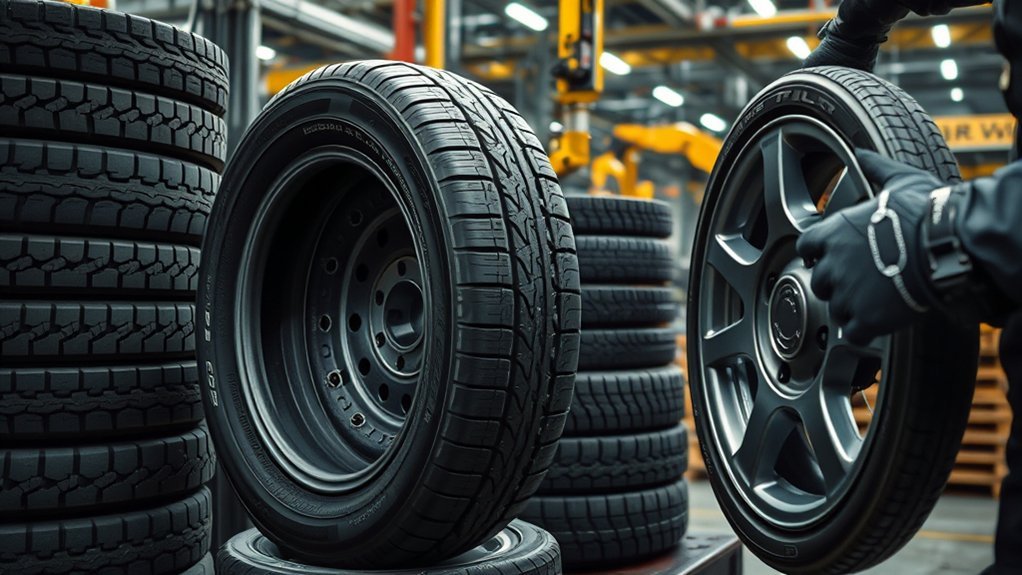
Tires are expensive because you’re paying for more than rubber. You cover costly inputs like synthetic and natural rubber, carbon black, silica, and additives, plus engineering work for tread design, CAD modeling, prototypes, and safety testing. Bigger sizes and performance tires need more material, tighter tolerances, and specialized molds. Brand premiums, shipping, and limited demand for certain sizes also push prices up. If you keep going, you’ll see what drives each cost even more.
Key Takeaways
- Tire prices reflect costly materials like rubber, silica, carbon black, and additives that improve performance and durability.
- Complex tread design, CAD modeling, prototypes, and safety testing increase engineering and manufacturing costs.
- Larger, performance, and specialty tires use more material and require tighter tolerances, raising production expenses.
- Brand reputation, research, dealer support, and premium technology allow manufacturers to charge more.
- Shipping, freight fees, and limited local inventory can further increase the final price you pay.
[Products Worth Considering]

Upgrade your wheelbarrow, garden wagon, hand truck, or trolley with solid flat-free 13 inch replacement tires designed to avoid punctures and eliminate inflation time. Built with durable polyurethane and thickened steel for impact resistance and smooth rotation, the serrated tread improves traction on wet or slippery surfaces. Includes spacers and pins for easier installation and a universal 5/8 inch axle bore hole for a stable fit.

This 13-inch flat-free wheelbarrow tire uses solid polyurethane foam construction with steel rims, so it will not puncture, rot, or go flat. The anti-skid tread improves stability and maneuverability across garden, lawn, and mixed terrain. It includes pre-installed 5/8-inch bearings plus extra 3/4-inch bearings and a versatile adapter kit to fit compatible wheel sizes and cart hubs.

This 15-inch tire spoons kit makes tire removal and installation easier with added leverage, reducing time and effort for everyday repairs. It includes tire spoons, rim protectors, a valve tool, and valve cores/caps, helping protect rims and streamline deflation and re-sealing. Built with durable hardened steel and a non-slip ergonomic grip for confident use on motorcycles, dirt bikes, ATVs, and lawn equipment.
The Main Factors Behind Tire Prices
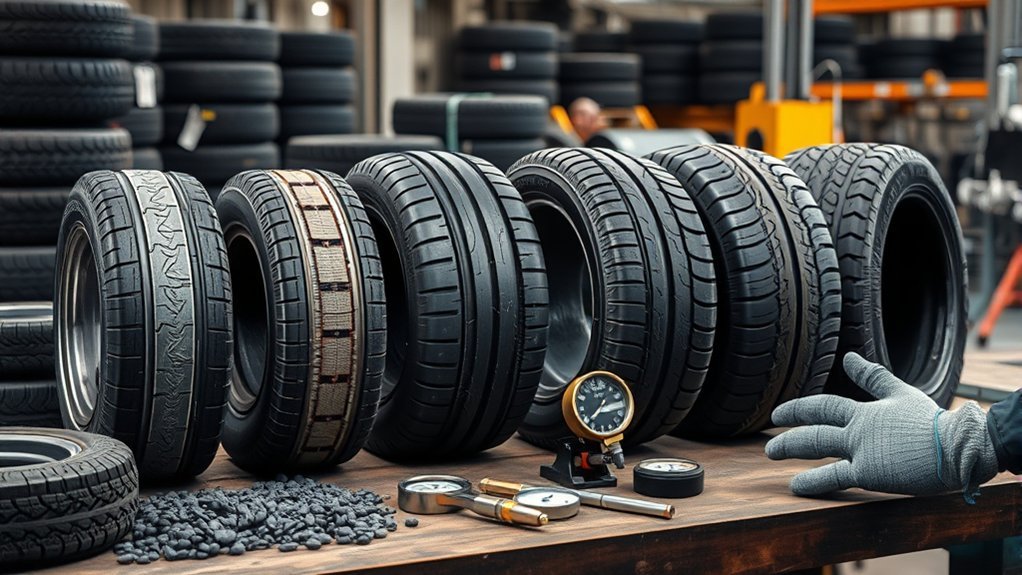
Tire prices vary mainly because of materials, tread design, size, and performance rating. You’ll see costs rise when a tire needs more complex engineering, tighter tolerances, or a higher speed and load index.
Larger diameters usually cost more because they require more raw input and less common tooling. Performance-focused models also command higher prices since tire technology improves grip, handling, and wear control through more advanced patterns and construction.
Market demand matters too: popular sizes for SUVs, trucks, and high-volume sedans can stay competitive, while niche fitments often cost more due to lower production runs. Seasonal tires can also price differently based on expected demand peaks.
When you compare options, check the label, warranty, and test results, not just the sticker price. That gives you a clearer view of value per mile and helps you avoid paying extra for features you won’t use.
Why Tire Materials Cost More
Raw material quality drives a big share of tire cost because compounds with more synthetic rubber, natural rubber, carbon black, silica, and specialty oils are engineered for better grip, heat resistance, and wear life.
You pay more because these inputs don’t come from one cheap feedstock; they depend on global material sourcing, commodity pricing, and tighter quality specs. When oil-linked synthetics rise, your tire cost usually follows.
Premium silica compounds also cost more to refine and mix, but they can lower rolling resistance and improve wet traction, so manufacturers accept higher input costs.
Additives like resins, sulfur, and antioxidants increase durability, yet they also raise the bill. Even small percentage changes in formulation can move unit cost meaningfully.
More demanding production processes also waste less raw material, but they require consistent ingredient grades.
In practice, you’re buying performance chemistry, not just rubber, and that chemistry is a major reason tires aren’t cheap.
How Tire Design and Testing Add Cost
That chemistry is only part of the price; tire design and validation add another major layer of cost. You pay for engineering time that turns raw rubber into tread patterns that grip, shed water, and reduce noise.
Designers run simulations, then refine each mold to match the target performance. Every change can slow manufacturing processes, because a small shift in groove depth or shoulder shape may require new tooling.
You also fund performance testing on tracks, drum rigs, and labs, where engineers measure wear, rolling resistance, and wet traction. Those tests aren’t optional; they verify safety standards and document compliance before production.
- CAD modeling and prototypes
- Mold development and revisions
- Performance testing across conditions
- Compliance checks for safety standards
- Manufacturing process adjustments
[Products Worth Considering]

Inflate car tires, bicycles, and sports balls quickly with a fast 50-second inflation design and a digital pressure gauge for confident pressure control. The 12V DC inflator features auto shut-off to stop at your preset PSI, plus an emergency LED light for added visibility. Continuous use supports no-rest inflation across all four tires, with low vibration and low noise operation for easier handling.

Upgrade your vehicle’s tire valves with these durable, universal black stem caps that help protect against dust and moisture. Each cap includes a rubber sealing ring to reduce the risk of air leakage during long, rugged drives. Made from corrosion-resistant plastic with a textured grip, they fit most Schrader valve-equipped cars, SUVs, trucks, motorbikes, and bikes.

These lavender steam eye masks provide a warm, self-heated compress to relieve eye fatigue, dryness, and puffiness while helping reduce the look of dark circles. The mask releases fine moist steam for a relaxing 20 to 30 minute eye spa experience that can be used at home, in the office, or while traveling. Soft, elastic ear hooks help it fit comfortably for naps, sleep, or screen-time breaks.
How Tire Size and Vehicle Type Affect Price
Larger tires usually cost more because they use more material, require larger molds, and often need stronger construction to handle heavier loads.
Larger tires cost more because they use more material, bigger molds, and stronger construction.
If you drive an SUV, truck, or performance car, you’ll usually pay more than a compact sedan owner because your tire needs are more specialized.
Wider diameters and low-profile sidewalls can raise production complexity and reduce output volume, which pushes unit prices up.
On heavy vehicles, load ratings and heat resistance matter, so manufacturers build in more reinforcement.
That extra engineering affects tire performance, especially under braking, cornering, and towing stress.
Seasonal variations, too, can influence cost when your vehicle needs dedicated winter or all-season sizes with lower demand.
In general, the more uncommon your size and the more demanding your vehicle, the higher the price you should expect to see.
How Brand and Shipping Affect Price
Brand choice can move tire prices just as much as size does, especially when you compare premium, mid-range, and budget lines. You’ll usually pay more when brand reputation signals longer tread life, stronger warranties, and better wet grip.
Manufacturers price in research, testing, and dealer support, so the label can add 10% to 30% before shipping. Shipping logistics matter too: heavy tires cost more to move, and remote delivery raises freight, fuel, and handling charges.
If you buy online, you may see a low base price, then a separate freight fee at checkout. Local inventory can cut that cost, but limited stock can push you toward pricier brands.
- Premium brands often bundle higher testing costs
- Budget tires may save upfront but wear faster
- Freight charges rise with distance and volume
- Warehouse location affects delivery speed and cost
- Installation fees can stack on top of shipping
Frequently Asked Questions
How Often Should Tires Be Rotated?
You should rotate your tires every 5,000 to 8,000 miles, or per your vehicle’s rotating schedules. Following tire maintenance tips helps you even wear them, improve handling, and extend tread life efficiently.
What Tire Pressure Is Best for My Car?
You should set your tire pressure to your car’s door-jamb placard value; that’s your ideal inflation. Check it cold, because underinflation hurts handling and fuel economy, while overinflation reduces grip and wear.
How Do I Know When Tires Need Replacement?
You need replacement when tread wear reaches indicators, cracks appear, or a visual inspection shows damage. Track age factor, performance decline, road conditions, and alignment issues; if handling worsens, replace them soon.
Are All-Season Tires Good in Snow?
No, you shouldn’t rely on all-season tires for deep snow; they trade winter grip for versatility. You’ll get limited snow traction, and tire performance drops in winter conditions despite decent all season capabilities.
Can Tire Warranties Cover Road Damage?
Yes, you can sometimes get warranty coverage for road hazards, but most tire warranties exclude potholes, nails, and curb damage. You should read terms carefully, because coverage usually depends on damage type, mileage, and proof.
Conclusion
So, why are tires so expensive? You’re paying for a mix of raw materials, engineering, testing, size, and logistics. Like a well-tuned machine, each layer adds cost before a tire ever reaches your car. Premium compounds, stricter safety standards, and larger fitments all raise the price. If you compare options carefully, you can spot where you’re paying for performance—and where you’re just paying for the name.
[Products Worth Considering]

Upgrade your air tools with this 18-piece air compressor accessory kit featuring a 25ft recoil poly hose, 1/4" NPT quick connect fittings, and a 100 PSI tire inflator gauge. The set also includes a heavy-duty blow gun with safety and tapered nozzles, plus couplers, inflation needles, plugs, and other essentials for everyday mechanic and workshop tasks. Corrosion-resistant steel and brass components help keep connections reliable for inflating, blowing out, and general pneumatic use.

Convert Presta bicycle valves to accept standard Schrader pump nozzles for fast, hassle-free inflation. This kit includes durable brass adapters with leak-resistant connections, plus sports inflation needles and protective valve caps for convenient use on bikes and ball sports equipment.

Two-pack 26" bicycle inner tubes for tires sized 1.75 to 2.125, built with a 35mm AV Schrader valve for easy compatibility. The thicker inner wall and premium butyl rubber help absorb bumps and vibrations while improving durability and air retention. Includes two upgraded tire levers for simpler installation and reduced risk of breakage.

Related Articles
What Is a Demo Tire? Should You Buy One?
Usually near-new, a demo tire can save money—or hide surprises, so would you know what to inspect before buying one?
Read More
Tire Warranties: What to Look For Before You Buy
Fierce tire warranties can save money or cost more than expected—discover the hidden exclusions, mileage promises, and claim rules before you buy.
Read More
Where Can You Sell Used Tires? Best Options
Just the best places to sell used tires—and which ones pay fastest or highest—might surprise you.
Read More