
Hyundai Sonata Tire Aspect Ratio Explained: What the Number Means
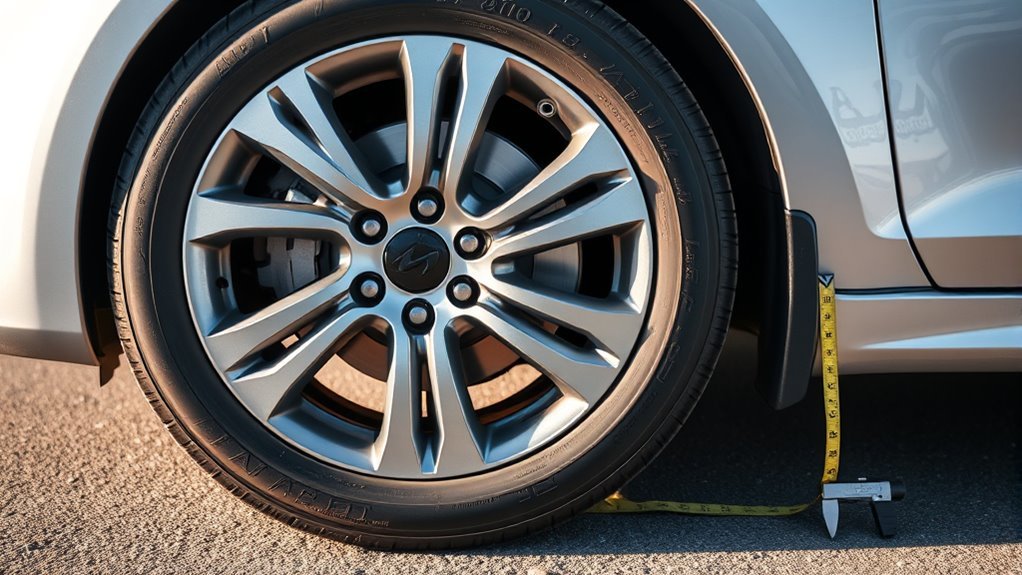
The aspect ratio in a Hyundai Sonata tire size is the two-digit number after the slash, such as the 55 in 215/55R17 or the 65 in 205/65R16. It tells you how tall the tire sidewall is compared with the tire width, and it affects ride comfort, steering feel, wheel protection, overall tire diameter, and speedometer accuracy.
Quick Answer
On a Hyundai Sonata tire, the aspect ratio is the sidewall height as a percentage of tire width. In 215/60R16, the “60” means the sidewall height is 60% of 215 mm. Lower ratios usually feel sharper but firmer; higher ratios usually ride softer but flex more.
Key Takeaways
- Aspect ratio controls sidewall height, not tire width by itself.
- A lower aspect ratio can improve steering response, but it usually makes the ride firmer and gives less pothole protection.
- A higher aspect ratio can improve cushioning, but it can soften steering feel and may change overall tire diameter.
- Always verify the exact size, load index, speed rating, and tire pressure on your Sonata’s driver-side tire label or owner’s manual before buying tires.
At a Glance
| Time Required | 5–10 minutes to read your tire size; longer if comparing replacement sizes |
| Difficulty | Easy for reading the code; moderate for checking a size change |
| Tools Needed | Driver-side tire label, owner’s manual, tire pressure gauge, and a tire-size calculator for swaps |
| Cost | Free to check; tire replacement cost depends on size, brand, load rating, and installation |
What Aspect Ratio Means for a Hyundai Sonata
When you read a tire size like 215/60R16 on a Hyundai Sonata, the number after the slash is the aspect ratio. In this example, the “60” means the sidewall height is 60% of the tire’s 215 mm section width. Tire makers define aspect ratio this way: sidewall height expressed as a percentage of tire width.
That sidewall height matters because the tire is part of your Sonata’s suspension system. A taller sidewall can absorb bumps and road imperfections better. A shorter sidewall flexes less, which can make steering feel quicker and more precise.
Note: The best tire size for your Sonata is not guessed from the internet. Use the Tire and Loading Information Label on the driver-side door jamb, your owner’s manual, or a Hyundai tire professional.
For official guidance, the National Highway Traffic Safety Administration says to check the owner’s manual or the Tire and Loading Information Label for the correct tire size. You can also use the Hyundai digital owner’s manual to verify information for your exact model year and trim.
[Products Worth Considering]

The JACO FlowPro Tire Inflator measures, inflates, and airs down tires up to 100 PSI with battery-free operation and ±2% accuracy after calibration. It features a glowing pressure dial for night visibility, a heavy-duty steel build with a hybrid hose, and a precision push-to-inflate thumb trigger. The patented Lightning Air Chuck locks on for a secure seal, and the kit includes quick-connect hardware for easy inline use with your air compressor.

The AstroAI 2 pack air chucks provide a heavy-duty, closed-flow locking design that helps keep air flowing during inflation while securely attaching to the valve stem. Built with 250 PSI rated brass components and compatible with Schrader valves, they feature 1/4" female NPT threads for a wide fit with common inflators. The straight tip and locking clip make filling tires and monitoring pressure more convenient.

Upgrade your air tools with this 18-piece air compressor accessory kit featuring a 25ft recoil poly hose, 1/4" NPT quick connect fittings, and a 100 PSI tire inflator gauge. The set also includes a heavy-duty blow gun with safety and tapered nozzles, plus couplers, inflation needles, plugs, and other essentials for everyday mechanic and workshop tasks. Corrosion-resistant steel and brass components help keep connections reliable for inflating, blowing out, and general pneumatic use.
How Aspect Ratio Affects Sonata Ride and Handling
Because aspect ratio changes sidewall height, it changes how your Sonata reacts to bumps, steering inputs, and cornering loads.
- Lower aspect ratio: Shorter sidewall, less flex, quicker steering response, firmer ride, and less protection from pothole impacts.
- Higher aspect ratio: Taller sidewall, more cushioning, smoother ride, more sidewall flex, and less crisp steering response.
- Same aspect ratio, different width: The sidewall height still changes if tire width changes. A 215/60 tire and a 235/60 tire do not have the same sidewall height.
For example, a 215/55R17 tire has a shorter sidewall than a 215/65R16 tire. That does not automatically make one “better.” It means the tire is tuned for a different balance of comfort, steering feel, wheel size, and total diameter.
Warning: Do not change your Sonata’s aspect ratio by itself without checking overall tire diameter, load index, speed rating, wheel clearance, and manufacturer recommendations. A size that fits the rim can still be wrong for the car.
How to Read Your Sonata’s Tire Size Step by Step
Find the tire code on the sidewall, the driver-side door label, or the owner’s manual. A common format looks like P215/65R16 95H. Read it from left to right:
- P means passenger tire. Some tires may not show the P.
- 215 is the tire section width in millimeters.
- 65 is the aspect ratio. The sidewall height is 65% of 215 mm.
- R means radial construction.
- 16 is the wheel diameter in inches.
- 95 is the load index. Replacement tires should meet or exceed the original load rating.
- H is the speed rating. Replacement tires should match the vehicle’s requirements and your driving conditions.
Sidewall Height Formula
To calculate sidewall height:
Sidewall height = tire width × aspect ratio
Example for 215/65R16:
- 215 mm × 0.65 = 139.75 mm
- 139.75 mm ÷ 25.4 = about 5.5 inches
Overall Tire Diameter Formula
Overall diameter matters because it affects ground clearance, speedometer readings, odometer readings, ABS, traction control, and stability-control calibration.
Overall diameter = wheel diameter + 2 × sidewall height
For 215/65R16, the approximate overall diameter is:
- Sidewall height: about 5.5 inches
- Wheel diameter: 16 inches
- Total diameter: 16 + 5.5 + 5.5 = about 27 inches
Pro Tip: When comparing two tire sizes, compare overall diameter, load index, and speed rating—not just the aspect ratio number.
Common Sonata Aspect Ratios by Model Year and Trim
Hyundai Sonata aspect ratios vary by model year, country, drivetrain, trim, and wheel package. Many recent Sonata trims use sizes such as 205/65R16, 215/55R17, 235/45R18, and 245/40R19, but your exact car may differ. Always confirm the size on your vehicle’s tire label before ordering replacements.
| Example Sonata Tire Size | Aspect Ratio | Typical Feel |
|---|---|---|
| 205/65R16 | 65 | More sidewall cushioning and a softer ride |
| 215/55R17 | 55 | Balanced comfort and steering response |
| 235/45R18 | 45 | Sharper feel with a firmer ride |
| 245/40R19 | 40 | Sportier response, less sidewall cushion |
These are examples, not a universal fitment chart. For current model information, review the Hyundai Sonata model page, the Hyundai owner’s manual, and the tire label on your specific vehicle.
Typical Aspect Ratios
Sonata aspect ratios commonly range from the 40s to the 60s depending on wheel size and trim:
- 40–45: Often found with larger wheels and sport-oriented trims. Expect sharper response and a firmer ride.
- 55: A common middle ground that balances steering precision and everyday comfort.
- 60–65: Usually more comfort-focused because the taller sidewall absorbs bumps better.
Impact on Ride Quality
A taller sidewall has more rubber between the road and the wheel. That can make highway driving calmer and reduce harshness over rough pavement. A shorter sidewall gives the wheel less cushion, so impacts can feel sharper in the cabin.
This is why a Sonata with 16-inch wheels and a 65 aspect ratio often feels softer than a Sonata with 19-inch wheels and a 40 aspect ratio. The trade-off is that the lower-profile setup can feel more direct when turning.
Lower vs Higher Aspect Ratios: Trade-Offs for Sonata Owners
Choosing between a lower and higher aspect ratio is really a choice between road feel, comfort, wheel protection, and vehicle calibration.
| Choice | Benefits | Trade-Offs |
|---|---|---|
| Lower aspect ratio | Quicker steering response, less sidewall flex, sportier appearance | Firmer ride, higher wheel-damage risk from potholes, less cushion |
| Higher aspect ratio | Softer ride, more impact absorption, better rim protection | More sidewall flex, softer steering feel, possible diameter changes |
Do not assume wider and lower always means better traction. Tire compound, tread design, temperature, road surface, rain, snow, and inflation pressure all matter. Tire Rack also notes that wider tires may not process water as quickly as narrower tires and can reduce snow traction or hydroplaning resistance in some conditions.
[Products Worth Considering]

EVOULTES heavy duty tire inflator with an integrated gauge delivers accurate pressure readings from 10–120 PSI, helping you inflate, deflate, and check tires in one tool. The 16.5-inch extended dual-head air chuck with swivel base reaches hard-to-access dual wheel valves on trucks and RVs. A brass trigger core and side-mounted air release valve make operation smooth, with standard 1/4" NPT threading and quick-connect compatibility for easy setup.

The Fanttik X10 Pro is a cordless portable tire inflator that reaches up to 150 PSI and can inflate an R15 tire in about 35 seconds for quick roadside or home top-ups. With AccuInFlate auto-stop and smart start/stop controls, it helps maintain accurate pressure and frees your hands once the target is reached. A high-visibility digital display and preset modes make it easy to set and monitor inflation for cars, motorcycles, bikes, and balls.
When It’s Safe to Change Your Sonata’s Aspect Ratio
It may be safe to change your Sonata’s aspect ratio if the full replacement size is approved for your vehicle or closely matches the original overall diameter, load capacity, speed rating, wheel width, and clearance requirements. The aspect ratio alone does not determine fitment.
Tire Rack’s plus-sizing guidance explains why overall diameter matters: keeping the tire’s total diameter close to original helps preserve ground clearance, driveline gearing, and speedometer accuracy. Large diameter changes can also affect ABS, traction control, and stability-control systems.
Safe Aspect Ratio Change Checklist
- Start with the original size: Check the driver-side tire label or owner’s manual.
- Compare overall diameter: Avoid large changes unless Hyundai or a qualified tire professional approves them.
- Match load index: The replacement tire should meet or exceed the original load rating.
- Match speed rating: Use a rating appropriate for the Sonata and your driving conditions.
- Check wheel width: The tire must fit the rim width safely.
- Check clearance: Confirm no rubbing at full steering lock, over bumps, or with passengers and cargo.
- Check tire pressure: Use Hyundai’s recommended cold inflation pressure, not the maximum pressure printed on the tire sidewall.
- Ask a professional: Have a tire shop verify fitment before mounting non-stock sizes.
Can You Change from 60 to 65?
Sometimes, but not automatically. If the tire width and wheel diameter stay the same, moving from a 60 to a 65 aspect ratio makes the sidewall taller and increases the overall tire diameter. That may improve cushioning, but it can also affect speedometer accuracy, wheel-well clearance, and vehicle-system calibration.
For example, compare these two sizes with the same width and wheel diameter:
- 215/60R16: sidewall height is 129 mm.
- 215/65R16: sidewall height is about 140 mm.
That extra sidewall height appears on both the top and bottom of the tire, so the total diameter increases by about 21.5 mm. That is why you should compare full tire dimensions before changing aspect ratio.
Choosing Replacement Tires and Getting Professional Fitment for Your Sonata
When replacing tires on your Sonata, match the tire size, load index, speed rating, and recommended inflation pressure from the tire label or owner’s manual. If you want a different size for comfort, appearance, or handling, get the full fitment checked before buying.
Proper Tire Size Matching
Do not shop by aspect ratio alone. A correct replacement tire must work as a complete size. Check these items before ordering:
- Width: The first number in the tire size, such as 215.
- Aspect ratio: The second number, such as 55, 60, or 65.
- Construction: Most modern Sonata tires use radial construction, shown by R.
- Wheel diameter: The number after R, such as 16, 17, 18, or 19.
- Load index: The number after the tire size, such as 94 or 95.
- Speed rating: The letter after the load index, such as H, V, or W.
Professional Mounting and Balancing
Have new tires mounted and balanced by trained technicians. NHTSA explains that tire balancing helps wheels rotate properly and prevents vibration, and that wheel alignment helps tire life and vehicle tracking. New tires should be balanced when installed.
A good tire shop should also confirm valve condition, lug-nut torque, tire pressure, directional mounting if required, and a road test if vibration is present after installation.
Frequently Asked Questions
What is the difference between a 65 and 70 aspect ratio?
A 70 aspect ratio has a taller sidewall than a 65 aspect ratio when tire width is the same. The taller 70-series tire usually gives more cushioning, but it also increases overall tire diameter unless the width or wheel diameter changes. That can affect clearance and speedometer accuracy.
What does the aspect ratio number mean on tires?
The aspect ratio number tells you the sidewall height as a percentage of tire width. In 215/55R17, the sidewall height is 55% of 215 mm. It affects ride comfort, steering response, wheel protection, and total tire diameter.
Can you change tire aspect ratio from 60 to 65?
You can only do it safely if the full replacement size is compatible with your Sonata. Moving from 60 to 65 with the same width and wheel diameter makes the tire taller, which can change speedometer readings, clearance, and vehicle-system calibration. Check the overall diameter and ask a tire professional before switching.
Does a lower aspect ratio always improve handling?
No. A lower aspect ratio usually reduces sidewall flex and can sharpen steering response, but handling also depends on tire compound, tread design, wheel weight, suspension condition, road surface, and inflation pressure. A very low-profile tire can also ride harshly and be easier to damage on potholes.
Where do I find the correct tire size for my Hyundai Sonata?
Check the Tire and Loading Information Label on the driver-side door jamb, then confirm with your owner’s manual. Those sources are better than using a generic online chart because Sonata tire sizes vary by model year, trim, drivetrain, and wheel package.
Conclusion
Your Hyundai Sonata’s tire aspect ratio tells you how tall the sidewall is compared with the tire width. A lower ratio can make the car feel sharper, while a higher ratio can improve ride comfort. The safest choice is the size Hyundai lists for your exact Sonata or another size confirmed by a qualified tire professional.
Before changing from one aspect ratio to another, compare the full tire size, overall diameter, load index, speed rating, wheel width, clearance, and tire pressure requirements. That extra check protects ride quality, handling, speedometer accuracy, and the systems that help keep the car stable.
Sources
- NHTSA TireWise — correct tire size, tire label, tire pressure, balancing, alignment, tread, and safety guidance.
- Hyundai Digital Owner’s Manual — official Hyundai owner’s manual lookup for exact model-year guidance.
- Hyundai Sonata Model Page — official Hyundai model and trim information.
- Tire Rack: Plus Size Wheels & Tires — overall diameter, speedometer, ABS, traction control, stability-control, and low-profile tire trade-offs.
- Michelin: Tire Markings Explained — tire width, aspect ratio, sidewall height, and fitment basics.
- Goodyear: How to Read Tire Sidewall Markings — aspect ratio, wheel diameter, load index, and speed rating explanation.

Related Articles

Danger of Using Summer Tires in Winter on a Hyundai Sonata
Potentially perilous, using summer tires in winter on your Hyundai Sonata can compromise safety—discover the hidden dangers that await you on icy roads.
Read More
Can You Mix Nitrogen and Air in Hyundai Sonata Tires? Answered
Discover the implications of mixing nitrogen and air in your Hyundai Sonata tires—are the benefits worth the risks? Explore the answer inside!
Read More
How to Tell If Hyundai Sonata Tires Are Too Old to Use Safely
Understand how to assess the age of your Hyundai Sonata tires and discover crucial signs of deterioration that could compromise your safety on the road.
Read More