
How to Save Fuel: 7 Simple Ways to Cut Your Gas Bill
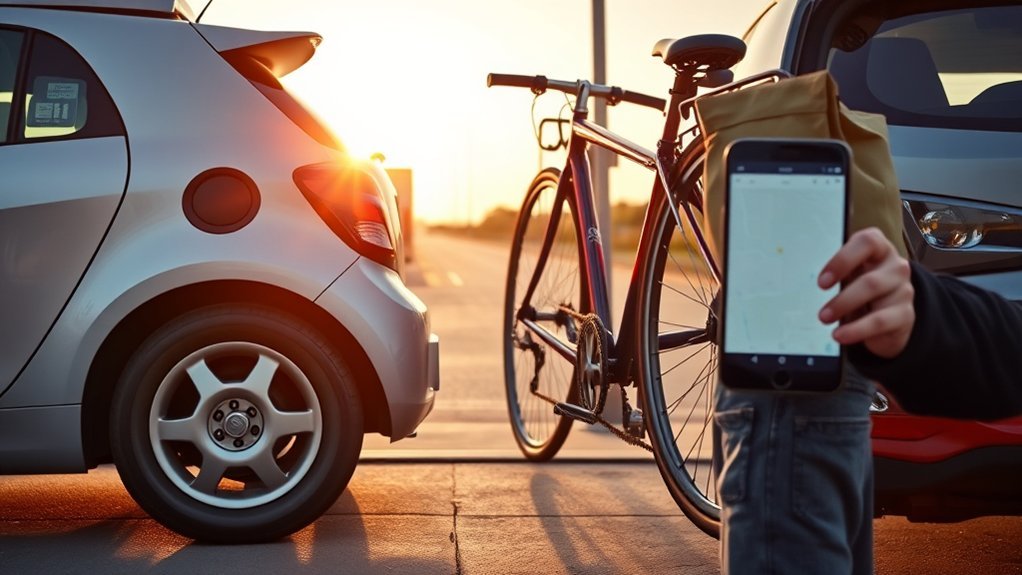
You can cut your gas bill by driving less, carpooling, or using transit for short trips. When you do drive, accelerate gently, brake early, and keep a steady pace with cruise control on highways. Slow down a little to boost mileage. Check tire pressure often, use the fuel grade your owner’s manual recommends, compare gas prices, and pay cash when stations offer a discount. A few smart habits can save you more than you think.
Key Takeaways
- Combine errands, carpool, or use public transit to reduce unnecessary driving and fuel use.
- Drive smoothly by accelerating gently, braking early, and maintaining a steady speed.
- Keep tires properly inflated to the manufacturer’s recommended pressure for better fuel economy.
- Use the correct fuel grade for your vehicle, and avoid paying for premium unless required.
- Compare gas prices, use cash discounts, and track fuel spending to find and keep savings.
[Products Worth Considering]

Keep your tires properly inflated with this analog VONDIOR tire pressure gauge, designed for fast, easy readings without batteries. The swiveling, two-axis hose and large glow dial help you measure at any tire angle with instant visibility. Built with a protective rubber shield, it supports durable, low-maintenance use for cars and trucks.

Monitor tire tread wear with a smart, color-coded depth gauge that shows clear condition ranges at a glance. The bar is range marked for fast, easy readings, helping you maintain safer traction and performance. Each gauge is portable with a pocket clip, and the set includes 20 units for daily use and sharing.

Milton S-921 pencil tire pressure gauge helps you maintain optimal tire pressure for passenger cars with accurate readings in PSI and kPa. It features a built-in deflator valve for convenient pressure adjustments, plus a single chuck head and nylon indicator bar for easy use on the go. Built from durable plated brass and designed for reliable performance, it’s a practical road trip and cold-weather maintenance tool.
Save on Gas by Driving Less
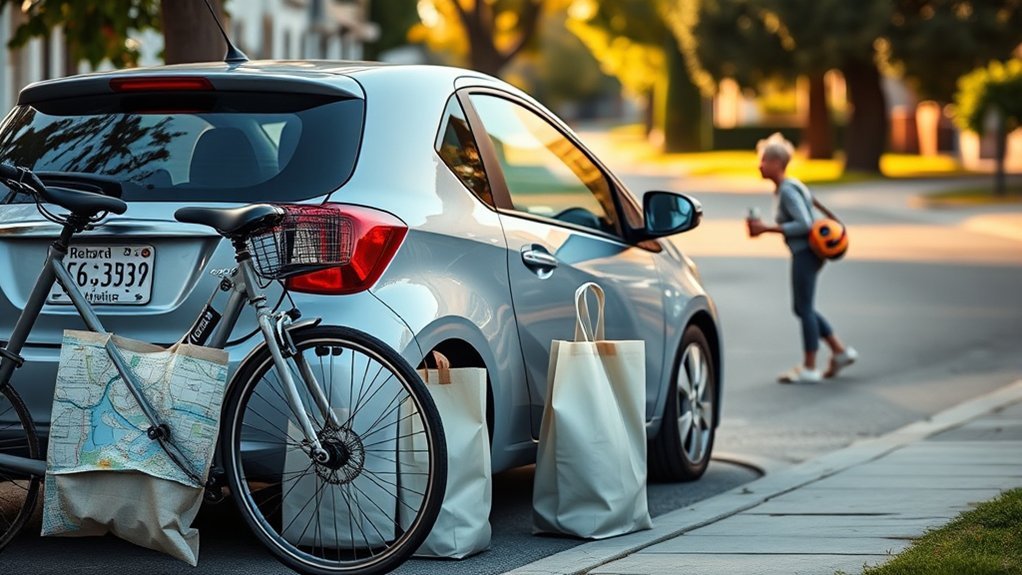
You can save a surprising amount on gas just by driving less. When you plan ahead, you cut gas consumption by combining errands into one route instead of making separate trips.
Map out your stops, group nearby stores, and check your schedule before you leave. That simple habit can save money fast, because fewer miles mean less fuel burned and fewer cold starts.
If you can, choose biking or public transit for short trips, or carpool with friends or coworkers to split fuel costs. Sharing rides can cut your expenses in half while also reducing traffic.
Telecommuting is even better when your job allows it, since skipping the commute can save up to $1,000 a year. The key is to think before you drive.
Every trip you avoid lowers your gas bill and helps you use your car only when it truly matters.
Accelerate Gently and Brake Less
You can save fuel by easing onto the gas instead of accelerating hard, because smooth starts reduce wasted fuel.
When you see traffic slowing, brake early, keep a safe gap, and coast when you can so you avoid sharp stops.
Try to keep your speed changes small and steady, since constant speeding up and slowing down cuts into mileage.
Smooth Starts Save Fuel
Smooth starts can make a noticeable difference at the pump because gentle acceleration uses less fuel than rapid bursts of speed. When you pull away steadily, your car stays more fuel efficient and cuts energy consumption, especially in city traffic.
Build speed gradually instead of flooring the pedal; rapid acceleration can raise fuel use by up to 30%. Keep your smooth driving behavior consistent by easing into stops and avoiding hard braking, since every stop wastes the energy you just spent gaining.
On highways, cruise control can help you hold a steady pace and prevent unnecessary speed changes. Leave enough space ahead so you don’t need quick reactions.
Small, controlled inputs keep the engine working efficiently, reduce fuel costs, and make every trip easier on your gas bill.
Brake Early, Coast More
Brake early and let the car roll whenever traffic allows, because gentle slowing and coasting use less fuel than repeated hard braking and quick re-acceleration.
You’ll waste less energy when you read the road ahead, ease off the accelerator, and use momentum to carry you farther. In city driving, this habit can improve energy efficiency by up to 30%, which helps when gas prices keep climbing.
It also reduces wear on brake parts, so you save money twice. On highways, set cruise control when conditions are steady to hold a consistent pace and avoid extra throttle changes.
The result is smoother driving, better fuel economy, and less strain on your vehicle. Small changes in how you slow down can make a noticeable difference over time.
Keep Speed Changes Small
Once you’re coasting and braking earlier, the next step is to keep your speed changes small. When you accelerate gently, you can improve fuel economy by up to 30% and cut gas waste fast. Smooth driving lowers energy usage because your car doesn’t have to work as hard to speed up and slow down.
| Habit | What you do | Benefit |
|---|---|---|
| Gentle starts | Press lightly | Less fuel burned |
| Steady speed | Use cruise control on highways | About 7% savings |
| Safe spacing | Leave room ahead | Fewer hard stops |
Try to stay under 60 mph when you can, since higher speeds can reduce efficiency by about 15%. These habits give you immediate savings and help every tank go farther.
Slow Down to Save More Gas
Slowing down is one of the simplest ways to save gas, especially on the highway. When you slow down, you improve fuel efficiency and can trim your energy bills without changing your route.
Driving above 60 mph can cut fuel efficiency by as much as 10%, and each 5 mph you add over that point can cost about 20 cents more per gallon. If traffic lets you, aim for a steady pace instead of racing up to speed and braking hard.
Driving above 60 mph can cut fuel efficiency by 10%; steady pacing helps save gas.
Rapid acceleration and deceleration burn extra fuel, while smooth driving helps your car use less. On long trips, use cruise control to hold a consistent speed and avoid small, wasteful changes.
Even a modest 5 mph reduction can improve fuel economy by about 7-14%, depending on your vehicle and conditions. Watch posted speed limits too; they help you stay safe and keep your gas use down.
Keep Your Tires Properly Inflated
Check your tire pressure weekly so you can catch small drops before they start hurting your fuel economy.
Inflate your tires to the manufacturer-recommended PSI, because proper pressure helps your car roll more easily and keeps your engine from working harder than it needs to.
When you reduce rolling resistance, you’ll save gas, protect your tires from uneven wear, and improve overall driving efficiency.
[Products Worth Considering]

The GOOLOO A3 3000A 12V jump starter delivers fast, reliable starts for dead vehicles while also providing a built-in 150 PSI cordless tire inflator. It supports gas and diesel engines up to 9.0L/6.5L and includes multiple inflation modes with smart shutoff and an LED display for convenient pressure control. A high-efficiency BMS provides 10 safety protections, and the unit also functions as a flashlight and device-charging power bank.

Measure tire tread depth quickly and accurately with this LUMITECO dial gauge that reads in 1/32" increments up to 14/32". The color-coded green/yellow/red zones make it easy to judge tire wear and know when replacement is needed. A rugged, compact design with a protective pouch helps keep the gauge ready for use on cars, trucks, motorcycles, and more.

This 100-piece set of snap-in tubeless tire valve stems is designed for standard 0.453 in (11.5 mm) rim holes and helps maintain reliable, steady tire pressure. Made with ozone-resistant rubber and brass cores, the valves are built for durability and long-term use. Easy to install by hand, they support safe driving and are suitable for cars, light trucks, trailers, and more.
Check Tire Pressure Weekly
Keeping your tires properly inflated is one of the easiest ways to improve fuel economy, so make it a weekly habit to check tire pressure. A quick gauge reading can reveal problems before they hurt fuel efficiency.
Low tire pressure raises rolling resistance, which makes your engine work harder and burn more gas. Even a 1 psi drop can trim mileage by up to 3%, so don’t ignore small changes. For the most accurate reading, measure tires when they’re cold, ideally before you drive in the morning.
Regular checks also help your vehicle perform better and can extend tire life. If you want an extra boost, consider low rolling resistance tires, since they’re designed to cut energy loss and support better gas mileage.
Inflate To Recommended PSI
Inflate your tires to the manufacturer’s recommended PSI to help your car use less fuel and run more efficiently.
When you keep pressure at the right level, you can improve fuel economy by up to 3%, which may save about 10 cents per gallon and trim your gas bill over time.
If your tires run low, even by 1 PSI, your engine has to work harder and waste more energy.
Check pressure when tires are cold, since driving heats them and can distort readings.
Use a reliable gauge and compare it with the door-jamb label or owner’s manual.
Make this a monthly habit, and stop by gas stations with air pumps when needed.
Proper inflation can also extend tire life by up to 25%.
Reduce Rolling Resistance
Proper tire pressure does more than protect tire life; it also helps reduce rolling resistance, which can make a noticeable difference in fuel use.
When your tires are underinflated, your engine works harder and burns more gas. Even a 1 psi drop can cut fuel efficiency by up to 3%, so check pressure weekly and match the manufacturer’s recommendation on the driver’s side door jamb.
Proper inflation also helps prevent premature wear and safety risks.
If you still notice poor mileage, look for air leaks in the valve stems or tread. Low rolling resistance tires can boost savings further.
Think of it like reducing heat loss before adjusting your water heater: small fixes add up fast.
Choose the Right Fuel Grade
Choosing the right fuel grade can save you real money without hurting your engine. Check your owner’s manual first, because your vehicle’s fuel grade needs are set by the manufacturer. If it calls for regular fuel, you can usually skip premium fuel and keep more cash in your pocket. High-octane gas can cost up to 20 cents more per gallon, and most cars don’t need it.
- Use regular fuel if your manual says it’s fine.
- Buy premium fuel only for engines that require it.
- Avoid lower-grade fuel in premium-recommended engines.
- Save the difference; unnecessary premium purchases can add up fast.
Only about 10-15% of vehicles truly need premium fuel, so don’t pay extra just because it sounds better.
Using the wrong fuel grade can cause knocking and long-term damage in high-compression engines. When you match the fuel grade to your car’s needs, you protect the engine and cut fuel costs over time.
Compare Gas Prices Before You Fill Up
Once you’ve picked the right fuel grade, the next easy way to cut costs is to compare gas prices before you fill up. Prices can swing a lot from one station to another, sometimes by 50 cents a gallon, so checking first can save you real money.
Use apps like GasBuddy to compare prices, find the lowest gas prices nearby, and watch price trends in real time. As you drive your usual routes, notice posted gas prices at stations you pass often; you’ll quickly spot which ones usually offer better deals.
Don’t waste fuel driving far out of your way just to chase a small discount. Instead, plan your fuel stops efficiently so the savings make sense. You can also fill up earlier in the week, since prices often climb on Fridays and weekends when demand rises.
With a little planning, you’ll pay less every time you visit the pump and keep more cash in your budget.
Pay Cash to Lower Pump Costs
Paying cash at the pump can cut your fuel bill right away, since many stations charge less for cash than for credit or debit cards—sometimes by as much as 20 cents per gallon.
When you pay cash, you can also stick to your budget because you’ll only spend what you’ve brought with you. That makes it easier to avoid impulse buys and keep your fuel costs predictable.
- Look for cash discounts before you fuel up.
- Track each fill-up so you can see your savings add up.
- Ask whether the station offers loyalty rewards or cash back.
- Make cash a habit if you’re a regular driver who refuels often.
Over time, those small savings can become a meaningful difference in your monthly driving costs, especially if you fill up frequently.
Frequently Asked Questions
What Runs up the Gas Bill the Most?
High-speed driving and hard acceleration run up your gas bill most. Your driving habits matter most, but vehicle maintenance counts too. Use fuel efficiency tips like steady speeds, proper tire pressure, and less idling.
How to Cut Your Electric Bill by 90%?
Sure, you can slash it dramatically: use smart home technology, energy efficient appliances, and solar power options; wash clothes in cold water, seal leaks, and trim HVAC waste, or your utility’s apparently funding a yacht.
What Are 10 Ways to Save Fuel?
You can save fuel by combining errands, avoiding idling, keeping tires inflated, maintaining your vehicle, choosing fuel efficient vehicles, easing acceleration, steady cruising, planning routes, using regular fuel, and improving driving habits with smart maintenance tips.
What Are the Best Ways to Reduce My Gas Bill?
You’ll cut your gas bill fastest by combining errands, keeping steady speeds, and checking tire pressure. Why waste fuel? Choose fuel efficient vehicles, follow car maintenance tips, and improve driving habits to save money.
Conclusion
You can slash your gas bill faster than a trip to the moon if you make these simple changes stick. Drive less when you can, ease onto the gas, brake only when you must, and keep your speed in check. Inflate your tires, choose the right fuel, compare prices, and pay cash when it helps. Small habits won’t just save fuel—they’ll save you real money every single week.
[Products Worth Considering]

Stay on top of tire pressure with a factory-calibrated digital gauge accurate to ±1 PSI and readable in 0.1 increments. It features a bright backlit LCD plus a illuminated nozzle for easy readings in low light, with auto-off power saving for longer battery life. Switch quickly between PSI, Bar, Kgf/cm², and KPA using a single button, and cover most everyday vehicles with a 0–150 PSI range.

The Airmoto portable tire inflator quickly and accurately fills car, truck, SUV, motorcycle, and bicycle tires up to 120 PSI with auto shut-off when your target pressure is reached. Its large LCD, multi-unit pressure display, and digital gauge make it easy to dial in settings and verify readings, while the built-in LED flashlight helps in low light. The included polyurethane hard carrying case and storage mesh pocket keep the inflator and accessories protected and organized.

This tire inflator with pressure gauge delivers long-lasting performance with a durable rubber-protected gauge and sturdy build. The longer hose and 360 swivel air chuck help you seal the valve securely and keep your hands free while measuring, inflating, or deflating. It’s battery-free for reliable use and provides ±2 PSI accuracy in the mid-range for most typical tires, with universal compatibility for 1/4 NPT compressor outputs.

Related Articles
How Oversized Tires Affect Your Transmission
Oversized tires strain your transmission more than you think, but the real damage they cause may surprise you.
Read More
Weight on Wheels Meaning: Why Unsprung Weight Matters
C**urious how weight on wheels affects speed, grip, and ride quality? Discover why unsprung weight can make or break your setup.
Read More
Caster, Camber, and Toe: Wheel Alignment Explained
I’m breaking down caster, camber, and toe—three tiny alignment angles that can transform your car’s handling, but one of them may surprise you.
Read More