
Wheel Diameter Explained: How Rim Size Affects Your Ride

Wheel diameter changes your ride by altering sidewall height, tire flex, and unsprung weight. When you go bigger, you usually get lower-profile tires that flex less, so bumps feel sharper and the cabin gets more vibration. Smaller wheels let you run taller sidewalls, which add cushioning and improve comfort on rough roads. Size also affects range, handling, braking, and speedometer accuracy, so you’ll want the right balance for your vehicle; there’s more to weigh here.
Key Takeaways
- Larger wheel diameters usually mean shorter sidewalls, which improve handling but make the ride feel harsher.
- Smaller wheels allow taller sidewalls, adding cushion and comfort on rough roads.
- Bigger wheels can increase rolling resistance and weight, which may reduce range and acceleration.
- Wheel size changes can affect braking, suspension response, and steering precision.
- Always match wheel and tire sizes to manufacturer limits to preserve clearance, speedometer accuracy, and safety.
[Products Worth Considering]

Replace worn or missing TPMS sensors with a pre-programmed 4-pack designed for compatible GM vehicles. These 315MHz sensors provide real-time tire pressure monitoring and alert you if pressure is too high, too low, or if a rapid air leak occurs. Most installations are ready with minimal relearn effort after mounting, helping improve safety and driving confidence.

Replace worn or malfunctioning GM TPMS sensors with this 433MHz pre-programmed sensor set designed for compatibility with many Chevrolet, Buick, GMC, and Cadillac models. It includes guidance for proper OBDII relearning/pairing after installation and supports reliable long-term operation with a high-performance CR2032 battery. Quality tested for durability and performance to help restore accurate tire pressure monitoring.
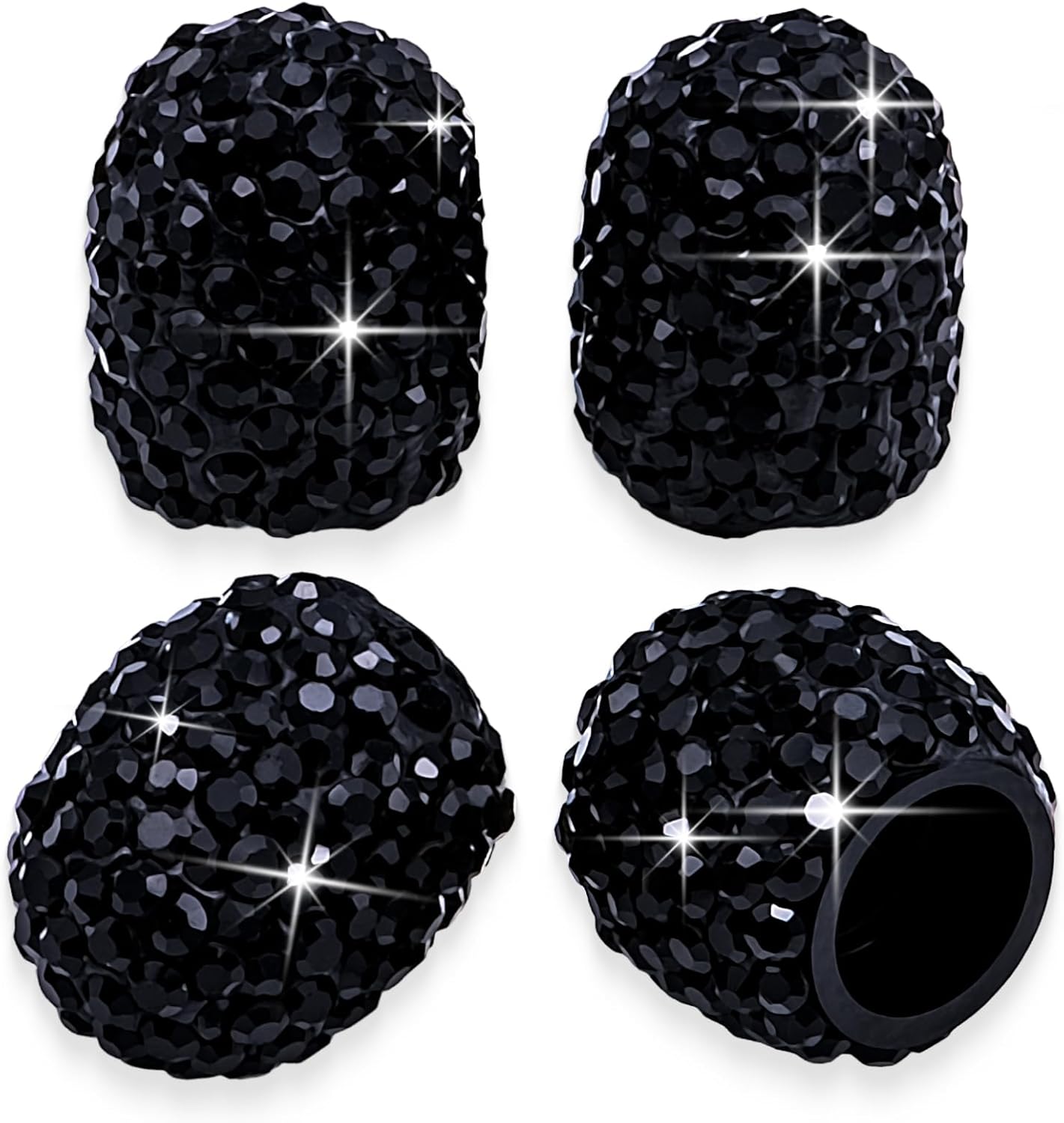
Add a sparkling, diamond-look upgrade to your vehicle with these bling rhinestone tire valve caps. They help protect valve stems from dirt, grime, and dust while offering a smooth, comfortable touch. Suitable for cars, SUVs, trucks, motorcycles, and bicycles, they’re quick to install by hand for an easy custom style.
How Wheel Diameter Changes Ride Quality

Wheel diameter directly shapes ride quality by changing tire sidewall height, unsprung weight, and overall rolling diameter. When you choose larger wheels, you usually fit a shorter sidewall, so the tire flexes less over bumps and can sharpen response. That can suit your driving needs if you want precise handling, but it often trims ride comfort because the tire absorbs less road impact.
Smaller wheels let you run a taller sidewall, and that extra height helps the tire cushion rough pavement and maintain a smoother ride. Wheel diameter also changes overall tire diameter, so you should check speedometer accuracy after a swap. If the new combination stays within spec, you preserve normal gearing and predictable acceleration feel.
In practice, you’re balancing comfort, control, and packaging. The best choice depends on how you use the vehicle, whether you prioritize daily compliance or more direct road feedback from the chassis and tires.
Why Bigger Wheels Feel Harsher
Bigger wheels often feel harsher because they usually come with lower-profile tires that have shorter sidewalls and less ability to flex over broken pavement.
When wheel diameter increases, you lose some tire flex, so the contact patch can’t isolate bumps as effectively. That reduced shock absorption sends more vibrations through the chassis and into the cabin, which you’ll feel as a harsher ride.
Larger wheels reduce tire flex, letting more road shock pass straight into the cabin.
Larger wheels also add mass and can sharpen suspension response, making the suspension react more directly to cracks, potholes, and expansion joints.
In addition, bigger diameters can change suspension geometry, which may further firm up the setup and reduce ride quality.
The result is a vehicle that feels more precise but less forgiving. If you prioritize comfort, the shorter sidewall and stiffer response can make a noticeable difference, especially on rough roads where every imperfection gets transmitted more clearly.
How Wheel Size Affects Range
When you increase wheel diameter, you usually raise rolling resistance, so the motor has to supply more energy and your range can drop.
Lighter wheels can offset some of that loss by reducing rotational mass, and smaller wheel packages often improve aerodynamics by lowering drag.
In practice, your range depends on the combined effect of rolling resistance, wheel weight, and airflow efficiency.
Rolling Resistance Changes
Rolling resistance is a key tradeoff in wheel sizing because larger diameters often increase energy loss and can reduce vehicle range. When you choose a greater wheel diameter, you usually raise rolling resistance, so the drivetrain must supply more energy for each mile. That higher energy consumption can offset gains in ride comfort from a lower tire sidewall ratio.
Smaller wheels often help efficiency because they usually cut rolling resistance and can improve aerodynamics, which supports longer vehicle range. You should also account for weight difference: larger wheels often weigh more, and that extra mass needs more energy to accelerate and maintain speed.
In practice, lighter 19-inch wheels can outperform heavier alternatives, so your range depends on both wheel diameter and total rotating mass.
Weight And Aerodynamics
Wheel size affects range through both mass and airflow: larger diameters usually weigh more, so your drivetrain must spend extra energy accelerating and sustaining them, while smaller wheels often reduce drag and improve aerodynamic efficiency. With greater wheel diameter, rolling resistance can rise, increasing energy consumption at cruise.
| Wheel choice | Range impact |
|---|---|
| Larger wheels | More weight, more rolling resistance |
| Smaller wheels | Better aerodynamics, lower drag |
| Lighter 19-inch rim size | Often improves energy efficiency |
| Taller sidewall | Better ride comfort, slightly more loss |
You’ll usually see the best compromise when you balance weight, aerodynamics, and ride comfort. Heavier rims demand more power; lighter smaller wheels can extend range, though handling and comfort may shift. Test your setup, because real-world results depend on tire choice, road load, and driving style.
How Wheel Size Changes Handling and Braking
Bigger wheel diameters usually sharpen handling because they let you run lower-profile tires, and the shorter sidewall flexes less during cornering, giving you crisper steering response and better stability.
With this wheel diameter, you gain more direct handling, especially when larger wheels support lower-profile tires that resist deformation under load. That tighter footprint can also improve cornering stability and braking performance, since bigger rims often fit larger brake rotors and shed heat more effectively.
Larger wheels sharpen handling with lower-profile tires, boosting cornering stability and braking confidence.
But the tradeoff isn’t free: added unsprung mass can reduce suspension performance, so impacts transmit more sharply through the chassis.
By contrast, smaller wheels with taller sidewalls improve shock absorption and keep the tire compliant over rough pavement, which can help you maintain control on uneven surfaces.
Wheel size also changes overall gearing, so larger wheels may lower engine rpm at speed and slightly soften acceleration feel while altering braking response.
[Products Worth Considering]

Upgrade your wheels with zinc alloy valve stem caps featuring a plated, corrosion-resistant finish and a secure rubber O-ring seal. These caps help protect the valve stem from moisture, snow, and debris while supporting stable tire pressure and safer driving. Designed for easy installation, they replace worn caps and add a distinctive look to your vehicle.

These universal tire valve stem caps help protect valve cores from dust, debris, and moisture while helping maintain stable tire pressure. The corrosion-resistant metal construction and sealed design provide reliable protection in road grime, mud, and winter conditions. Twist-on installation makes them quick to fit on cars, SUVs, trucks, and motorcycles.

These universal tire valve stem caps help protect your valve core from dust, debris, moisture, and corrosion, supporting more stable tire pressure. The aluminum alloy design resists long-term wear, while the sealing construction helps help prevent air leakage. They twist on easily for quick installation and help safeguard driving safety across cars, SUVs, trucks, and motorcycles.
How to Choose the Right Wheel Size
To choose the right wheel size, start with the manufacturer’s specifications, since they define the safest fit and help preserve the vehicle’s intended handling, braking, and speedometer accuracy. From there, compare wheel diameter against the approved range and keep it within 1–2 inches of factory size to maintain proper fitment and stable overall vehicle dynamics.
- Check tire size first: larger wheels usually need lower-profile tires, while the correct pairing protects clearance and calibration.
- Evaluate unsprung weight: lighter wheels can sharpen response, reduce suspension load, and improve acceleration feel.
- Balance tradeoffs: larger wheels may increase grip and precision, but they can also affect ride comfort through reduced sidewall cushioning.
When you choose the right wheel, you’re managing geometry, mass, and tire compliance together. That technical balance keeps the chassis predictable and the vehicle consistent with the manufacturer’s specifications.
When Smaller Wheels Make More Sense
Smaller wheels make more sense when your priorities are comfort, efficiency, durability, or lower ownership costs. A smaller wheel diameter lets you run a tire with taller sidewalls, and that extra sidewall flex absorbs impacts better, improving ride comfort on rough pavement.
Smaller wheels can improve comfort by allowing taller sidewalls that better absorb bumps on rough pavement.
You’ll also reduce unsprung weight, because smaller rims usually weigh less, so your suspension can react faster and your handling can feel more controlled. In winter, a narrower smaller tire often cuts through snow and slush more effectively, which can improve traction on icy roads.
You may also save money over time, since replacement tires for a smaller wheel typically cost less. Finally, the added sidewall height helps protect the rim from pothole strikes and curb impacts.
If you value practical performance over maximum visual presence, a smaller wheel often delivers the better technical balance.
Frequently Asked Questions
Does Rim Size Affect Ride Quality?
Yes, rim size affects your ride quality: larger rims can sharpen handling performance and cornering stability, but they often reduce ride comfort, vibration absorption, and road feedback balance, while changing tire pressure sensitivity, suspension impact, weight distribution, traction control, and aesthetic appeal.
What Is the 3% Rule for Tire Size?
You should keep your new tire’s overall diameter within 3% of stock; otherwise you’ll hurt speed accuracy, handling performance, fuel efficiency, load capacity, traction control, tire wear, vehicle stability, comfort level, and road noise.
What Is the 105 Rule for Rim Width?
You’ll use the 105 rule by matching rim width to about 105% of your tire’s section width, balancing tire pressure, handling characteristics, weight distribution, aerodynamics impact, cornering stability, comfort level, performance metrics, material differences, design trends.
Do 18 or 20 Inch Wheels Ride Better?
18-inch wheels usually ride better because they improve ride comfort and suspension dynamics. You’ll feel less harshness, though 20-inch wheels sharpen wheel performance, handling characteristics, vehicle aesthetics, and speed stability while increasing weight differences.
Conclusion
You’ve seen how wheel diameter shapes ride quality, range, handling, and braking. Bigger rims can sharpen response, but they often add mass, reduce sidewall compliance, and make your ride feel harsher. Smaller wheels usually cushion impacts better and can improve efficiency. When you choose wheel size, balance comfort, performance, and real-world use. Don’t chase size alone—measure the trade-offs. As the saying goes, “bigger isn’t always better,” and that’s especially true on the road.
[Products Worth Considering]

This self-service tire repair nail kit includes 60 pieces (30 small + 30 large) to help seal punctures quickly without needing an auto shop visit. The nails are designed to fit different hole sizes and provide a tight connection with sealing glue to help prevent air and water intrusion. Suitable for cars, motorcycles, trucks, and other vehicles, it’s an easy, efficient way to patch roadside tire damage.

This 60-piece tire repair nail kit provides a fast, do-it-yourself way to seal punctures on tubeless car, motorcycle, and SUV tires without removing the tire. Simply align, twist clockwise, and finish in seconds for a reliable sealing effect that helps prevent water intrusion. The kit includes tire glue and durable rubber-and-steel repair nails for strong adhesion and long-lasting repairs.

ATQYZLM’s screw-in tire plug kit provides quick self-service emergency puncture repair for tubeless tires without removing the tire. Choose a suitable plug nail, align it to the puncture, and tighten with the included screwdriver for minute-level roadside use. The rubber and metal plugs help form a durable airtight seal to reduce air loss and water seepage for reliable short-term travel.

Related Articles

Breaking In New Tires: How Long It Takes and Why
Keen to know why new tires feel slippery at first and how long break-in really takes before grip returns?
Read More
ZR vs R Tires: What the Speed Rating Really Means
Just how much does ZR vs R really change your drive? Discover the speed-rating differences that could alter grip, comfort, and safety.
Read More
O/D Off Meaning: When to Turn Overdrive Off and Why
Just when you think O/D Off is simple, it can improve towing, hills, and traffic driving—but knowing when to use it could save your transmission.
Read More