
Is Shinko a Good Motorcycle Tire? Honest Review & Ratings
Yes, Shinko tires can be good motorcycle tires if you want practical grip, predictable handling, and lower upfront cost than many premium brands. They are strongest for commuting, cruising, touring, dual-sport riding, and value-focused replacement sets. They are not the best match for every bike, though, so fitment, load rating, speed rating, DOT status, pressure, and riding style matter.
Quick Answer
Shinko tires are good for riders who want affordable, dependable motorcycle tires for everyday street, cruiser, touring, and mixed-surface use. They usually trade some premium-brand refinement and long-mileage consistency for a lower price. Choose the exact model, size, load index, speed rating, and DOT status for your motorcycle.
Key Takeaways
- Shinko is a value-focused motorcycle tire brand with roots in Osaka, Japan, and motorcycle tire technology acquired from Yokohama Rubber Co. in 1998.
- Shinko tires are best for practical riders who want solid grip, comfort, and predictable road manners without paying premium-brand prices.
- Tread life varies by model, bike weight, pressure, road surface, and throttle use, so avoid treating any mileage number as a guarantee.
- Fitment matters more than brand reputation. Always match size, load index, speed rating, tube/tubeless design, and DOT/NHS status to your motorcycle.
- New Shinko street tires need a moderate break-in period before hard cornering or full-power use.
Are Shinko Tires Good?
Shinko tires are good if your goal is solid everyday motorcycle performance at a budget-friendly price. They are often chosen by riders who commute, cruise, tour, ride mixed pavement, or want a practical replacement tire without paying for a top-tier sport or touring brand.
The main appeal is value. Shinko positions its tires as a cost-effective alternative to premium motorcycle tire brands, and its catalog covers cruisers, sportbikes, touring bikes, dual-sport machines, ADV bikes, off-road motorcycles, scooters, and drag-racing applications. That makes the brand useful for many riders, but it also means you should not judge every Shinko tire as one product. A cruiser tire, a dual-sport tire, and an off-road tire are built for different jobs.
In normal street use, many Shinko models can feel stable, comfortable, and predictable. They are not usually bought because they are the most advanced tire on the market. Riders buy them because they offer a useful mix of price, grip, and availability. The tradeoff is that some models may not match premium tires for wet-weather refinement, high-speed sport riding, or long-mileage consistency.
Warning: Do not buy a Shinko tire, or any motorcycle tire, by brand name alone. Match the exact tire size, load index, speed rating, rim type, tube or tubeless requirement, and highway-use marking to your motorcycle. Some off-road and flat-track tires may be marked NHS, which means Not for Highway Service.
[Products Worth Considering]

Vigorder rubber cement glue delivers superior adhesion and cures quickly within about 30 seconds for seamless rubber bonding. Once cured, it helps provide a strong, durable, waterproof seal that holds up to vehicle weight, pressure, and heat. Suitable for cars, motorcycles, trucks, bicycles, and off-road tires, it’s designed for emergency patch and maintenance repairs.

Measure tire tread depth quickly and accurately with this LUMITECO dial gauge that reads in 1/32" increments up to 14/32". The color-coded green/yellow/red zones make it easy to judge tire wear and know when replacement is needed. A rugged, compact design with a protective pouch helps keep the gauge ready for use on cars, trucks, motorcycles, and more.

Accurately measure tire tread depth with a calibrated gauge marked from 0 to 1 inch in 1/32 inch increments. The color-coded bar helps you quickly identify tread condition ranges, supporting safe driving for trucks, motorcycles, automobiles, and passenger vehicles.
What Are Shinko Tires?
Shinko is a motorcycle tire brand with a long rubber-product background. According to Shinko Tires USA, the Shinko Group began in 1946 as a bicycle tire and tube maker in Osaka, Japan. In 1998, Shinko expanded into motorcycle tires by acquiring tire molds and technology from Yokohama Rubber Co. The brand combines Japanese design and R&D with South Korean manufacturing and produces about 200,000 motorcycle tires per month.
That history matters because Shinko is not a no-name tire label. It is a value-oriented tire maker with a broad range of motorcycle applications. You can find Shinko tires for:
- Cruisers and V-twins: tires built for stability, comfort, and load support.
- Street and sport-touring motorcycles: tires aimed at daily grip, cornering feel, and road use.
- ADV and dual-sport bikes: tires that balance pavement use with gravel, dirt roads, and mixed terrain.
- Off-road motorcycles: knobby tread patterns for mud, hard terrain, trail, and enduro-style riding.
- Scooters and smaller bikes: affordable tires for daily local riding.
- Drag and specialty use: tires built for straight-line grip or very specific surfaces.
The important point is simple: Shinko makes many tires, not one tire. A good Shinko choice for a lightweight commuter may be a poor choice for a heavy touring bike, and a tire that works on gravel may not be ideal for aggressive highway cornering.
Why Riders Buy Shinko Tires
Riders often buy Shinko tires because they want a lower-cost tire that still feels competent in real-world use. For many motorcycles, Shinko gives you enough grip, comfort, and control for commuting, weekend rides, cruising, and touring without the premium price tag.
The main reasons riders choose Shinko include:
- Lower upfront cost: Shinko is usually priced as a value brand, which helps if you ride often or replace tires regularly.
- Broad fitment range: The lineup covers many street, cruiser, scooter, ADV, dual-sport, and off-road sizes.
- Predictable road feel: Many riders choose Shinko because the tires feel steady rather than twitchy in normal road use.
- Useful specialty options: The brand offers models for cruisers, dual-sport use, off-road terrain, and straight-line traction.
- Good cost-per-mile potential: Even when tread life is not premium-level, the lower purchase price can make the overall value attractive.
That does not mean Shinko is the best tire for every rider. If you ride very fast, carry heavy two-up loads, demand class-leading rain grip, or want maximum mileage, you should compare Shinko carefully with premium options from brands such as Michelin, Dunlop, Bridgestone, Metzeler, and Pirelli.
Best Shinko Tires by Riding Style
The best Shinko tire depends on how you ride, where you ride, and what your motorcycle requires. Start with your owner’s manual and the tire sidewall information, then narrow the model by riding style.
| Riding Style | Shinko Direction | What to Check |
| Cruiser / V-twin | SR777 line, including HD versions where the bike requires higher load support | Load index, speed rating, two-up load, luggage, rim size, and front/rear tire pairing |
| Commuting / light touring | Street-focused Shinko tires that match your exact size and load need | Cold pressure, tread depth, rain performance, and even wear |
| Sport / aggressive street | Sport or sport-touring Shinko options only if they meet your bike’s performance needs | Warm-up feel, edge grip, wet grip, braking stability, and speed rating |
| ADV / dual-sport | 705, E804, or E805 style mixed-terrain options | Pavement-to-dirt ratio, wet pavement behavior, gravel stability, and DOT marking |
| Off-road | Terrain-specific off-road patterns | NHS marking, terrain type, tube requirement, sidewall stiffness, and whether you will ride on pavement |
| Drag / straight-line use | Specialty drag-focused Shinko tires | Street legality, heat range, use case, and whether the tire is suitable for daily riding |
For most cruiser riders, the SR777 family is the first Shinko line to check because Shinko identifies it as a popular cruiser option with increased load capacity and wet/dry traction features. For dual-sport and ADV riders, Shinko points to the 705 and E804/E805 lines for mixed-terrain use. Still, the model name is only the starting point. The final choice must match your motorcycle’s exact size and load requirements.
How Shinko Tires Ride on Real Roads
On normal roads, the better Shinko fitments tend to feel steady and predictable. That is one reason riders use them for daily commuting and cruiser miles. You can expect a practical, easygoing ride when the tire model matches the bike and the pressure is set correctly.
Wet grip depends on the specific tire, tread pattern, rubber compound, tread depth, temperature, and road surface. A Shinko cruiser tire may feel secure in mild rain, but that does not mean every Shinko tire will match a premium sport-touring tire in heavy rain or hard braking. Ride conservatively when the tire is new, when the pavement is cold, or when the road has oil, tar snakes, paint lines, gravel, or standing water.
Comfort is one of Shinko’s common strengths in casual use. Many models are designed to absorb imperfect pavement well enough for commuting and weekend rides. The tradeoff is that a softer-feeling tire may not deliver the same sharp feedback or long tread life as a more expensive premium touring tire on a heavy motorcycle.
Pro Tip: Break in new Shinko street tires with about 100 miles of moderate riding before full-power acceleration or aggressive cornering. Check cold tire pressure before each ride, especially before carrying a passenger or luggage.
How Long Do Shinko Tires Last?
Shinko tire life varies widely. Rear tires usually wear faster than front tires, and a heavy cruiser with a passenger and luggage can wear a rear tire much faster than a lighter commuter bike. Throttle use, braking style, road texture, heat, pressure, alignment, suspension condition, and storage habits also matter.
Some riders report rear-tire life around 4,000 to 5,000 miles on certain bikes and riding styles, while others may see more or less. Treat those numbers as rough rider reports, not a promise. The safer approach is to inspect tread depth, wear bars, cracking, punctures, cupping, flat spots, sidewall damage, and age.
To get the best life from Shinko tires:
- Use the motorcycle maker’s recommended cold pressure for your load and riding situation.
- Check pressure before riding, not after the tire is hot.
- Inspect tread and sidewalls often.
- Avoid repeated hard launches unless you are using a tire designed for that purpose.
- Keep suspension and wheel alignment issues from causing uneven wear.
- Replace damaged street tires instead of relying on sealants or repairs.
[Products Worth Considering]
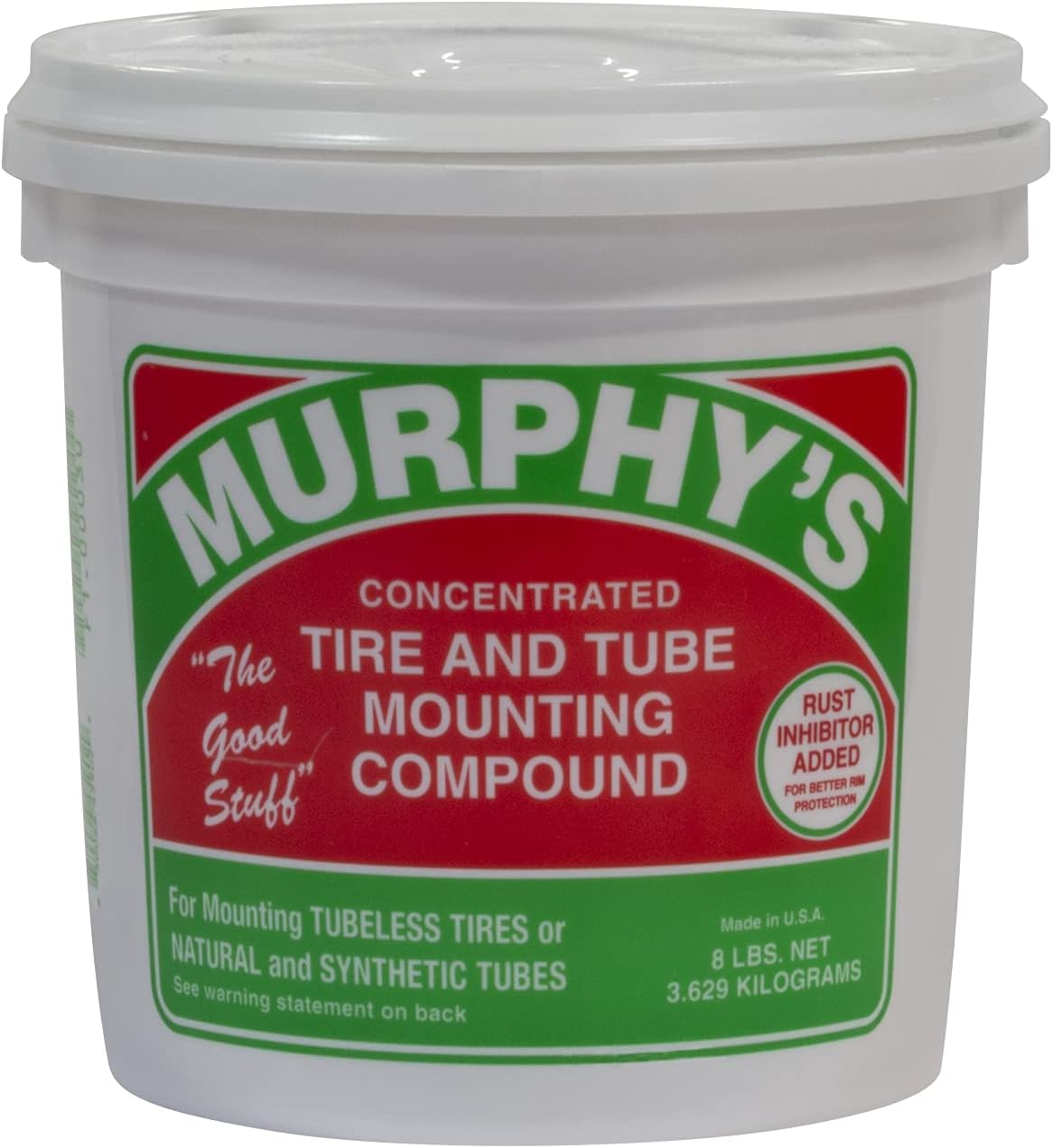
A concentrated tire and tube mounting compound designed to help simplify mounting rubber tires and tubes on passenger, semi truck, construction, and OTR applications. Its ultra-thick formula packs beads effectively and includes rust inhibitors to help protect against corrosion during use.

The SAFELIFE dial tire tread depth gauge measures tread depth in 1/32 inch increments with clear, easy-to-read 2-inch dial face. Color zones using a traffic light system help you quickly judge whether tread is low, marginal, or ample for safer driving. Built with a durable zinc cast body and a metal detect probe for precise, comfortable use across cars, motorcycles, trucks, and buses.
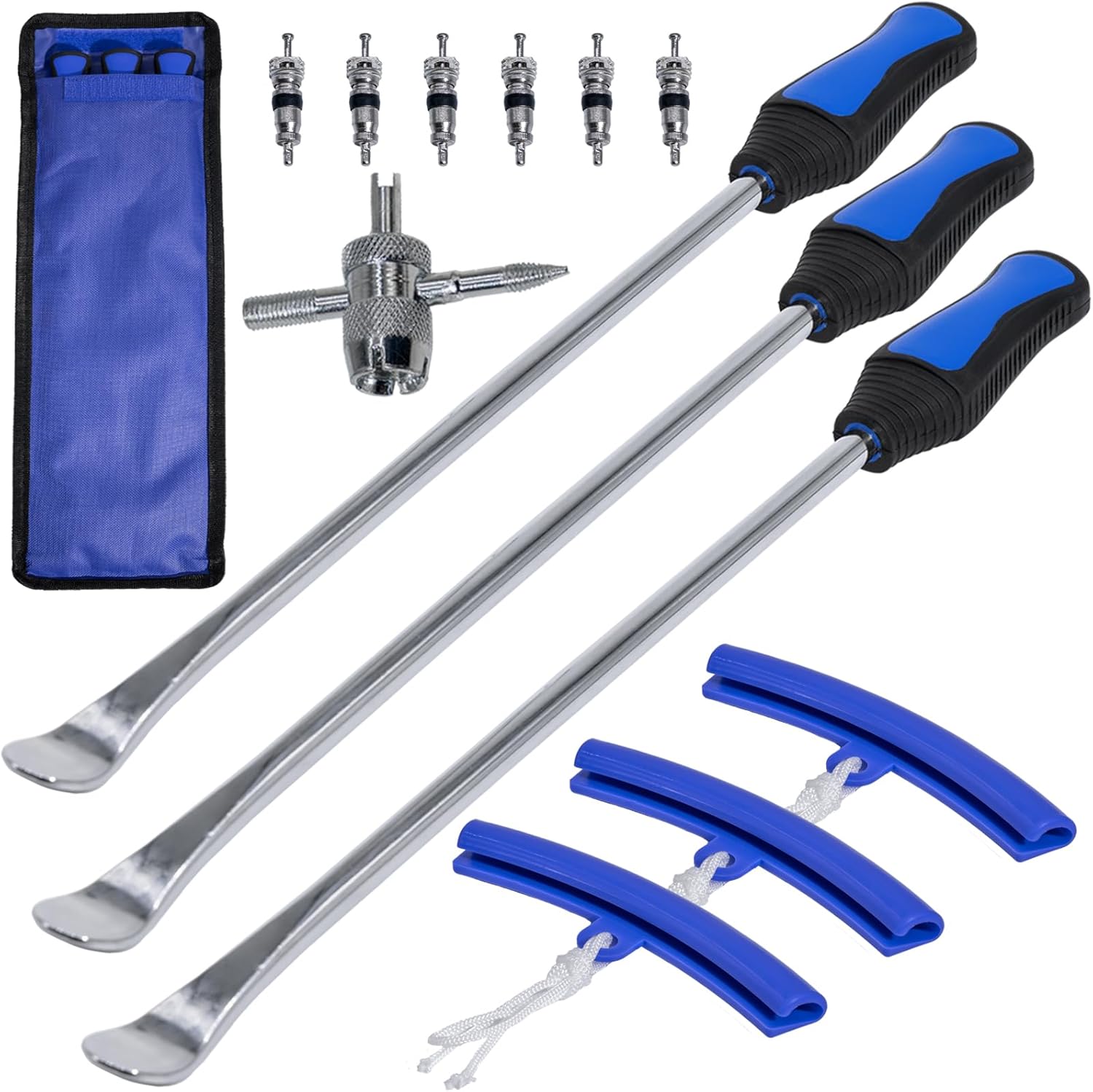
This tire spoon set helps you remove and install motorcycle, dirt bike, lawn tractor, and bicycle tires with extra leverage from a 14.5-inch spoon length. The kit includes tire removal tools, rim protectors, and a valve tool to simplify repairs and help protect rims during changing. Designed for quick, on-the-go service, it’s convenient for garage work, trails, and track-side fixes.
Are Shinko Tires Right for Your Bike?
Shinko tires may be right for your bike if your top priorities are value, everyday usability, and practical grip. They make the most sense when you ride within the tire’s intended design and choose the correct fitment.
Bike Fit and Load
Bike fit and load rating matter as much as tread design. Your motorcycle’s owner’s manual should list the approved tire sizes, recommended cold pressure, and load requirements. Your replacement tire should match the required size, load index, speed rating, construction type, and rim requirement.
This is especially important on heavy cruisers and touring bikes. A tire that fits the rim is not automatically strong enough for the motorcycle. Add a passenger, hard bags, top case, tools, camping gear, or a trailer tongue load, and the tire may be working much harder than it appears.
Before buying a Shinko tire, check:
- Size: Match the OEM size unless your motorcycle or tire manufacturer approves a change.
- Load index: The tire must support the bike, rider, passenger, cargo, and riding conditions.
- Speed rating: Use a rating appropriate for the motorcycle and riding conditions.
- Tube or tubeless design: Match the tire to the wheel type and manufacturer guidance.
- Front or rear position: Do not swap tire positions unless the tire is designed and marked for that use.
- DOT or NHS marking: Use DOT-approved tires for public roads. Do not use NHS tires on highways.
Riding Style Match
Shinko tires fit some riding styles better than others. They are often a smart pick for relaxed commuting, cruiser riding, budget touring, and mixed-surface adventure use. They are less ideal if you demand the highest wet-weather braking, maximum track grip, or the longest possible touring mileage.
Choose Shinko if you want:
- A lower-cost replacement tire from a known motorcycle tire brand.
- Predictable handling for normal street speeds.
- A tire for commuting, casual touring, cruising, ADV, dual-sport, scooter, or off-road use.
- Good value without expecting premium-brand performance in every category.
Consider a premium tire instead if you want:
- Top-tier wet-weather braking and cornering confidence.
- Maximum sport-touring tread life.
- Hard track-day use.
- Heavy two-up touring at highway speeds with luggage.
- Manufacturer-specific tire approvals for a high-performance motorcycle.
Shinko vs Premium Motorcycle Tires
The best way to compare Shinko with premium tire brands is to separate price, performance, and risk tolerance. A premium sport-touring tire may give you better wet grip, more refined feedback, or longer life. A Shinko may give you enough of what you need at a lower cost.
For a commuter, older motorcycle, budget cruiser, or dual-sport bike, that value can make sense. For a high-powered sportbike, heavy touring rig, or rider who regularly pushes hard in rain, the extra cost of a premium tire may be worth it.
The right motorcycle tire is not the cheapest tire or the most expensive tire. It is the tire that matches your bike, load, speed, road surface, and riding style.
Frequently Asked Questions
Who makes Shinko tires for motorcycles?
Shinko motorcycle tires are made by Shinko Tire & Rubber Co. The Shinko Group began in Osaka, Japan, in 1946 and entered the motorcycle tire market in 1998 after acquiring molds and technology from Yokohama Rubber Co. Shinko Tires USA says the brand uses Japanese design and R&D with South Korean manufacturing.
How long do Shinko tires last?
Shinko tire life depends on the model, bike weight, pressure, road surface, temperature, load, and riding style. Some riders see rear tires around 4,000 to 5,000 miles, but others may get more or less. Check tread depth, wear bars, cracks, punctures, cupping, and age instead of relying on one mileage number.
Are Shinko tires safe?
Shinko tires can be safe when they are the correct size, load rating, speed rating, construction type, and road-use type for your motorcycle. Most Shinko street and cruiser tires are DOT-approved, but some off-road and flat-track tires may be NHS, which means Not for Highway Service. Always confirm the marking before road use.
What tire brand is the best for motorcycles?
There is no single best motorcycle tire brand for every rider. Michelin, Dunlop, Bridgestone, Pirelli, Metzeler, and other premium brands may be better for top wet grip, touring mileage, or sport performance. Shinko is often a good choice when value, availability, and everyday riding matter more than class-leading performance.
Is Shinko or Dunlop better?
Dunlop is usually the stronger choice if you want premium touring durability, wet-weather control, and high-speed refinement. Shinko is often better if you want a lower-cost tire for normal street, cruiser, commuter, or dual-sport use. The better choice depends on your bike, tire size, load, road conditions, and budget.
Do Shinko tires need a break-in period?
Yes. Shinko recommends about 100 miles of moderate riding on a new street tire before using full power or aggressive cornering. During that time, avoid hard lean angles, sudden braking, and fast acceleration so the tire can settle in safely.
Can a damaged Shinko street tire be repaired?
Shinko does not recommend repairing damaged street tires or using sealants because internal damage may not be visible. If a street tire is punctured, cut, cracked, or structurally damaged, replacement is the safer choice.
Conclusion
So, are Shinko tires good? Yes, they can be a smart buy if you want affordable motorcycle tires for practical street, cruiser, commuter, touring, ADV, dual-sport, or off-road use. Their biggest strength is value. Their biggest limitation is that they may not match premium tires for wet grip, aggressive sport performance, or long-mileage consistency.
Choose Shinko when the model fits your motorcycle and your riding style. Skip it, or compare carefully, if your bike is heavy, powerful, loaded for touring, or ridden hard in poor weather. The safest tire is the one that matches your size, load index, speed rating, pressure needs, road-use marking, and real riding conditions.
Sources
- Shinko Tire USA About Us — brand history, 1946 Osaka origin, 1998 Yokohama Rubber Co. technology acquisition, South Korean manufacturing, and monthly production.
- Shinko Tire USA FAQs — tire pressure, break-in period, repair guidance, DOT/NHS status, model categories, and cost-effective positioning.
- Shinko Tire USA — current motorcycle tire categories including V-twin, street, off-road, adventure, and scooter tires.
[Products Worth Considering]

This compact electric tire pump inflates bikes, motorcycles, scooters, and sports balls with preset pressure control and an LED display for precise readings. It automatically stops at your target PSI and supports up to 150 PSI, with fast inflation that reaches 80–100 PSI in about 25 seconds. Designed for easy carry, it fits in a jersey pocket or bag and remembers your last two pressure settings.
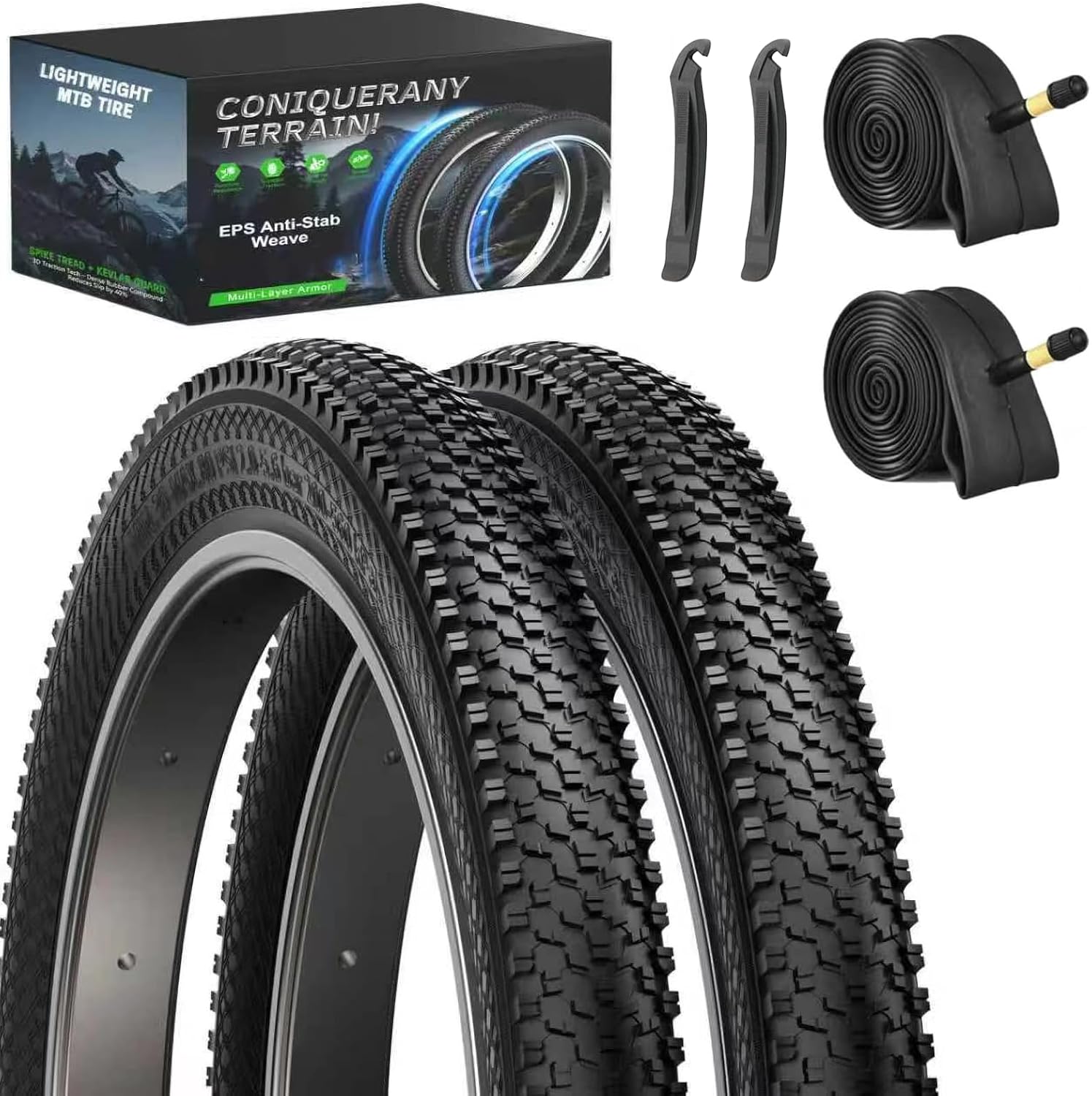
This 2-pack set includes two folding mountain bike tires, two inner tubes, and two tire levers for quick, budget-friendly replacements. The tires feature an anti-stab weave for added protection, plus strong grip and durable construction to help you stay stable across common trail and road conditions. Foldable design makes storage and travel convenient, while the included tubes provide a matched fit for smoother setup.

The Airmoto portable tire inflator quickly and accurately fills car, truck, SUV, motorcycle, and bicycle tires up to 120 PSI with auto shut-off when your target pressure is reached. Its large LCD, multi-unit pressure display, and digital gauge make it easy to dial in settings and verify readings, while the built-in LED flashlight helps in low light. The included polyurethane hard carrying case and storage mesh pocket keep the inflator and accessories protected and organized.

Related Articles

Best Westlake Tires 2026: Affordable Tires for Daily Driving and All-Season Use
You spend a lot of time on the road, and the tires you choose affect safety, comfort, fuel economy, and long-term costs. Westlake offers…
Read More
Best Sailun Tires 2026: Affordable Tire Picks for Everyday Driving
You rely on tires for safety, fuel economy and ride comfort, so choosing the right Sailun model matters more than just price. This guide…
Read More
Best Snow Tires for Trucks 2026: Winter Truck Tires for Safe Cold-Weather Driving
Winter tires are one of the most effective upgrades you can make to keep your truck safe when temperatures drop and roads become snow-…
Read More